


Search results
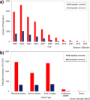
Search for "barrier" in Full Text gives 559 result(s) in Beilstein Journal of Nanotechnology. Showing first 200.
Targeting the vector of arboviruses Aedes aegypti with nanoemulsions based on essential oils: a review with focus on larvicidal and repellent properties
Beilstein J. Nanotechnol. 2025, 16, 1894–1913, doi:10.3762/bjnano.16.132


Programmable soliton dynamics in all-Josephson-junction logic cells and networks
Beilstein J. Nanotechnol. 2025, 16, 1883–1893, doi:10.3762/bjnano.16.131

- incident soliton propagates through it unimpeded, and the entire line returns to its initial physical state. However, increasing the inductance to L/LJ = 2 (see Figure 2b) switches the system to the Close mode. In this mode, the KICK serve as a significant barrier; when the soliton arrives, the large
- soliton’s energy is large enough to overcome any potential barrier presented by the KICK, ensuring transmission regardless of the inductance value. This results in a universal Open mode at high rates. Crucially, this high-energy passage is not inert; if the KICK is in a bistable regime (such as the T-Mode
- critical current of the specific junction connecting nodes 15 and 16 to (i.e., to 1 in normalized units). The effect of this asymmetric potential barrier is that a soliton initiated in the forward direction (from node 1) successfully overcomes it and is transmitted along the entire line. In contrast, a


Phytol-loaded soybean oil nanoemulsion as a promising alternative against Leishmania amazonensis
Beilstein J. Nanotechnol. 2025, 16, 1826–1836, doi:10.3762/bjnano.16.126

- formulation parameters – such as drug miscibility with the oil phase, droplet size, and size uniformity – have been directly correlated with permeation efficiency across the skin barrier [32][33]. Specifically, the encapsulation of lipophilic compounds like phytol in finely dispersed droplets within oil-in


Exploring the potential of polymers: advancements in oral nanocarrier technology
Beilstein J. Nanotechnol. 2025, 16, 1751–1793, doi:10.3762/bjnano.16.122
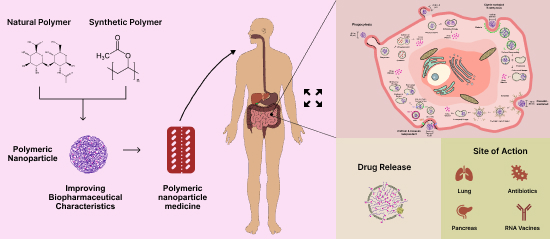
- anionic glycoprotein that plays a pivotal role in determining the thickness and structure of the mucus layer. Consequently, its barrier function and permeability to drugs are also influenced. As a consequence, positively charged substances are attracted to mucin by electrostatic forces and retained within
- the mucus layer which acts as a barrier that must be overcome in the oral administration of drugs [7]. Another intrinsic physical barrier of the GIT is the intestinal epithelium (Figure 1), which consists of a single layer of epithelial cells, including enterocytes and secretory cells. Drug passage
- , and maintaining homeostasis within the GIT. The diverse cells of the intestinal epithelium can be explored as therapeutic targets for oral absorption, given the significant roles they play in the epithelial barrier [9]. Nanotechnology is a field that focuses on the study and production of nanometric


Venom-loaded cationic-functionalized poly(lactic acid) nanoparticles for serum production against Tityus serrulatus scorpion
Beilstein J. Nanotechnol. 2025, 16, 1633–1643, doi:10.3762/bjnano.16.115
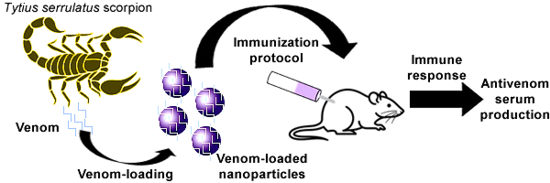
- barrier to aggregation and support long-term colloidal stability [14][37]. The protein release study of venom-loaded PLA cationic nanoparticles occurred in two stages. In the first stage, a burst release effect was due to surface-adsorbed proteins, followed by the diffusion through the external swollen


Nanotechnology-based approaches for the removal of microplastics from wastewater: a comprehensive review
Beilstein J. Nanotechnol. 2025, 16, 1607–1632, doi:10.3762/bjnano.16.114
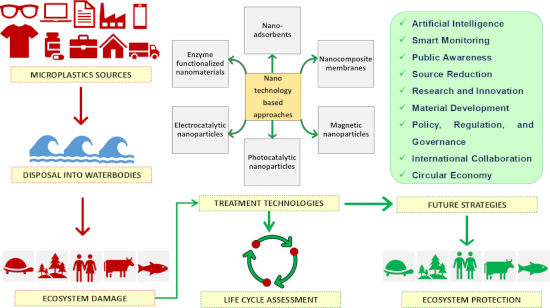
- barrier, while MPs of 20 μm can reach internal organs. Exposure occurs through inhalation, posing risks to adults, while children face dangers from MPs in contaminated drinking water. Once inside the body, MPs can trigger neurotoxicity, cytotoxicity, oxidative stress, immune response, metabolic disruption


Transient electronics for sustainability: Emerging technologies and future directions
Beilstein J. Nanotechnol. 2025, 16, 1545–1556, doi:10.3762/bjnano.16.109

- highly dependent on environmental factors such as pH, temperature, and ionic concentration [81]. To maintain functional performance over the intended period, a common strategy is to apply an encapsulation layer over the active components of the device. This encapsulation serves as a temporary barrier
- the mechanical and crystalline properties of such natural waxes, blended composite materials (e.g., candelilla/beeswax or candelilla/PBTPA mixtures) have been investigated for their potential use as barrier coatings [86]. A 300 μm thick edge-encapsulated mixture film was found to protect a 300 nm
- of organic displays, are known for their superior water resistance due to their densely packed atomic structures. However, even these films are susceptible to defects formed during deposition, which compromise their barrier function. To overcome this, display technologies have utilized techniques


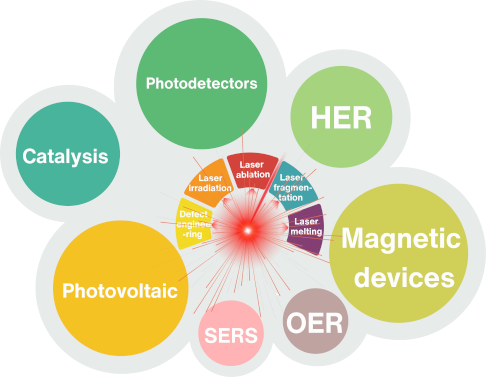
Laser processing in liquids: insights into nanocolloid generation and thin film integration for energy, photonic, and sensing applications
Beilstein J. Nanotechnol. 2025, 16, 1428–1498, doi:10.3762/bjnano.16.104






Enhancing the therapeutical potential of metalloantibiotics using nano-based delivery systems
Beilstein J. Nanotechnol. 2025, 16, 1350–1366, doi:10.3762/bjnano.16.98
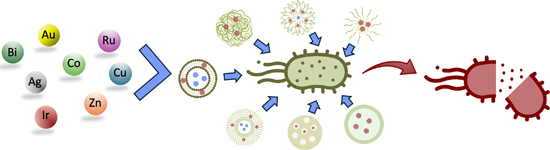
- receptors and ligands, as well as the number of interactions necessary to overcome the energy barrier for cellular uptake. Properly balancing these factors ensures efficient binding and internalization of the nanoparticles by the target cells [50][51]. For example, nanoparticles can be engineered to


Better together: biomimetic nanomedicines for high performance tumor therapy
Beilstein J. Nanotechnol. 2025, 16, 1246–1276, doi:10.3762/bjnano.16.92
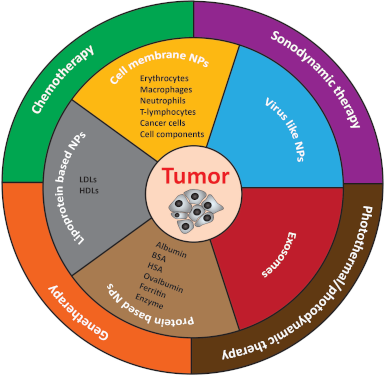
- among the white blood cells [35]. Neutrophils are the first to appear at the site of inflammation and easily cross different biological barriers such as blood–tissue barrier, blood–brain barrier (BBB) or blood–tumor barrier (BTB). Therefore, neutrophil membrane-coated nanoparticles have been
- , where drug delivery is limited by the blood–pancreas barrier. The nanoparticles successfully crossed the barrier, accumulated selectively in pancreatic cancer cells, inhibited tumor growth and its metastasis to the liver [36]. Similarly, neutrophil membrane-coated PLGA nanoparticles were used for the






Functional bio-packaging enhanced with nanocellulose from rice straw and cinnamon essential oil Pickering emulsion for fruit preservation
Beilstein J. Nanotechnol. 2025, 16, 1234–1245, doi:10.3762/bjnano.16.91
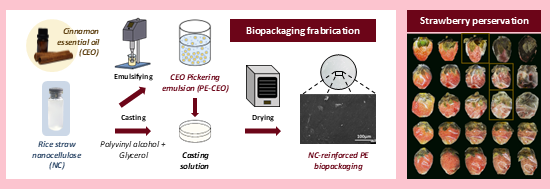
- exhibits good heat-resistance, mechanical, and water-barrier properties. At an emulsion concentration as low as 10% (v/w) in the casting solution, high UV absorbance capacity (up to 100% UVC), high antibacterial activity (92.4% Escherichia coli inhibition), and good antioxidative properties (up to 43% DPPH
- radical scavenging) were observed. These bioactive properties and the inherent moisture barrier property of the packaging material are utilized for strawberry preservation with a significant preservation time of 21 days compared to control samples that start to grow a white fungus on day 11. This
- applications, influencing barrier properties against moisture transmission. The results show that adding CEO reduces WVP values compared to the control. At 4% (v/w) PE-CEO, WVP decreases by approximately 23.5%, reaching 4.12 × 10⁻¹² g·m−1·s−1·Pa−1 due to increased hydrophobicity and reduced polymer chain



Hydrogels and nanogels: effectiveness in dermal applications
Beilstein J. Nanotechnol. 2025, 16, 1216–1233, doi:10.3762/bjnano.16.90
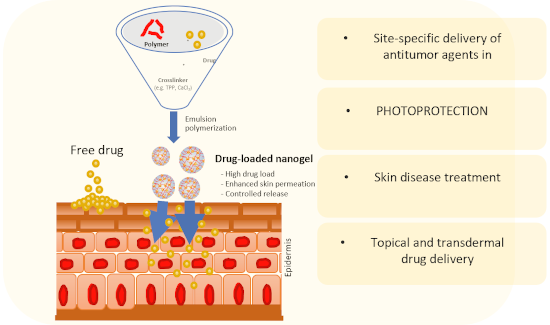
- delivery Topical drug delivery is a challenging issue, notably due to the barrier function of the skin, which is mainly exerted by its outermost layer, the stratum corneum (SC) [169][170]. The skin barrier is based on the specific content and composition of the SC and, in particular, on the exceptional


Chitosan nanocomposite containing rotenoids: an alternative bioinsecticidal approach for the management of Aedes aegypti
Beilstein J. Nanotechnol. 2025, 16, 1197–1208, doi:10.3762/bjnano.16.88
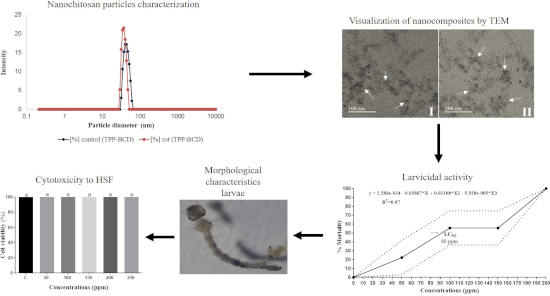
- roles in protecting the epithelium, facilitating digestion, and acting as a barrier against pathogens and toxic compounds [30][31]. Similar responses have been documented in previous studies, where resistant Ae. aegypti strains exposed to dichlorodiphenyltrichloroethane (DDT) produced abundant PM
- barrier disruption, or the presence of damage-associated molecular patterns (DAMPs) [34][35]. Melanization serves as a fundamental defense mechanism in arthropods, contributing to the encapsulation of damaged tissues and neutralization of harmful agents, including ROS and foreign particles [36]. It is



Multifunctional properties of bio-poly(butylene succinate) reinforced with multiwalled carbon nanotubes
Beilstein J. Nanotechnol. 2025, 16, 1014–1024, doi:10.3762/bjnano.16.76
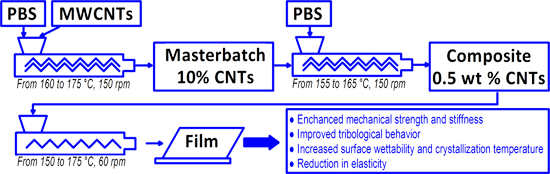
- strength, thermal stability, and biodegradability. However, to broaden its range of applications, certain properties require enhancement, including mechanical performance, thermal and electrical conductivity, biodegradation rate, and barrier properties [1][2][3][4][5]. The limited biodegradability of PBS
- packaging, which typically require elongation at break in the range of 100–600% and Young’s modulus between 200 and 700 MPa [25]. Potential applications include stretch sleeves, flexible lids, and barrier films, where controlled deformation and improved wear resistance are desired. Rheological analysis



Heat-induced transformation of nickel-coated polycrystalline diamond film studied in situ by XPS and NEXAFS
Beilstein J. Nanotechnol. 2025, 16, 887–898, doi:10.3762/bjnano.16.67
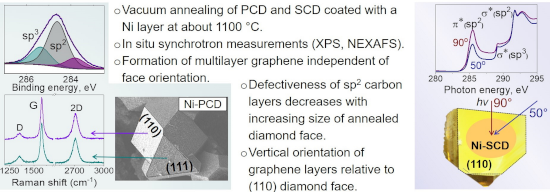
- sp3 hybridization is a metastable material. A significant activation barrier hampers its relaxation into sp2 graphitic carbon, and this transformation occurs during vacuum heating in the temperature range of 1500–1800 °C [9]. According to molecular dynamics simulations, graphitization of nonterminated


Synchrotron X-ray photoelectron spectroscopy study of sodium adsorption on vertically arranged MoS2 layers coated with pyrolytic carbon
Beilstein J. Nanotechnol. 2025, 16, 847–859, doi:10.3762/bjnano.16.64
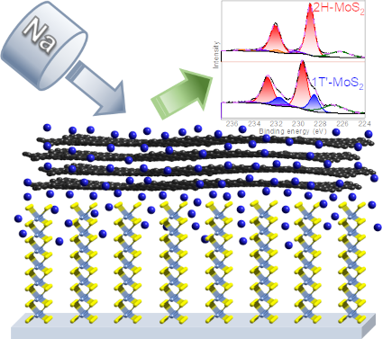
- capacity and cycle life of SIBs. Molybdenum disulfide (MoS2) has a layered structure and a high theoretical capacity of 669 mAh·g−1, so it is considered as a promising anode material for SIBs [1][2]. The large sodium ion can diffuse with a low energy barrier between the S−Mo−S layers due to the interlayer
- retained in the carbon layers. The horizontally oriented graphitic layers act as a barrier and prevent sodium from penetrating into the underlaying MoS2 film. In the PyC-MoS2 hybrid, sodium accumulation occurs more on the MoS2 surface or at the interface between MoS2 and PyC, than in the bulk of MoS2


Facile one-step radio frequency magnetron sputtering of Ni/NiO on stainless steel for an efficient electrode for hydrogen evolution reaction
Beilstein J. Nanotechnol. 2025, 16, 837–846, doi:10.3762/bjnano.16.63
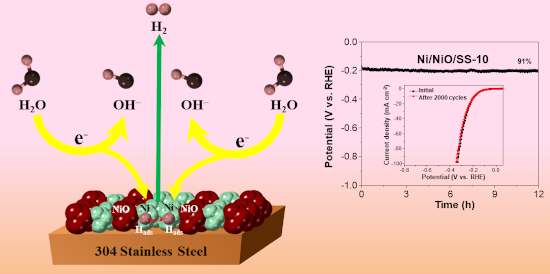
- smaller energy barrier for water electrolysis to produce hydrogen. These outcomes indicate that Ni/NiO/SS-10 shows the highest HER efficiency among the investigated electrodes. Its overpotential is comparable with Ni-based nanomaterials in the literature, as depicted in Table 2 [40][41][42][43][44][45][46


Changes of structural, magnetic and spectroscopic properties of microencapsulated iron sucrose nanoparticles in saline
Beilstein J. Nanotechnol. 2025, 16, 762–784, doi:10.3762/bjnano.16.59
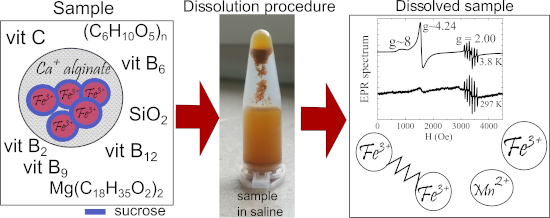
- dissolve first. (The dissolution of the calcium alginate was proved by the XPS studies, and it will be presented and comment in section XPS results and analysis.) The next step is the dissolution of sucrose; whose molecules are polar, thus, they are not a barrier for saline. Without the sucrose shell, the





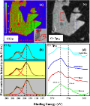
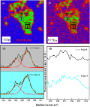
Thickness dependent oxidation in CrCl3: a scanning X-ray photoemission and Kelvin probe microscopies study
Beilstein J. Nanotechnol. 2025, 16, 749–761, doi:10.3762/bjnano.16.58
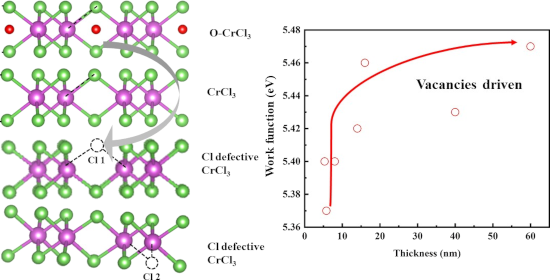
- layer thicknesses are given. To overcome the visibility barrier, systematic optical and AFM studies were performed for CrCl3 flakes on an ITO substrate and are reported for comparison in Figure 2a,b. Based on the colors of the flakes seen in the optical microscope images, an interval of thickness values





High-temperature epitaxial growth of tantalum nitride thin films on MgO: structural evolution and potential for SQUID applications
Beilstein J. Nanotechnol. 2025, 16, 690–699, doi:10.3762/bjnano.16.53
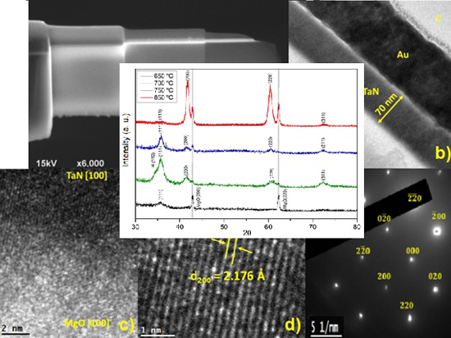
- diffusion barrier with potential application for microelectronics were fabricated [10][11]. In contrast, the stoichiometric mononitride TaN phase with face-centered cubic (FCC) structure exhibits superconductivity with a Tc of 8.15 K [12]; when the thin films were grown epitaxially on an FCC substrate, Tc


The impact of tris(pentafluorophenyl)borane hole transport layer doping on interfacial charge extraction and recombination
Beilstein J. Nanotechnol. 2025, 16, 678–689, doi:10.3762/bjnano.16.52
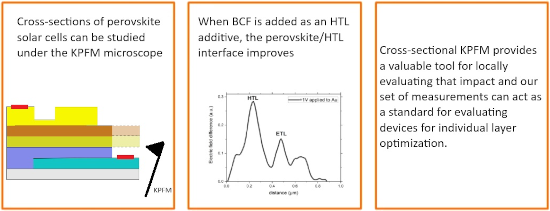
- ) of the interfacial electron blocking layer into the spiro-OMeTAD. This interaction was said to de-dope spiro-OMeTAD and introduce a resistive layer that acted as a barrier for charge extraction. Such interaction between spiro-OMeTAD and iodide ions, as well as PTAA and iodide ions has also been


Aprepitant-loaded solid lipid nanoparticles: a novel approach to enhance oral bioavailability
Beilstein J. Nanotechnol. 2025, 16, 652–663, doi:10.3762/bjnano.16.50
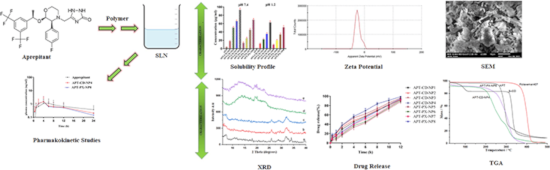
- blood–brain barrier [8]. Its mean volume of distribution is approximately 70 L. In the range of pH 2–10, APT has very low solubility (0.37 µg/mL) [9]. Because of the low water-solubility, the low permeability, and the rate-limiting step of poor gastrointestinal absorption, APT is categorized as a BCS
- through intestinal barrier was slower. Precipitation is another factor that could explain the slow absorption of pure APT [23]. The quick absorption of APT from SLN was in turn connected with high dissolution and improved solubility of APT. Furthermore, stearic acid in SLNs also influences the dissolution



Polyurethane/silk fibroin-based electrospun membranes for wound healing and skin substitute applications
Beilstein J. Nanotechnol. 2025, 16, 591–612, doi:10.3762/bjnano.16.46
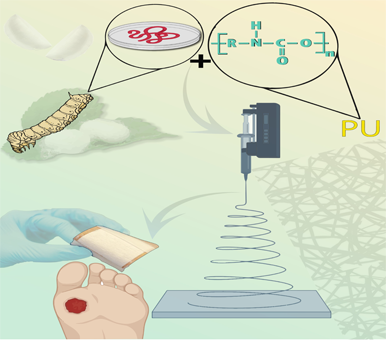
- resident skin cells [36]. Inflammation At this stage of wound healing, skin regeneration begins and continues till the end. Skin regeneration is essential for maintaining homeostasis, avoiding infection, and repairing the skin’s barrier function [37]. The inflammation process kills pathogens, prevents the
- were used just as they were provided [155]. Because of its excellent barrier qualities and oxygen permeability, PU is commonly utilized in wound dressings [156]. Since PU is soft and hydrophobic, using it as a dressing material on its own would be unsuitable because the dressing might be too soft for



Nanomaterials in targeting amyloid-β oligomers: current advances and future directions for Alzheimer's disease diagnosis and therapy
Beilstein J. Nanotechnol. 2025, 16, 561–580, doi:10.3762/bjnano.16.44
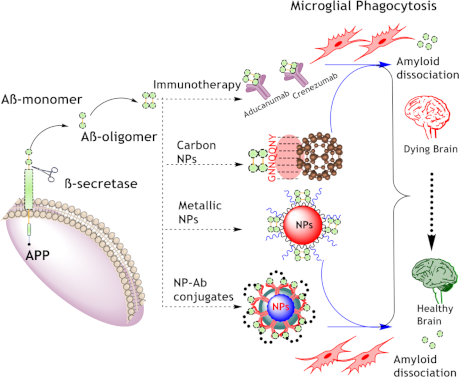
- early detection and the identification of reliable biomarkers and therapeutic targets. Moreover, the blood–brain barrier (BBB) poses a significant obstacle to effective drug delivery, further hindering the development of successful treatments. Nanomaterials (NMs) offer promising solutions for the early


Retrieval of B1 phase from high-pressure B2 phase for CdO nanoparticles by electronic excitations in CdxZn1−xO composite thin films
Beilstein J. Nanotechnol. 2025, 16, 551–560, doi:10.3762/bjnano.16.43

- internal energy (ΔU). The ΔU value is positive and independent of the pressure, serving as a barrier that stabilizes the B1 phase during the transition to the B2 phase. Transition to the B2 occurs when ΔPV surpasses this barrier. The increasing chemical pressure resulting from the diffusion of Zn2SiO4





