Search results
Search for "bioavailability" in Full Text gives 101 result(s) in Beilstein Journal of Nanotechnology.
Radiosensitizing properties of dual-functionalized carbon nanostructures loaded with temozolomide
Beilstein J. Nanotechnol. 2025, 16, 229–251, doi:10.3762/bjnano.16.18
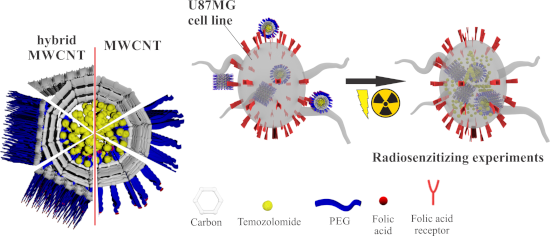
- a matter of increasing importance in the field of neurology, neuro-oncology, and neuropharmacology. This is because of their specific intrinsic physicochemical, biopharmaceutical, and pharmacological properties such as good bioavailability, relatively low toxicity, low weight and large surface area




Recent advances in photothermal nanomaterials for ophthalmic applications
Beilstein J. Nanotechnol. 2025, 16, 195–215, doi:10.3762/bjnano.16.16
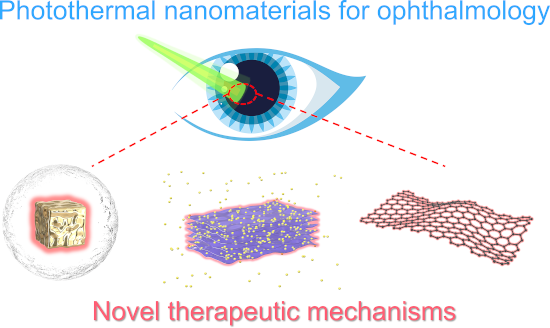
- penetration and deposition [163]. Moreover, common ocular drug delivery methods have disadvantages such as short intraocular retention time, low drug accumulation, and low bioavailability [164]. Because of the transparency of the cornea and crystalline lens, the eye allows various wavelengths of light to


Nanocarriers and macrophage interaction: from a potential hurdle to an alternative therapeutic strategy
Beilstein J. Nanotechnol. 2025, 16, 97–118, doi:10.3762/bjnano.16.10
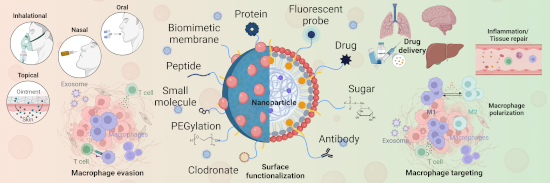
- to enhance drug delivery, improve bioavailability, and target specific cells makes them valuable tools for managing conditions affecting these organs. Figure 1 illustrates these approaches within a pathological context. 6.1 Targeting liver diseases The liver, a key organ in metabolic processes, is an
- expressed on KCs have also been targeted using molecules like phosphatidylserine (PS), which serves as a recognition signal for the phagocytosis of apoptotic cells. In a study by Wang et al., PS-modified lipid carriers loaded with curcumin (Cur–mNLCs) demonstrated improved retention time, bioavailability


Biomimetic nanocarriers: integrating natural functions for advanced therapeutic applications
Beilstein J. Nanotechnol. 2024, 15, 1619–1626, doi:10.3762/bjnano.15.127

- bioavailability and drug delivery. Additionally, the capacity of these nanocarriers to react with reactive oxygen species at inflammation sites offers an anti-inflammatory response, reducing tissue damage [76][77]. Within this scope, manganese dioxide nanocarriers have been studied to address a challenge in


Liver-targeting iron oxide nanoparticles and their complexes with plant extracts for biocompatibility
Beilstein J. Nanotechnol. 2024, 15, 1593–1602, doi:10.3762/bjnano.15.125
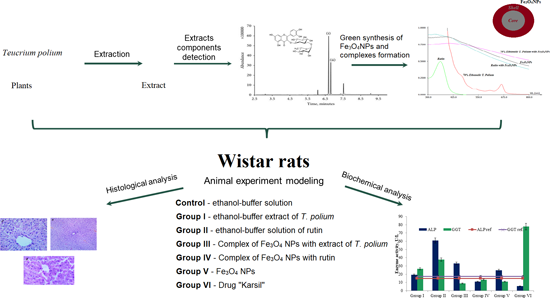
- adverse reactions. The toxicity of MNPs depends on various factors such as size, shape, structure, surface modification, concentration, dosage, biodistribution, bioavailability, solubility, immunogenicity, and pharmacokinetics [23][24]. Their use in some clinical applications is limited by low solubility
- obtained results is explained by the ability of Fe3O4 NPs to increase the bioavailability and intracellular concentration of the associated compounds, thereby reducing their therapeutic dose and altering the profile of dose-dependent effects. Additionally, both Fe3O4 NPs and their composites are presumed


Green synthesis of silver nanoparticles derived from algae and their larvicidal properties to control Aedes aegypti
Beilstein J. Nanotechnol. 2024, 15, 1566–1575, doi:10.3762/bjnano.15.123
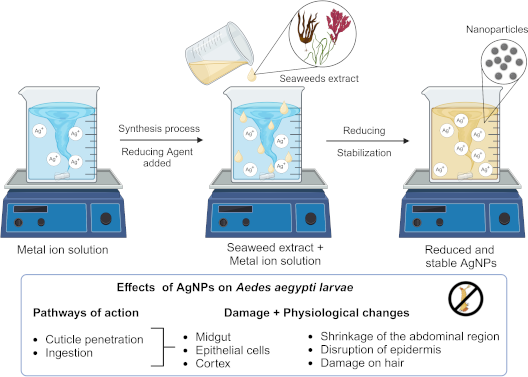
- characteristics such as greater absorption capacity, greater bioavailability, controlled release of active ingredients, improved solubility of hydrophobic substances in water, and good kinetic stability [12][13][14]. Metallic nanoparticles have been investigated as a promising approach for vector control. The


Polymer lipid hybrid nanoparticles for phytochemical delivery: challenges, progress, and future prospects
Beilstein J. Nanotechnol. 2024, 15, 1473–1497, doi:10.3762/bjnano.15.118
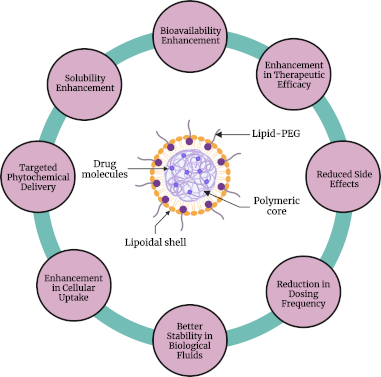
- wide range of therapeutic properties, including antioxidant, anti-inflammatory, anticancer, and antimicrobial activities. However, their clinical application is often hindered by poor water solubility, low bioavailability, rapid metabolism, and instability under physiological conditions. Polymer lipid
- diseases. Keywords: bioavailability; phytochemical; polymer lipid hybrid nanoparticles; solubility; stability; surface modification; Introduction Phytochemicals are naturally occurring compounds found in plants (from the Greek word “phyton” meaning plant) [1]. These bioactive compounds are responsible
- compounds, and antimicrobials, offering a natural and multifaceted arsenal for combating a wide array of diseases [6][7][8]. Despite their promising bioactivities, the clinical application of phytochemicals is often limited by several inherent drawbacks such as poor water solubility, low bioavailability


Nanotechnological approaches for efficient N2B delivery: from small-molecule drugs to biopharmaceuticals
Beilstein J. Nanotechnol. 2024, 15, 1400–1414, doi:10.3762/bjnano.15.113
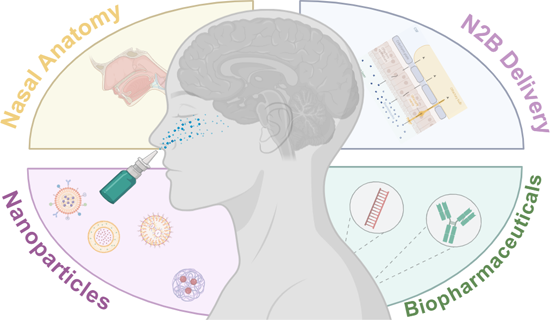
- ][26] and protect the drug from biological or chemical degradation or deactivation, which results in increased bioavailability in the brain [18][27]. This is particularly important since many other routes of administration pose multiple barriers and lead to relevant drug degradation, which are huge
- administration also suffers from enzymatic degradation including peptidase and protease activity, making it challenging to deliver peptides and proteins [29][30]. Yet, the intranasal route still yields lower enzymatic degradation and higher bioavailability in the brain [31]. While the challenges of the
- intranasal administration of biopharmaceuticals to target the brain. In addition, using DDSs to deliver biopharmaceuticals to the CNS can present additional advantages such as enhanced retention on the mucosal surface, drug stability, and bioavailability [35]. In this review, we focus on the recent


Recent updates in applications of nanomedicine for the treatment of hepatic fibrosis
Beilstein J. Nanotechnol. 2024, 15, 1105–1116, doi:10.3762/bjnano.15.89
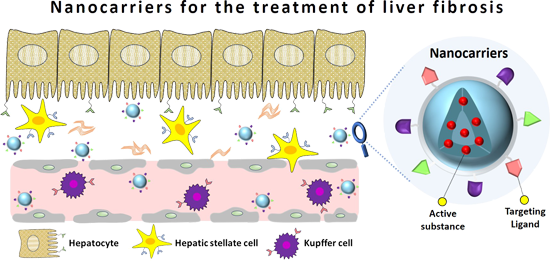
- of nanoparticulates researched regarding liver fibrosis treatment. These nanocarriers allow for efficient containment of the antifibrotic compounds, particularly those with poor water solubility and low bioavailability. In addition, they protect the drug from unwanted metabolism and may facilitate
- targeting strategy to the liver To endow passive targeting, specific nanocarriers with extended blood circulation profile are favorable to achieve an improvement in the bioavailability of the active pharmaceutical ingredients (APIs) and an increased accumulation at the target site. Nanoencapsulation of APIs
- through modified nanocarriers could enhance their bioavailability by altering the pharmacokinetics as well as by protecting the unstable cargo against environmental factors [44]. Various potent antifibrosis substances from synthetic and herbal compounds suffer from limited solubility and lack of stability


Unveiling the potential of alginate-based nanomaterials in sensing technology and smart delivery applications
Beilstein J. Nanotechnol. 2024, 15, 1077–1104, doi:10.3762/bjnano.15.88
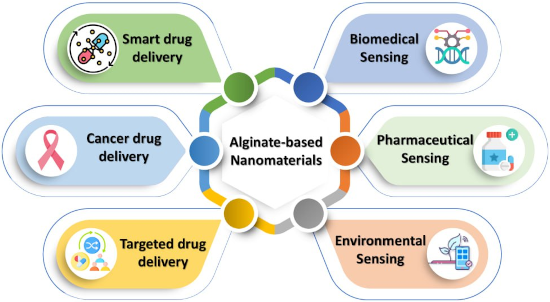
- and pharmacy are looking for such materials for DDSs because targeted drug delivery is becoming a vital way of carrying drugs. Traditional drug delivery methods including tablets, capsules, syrups, and ointments, have significant disadvantages such as low bioavailability and variability of drug levels
- example, it is possible to deliver medications to cancer cells with little side effects and minimum damage to healthy cells. As a result, DDSs can improve patient compliance and adherence to medications [39]. Furthermore, smart drug delivery can also increase the bioavailability of drugs, which refers to
- organs [46]. Another drawback is that current drug delivery technologies yield only limited bioavailability and change drug levels in plasma, making them incapable of long-term release. Without proper dispensing techniques, the entire treatment process may fail. In addition, the drug must be delivered at


Identification of structural features of surface modifiers in engineered nanostructured metal oxides regarding cell uptake through ML-based classification
Beilstein J. Nanotechnol. 2024, 15, 909–924, doi:10.3762/bjnano.15.75
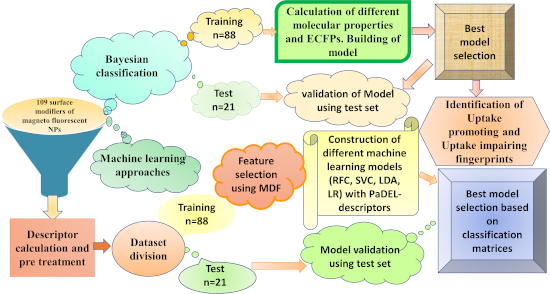
- procedures [19][20][21]. Understanding the structural features related to the surface modifiers of ENMOs that influence their uptake in human cell lines is crucial for designing nanomaterials with enhanced bioavailability. The surface modifiers are, in general, chemical groups or molecules that are attached


When nanomedicines meet tropical diseases
Beilstein J. Nanotechnol. 2024, 15, 830–832, doi:10.3762/bjnano.15.69

- ]. Potentially beneficial properties of nanomedicines include enhanced drug solubility, improved bioavailability, targeted drug delivery, longer half-life, and reduced toxicity. This thematic issue covers pre-clinical research employing chemotherapeutic or prophylactic nanomedicines against NTDs in a concise
- article collection. Among the articles, an interesting strategy to improve the bioavailability of benzonidazole towards Chagas disease has been presented by Muraca and colleagues, who reported a stable and safe nanostructured lipid formulation with potential effects against Trypanosoma cruzi [2]. In turn
Radiofrequency enhances drug release from responsive nanoflowers for hepatocellular carcinoma therapy
Beilstein J. Nanotechnol. 2024, 15, 569–579, doi:10.3762/bjnano.15.49
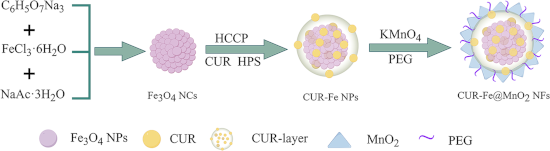
- leading cause of cancer death worldwide. Most patients are diagnosed at an advanced stage, and systemic chemotherapy is the preferred treatment modality for advanced HCC. Curcumin (CUR) is a polyphenolic antineoplastic drug with low toxicity obtained from plants. However, its low bioavailability and poor


On the additive artificial intelligence-based discovery of nanoparticle neurodegenerative disease drug delivery systems
Beilstein J. Nanotechnol. 2024, 15, 535–555, doi:10.3762/bjnano.15.47
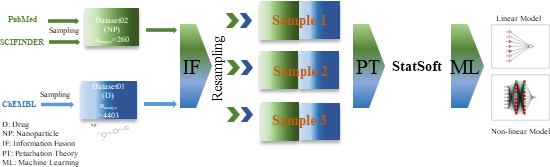
- diseases are characterized by slowly progressing neuronal cell death. Conventional drug treatment strategies often fail because of poor solubility, low bioavailability, and the inability of the drugs to effectively cross the blood–brain barrier. Therefore, the development of new neurodegenerative disease
- inadequate solubility, limited bioavailability, and inability to effectively penetrate the blood–brain barrier (BBB) [6]. Therefore, there is an urgent need to focus on the advancement of novel neurodegenerative disease drugs (NDDs) [7][8]. The major obstacle encountered by NDDs is the selectivity of the BBB
- compound towards the target site with a substantial reduction of toxicity for the adjacent tissues, and help the NDDs to pass physiological barriers, increasing bioavailability without resorting to high dosages [5][11]. Therefore, researchers are studying and developing new treatment approaches that use



Cholesterol nanoarchaeosomes for alendronate targeted delivery as an anti-endothelial dysfunction agent
Beilstein J. Nanotechnol. 2024, 15, 517–534, doi:10.3762/bjnano.15.46
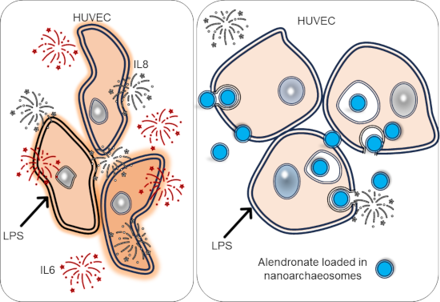
- Biopharmaceutical Classification System, ALN is a class-III molecule (high solubility and low permeability due to a polar hydrophilic nature) [13]. Its use as a vascular anti-inflammatory agent is limited by its low bioavailability, which after oral administration is minimal (about 0.7%) and highly variable [14][15
- -inflammatory effects of ALN only occur at micromolar concentrations [12]. Such high concentrations, however, may hardly be achieved in blood because of the low bioavailability and high affinity of ALN to the hydroxyapatite matrix. At high oral dosages, ALN causes severe irritation of the upper gastrointestinal





Fabrication of nanocrystal forms of ᴅ-cycloserine and their application for transdermal and enteric drug delivery systems
Beilstein J. Nanotechnol. 2024, 15, 465–474, doi:10.3762/bjnano.15.42
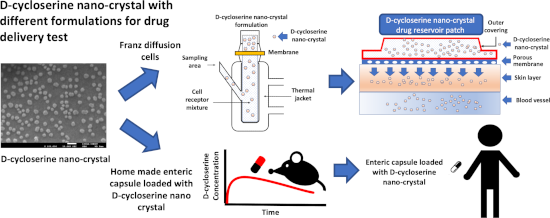
- improve the bioavailability. In this study, for the first time, DCS, a highly water-soluble compound, has formed nanocrystals and this was confirmed by scanning electronic microscopy and X-ray powder diffraction. Furthermore, DCS nanocrystals were applied to several formulations to test their stability
- disease, and post-traumatic stress disorder [13][14][15][16]. In general, solid dosage forms for oral administration are preferable for therapies against CNS disorders. Nevertheless, challenges persist with oral solid dosage forms, including issues of bioavailability and clinical efficacy [17]. On the
- hydrolyzed and decomposed into hydroxylamine and ᴅ-serine [17]. Thus, controlling the pH of the formulation is essential for obtaining a stable product. Therefore, an enteric formulation was warranted for DCS nanocrystals in order to achieve targeted delivery and improved bioavailability. In vitro


Classification and application of metal-based nanoantioxidants in medicine and healthcare
Beilstein J. Nanotechnol. 2024, 15, 396–415, doi:10.3762/bjnano.15.36
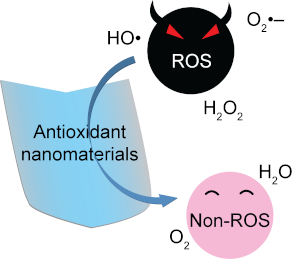
- oxidative stress, antioxidants from natural sources still have some notable limitations. These are low stability, low bioavailability, difficult long-term storage, and high cost of large-scale production [5][6]. Recently, nanomaterials have emerged as a promising strategy to overcome the limitations of
- ingredients of antioxidant supplements. However, these compounds have low bioavailability related to low stability, solubility, and absorbance in the gastrointestinal tract [124][125][126][127]. Recently, with extraordinary progress in nanotechnology development, nanodelivery systems have been considered as
- better anti-aging properties than natural curcumin. By encapsulating curcumin in nanocarriers or by conjugating it to metal oxide nanoparticles, the solubility and bioavailability of curcumin have been substantially improved, leading to a rise in its pharmacological efficiency [136][137][138][139


Nanomedicines against Chagas disease: a critical review
Beilstein J. Nanotechnol. 2024, 15, 333–349, doi:10.3762/bjnano.15.30
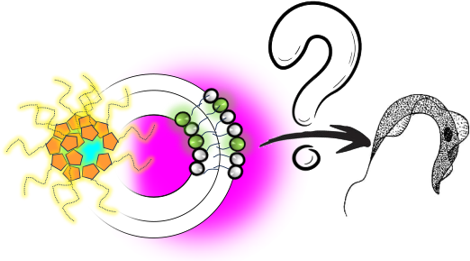
- ]. The dosage of BNZ has been reported to be inadequate [21]. In children, markedly lower plasma BNZ concentrations than those previously reported in adults treated with comparable BNZ milligram per kilogram doses (possibly due to a higher clearance/bioavailability), but still retaining a high
- , according to the Biopharmaceutical Classification System (BCS) [31], which means that it is a poorly soluble but permeable molecule. The limitation in the absorption of class-II drugs is due to their rate of dissolution, except at very high doses. Their bioavailability is variable but can be increased by
- pharmaceutical technology such as lyophilization, micrometerization, microemulsion, the inclusion of surfactants, solid dispersion, and the use of complexing agents such as cyclodextrins, Zer-Os tablet innovation, soft gels, and triglas [32]. Nanomedicines can also be used to increase the oral bioavailability of

Assessing phytotoxicity and tolerance levels of ZnO nanoparticles on Raphanus sativus: implications for widespread adoptions
Beilstein J. Nanotechnol. 2024, 15, 115–125, doi:10.3762/bjnano.15.11
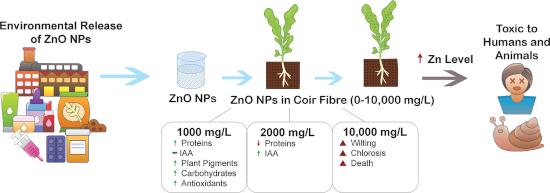
- the sample [34]. Phytotoxicity experiments on R. sativus grown in an inert solid medium The high bioavailability of Zn caused by the acidic pH (5.8–6.5) of coir might have caused the death of R. sativus grown with the application of 10,000 mg/L of ZnO NPs. This is confirmed by leaf chlorosis after 18


Development and characterization of potential larvicidal nanoemulsions against Aedes aegypti
Beilstein J. Nanotechnol. 2024, 15, 104–114, doi:10.3762/bjnano.15.10
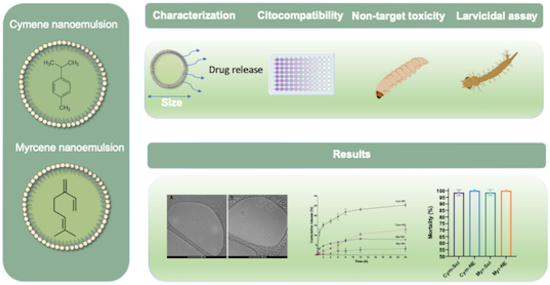
- bioavailability. NEs have been shown to increase the solubility of poorly soluble drugs, such as monoterpenes, which can improve drug delivery and efficacy. The cumulative release of both free terpenes was lower than the cumulative release of nanoemulsions (Figure 2). The observed differences in the release of


Berberine-loaded polylactic acid nanofiber scaffold as a drug delivery system: The relationship between chemical characteristics, drug-release behavior, and antibacterial efficiency
Beilstein J. Nanotechnol. 2024, 15, 71–82, doi:10.3762/bjnano.15.7
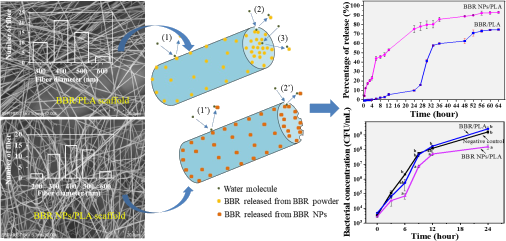
- treatment of central nervous system disorders [2], digestive system diseases [3], cancer, diabetes, inflammation, and infections. Nevertheless, BBR has a low bioavailability due to its poor water solubility, which imposes a regular intake of BBR drugs at a high dose. Recently, innovative technologies have
- bioavailability of poorly soluble drugs [15]. Limoee et al. reported that the release rate of Pramipexole from hybrid cross-linked nanofibers was successfully controlled between 8 and 10 h, which is approximately the same time that the drug formulation travels from the mouth to the small intestine. It is


Curcumin-loaded nanostructured systems for treatment of leishmaniasis: a review
Beilstein J. Nanotechnol. 2024, 15, 37–50, doi:10.3762/bjnano.15.4
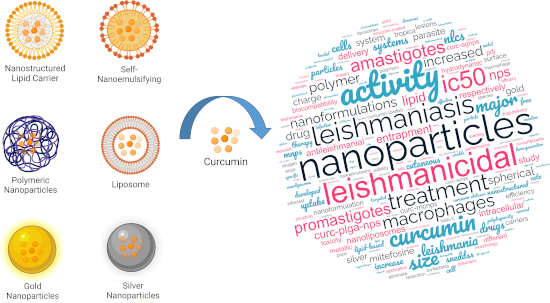
- antileishmanial potential, curc has several drawbacks, such as: (i) low aqueous solubility, (ii) rapid clearance, (iii) low tissue absorption, and (iv) notable chemical degradation (neutral and alkaline pH), which severely reduces its bioavailability and hinder its clinical use [18][53][54]. Given this scenario
- , modified drug release, prevention of rapid metabolization, protection of photosensitive molecules, the ability to deliver multiple antileishmanial drugs that can have a synergistic effect, and increased solubility, which results in increased bioavailability. These advantages are determined by the
- promising activity, this molecule shows poor water solubility, high metabolism, and fast elimination impair, which results in low systemic bioavailability and poor in vivo pharmacological effect. In this context, molecules with similar limitations have been combined with nanotechnology tools to allow their


Nanotechnological approaches in the treatment of schistosomiasis: an overview
Beilstein J. Nanotechnol. 2024, 15, 13–25, doi:10.3762/bjnano.15.2
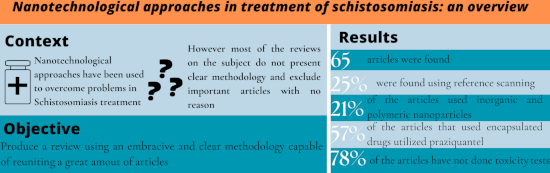
- bioavailability and resistance. In this context, nanoparticles have emerged as a promising option for improving schistosomiasis treatment. Several narrative reviews have been published on this topic. Unfortunately, the lack of clear methodologies presented in these reviews leads to the exclusion of many important
- ]. Praziquantel is a class II compound according to the biopharmaceutical classification system (BCS), so it has low solubility and high permeability in the gastrointestinal tract [6]. This drug is affected by the first-pass effect on the liver, which also impacts its bioavailability [6]. Unfortunately, this
- schistosomiasis, to improve bioavailability, therapeutic efficacy, and decrease adverse effect profiles of the drugs used to treat such illnesses [13]. A few recent reviews provide a general overview of how nanotechnological tools are used in schistosomiasis treatment. However, most of these published works are


Curcumin-loaded albumin submicron particles with potential as a cancer therapy: an in vitro study
Beilstein J. Nanotechnol. 2023, 14, 1127–1140, doi:10.3762/bjnano.14.93
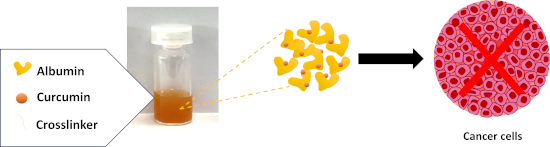
- promising biological properties, particularly antioxidant activity. However, its medical applications are limited due to its low water solubility, bioavailability, and pH-instability. CUR-loaded albumin microparticles (CUR-HSA-MPs) of submicron size in the range of 800 to 900 nm and a zeta potential of −15
- to confirm the uptake of CUR-HSA-MPs by cancer cells. Our studies revealed that HSA-MPs are potentially promising vehicles for increasing the solubility and bioavailability of CUR. Keywords: albumin submicron particles; cancer therapy; curcumin; drug delivery; Introduction Curcumin (CUR) is a
- pharmacokinetic drawbacks such as poor water solubility resulting in low bioavailability, low absorption, rapid metabolism, and elimination [6][7]. The reported solubility of free CUR in distilled water at 25 °C is 1.34 µg/mL [8]. The conjugation of CUR with proteins has been confirmed to improve its aqueous



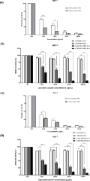
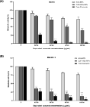

Antibody-conjugated nanoparticles for target-specific drug delivery of chemotherapeutics
Beilstein J. Nanotechnol. 2023, 14, 912–926, doi:10.3762/bjnano.14.75
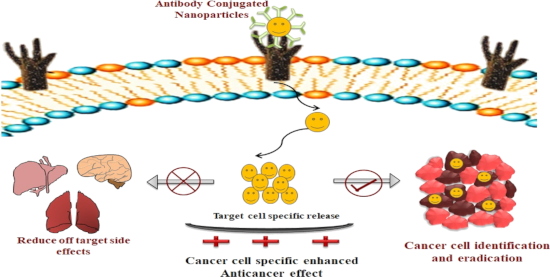
- the effect of this protein corona. They observed a higher internalization of BLf-AgNPs than of bare AgNPs, which indicates that the protein corona improved the intracellular efficiency of the NPs. Moreover, the BLf corona also increased the bioavailability of the NPs in THP1 cells and resulted in