Search results
Search for "biodegradable" in Full Text gives 112 result(s) in Beilstein Journal of Nanotechnology.
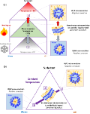
Nanocarriers and macrophage interaction: from a potential hurdle to an alternative therapeutic strategy
Beilstein J. Nanotechnol. 2025, 16, 97–118, doi:10.3762/bjnano.16.10
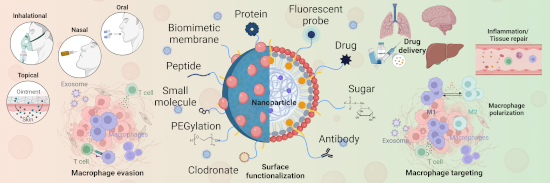
- activation of the complement system, due to the accumulation of PEG in the body as a non-biodegradable polymer. Therefore, PEGylation must be carefully considered when designing NC-based therapies [49][50]. A strategy to avoid possible immunoreactions is to mask NPs by marking them as “self” and biomimetic
- have focused on improving therapeutic efficacy while minimizing side effects. One such innovative approach, as demonstrated by Violatto et al., involves the conjugation of Dex to biodegradable Avidin-Nucleic-Acid-Nano-Assemblies (ANANAS). This method leverages the natural liver tropism of these nano


Natural nanofibers embedded in the seed mucilage envelope: composite hydrogels with specific adhesive and frictional properties
Beilstein J. Nanotechnol. 2024, 15, 1603–1618, doi:10.3762/bjnano.15.126
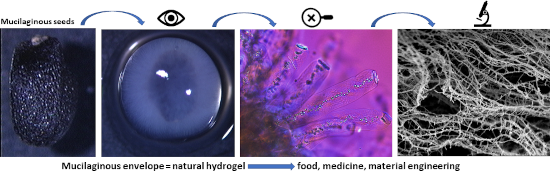
- The increasing interests in natural, biodegradable, non-toxic materials that can find application in diverse industry branches, for example, food, pharmacy, medicine, or materials engineering, has steered the attention of many scientists to plants, which are a known source of natural hydrogels
- mucilage produced by plant diaspores became of high interest in diverse sectors, such as medicine, cosmetics, food, biomedicine, pharmaceutics, nanomaterials, and bioinspired nanotechnology [11][17][18][19][20]. Mucilage is a natural, biodegradable, non-toxic plant product, odourless, colourless, and
- account that many plants all over the world are able to produce seed/fruit mucilage, we have a natural source of non-toxic, biodegradable hydrogels. The mucilage envelopes of diverse diaspores share many common features, but also demonstrate some differences in their chemical composition and physical


Facile synthesis of size-tunable L-carnosine-capped silver nanoparticles and their role in metal ion sensing and catalytic degradation of p-nitrophenol
Beilstein J. Nanotechnol. 2024, 15, 1576–1592, doi:10.3762/bjnano.15.124
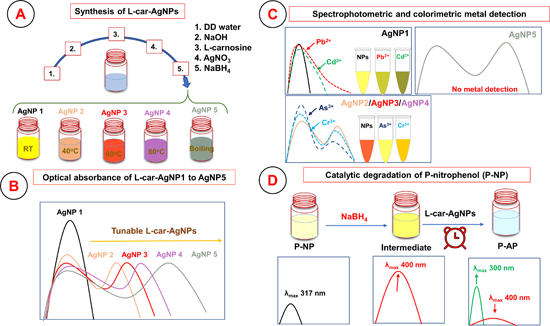
- monitoring and remediation methods. Five heavy metals, namely, mercury (Hg2+), lead (Pb2+), cadmium (Cd2+), chromium (Cr3+), and arsenic (As3+), pose severe risks to human health and ecological systems because of their non-biodegradable nature and long biological half-lives, leading to bioaccumulation and




Polymer lipid hybrid nanoparticles for phytochemical delivery: challenges, progress, and future prospects
Beilstein J. Nanotechnol. 2024, 15, 1473–1497, doi:10.3762/bjnano.15.118
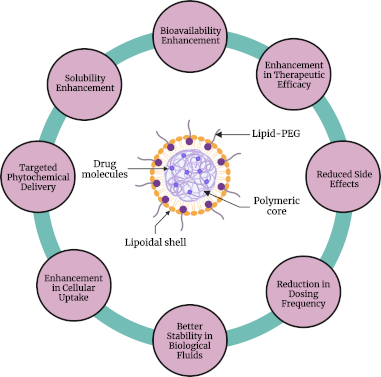
- core–lipid shell hybrid nanoparticles As the name suggests, polymer core–lipid shell hybrid nanoparticles are composed of a polymer core that is covered by mono/bilayers of a lipoidal shell. The polymeric core significantly enhances the stability of the outer lipoidal shell. The biodegradable polymeric
- core with a stable outer lipoidal shell makes these PLHNPs an excellent nanocarrier for therapeutic drug delivery and the treatment of various diseases. The amphiphilicity of biodegradable polymers and lipids promotes the encapsulation of both lipophilic as well as hydrophilic chemotherapeutic drugs
- the name suggests, the structural arrangement of these nanocarriers involves the surface coating of liposomes with biodegradable polymers/copolymers. The surface modification not only imparts surface functionality to the nanocarrier but also enhances its therapeutic efficacy by site-specific targeting


Nanotechnological approaches for efficient N2B delivery: from small-molecule drugs to biopharmaceuticals
Beilstein J. Nanotechnol. 2024, 15, 1400–1414, doi:10.3762/bjnano.15.113
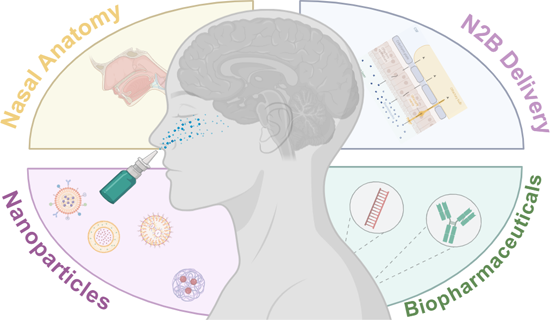
- [77]. In addition to biopolymers, synthetic biodegradable and biocompatible polymers such as poly(lactic acid) (PLA) and poly(lactic-co-glycolic acid) (PLGA), which are approved by the US Food and Drug Administration (FDA) for human administration [78] are relevant options. Extensive testing has been
- lipid NPs (SLNs) are prepared from lipids that are solid at room temperature, which are then stabilized by surfactants [100]. While both liposomes and SLNs are considered biocompatible and biodegradable, SLNs provide increased stability because of their rigid core [101]. Nevertheless, SLNs suffer from


Nanoarchitectonics with cetrimonium bromide on metal nanoparticles for linker-free detection of toxic metal ions and catalytic degradation of 4-nitrophenol
Beilstein J. Nanotechnol. 2024, 15, 1312–1332, doi:10.3762/bjnano.15.106
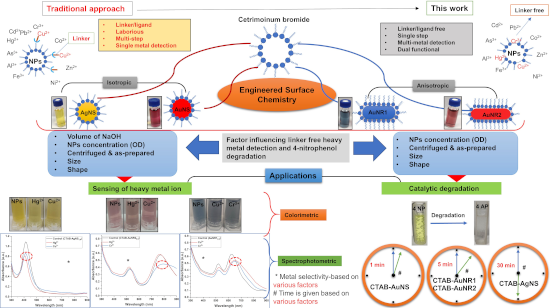
- the increased release of pollutants into the environment, causing health concerns to humans. Untreated industrial effluents are released, and most heavy metal ions accumulate in water higher than the permissible limits, pollute drinking water, and are non-biodegradable. Heavy metal ions are




Synthesis, characterization and anticancer effect of doxorubicin-loaded dual stimuli-responsive smart nanopolymers
Beilstein J. Nanotechnol. 2024, 15, 1189–1196, doi:10.3762/bjnano.15.96
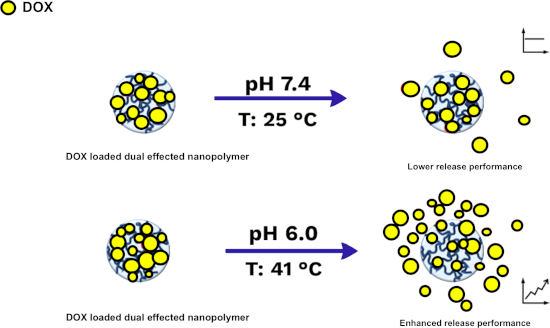
- durations. While numerous biodegradable polymeric nanoparticles derived from proteins or polysaccharides have been studied for drug delivery and controlled drug release in the recent past, the emphasis of research has now turned towards synthetic polymers, resulting in significant advancements in this field


Recent updates in applications of nanomedicine for the treatment of hepatic fibrosis
Beilstein J. Nanotechnol. 2024, 15, 1105–1116, doi:10.3762/bjnano.15.89
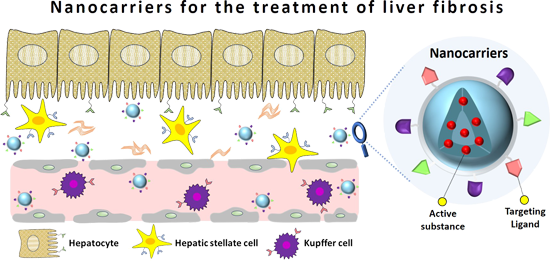
- FDA-approved biodegradable polymer. The R406-PLGA NPs (particle size of 159.7 nm) showed a significant downregulation of major inflammatory markers (CCL2, IL-1α, and IL-6) in vitro in murine bone marrow-derived macrophages. In an in vivo experiment using a methionine and choline-deficient (MCD) mouse
- upon daily systemic administration through the intraperitoneal route in mice [54]. Another polymeric platform to improve the bioavailability of curcumin was developed through simple nanoemulsification using biodegradable polylactide–poly(ethylene glycol) (PLA-PEG) copolymer NPs [55]. Besides reversing


Unveiling the potential of alginate-based nanomaterials in sensing technology and smart delivery applications
Beilstein J. Nanotechnol. 2024, 15, 1077–1104, doi:10.3762/bjnano.15.88
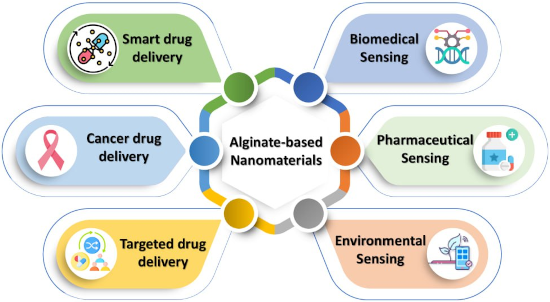
- applications. Biodegradable and bioabsorbable polymers are an excellent choice for a variety of innovative drug delivery systems (DDSs). Biopolymers are also used in cutting-edge scientific applications such as gene expression, tissue engineering, smart drug delivery, and biosensors [11][19]. Modern medicine
- body, as they are antimicrobial, biodegradable, and non-toxic [22]. Biopolymeric nanoparticles are a very effective material for producing biosensors. In today’s world, people need sensors to monitor various types of pollution. Food contamination with infectious microorganisms or air and water
- agriculture, medicine, food packaging, and DDSs [68]. One of the advantages of using alginate-based nanoparticles is their biocompatibility. These nanoparticles are made from nontoxic and biodegradable polymers, making them safe to use in various applications [69]. Another advantage is their low cost, as


Entry of nanoparticles into cells and tissues: status and challenges
Beilstein J. Nanotechnol. 2024, 15, 1017–1029, doi:10.3762/bjnano.15.83
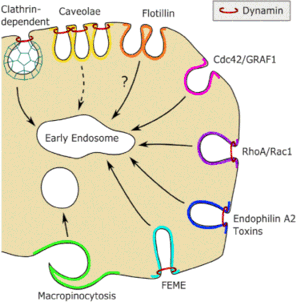
- excretion. Finally, we discuss requirements for bringing NPs into clinical use and aspects when it comes to usage of complex and slowly degraded or nondegradable NPs. Keywords: biodegradable; biodistribution; endocytosis; extracellular vesicles; nanomedicine; nanoparticles; Introduction Nanoparticles (NPs


Electrospun nanofibers: building blocks for the repair of bone tissue
Beilstein J. Nanotechnol. 2024, 15, 941–953, doi:10.3762/bjnano.15.77
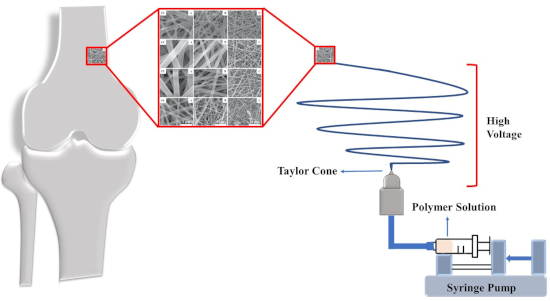
- , and to release these factors in a controlled manner [33]. (iii) Their non-toxic and biodegradable structures ensure that they are compatible with the body. These properties also allow for the delivery of a wide range of active molecules such as antibiotics [34]. (iv) The possibility to functionalize


Electrospun polysuccinimide scaffolds containing different salts as potential wound dressing material
Beilstein J. Nanotechnol. 2024, 15, 781–796, doi:10.3762/bjnano.15.65
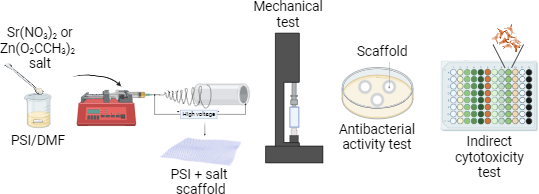
- of Medical Microbiology, Semmelweis University, Nagyvárad tér 4, 1089, Budapest, Hungary Department of Oral Biology, Semmelweis University, Nagyvárad tér 4, 1089, Budapest, Hungary 10.3762/bjnano.15.65 Abstract In this research, we applied electrospinning to create a two-component biodegradable
- ], biocompatible, and biodegradable polymer. Based on the literature, it is extensively researched for biomedical applications [21][33][34][35][36][37][38][39][40][41][42][43]. It is also known that PSI turns into polyaspartic acid (PASP) at physiological conditions, which is a degradable biomaterial [24][25][36



Classification and application of metal-based nanoantioxidants in medicine and healthcare
Beilstein J. Nanotechnol. 2024, 15, 396–415, doi:10.3762/bjnano.15.36
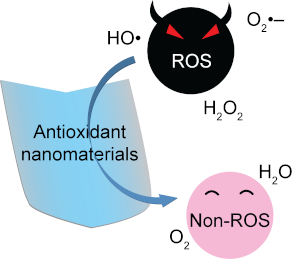
- et al. demonstrated that biodegradable Mg scaffolds have shown promise in promoting vascular regeneration [188]. In brief, the use of metal-based nanomaterials in CVD treatment encompasses a range of innovative approaches from targeted drug delivery using NPs to the development of advanced metallic


Nanomedicines against Chagas disease: a critical review
Beilstein J. Nanotechnol. 2024, 15, 333–349, doi:10.3762/bjnano.15.30
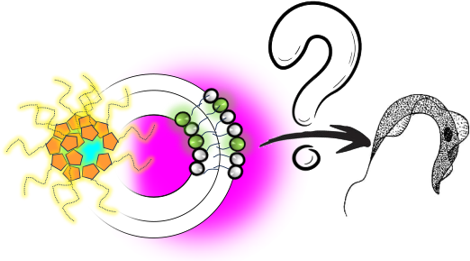
- mammalian cells [33][34][35][36][37][38]. However, orally administered nanomedicines do not cross the intact gastrointestinal epithelium and would never be uptaken by target cells, except enterocytes. During gastrointestinal transit, biodegradable nanoparticles are degraded or not absorbed, leaving only

Vinorelbine-loaded multifunctional magnetic nanoparticles as anticancer drug delivery systems: synthesis, characterization, and in vitro release study
Beilstein J. Nanotechnol. 2024, 15, 256–269, doi:10.3762/bjnano.15.24
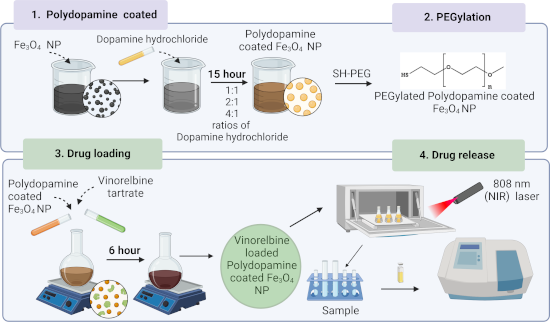
- of passive targeting in magnetic fields for photothermal cancer therapy, with PDA holds great promise for future applications. Therefore, surface modification with PDA is recognized as a favorable alternative for enhancing the biocompatibility of non-biodegradable substances. A study focused on


Nanocarrier systems loaded with IR780, iron oxide nanoparticles and chlorambucil for cancer theragnostics
Beilstein J. Nanotechnol. 2024, 15, 180–189, doi:10.3762/bjnano.15.17
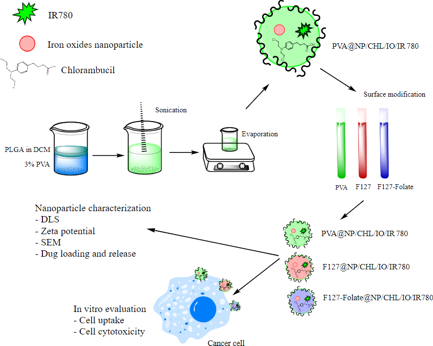
- delivery system. The delivery system is comprised of three components: the carrier, the imaging agent, and the therapeutic drug, all of which need clinical approval before being used in humans. Poly(lactic-co-glycolic acid) (PLGA) is an approved biodegradable and biocompatible material for clinical use [1
- ], mannose for the mannose receptor on activated macrophages [6][7], and folic acid for the overexpression of the folate receptor on the surface of cancer cells and activated macrophages [8]. Thus, in this study, PLGA was chosen for NP formulation since it is a biocompatible and biodegradable material
- diagnoses, including tumor-targeted drug delivery, hyperthermia, photodynamic therapy, and imaging. Nanomedicines can be made from a variety of inert, biodegradable, and in vivo biocompatible materials. Poly(lactic-co-glycolic acid) is one of the most biodegradable and biocompatible copolymers owing to its


Curcumin-loaded nanostructured systems for treatment of leishmaniasis: a review
Beilstein J. Nanotechnol. 2024, 15, 37–50, doi:10.3762/bjnano.15.4
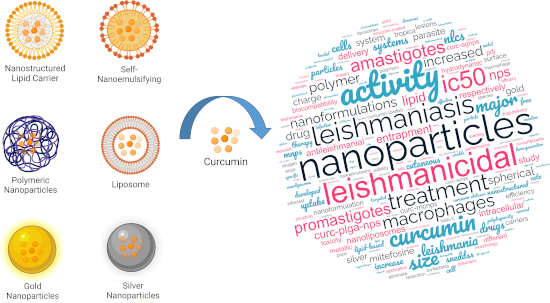
- impact specific drug release kinetics and increase biocompatibility [60]. Different biodegradable polymers have been used for the development of targeted PNPs for the treatment of leishmaniasis [102]. In this scenario, chitosan is an interesting polymer for NP synthesis due to its positive charge, which


Nanotechnological approaches in the treatment of schistosomiasis: an overview
Beilstein J. Nanotechnol. 2024, 15, 13–25, doi:10.3762/bjnano.15.2
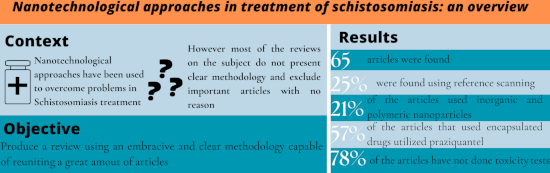
- vitro and in vivo models. Finally, the author discusses the possibility that the nanoformulation could be used to treat cases of schistosomiasis in the brain due to its smaller size [40]. Nevertheless, it is noteworthy that oral administration of biodegradable nanoparticles, such as conventional
- , and topical routes, and they are biodegradable, biocompatible, and non-immunogenic [45]. Moreover, they improve the therapeutic performance of the drug by protecting it from the biological environment and restricting effects to target cells, thereby reducing the clearance of the drug [45]. Drugs for


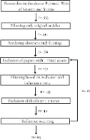
Curcumin-loaded albumin submicron particles with potential as a cancer therapy: an in vitro study
Beilstein J. Nanotechnol. 2023, 14, 1127–1140, doi:10.3762/bjnano.14.93
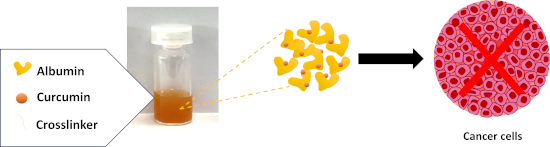
- be a more attractive biomaterial because of its various advantages such as non-toxic, non-immunogenic, biodegradable, and biocompatible properties, as well as long-term storage stability. In addition to these aspects, it is an abundant, renewable, and cheap resource that is easy to scale up for
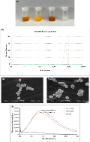
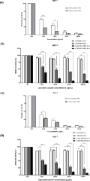
- to enhance the biological properties and improve cellular uptake of the MPs. The cellular uptake was also measured by fluorescence microscopy as shown in Supporting Information File 1, Figure S1. Conclusion Biodegradable albumin submicron particles were successfully loaded with CUR into protein




Antibody-conjugated nanoparticles for target-specific drug delivery of chemotherapeutics
Beilstein J. Nanotechnol. 2023, 14, 912–926, doi:10.3762/bjnano.14.75
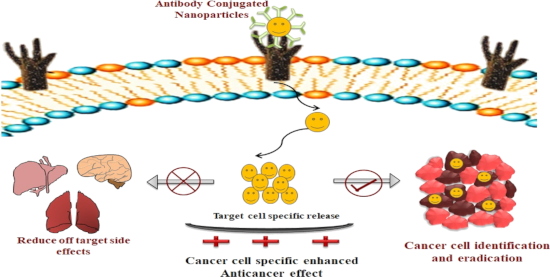
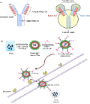
- conditions for coupling. Shi et al. developed a polymeric nanoparticle system using biodegradable graft copolymers of (poly(TMCC-co-LA)-g-PEG-furan) to conjugate anti-HER2 antibodies through a Diels–Alder reaction. They used furan groups (diene), which are accessible for reaction with antibodies



Silver nanoparticles loaded on lactose/alginate: in situ synthesis, catalytic degradation, and pH-dependent antibacterial activity
Beilstein J. Nanotechnol. 2023, 14, 781–792, doi:10.3762/bjnano.14.64
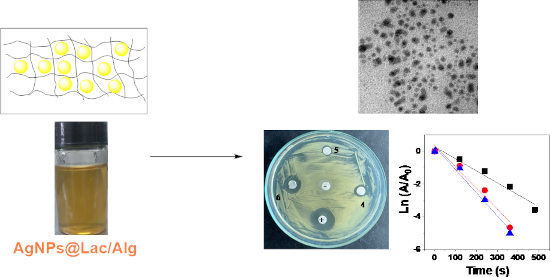
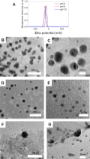
- ionotropic gelation utilizing the biodegradable saccharides lactose (Lac) and alginate (Alg). The lactose reduced silver ions to form AgNPs. The crystallite structure of the nanocomposite AgNPs@Lac/Alg, with a mean size of 4–6 nm, was confirmed by analytical techniques. The nanocomposite exhibited high


Conjugated photothermal materials and structure design for solar steam generation
Beilstein J. Nanotechnol. 2023, 14, 454–466, doi:10.3762/bjnano.14.36
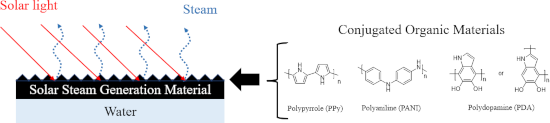
- ][49][50]. In 2021, Zou et al. developed a biodegradable and sustainable bilayer composite for highly efficient solar evaporation based on a photothermally enhanced arginine-doped polydopamine (APDA) and raw wood [47]. In this study, APDA coatings with enhanced photothermal effects were prepared by


Quercetin- and caffeic acid-functionalized chitosan-capped colloidal silver nanoparticles: one-pot synthesis, characterization, and anticancer and antibacterial activities
Beilstein J. Nanotechnol. 2023, 14, 362–376, doi:10.3762/bjnano.14.31
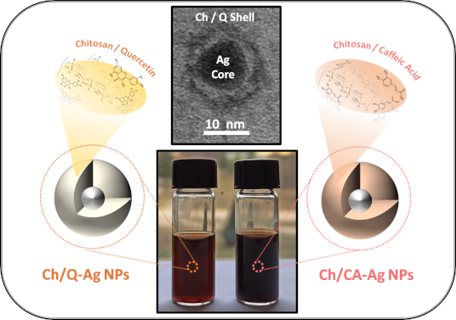
- has raised great interest in the preparation of nanoparticles owing to its biodegradable, biocompatible, and non-toxic properties, as well as the free amino groups, which are very suitable to produce strong complexes with metals [15][16]. Quercetin (3,3',4',5,7-pentahydroxyflavone) is a flavonoid


Polymer nanoparticles from low-energy nanoemulsions for biomedical applications
Beilstein J. Nanotechnol. 2023, 14, 339–350, doi:10.3762/bjnano.14.29
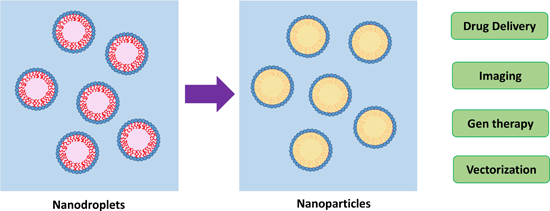
- should be biocompatible, preferentially biodegradable, and with the capacity for proper encapsulation and release of the drug payload. It is also desired that the matrix surface contains reactive or charged groups that facilitate functionalization by covalent or electrostatic bonding. Herein, we review
- -co-glycolic acid) (PLGA) is a biodegradable polymer that decomposes by hydrolysis into non-toxic and easily metabolized monomers, namely lactic and glycolic acid. It is approved by FDA and EMA [23][48]. Biodegradable and biocompatible PLGA nanoparticles find uses as carriers for drugs, peptides




Bismuth-based nanostructured photocatalysts for the remediation of antibiotics and organic dyes
Beilstein J. Nanotechnol. 2023, 14, 291–321, doi:10.3762/bjnano.14.26
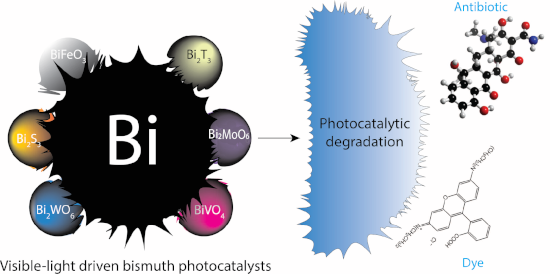
- precipitation, in particular, are believed to be ineffective [4][11]. As a result of the non-biodegradable and persistent nature of the majority of organic contaminants, some physicochemical treatment techniques, such as adsorption, are ineffective in removing them from water resources [11]. Because of their