Search results
Search for "bone" in Full Text gives 120 result(s) in Beilstein Journal of Nanotechnology.
Berberine-loaded polylactic acid nanofiber scaffold as a drug delivery system: The relationship between chemical characteristics, drug-release behavior, and antibacterial efficiency
Beilstein J. Nanotechnol. 2024, 15, 71–82, doi:10.3762/bjnano.15.7
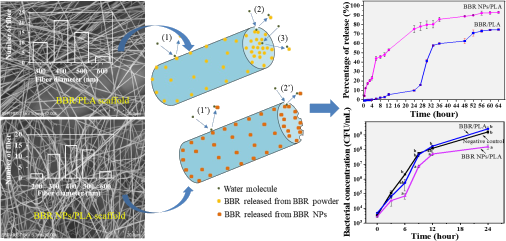
- 21 days and inhibited the growth of Staphylococcus aureus and Escherichia coli bacteria. Human bone marrow mesenchymal stem cells were well attached and proliferated on the surface of the LAP/AMX functionalized PLA scaffolds, which provided a bacteria-free environment for bone differentiation in the
- treatment of bone defects [21]. In dentistry, anti-infective nanofiber-based drug-release systems have been investigated for periodontal disease control, endodontic therapy, cariogenic microorganism control, and tissue reconstruction [25]. Due to the controlled drug release, BBR-loaded nanofiber scaffolds
- exhibited excellent performance in repairing bone defects [3][26], healing diabetic foot ulcers [27], promoting hemostasis [28], acting as anti-leishmanial drugs [29], and inhibiting microbial agents [27][30]. Zhou et al. [31] developed hybrids of nanofibers and microparticles for dual-step controlled


Curcumin-loaded nanostructured systems for treatment of leishmaniasis: a review
Beilstein J. Nanotechnol. 2024, 15, 37–50, doi:10.3762/bjnano.15.4
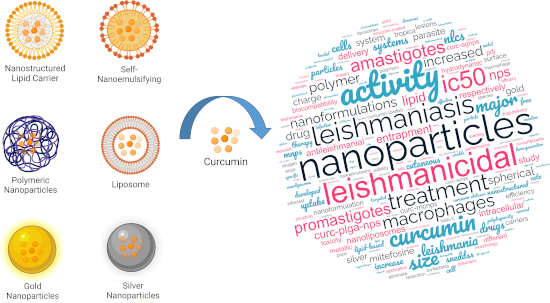
- , the intracellular uptake of bioactive molecules is especially hindered for hydrophobic molecules [64], making it difficult for the drug to reach the parasite. On the other hand, nanocarriers can target the interior of macrophages residing in the spleen, liver, and bone marrow, effectively delivering


Nanoarchitectonics of photothermal materials to enhance the sensitivity of lateral flow assays
Beilstein J. Nanotechnol. 2023, 14, 988–1003, doi:10.3762/bjnano.14.82
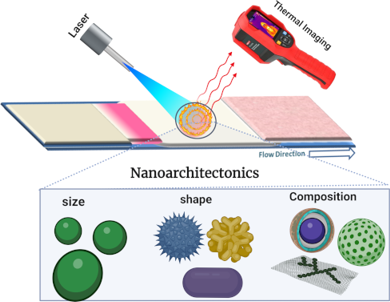
- nanorods, gold nanostars have interesting properties because of their asymmetric spiky structure and narrow LSPR peaks [60]. Depciuch et al. synthesized three different gold nanostructures (spheres, rods, and bone-like rod structures) and compared their SPR peaks and their PCE properties. Though the SPR
- peaks were in the same wavelength range, the temperature increase was different (Figure 6A). It was also found that the bone-like structure produced the highest temperature of about 70 °C with 33% photo conversion efficiency [61]. Another fascinating class of gold nanostructures are branched or star
- ], Photodiagnosis and Photodynamic Therapy, vol. 30, by J. Depciuch; M. Stec; M. Kandler; J. Baran; M. Parlinska-Wojtan, “From spherical to bone-shaped gold nanoparticles - Time factor in the formation of Au NPs, their optical and photothermal properties“, article no. 101670, Copyright (2020), with permission from


Carboxylic acids and light interact to affect nanoceria stability and dissolution in acidic aqueous environments
Beilstein J. Nanotechnol. 2023, 14, 762–780, doi:10.3762/bjnano.14.63
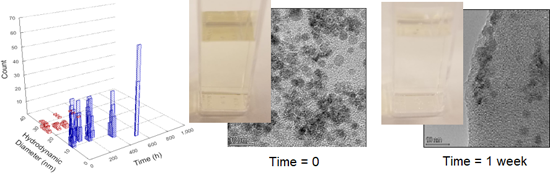
- and transformations of nanoceria surfaces. Nanoceria within biological systems Nanoceria has been shown to accumulate and persist in rats and mice for 90 days and five months [26]. A significant amount was present within liver, spleen, and bone marrow [27][28]. Yokel et al. [29] discussed the uptake
Recent progress in cancer cell membrane-based nanoparticles for biomedical applications
Beilstein J. Nanotechnol. 2023, 14, 262–279, doi:10.3762/bjnano.14.24
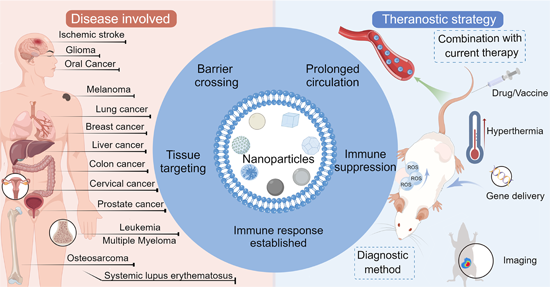
- responses after the presentation and delivery of leukemia membrane-associated antigens by APCs [59]. These bionanoparticles showed the advantage of multiple antigens and significantly prolonged survival. MM, a malignant proliferation of plasma cells derived from the bone marrow, is the second most common
- hematological malignancy [67]. Treatment attempts suffer from the inability to effectively target therapeutic drugs into the bone marrow to effectively kill MM cells [60]. MM cell membrane-encapsulated NPs loaded with the first-line treatment drug bortezomib have been designed to address deficiencies in the
- treatment process [60]. Utilizing membrane-associated proteins for immune evasion and tissues targeting, NPs could effectively target diseased tissues in the bone marrow in mouse models of MM, where they exerted a significant antitumor effect [60]. 3.3 Cardiovascular diseases Ischemic strokes are mainly


Nanotechnology – a robust tool for fighting the challenges of drug resistance in non-small cell lung cancer
Beilstein J. Nanotechnol. 2023, 14, 240–261, doi:10.3762/bjnano.14.23
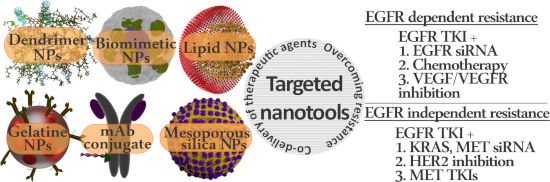
- example of biomimetic NPs was described designed by Wang and co-workers. They used the natural tropism of mouse bone marrow mesenchymal cells (MSCs) for lung tumors for improved targeting of docetaxel (DTX) NPs (DTX-loaded polylactide-co-glycolide-b-poly(ethylene glycol); PLGA-b-PEG) loaded into the MSCs


Two-step single-reactor synthesis of oleic acid- or undecylenic acid-stabilized magnetic nanoparticles by thermal decomposition
Beilstein J. Nanotechnol. 2023, 14, 11–22, doi:10.3762/bjnano.14.2
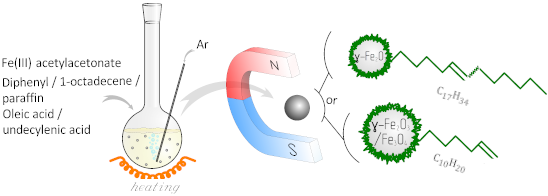
- nanoparticles have been proposed as contrast agents for magnetic resonance imaging, high-precision biosensors, and carriers in magnetic-assisted drug delivery systems. Furthermore, they are used for tumor treatment via the hyperthermia method and in bone tissue regenerative medicine [5][6]. However, using iron


Hydroxyapatite–bioglass nanocomposites: Structural, mechanical, and biological aspects
Beilstein J. Nanotechnol. 2022, 13, 1490–1504, doi:10.3762/bjnano.13.123
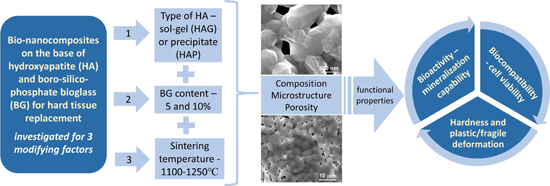
- drawbacks. An ideal biomaterial to replace the bone tissue must integrate in the surrounding bone or soft tissue by stimulating osteoinduction and octeoconduction [1] at their interface in physiologic environment. Synthetic hydroxyapatite (HA), Ca10(PO4)6(OH)2, although being very similar to the mineral
- composition of bone, has a low resorption in physiologic environment and, therefore, does not form a tough bond with the bone [2]. The development of hydroxyapatite–bioglass (HA-BG) composites aimed to overcome this problem [3][4][5]. In these composites, the biocompatibility of HA is combined with the
- bioactivity of the glass, which has a higher dissolution rate and promotes the formation of a carbonated hydroxyapatite (CHA) layer on its surface, which is responsible for implant–bone bonding [6]. The composition of the most famous bioglass, 45S5 Bioglass [7], includes the principal elements of the bone, Ca
Biomimetic chitosan with biocomposite nanomaterials for bone tissue repair and regeneration
Beilstein J. Nanotechnol. 2022, 13, 1051–1067, doi:10.3762/bjnano.13.92
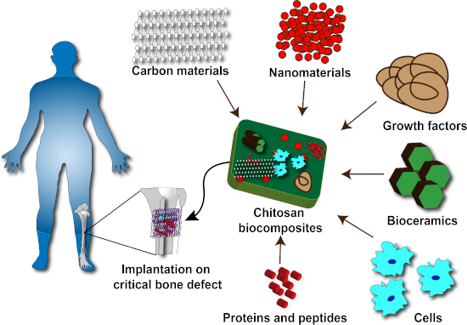
- Intelligence Education and Research, Hanyang University, Ansan 426-791, South Korea 10.3762/bjnano.13.92 Abstract Biomimetic materials for better bone graft substitutes are a thrust area of research among researchers and clinicians. Autografts, allografts, and synthetic grafts are often utilized to repair and
- regenerate bone defects. Autografts are still considered the gold-standard method/material to treat bone-related issues with satisfactory outcomes. It is important that the material used for bone tissue repair is simultaneously osteoconductive, osteoinductive, and osteogenic. To overcome this problem
- , researchers have tried several ways to develop different materials using chitosan-based nanocomposites of silver, copper, gold, zinc oxide, titanium oxide, carbon nanotubes, graphene oxide, and biosilica. The combination of materials helps in the expression of ideal bone formation genes of alkaline
Bioselectivity of silk protein-based materials and their bio-inspired applications
Beilstein J. Nanotechnol. 2022, 13, 902–921, doi:10.3762/bjnano.13.81
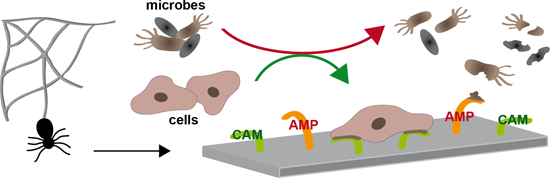
- /nanohydroxyapatite composite hydrogels have been studied regarding bone tissue engineering [124]. Spider silk has also been widely used as a multifunctional material for fishing nets, wound coverings, and sutures for surgery for centuries in Australasia and Greece [108]. Since then, it came in focus of researchers


Micro- and nanotechnology in biomedical engineering for cartilage tissue regeneration in osteoarthritis
Beilstein J. Nanotechnol. 2022, 13, 363–389, doi:10.3762/bjnano.13.31
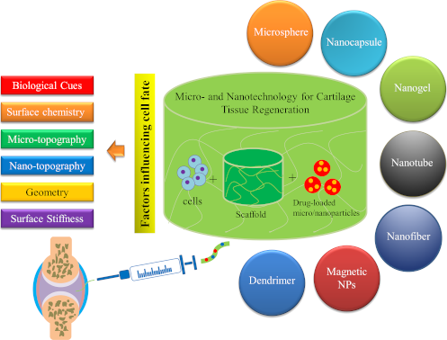
- hierarchical structure of articular cartilage from its surface to the subchondral bone shows a depth-dependent transition and anisotropic integrity composed of four distinct zones; namely, superficial, middle, deep, and calcified cartilage [11][12] (Figure 2). The arrangement, composition, and content of the
- and vertical to the articular surface. Meanwhile, this zone provides the greatest resistance to compressive forces [6]. The calcified cartilage zone, which is presumed to be an interface layer between the upper cartilage layers and the rigid subchondral bone, contains chondrocytes, which usually
- expression profile of articular cartilage pose important challenges for TE. 3 Cartilage TE OA is a prevalent joint disease characterized by mechanical instability of the joints, cartilage destruction, subchondral bone thickening, inflammation of the synovium, osteophyte formation, degeneration of ligaments


Engineered titania nanomaterials in advanced clinical applications
Beilstein J. Nanotechnol. 2022, 13, 201–218, doi:10.3762/bjnano.13.15
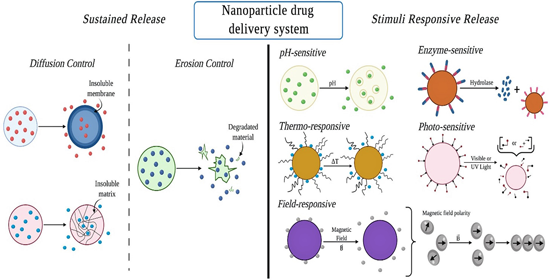
- fulfill the specifications of implantation technologies better than other metallic materials, such as stainless steel, CrCo alloys, and tantalum [10]. The growth and the volume of the bone surrounding the implant material are the major factors for successful implant treatment, minimizing infection or
- rejection [11]. TiO2 nanomaterials with tailored porosity have already been developed as an alternative orthopedic implantation material as they support cell adhesion, viability, growth, and differentiation, which are favorable in bone tissue growth and biological implant fixation [12]. Moreover, to
- integrin clustering and focal adhesion development. In this context, Chen et al. employed the adsorption of functional proteins (bone morphogenetic protein 2 and sclerostin antibody) to modify TiO2 nanotube arrays to repair bone fractures [35]. The PC alters biodistribution, biological identity and


A comprehensive review on electrospun nanohybrid membranes for wastewater treatment
Beilstein J. Nanotechnol. 2022, 13, 137–159, doi:10.3762/bjnano.13.10
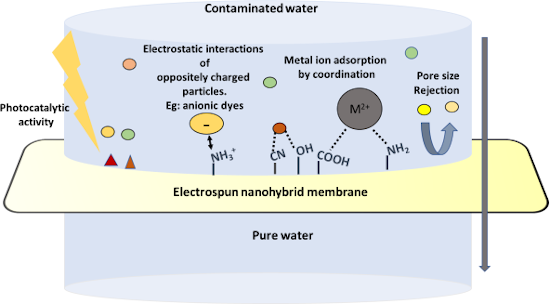
- bioactive products. Patel et al. fabricated bioactive electrospun nanocomposite scaffolds of poly(lactic acid) for bone tissue engineering by incorporating cellulose nanocrystals and observed that the nanohybrid has excellent properties in terms of mechanical strength and thermal stability compared to the




Self-assembly of amino acids toward functional biomaterials
Beilstein J. Nanotechnol. 2021, 12, 1140–1150, doi:10.3762/bjnano.12.85
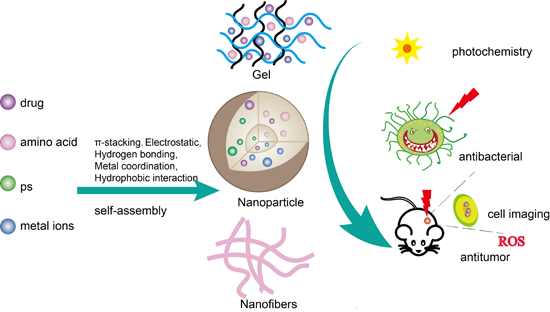
- polymers to enhance, repair, or replace diseased, damaged, or defective tissue [2]. A few examples are tooth repair, peripheral nerve regeneration, nerve tissue engineering, bone and joint replacement and repair, and regeneration of bone defects, biological scaffolds, and wound healing [3][4][5][6][7][8
- ]. Although traditional materials provide good structural analogues for native bone and surrounding tissue, they are difficult to mimic the dynamics and complexity of the natural environment [9]. Therefore, it is necessary to develop a new generation of biomaterials to improve strategies for natural tissue

The role of deep eutectic solvents and carrageenan in synthesizing biocompatible anisotropic metal nanoparticles
Beilstein J. Nanotechnol. 2021, 12, 924–938, doi:10.3762/bjnano.12.69
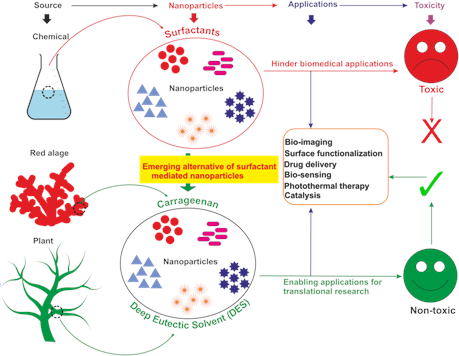
- prospective rejuvenation applications for bone tissues have shown no cytotoxicity in vivo [97]. The non-cytotoxic nature of fluorapatite nanoparticles synthesized using reline (choline chloride/urea) in vitro has been also reported [98]. However, with the rising popularity of DESs due to biodegradability
- carrageenan gel retaining the antibacterial property [85]. A study based on an injectable composite of carrageenan and nanoscale hydroxyapatite as an injectable bone substitute showed good adhesion properties with no cytotoxicity in vitro, as shown in Figure 6 [116]. The nanocomposite also exhibited
- osteoblast cytotoxicity tests in cell lines (L02 and L929). Adapted from [116], J. I. González Ocampo et al., “Evaluation of cytotoxicity and antimicrobial activity of an injectable bone substitute of carrageenan and nano hydroxyapatite”, J. Biomed. Mater. Res. A., with permission from John Wiley and Sons


The role of convolutional neural networks in scanning probe microscopy: a review
Beilstein J. Nanotechnol. 2021, 12, 878–901, doi:10.3762/bjnano.12.66
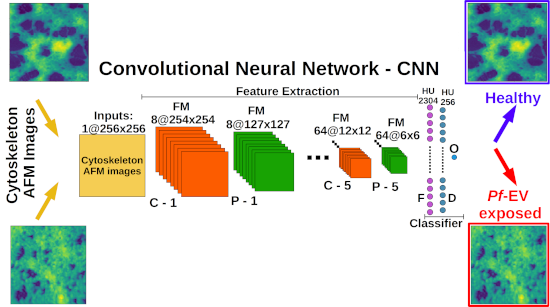
- of high-resolution AFM images, were used, that is “monomaterial” consisting of one ceramic sample, and “multimaterial” consisting of multiple samples of more complex nature (e.g., shell, bone, or nanoparticles). These were taken at various resolutions. The multimaterial set of images was six times







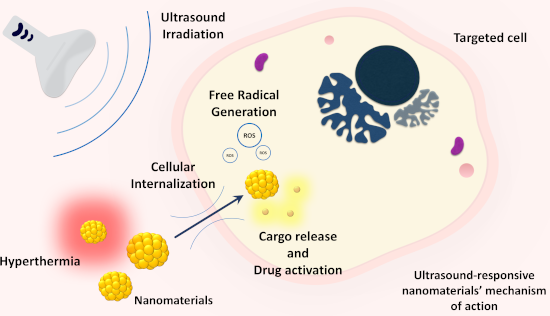
Comprehensive review on ultrasound-responsive theranostic nanomaterials: mechanisms, structures and medical applications
Beilstein J. Nanotechnol. 2021, 12, 808–862, doi:10.3762/bjnano.12.64


Silver nanoparticles induce the cardiomyogenic differentiation of bone marrow derived mesenchymal stem cells via telomere length extension
Beilstein J. Nanotechnol. 2021, 12, 786–797, doi:10.3762/bjnano.12.62
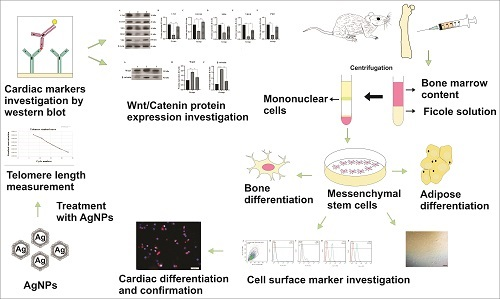
- possible combination of stem cells and nanotechnology in the treatment of diseases. This study aims to investigate the in vitro effect of silver nanoparticles (Ag-NPs) on the cardiomyogenic differentiation of bone marrow-derived mesenchymal stem cells (BM-MSCs) through detection of cardiac markers. For
- this purpose, MSCs were isolated from bone marrow resident and differentiated to the cardiac cells using a dedicated medium with Ag-NPs. Also, the cardiomyogenic differentiation of BM-MSCs was confirmed using immunocytochemistry. Then, real-time PCR and western blotting assay were used for measuring
- -MSCs. Also, there was a significant increase in the protein and gene expression of Wnt3 and β-catenin as main components of pathways. We concluded that Ag-NPs could change the in vitro expression of cardiac markers of BM-MSCs via the Wnt3/β-catenin signaling pathway. Keywords: bone marrow-derived MSCs


The impact of molecular tumor profiling on the design strategies for targeting myeloid leukemia and EGFR/CD44-positive solid tumors
Beilstein J. Nanotechnol. 2021, 12, 375–401, doi:10.3762/bjnano.12.31
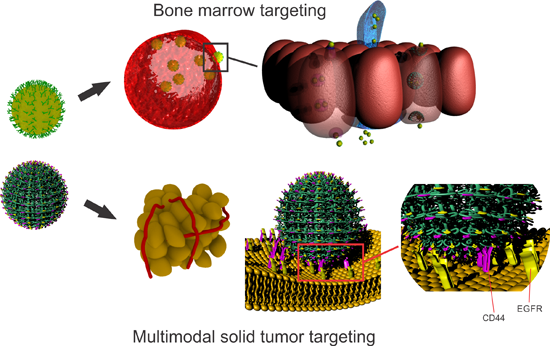
- tumors, since the tumor cells are generally exposed in the blood circulation. Hence, hematological tumors generally require a slightly different approach for diagnosis and treatment. However, the discovery of the leukemic stem cells (LSCs), which are located in the bone marrow endosteal region, has
- cells. The proliferation of the self-renewing malignant clones develops and expands in the bone marrow from where the cells start to circulate to the peripheral hematopoietic tissues, leading to a severe and often fatal systemic malignancy that affects hematopoiesis, immune defense system, and many
- rapidly divide, such as bone marrow stem cells and the gastrointestinal epithelium. This leads to severe and sometimes life-threatening side effects and disruption of the normal hematopoiesis and subsequent recovery, especially of elderly patients. The lack of sensitivity and the development of resistance


Intracranial recording in patients with aphasia using nanomaterial-based flexible electronics: promises and challenges
Beilstein J. Nanotechnol. 2021, 12, 330–342, doi:10.3762/bjnano.12.27
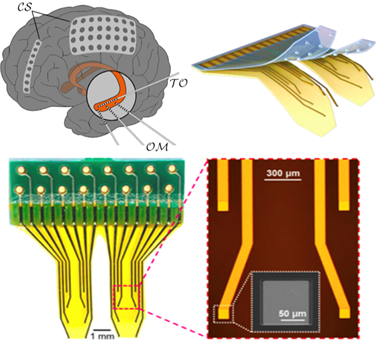
- bone, which could result in brain damage. Flexible ECoG electrodes have been developed that can reliably attach to the cortex without removing skull bone, improving the recording signals [76]. Based on a flexible microelectrode array, a wrapping electrode array that can be inserted beneath the skull


Doxorubicin-loaded gold nanorods: a multifunctional chemo-photothermal nanoplatform for cancer management
Beilstein J. Nanotechnol. 2021, 12, 295–303, doi:10.3762/bjnano.12.24
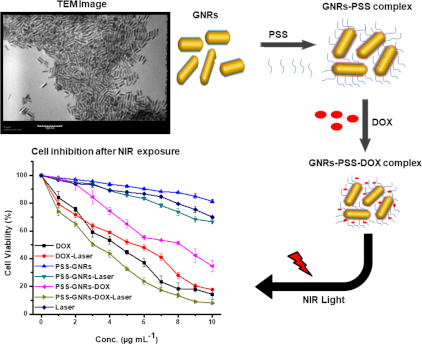
- chemotherapy [9]. Also, high-dose regimens of DOX are associated with sever cardiotoxicity and bone marrow suppression. Different strategies were used to encapsulate the drug to minimize its side effects; however, this decreased the chemotherapeutic effectiveness [10]. Henceforth, new treatment modalities are


The nanomorphology of cell surfaces of adhered osteoblasts
Beilstein J. Nanotechnol. 2021, 12, 242–256, doi:10.3762/bjnano.12.20
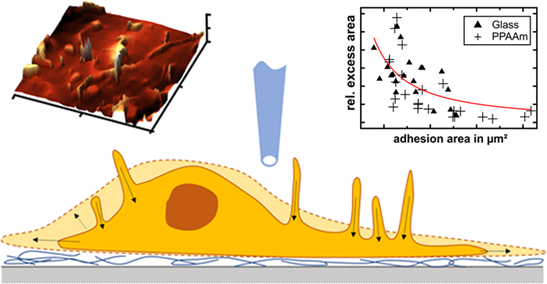
- micrometers down to the nanometer scale. The cell surface plays a particularly important role. Electric signaling, including information processing, takes place at the membrane, as well as adhesion and contact. For osteoblasts, adhesion and spreading are crucial processes with regard to bone implants. Here we
- Osteoblasts are bone-mineralizing cells situated inside the matrix boundaries of the osteoid. They can release matrix vesicles containing calcium and phosphate, eventually leading to precipitation and growth of bone mineral [1][2]. They adhere to and spread on a wide spectrum of pristine and coated material


A review on the green and sustainable synthesis of silver nanoparticles and one-dimensional silver nanostructures
Beilstein J. Nanotechnol. 2021, 12, 102–136, doi:10.3762/bjnano.12.9
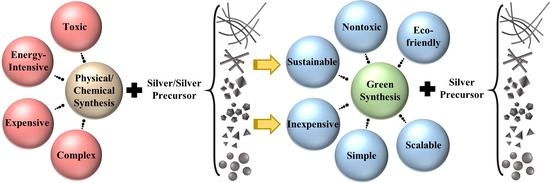
- [80][81][82]. For instance, the utilization of AgNPs in bone cement is meant to prevent bacterial infection while sustaining the mechanical strength of the cement connected to the prosthesis [82]. AgNPs have also demonstrated significant optical properties. They possess substantial surface plasmon


Cardiomyocyte uptake mechanism of a hydroxyapatite nanoparticle mediated gene delivery system
Beilstein J. Nanotechnol. 2020, 11, 1685–1692, doi:10.3762/bjnano.11.150
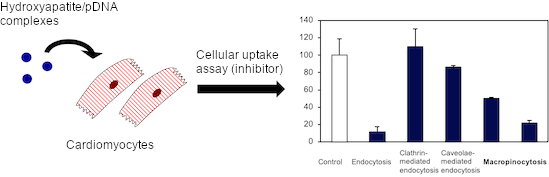
- medical and dental applications, such as dental implants, orthopedics, and drug delivery systems, since it has similar elements found in bone and teeth. In addition, CaP stabilizes the nucleic acid against nuclease degradation, forms ionic interactions with the phosphates of DNA, and its biodegradation is
- ]. The results suggested that calcium ions from HAp particles might activate macropinocytosis in HL-1 cells. CaSR has different functions depending on the cell type. In osteoclasts, for example, it directs migration toward bone tissue for bone remodeling, whereas in macrophages it aids in the antigen


Amorphized length and variability in phase-change memory line cells
Beilstein J. Nanotechnol. 2020, 11, 1644–1654, doi:10.3762/bjnano.11.147
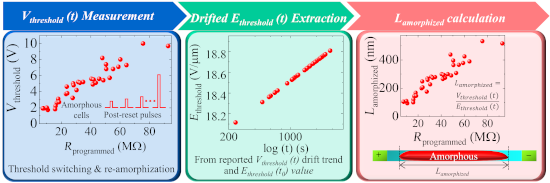
- grains in the cells [30], to variations in the shape of the amorphous volumes within the dog-bone-shaped line cells, to slightly different numbers and amplitudes of the applied initial reset pulse(s), which might have amorphized the cell either with a single pulse or with multiple pulses in a more