


Search results
Search for "cells" in Full Text gives 1112 result(s) in Beilstein Journal of Nanotechnology. Showing first 200.
Beam shaping techniques for pulsed laser ablation in liquids: Unlocking tunable control of nanoparticle synthesis in liquids
Beilstein J. Nanotechnol. 2026, 17, 309–342, doi:10.3762/bjnano.17.22
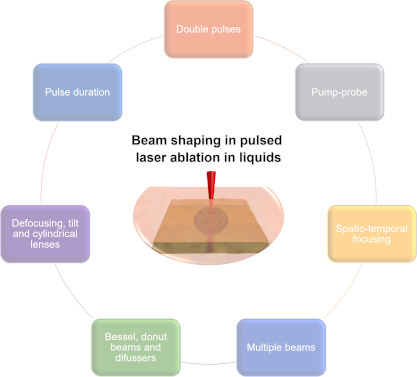
- efficiency, throughput, and colloid stability. Therefore, optimising ablation conditions (e.g., using high-repetition-rate lasers, flow-through cells, and improved cavitation management) will be critical for enabling commercially viable production [94]. One promising strategy to overcome these limitations







Advancing nanolithography: a comprehensive review of materials for local anodic oxidation with AFM
Beilstein J. Nanotechnol. 2026, 17, 275–291, doi:10.3762/bjnano.17.19
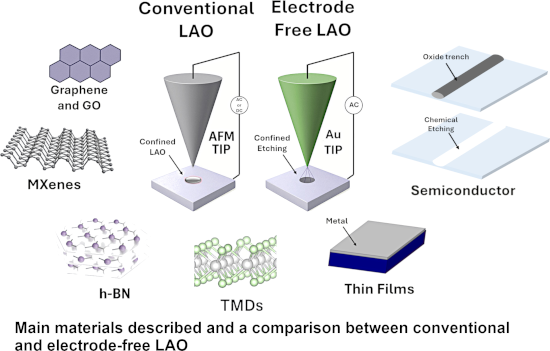
- polymers can be selectively oxidized to create hydrophilic regions or chemically reactive sites, enabling controlled interactions with proteins, cells, or other biomolecules. However, challenges remain in ensuring that the LAO process does not degrade the material’s biocompatibility or structural integrity


Comparative study on 3D morphologies of delignified, single tracheids and fibers of five wood species
Beilstein J. Nanotechnol. 2026, 17, 239–250, doi:10.3762/bjnano.17.16
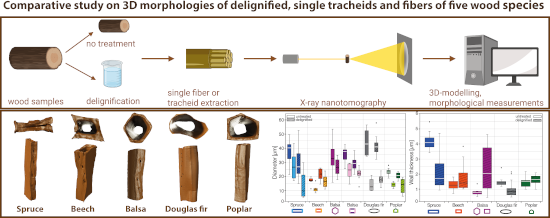
- ]. They are especially important in gymnosperms, where they serve as primary conduits for water transport, whereas in angiosperms, they function alongside vessel elements, contributing to both axial and lateral water movement by providing strength of the tissue [3][4]. Tracheids are specialized cells that
- part of the membrane (torus) that is slightly larger than the pit aperture [4][7]. Similar to other plant cells, fibers and tracheids have a primary wall (P) composed of cellulose, hemicelluloses, and pectin that are formed during cell growth [8][9]. Once fully grown, they develop two secondary walls
- connections between neighboring cells. This knowledge is valuable for optimizing wood processing techniques, developing new wood-based materials and improving the understanding of wood anatomy and its biological function. By removing lignin, it is now possible to obtain high-resolution 3D models of separated


Micro- and nanoscale effects in biological and bioinspired materials and surfaces
Beilstein J. Nanotechnol. 2026, 17, 214–217, doi:10.3762/bjnano.17.14

- composition of the secreting cells and its cement product, providing a strong basis for further research on the assembly of biological and bioinspired adhesives. Sawant et al. [15] focused on the cement of a barnacle and experimentally investigated a specific key cement protein and its self-assembly under
Safe and sustainable by design with ML/AI: A transformative approach to advancing nanotechnology
Beilstein J. Nanotechnol. 2026, 17, 176–185, doi:10.3762/bjnano.17.11
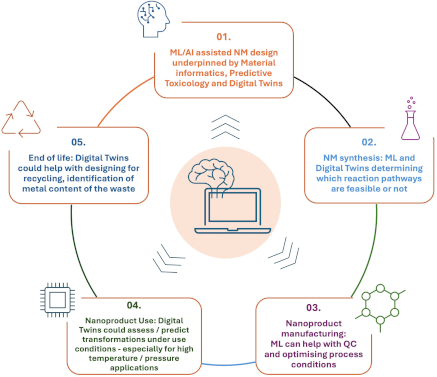
- enabled targeted therapies for cancer, minimizing side effects while enhancing therapeutic efficacy [1][2]. In the energy sector, nanostructured materials have enhanced the performance and energy density of batteries and solar cells, providing more sustainable and efficient solutions [3]. Additionally


From shield to spear: Charge-reversible nanocarriers in overcoming cancer therapy barriers
Beilstein J. Nanotechnol. 2026, 17, 159–175, doi:10.3762/bjnano.17.10
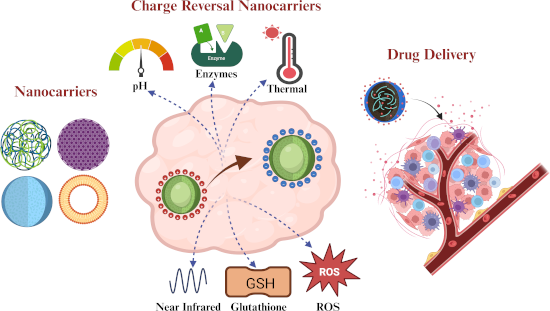
- Cancer remains a foremost global health challenge, characterized by uncontrolled cellular proliferation and the ability to invade and metastasize to distant sites. Unlike normal cells, cancer cells bypass regulatory mechanisms to form tumours and spread via lymphatic or circulatory systems, such as
- malignant breast epithelial cells metastasizing to axillary lymph nodes [1]. Leukaemias and other haematological malignancies spread differently, affecting the bone marrow, lymph nodes, and the blood [2]. According to the latest GLOBOCAN and World Health Organization data, cancer ranks as the leading cause
- , primarily aim to eliminate rapidly dividing cancer cells. However, these conventional approaches often face limitations in specificity and long-term efficacy [4][5][6]. In recent years, significant advancements have transformed the therapeutic landscape with the introduction of gene therapy, stem cell


Influence of surface characteristics on the in vitro stability and cell uptake of nanoliposomes for brain delivery
Beilstein J. Nanotechnol. 2026, 17, 139–158, doi:10.3762/bjnano.17.9
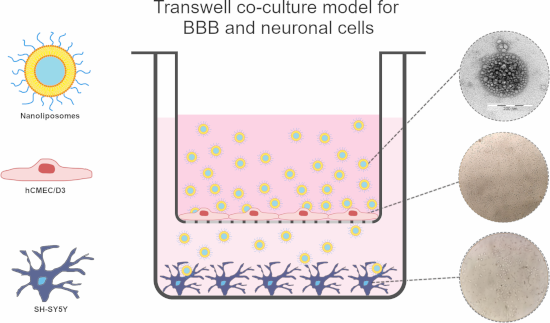
- /D3) and neuroblastoma cells (SH-SY5Y) under different conditions. The results obtained from comparative in vitro cell uptake studies on both cell culture lines after treatment with three different concentrations of fluorescently labelled NLs (5, 10, and 100 μg/mL) over a period of 1, 2, and 4 h
- showed a time- and concentration-dependent internalization pattern, with high impact of the surface characteristics of the different formulations. In addition, transport studies on hCMEC/D3/SH-SY5Y co-cultures confirmed the successful transport of NLs across the BBB cells and their subsequent uptake by
- true dynamics of NLs and drug absorption or trafficking within brain cells. Finally, optimized experimental conditions help reduce variability between cell uptake experiments and ensure that results are consistent across different cell passages, laboratories, or research conditions which is




Capabilities of the 3D-MLSI software tool in superconducting neuron design
Beilstein J. Nanotechnol. 2026, 17, 122–138, doi:10.3762/bjnano.17.8

- design of superconducting electronics components. Keywords: adiabatic superconductor cells; inductance extraction; Josephson interferometers; multilayer niobium technology; superconductivity; Introduction This article is devoted to one of the issues related to the design of adiabatic superconducting
- , that is, a matrix for interactions between mesh cells and a Galerkin matrix for solution of integro-differential equations. Filling the matrices needs O(N2) operations, and the solution procedure needs O(N3) operations, where N is the number of mesh nodes. These two operations basically define the
- . Calculations are performed on a highly graded mesh of triangular cells (see inset on Figure 8a) based on two mesh step parameters. The first parameter, ah, defines the size of triangular cells inside the superconducting film far enough from the nearest boundary. The other parameter, ahb, is related to the cell



Development and in vitro evaluation of liposomes and immunoliposomes containing 5-fluorouracil and R-phycoerythrin as a potential phototheranostic system for colorectal cancer
Beilstein J. Nanotechnol. 2026, 17, 97–121, doi:10.3762/bjnano.17.7
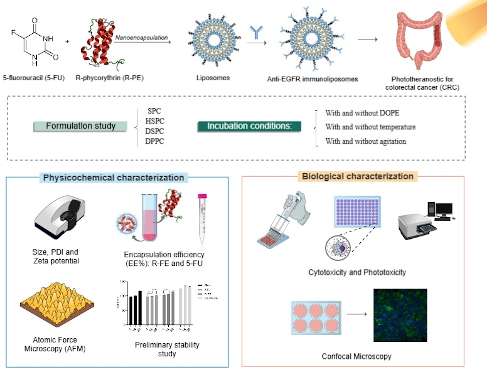
- . These systems are formed by monoclonal antibodies linked to the lipid bilayer, allowing the nanoparticle to recognize and specifically bind to receptors overexpressed in the membrane of tumor cells. This active functionalization expands the therapeutic potential of liposomes by promoting greater
- tumor cells, enhancing the internalization of the system and promoting greater cytotoxic activity compared to conventional therapies [10]. By combining selective cytotoxicity with the potential to label cancer tissue using an imaging probe, EGFR-targeted immunoliposomes represent an integrated approach
- potential application in cancer treatment, ranging from in vitro cell programmed death induction in the liver, lung, and gastric cancer cells [12] to in vivo reduction in nodule number and liver weight in rats [13]. In addition, R-PE also has a photosensitizing role that can be explored in photodynamic



Reduced graphene oxide paper electrode for lithium-ion cells – towards optimized thermal reduction
Beilstein J. Nanotechnol. 2026, 17, 24–37, doi:10.3762/bjnano.17.3
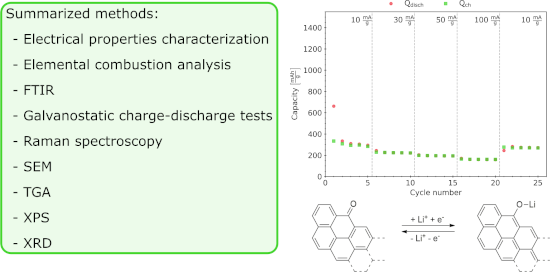
- electrode material in lithium-ion cells. Mildly reduced graphene oxide paper underwent further thermal reduction steps. The structural and chemical properties of the obtained materials were determined using Raman and Fourier-transform infrared spectroscopies and elemental combustion analysis. The morphology
- of rGO paper regarding its application as an electrode material in lithium-ion batteries. Considering the possible implementation of this material as an electrode in secondary cells, its additional advantages in terms of the production process are also worth mentioning. The applied method of
- measurements. Galvanostatic charge–discharge tests The prototype cells (Swagelok-type with stainless steel current collectors) for the galvanostatic charge–discharge tests were prepared in an argon-filled glovebox (MBraun). The materials were tested in a two-electrode configuration in a full-cell setup for



Internal 3D temperature mapping in biological systems using ratiometric light-sheet imaging and lipid-coated upconversion nanothermometers
Beilstein J. Nanotechnol. 2025, 16, 2306–2316, doi:10.3762/bjnano.16.159
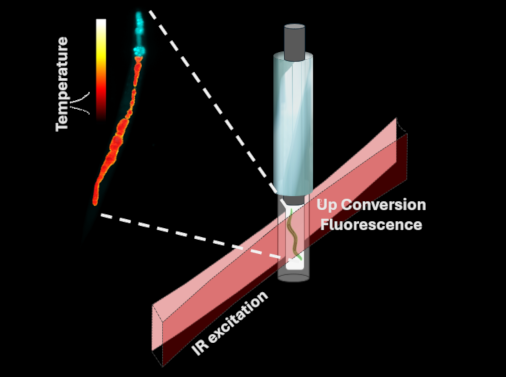
- obtained. For instance, Vetrone et al. [36] used UCNP@PEI as nanothermometers for two-dimensional (2D) temperature mapping inside Hella cells. Similarly, Piñol and co-workers [20] used the FIR of Ln3+ (Sm, Eu)-bearing polymeric micelles to achieve real-time 2D temperature maps of breast metastatic
- adenocarcinoma cells. Di et al. [45] used functionalized UCNPs to monitor mitochondrial thermal dynamics in HeLa cells, and Wang et al. [37] used core–shell UCNPs to monitor temperature and imaging inside and outside onion cells simultaneously. These studies underscore the versatility and potential of UCNP-based
- the entire volume. The C. elegans intestine is a simple, tubular organ composed of 20 epithelial cells arranged into nine rings (int1–int9), spanning approximately 80% of the worm’s body length. The lumen, located centrally within these rings, is lined with microvilli that facilitate nutrient uptake


Improving magnetic properties of Mn- and Zn-doped core–shell iron oxide nanoparticles by tuning their size
Beilstein J. Nanotechnol. 2025, 16, 2285–2295, doi:10.3762/bjnano.16.157
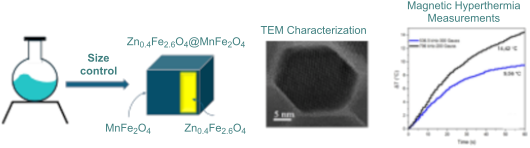
- heating capability, a critical requirement for hyperthermia applications. The temperature increases of 6.5 and 9.6 °C under 536 and 796 kHz, respectively, surpass the thermal threshold required to induce apoptosis in cancer cells (42–46 °C). The fast heating kinetics observed here are comparable to those



Visualizing nanostructures in supramolecular hydrogels: a correlative study using confocal and cryogenic scanning electron microscopy
Beilstein J. Nanotechnol. 2025, 16, 2274–2284, doi:10.3762/bjnano.16.156
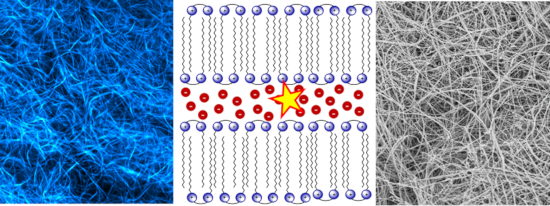
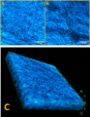
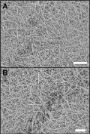
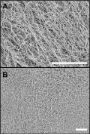
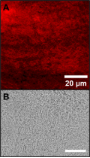
- selective incorporation of fluorophores, it is possible to highlight different components of the hydrogel or embedded cells, facilitating 3D reconstruction of the microarchitecture [10]. However, the achievable resolution in conventional confocal microscopy is still restricted to over one hundred nanometres



Geometry-controlled engineering of the low-temperature proximity effect in normal metal–superconductor junctions
Beilstein J. Nanotechnol. 2025, 16, 2265–2273, doi:10.3762/bjnano.16.155
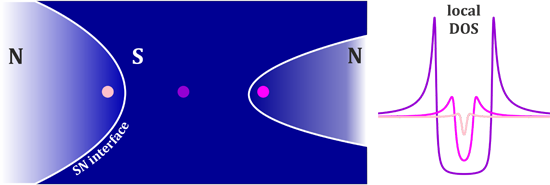
- lines in Figure 1. For numerical simulations, we used a discretized lattice model with a system size of 128 unit cells along the z-direction (the principal axis of the NS transition) and 64 unit cells in the perpendicular x-direction. A total of twelve different geometries were modeled by varying η in


Optical bio/chemical sensors for vitamin B12 analysis in food and pharmaceuticals: state of the art, challenges, and future outlooks
Beilstein J. Nanotechnol. 2025, 16, 2207–2244, doi:10.3762/bjnano.16.153
- ]. Nevertheless, proteases present in the duodenum are capable of breaking down the VB12–HC complex under alkaline conditions, allowing the liberated VB12 to easily link to the IF that is secreted from the stomach’s parietal cells [12][44][47][48]. The VB12–IF complex moves to the distal ileum, the primary
- bloodstream and delivery to target cells [47][53][54]. The VB12–TC-II complex is absorbed by cells through receptor-specific endocytosis. Once inside, it undergoes degradation in the lysosomes, resulting in the release of VB12. This vitamin inside the target cell is transformed into its two active coenzyme
- showed potential for bioimaging Escherichia coli cells due to its fluorescence response when exposed to Co2+ [81]. A new fluorescent–colorimetric chemosensor was designed based on 1,8-bis{2-{N-[2′-(8′-hydroxy-9,10-anthraquinon-1-yloxy) ethyl] benzimidazoliumyl} ethoxy}-9′,10′ anthraquinone


Electromagnetic study of a split-ring resonator metamaterial with cold-electron bolometers
Beilstein J. Nanotechnol. 2025, 16, 2199–2206, doi:10.3762/bjnano.16.152
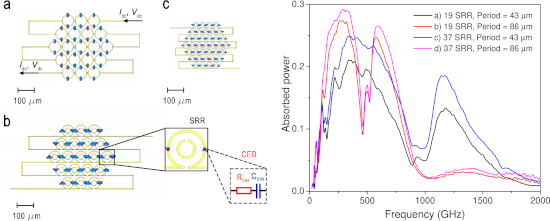
- of SRRs in providing a stronger magnetic resonance and greater field concentration within the capacitive gaps where the CEBs are located. Our investigation of the scaling of the metamaterial array revealed a critical design trade-off. While reducing the dimensions of the SRR unit cells effectively


Ultrathin water layers on mannosylated gold nanoparticles
Beilstein J. Nanotechnol. 2025, 16, 2183–2198, doi:10.3762/bjnano.16.151
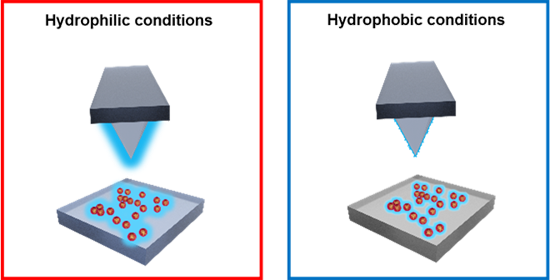
- transmission of influenza [11][12][15] or SARS-CoV-2 [14] via aerosols. These viruses are enveloped (by glycosylated lipid bilayers) and display very large multimers of nanoscale glycoproteins (i.e., spikes), which control virus attachment and fusion to the host cells [16]. Glycosylation, often with mannosides



Microplastic pollution in Himalayan lakes: assessment, risks, and sustainable remediation strategies
Beilstein J. Nanotechnol. 2025, 16, 2144–2167, doi:10.3762/bjnano.16.148
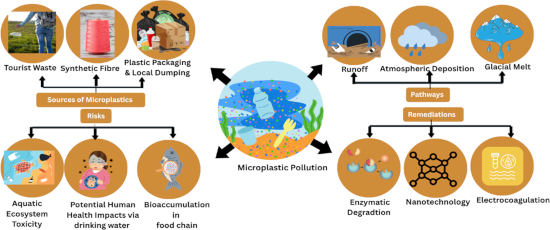
- smaller molecules [48]. Biofilms adhering to the plastic surfaces are required for biological degradation since they secrete enzymes that degrade polymers outside cells [49]. As noted by Rai et al., biofilms can speed up the breakdown of MPs, even though such a process is prone to interference from
- fluctuations release toxic byproducts and nanoplastics, which are more bioavailable and more easily taken up by cells [118][119]. These collective mechanisms of toxicity are a threat to freshwater biodiversity and human health. Their activity is particularly vital to individuals relying on such water for


Electron transport through nanoscale multilayer graphene and hexagonal boron nitride junctions
Beilstein J. Nanotechnol. 2025, 16, 2132–2143, doi:10.3762/bjnano.16.147
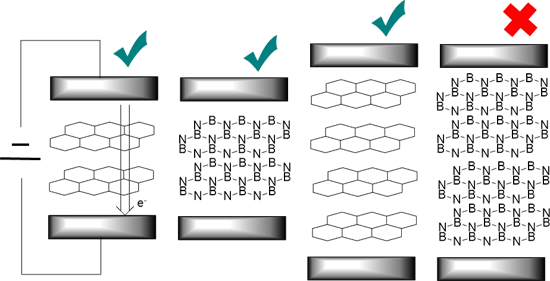
- for the electron transport through graphene with one to six layers, compared to h-BN with one to six layers, are summarized in Figure 4, Table 1, Figure 5, and Table 2. Those junctions correspond to 0.5–3.0 nm thickness. The junctions in Figure 4 and Figure 5 are prepared from optimized unit cells of
- Pt(111) surface, graphene, and h-BH using the QuantumWise ATK interface builder. The process involves strain minimization in the lattice mismatch by symmetry multiplication of the unit cells. The junctions shown in Figure 4 and Figure 5 have 1.06% distributed strain over Pt and graphene or h-BN. The
- distance between graphene or h-BN and the Pt surface is set to 3.2 Å. The central region includes six layers of the source electrode and six layers of the drain electrode. The electrode supercells are 3 × 3 × 3 Pt unit cells. The (I/V) curves are computed using the methodology described in Equations 2–10


Quality by design optimization of microemulsions for topical delivery of Passiflora setacea seed oil
Beilstein J. Nanotechnol. 2025, 16, 2116–2131, doi:10.3762/bjnano.16.146
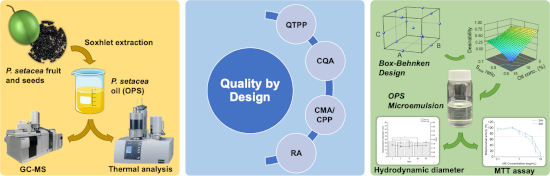
- assays demonstrated high cell viability for ME at concentrations below 2 mg/mL in RAW 264.7 macrophages and 0.5 mg/mL in human umbilical vein endothelial cells. Overall, this work presents a promising nanotechnology-based topical delivery platform for P. setacea seed oil, employing quality by design
- lines relevant to wound healing and topical application: murine macrophages (RAW 264.7) and human umbilical vein endothelial cells (HUVECs) (Figure 11). According to ISO 10993-13 guidelines, the base ME was considered cytocompatible up to concentrations of 2 mg/mL for RAW cells and 0.5 mg/mL for HUVECs
- . The observed cytotoxicity at higher concentrations is likely due to the increase proportion of surfactants in the formulation. Additionally, under certain experimental conditions, fatty acids may induce lipid peroxidation and trigger pro-inflammatory responses in endothelial cells such as HUVECs


Rapid synthesis of highly monodisperse AgSbS2 nanocrystals: unveiling multifaceted activities in cancer therapy, antibacterial strategies, and antioxidant defense
Beilstein J. Nanotechnol. 2025, 16, 2105–2115, doi:10.3762/bjnano.16.145
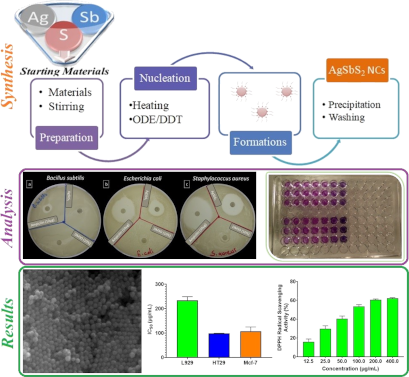
- , cardiovascular diseases, and diabetes [11][12]. Historically known especially for its antimicrobial properties, silver has been used since ancient times. Silver nanoparticles (AgNPs) are synthesized by different synthesis mechanisms; they are non-toxic to eukaryotic cells, including human cells, but highly toxic
- to prokaryotic cells including microorganisms such as bacteria, viruses, and fungi [13]. Therefore, silver-based nanoparticles have been the subject of many biomedical studies [14][15][16][17][18]. In a study conducted in this context; the effects of α-AgS nanoparticles produced using the fungus
- Humicola sp. in biomedical applications were investigated. Cancer experiments were carried out using breast cancer and Burkitt’s lymphoma cancer cells, while the biocompatibility tests of α-AgS nanoparticles were also conducted using human peripheral blood mononuclear cells (PBMCs) [18]. Additionally


Toward clinical translation of carbon nanomaterials in anticancer drug delivery: the need for standardisation
Beilstein J. Nanotechnol. 2025, 16, 2092–2104, doi:10.3762/bjnano.16.144
- global community can work towards reducing the overall burden of cancer. In 2000, Douglas Hanahan and Robert Weinberg introduced the hallmarks of cancer [22], a comprehensive set of capabilities and characteristics that define the cellular and molecular traits of cancer cells. These hallmarks have been
- , nontraditional approach in cancer treatment and an active research area. In this approach, engineered NMs, acting as nanocarriers, selectively and specifically target cancer cells to deliver drug payloads. The NMs can distinguish between cancer cells and healthy cells; thereby minimising adverse effects
- cases, is invasive and not always feasible, especially if cancer has metastasised. Radiation therapy similarly suffers if the cancer has metastasised, and may damage healthy tissues and organs, causing long-term complications. Chemotherapy can also indiscriminately kill healthy cells and result in



The cement of the tube-dwelling polychaete Sabellaria alveolata: a complex composite adhesive material
Beilstein J. Nanotechnol. 2025, 16, 1998–2014, doi:10.3762/bjnano.16.138
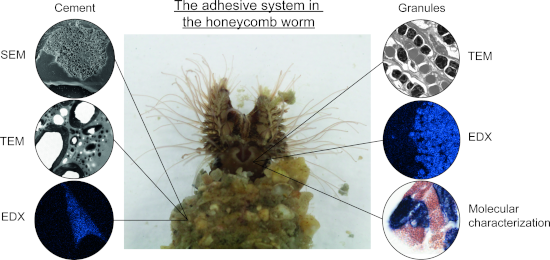
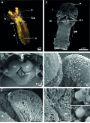
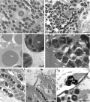
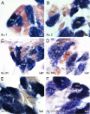
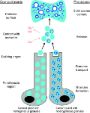
- describing the ultrastructure and elemental composition of the cement cells and their secretion. Different adhesive proteins are packaged in one or the other of two types of cement cells, namely, those containing homogeneous granules and those containing heterogeneous granules with lamellar inclusions
- organ is the external part of an extended glandular system comprising two types of cement cells located in the parathoracic region of the worm, around the digestive tract and at the base of parapodia. The two types of cells can be distinguished by the morphology of their secretory granules, which are
- characterization of the adhesive system of S. alveolata through the ultrastructural and chemical characterization of the two types of adhesive cells and the cement they produce, as well as the identification of new adhesive protein candidates. Another goal is to address the gap in knowledge about adhesive protein



PEGylated lipids in lipid nanoparticle delivery dynamics and therapeutic innovation
Beilstein J. Nanotechnol. 2025, 16, 1914–1930, doi:10.3762/bjnano.16.133
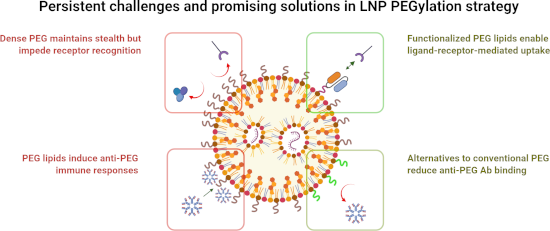
- endothelial and neuronal cells than that of the negative control LNP without peptide [40]. Notably, these enhancements remained consistent in pLNPs pretreated with serum, indicating that the peptide-conjugated LNPs using DSPE-PEG-maleimide retained targeting ability despite protein corona formation
- maleimide groups are effective for ligand attachment to LNP surface and targeted delivery [40][41]. A dual-targeted LNP system composed of two functionalized PEG lipids was created for ligand-mediated targeting of DNA-loaded LNPs to breast cancer cells [42]. DSPE-PEG-folate was directly incorporated into
- the LNP formulation as a targeting ligand for folate receptor-positive breast cancer cells [43]. The other ligand, anti-HER2 monoclonal antibody Herceptin, was first thiolated using N-succinimidyl S-acetylthioacetate and then conjugated to DSPE-PEG-maleimide at a 1:4 molar ratio, with unreacted


Targeting the vector of arboviruses Aedes aegypti with nanoemulsions based on essential oils: a review with focus on larvicidal and repellent properties
Beilstein J. Nanotechnol. 2025, 16, 1894–1913, doi:10.3762/bjnano.16.132
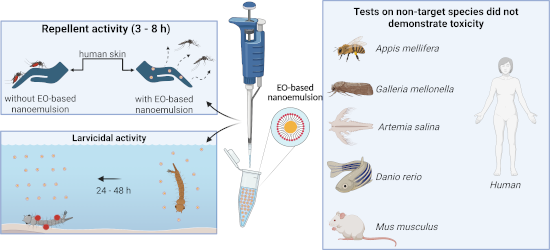
- terpenes but with enhanced safety for Galleria mellonella larvae and human keratinocyte cells (HaCaT). Additionally, NEs facilitated dispersion in aqueous environments. In conclusion, nanoemulsions are safe, eco-friendly, and effective nanosystems capable of enhancing the larvicidal and insecticidal
- and 12.5 µg/mL, LC90 values of 22.6 µg/mL and 21.6 µg/mL for laboratory and field, respectively. In comparison to the unformulated essential oil, the nanoemulsion maintained its effectiveness for an extended period of up to 29 days. While genotoxic effects were not observed in Allium cepa cells, a
- cells and in adult Wistar rats via oral administration. The assays revealed no hemolytic, cytotoxic, or toxic effects, with IC50 above 2000 mg/kg, indicating a good environmental safety profile of the formulation. Suresh et al. (2020) investigated the use of nanoemulsions containing Crithmum maritimum





