Search results
Search for "confocal microscopy" in Full Text gives 96 result(s) in Beilstein Journal of Nanotechnology.
Polarity in cuticular ridge development and insect attachment on leaf surfaces of Schismatoglottis calyptrata (Araceae)
Beilstein J. Nanotechnol. 2021, 12, 1326–1338, doi:10.3762/bjnano.12.98
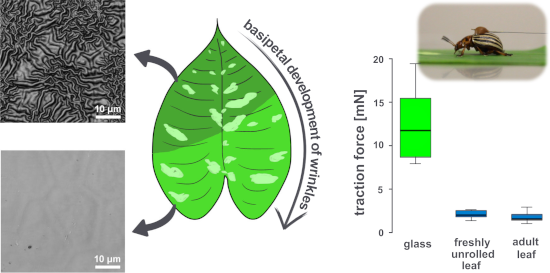
- imaging of young leaf surfaces [7][23]. By means of confocal microscopy experiments, we demonstrate that polarity in ridge development also occurs on leaves of S. calyptrata and that the surface roughness of the leaves increases as the leaves mature. Previous studies have found reduced insect adhesive




The role of convolutional neural networks in scanning probe microscopy: a review
Beilstein J. Nanotechnol. 2021, 12, 878–901, doi:10.3762/bjnano.12.66
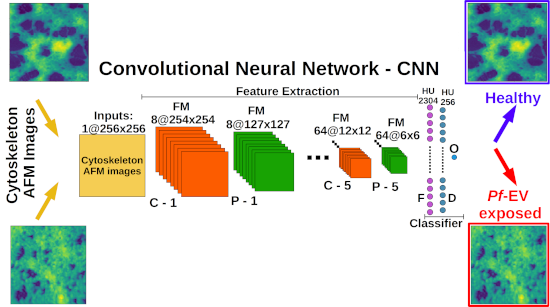
- the exposure and laser power of the confocal microscopy images [97]. Pairs of healthy and diseased leaf photographs from different plants were collected in order to develop a deep learning model for disease detection [97][98]. Acquiring sets of images can be a complicated and prolonged task
- with low-numerical-aperture objectives to resemble those acquired using high-numerical-aperture objectives. The method was also applied to confocal microscopy images and total internal reflection fluorescence (TIRF) microscopy [117]. The use of CNNs for improving image quality and temporal resolution







Comprehensive review on ultrasound-responsive theranostic nanomaterials: mechanisms, structures and medical applications
Beilstein J. Nanotechnol. 2021, 12, 808–862, doi:10.3762/bjnano.12.64
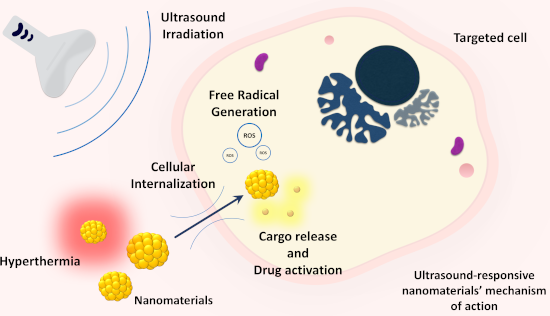
- intracellular delivery of fluorescently labeled mRNA (≈950 kDa) into the colon of healthy C57BL/6 mice using low-frequency US (40 kHz for 0.5 s). Confocal microscopy showed that the mRNA was safely delivered into the colonic mucosa and the colon tissue of mice, in which the US-mediated delivery of the nucleic


PEG/PEI-functionalized single-walled carbon nanotubes as delivery carriers for doxorubicin: synthesis, characterization, and in vitro evaluation
Beilstein J. Nanotechnol. 2020, 11, 1728–1741, doi:10.3762/bjnano.11.155
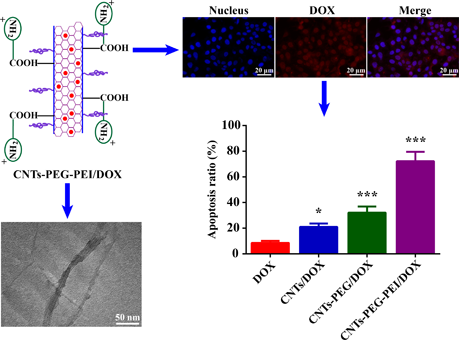
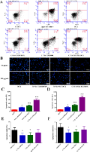
- ) and different DOX-loaded nanocarrier formulations for 12 h. (B) Fluorescence intensity of free DOX and different DOX-loaded nanocarrier formulations (n = 3). Student t-test was used for statistical analysis. (A) Confocal microscopy images of MCF-7 cells after treatment with free DOX (control) and




Hexagonal boron nitride: a review of the emerging material platform for single-photon sources and the spin–photon interface
Beilstein J. Nanotechnol. 2020, 11, 740–769, doi:10.3762/bjnano.11.61
- ]. This has prompted the investigation of SP confocal microscopy to observe SPEs from various h-BN types of materials from bulk to monolayers, however with similar unclear attributions. Despite the PL variability in h-BN, very recently, deep-level, atom-like luminescent defects in h-BN have been




Silver-decorated gel-shell nanobeads: physicochemical characterization and evaluation of antibacterial properties
Beilstein J. Nanotechnol. 2020, 11, 620–630, doi:10.3762/bjnano.11.49
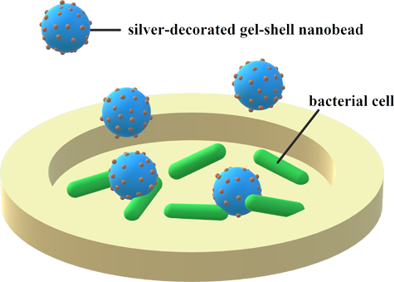
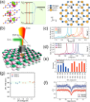
- circles), PSSAg (blue squares) and silver nanoparticles (red squares) as a function of the pH value. TGA thermograms of sulfonated PSS (dashed line) and PSSAg nanobeads (solid line). Confocal microscopy images of P. aeruginosa cells in biofilms (A) without PSSAg nanobeads and (B) incubated with 0.5 µg/mL
- PSSAg. Green cells are viable, red cells are dead. Confocal microscopy images of S. aureus cells in biofilms incubated (A) without nanocomposite, (B) with 0.5 µg/mL PSSAg. Green cells are viable, red cells are dead. MIC and MBIC values of PSSAg were obtained at least three times independently; no


Luminescent gold nanoclusters for bioimaging applications
Beilstein J. Nanotechnol. 2020, 11, 533–546, doi:10.3762/bjnano.11.42
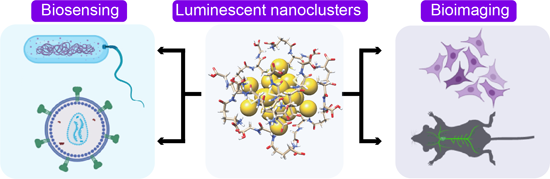
- (d, e) electron tomography of the AuNCF superstructure. D) Photographs under ambient light (top) and UV light (bottom) with varying concentrations of SnCl2 added to Au-GSH NCs. E) Confocal microscopy images of NIH3T3 cell lines incubated with AuNCFs for 1 day (a) bright-field image, (b) confocal


Multilayer capsules made of weak polyelectrolytes: a review on the preparation, functionalization and applications in drug delivery
Beilstein J. Nanotechnol. 2020, 11, 508–532, doi:10.3762/bjnano.11.41
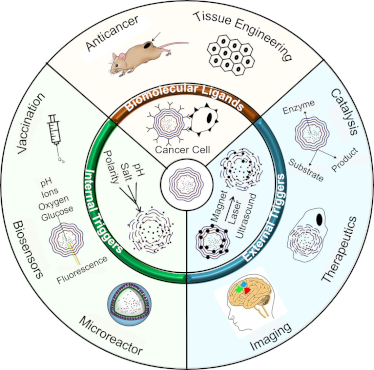
- PE capsules by changing the open and closed state of the capsules. PAH/PMA microcapsules were successfully loaded with fluorescein isothiocyanate-bovine serum albumin (FITC-BSA) at pH < 4 [70]. Confocal microscopy was used to visualize the open and closed state of the capsules at pH 3 and 7



Brome mosaic virus-like particles as siRNA nanocarriers for biomedical purposes
Beilstein J. Nanotechnol. 2020, 11, 372–382, doi:10.3762/bjnano.11.28
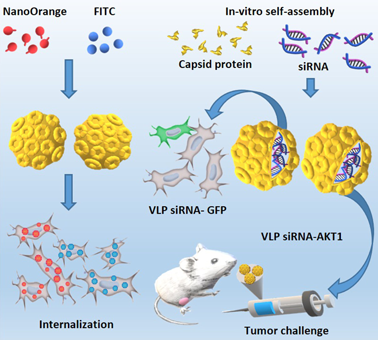
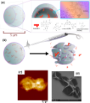
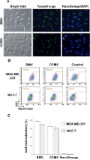
- the breast cancer cells. Representative confocal microscopy images showed NanoOrange fluorescence inside the cells (Figure 1A). It is important to point out that the capsids are able to internalize efficiently into tumor cells without any functionalization. The cell internalization has been quantified
- possible detachment of NanoOrange from the capsids, FITC fluorophore was covalently conjugated to the capsid surface and analyzed by confocal microscopy (Figure 2 and Figure S1, Supporting Information File 1). The confocal images showed FITC fluorescence inside the cells without colocalization of the
- cytometry analysis showed a 70% virus internalization in the cells treated with both CCMV and BMV capsids (Figure 1B,C). In addition, confocal microscopy images showed that almost all the cells contained plant viruses with loaded NanoOrange or with covalently conjugated FITC (Figure 1A and Figure 2). The


Poly(1-vinylimidazole) polyplexes as novel therapeutic gene carriers for lung cancer therapy
Beilstein J. Nanotechnol. 2020, 11, 354–369, doi:10.3762/bjnano.11.26
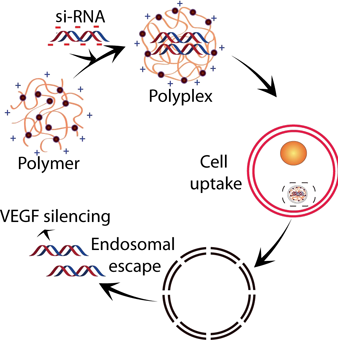
- cells were stained with Hoechst 33258 and imaged with laser scanning confocal microscopy (Olympus FV1000, Tokyo, Japan). Gene expression analysis: VEGF gene silencing was determined using reverse transcriptase-polymerase chain reaction (RT-PCR, AG22331, Eppendorf, Germany). About 3 × 10⁵ A549 cells were
- absence of free siRNA in the polyplex lanes treated with heparin shows the stability of the complex formed. (A) Intracellular uptake of the polyplex monitored by using laser scanning confocal microscopy after 4 h of treatment with Cy3-labeled anti-VEGF siRNA (emission wavelength = 568 nm) at a final siRNA


Rational design of block copolymer self-assemblies in photodynamic therapy
Beilstein J. Nanotechnol. 2020, 11, 180–212, doi:10.3762/bjnano.11.15






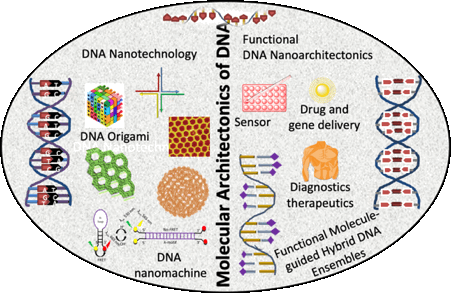
Molecular architectonics of DNA for functional nanoarchitectures
Beilstein J. Nanotechnol. 2020, 11, 124–140, doi:10.3762/bjnano.11.11
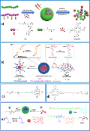
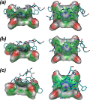
- data (Figure 8c) showed the movement of ions through the lipid–nanopore interface via the formation of a toroidal pore. The binding of porphyrin-tethered nanopores with giant unilamellar vesicles was analyzed by confocal microscopy (Figure 8d). The inherent fluorescent signal of porphyrin showed their


Internalization mechanisms of cell-penetrating peptides
Beilstein J. Nanotechnol. 2020, 11, 101–123, doi:10.3762/bjnano.11.10
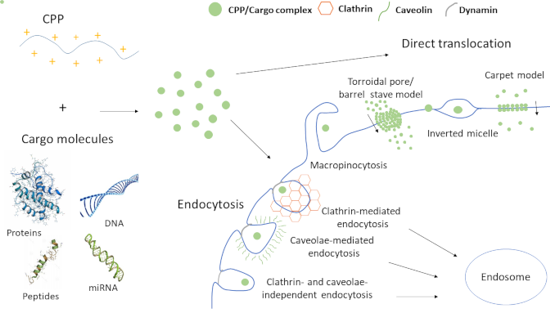
- observed using confocal microscopy [39][40]. It is assumed that the punctate staining indicates endocytic uptake, while the diffuse staining is correlated with direct translocation. The switch between different uptake mechanisms might be concentration-dependent. It has been shown that at low concentration


Small protein sequences can induce cellular uptake of complex nanohybrids
Beilstein J. Nanotechnol. 2019, 10, 2477–2482, doi:10.3762/bjnano.10.238
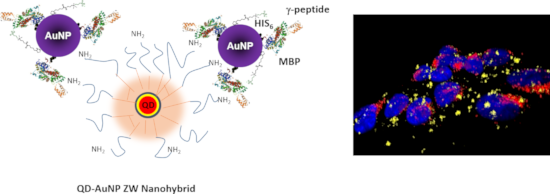
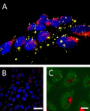
- -γ loading of per nano-assembly, using confocal microscopy (Figure 1E). A close examination of the images allows us to distinguish three different colour distributions: the cell nuclei shown in blue (stained with DAPI), the endosomal compartments counterstained in red (labelled with Cy5-transferin
- cellular fate of these structures rather than appearance in solution. The confocal microscopy data were further exploited to generate a z-stack, to visualize the fluorescence distribution of the nanocomposites side-by-side with that of the Cy5 dye and cell nuclei. The 3D-stack, shown in Figure 2A, confirms
- and 14 His6-MBP-γ equiv/AuNP, scale bar = 50 µm. (E) Confocal microscopy images of HeLa cells incubated with nanohybrids for 1 h; c(QD) = 50 nM and 7 His6-MBP-γ equiv/AuNP. 60× magnification was used. Scale bar = 20 µm. (Top panels) data correspond to nanohybrids containing His6-MBP (no γ-peptide

pH-Controlled fluorescence switching in water-dispersed polymer brushes grafted to modified boron nitride nanotubes for cellular imaging
Beilstein J. Nanotechnol. 2019, 10, 2428–2439, doi:10.3762/bjnano.10.233
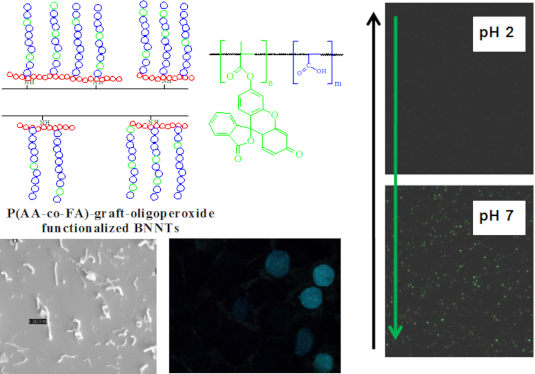
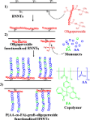
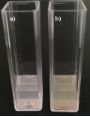
- thermogravimetric analysis (TGA), Fourier transform infrared spectroscopy (FTIR), dynamic light scattering (DLS), ultraviolet–visible spectrophotometry (UV–vis), laser scanning confocal microscopy (LSCM) and scanning electron microscopy (SEM). The DLS results demonstrated that P(AA-co-FA)-functionalized BNNTs
- mixed with KBr to form a pellet. The spectra in the range of 7800–350 cm−1 with a 5 cm−1 step were collected in reflection or in transmission mode. Laser scanning confocal microscopy (LSCM) P(AA-co-FA)-functionalized BNNTs were imaged with a Zeiss Axio Imager M2 laser scanning confocal microscope (Carl
- are revealed by the stretching vibrations at 1120 and 1050 cm−1. All of this spectral information confirms the successful fabrication of grafted P(AA-co-FA) brushes on oligoperoxide-functionalized BNNTs. The optical properties of P(AA-co-FA)-functionalized BNNTs were studied by absorption and confocal


Deterministic placement of ultra-bright near-infrared color centers in arrays of silicon carbide micropillars
Beilstein J. Nanotechnol. 2019, 10, 2383–2395, doi:10.3762/bjnano.10.229
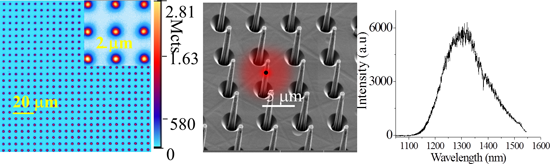
- emission of at least a factor of 6 using micro-photoluminescence systems. Using custom confocal microscopy setups, we characterized the emission of VSi measuring an enhancement by up to a factor of 20, and of NCVSi with an enhancement up to a factor of 7. The experimental results are supported by finite
- the VSiVC and NCVSi. A detailed confocal microscopy study of NCVSi in the pillars is given in the next section. A summary of the PL-measured color centers in each sample is reported in Table 1. Confocal microscopy Confocal fluorescence scanning microscopy was performed using two custom-built systems
- , and dead time set at 2 μs) to measure the NCVSi emission (Figure 4). In the first confocal microscopy setup a variable wavelength super continuum NKT Photonics, Fianium WhiteLase pulsed laser was used for sample illumination at 730 nm. The laser has a pulse width of 30 ps and a repetition rate


Atomic force acoustic microscopy reveals the influence of substrate stiffness and topography on cell behavior
Beilstein J. Nanotechnol. 2019, 10, 2329–2337, doi:10.3762/bjnano.10.223
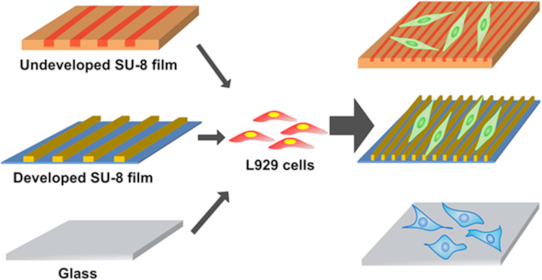
- ], confocal microscopy, scanning electron microscopy (SEM) [12] and atomic force microscopy (AFM) [16][17] have been employed to investigate cell–substrate interactions. Fluorescence and confocal microscopy are traditional techniques to investigate the intra- and intercellular processes in biological studies


Nitrogen-vacancy centers in diamond for nanoscale magnetic resonance imaging applications
Beilstein J. Nanotechnol. 2019, 10, 2128–2151, doi:10.3762/bjnano.10.207


Gold-coated plant virus as computed tomography imaging contrast agent
Beilstein J. Nanotechnol. 2019, 10, 1983–1993, doi:10.3762/bjnano.10.195
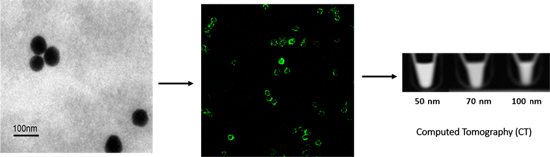
- . Fluorescence microscopy confirmed that the VCAM1-PEG5000Au-CPMV can selectively bind to their target, whereas, the IgG-PEG5000Au-CPMV control did not show any fluorescence signal, which is indicative that no binding to the surface of the cells occurred (Figure 4A). The merged confocal microscopy image in
- of growth surface and were used between passages 2 and 3. Subculture occurred after 60–70% confluence after trypsinization (0.025% trypsin, 0.5 mM EDTA, 10 mM HEPES buffer pH 6.5). RAW264.7 cell labeling and confocal microscopy: Cells of a murine endothelial line (100 μL of 1 × 10⁶ cells/mL, RAW264.7




Engineered superparamagnetic iron oxide nanoparticles (SPIONs) for dual-modality imaging of intracranial glioblastoma via EGFRvIII targeting
Beilstein J. Nanotechnol. 2019, 10, 1860–1872, doi:10.3762/bjnano.10.181
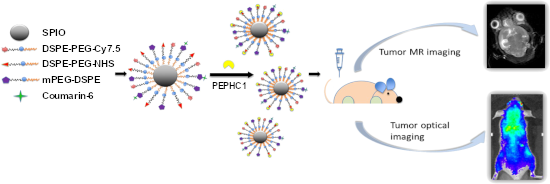
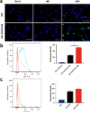
- confocal microscopy (Figure 3a). Subsequently, the targeting capability of the PEPHC1 peptide to U87MG-EGFRvIII cells was identified. After incubation with the peptide PEPHC1, U87MG-EGFRvIII cells demonstrated significantly higher fluorescence intensity than U87MG (Figure 3c). A further FACS assay revealed
- that the binding of PEPHC1 peptide with U87MG-EGFRvIII cells was 6.5-fold that of U87MG (Figure 3d), which agreed well with the results observed by confocal microscopy (Figure 3c). These results indicated that U87MG-EGFRvIII cells overexpressed EGFRvIII and PEPHC1 peptide had special targeting to U87MG




Nanoarchitectonics meets cell surface engineering: shape recognition of human cells by halloysite-doped silica cell imprints
Beilstein J. Nanotechnol. 2019, 10, 1818–1825, doi:10.3762/bjnano.10.176
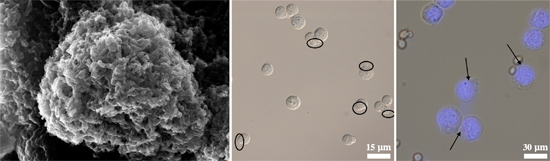
- Milli-Q, and studied with AFM and SEM. Cells recognition by imprints The recognition of HeLa cells with imprints was visualised using bright-field optical microscopy (Axio Imager Z2, Carl Zeiss), and laser confocal microscopy (LSM 780: 405 nm and 633 nm lasers). For fluorescence microscopy imaging
- /halloysite imprints templated on HeLa cells; (D) EDX spectrum taken from the sample shown in (C), demonstrating the typical silica and halloysite elemental distribution; (E) optical and (F) confocal microscopy images demonstrating the recognition of HeLa cells with cell-templated imprints (cell nuclei


The nanoscaled metal-organic framework ICR-2 as a carrier of porphyrins for photodynamic therapy
Beilstein J. Nanotechnol. 2018, 9, 2960–2967, doi:10.3762/bjnano.9.275
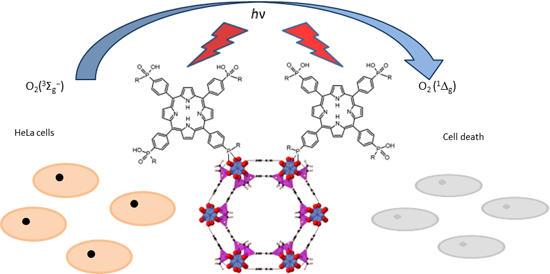
- using confocal microscopy. Figure 7 clearly shows that the nanoparticles accumulate in intracellular vesicles, which strongly co-localize with the fluorescent marker of lysosomes. This is similar to the results of a previous study performed with PCN-222 nanoparticles [22]. Toxicity and phototoxicity
- resazurin assay (Sigma-Aldrich). Dark toxicity experiments were performed in the same way in the dark. Confocal microscopy: HeLa cells were seeded onto dishes with a glass bottom (MatTek) in full culture medium. After 24 h, the cells received fresh medium without serum and phenol red, and were mixed with
- were 405 nm and 488 nm, respectively. During the confocal microscopy, the cells were maintained at 37 °C and 5% CO2 atmosphere. Flow cytometry: The cells were plated onto 6-well plates in full culture medium. The next day, they were treated with indicated amount of nanoparticles for the indicated


Fabrication of photothermally active poly(vinyl alcohol) films with gold nanostars for antibacterial applications
Beilstein J. Nanotechnol. 2018, 9, 2040–2048, doi:10.3762/bjnano.9.193
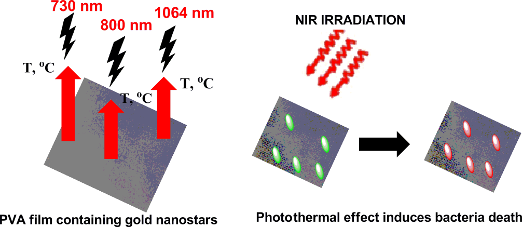
- (Figure S2). We studied the distribution of the GNSs within the PVA films by means of reflection confocal microscopy (Figure 2). By acquiring z-stacks (20 planes, 1 μm spacing) on a 25.8 μm field of view, it was possible to estimate the density of particles in the film with 20% accuracy (see Experimental


Photoluminescence of CdSe/ZnS quantum dots in nematic liquid crystals in electric fields
Beilstein J. Nanotechnol. 2018, 9, 1544–1549, doi:10.3762/bjnano.9.145
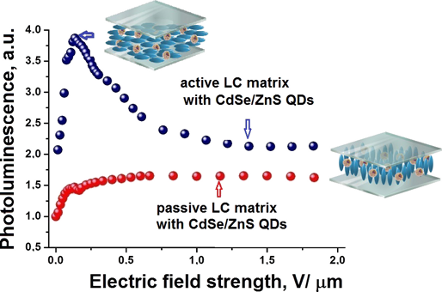
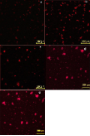
- . Figure 3 shows confocal microscopy images of QDs and their aggregates in the active (a, b, c) and the passive (d, e) LC matrix. We have obtained the images in Figure 3a,d after filling the LC cells without the application of an electric field. The images in Figure 3b,e correspond to the maximal PL of QDs


Optical near-field mapping of plasmonic nanostructures prepared by nanosphere lithography
Beilstein J. Nanotechnol. 2018, 9, 1536–1543, doi:10.3762/bjnano.9.144
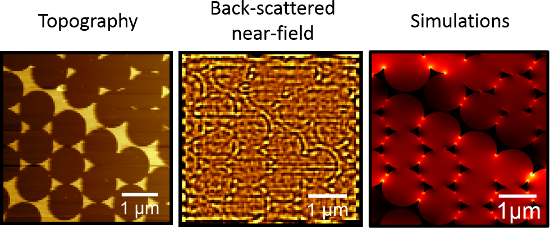
- spots due to higher and localized enhancement. Nevertheless, this technique is diffraction limited to a few hundred of nanometers as it is based on confocal microscopy measurements. Galarreta et al. [26] coated such triangular structures with an azopolymer thin film sensitive to laser irradiation and