Search results
Search for "contamination" in Full Text gives 325 result(s) in Beilstein Journal of Nanotechnology. Showing first 200.
The role of biochar in combating microplastic pollution: a bibliometric analysis in environmental contexts
Beilstein J. Nanotechnol. 2025, 16, 1401–1416, doi:10.3762/bjnano.16.102
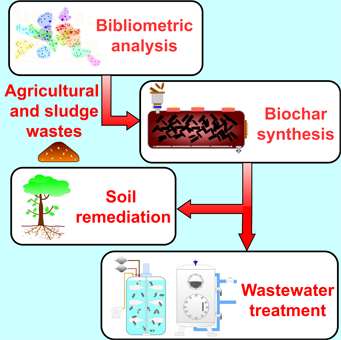
- yields by 30–81%, even under high MP contamination levels (up to five times that of biochar-modified bacteria). Additionally, biochar enhances Olsen-P availability by 46.6%, increases soil organic carbon in microaggregates by 35.7%, and reduces antibiotic resistance genes by promoting beneficial microbes
- Indore City, India [9]. MP contamination extends to water bodies, where seasonal variations influence the distribution of MPs. In South African rivers such as Crocodile and Luvuvhu, MP concentrations in water were higher during the dry season (5.4 particles/L) than in the wet season (3.3–4.3 particles/L
- ), while sediment contamination was more severe during the wet season, with contamination factors categorized as “very high” (15.6) in wet periods and “high” (4.9) in dry periods [10]. Similarly, effluent from wastewater treatment plants contained 192 particles/L for 2 µm MPs and 323 particles/L for 10 µm



Synthesis and antibacterial properties of nanosilver-modified cellulose triacetate membranes for seawater desalination
Beilstein J. Nanotechnol. 2025, 16, 1380–1391, doi:10.3762/bjnano.16.100
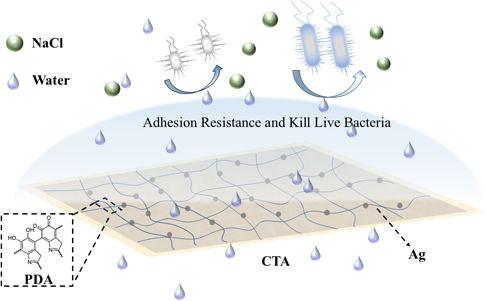
- membrane surface, significantly reduces the efficiency of water production [16]. Therefore, there is an urgent need to enhance membrane properties to achieve both high permeability and high selectivity while improving resistance to biological contamination. Antibacterial nanomaterials have garnered
- significant attention for their ability to enhance the antibacterial properties of membrane materials, effectively addressing critical issues such as biofouling and microbial contamination in water treatment systems. These nanomaterials, characterized by their high surface area-to-volume ratio, tunable
- silver nanoparticles. Conclusion To address the issue of microbial contamination in desalination membranes, we have developed an antibacterial Ag@PCTA membrane. Utilizing the catechol and nitrogen-containing groups in PDA as both crosslinking and reducing agents, we successfully introduced antimicrobial


Functional bio-packaging enhanced with nanocellulose from rice straw and cinnamon essential oil Pickering emulsion for fruit preservation
Beilstein J. Nanotechnol. 2025, 16, 1234–1245, doi:10.3762/bjnano.16.91
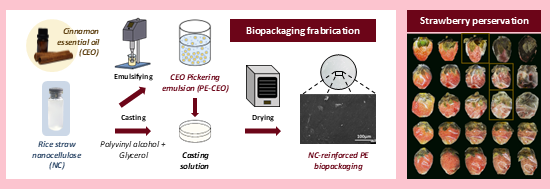
- fruit that is highly susceptible to microbial contamination and mold growth [39] to highlight its potential to extend shelf life and improve postharvest quality. The findings indicate that this bioactive film could serve as an effective alternative to conventional packaging, offering both sustainability
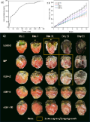
- chosen for this study. Unripe strawberries, slightly green in color, were selected and soaked in 80% ethanol to eliminate potential microbial contamination on the outer surface before storage. The strawberries were wrapped in a layer of biopackaging and stored under the same refrigeration conditions at



Mechanical stability of individual bacterial cells under different osmotic pressure conditions: a nanoindentation study of Pseudomonas aeruginosa
Beilstein J. Nanotechnol. 2025, 16, 1171–1183, doi:10.3762/bjnano.16.86
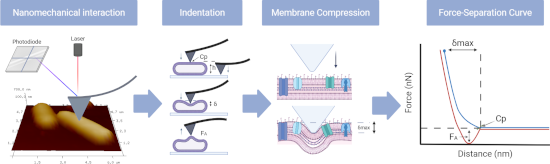
- contamination is always present, and also because the sensitive nature of the intermolecular forces during the measuring conditions (pH, ionic strength, temperature, etc.) can easily affect their magnitude. This was reflected in the obtained adhesion maps (see Figures S5 and S6 of Supporting Information File 1


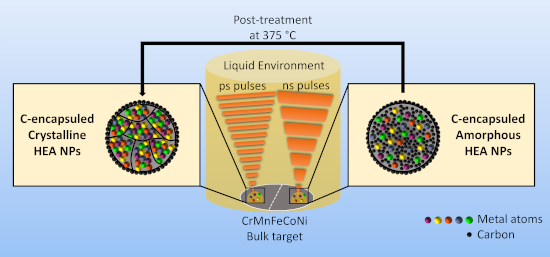
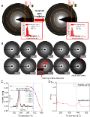
Crystalline and amorphous structure selectivity of ignoble high-entropy alloy nanoparticles during laser ablation in organic liquids is set by pulse duration
Beilstein J. Nanotechnol. 2025, 16, 1141–1159, doi:10.3762/bjnano.16.84




Shape, membrane morphology, and morphodynamic response of metabolically active human mitochondria revealed by scanning ion conductance microscopy
Beilstein J. Nanotechnol. 2025, 16, 951–967, doi:10.3762/bjnano.16.73
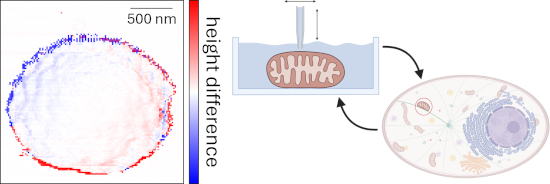
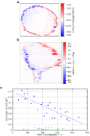
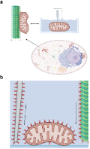
- and increasing medium contamination. This appears to be an active mitochondrial response to the measurement process. We propose that the mitochondrion’s morphodynamic reaction is driven by its misinterpretation of the nanopipette as a microtubule due to shared physical properties, with the electric
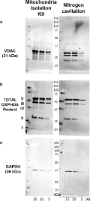
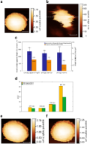
- demonstrate the quality of mitochondria of both isolation methods. (c) A minor signal for glyceraldehyde-3-phosphate dehydrogenase (GAPDH) shows low contamination by cytosolic proteins. False-colour topographies and statistical analyses to illustrate the geometric properties of metabolically active



Changes of structural, magnetic and spectroscopic properties of microencapsulated iron sucrose nanoparticles in saline
Beilstein J. Nanotechnol. 2025, 16, 762–784, doi:10.3762/bjnano.16.59
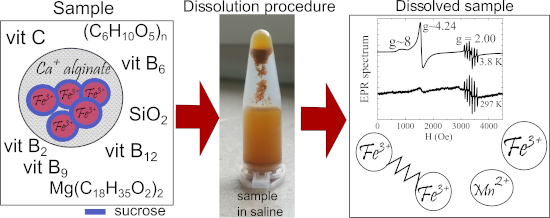
- the dissolution time. Electron paramagnetic resonance (EPR) studies performed on the completely dissolved sample revealed that some of the Fe3+ ions became paramagnetic, while the rest remained exchange coupled into clusters. The nonintentional manganese contamination was determined using EPR in the
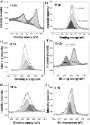
- contamination from physiological saline, which was also proved by the XRD results. In Figure 11, for all the distinguished states, the high-resolution XPS measurements were performed, the results of which will be further analyzed. Figure 12 presents the spectra for FS0, while the results obtained for FST, due





Thickness dependent oxidation in CrCl3: a scanning X-ray photoemission and Kelvin probe microscopies study
Beilstein J. Nanotechnol. 2025, 16, 749–761, doi:10.3762/bjnano.16.58
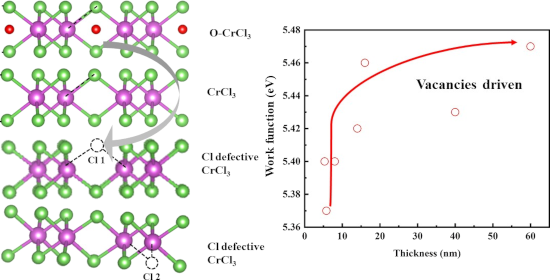
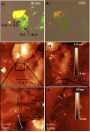
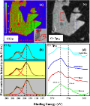
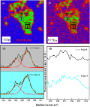
- -defective or O/CrCl3 surface structure [36][10]. Similarly to what was highlighted by the SPEM measurements, both measurements being surface-sensitive, the counter-intuitive finding of a lower degree of oxygen contamination is corroborating the conclusion that this behavior is a general trend for this





Synthesis of a multicomponent cellulose-based adsorbent for tetracycline removal from aquaculture water
Beilstein J. Nanotechnol. 2025, 16, 728–739, doi:10.3762/bjnano.16.56
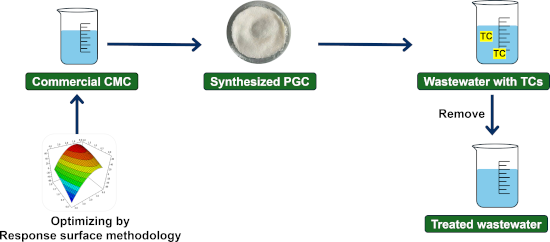
- , Chungnam National University, Daejeon 34134, Republic of Korea 10.3762/bjnano.16.56 Abstract Excessive use of tetracycline (TC) antibiotics in aquaculture, particularly in Vietnam, has contributed to environmental contamination and economic losses. To address this problem, we developed a novel cellulose


Efficiency of single-pulse laser fragmentation of organic nutraceutical dispersions in a circular jet flow-through reactor
Beilstein J. Nanotechnol. 2025, 16, 711–727, doi:10.3762/bjnano.16.55
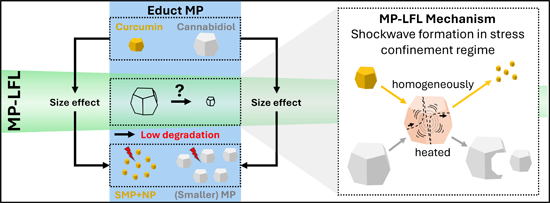
- 30, Hannover 30167, Germany 10.3762/bjnano.16.55 Abstract Nutraceuticals provide health benefits and particularly profit from a sensitive, high-purity production process. Microparticle laser fragmentation in liquids is an emerging technique for the contamination-free comminution of organic drugs and
- pharmaceutical ingredients (APIs), a contamination-free and degradation-free manufacturing process must be ensured, which requires fine-tuning of the laser parameters. Meunier et al. reported that successful NP generation of megestrol acetate [39], paclitaxel [40], beclomethasone dipropionate [41], naproxen, and
- LFL is an emerging field in the contamination- and degradation-free comminution of organic MPs to SMPs and NPs, aiming at an increase in the specific surface area and a corresponding solubility enhancement to improve the oral resorption of poorly bioavailable drugs such as naproxen, prednisolone


The impact of tris(pentafluorophenyl)borane hole transport layer doping on interfacial charge extraction and recombination
Beilstein J. Nanotechnol. 2025, 16, 678–689, doi:10.3762/bjnano.16.52
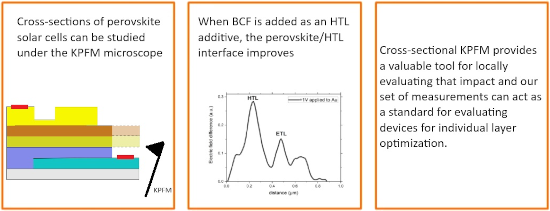
- ). Since argon is inert and the process occurs under vacuum, we minimized the possibility for chemical contamination of our solar cells. Kelvin probe force microscopy Mapping the surface potential of the samples was conducted via an Asylum Research MFP3D microscope (Oxford Instruments) and an HF2LI-MOD


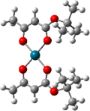
Electron beam-based direct writing of nanostructures using a palladium β-ketoesterate complex
Beilstein J. Nanotechnol. 2025, 16, 530–539, doi:10.3762/bjnano.16.41
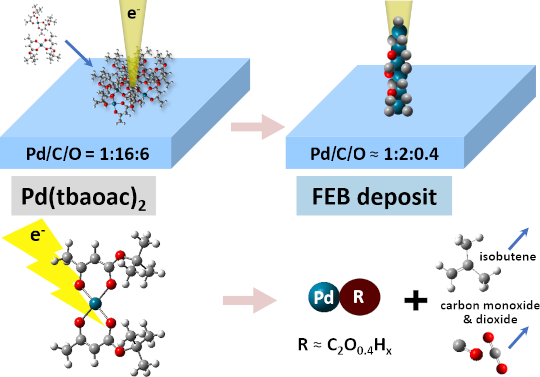
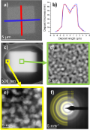
- nanostructure and composition of the deposits were determined, and possible volatile products produced under electron-induced dissociation, explaining the composition, are investigated. A method to eliminate the residual gas contamination during FEBID was implemented. [Pd(tbaoac)2] contains large organic
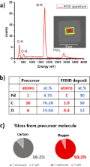
- . Of note is that we also performed a subtraction of the carbon contribution due to co-deposition from residual hydrocarbons, see details in Supporting Information File 1, section S5. Briefly, under our high-vacuum conditions, residual hydrocarbon gases lead to contamination deposits during both FEBID
- calculated from their known weight percentages. Finally, the numbers of C and O atoms of the residual gas contribution are subtracted from those of the main FEB deposit from Pd precursor gas. This gives the contamination-corrected atomic percentages obtained by electron beam-induced deposition of the


N2+-implantation-induced tailoring of structural, morphological, optical, and electrical characteristics of sputtered molybdenum thin films
Beilstein J. Nanotechnol. 2025, 16, 495–509, doi:10.3762/bjnano.16.38
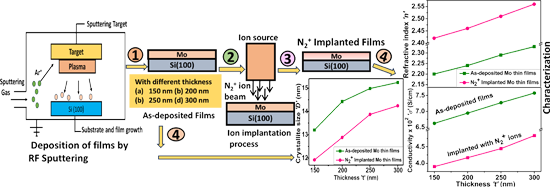
- minimizing the reflected power. Before deposition, the target surface was pre-sputtered for 15 min to remove any surface contamination. The silicon substrates were meticulously cleaned by washing them with distilled water and isopropyl alcohol and rinsing them with acetone. The vacuum chamber was evacuated


Biomimetics and bioinspired surfaces: from nature to theory and applications
Beilstein J. Nanotechnol. 2025, 16, 418–421, doi:10.3762/bjnano.16.32

- technology and new insights into the future of this field of research. Striking advance has been made regarding the study of surfaces on biological models, especially insects. For instance, insect attachment devices and adhesive secretions were thoroughly studied regarding the impact of contamination [2] and

Engineered PEG–PCL nanoparticles enable sensitive and selective detection of sodium dodecyl sulfate: a qualitative and quantitative analysis
Beilstein J. Nanotechnol. 2025, 16, 385–396, doi:10.3762/bjnano.16.29
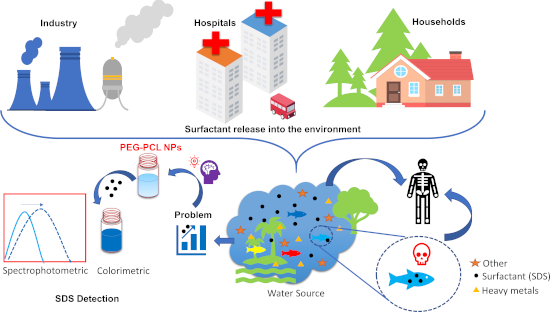
- SDS detection. This rapid colorimetric response, coupled with the specificity and selectivity of the system, highlights the potential of the PEG–PCL nanoparticle-based method as a robust tool for environmental monitoring and analysis of SDS contamination. The simplicity of visual detection, alongside
- /mL, respectively (Figure 6d). These values indicate the sensitivity of the detection system, with the ability to detect even low concentrations of SDS, making it suitable for environmental monitoring applications where low contamination levels must be detected. Furthermore, the performance of the PEG
- monitoring of SDS contamination in various sources. The developed method offers several key advantages: it is simple, rapid, cost-effective, and it has high stability. These findings highlight the potential of this method for SDS detection from different sources, providing a valuable tool for routine


Emerging strategies in the sustainable removal of antibiotics using semiconductor-based photocatalysts
Beilstein J. Nanotechnol. 2025, 16, 264–285, doi:10.3762/bjnano.16.21
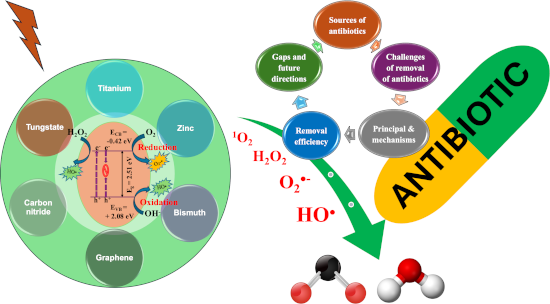
- -based photocatalysts often achieved superior efficiency and high mineralization rates, offering a comprehensive solution for antibiotic contamination (see below in Tables 1–6). The progressively increasing trend of publications and corresponding citations in recent times highlight the superiority of
- significant challenge. Persistence nature Certain antibiotics exhibit persistence and resist environmental degradation, resulting in prolonged contamination [49]. Additionally, they are classified as emerging contaminants because of ongoing research on their potential hazards and environmental impacts [50
- with a suitable transition metal and synthesizing composite materials. Several advanced photocatalysts have been developed and successfully used to prevent antibiotics contamination, a list of which is shown below in Table 1. These modifications have led to improved charge separation rates, reduced



Attempts to preserve and visualize protein corona on the surface of biological nanoparticles in blood serum using photomodification
Beilstein J. Nanotechnol. 2024, 15, 1654–1666, doi:10.3762/bjnano.15.130

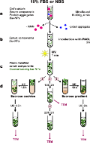
- ). Double UC did not result in a significant decrease of sample contamination. But it did result in a noticeable decrease in the number of bio-NPs, the surface of which, however, became a little cleaner. Loss of target components after double and triple UC of blood serum or plasma has been noted previously
- degree of contamination was visually higher than in the case of FBS. We repeated the isolation of bio-NPs by UC from FBS and NBS eight times and found that neither single nor double UC provided bio-NPs with a clean surface; the particles were always associated with a greater or lesser amount of
- allows for obtaining bio-NP samples (in the 30% fraction) of sufficiently high concentration and low degree of contamination. The quality of these samples was much better than that of samples obtained by UC. It should be noted that sucrose particles were firmly bound to the surface of the bio-NPs and



Fabrication of hafnium-based nanoparticles and nanostructures using picosecond laser ablation
Beilstein J. Nanotechnol. 2024, 15, 1639–1653, doi:10.3762/bjnano.15.129
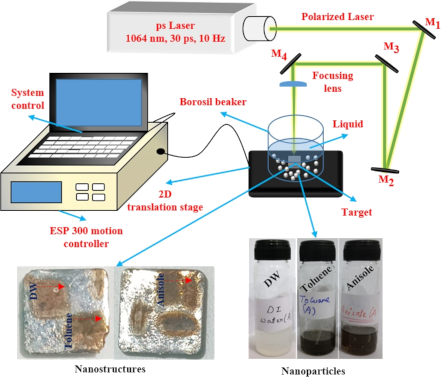
- defects may be due to impurities in the lattice structure, possibly in the form of oxygen contamination, or imperfect crystallinity of the graphitic layer or the NPs themselves. Further detailed PL studies are essential to understand the origin of the observed emission peaks. Nanostructures Figure 10




Ion-induced surface reactions and deposition from Pt(CO)2Cl2 and Pt(CO)2Br2
Beilstein J. Nanotechnol. 2024, 15, 1427–1439, doi:10.3762/bjnano.15.115

- deposits with greater Pt content than FEBID expressed by C/Pt ratios of 4:1 or lower [21][32][33]. FIBID is commonly conducted using Ga+ ion sources; however, ion implantation is observed with gallium contamination reported between 5% [34] and 30% [33] in the resulting deposits. Ion implantation can be
- ion beam. For Pt deposits, although MeCpPtMe3 meets the volatility and stability requirements, the inability to directly desorb the cyclopentadienyl ligands results in significant carbon contamination upon ion irradiation [21]. Alternatives to the carbon-rich MeCpPtMe3 complex are the four coordinate
- , Pt(CO)2Br2 [55] and Pt(CO)2Cl2 [55][57] have been explored as FEBID precursors. The compositions of deposits from these precursors varied with the deposition conditions. Under UHV conditions, the deposits were carbon-free but contained significant halogen contamination, which could be removed only



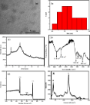
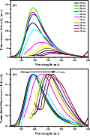
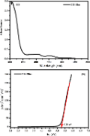
Green synthesis of carbon dot structures from Rheum Ribes and Schottky diode fabrication
Beilstein J. Nanotechnol. 2024, 15, 1369–1375, doi:10.3762/bjnano.15.110
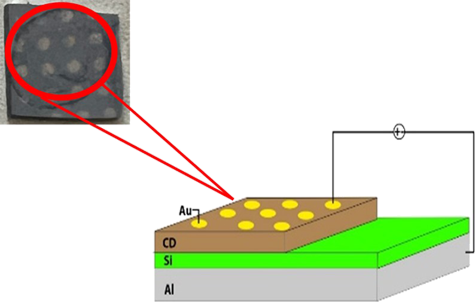
- supernatant was removed by decantation and a stock solution was prepared to be used in the studies. The prepared stock solution was stored at 4 °C to prevent contamination [15]. Schottky diode fabrication An n-type silicon substrate was used for Schottky diode fabrication. In the first step, the silicon




Hymenoptera and biomimetic surfaces: insights and innovations
Beilstein J. Nanotechnol. 2024, 15, 1333–1352, doi:10.3762/bjnano.15.107
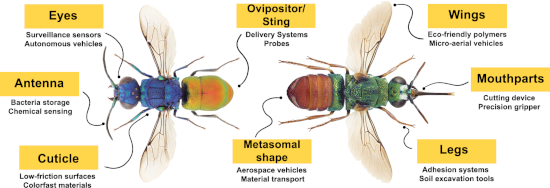
- fabrication of delicate devices by reducing contamination-induced defects. Digging: Many species of bees, wasps, and ants nest in the ground, showing a remarkable digging ability [143] (Figure 1E). Digging can be very efficient even in very hard soils [144], with some species excavating tunnels up to 1 m or






Nanoarchitectonics with cetrimonium bromide on metal nanoparticles for linker-free detection of toxic metal ions and catalytic degradation of 4-nitrophenol
Beilstein J. Nanotechnol. 2024, 15, 1312–1332, doi:10.3762/bjnano.15.106
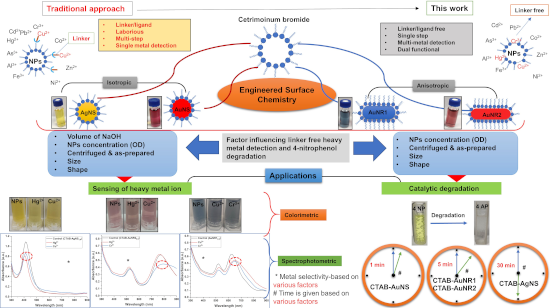
- -nitrophenol are both dangerous to humans [10][11]. Contamination with toxic heavy metal ions, including zinc, arsenic, aluminium, chromium, iron, cobalt, copper, nickel, mercury, cadmium, and lead, causes significant chronic damage to organ systems, beginning at the cellular level [12]. Toxic heavy metal ions




Functional morphology of cleaning devices in the damselfly Ischnura elegans (Odonata, Coenagrionidae)
Beilstein J. Nanotechnol. 2024, 15, 1260–1272, doi:10.3762/bjnano.15.102

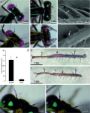
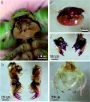
- tip filled with the powder. Video recording began immediately after contamination and continued for 5 min after beginning of the grooming. To describe the grooming behavior, the following parameters and acts (and their duration and frequency) were recorded with the software Solomon coder [41]: right
- . At the beginning of the experiment, just after contamination, and at the end, after 1 h of grooming for the eyes and 10 min of grooming for the antennae, the head of the test insect was observed and photographed. Images of the head and of the forelegs before and after grooming were taken in intact
- ). In each bout, damselflies performed a quick sequence of grooming acts, then stopped for a while before repeating a similar (but not the same) sequence of acts in a new bout (Figure 3). Damselflies cleaned their eyes even in the experiments with only antennal contamination and cleaned their antennae


Unveiling the potential of alginate-based nanomaterials in sensing technology and smart delivery applications
Beilstein J. Nanotechnol. 2024, 15, 1077–1104, doi:10.3762/bjnano.15.88
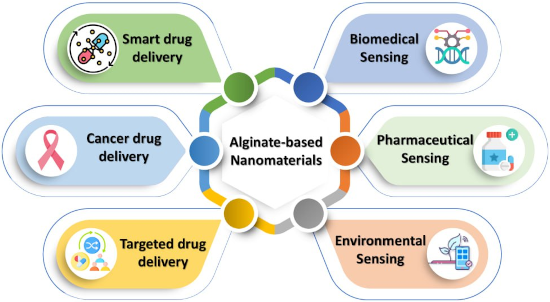
- body, as they are antimicrobial, biodegradable, and non-toxic [22]. Biopolymeric nanoparticles are a very effective material for producing biosensors. In today’s world, people need sensors to monitor various types of pollution. Food contamination with infectious microorganisms or air and water
- contamination with heavy metals are good examples of the need for sensors [23]. In addition, incurable diseases such as cancer can be detected by biosensors, and the application of biosensors is also very important for medicine and pharmaceuticals [18][24][25]. Natural biopolymers are abundant and exhibit


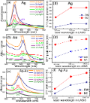
Effect of wavelength and liquid on formation of Ag, Au, Ag/Au nanoparticles via picosecond laser ablation and SERS-based detection of DMMP
Beilstein J. Nanotechnol. 2024, 15, 1054–1069, doi:10.3762/bjnano.15.86

- synthesis in solution (LASiS), and sputtering [1]. The LASiS technique has been proven to be cost-effective in producing various shapes of NPs with distinct size distributions in a short time (a few minutes). It offers many advantages including high purity, minimal contamination, and precise control over NP