


Search results
Search for "databases" in Full Text gives 42 result(s) in Beilstein Journal of Nanotechnology.
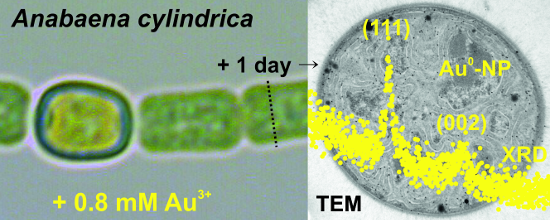
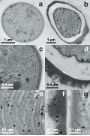
Time-dependent growth of crystalline Au0-nanoparticles in cyanobacteria as self-reproducing bioreactors: 2. Anabaena cylindrica
Beilstein J. Nanotechnol. 2016, 7, 312–327, doi:10.3762/bjnano.7.30
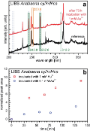
- element specific characteristic peaks as listed in databases [55]. A quantitative elemental analysis using LIBS spectra is only known for bulk materials and liquids for trace element analysis [52][56][57], but up to now unknown for diluted nanoparticles in a matrix. The herein presented semi quantitative



Nanoinformatics for environmental health and biomedicine
Beilstein J. Nanotechnol. 2015, 6, 2449–2451, doi:10.3762/bjnano.6.253

- the latest related developments/applications for environmental health and biomedicine. In this Thematic Series, recent advances in the development of databases are reported. These databases represent a collection of valuable data related to the physicochemical properties and bioactivity of
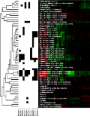
Application of biclustering of gene expression data and gene set enrichment analysis methods to identify potentially disease causing nanomaterials
Beilstein J. Nanotechnol. 2015, 6, 2438–2448, doi:10.3762/bjnano.6.252
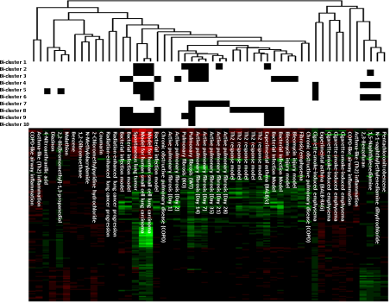
- ], MAPPFinder [36], Onto-express [37] and others, which consist of controlled descriptions of gene functions that are frequently used to define gene sets. Other tools, such as pathway databases including Gene Ontology [38], KEGG [39], BioCyc [40], TfactS [41], CTD [42], and BioCarta (http://www.biocarta.com
Silica-coated upconversion lanthanide nanoparticles: The effect of crystal design on morphology, structure and optical properties
Beilstein J. Nanotechnol. 2015, 6, 2290–2299, doi:10.3762/bjnano.6.235
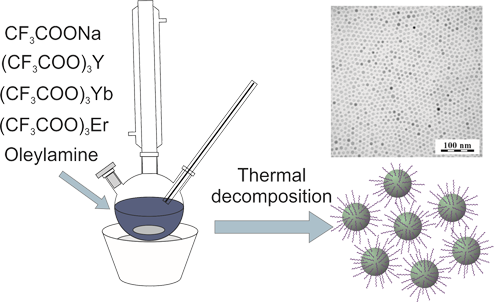
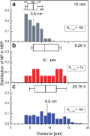
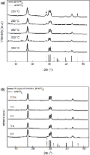
- number and diameter of the particles, respectively. The ED patterns were processed with ProcessDiffraction software [29] and compared with the diffraction patterns of known NaYF4 crystal structures calculated with PowderCell software [30] or downloaded from crystallographic databases. The hydrodynamic






An ISA-TAB-Nano based data collection framework to support data-driven modelling of nanotoxicology
Beilstein J. Nanotechnol. 2015, 6, 1978–1999, doi:10.3762/bjnano.6.202
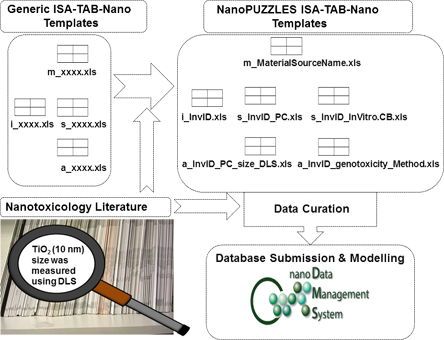
- weaknesses of the resources are discussed along with possible future developments. Keywords: databases; ISA-TAB-Nano; nanoinformatics; nanotoxicology; quantitative structure–activity relationship (QSAR); Introduction Nanotechnology, which may be considered the design and application of engineered
- standardised, electronic format that facilitates meaningful exchange of information between different researchers, submission to (web-based) searchable databases, integration with other electronic data resources and analysis via appropriate (modelling) software [9][16][17][18]. This could entail directly
- populating files based on a standardised format or direct entry of data into searchable databases using a (web-based) data entry tool [19], followed via data export/exchange in a standardised format. However, in contrast to directly populating standardised, structured files (such as spreadsheets), direct



Predicting cytotoxicity of PAMAM dendrimers using molecular descriptors
Beilstein J. Nanotechnol. 2015, 6, 1886–1896, doi:10.3762/bjnano.6.192
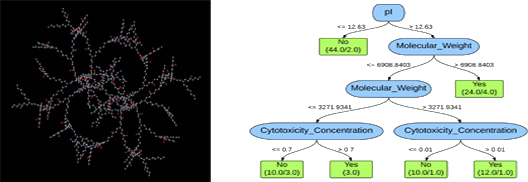
- viability of seven different cell lines [4]. Sayes and Ivanov used machine learning to predict the induced cellular membrane damage of immortalized human lung epithelial cells caused by metal oxide nanomaterials [5]. As discussed in a previous paper [6], there are a very limited number of databases


Framework for automatic information extraction from research papers on nanocrystal devices
Beilstein J. Nanotechnol. 2015, 6, 1872–1882, doi:10.3762/bjnano.6.190
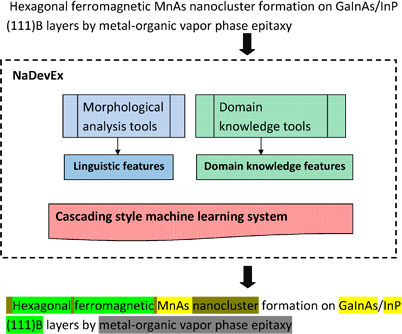
- research papers containing experimental results have been published. Because it is a very time-consuming task to read through all related papers, several research efforts have been conducted in the nanoinformatics research domain. This includes the construction of databases for sharing the experimental


Nanocuration workflows: Establishing best practices for identifying, inputting, and sharing data to inform decisions on nanomaterials
Beilstein J. Nanotechnol. 2015, 6, 1860–1871, doi:10.3762/bjnano.6.189
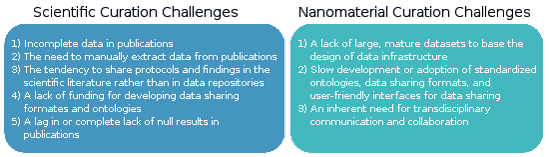
- information in journal articles with information from other sources (e.g., searching for the paper in other databases) (Figure 2), since this approach provides a valuable source of supplemental data (see Supporting Information File 1 for details). When using sources other than peer-reviewed articles


NanoE-Tox: New and in-depth database concerning ecotoxicity of nanomaterials
Beilstein J. Nanotechnol. 2015, 6, 1788–1804, doi:10.3762/bjnano.6.183
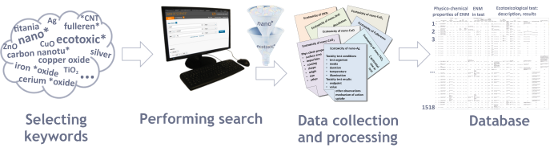
- ENMs to their physico-chemical properties and reveal the data gaps, the existing data have to be carefully collected and analysed. One increasingly popular approach in systematically collecting and organising available data on nanomaterials is creating databases. In 2012, Hristozov et al. emphasised
- that the available data on nanomaterials in environmental, health and safety databases and online chemical databases were very scarce [14]. Recently, a databases working group was established in the framework of European Union NanoSafety Cluster [15] which highlights the importance of development of in
- -depth databases on ENMs. In addition, nanotoxicity-related databases are developed and supported at national level in EU. For instance, in Germany an application-based nanomaterial database, which includes information on potential toxicological effects of ENMs, has been created in the DaNa project [16


Nanotechnology in the real world: Redeveloping the nanomaterial consumer products inventory
Beilstein J. Nanotechnol. 2015, 6, 1769–1780, doi:10.3762/bjnano.6.181
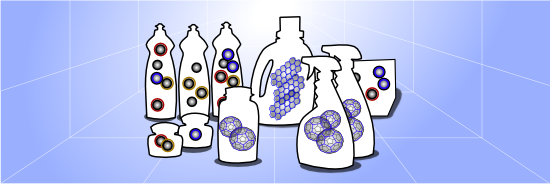
- stakeholders and to develop tools for its most effective use [12]. Databases such as the CPI offer information useful and relevant to a variety of stakeholders who are interested in a) understanding which consumer products incorporate nanotechnology and b) developing strategies, tools, and policies that may be



The eNanoMapper database for nanomaterial safety information
Beilstein J. Nanotechnol. 2015, 6, 1609–1634, doi:10.3762/bjnano.6.165
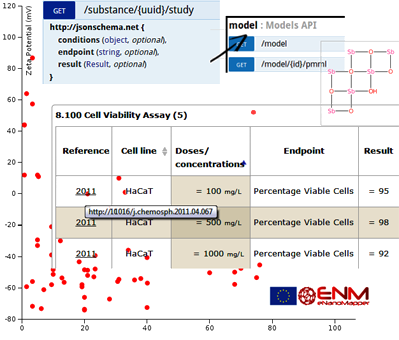
- ENM data and an extensive review of existing nano-related data models, databases, and nanomaterials-related entries in chemical and toxicogenomic databases. This paper continues with a focus on the database functionality exposed through its application programming interface (API), and its use in
- expectations and (inter)national standards. This usually translates into a set of available study summaries (rarely raw data) for a given ENM. The inclusion of links to product databases could also be considered (e.g., whether the nanomaterial occurs in nature, whether it is emitted by cars or is present in
- to replicates or similar experiments). The framework should allow for the addition of information based on the outcomes of the predictive toxicology models, including the biological role of the ENM, clearance, accumulation, and pathway information (e.g., WikiPathways entries [4]). Existing databases


How decision analysis can further nanoinformatics
Beilstein J. Nanotechnol. 2015, 6, 1594–1600, doi:10.3762/bjnano.6.162
- VOI in nanoinformatics efforts. Databases can be expanded to include uncertainties for criteria other than hazards (e.g., cost or performance), providing a foundation in the data for the VOI. This is important because research activities that quantify or reduce uncertainty about environmental concerns
- further research. A series of next steps can also be explored for including WOE in nanoinformatics efforts. When data is added to nanoinformatics databases, additional quantitative and qualitative metrics (e.g., data statistical significance, precision, applicability, soundness, completeness, uncertainty
- . Conclusion Recent discussions from the Nanotechnology Knowledge Infrastructure have heralded the creation of a communication portal for the various nanotechnology databases and tools. The tremendous amount of data that would be available via that portal would necessitate not only the bottom-up accumulation
Experiences in supporting the structured collection of cancer nanotechnology data using caNanoLab
Beilstein J. Nanotechnol. 2015, 6, 1580–1593, doi:10.3762/bjnano.6.161
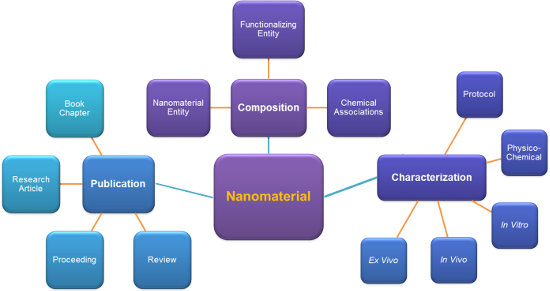
- ; cancer research; databases; nanomaterials; nanomedicine; Introduction The U.S. annual report to the nation on the state of cancer indicates a steady decline in overall mortality rates, with increases in incidence for many cancers [1]. Internationally, cancer incidence paints a more dramatic picture in
- ]. Databases such as dbGaP have provided investigators access to hundreds of genomics studies, resulting in three times that number of publications and scientific advances in the genetic basis of disease [8]. Unlike genomics, nanotechnology data management systems, which are at relatively early stages of
- address the needs of different communities. The task of creating relevant databases for nanotechnology risk assessment, manufacturing, characterizations, and literature data is being taken on globally by government, academic, and regulatory organizations. To date, there are approximately 38 databases at



Influence of surface chemical properties on the toxicity of engineered zinc oxide nanoparticles to embryonic zebrafish
Beilstein J. Nanotechnol. 2015, 6, 1568–1579, doi:10.3762/bjnano.6.160
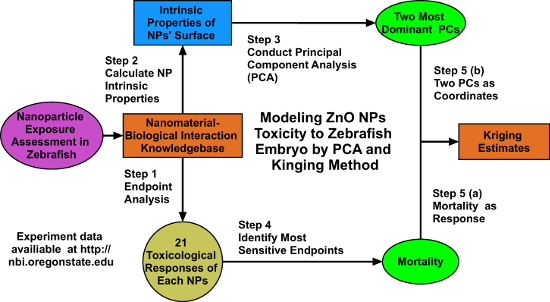
- NPs drive toxicity. This work has shown that large databases of similar NPs with varying surface features studied under identical experimental design protocols, are invaluable in the development of models of nanoparticle-biological interactions. We have shown that intrinsic features of NPs




Using natural language processing techniques to inform research on nanotechnology
Beilstein J. Nanotechnol. 2015, 6, 1439–1449, doi:10.3762/bjnano.6.149
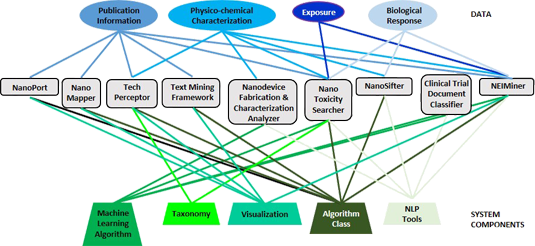
- language processing methods are applied, and (2) experimental data to which data modeling methods, such as those used in HDAT and NanoMiner, are applied [5][6]. Despite being a largely overlooked area of informatics, several reviews have been published that list the different databases and tools currently
- separates NLP applications from other data processing systems is their use of knowledge about human language [12]. Many of the NLP applications utilize literature retrieved from databases. Information retrieval, document classification, and pattern matching methods are often utilized to ensure that the
- , and environmental risk assessment. Methods This review was limited to the English language literature included in two databases, PubMED and Web of Science [22][23]. The searches were conducted on February 12, 2015. For the search term (nano* AND “natural language processing”), Web of Science retrieved
Simulation tool for assessing the release and environmental distribution of nanomaterials
Beilstein J. Nanotechnol. 2015, 6, 938–951, doi:10.3762/bjnano.6.97
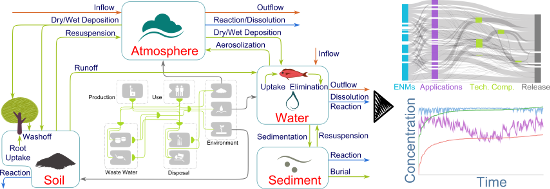
- region(s) of interest (see section, Databases). The mass balance equations (Supporting Information File 1, Equations S1–S4) are then solved to determine the average ENM release rates to the environmental compartments (i.e., air, water, and soil). Mass “flows” of ENMs among the various compartments can be
- distribution (lower subplot). It is noted that such information can be utilized to convert MendNano reported ENM mass concentrations to surface area concentration [35][36] given the knowledge of the primary particle size. Databases The parameter database contains material properties, geographical, and
- ), compiled from various published studies [17], public databases [40], and market research [5], and estimated based on economic indicators [41]). Use cases for assessing multimedia distribution of ENMs The integrated RedNano simulation tool is suitable for a variety of assessments regarding the environmental


Molecular biology approaches in bioadhesion research
Beilstein J. Nanotechnol. 2014, 5, 983–993, doi:10.3762/bjnano.5.112
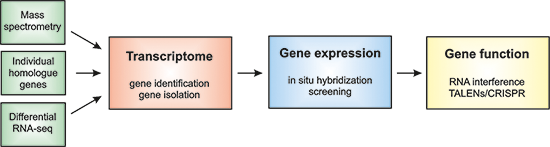
- facility 2.1 BLAST – basic local alignment search tool Basic local alignment search tool (BLAST) is a software package to query sequence databases for homologues [31]. Statistical information helps to determine the significance of every alignment. BLAST is widely used to analyze sequencing data and to find





