Search results
Search for "delivery system" in Full Text gives 92 result(s) in Beilstein Journal of Nanotechnology.
Development and characterization of potential larvicidal nanoemulsions against Aedes aegypti
Beilstein J. Nanotechnol. 2024, 15, 104–114, doi:10.3762/bjnano.15.10
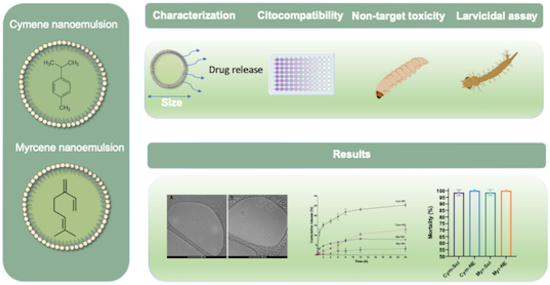
- ; drug delivery system; hydrophile–lipophile balance; monoterpenes; Introduction Aedes aegypti (Linnaeus, 1762) is a mosquito species that is cosmopolitan and well adapted to anthropized and peridomestic environments. It is an important vector of arboviruses, including dengue, chikungunya fever, zika


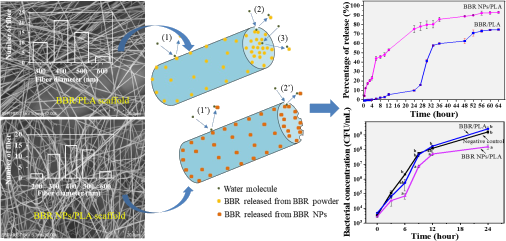
Berberine-loaded polylactic acid nanofiber scaffold as a drug delivery system: The relationship between chemical characteristics, drug-release behavior, and antibacterial efficiency
Beilstein J. Nanotechnol. 2024, 15, 71–82, doi:10.3762/bjnano.15.7


Nanotechnological approaches in the treatment of schistosomiasis: an overview
Beilstein J. Nanotechnol. 2024, 15, 13–25, doi:10.3762/bjnano.15.2
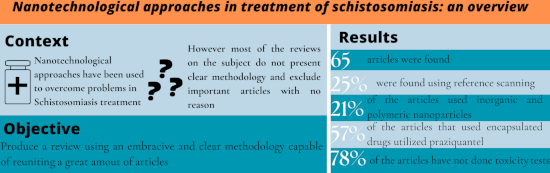
- identified works presented results in the clinical phase. Finally, based on our findings, the outlook appears favorable, as there is a significant diversity of new substances with schistosomicidal potential. However, financial efforts are required to advance these nanoformulations. Keywords: delivery system


Elasticity, an often-overseen parameter in the development of nanoscale drug delivery systems
Beilstein J. Nanotechnol. 2023, 14, 1149–1156, doi:10.3762/bjnano.14.95
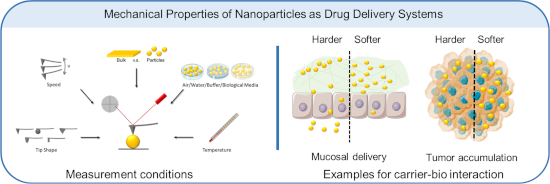
- properties of nanoparticles, it nearly impossible to compare studies from different labs and pick a value to aim for during the development of a drug delivery system. This is due to the variety of possibilities to examine and express the mechanical properties of these systems (e.g., stiffness, elasticity


Curcumin-loaded albumin submicron particles with potential as a cancer therapy: an in vitro study
Beilstein J. Nanotechnol. 2023, 14, 1127–1140, doi:10.3762/bjnano.14.93
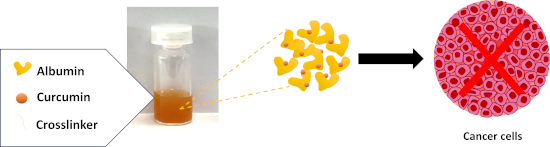
- effective delivery system, our second aim was to evaluate the cytotoxicity effect of CUR-HSA-MPs in vitro and determine cell uptake in MCF-7 cell line. Results and Discussion Preparation of CUR-loaded human serum albumin microparticles The preparation process of CUR-loaded human serum albumin microparticles
- effectively taken up by MCF-7 cells. The results indicate that the investigated carriers are a highly capable drug delivery system with potential chemotherapeutic applications. Experimental Materials CUR (98% purity, from Curcuma longa), albumin solution from human serum (100 g/L HSA in 0.14 M NaCl



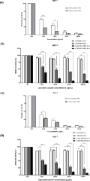
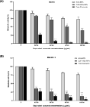

Recognition mechanisms of hemoglobin particles by monocytes – CD163 may just be one
Beilstein J. Nanotechnol. 2023, 14, 1028–1040, doi:10.3762/bjnano.14.85
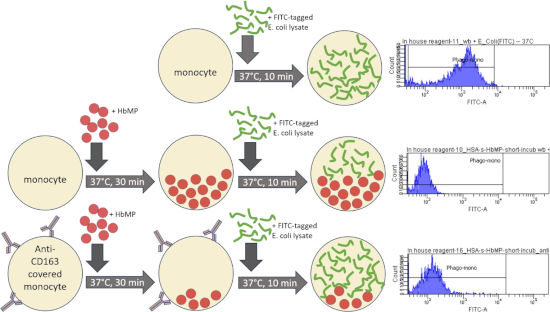
- arise spontaneously from C3 by hydrolysis, could be considered here. Moghimi et al. report numerous possible interactions of the complement system with, among others, nanoparticles as a drug delivery system [44]. The authors also discussed the possible effects of spontaneously forming water shells and


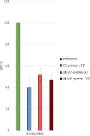


Antibody-conjugated nanoparticles for target-specific drug delivery of chemotherapeutics
Beilstein J. Nanotechnol. 2023, 14, 912–926, doi:10.3762/bjnano.14.75
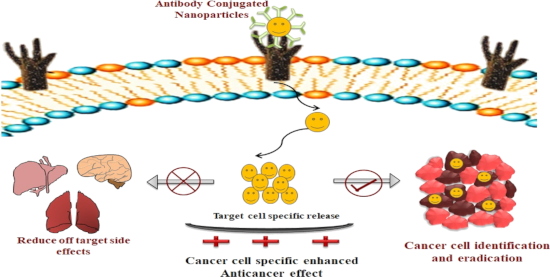
- improvement, further investigations are required. Moreover, extensive research is still required in the field of clinical safety of ACNPs to evolve a highly acceptable and beneficial delivery system for cancer theranosis. Future perspectives In cancer therapy, ACNPs have several advantages related to their

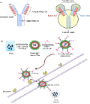


Nanotechnology – a robust tool for fighting the challenges of drug resistance in non-small cell lung cancer
Beilstein J. Nanotechnol. 2023, 14, 240–261, doi:10.3762/bjnano.14.23
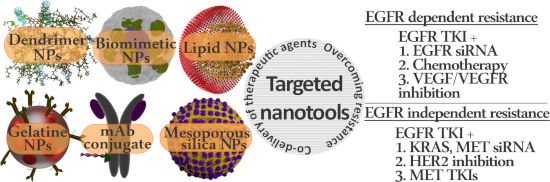
- barriers by the use of different groups of particles carrying various functional modalities. Tasciotti et al. proposed a multistage delivery system composed of stage-1 mesoporous silica particles with improved deposition in the vascular endothelium, optimized for crossing the endothelial barrier through


Cyclodextrins as eminent constituents in nanoarchitectonics for drug delivery systems
Beilstein J. Nanotechnol. 2023, 14, 218–232, doi:10.3762/bjnano.14.21
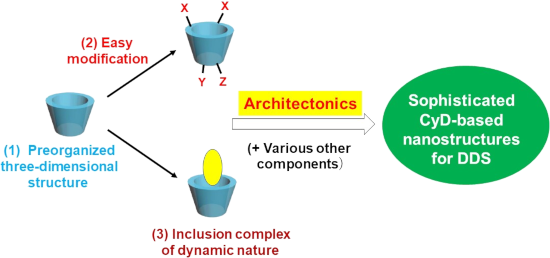
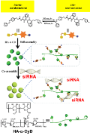
- nanoarchitectures are highly promising for future applications in medicine, pharmaceutics, and other relevant fields. Keywords: cyclodextrin; drug delivery system (DDS); nanoarchitecture; phototherapy; siRNA; Review 1 Introduction Recently, drug delivery systems (DDSs) have been attracting much interest [1][2][3




Orally administered docetaxel-loaded chitosan-decorated cationic PLGA nanoparticles for intestinal tumors: formulation, comprehensive in vitro characterization, and release kinetics
Beilstein J. Nanotechnol. 2022, 13, 1393–1407, doi:10.3762/bjnano.13.115
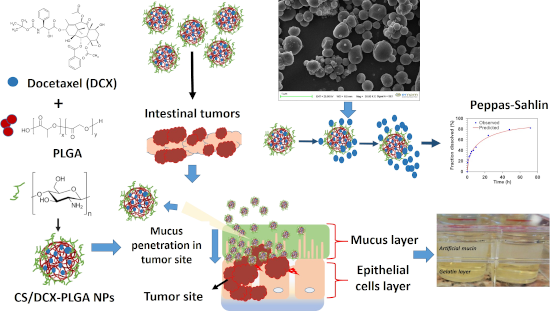
- drug delivery system loaded with docetaxel (DCX) as an anticancer drug, using poly(lactic-co-glycolic acid) (PLGA) as nanoparticle material, and modified with chitosan (CS) to gain mucoadhesive properties. In this context, an innovative nanoparticle formulation that can protect orally administered DCX
- kinetics studies of the nanoparticular drug delivery system were carried out. It can be a detailed source and inspiration for possible future research in this area. Results and Discussion In vitro characterization of DCX-PLGA NPs and CS/DCX-PLGA NPs Mean particle size, polydispersity index (PDI), and zeta


Microneedle-based ocular drug delivery systems – recent advances and challenges
Beilstein J. Nanotechnol. 2022, 13, 1167–1184, doi:10.3762/bjnano.13.98
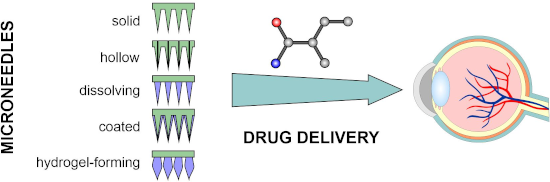
- . Opanasopit; T. Ngawhirunpat; W. Rangsimawong, “Computer-aided rational design for optimally Gantrez® S-97 and hyaluronic acid-based dissolving microneedles as a potential ocular delivery system“, article no. 102319, Copyright (2021), with permission from Elsevier. This content is not subject to CC BY 4.0


Biomimetic chitosan with biocomposite nanomaterials for bone tissue repair and regeneration
Beilstein J. Nanotechnol. 2022, 13, 1051–1067, doi:10.3762/bjnano.13.92
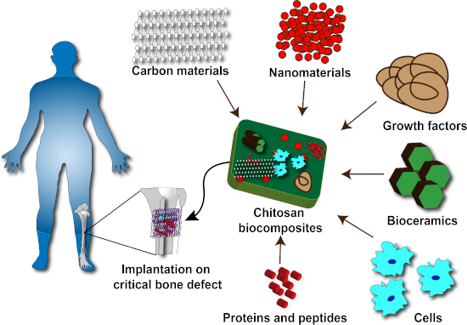
- delivery system in synthetic bone implants can stimulate bone regeneration while preventing bacterial infection. Furthermore, coating materials containing TiO2 can help drug stabilisation producing a long-term drug release profile [119]. The electrochemical anodization process was used by Lai et al. (2018
Gelatin nanoparticles with tunable mechanical properties: effect of crosslinking time and loading
Beilstein J. Nanotechnol. 2022, 13, 778–787, doi:10.3762/bjnano.13.68
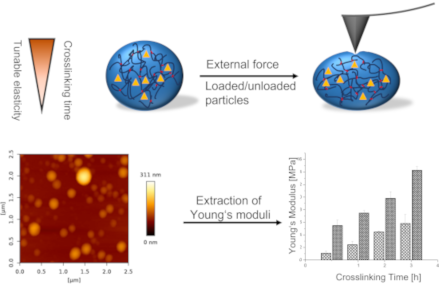
- elasticity of the particle as demonstrated for the incorporation of lysozyme. The high influence of loading on the mechanical properties demonstrates the need to determine the mechanical properties during the development of a nanoparticulate drug delivery system. For future application, the influence of


Stimuli-responsive polypeptide nanogels for trypsin inhibition
Beilstein J. Nanotechnol. 2022, 13, 538–548, doi:10.3762/bjnano.13.45
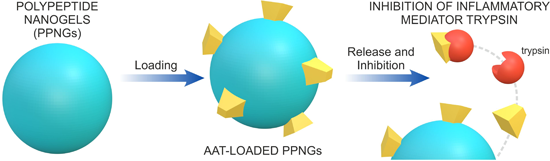
- studies using PLGA particles as delivery system for AAT [21][22]. However, the PLGA particles did not exhibit any undesired entrapment of AAT as the polypeptide nanogels did. In contrast, our polypeptide nanogels are more advantageous due to the fact that they have a more favorable size, are soft, and
- enzymatic activity of trypsin. The observed properties of this delivery system will be further studied to better understand the mechanism of inhibition action. This fully biocompatible nanogel system might be a potential candidate for the development of new systems inhibiting the inflammatory mediator
- trypsin and, possibly, for the treatment of pancreatitis. Further studies will serve for future optimization of the new nanogel systems. The optimum ratio between trypsin and AAT-loaded nanogels and the inhibition activity of the delivery system in the pH range from 7 and 7.2, which is also relevant for


Ciprofloxacin-loaded dissolving polymeric microneedles as a potential therapeutic for the treatment of S. aureus skin infections
Beilstein J. Nanotechnol. 2022, 13, 517–527, doi:10.3762/bjnano.13.43
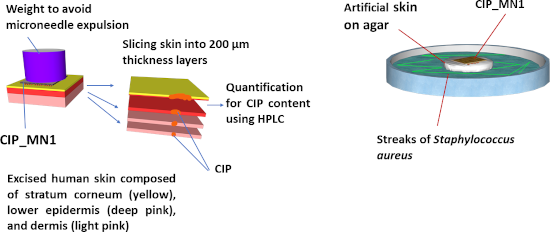
- results suggest that CIP_MN1 can be a potential delivery system for the treatment of S. aureus skin infections. Keywords: dissolving microneedles; microneedles; polyvinyl alcohol (PVA); polyvinylpyrrolidone (PVP); skin infection; Introduction Topical and transdermal drug delivery is a major route for
- sizes have been utilized to overcome this limitation since they can painlessly penetrate the upper skin layers [2]. Patients can self-administer microneedles and, thus, overcome the pain associated with conventional parenteral injections. Moreover, this drug delivery system can potentially overcome the
- microneedles in reducing the microbial burden in bacterial and fungal skin infections [6][7]. Herein, we are aiming at providing a potential microneedle delivery system for the treatment of staphylococcal skin and soft tissue infections such as cellulitis. Cellulitis, as an example of common bacterial skin


Micro- and nanotechnology in biomedical engineering for cartilage tissue regeneration in osteoarthritis
Beilstein J. Nanotechnol. 2022, 13, 363–389, doi:10.3762/bjnano.13.31
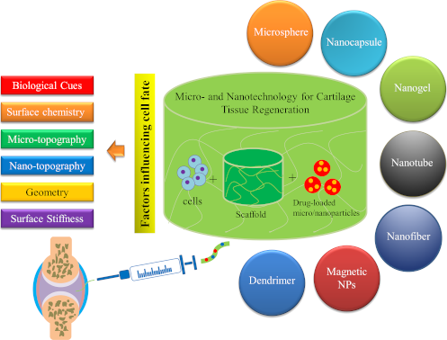
- differentiation [22]. Using this method, they observed enhanced chondrogenic differentiation of human mesenchymal stem cells (hMSCs) aggregated in micromass culture systems including microspheres. The use of a microsphere delivery system for controlled release obviates the need for the intermittent addition of


Engineered titania nanomaterials in advanced clinical applications
Beilstein J. Nanotechnol. 2022, 13, 201–218, doi:10.3762/bjnano.13.15
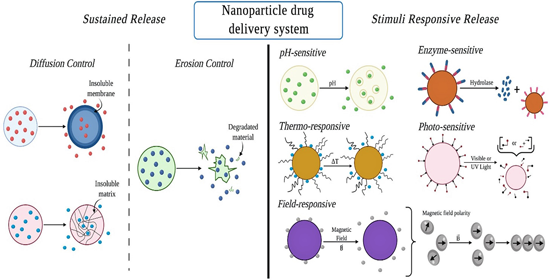
- -workers have developed a well-designed controllable drug delivery system by functionalizing 3-aminopropyltriethoxysilane (APTES) on TNTs and found that the drug loading capacity was improved by 30–36 wt % in comparison with unmodified TNTs. Intriguingly, the hydrophilic nature of APTES was favorable for
- might be used in orthopedics as drug-releasing implants and as an alternative delivery system of chemotherapeutic agents to brain tumors [105]. In this context, Jarosz et al. found that the hydrophilic nature of nanoporous TiO2 influences the loading and release profile of drug molecules [106]. Moreover
- , nanoporous TiO2 is able to load water-soluble and insoluble drugs and could be useful as an effective drug delivery system [107]. Previously, a drug delivery system based on TiO2 nps conjugated with doxorubicin (DOX) was found have an enhanced anti-cancerous effect on human hepatocarcinoma SMMC-7721 cells


Bacterial safety study of the production process of hemoglobin-based oxygen carriers
Beilstein J. Nanotechnol. 2022, 13, 114–126, doi:10.3762/bjnano.13.8
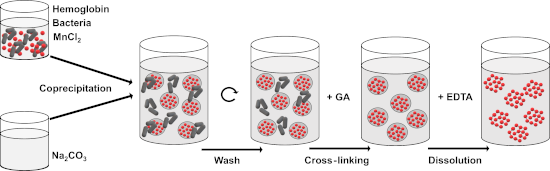
- modifications [5][6]. Thus, it was possible to immobilize vitamin B2 (riboflavin) in these particles together with human serum albumin (HSA). This resulted in a drug delivery system with good hemocompatibility and release of riboflavin over a prolonged period [7]. In addition, HSA microparticles could be loaded


Self-assembly of amino acids toward functional biomaterials
Beilstein J. Nanotechnol. 2021, 12, 1140–1150, doi:10.3762/bjnano.12.85
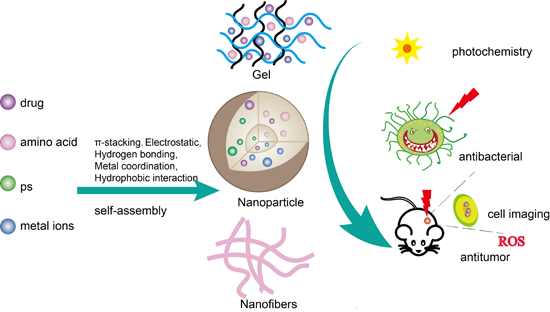
- interaction to construct a co-delivery system. Conclusion The self-assembly of biomolecules is based on the noncovalent interaction and the bottom-up combination of ordered 3D structures. Nanotechnology is the driving force of self-assembly, and it has made great contributions to the field of biology and

Use of nanosystems to improve the anticancer effects of curcumin
Beilstein J. Nanotechnol. 2021, 12, 1047–1062, doi:10.3762/bjnano.12.78
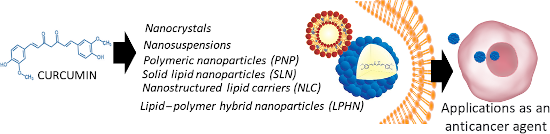
- ]. In addition to the previous data, it should be stated that coadministration of CUR with another anticancer molecule may also serve to complement or potentiate its effects. The use of a single delivery system will also normalize any differences in the pharmacokinetics of co-encapsulated drugs that are
- coefficient. Another study reported a co-loaded CUR–lactoferrin NLC that was prepared as a potential delivery system to cancerous cells through both active and passive targeting [70]. For example, the lactoferrin vector was used for active targeting due to its ability to target tumor cells (mediated by


An overview of microneedle applications, materials, and fabrication methods
Beilstein J. Nanotechnol. 2021, 12, 1034–1046, doi:10.3762/bjnano.12.77
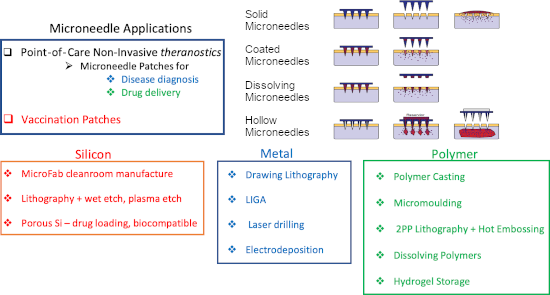
- arrays over hypodermic needles. Developing the necessary microneedle fabrication processes has the potential to dramatically impact the health care delivery system by changing the landscape of fluid sampling and subcutaneous drug delivery. Microneedle designs which range from sub-micron to millimetre


Comprehensive review on ultrasound-responsive theranostic nanomaterials: mechanisms, structures and medical applications
Beilstein J. Nanotechnol. 2021, 12, 808–862, doi:10.3762/bjnano.12.64


The impact of molecular tumor profiling on the design strategies for targeting myeloid leukemia and EGFR/CD44-positive solid tumors
Beilstein J. Nanotechnol. 2021, 12, 375–401, doi:10.3762/bjnano.12.31
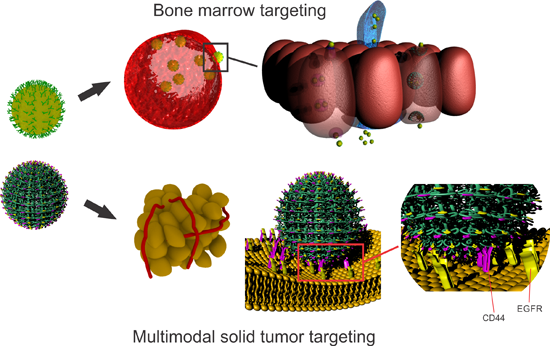
- therapy. Unlike solid tumors, which necessitate nanoscale drug delivery system (NDDSs) to reach a specific site of action, liquid tumors are mainly spread throughout the blood circulation. In fact, the barriers that apply to the NDDSs for solid tumor targeting usually do not exist in the case of liquid
- the leukemia cells, in which the drug is released, leading to high intracellular concentrations [64]. The results from this study highlight the importance of the sequential order of release of the therapeutic molecules in the co-delivery system and the formulation design approach to achieve such a
- complicated task. When one of the employed molecules interferes with the possible resistance mechanisms of the target cells, it is of prime importance to enable its release from the co-delivery system prior to the pharmaceutically active drug(s). Future perspectives in the design of nanomedicines for


PEG/PEI-functionalized single-walled carbon nanotubes as delivery carriers for doxorubicin: synthesis, characterization, and in vitro evaluation
Beilstein J. Nanotechnol. 2020, 11, 1728–1741, doi:10.3762/bjnano.11.155
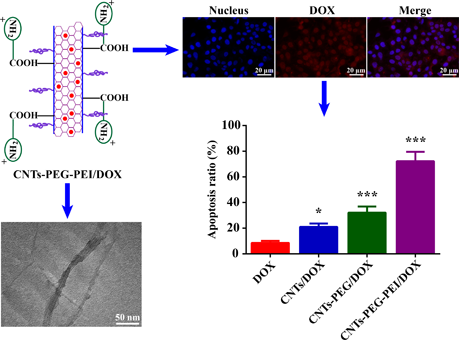
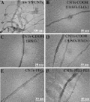
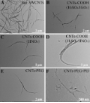
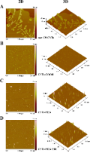
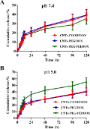
- more efficient cell internalization and accumulation. The subsequent drug release and diffusion within the cytoplasm can induce apoptosis. The results suggest that CNTs-PEG-PEI may be developed to be a novel nanoscale delivery system of chemotherapeutic drugs for cancer therapy. Schematic




Cardiomyocyte uptake mechanism of a hydroxyapatite nanoparticle mediated gene delivery system
Beilstein J. Nanotechnol. 2020, 11, 1685–1692, doi:10.3762/bjnano.11.150
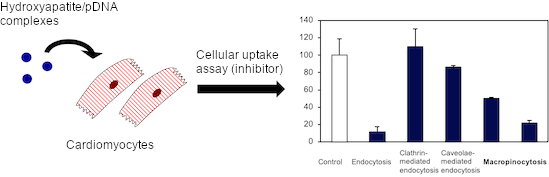
- . Furthermore, this HL-1 cell uptake was generated in response to HAp stimulation. Thus, HAp is a positive regulator of macropinocytosis in HL-1 cells and a good system for gene delivery in cardiomyocytes. Keywords: cardiomyocyte; endocytosis; gene delivery system; hydroxyapatite nanoparticles
- acquisition at inflammation sites. Further studies regarding the role of CaSR and its downstream signaling pathways in HL-1 cells are required. Although the HAp-based vector used here has a low transfection efficiency, it has already been used as a gene delivery system in in vivo cancer research experiments