Search results
Search for "density" in Full Text gives 1728 result(s) in Beilstein Journal of Nanotechnology. Showing first 200.
Upcycling agroindustrial waste into graphene oxide supports for gold nanoparticles: toward sustainable nanomaterials
Beilstein J. Nanotechnol. 2026, 17, 489–504, doi:10.3762/bjnano.17.32
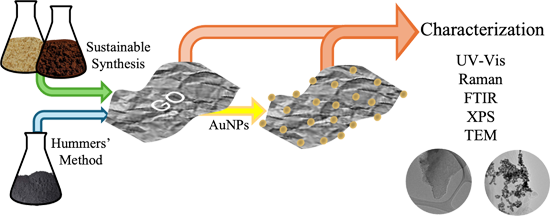
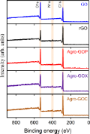
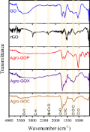
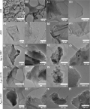
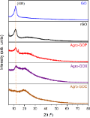
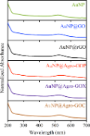
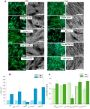
- of functional groups and defect density. Ferrocene was used as a catalytic nucleation agent during pyrolysis as its iron-containing framework facilitates the formation of initial aromatic carbon nuclei and promotes early-stage graphitization at low temperatures [20][21]. All GO samples were also used
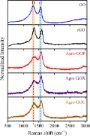
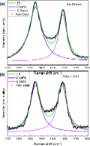
- atoms in aromatic domains and the D band around 1350 cm−1, associated with defects in the crystal lattice such as edges, vacancies, and oxygenated functional groups [38]. The intensity ratio between these peaks (ID/IG) is commonly used as an indicator of structural disorder or defect density in the
- material [39]. In the GO spectrum, the D and G bands are observed at 1320.4 and 1555.9 cm−1, respectively, with an ID/IG ratio of 1.07. This relatively high ratio indicates a high density of structural defects and a significant degree of oxidation. In contrast, the rGO sample shows a ratio of ID/IG = 1.10



Defects and defect-mediated engineering of two-dimensional materials: challenges and open questions
Beilstein J. Nanotechnol. 2026, 17, 454–488, doi:10.3762/bjnano.17.31
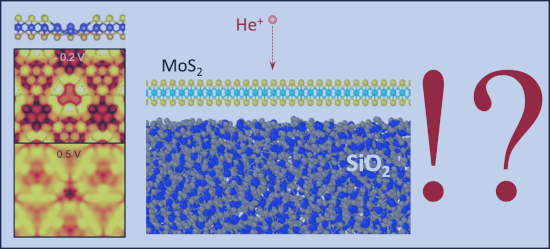
- concentration of individual S vacancies and a lower concentration of S vacancy dimers in exfoliated single-layer films [61]. In contrast, density functional theory (DFT) calculations reveal that molecular oxygen reacts very readily with larger S vacancy clusters (three or more vacancies), with O2 dissociation
- density and their random distribution, which makes it computationally extremely demanding to determine structural dynamics, whether from molecular dynamics or from harmonic approximation plus finite displacements. This can nowadays be overcome by using machine learning interatomic potentials (MLIPs
- detection of the inelastic contribution. On the one hand, the small energy scale of at most a few millielectronvolts requires very low temperatures; on the other hand, the change in conductance depends on the excitation efficiency and the density of states at the Fermi level. Hence, detection of magnetic





Nanocarrier-integrated multilayer films produced by 3D printing for improved skin adhesion and curcumin photostability
Beilstein J. Nanotechnol. 2026, 17, 440–453, doi:10.3762/bjnano.17.30
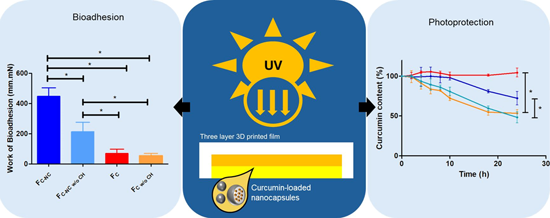
- generated model and, using a syringe fitted with a nozzle with a diameter of 0.41 mm, deposited the material layer by layer at room temperature. The printing parameters were set to a rectilinear infill pattern with 100% infill density and an extrusion speed of 6 mm/s. After printing, the films were dried at


First-principles study on elastic properties of Cu, (Cu1−x,Nix)3Sn and interfacial mechanical properties of (Cu1−x,Nix)3Sn/Cu in the lead-free solder joint
Beilstein J. Nanotechnol. 2026, 17, 428–439, doi:10.3762/bjnano.17.29
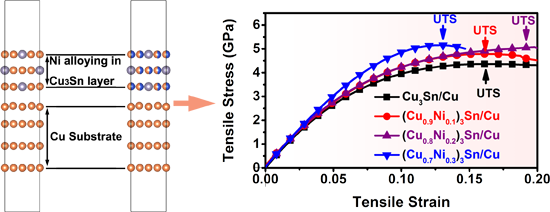
- orientation relationship of (001)ε//(111)Cu and [100]ε//[−110]Cu; the underlying mechanisms responsible for the influence of Ni alloying on the work of adhesion and interfacial toughness are demonstrated. Methods In this study, first-principles calculations within the framework of density functional theory
- ]. The UTS corresponds to the maximum stress that the interface structure can endure, in other words, the UTS corresponds to the onset of interface structure destabilization. Thus, the bulk energy density stored in the interface structure can be calculated by integrating the product of tensile stress and
- tensile strain from tensile strain at zero stress to the strain at UTS. Then, the work of adhesion can be calculated by the product of bulk energy density and thickness of the interface layer, namely, the areal energy density stored during the tensile deformation before the structure reached


Nanoinformatics: spanning scales, systems and solutions
Beilstein J. Nanotechnol. 2026, 17, 423–427, doi:10.3762/bjnano.17.28

- radius, crystal ionic radii, density of the metal, electron affinity, and ionization energy) which complement and extend the seven first- and sixteen second-generation periodic table descriptors, as a means to model the toxicity of MeOx nanomaterials to zebrafish embryo – measured as impacts on the

Biomimetic nanoparticles in cancer photodynamic therapy: a review of targeted delivery systems and therapeutic outcomes
Beilstein J. Nanotechnol. 2026, 17, 396–422, doi:10.3762/bjnano.17.27
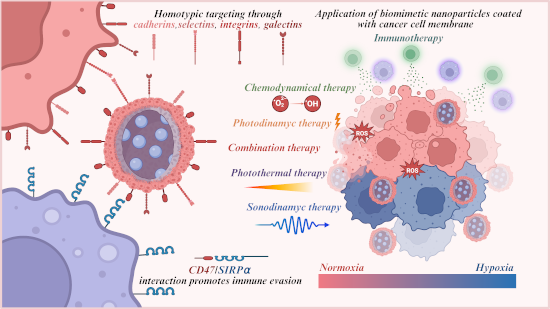
- therapy of uveal melanoma, BNPs coated with recombinant low-density lipoproteins were developed to deliver the PS verteporfin and the vascular-normalizing agent dexamethasone. Following intravenous administration, these nanoparticles selectively accumulated in tumor tissue; verteporfin generates ROS


Polycatecholamine nanocoatings on stainless steel: the effect on attachment of human fibroblasts and platelets
Beilstein J. Nanotechnol. 2026, 17, 365–380, doi:10.3762/bjnano.17.25
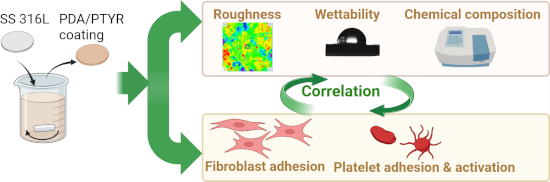
- in the nanometer range for PTYR and in the micrometer range in case of PDA. Compared to PDA, PTYR coatings exhibited a nanoparticulate surface morphology and higher stability under physiological conditions. Wettability, roughness, and amine group density were systematically analyzed to determine
- . reported that 50–60° is the optimal CA value for adhesion and proliferation of fibroblasts on low-density polyethylene surfaces [35]. According to Webb et al., however, moderately hydrophilic surfaces (20–40°) promoted the highest levels of fibroblast attachment [29]. In our study, CAs ranging from 52.97
- . Each extract was obtained in triplicate. Mouse fibroblast L929 cells (Sigma-Aldrich, Germany) were expanded according to the manufacturer’s instructions and seeded in a 96-well plate at a density of 105 cells/mL, 100 µL per well. Wells for positive control (DMEM with 0.1% Triton X-100, Gibco




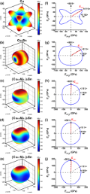
Ferroelectric nanodot reservoir for neuromorphic computing
Beilstein J. Nanotechnol. 2026, 17, 352–364, doi:10.3762/bjnano.17.24
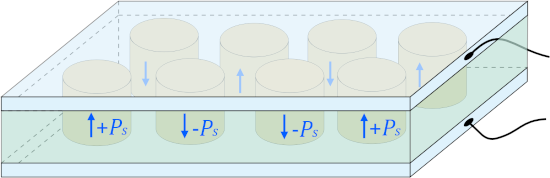
- , the ferroelectric reservoir utilizes no active current-driving elements, allowing for passive, high-density neuromorphic integration. To interface the ferroelectric reservoir with external neuromorphic systems, specific schemes for signal injection and readout are required. Several architectures
- -density neuromorphic circuits. The proposed ferroelectric reservoir benefits from several advantageous physical properties intrinsic to nanoscale ferroelectrics – high capacity, with exponentially growing configuration space, fading memory, provided by the slow relaxation dynamics of polarization in
- but can also support multilevel logic states beyond simple binary encoding. Their internal structure provides additional degrees of freedom that can be exploited for multivalued neuromorphic processing, enabling richer spatiotemporal dynamics and increased information density. Integration of


Interconnection morphology effects on the radio frequency response of carbon nanotube sponges
Beilstein J. Nanotechnol. 2026, 17, 343–351, doi:10.3762/bjnano.17.23
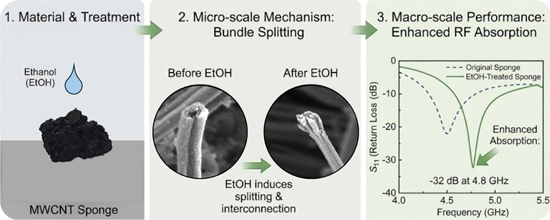
- free space (Figure 6b), for which we observed a gain of 2 dBm for the untreated sample, a 7 dBm gain directly after ethanol treatment, and a 10 dBm gain after 5 min. The power density at 4.8 GHz was calculated for a resonant dipole antenna with a gain of 2.15 dB, accounting for a 0.7 dB cable loss
- before the antenna. The input power was 5 dBm, which is 3.16 × 10⁻³ W, and the power reaching the antenna terminals after loss was (2.69 ± 0. 01) × 10−3 W. Using the far-field relation, the power density at a distance of 70 cm was found to be (7.17 ± 0.01) × 10−4 W·m−2; at 30 cm, it was (3.90 ± 0.01



Beam shaping techniques for pulsed laser ablation in liquids: Unlocking tunable control of nanoparticle synthesis in liquids
Beilstein J. Nanotechnol. 2026, 17, 309–342, doi:10.3762/bjnano.17.22
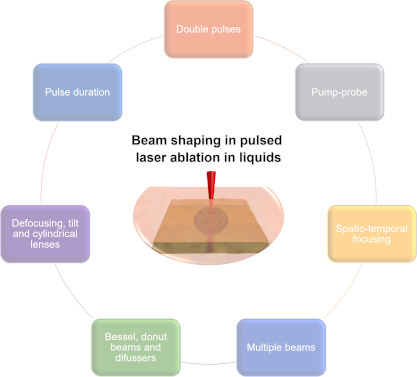
- environment [9]. The early stages of laser ablation, along with variations in material density, temperature, and phase states, can be effectively modelled using large-scale atomistic simulations [26][27]. PLAL is a simple, fast, and versatile technique that has been employed to produce ligand-free NPs [28







Calculation of the dynamic stiffness of a cantilever under torsional oscillation
Beilstein J. Nanotechnol. 2026, 17, 303–308, doi:10.3762/bjnano.17.21
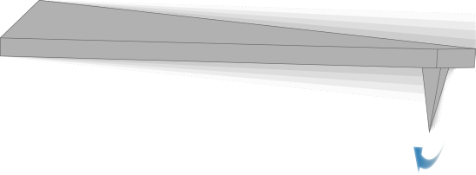
- L, width b, and thickness t with L, b ≫ t as shown in Figure 1a. The corresponding moment of inertia along the x axis is I = ρb3tL/12, where ρ is the mass density and is uniform in the cantilever. The angle of the torsional displacement is denoted by θ(x, t) at the position x and the time t, and the

Fast vortex dynamics and relaxation times in NbRe-based heterostructures
Beilstein J. Nanotechnol. 2026, 17, 292–302, doi:10.3762/bjnano.17.20
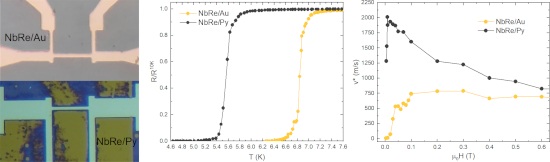
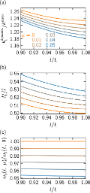
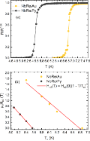
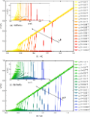
- that trap vortices. As a result, a finite current density is required to initiate vortex motion. When the value of the external current density, jex, applied to the superconductor exceeds the value of the critical current density, jc, vortices begin to move, giving rise to a viscous flow regime known
- magnetic field, HSAT, that is, the field beyond which the jumps disappear and the transition to the normal state occurs smoothly. The values are = 0.9 T and = 1.2 T. To gain insight into the pinning mechanism at play, the behavior of the critical current density Jc = Ic/wd as a function of the external
- . Furthermore, the results of NbRe/Py show a steeper slope than NbRe/Au. This could be related to a larger suppression and spatial inhomogeneity of the superconducting order parameter induced by the Py layer, which further decreases the value of the critical current density at low fields [34]. For magnetic


Advancing nanolithography: a comprehensive review of materials for local anodic oxidation with AFM
Beilstein J. Nanotechnol. 2026, 17, 275–291, doi:10.3762/bjnano.17.19
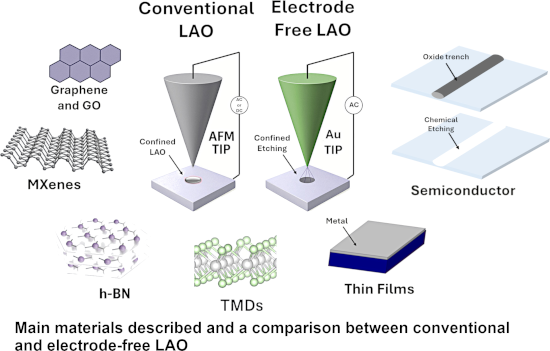
- grown oxide. Specifically, on Si, LAO-derived oxide exhibits a density of 2.05 g·cm−3, lower than the 2.27 g·cm−3 density of thermally oxidized silicon [43]. In the case of Si surfaces the chemical reaction leading to SiO2 formation is: In the case of SiC, carbon atoms are eliminated in the form of
- density) can reach up to 100 nm height [34]. The protruding oxide observed by AFM represents only part of the total oxide volume. Because oxidation proceeds into the substrate and the formed oxide is less dense than the parent material, a comparable portion (typically 40–60%) develops beneath the surface


Durable antimicrobial activity of fabrics functionalized with zeolite ion-exchanged nanomaterials against Staphylococcus aureus and Escherichia coli
Beilstein J. Nanotechnol. 2026, 17, 262–274, doi:10.3762/bjnano.17.18
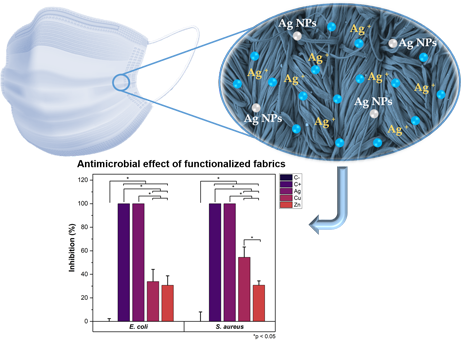
- preparation The pad–dry–cure method was used for fabric impregnation [30]. Prior to the experiment, the bramante fabrics containing 50% cotton and 50% polyester with a density of 150 threads (Parisina Company, Mexico) were washed with detergent (Alconox, Sigma Aldrich) and deionized water. Finally, the




Gold nanoparticle-decorated reduced graphene oxide as a highly effective catalyst for the selective α,β-dehydrogenation of N-alkyl-4-piperidones
Beilstein J. Nanotechnol. 2026, 17, 218–238, doi:10.3762/bjnano.17.15
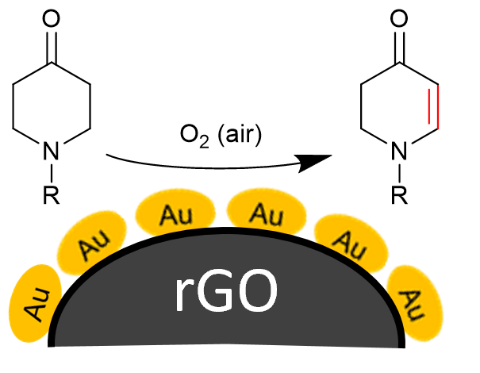
- catalytic properties of AuNPs stem from their nanoscale size, which increases the surface-to-volume ratio, exposes a higher density of active sites, and induces quantum size effects that modulate the electronic structure [5]. These characteristics collectively enhance their reactivity, selectivity, and
- gold nanoparticles to the π-conjugated sp2 carbon network. The π-conjugated domains of rGO, acting as an electron reservoir, raise the local Fermi level [47] and supply electron density directly into the interfacial Au 5d/6s orbitals via both the C–O–Au bridge and direct π–metal coupling [48]. This
- density due to its high porosity than the other carbon materials AC and CB, as illustrated in Supporting Information File 1, Figure S4. When comparing the two reduction methods, hot reduction with NaCit and cold reduction with POM (SiW9), important differences arise in nanoparticle formation. NaCit is a


Time of flight secondary ion mass spectrometry imaging of contaminant species in chemical vapour deposited graphene on copper
Beilstein J. Nanotechnol. 2026, 17, 200–213, doi:10.3762/bjnano.17.13
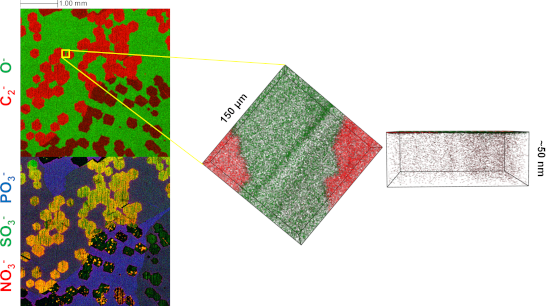
- precursor was introduced for 30 min. The graphene growth atmosphere consisted of 250 SCCM Ar, 26 SCCM H2 and 9 SCCM CH4 (0.1% diluted in Ar) for all samples except the BO sample where a flow rate of 30 SCCM CH4 (0.1% diluted in Ar) was used due to the very low nucleation density. After the growth step the
- . For 3D imaging, each depth profile was acquired by cyclically analysing a 150 µm × 150 µm area (with a pixel density of 128 × 128) from the centre of a 400 µm × 400 µm sputtered region during depth profiling, to mitigate crater edge effects on the generated spectra. 10 keV Cs+ ions with an ion current
- layers, or normalised to the maximum ion intensity to highlight location of species at low concentration. To probe the surface of the samples in more detail, larger 500 µm × 500 µm surface images (with a pixel density of 256 × 256) were also acquired with 25 keV Bi3+ ions for longer acquisition times to





Structure-dependent thermochromism of PAZO thin films: theory and experiment
Beilstein J. Nanotechnol. 2026, 17, 186–199, doi:10.3762/bjnano.17.12
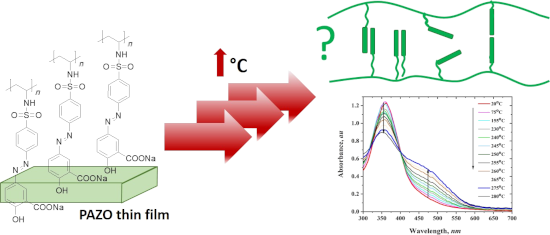
- thin layers subjected to thermal treatment at temperatures up to 300 °C. Particular attention is given to the changes in absorption features and spectral shifts that may arise from structural rearrangements within the material. To rationalize the experimental findings, density functional theory (DFT
- be discussed in more details in the Section “Density functional theory modeling”. Analysis of spectrofluorimetric, infrared, and S and P polarization spectra Two PAZO samples were used for the spectrofluorimetric analysis: the first sample was not thermally treated (red curves in Figure 3A) and the
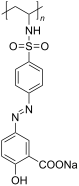
- with enhanced efficiency or expanded surface coverage. Density functional theory modeling PAZO is a polymer with azobenzene units incorporated as pendant groups attached to the main polymer backbone (Figure 6A). The core of PAZO polymer side chains is the azobenzene fragment (Ar–N=N–Ar), which can


Safe and sustainable by design with ML/AI: A transformative approach to advancing nanotechnology
Beilstein J. Nanotechnol. 2026, 17, 176–185, doi:10.3762/bjnano.17.11
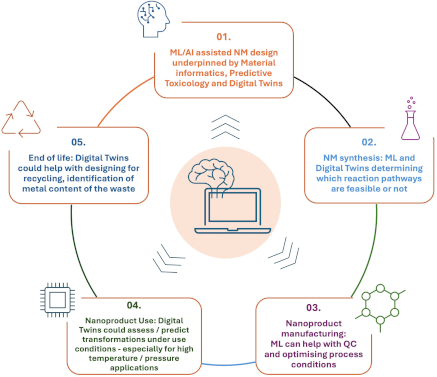
- enabled targeted therapies for cancer, minimizing side effects while enhancing therapeutic efficacy [1][2]. In the energy sector, nanostructured materials have enhanced the performance and energy density of batteries and solar cells, providing more sustainable and efficient solutions [3]. Additionally
- powerful aspects of materials informatics lies in its ability to integrate machine learning with multiscale simulation tools – ranging from molecular dynamics to density functional theory – which helps researchers correlate nanoscale features such as particle size, shape, and surface functionalization with


Influence of surface characteristics on the in vitro stability and cell uptake of nanoliposomes for brain delivery
Beilstein J. Nanotechnol. 2026, 17, 139–158, doi:10.3762/bjnano.17.9
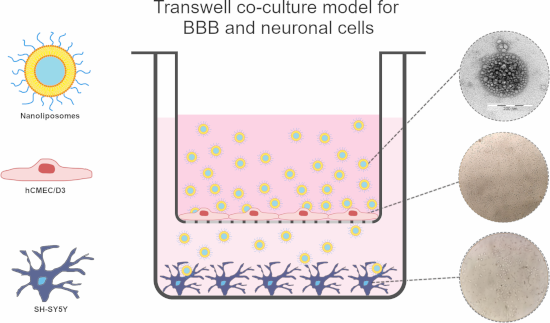
- onto 96-well plates at a density of 104 cells/well in their respective cell culture medium (200 μL/well) and incubated for 48 h at 37 °C in the presence of 5% CO2. As previously described, wells for hCMEC/D3 cells were pre-coated with collagen type 1 (0.05 mg/mL) for 1 h. After reaching confluence, the
- fluorescence microscopy In order to obtain a deeper insight of the internalization and co-localization of the prepared NLs samples in living cells, hCMEC/D3 and SH-SY5Y cells were first seeded onto 35 mm glass dishes at a density of 2 × 10⁵ cells per well (μ-Dish 35 mm, WillCo Glass Bottom Dishes, Netherlands
- performed in order to confirm the internalization of NLs and their co-localization in cellular structures of the BBB. For this purpose, cells were seeded onto 35 mm glass dishes (μ-Dish 35 mm, WillCo Glass Bottom Dishes, Netherlands) at a density of 2 × 10⁵ cells per well and incubated for 24 h (37 °C and 5


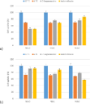


Capabilities of the 3D-MLSI software tool in superconducting neuron design
Beilstein J. Nanotechnol. 2026, 17, 122–138, doi:10.3762/bjnano.17.8

- deposited (see parameters in [28]). The Josephson junctions (JJs) had a circular shape with 4 μm diameter (see [28] for details) and represented Nb–Al–AlOx–Nb tunnel junctions at about 100 A/cm2 critical current density. JJs incorporated into SQUID loops were shunted with 1 Ω molybdenum resistors to
- is not an impassable barrier on the way to implementation of superconducting neurons. Increasing the neuron integration density in practical devices can be achieved by expanding the screen to cover the entire substrate area. In this case, the actual size of each neuron will be determined by the outer
- size in the vicinity of the boundary. This allows for more accurate modeling of regions of strong current density changes located just in the vicinity of strip line edges (see inset on Figure 8b). The choice of the upper grid scale value ah is defined mainly by the minimal strip line width according to



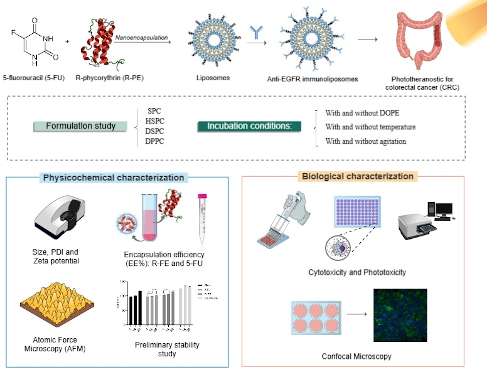
Development and in vitro evaluation of liposomes and immunoliposomes containing 5-fluorouracil and R-phycoerythrin as a potential phototheranostic system for colorectal cancer
Beilstein J. Nanotechnol. 2026, 17, 97–121, doi:10.3762/bjnano.17.7
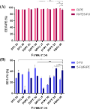
- cytometry The experimental procedure was based on previous studies [30] with minor modifications detailed below. HCT-116 colorectal carcinoma cells were seeded at a density of 7 × 10⁴ cells/mL in appropriate culture medium and incubated overnight at 37 °C with 5% CO2. The following day, the cells were



Functional surface engineering for cultural heritage protection: the role of superhydrophobic and superoleophobic coatings – a comprehensive review
Beilstein J. Nanotechnol. 2026, 17, 63–96, doi:10.3762/bjnano.17.6

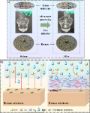
- coating density and physical barrier performance (ZIF-8 helps prevent Ti3C2Tx aggregation and chemically cross-links with WPU, enhancing mechanical integrity). The final cross-linked coating had a water contact angle of about 154°, indicating high water repellency and self-cleaning capabilities. More




Microscopic study of the intermediate mixed state in intertype superconductors
Beilstein J. Nanotechnol. 2026, 17, 57–62, doi:10.3762/bjnano.17.5
- eigenstates, and f(E) is the Fermi–Dirac distribution function. The electron density is kept constant at ne = 0.25 throughout all calculations by adjusting the chemical potential μ. Notice that the system is well away from the resonance at ne = 1 and, at the chosen value, the electronic dispersion is well
- . The current density j, defined on the links between neighboring sites i and j, is given by where the Peierls phase in tij ensures coupling to the magnetic field. The coupled system of Equation 3–Equation 6 is solved self-consistently using an iterative algorithm developed in [28][30]. The calculations
- . However, this length exceeds the characteristic superconducting coherence length, which limits the influence of the finite-size effects. The electron density along z is absorbed into the parameters of the BdG and Biot–Savart equations. All energies are expressed in units of the hopping amplitude t, and


Subdigital integumentary microstructure in Cyrtodactylus (Squamata: Gekkota): do those lineages with incipiently expressed toepads exclusively exhibit adhesive setae?
Beilstein J. Nanotechnol. 2026, 17, 38–56, doi:10.3762/bjnano.17.4
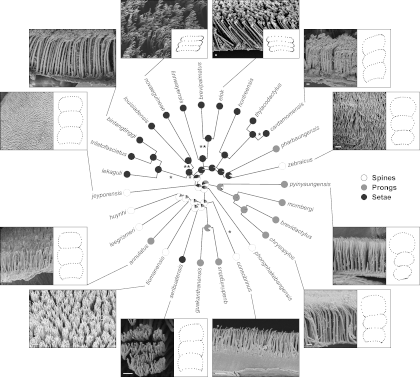
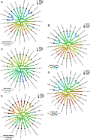
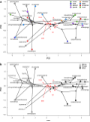
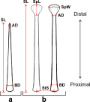
- traits, which were applicable to all of the species examined (apical diameter, basal diameter, density, stalk length, but not effective bending stiffness), showed significant and strong phylogenetic signal when measuring both Pagel’s lambda and Blomberg’s K. Overall, the ASRs of the morphometric traits
- apical diameter) for these measurements in the absence of a shift in microstructure type. Stalk density is more constant across the phylogeny, although there is a tentative decrease in density in the seta-group (Figure 3). A strong increase in density is reconstructed for C. cf. consobrinus, the trunk
- seta-bearing species in the brevipalmatus group, characterised by strongly expressed lamella-like scales, is the only sampled species to show a strong decrease in density. Overall, effective bending stiffness decreases in the seta-group (except for the secondarily spine-bearing C. zebraicus [generalist


Reduced graphene oxide paper electrode for lithium-ion cells – towards optimized thermal reduction
Beilstein J. Nanotechnol. 2026, 17, 24–37, doi:10.3762/bjnano.17.3
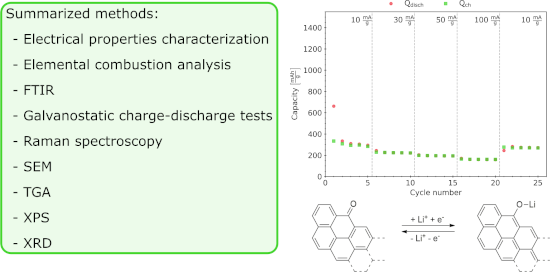
- and thickness were determined with scanning electron microscopy imaging. This paper also reveals electrical and electrochemical properties of the material. The conductivity of the material obtained at 800 °C reached ≈70 S/cm, and the discharge capacity reached ≈160 mAh/g at 100 mA/g current density
- specific surface area, and low bulk density [3][4]. The role of rGO in electrode materials can be considered in two ways. It can be applied as a conductive additive, improving transport properties and, as a result, enhancing capacity [5]. It can also be the active material itself [6][7]. To mention just a
- 1 M LiPF6 solution in EC/DMC (Sigma-Aldrich/Merck) served as the electrolyte. A Whatman GF/A filter was used as a separator. The current rates were calculated based on the targeted current density and active mass material, in this case, the mass of the positive electrode (the investigated graphene