Search results
Search for "drug release" in Full Text gives 115 result(s) in Beilstein Journal of Nanotechnology.
Recent advances in photothermal nanomaterials for ophthalmic applications
Beilstein J. Nanotechnol. 2025, 16, 195–215, doi:10.3762/bjnano.16.16
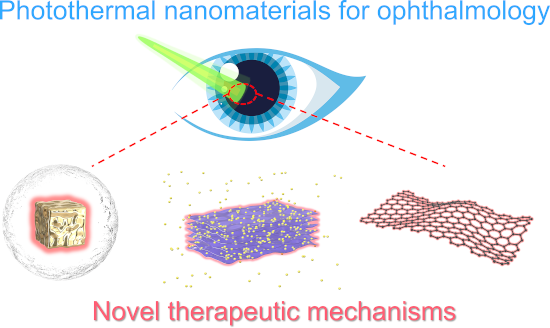
- molecular thermovibrational processes, with an ability to absorb light across the full spectral range, reduce the dependence on specific therapeutic light sources. This versatility even permits the utilization of sunlight or electronic screens to modulate drug release or to stimulate lacrimal glands for the
- photothermal gel, composed of Au nanorods, geraniol, chitosan, and the gene-targeted drug DC_AC50 can be activated by NIR light. Photothermal activation softens the hydrogel composed of geraniol and chitosan, controlling drug release and facilitating PTT at moderate temperatures, thus yielding exceptional anti
- release are crucial to enhancing drug utilization efficiency and positively impact patient compliance [129][130]. Hydrogels that exhibit reversible gel-to-sol transitions upon heating are emerging as promising materials for photothermal drug release [131]. The application of visible and NIR light locally


A nanocarrier containing carboxylic and histamine groups with dual action: acetylcholine hydrolysis and antidote atropine delivery
Beilstein J. Nanotechnol. 2025, 16, 11–24, doi:10.3762/bjnano.16.2

- antidote delivery systems that will release the drug only when acetylcholine levels are elevated. This approach will ensure timely delivery of the antidote and minimize side effects associated with uncontrolled drug release. Here, we describe the creation of a new smart system that serves as a carrier for


Biomimetic nanocarriers: integrating natural functions for advanced therapeutic applications
Beilstein J. Nanotechnol. 2024, 15, 1619–1626, doi:10.3762/bjnano.15.127

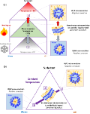
- strategy involves surface coating with specific ligands which interact with elevated levels of target-specific receptors. Both delivery systems aim to achieve responsive drug release directly at the therapeutic target (Figure 2B) [19][30]. Therefore, a crucial step in constructing efficient biomimetic
- drug delivery, immunotherapy, targeted delivery, biomimetic-derived NPs, and stimuli-responsive drug release (1). Coated NPs for improving biological activity through biomimetic biomembranes (2): Most used materials for creating nanoparticles (A), binders used for delivery and binding to target cells


Polymer lipid hybrid nanoparticles for phytochemical delivery: challenges, progress, and future prospects
Beilstein J. Nanotechnol. 2024, 15, 1473–1497, doi:10.3762/bjnano.15.118
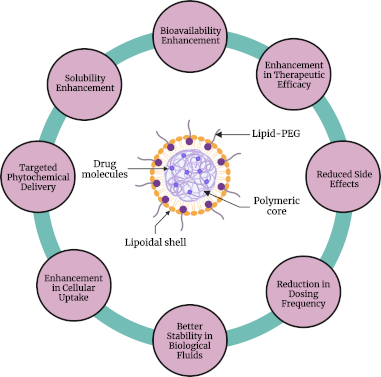
- can be released under specific biological conditions. Further, the polymer coating provides better colloidal stability, sustained drug release, and high loading capacity to the hybrid nanocarriers [54][55][56]. Cell membrane-camouflaged PLHNPs PLHNPs have been coated with cell membranes (e.g
- nanoparticles combines the benefits of both polymeric and lipid-based systems, offering controlled drug release and efficient encapsulation of various therapeutic agents. Overall, PEGylated PLHNPs offer a versatile and effective platform for various therapeutic applications [67][68][69]. Surface modification of
- PLHNPs can also involve the incorporation of stimuli-responsive moieties onto the nanoparticle surface. These moieties enable the nanoparticles to respond to specific stimuli, such as pH changes, temperature shifts, or enzyme activity, thereby triggering controlled drug release at the target site [70][71


Nanotechnological approaches for efficient N2B delivery: from small-molecule drugs to biopharmaceuticals
Beilstein J. Nanotechnol. 2024, 15, 1400–1414, doi:10.3762/bjnano.15.113
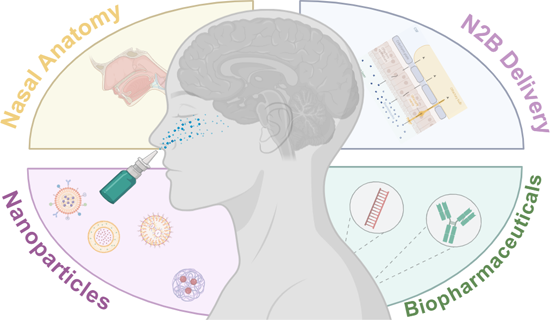
- drug reach the brain. Recent literature highlights SLNs, NLCs, liposomes, polymeric NPs, and emulsions. While lipid-based NPs are favorable because of their lipophilicity and biocompatibility, polymeric NPs offer greater control over drug release, stability, and mechanical properties [123]. Furthermore


Green synthesis of carbon dot structures from Rheum Ribes and Schottky diode fabrication
Beilstein J. Nanotechnol. 2024, 15, 1369–1375, doi:10.3762/bjnano.15.110
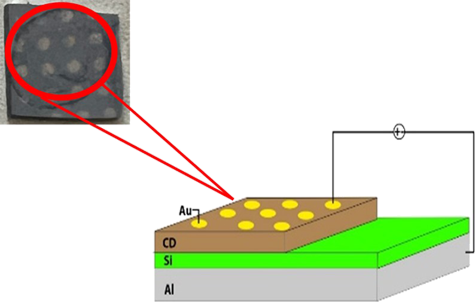
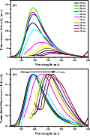
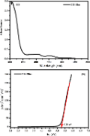
- range of uses in the fields of electrocatalysis, bioimaging, chemical sensors, biosensors, nanomedicine, biomolecule/drug release, light-emitting diodes, and photocatalysts. They also have promising applications in areas such as lasers and optoelectronic device applications [2][3][4][5]. CDs can be




Synthesis, characterization and anticancer effect of doxorubicin-loaded dual stimuli-responsive smart nanopolymers
Beilstein J. Nanotechnol. 2024, 15, 1189–1196, doi:10.3762/bjnano.15.96
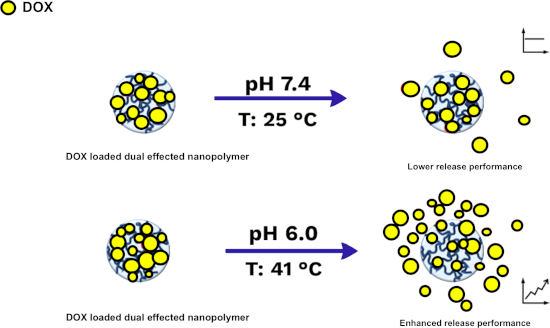
- durations. While numerous biodegradable polymeric nanoparticles derived from proteins or polysaccharides have been studied for drug delivery and controlled drug release in the recent past, the emphasis of research has now turned towards synthetic polymers, resulting in significant advancements in this field
- response to external stimuli [21][22]. Different “smart” polymeric nanoparticle systems have been described in the literature, which might respond to both internal and external stimuli to release drugs. Remarkable developments have been made regarding in vitro and in vivo drug release with varying drug
- researched thermosensitive polymers [21][24]; it is widely utilized in controlled drug release experiments [26][27][28] as its lower critical solution temperature (LCST) of 32 °C is near the body temperature [21]. It has been reported that vinyl imidazole (VIm) is a pH-responsive material [29]. The


Recent updates in applications of nanomedicine for the treatment of hepatic fibrosis
Beilstein J. Nanotechnol. 2024, 15, 1105–1116, doi:10.3762/bjnano.15.89
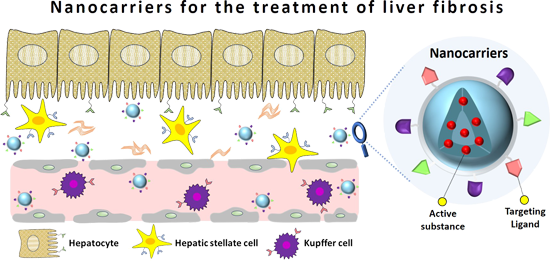
- the FDA up to 2019 [46]. They consist of PLGA microparticles, solid implants, and in situ gels; none of them is a PLGA NP formulation. This fact indicates that there are some challenges, including poor drug entrapment efficiency and drug release kinetics from PLGA nanoformulations [47]. Regarding


Unveiling the potential of alginate-based nanomaterials in sensing technology and smart delivery applications
Beilstein J. Nanotechnol. 2024, 15, 1077–1104, doi:10.3762/bjnano.15.88
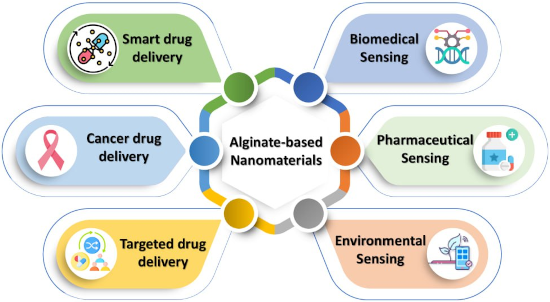
- biopolymeric nanoparticles, providing valuable information about their physical and chemical properties. These techniques allow researchers to understand the structure, stability, surface properties, and drug release behavior of biopolymeric nanoparticles, enabling them to optimize drug delivery strategies and
- , to mitigate limitations of simple nanostructures such as low stability and unsuitable drug release features. They investigated capsaicin-loaded alginate nanoparticles embedded in polycaprolactone–chitosan nanofiber mats. This DDS can extend the release time of capsaicin to more than 500 h compared to
- encapsulation of amygdalin and sustained drug release for 10 h. The results also showed increased cytotoxicity and controlled release of the drug because of the biodegradable and biocompatible carrier. Alginate–chitosan nanoparticles can be employed as an effective drug delivery vehicle for sustained and


Therapeutic effect of F127-folate@PLGA/CHL/IR780 nanoparticles on folate receptor-expressing cancer cells
Beilstein J. Nanotechnol. 2024, 15, 954–964, doi:10.3762/bjnano.15.78
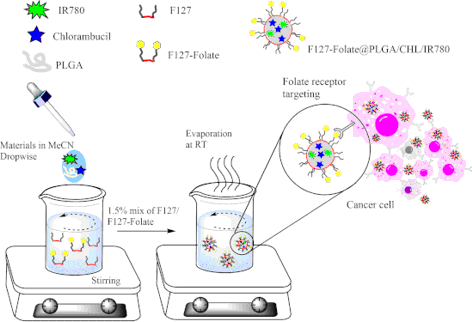
- content in the formulation was determined according to Drug release from nanoparticles The F127-folate@PLGA/CHL/IR780 were kept in diluted 0.1× PBS (NaCl 13.7 mM, KCl 0.27 mM, NaH2PO4 1 mM, and KHPO4 0.18 mM) and incubated at 37 °C for various time points, (24, 48, 72, and 168 h) at 37 °C at pH 7.4 and
- ). In order to mimic the conditions of drug release in vitro, the experiments were performed at 37 °C at pH 7.4 and pH 5.4. pH 7.4 represents the pH of physiological fluids in the body, while pH 5.4 is the pH value of the endosome. The CHL release was obtained by estimating the remaining CHL in the



Electrospun nanofibers: building blocks for the repair of bone tissue
Beilstein J. Nanotechnol. 2024, 15, 941–953, doi:10.3762/bjnano.15.77
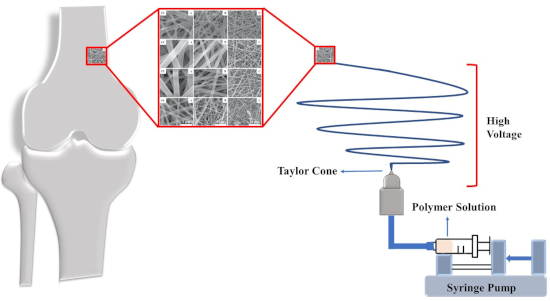
- high, water may accumulate on the fiber surfaces, and if the humidity is too low, the solvent may evaporate too quickly [73][82]. Also, relative humidity makes nanofibers thicker or thinner depending on the chemical structure of the polymer [82]. Drug release from electrospun nanofibers The rate and
- . The polymer may degrade during or after the release of active material by diffusion. The in vivo degradation times for commonly used polymers change from days to months [52][61][92]. Different properties of the polymers lead to a wide range of degradation and drug release rates [33][93]. Since the
- when preparing polymeric nanofiber formulations to obtain controlled and sustained drug release profiles. The polymers used in the preparation of polymeric nanofibers are generally categorized into four classes, namely, natural polymers, synthetic polymers, blends of these two classes (hybrid), and


Radiofrequency enhances drug release from responsive nanoflowers for hepatocellular carcinoma therapy
Beilstein J. Nanotechnol. 2024, 15, 569–579, doi:10.3762/bjnano.15.49
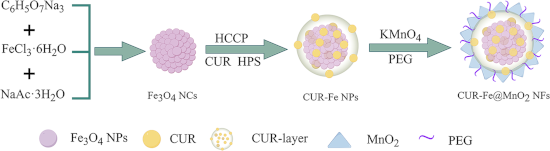
- (Fe3O4 NCs), – CUR layer, – and MnO2 (CUR-Fe@MnO2 NFs). These NFs carry CUR and Fe3O4 NCs, achieve sustained and concurrent drug release, and can be used for molecular magnetic resonance imaging (MRI). Moreover, we explored the ability of the NFs to release drugs and evaluated their cytotoxic effects
- . The presence of MnO2 protects the drug layer and reduces the loss of drugs to circulation. In tumors, MnO2 were degraded to produce Mn2+ and oxygen by response TME, exposing the drug layer for drug release and to exert antitumor effects. At the same time, Mn2+ can act as an MRI contrast agent. Oxygen
- were r1 = 0.2565 mM−1·s−1 and r2 = 4.01376 mM−1·s−1, respectively (Figure 3b). Therefore, the CUR-Fe@MnO2 NFs showed marked sensitivity to the TME, suggesting that they are excellent dual-modal T1/T2 contrast agents. NFs degradation and drug release CUR-Fe@MnO2 NFs can respond to a simulated TME by


On the additive artificial intelligence-based discovery of nanoparticle neurodegenerative disease drug delivery systems
Beilstein J. Nanotechnol. 2024, 15, 535–555, doi:10.3762/bjnano.15.47
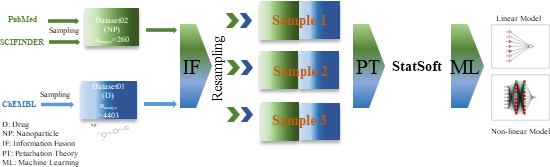
- , protein targeting, the prediction of coated-NP drug release systems [41][42][43][44][45][46][47][48][49], multitarget networks of neuroprotective compounds for a theoretical study of new asymmetric 1,2-rasagiline carbamates [50], a TOPS-MODE model of multiplexing neuroprotective effects of drugs, an



Fabrication of nanocrystal forms of ᴅ-cycloserine and their application for transdermal and enteric drug delivery systems
Beilstein J. Nanotechnol. 2024, 15, 465–474, doi:10.3762/bjnano.15.42
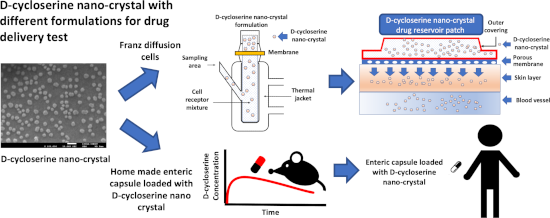
- polymers can provide gastric protection against gastric-irritating compounds and/or stomach acidity, leading to improved drug release performance. We aimed to fabricate DCS nanocrystals and study their physicochemical and biological properties. The DCS already has great water solubility (Log P = −1.72), so


Classification and application of metal-based nanoantioxidants in medicine and healthcare
Beilstein J. Nanotechnol. 2024, 15, 396–415, doi:10.3762/bjnano.15.36
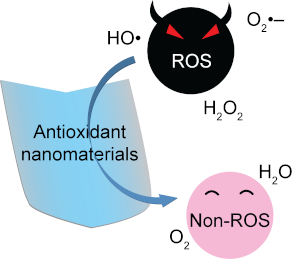
- a bioresorbable magnesium alloy stent coated with an anti-proliferative drug, offering a dual benefit of mechanical support and localized drug release, leading to improved outcomes in atherosclerosis treatment [173][174]. Besides, since zinc has emerged as a promising candidate because of its anti


Vinorelbine-loaded multifunctional magnetic nanoparticles as anticancer drug delivery systems: synthesis, characterization, and in vitro release study
Beilstein J. Nanotechnol. 2024, 15, 256–269, doi:10.3762/bjnano.15.24
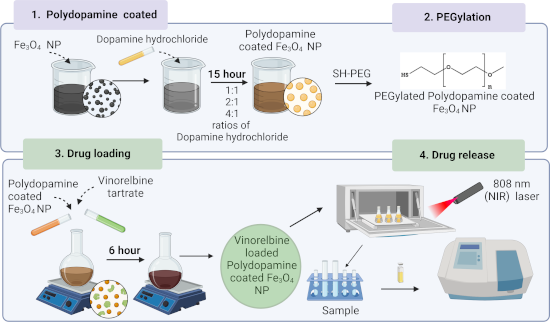
- cancer therapy agent, is included in the nanocomposite structure, and in vitro drug release studies under different pH conditions (pH 5.5 and 7.4) and photothermal activity at 808 nm NIR laser irradiation are investigated. The comprehensive integration of precise multifunctional nanoparticles design
- , magnetic response, and controlled drug release with photothermal effect brings a different perspective to advanced cancer treatment research. Keywords: drug efficacy; iron oxide nanoparticles; photothermal; solvothermal method; Introduction Cancer is a widespread condition characterized by the
- ., cancer, diabetes, and atherosclerosis), magnetic resonance imaging (MRI), targeted drug delivery, photothermal therapy, gene therapy, and molecular and cellular monitoring [15][16]. Photothermal therapy (PTT), a treatment in which nanostructures are used, induces drug release or damages tumor cells with


Nanocarrier systems loaded with IR780, iron oxide nanoparticles and chlorambucil for cancer theragnostics
Beilstein J. Nanotechnol. 2024, 15, 180–189, doi:10.3762/bjnano.15.17
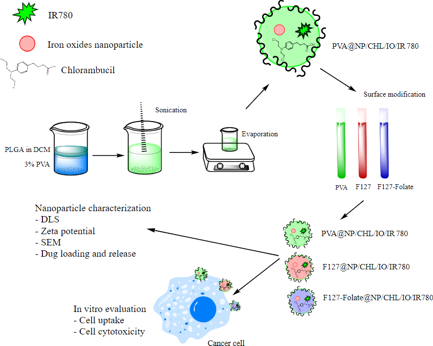
- . After 24, 48, and 72 h, the CHL levels in the NPs were significantly lower when incubated in pH 5.4 medium compared to that in pH 7.4 medium. The faster CHL drug release at pH 5.4 was due to a faster degradation of PLGA at pH 5.4 than that at pH 7.4 [30]. Targeting of nanoparticles to the cells The NPs


Development and characterization of potential larvicidal nanoemulsions against Aedes aegypti
Beilstein J. Nanotechnol. 2024, 15, 104–114, doi:10.3762/bjnano.15.10
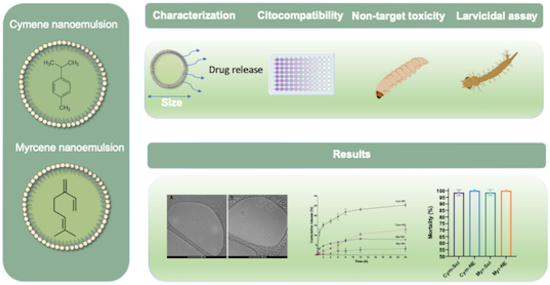
- were observed with cryo-TEM [39]. This technique is widely used to characterize the morphology of nanoemulsions and faithfully confirms the results obtained with other techniques [40]. In vitro drug release One potential advantage of using NEs is their ability to enhance drug solubility and
- ). Our results show that Cym-NE has a k value of 10.4, while Myr-NE has a k value of 3.3. A higher k value indicates faster drug release, while a lower k value indicates slower transport kinetics and, consequently, poor drug release from nanocarriers [43]. Furthermore, both Cym-NE and Myr-NE demonstrated
- a transport exponent value (n) of 0.3, indicating a release mechanism primarily driven by Fickian diffusion [44]. The free terpenes exhibited a value of 0.6, suggesting an anomalous transport mechanism for drug release. This mechanism involves a combination of diffusion and dissolution processes for


Berberine-loaded polylactic acid nanofiber scaffold as a drug delivery system: The relationship between chemical characteristics, drug-release behavior, and antibacterial efficiency
Beilstein J. Nanotechnol. 2024, 15, 71–82, doi:10.3762/bjnano.15.7
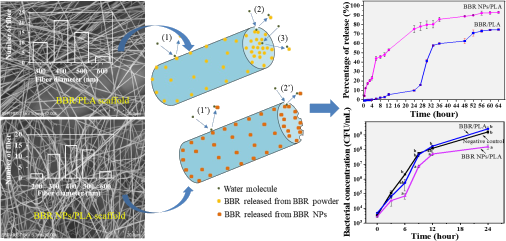
- systems, and tissue engineering, according to the requirement of BBR concentration for the desired therapeutic effects. Keywords: antibacterial activity; berberine; drug-release system; electrospun nanofiber; polylactic acid; Introduction Medicinal plants have various biologically active compounds, such
- researchers due to their unique characteristics. First, high porosity and large surface-to-volume ratio of nanofiber scaffolds give the material the potential to be exposed to the biological media for drug release. Besides, 3D nanofiber scaffolds resemble the natural extracellular matrix, promoting nutrients
- and cells to penetrate into their structure [10]. Second, high drug loading can be achieved, and the drug-release profile (i.e., prolonged, stimulus-activated, and biphasic releases) can be modulated by using different nanofiber structures (e.g., blending, core/shell, and multilayer structures) and


Curcumin-loaded nanostructured systems for treatment of leishmaniasis: a review
Beilstein J. Nanotechnol. 2024, 15, 37–50, doi:10.3762/bjnano.15.4
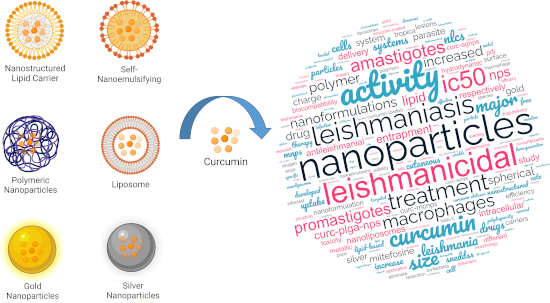
- , modified drug release, prevention of rapid metabolization, protection of photosensitive molecules, the ability to deliver multiple antileishmanial drugs that can have a synergistic effect, and increased solubility, which results in increased bioavailability. These advantages are determined by the
- impact specific drug release kinetics and increase biocompatibility [60]. Different biodegradable polymers have been used for the development of targeted PNPs for the treatment of leishmaniasis [102]. In this scenario, chitosan is an interesting polymer for NP synthesis due to its positive charge, which
- combination therapy. The authors functionalized the surface of PLGA-NPs with Eudragit L30D, a polymer that provides pH-dependent drug release and significantly improved targeted action, thus increasing the efficacy of the drug [45]. Curc-E-PLGA-NPs showed spherical morphology, with a hydrodynamic mean


Nanotechnological approaches in the treatment of schistosomiasis: an overview
Beilstein J. Nanotechnol. 2024, 15, 13–25, doi:10.3762/bjnano.15.2
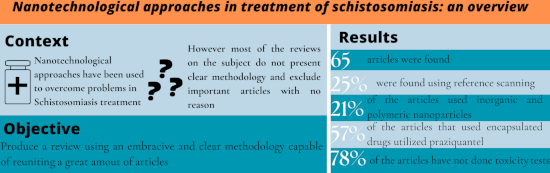
- a zero-order kinetic, that means, it constantly releases the encapsulated drug [17]. In opposition, nanospheres are matrix systems formed by polymers without a central core. During the administration, the matrix erodes and the drug diffuses, resulting in a first-order kinetic drug release, that is
- , an exponential drug release [17][20]. Our research found that many articles utilized poly(lactic-co-glycolic acid) (PLGA) and chitosan nanoparticles, especially because they are biocompatible polymers and present great biodegradability. The polymer PLGA is approved for clinical use by Food and Drug
- four weeks postinfection altered the drug release pattern in vitro, were more efficient in reducing worm burden and the amount of eggs in the gut than PZQ alone, and altered the oogram pattern with the predominant presence of dead eggs. In addition, the nanoformulation showed no relevant toxicity in in


Curcumin-loaded albumin submicron particles with potential as a cancer therapy: an in vitro study
Beilstein J. Nanotechnol. 2023, 14, 1127–1140, doi:10.3762/bjnano.14.93
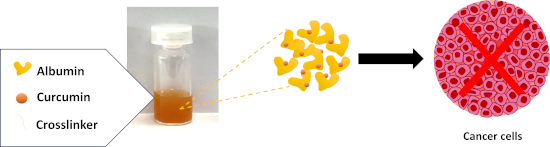
- network, which decreases and prolongs drug release [30]. In vitro interaction of HSA-MPs and CUR-HSA-MPs with cells Cytotoxicity toward tumor cells Cytotoxicity of CUR-HSA-MPs in Huh-7 and MCF-7 cancer cell lines was measured using MTT assay. Notably, HSA-MPs revealed no significant cell death among Huh-7
- to the delayed CUR release from CUR-HSA-MPs enabling long-term drug release, in contrast to the immediate availability of free CUR [40][41]. In the case of slow release rate of MPs, the available CUR concentration is reduced, allowing cells to adapt to stress conditions and thereby showing lower
- particles and tested in vitro to evaluate their effects in the treatment of tumors. The amount of CUR entrapped into protein particles was around 55% to 62%. The drug release profile of microparticles demonstrated a release of approximately 37% CUR in a mixture with 50% ethanol, while in RPMI 7% was




Antibody-conjugated nanoparticles for target-specific drug delivery of chemotherapeutics
Beilstein J. Nanotechnol. 2023, 14, 912–926, doi:10.3762/bjnano.14.75
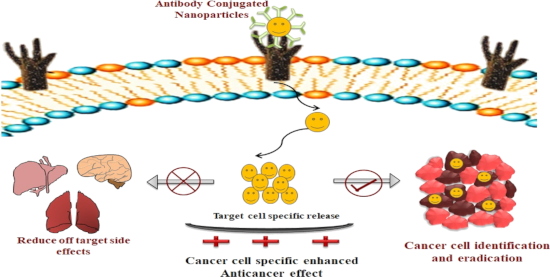
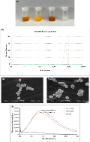
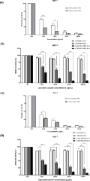
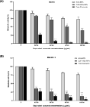
- circulation time and serum stability. Also, they enable drug release in a sustained and controlled manner [4]. Targeted delivery of drug-loaded NPs can be achieved either through passive targeting, where drugs accumulate in tumor tissues via the enhanced permeability and retention (EPR) effect, or through



Nanostructured lipid carriers containing benznidazole: physicochemical, biopharmaceutical and cellular in vitro studies
Beilstein J. Nanotechnol. 2023, 14, 804–818, doi:10.3762/bjnano.14.66
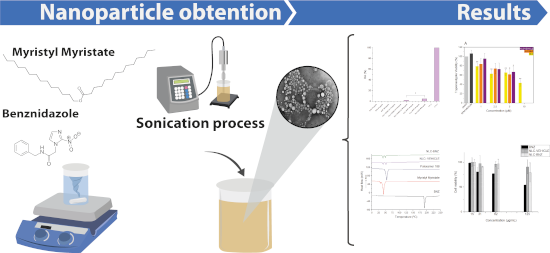
- ) and a biphasic drug release profile with an initial burst release followed by a prolonged phase. The hydrodynamic average diameter and zeta potential of NLC obtained by dynamic light scattering were approximately 150 nm and −13 mV, respectively, while spherical and well-distributed nanoparticles were
- delivering active principles [19]. SLNs comprise a lipid core, solid at 25 °C, stabilized by steric effects with a surfactant. The addition of small amounts of a liquid lipid at 25 °C leads to the improvement of SLNs in terms of sustained drug release and encapsulation efficiency (EE%), enabling the
- oscillation was 12.6 nm for both systems (Figure 7). In contrast with amphiphilic low-weight loading, BNZ is a lipophilic molecule that did not change the structure of the copolymer. Thus, it is proposed to be dissolved in the core of the lipidic nanoparticle. Drug release and physical stability The release


Polymer nanoparticles from low-energy nanoemulsions for biomedical applications
Beilstein J. Nanotechnol. 2023, 14, 339–350, doi:10.3762/bjnano.14.29
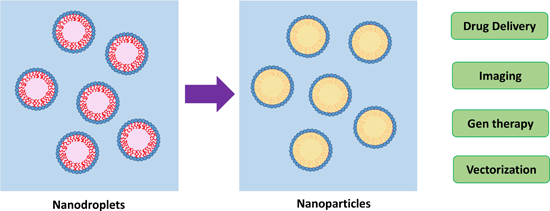
- properties, drug loading, and drug release are discussed. We highlight the utilization of ethyl cellulose, poly(lactic-co-glycolic acid), and polyurethane/polyurea in the field of nanomedicine as potential drug delivery systems. Advances are still needed to achieve better control over size distribution
- nanomedicine has yielded several relevant advancements since its beginnings in the early 2000s. The dissolution kinetics of poorly soluble drugs have been improved by the production of drug nanocrystals, enabling continuous drug release. Lipid molecular structures have been manipulated at the nanoscale to
- encapsulated in these ethyl cellulose nanoparticles by dissolving it in the hydrophobic droplet phase of the starting nanoemulsions. The drug release from the nanoparticles appeared to follow a coupled diffusion/relaxation model. Nanoemulsions containing ethyl cellulose have also been prepared at room