


Search results
Search for "drug resistance" in Full Text gives 32 result(s) in Beilstein Journal of Nanotechnology.
Frontiers in pharmaceutical nanotechnology
Beilstein J. Nanotechnol. 2019, 10, 2538–2540, doi:10.3762/bjnano.10.244

- ] to the application of nanoparticles in our fight against drug resistance [10]. But what are the frontiers of tomorrow? Recently, the Center for Drug Evaluation and Research within the United States Food and Drug Administration presented the progress in new drug applications and concluded that
Incorporation of doxorubicin in different polymer nanoparticles and their anticancer activity
Beilstein J. Nanotechnol. 2019, 10, 2062–2072, doi:10.3762/bjnano.10.201
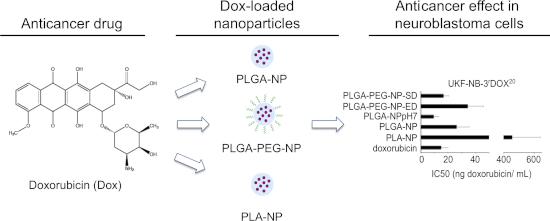
- . The expression of efflux transporters such as the ATP-binding cassette (ABC) transporter ABCB1 is an important resistance mechanism in therapy-refractory cancer cells. Drug encapsulation into nanoparticles has been shown to bypass efflux-mediated drug resistance, but there are also conflicting results
- pH-gradient method [13][14][15][16][17][18][19]. The expression of ATP-binding cassette (ABC) transporters such as ABCB1 (also known as MDR1 or P-glycoprotein/P-gp), which efflux a range of anticancer drugs, is an important drug resistance mechanism in cancer cells [20][21]. Different nano-sized drug
- shown to bypass efflux-mediated drug resistance [25]. This included various nanoparticle and liposome formulations of the ABCB1 substrate doxorubicin that were shown to modify the cellular uptake and intracellular distribution of doxorubicin resulting in enhanced effects against ABCB1-expressing cancer





Doxorubicin-loaded human serum albumin nanoparticles overcome transporter-mediated drug resistance in drug-adapted cancer cells
Beilstein J. Nanotechnol. 2019, 10, 1707–1715, doi:10.3762/bjnano.10.166
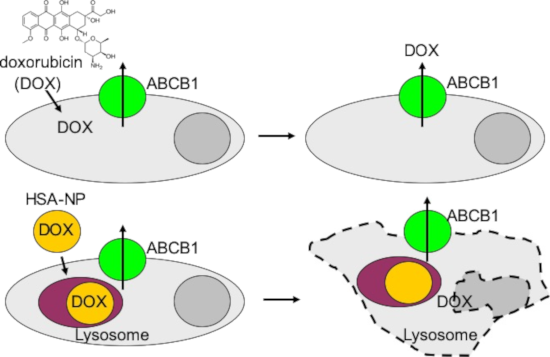
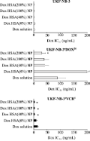
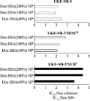
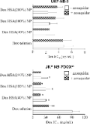
- body distribution of its many substrates including drugs, xenobiotics, and other molecules. HSA nanoparticles may provide an alternative, more specific way to overcome transporter-mediated resistance. Keywords: ABCB1; cancer; doxorubicin; drug resistance; human serum albumin; nanoparticles
- limited by therapy resistance [2][3][4]. Drug efflux mediated by transporters including adenosine triphosphate (ATP)-binding cassette (ABC) transporters has been shown to play a crucial role in cancer cell drug resistance [2][5]. ABCB1 (also known as P-glycoprotein or MDR1) seems to play a particularly
- important role in cancer cell drug resistance as a highly promiscuous transporter that mediates the cellular efflux of a wide range of structurally different substrates including many anticancer drugs. Different studies have reported that nanometer-sized drug carrier systems can bypass efflux-mediated drug


Targeting strategies for improving the efficacy of nanomedicine in oncology
Beilstein J. Nanotechnol. 2019, 10, 168–181, doi:10.3762/bjnano.10.16
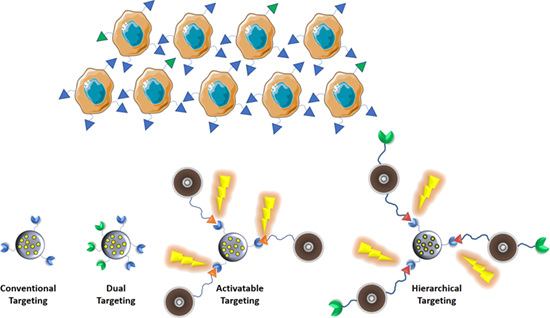
- reduction of the side effects caused by the transported drugs and also reduces the drug resistance developed through the high doses in conventional treatments [7]. Finally, it is also possible to place additional targeting moieties on the particle surface that do not bind to receptors located on the


Anticancer efficacy of a supramolecular complex of a 2-diethylaminoethyl–dextran–MMA graft copolymer and paclitaxel used as an artificial enzyme
Beilstein J. Nanotechnol. 2014, 5, 2293–2307, doi:10.3762/bjnano.5.238
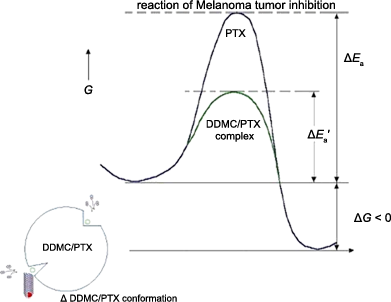
- the effectiveness of PTX alone (p < 0.036). Above all, the DDMC/PTX complex is not degraded in cells and acts as an intact supramolecular assembly, which adds a new species to the range of DDS. Keywords: artificial enzyme; diethylaminoethyl–dextran–MMA; graft copolymer; multi-drug resistance of
- modulation, was developed as a new type of anticancer drug. However, even if a patient is prescribed an anticancer agent, a cancer cell will soon change an antidrug gene, thereby increasing the power of multi-drug resistance (MDR) [10]. It can be imagined that the development of fatal MDR by a cancer cell to


PVP-coated, negatively charged silver nanoparticles: A multi-center study of their physicochemical characteristics, cell culture and in vivo experiments
Beilstein J. Nanotechnol. 2014, 5, 1944–1965, doi:10.3762/bjnano.5.205

- genotoxic effect observed in these strains, no significant increase in CA was found in the third strain V79B (Figure 12). The absence of CA in V79B is interpreted as a resistance to silver nanoparticles. Although we have not yet analyzed this phenomenon in detail, we propose that a multi-drug resistance


Near-infrared dye loaded polymeric nanoparticles for cancer imaging and therapy and cellular response after laser-induced heating
Beilstein J. Nanotechnol. 2014, 5, 313–322, doi:10.3762/bjnano.5.35
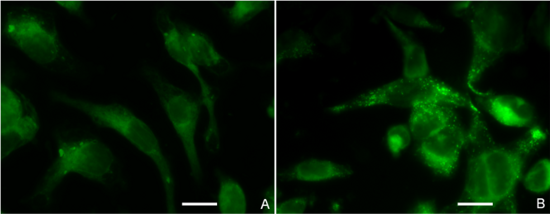
- heating modality is also able to induce up-regulation of HIF-1, and the overexpression of HIF-1 could compromise the therapeutic effect by increasing drug resistance by an up-regulation of p-glycoprotein and by reducing cancer cells drug senescence [37][38]. Our results showed that VEGF secretion was also


Other Beilstein-Institut Open Science Activities



