Search results
Search for "dye" in Full Text gives 347 result(s) in Beilstein Journal of Nanotechnology. Showing first 200.
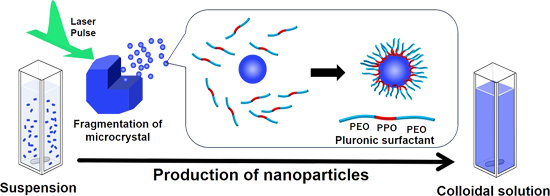
Fabrication of metal complex phthalocyanine and porphyrin nanoparticle aqueous colloids by pulsed laser fragmentation in liquid and their potential application to a photosensitizer for photodynamic therapy
Beilstein J. Nanotechnol. 2025, 16, 1088–1096, doi:10.3762/bjnano.16.80
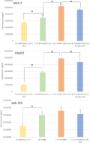
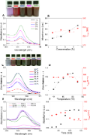
- spectra were measured after different standing times. The dye concentration in the sample was about 0.002 wt %, and the concentration of F-127 was 0.01 wt %. Photocytotoxicity The photocytotoxicity of the nanoparticles was examined according to [3][4][5][6]. The procedure in the present work is
- nanosecond pulsed laser irradiation of their microcrystalline powder in F-127 (0.1 wt %) solution at 140 mJ·cm−2. Dye concentrations were 0.020 wt % for each sample. Dispersion stability of the AlClPc nanoparticles fabricated in 0.1 wt % F-127 solution (blue triangles), in pure water without F-127 (black
- photocytotoxicity of AlClPc, ZnPc, and PtOEP nanoparticles for PC12 and HeLa cells. Cell viability with (red bar) and without (blue bar) light irradiation (500–800 nm wavelength, 35 mW·cm−2 for 10 min) after incubation with the nanoparticles for 24 h was evaluated with MTT assays. (a) PC12 cells: dye concentration


Piezoelectricity of hexagonal boron nitrides improves bone tissue generation as tested on osteoblasts
Beilstein J. Nanotechnol. 2025, 16, 1068–1081, doi:10.3762/bjnano.16.78
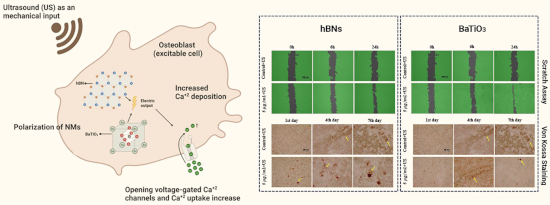
- ) colorimetric assay to determine the nontoxic concentration levels of both NMs and the impact of US exposure on viability. The oxidized form of the dye enters the cytosol when it is added to the cell culture, and it is converted to its reduced form by the mitochondrial enzyme activity of living cells [39


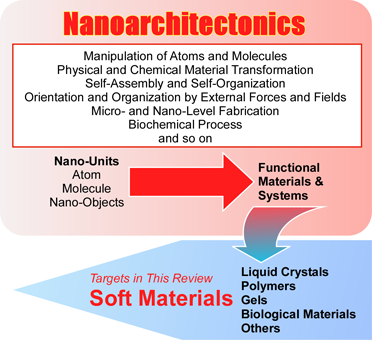
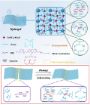
Soft materials nanoarchitectonics: liquid crystals, polymers, gels, biomaterials, and others
Beilstein J. Nanotechnol. 2025, 16, 1025–1067, doi:10.3762/bjnano.16.77




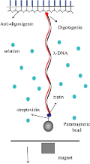


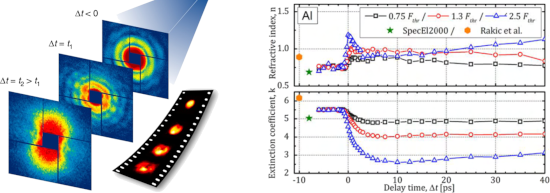
Time-resolved probing of laser-induced nanostructuring processes in liquids
Beilstein J. Nanotechnol. 2025, 16, 968–1002, doi:10.3762/bjnano.16.74


Serum heat inactivation diminishes ApoE-mediated uptake of D-Lin-MC3-DMA lipid nanoparticles
Beilstein J. Nanotechnol. 2025, 16, 740–748, doi:10.3762/bjnano.16.57
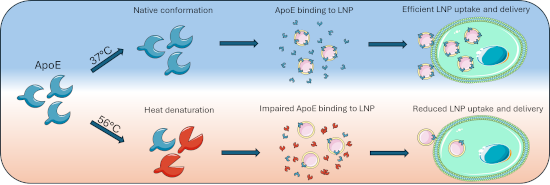
- probed with ThT, a dye that increases in fluorescence after it binds to aggregated or misfolded protein [32] (Figure 2A). Bovine serum albumin was used as a control protein as it is a major component of serum and known to be relatively heat resistant. No increase in fluorescence was seen between ApoE3


Efficiency of single-pulse laser fragmentation of organic nutraceutical dispersions in a circular jet flow-through reactor
Beilstein J. Nanotechnol. 2025, 16, 711–727, doi:10.3762/bjnano.16.55
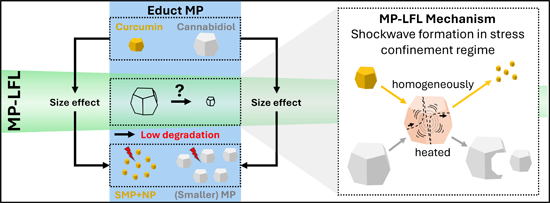
- generated using nanosecond IR lasers [41]. A direct size comparison of naproxen and fenofibrate particles generated by nanosecond and femtosecond lasers showed that shorter pulse durations favor the generation of smaller NPs, analogous to the dye studies described above. However, in addition to laser


Engineered PEG–PCL nanoparticles enable sensitive and selective detection of sodium dodecyl sulfate: a qualitative and quantitative analysis
Beilstein J. Nanotechnol. 2025, 16, 385–396, doi:10.3762/bjnano.16.29
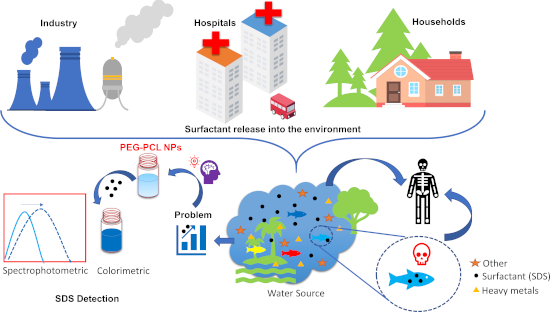
- hydrophobic PCL [34]. The positive charge on the G-250 dye or the Bradford reagent can form ionic interactions with PEG–PCL NPs due to their negative surface charge, which is confirmed through the zeta potential. We also observed when the PEG–PCL nanoparticle concentrations decreased from 10 to 0.005 mg/mL
- SDS using PEG–PCL NPs [35][36]. SDS is an anionic surfactant with a negative charge, while the Coomassie Brilliant Blue G-250 dye in the Bradford reagent carries a positive charge. In addition, PEG–PCL NPs adsorbed the Bradford reagent and produced a plasmonic peak. The absorbance peak in PEG–PCL NPs
- is due to the interaction with the Bradford reagent, which is further used for the detection of SDS via electrostatic interaction. An ionic interaction occurs when the negatively charged SDS molecules come into contact with the PEG–PCL absorbed with positively charged G-250 dye (from the Bradford


Graphene oxide–chloroquine conjugate induces DNA damage in A549 lung cancer cells through autophagy modulation
Beilstein J. Nanotechnol. 2025, 16, 316–332, doi:10.3762/bjnano.16.24
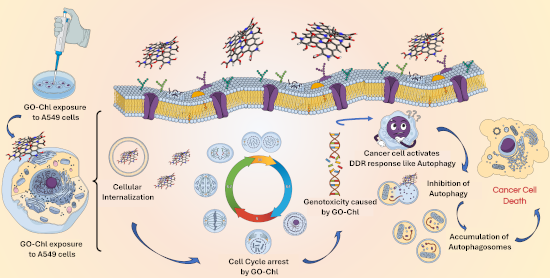
- analysis using the TecnaiTM G2 Spirit (FEI Company, Eindhoven, Netherlands) instrument at an accelerating voltage of 80 kV equipped with a Gatan camera. Propidium iodide uptake analysis Propidium iodide (PI), a positively charged nucleic acid dye, specifically exhibits fluorescence after binding with DNA
- with 1× PBS, harvested using 0.25% trypsin, and centrifuged at 1000 rpm for 10 min to remove excess GO–Chl nanoconjugates. Furthermore, cells were resuspended in 100 μL of 1× PBS and incubated with the PI dye (stock: 1 mg/mL; working solution: 2 μL/100 μL) for 10 min at room temperature in the dark
- of PI dye (1 mg/mL) and stored at 4 °C until analysis using flow cytometry. Three independent experiments were performed for each group. Values represent mean ± SE of three independent experiments. A value of p < 0.05 (*) was considered statistically significant. Comet assay/single-cell gel



Fabrication and evaluation of BerNPs regarding the growth and development of Streptococcus mutans
Beilstein J. Nanotechnol. 2025, 16, 308–315, doi:10.3762/bjnano.16.23
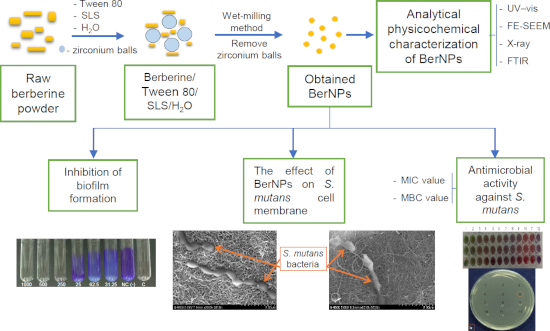
- were removed from the tubes, and the test tubes were washed twice with sterile distilled water. Then, 3 mL of 1% crystal violet (Merck, Germany) was added to each tube. After 20 min, the dye solution was discarded, and the tubes were washed twice with sterile distilled water. Biofilm formation was




Synthesis and the impact of hydroxyapatite nanoparticles on the viability and activity of rhizobacteria
Beilstein J. Nanotechnol. 2025, 16, 216–228, doi:10.3762/bjnano.16.17
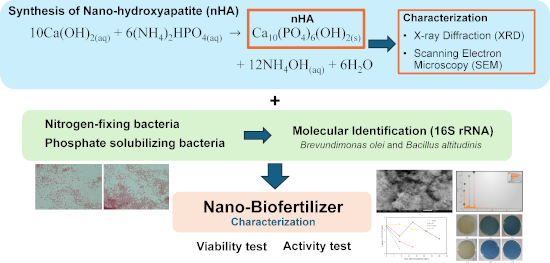
- using a UV transilluminator. The purified DNA fragments were used as templates in sequence analysis. The PCR products of the 16S rDNA were labeled using the Big Dye Terminator Reaction Mixture Sequencing KIT from Perkin Elmer. The sequencing process was carried out by First Base and further analyzed


Recent advances in photothermal nanomaterials for ophthalmic applications
Beilstein J. Nanotechnol. 2025, 16, 195–215, doi:10.3762/bjnano.16.16
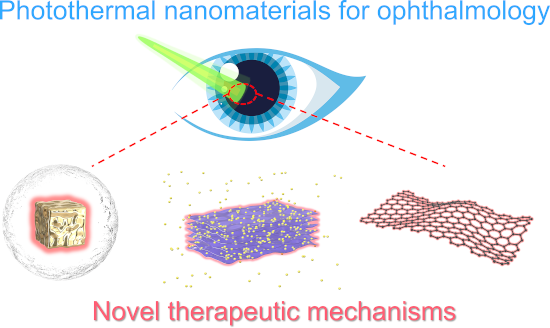
- aggregates in the vitreous. This method provides a safer and more effective approach for treating opacities near the retina (Figure 4b). Compared with HA-AuNPs (10 nm) that absorb light near 520 nm, the light absorption of the organic dye ICG mainly occurs in the NIR region, with less absorption of NIR by


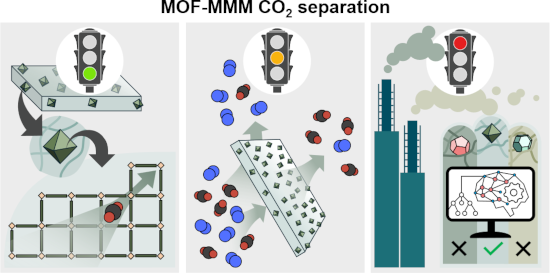
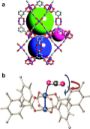
A review of metal-organic frameworks and polymers in mixed matrix membranes for CO2 capture
Beilstein J. Nanotechnol. 2025, 16, 155–186, doi:10.3762/bjnano.16.14





Clays enhanced with niobium: potential in wastewater treatment and reuse as pigment with antibacterial activity
Beilstein J. Nanotechnol. 2025, 16, 141–154, doi:10.3762/bjnano.16.13
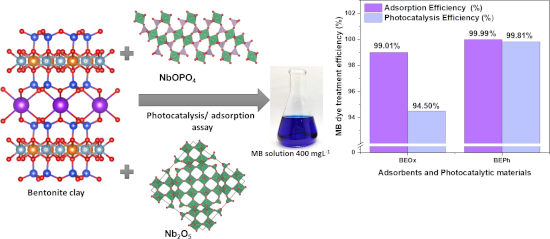
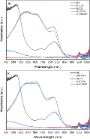
- /bjnano.16.13 Abstract Bentonite clay sourced from the Guarapuava region, Brazil, was modified with niobium oxide (BEOx) and niobium phosphate (BEPh) to act as an adsorbent and photocatalyst in the remediation of wastewater containing methylene blue (MB) dye. Additionally, colored materials were evaluated
- photocatalysts for treating solutions containing the MB dye (400 mg·L−1) at 25 °C. The results showed adsorption and photocatalysis efficiency above 94% for both samples. The blue-colored BEOx and BEPh samples were then applied as a hybrid pigment. The power pigment and its dispersion in colorless paint were
- ; Introduction The most found dye pollutants in wastewater on a global scale originate from textile, plastic, paper, food, cosmetics, mineral, and pharmaceutical industries, among others, resulting in significant environmental impacts [1]. Dyes, as chemical compounds that impart color to different materials



Comparison of organic and inorganic hole transport layers in double perovskite material-based solar cell
Beilstein J. Nanotechnol. 2025, 16, 119–127, doi:10.3762/bjnano.16.11
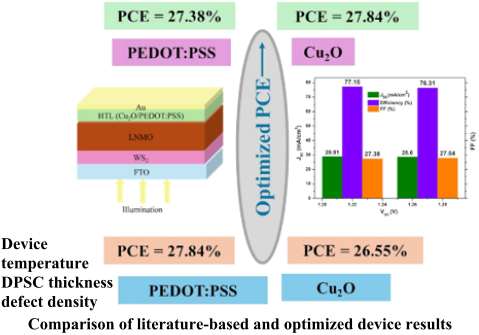
- Karapinar [2] fabricated a dye-sensitized solar cell (DSSC) with selenium@activated carbon (Se@AC) composites as an alternative to the Pt counter electrode (CE) via chemical activation. The fabricated DSSC showed a power conversion efficiency (PCE) of 5.67%, an open-circuit voltage (VOC) of 0.648 V, a short


Characterization of ZnO nanoparticles synthesized using probiotic Lactiplantibacillus plantarum GP258
Beilstein J. Nanotechnol. 2025, 16, 78–89, doi:10.3762/bjnano.16.8
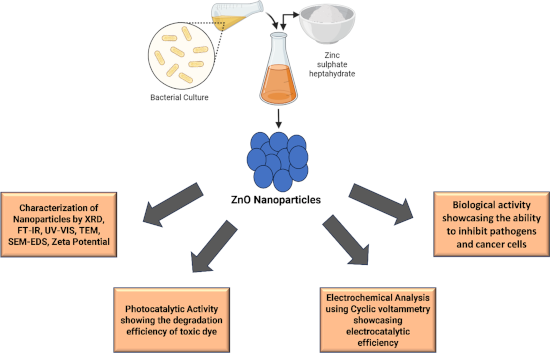
- electronic transition, making them suitable for further applications in photocatalysis, electronics, and optoelectronics. Photocatalytic study ZnO NPs were utilized in a photocatalytic degradation test to reduce the concentration of the harmful dye methylene blue (MB). A solution containing 20 mg of ZnO NP
- photocatalyst and 20 ppm of MB dye was exposed to UV light in order to initiate photodegradation. Measurements were taken at 15 min intervals to track the reduction in MB dye concentration. UV–visible spectrophotometry was used to measure the absorbance at 663 nm. Under UV irradiation, the photodegradation of
- MB dye progressed with time and yielded 95% degradation under 120 min. The process involved in dye degradation is exciting electrons and generating holes in the semiconductor. The produced electrons form superoxide radicals (•O2−) by reacting with O2, while holes react with water (H2O) molecules to



The round-robin approach applied to nanoinformatics: consensus prediction of nanomaterials zeta potential
Beilstein J. Nanotechnol. 2024, 15, 1536–1553, doi:10.3762/bjnano.15.121
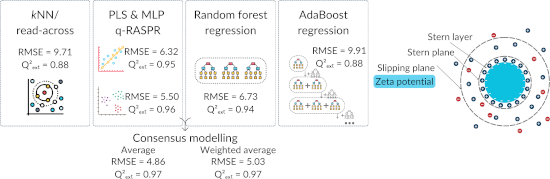
- -across and QSPR, has been recently introduced and applied to the prediction of NM cytotoxicity [44], power conversion efficiency of organic dyes in dye-sensitized solar cells [45][46], detonation heat for nitrogen containing compounds [47], and to the prediction of surface area of perovskite materials


Lithium niobate on insulator: an emerging nanophotonic crystal for optimized light control
Beilstein J. Nanotechnol. 2024, 15, 1415–1426, doi:10.3762/bjnano.15.114
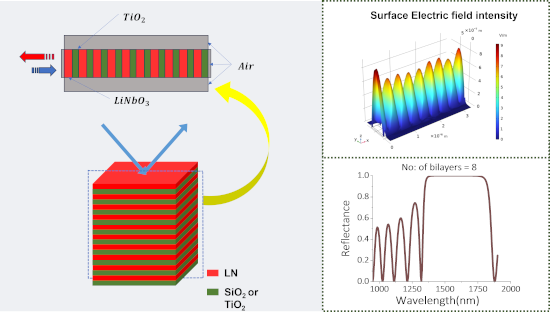
- challenging due to its ultrafast nature. In 2022, Quach et al. presented an innovative model of a quantum battery [37]. This device comprises a DBR structure-based microcavity that encloses an organic semiconductor molecular dye, named Lumogen-Forange (LFO). The DBRs comprised 10 bilayers of SiO2/Nb2O5 in the


Various CVD-grown ZnO nanostructures for nanodevices and interdisciplinary applications
Beilstein J. Nanotechnol. 2024, 15, 1390–1399, doi:10.3762/bjnano.15.112
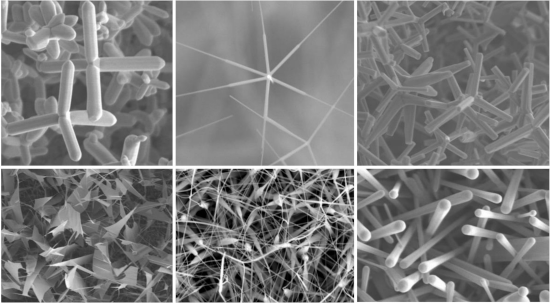
- ], radio-frequency magnetron sputtering [47], pulsed laser ablation [48], and electrodeposition methods [49]. They have many application potentials in dye-sensitized solar cells [46], self-powered energy-harvesting devices [47], photocatalysts [48], and turbid lenses [50]. It has been suggested that the



Nanoarchitectonics with cetrimonium bromide on metal nanoparticles for linker-free detection of toxic metal ions and catalytic degradation of 4-nitrophenol
Beilstein J. Nanotechnol. 2024, 15, 1312–1332, doi:10.3762/bjnano.15.106
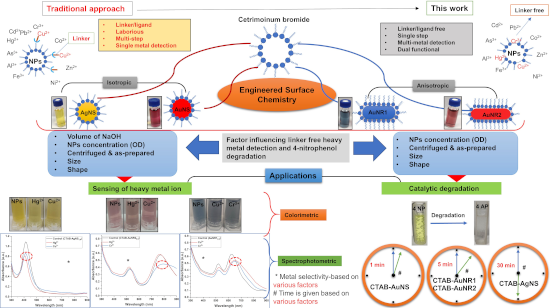
- [15]. Besides heavy metals, 4-nitrophenol is widely used for dye synthesis, insecticides and pesticides, indicators, and photographic chemicals [16]. Regarding the use of 4-nitrophenol, there are several toxicity concerns via different exposure routes, including dermal, oral, and inhalation [17




Dual-functionalized architecture enables stable and tumor cell-specific SiO2NPs in complex biological fluids
Beilstein J. Nanotechnol. 2024, 15, 1238–1252, doi:10.3762/bjnano.15.100
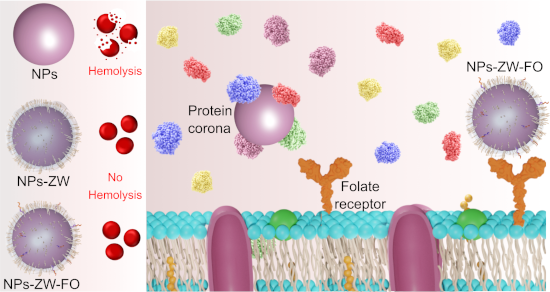
- , resistivity of 18.2 MΩ·cm–1). Synthesis of rhodamine-labeled SiO2NPs (SiO2NPs) The synthesis of rhodamine-labeled SiO2NPs was similar to the protocol proposed by the group [27]. The dye precursor was synthesized by conjugation of the isothiocyanate group of rhodamine B isothiocyanate to APTES at a molar ratio
- of 50:1 (dye: APTES) in absolute ethanol under nitrogen. The resulting solution was continuously stirred for 24 h. The conjugate was then hydrolyzed in a basic ethanolic solution with TEOS and catalyzed by ammonia. In summary, the dye precursor (0.1 mL) was added to ethanol (120.0 mL), TEOS (2.0 mL


Enhanced catalytic reduction through in situ synthesized gold nanoparticles embedded in glucosamine/alginate nanocomposites
Beilstein J. Nanotechnol. 2024, 15, 1227–1237, doi:10.3762/bjnano.15.99
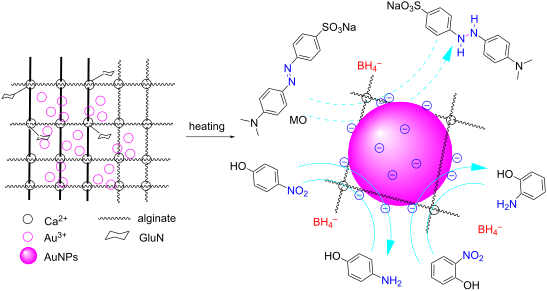
- of dyes, such as 4-nitrophenol (4-NiP) to harmless 4-aminophenol, a precursor for the synthesis of drugs like paracetamol and phenacetin, shows promise for producing dyes, cosmetics, and pharmaceuticals [27]. Plasmonic MNPs enhance catalytic performance by absorbing both dye molecules and BH4− ions
- , offering a potent solution for dye remediation [28]. In our ongoing research, we synthesized for the first time AuNPs using GluN molecules, serving as both interaction agents to cross-link Ca-Alg gelispheres and reducing agents, thereby providing a novel material for the stabilization of AuNPs. The
- , respectively. The rate constant was derived from the slope of the plots of ln(Ct/C0) as function of the reaction time [29][30][31]. To assess the reusability of AuNPs@GluN/Alg, we carried out the dye reduction process re-using the nanocomposite. Following each run, the nanocomposite was recovered from the



Realizing active targeting in cancer nanomedicine with ultrasmall nanoparticles
Beilstein J. Nanotechnol. 2024, 15, 1208–1226, doi:10.3762/bjnano.15.98
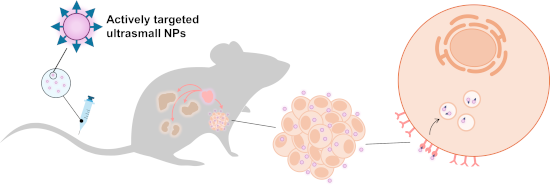
- radiotherapy and delaying tumor growth (Figure 4C–E). Chen et al. designed dye-labeled (Cy5) and radioiodinated (124I or 131I) C’ dots for dual-modality NIR optical and positron emission tomography (PET) tumor imaging. Furthermore, the particles contained the cRGDY peptide for the targeting of αvβ3-positive
- -infrared (NIR) dye MPA. Tumor-bearing mice were employed to assess the tumor specificity of AuNC-MPA, AuNC-MPA-cRGD, and AuNC-MPA-cRGD-AS1411 using in vivo NIR fluorescence imaging. Both targeted AuNCs accumulated in the tumor, while the control AuNC-MPA showed negligible accumulation. However, the


Unveiling the potential of alginate-based nanomaterials in sensing technology and smart delivery applications
Beilstein J. Nanotechnol. 2024, 15, 1077–1104, doi:10.3762/bjnano.15.88


Effect of wavelength and liquid on formation of Ag, Au, Ag/Au nanoparticles via picosecond laser ablation and SERS-based detection of DMMP
Beilstein J. Nanotechnol. 2024, 15, 1054–1069, doi:10.3762/bjnano.15.86

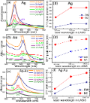
- substrates is the central aspect of the sensing field because of its simple sample collection from any rough surface [36][40]. Filter paper (FP) SERS substrates are rigorously investigated for the detection of hazardous dye molecules such as crystal violet (CV) and malachite green (MG) on fish [41


Therapeutic effect of F127-folate@PLGA/CHL/IR780 nanoparticles on folate receptor-expressing cancer cells
Beilstein J. Nanotechnol. 2024, 15, 954–964, doi:10.3762/bjnano.15.78
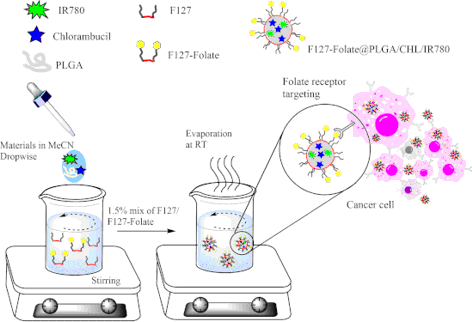
- fluorescent dye used to visualize particle location using infrared light [25]. Researchers have also found that F127-folate helps the nanoparticle to penetrate cancer cells through the folate receptor. This makes the treatment work better [12][13][14][34][35][36][37]. Our nanoparticles were also modified with
- and treatment. The term is not new to nanoscience, but it is always preferable to create a drug carrier that serves both goals; that was also the aim of the nanoparticle design in our study. In our study, the imaging agent is the near-infrared fluorescent dye IR780, while the treatment medication is