


Search results
Search for "efficiency" in Full Text gives 1038 result(s) in Beilstein Journal of Nanotechnology. Showing first 200.
Synthesis of Cu–Mo/TiO2 and Co–Mo/TiO2 photocatalysts for the efficient degradation of organic pollutants in water
Beilstein J. Nanotechnol. 2026, 17, 559–570, doi:10.3762/bjnano.17.37
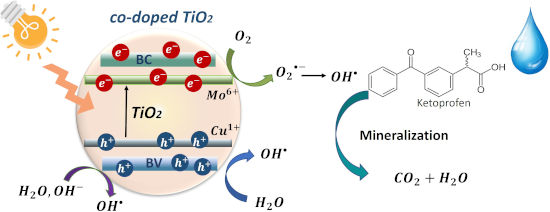
- the optical bandgap, broaden the light absorption range, and enhance the quantum efficiency [4]. However, the partially occupied impurity states generated can act as recombination centers for photoexcited carriers, leading to band-to-band recombination [3]. To prevent charge recombination effects, the
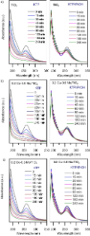
- pollutants. The significant reduction in the bandgap energy as a result of copper incorporation is an effect previously reported in the literature as the introduction of Cu ions generates d orbitals below the conduction band, which reduces the bandgap energy [33][34]. To assess the efficiency of the
- catalytic efficiency towards different organic contaminant molecules [5]. The photochemical degradation of ketoprofen was previously reported [23] to result in a small decrease in the total organic carbon (TOC) content. TOC content remained almost constant for several hours, and only 12% of mineralization



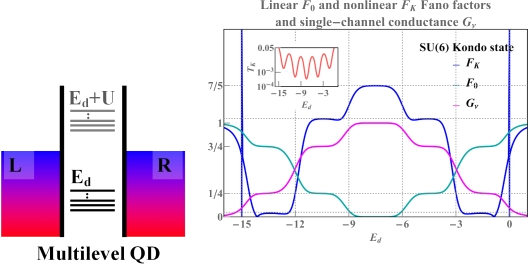
Fractional shot noise of an SU(N) Kondo system
Beilstein J. Nanotechnol. 2026, 17, 515–540, doi:10.3762/bjnano.17.34


![[Graphic 127]](/bjnano/content/inline/2190-4286-17-34-i187.svg?max-width=637&scale=1.18182)

Probing internal continua and atomic ultrafast charge transfer within size-controlled nanoparticles by post-collision interaction in core-hole clock spectroscopy
Beilstein J. Nanotechnol. 2026, 17, 505–514, doi:10.3762/bjnano.17.33
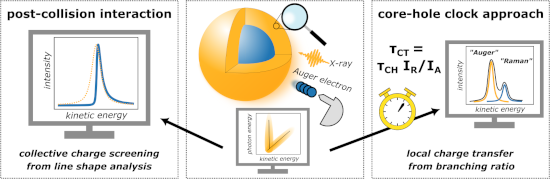
- photoluminescence quantum yield or RedOx chemistry, depend on a complex interplay of local and collective electronic structure aspects [10]. For example, quantum efficiency is strongly influenced by surface structure [11], the fabrication of core–shell and core–multishell architectures [12][13], and the choice of



Upcycling agroindustrial waste into graphene oxide supports for gold nanoparticles: toward sustainable nanomaterials
Beilstein J. Nanotechnol. 2026, 17, 489–504, doi:10.3762/bjnano.17.32
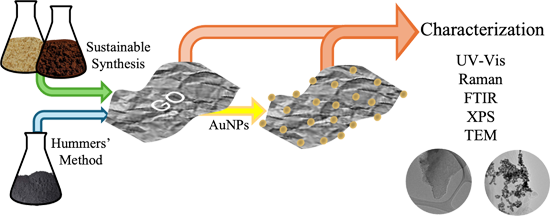
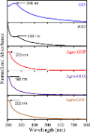
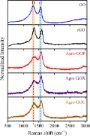
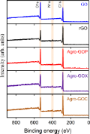
- performance in targeted applications. In addition to the physicochemical characterization, the AuNPs@Agro-GO composites exhibit considerable potential for environmentally oriented technological applications. AuNPs supported on graphene oxide have demonstrated high catalytic efficiency in the reduction of

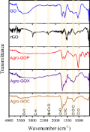
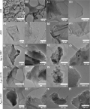
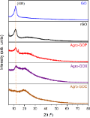

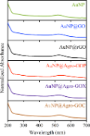

Defects and defect-mediated engineering of two-dimensional materials: challenges and open questions
Beilstein J. Nanotechnol. 2026, 17, 454–488, doi:10.3762/bjnano.17.31
- detection of the inelastic contribution. On the one hand, the small energy scale of at most a few millielectronvolts requires very low temperatures; on the other hand, the change in conductance depends on the excitation efficiency and the density of states at the Fermi level. Hence, detection of magnetic





Nanocarrier-integrated multilayer films produced by 3D printing for improved skin adhesion and curcumin photostability
Beilstein J. Nanotechnol. 2026, 17, 440–453, doi:10.3762/bjnano.17.30
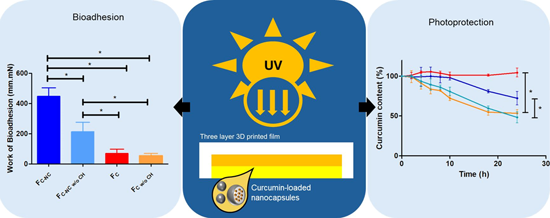
- efficiency. Films were fabricated containing either C-NCs (FC-NC) or unloaded curcumin (FC) and consisted of three layers, namely, a chitosan-based bottom layer, a middle layer of carboxymethylcellulose and alginate, and a carboxymethylcellulose top layer incorporating titanium dioxide (TiO2). The lower and
- the initial concentration of the nanocapsule suspension, V1 is the volume of the nanocapsule suspension that was used, and V2 is the final volume of the sample. Curcumin content and encapsulation efficiency The curcumin content was assayed by high-performance liquid chromatography with ultraviolet
- extraction with acetonitrile for 20 min, followed by filtration through a 0.45 µm membrane (Millipore®) prior to HPLC analysis. All analytical procedures were performed under dark conditions to protect the samples from light. Encapsulation efficiency was determined using an ultrafiltration–centrifugation


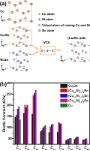
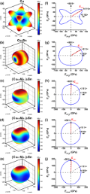
First-principles study on elastic properties of Cu, (Cu1−x,Nix)3Sn and interfacial mechanical properties of (Cu1−x,Nix)3Sn/Cu in the lead-free solder joint
Beilstein J. Nanotechnol. 2026, 17, 428–439, doi:10.3762/bjnano.17.29
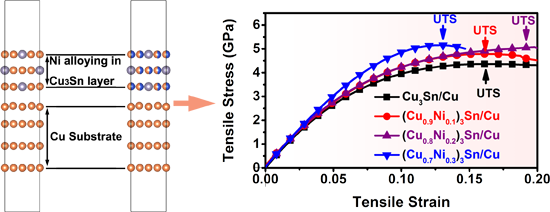
- efficiency without losing the accuracy by reducing the model size of the alloy systems. Considering the phase stability of (CuxNi1−x)3Sn [22], the content of Ni was set within the range from 0 to 30 atom %. As far as the calculations of the structure optimizations and elastic properties are concerned, a


Nanoinformatics: spanning scales, systems and solutions
Beilstein J. Nanotechnol. 2026, 17, 423–427, doi:10.3762/bjnano.17.28

- /features governing the cellular uptake were analysed as a basis for programming higher cellular uptake efficiency and better therapeutic response [9]. He et al. used additive AI-based approaches to identify nanoparticle systems for delivering drugs to treat neurodegenerative diseases. Their method

Biomimetic nanoparticles in cancer photodynamic therapy: a review of targeted delivery systems and therapeutic outcomes
Beilstein J. Nanotechnol. 2026, 17, 396–422, doi:10.3762/bjnano.17.27
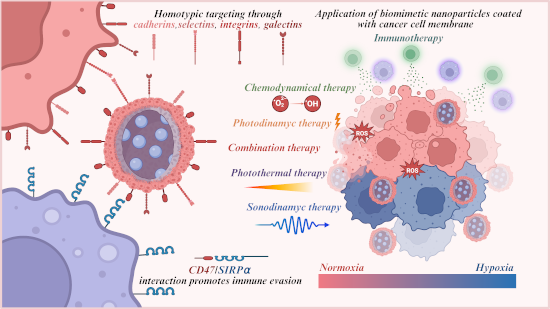
- maintaining sterility, especially for BNPs derived from bacterial membranes [60]. Heterogeneous coverage can affect nanoparticle stability and drug delivery efficiency, while purification processes must effectively separate fully coated particles from impurities. For bacterial membrane-based BNPs, thorough
- significantly enhances the delivery efficiency of PSs compared to conventional nanocarriers [78]. Passive targeting primarily exploits EPR effect, a pathophysiological feature of many solid tumors characterized by leaky vasculature and impaired lymphatic drainage [79][80]. BNPs amplify passive accumulation
- release due to disruption of the membrane integrity [110]. Similar to other nanodelivery systems, a wide variety of surface functionalization strategies have emerged to enhance targeting efficiency in BNPs. In a 2022 study, a sophisticated biomimetic system was developed comprising paclitaxel nanocrystals


Eco-efficient materials for agricultural crops based on a mineral rich in MOR- and HEU-type zeolites
Beilstein J. Nanotechnol. 2026, 17, 381–395, doi:10.3762/bjnano.17.26
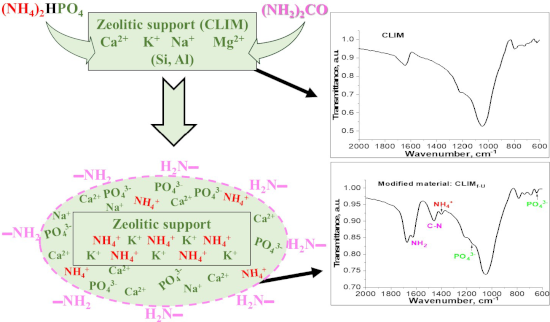
- increased nutrient utilization efficiency [3][4]. Several studies report improved growth, yield, and protection against pests and diseases in a wide range of agronomic and horticultural crops when zeolitic minerals are applied [10][11]. Also, native cations present in zeolites (Na+, K+, Ca2+, Mg2+) can be




Interconnection morphology effects on the radio frequency response of carbon nanotube sponges
Beilstein J. Nanotechnol. 2026, 17, 343–351, doi:10.3762/bjnano.17.23
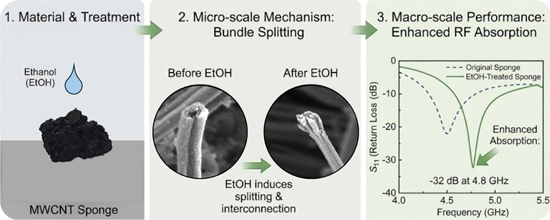
- conductors is not appreciable. Interesting results have been found for shear-aligned CNT films, which showed a radiation efficiency of 94% at 10 and 14 GHz, comparable to copper antennas [18]. Threads made of twisted bundles of as-grown CNTs worked as dipole antennas resonating at 2.45 GHz [6]. A recent
- study on SWCNT antennas built on flexible substrates measured slight changes in the radiation efficiency gain from 80.0% for flat to 83.7% for bent configurations, demonstrating that CNTs are suitable for applications requiring non-standard shapes and surfaces [13]. MWCNTs possess larger physical
- space. The response registered from the untreated CNS shows a gain of 7 dBm; directly after ethanol treatment, the gain improved to 10 dBm, and to 13 dBm after 5 min. This result validates the S11-derived efficiency enhancements found. The trend was confirmed for the distance of (7.0 ± 0.1) × 10−1 m in



Beam shaping techniques for pulsed laser ablation in liquids: Unlocking tunable control of nanoparticle synthesis in liquids
Beilstein J. Nanotechnol. 2026, 17, 309–342, doi:10.3762/bjnano.17.22
- efficiency, throughput, and colloid stability. Therefore, optimising ablation conditions (e.g., using high-repetition-rate lasers, flow-through cells, and improved cavitation management) will be critical for enabling commercially viable production [94]. One promising strategy to overcome these limitations
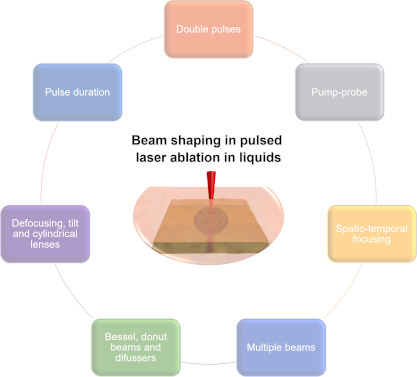
- involves controlling the spatial and temporal profiles of the laser beam. Spatial beam shaping allows for fine adjustment of energy distribution on the target, influencing ablation efficiency and NP uniformity. Figure 3 provides an overview of representative approaches and the corresponding beam profiles
- unlocking the potential of PLAL. Spatial and temporal beam shaping in material processing The spatial focusing of the laser beam on the sample directly influences the ablation efficiency and the quality of the produced NPs. The most widely used PLAL system in different laboratories around the world consists







Fast vortex dynamics and relaxation times in NbRe-based heterostructures
Beilstein J. Nanotechnol. 2026, 17, 292–302, doi:10.3762/bjnano.17.20
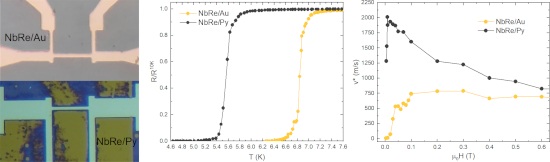
- ]. In classical, low-Tc superconductors, the dominant relaxation channel is provided by e–ph scattering events [17], while in high-Tc superconductors the situation is reversed, with e–e recombination playing a major role in energy relaxation [18]. The efficiency of these processes and the value of τE


Advancing nanolithography: a comprehensive review of materials for local anodic oxidation with AFM
Beilstein J. Nanotechnol. 2026, 17, 275–291, doi:10.3762/bjnano.17.19
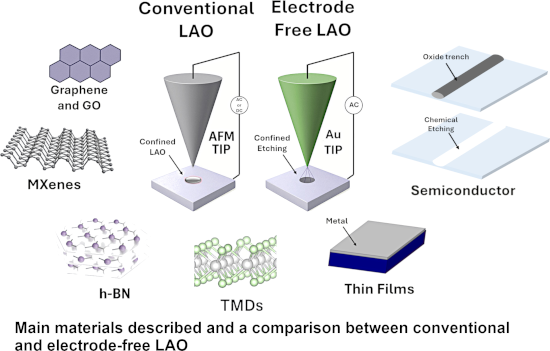
- morphologically and chemically degrades; therefore, the choice of tip material (e.g., n+-doped silicon, metal coating, or solid alloy) affects oxidation efficiency, with solid tips performing better than coated tips in terms of durability. Tip shape and sharpness play also a crucial role as a main regulator of
- effects. For comparison, it is worth mentioning the non-oxidative SPL technique FEL [57], which has recently proven its efficiency and reliability. It exploits a Fowler–Nordheim-type emission of low-energy electrons from a conductive AFM tip. This beam of low-energy electrons can induce highly confined


Comparative study on 3D morphologies of delignified, single tracheids and fibers of five wood species
Beilstein J. Nanotechnol. 2026, 17, 239–250, doi:10.3762/bjnano.17.16
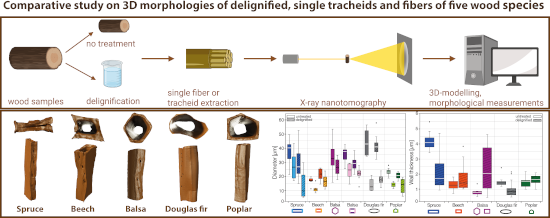
- enhance water transport efficiency during growth seasons, enabling the trees to support rapid growth. Conversely, narrower lumina in latewood provide superior mechanical support during periods of reduced growth, ensuring structural stability. However, across the five species studied here, the hardwood


Gold nanoparticle-decorated reduced graphene oxide as a highly effective catalyst for the selective α,β-dehydrogenation of N-alkyl-4-piperidones
Beilstein J. Nanotechnol. 2026, 17, 218–238, doi:10.3762/bjnano.17.15
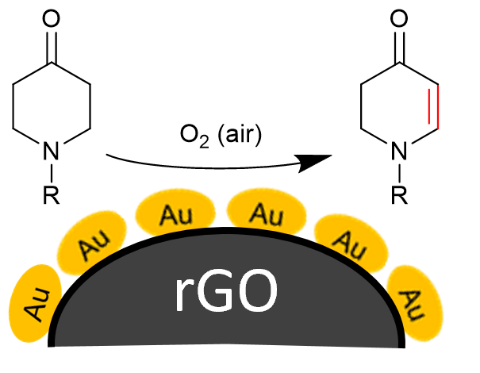
- facilitate charge transfer between the metal and the support, enhancing the activation of molecular oxygen and promoting the oxidative dehydrogenation (ODH) pathway. This synergistic interaction should not only improve the intrinsic catalytic activity but also allow the catalyst to achieve high efficiency
- , which have an impact on the dispersion of metal nanoparticles and the overall efficiency of the catalytic process, the presence and distribution of functional groups is also a crucial factor in the choice of the carbon support. Several studies have demonstrated that the amount of surface oxygen
- that promote strong metal–support interaction, ensuring excellent nanoparticle dispersion and catalyst stability. Catalytic test of the carbon-supported AuNPs To evaluate the efficiency of the synthesized AuNP–carbon composites, we selected the relevant oxidative dehydrogenation of N-methyl-, N-ethyl


Structure-dependent thermochromism of PAZO thin films: theory and experiment
Beilstein J. Nanotechnol. 2026, 17, 186–199, doi:10.3762/bjnano.17.12
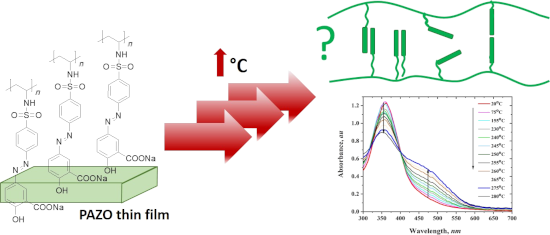
- characteristics under illumination at 444 nm, while the thermally treated sample shows better absorption efficiency under illumination at 532 nm. Birefringence (∆n) before and after thermal treatment For the measurement of ∆n at 444 and 532 nm, we prepared different samples with the thicknesses in the range of
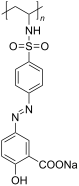
- with enhanced efficiency or expanded surface coverage. Density functional theory modeling PAZO is a polymer with azobenzene units incorporated as pendant groups attached to the main polymer backbone (Figure 6A). The core of PAZO polymer side chains is the azobenzene fragment (Ar–N=N–Ar), which can


Safe and sustainable by design with ML/AI: A transformative approach to advancing nanotechnology
Beilstein J. Nanotechnol. 2026, 17, 176–185, doi:10.3762/bjnano.17.11
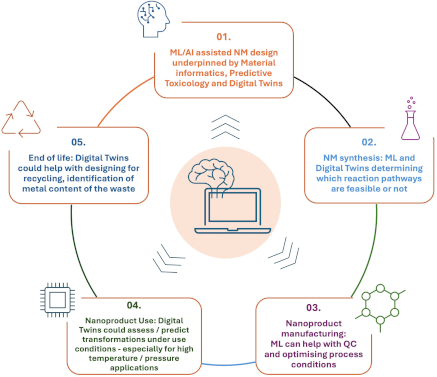
- efficiency. From advanced drug delivery systems to clean energy solutions, the applications of nanotechnology are diverse and transformative. However, these innovations are accompanied by complex challenges regarding safety and sustainability for both the nanoscale materials themselves and for the products
- macroscopic properties such as catalytic efficiency, biocompatibility, or environmental persistence. This synergy not only speeds up the discovery process but also allows for continuous refinement of computational models as new data emerge from iterative experimental validation. Moreover, inverse design


From shield to spear: Charge-reversible nanocarriers in overcoming cancer therapy barriers
Beilstein J. Nanotechnol. 2026, 17, 159–175, doi:10.3762/bjnano.17.10
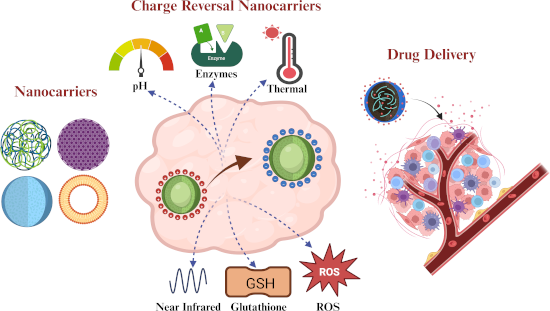
- therapeutic value. It also explores existing challenges and prospects to advance their translation into clinical cancer treatments. 2 Concept of charge-reversible nanocarriers Surface charge plays a vital role in the efficiency and functionality of nanocarriers used for drug delivery [13]. Among various
- enhances cellular uptake by facilitating better interaction with the negatively charged cell membrane, improving drug delivery efficiency [45]. For example, nanoparticles engineered with pH-responsive polymers facilitate the controlled release of therapeutic agents specifically within the acidic tumour
- bonds and functional groups that enable charge reversal, a strategy that significantly improves cellular interaction and drug delivery efficiency in tumour environments. Additionally, it should be noted that, unlike pH-responsive charge reversal, which is reversible due to protonation and deprotonation


Influence of surface characteristics on the in vitro stability and cell uptake of nanoliposomes for brain delivery
Beilstein J. Nanotechnol. 2026, 17, 139–158, doi:10.3762/bjnano.17.9
- therapeutic outcomes [3][5]. Namely, current research on NLs predominantly focuses on their physicochemical characteristics and efficiency, but minimal attention has been given to understanding the nano–bio interactions at organ and cellular levels. When exposed to biological fluids, nanodelivery systems like
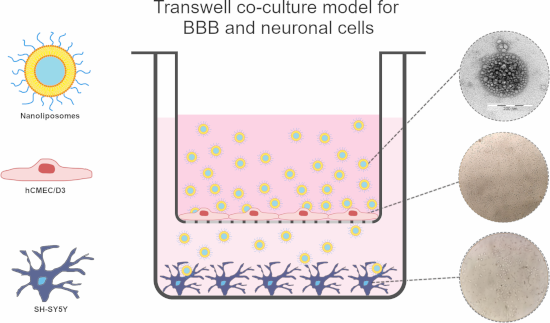
- endothelial monolayer integrity and permeability of hCMEC/D3 and SH-SY5Y in order to accurately simulate NLs uptake across the BBB and to obtain accurate representation of neuronal uptake mechanisms [14]. Other factors playing a key role in maximization of the uptake efficiency and prevention of saturation or
- nanovesicles with diameter >200 nm, and also, have better encapsulation efficiency than liposomes <100 nm [20]. On the other hand, in the study of Nowak et al. [21] it was confirmed that spherical particles around 120 nm associate with the endothelium approximately 30‐fold more than 200 nm particles, which is





Capabilities of the 3D-MLSI software tool in superconducting neuron design
Beilstein J. Nanotechnol. 2026, 17, 122–138, doi:10.3762/bjnano.17.8

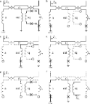
- control line CL and carries the same control current in the opposite direction. This allows for localization of the circulating currents between CL and CL*, diminishing their effect on other elements. However, this method could not be tested in the present work due to the high efficiency of the previous
- with varying ahb at a fixed ah = 2 μm. Simulations were performed on an Intel Core(TM) i9-13900KF with 128 GB RAM and 24 cores (16 efficiency cores and 8 performance cores). When OpenMP multithreading is used, the computation time depends on the number of threads nthr approximately with inverse square
- further improvement. By now, an increase in sensitivity to the input signal and in efficiency of the output flux transfer, as well as a suppression of parasitic coupling, seems to be the most promising strategy. The potential of 3D-MLSI software demonstrated in this work will be useful in this process



Development and in vitro evaluation of liposomes and immunoliposomes containing 5-fluorouracil and R-phycoerythrin as a potential phototheranostic system for colorectal cancer
Beilstein J. Nanotechnol. 2026, 17, 97–121, doi:10.3762/bjnano.17.7
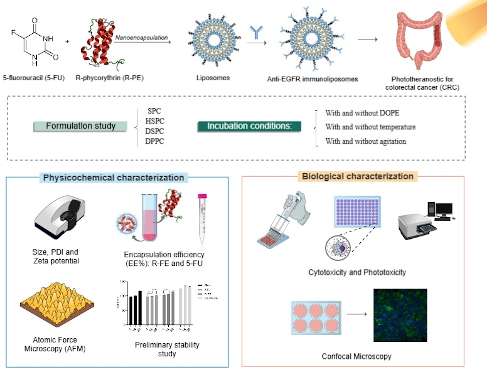
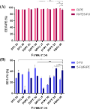
- polydispersity index (PDI) (0.100 ± 0.022), small size (103.43 ± 1.31 nm), and slightly negative zeta potential (−12.23 ± 0.35 mV). The encapsulation efficiency (EE%) was 94 ± 2.4% for R-PE and 42 ± 2.8% for 5-FU. Regarding the stability study, the liposomes maintained vesicle size, PDI and zeta potential values
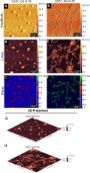
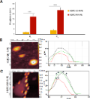
- ± 1.81 nm), negative zeta potential (−14.8 ± 0.81 mV) and antibody conjugation efficiency of 34.4%. Topographical AFM analysis showed that HSPC-IM-R-PE presented significantly higher surface roughness and viscoelastic contrast, indicating successful antibody anchoring. For cell viability in the HCT-116
- = 3) were expressed as mean ± standard deviation [20]. 2.3.2 Encapsulation efficiency To determine the encapsulation efficiency (EE%) of 5-FU, an indirect method was employed using ultrafiltration technique and quantification by spectrophotometry. To quantify the free/purified drug, a 1000 μL aliquot



Functional surface engineering for cultural heritage protection: the role of superhydrophobic and superoleophobic coatings – a comprehensive review
Beilstein J. Nanotechnol. 2026, 17, 63–96, doi:10.3762/bjnano.17.6
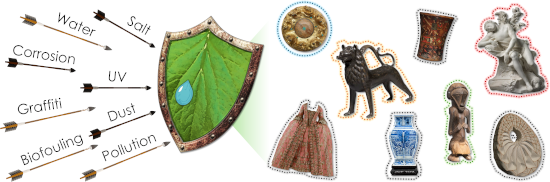
- characterization, particularly micro-FTIR coupled with principal component analysis (PCAn), confirmed the efficiency of the gel and spatially controlled cleaning action. The authors believed that this approach reduces the need for separate treatments and harsh chemicals traditionally used in metal conservation
- presented a multifunctional thermal insulation coating incorporating modified vacuum ceramic microbeads (VCMs) to enhance energy efficiency and protection of concrete structures. The VCMs were modified through the polymerization of catechol and hexamethylene diamine, forming a thin poly(catecholamine) (PCA
- degradation, assessing the coatings’ efficiency in UV protection. B72 exhibited significant photodegradation, with an increase in carbonyl index, indicating the formation of oxidation products via chain scission and radical reactions, while AMF showed a decrease in carbonyl index, suggesting crosslinking and




Reduced graphene oxide paper electrode for lithium-ion cells – towards optimized thermal reduction
Beilstein J. Nanotechnol. 2026, 17, 24–37, doi:10.3762/bjnano.17.3
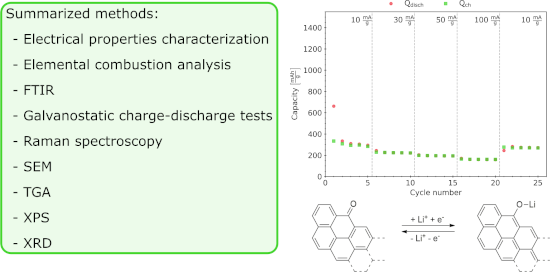
- assembly, the cycling (between 0.01 and 3.20 V) involved steps of the following current rates: 5 × 10 mA/g, 5 × 30 mA/g, 5 × 50 mA/g, 5 × 100 mA/g, and 5 × 10 mA/g. Coulombic efficiency, defined as the ratio of discharge capacity to charge capacity, within each cycle was calculated [41]. Results and
- (with the current density set back to 10 mA/g), the discharge capacities reached 300, 223, 235, and 272 mAh/g for samples M300, T400, T600, and T800, respectively. The Coulombic efficiency plots in Figure 8e prove that a higher thermal reduction temperature results in a reduced spread of these
- parameters’ values. It is also worth mentioning that the coulombic efficiency for the T800 sample demonstrated lower variability after current density changes. The galvanostatic charge–discharge test results (i.e., charge curves and differential analysis) of sample T800 are presented in Figure 9. One needs



Competitive helical bands and highly efficient diode effect in F/S/TI/S/F hybrid structures
Beilstein J. Nanotechnol. 2026, 17, 15–23, doi:10.3762/bjnano.17.2
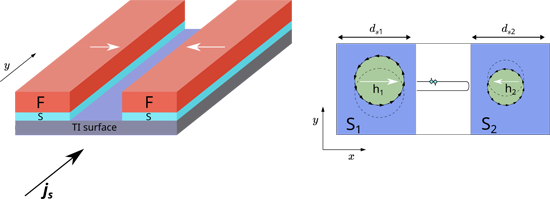
- quasiclassical formalism of the Usadel equations, we demonstrate that the sign of the diode efficiency can be controlled by magnetization tuning of a single superconducting island. Moreover, we show that the diode efficiency can be substantially increased in such a device. We argue that the dramatic increase of
- the diode efficiency is due to competing contributions of the two superconducting islands to the supercurrent with single helical bands linked through the topological insulator surface. Keywords: hybrid structures; proximity effect; superconducting diode effect; superconductivity; topological
- mesoscopic diode devices, it is reasonable to expect some presence of nonmagnetic impurities in the structures. However, it has been shown previously that the diode efficiency is expected to be low in diffusive TI-based systems [37][50]. Another disadvantage of the TI diffusive diodes is their limited


![[Graphic 16]](/bjnano/content/inline/2190-4286-17-2-i31.svg?max-width=637&scale=1.18182)
![[Graphic 17]](/bjnano/content/inline/2190-4286-17-2-i32.svg?max-width=637&scale=1.18182)





