


Search results
Search for "emulsion" in Full Text gives 77 result(s) in Beilstein Journal of Nanotechnology.
Recent trends in Bi-based nanomaterials: challenges, fabrication, enhancement techniques, and environmental applications
Beilstein J. Nanotechnol. 2022, 13, 1316–1336, doi:10.3762/bjnano.13.109
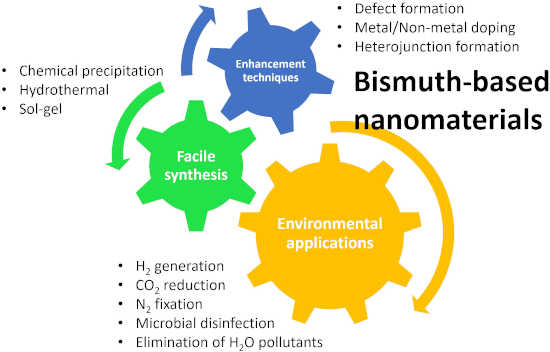
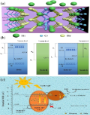
- plasmonic photocatalyst. Nanospheres, nanorods, and nanosheets can be synthesized using various techniques. Hydrothermal calcination, template synthesis, precipitation, reverse micro-emulsion, sonochemical procedures, and microwave methods are typical techniques for fabricating Bi-based nanostructures [77




Roll-to-roll fabrication of superhydrophobic pads covered with nanofur for the efficient clean-up of oil spills
Beilstein J. Nanotechnol. 2022, 13, 1228–1239, doi:10.3762/bjnano.13.102
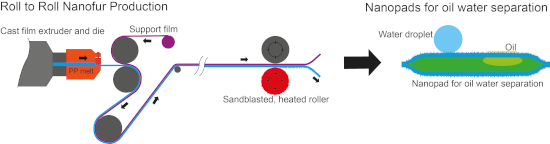
- covered by the oil film, the pads do not absorb any water. To illustrate the capabilities of the nanopads for oil–water separation and their use in the cleanup of oil spills, the video in Supporting Information File 3 shows a droplet of water–oil emulsion being separated by nanofur. The video in
- sample has longer hairs, the hairs on the right sample are shorter. The video shows that longer hairs tend to pin the drops and, also, that, once the drops roll, they do so much slower than on the samples with short hairs. Supporting Information File 89: Droplets of oil water emulsion on a piece of




Microneedle-based ocular drug delivery systems – recent advances and challenges
Beilstein J. Nanotechnol. 2022, 13, 1167–1184, doi:10.3762/bjnano.13.98
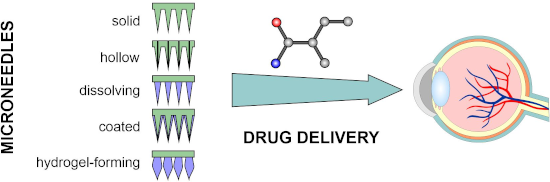
- in PLGA-based nanoparticles by a water-in-oil-in-water double emulsion method. The nanoparticles were used to form microneedles in combination with various types of PVA. Then, after drying, a base layer made of an aqueous hydrogel was attached. It turned out that the MNs had adequate mechanical


Recent advances in nanoarchitectures of monocrystalline coordination polymers through confined assembly
Beilstein J. Nanotechnol. 2022, 13, 763–777, doi:10.3762/bjnano.13.67
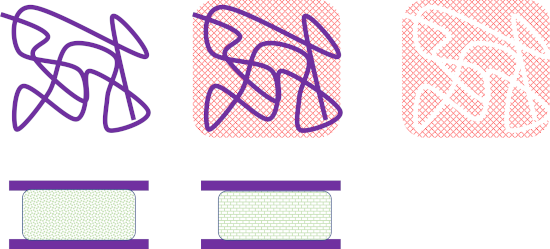
- creating meso–macro channels without destroying most of the micropores. This can be achieved by removing emulsion networks from the single crystal [116]. The obtained HKUST-1 crystals contained bimodal or trimodal pores, which facilitated adsorption and enabled a fast Friedländer reaction. When the




Design and characterization of polymeric microneedles containing extracts of Brazilian green propolis
Beilstein J. Nanotechnol. 2022, 13, 503–516, doi:10.3762/bjnano.13.42
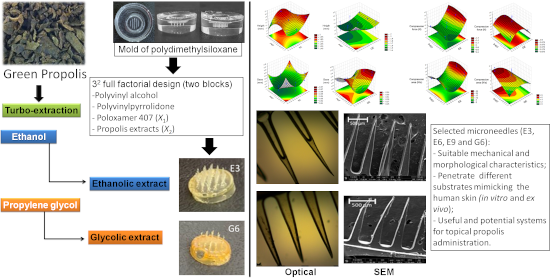
- . and showing several therapeutic properties (i.e., antibacterial, antiviral, antifungal, anti-inflammatory, healing, and immunomodulatory properties). The administration of PRP extracts by conventional routes has some disadvantages, such as running off over the skin in liquid or emulsion form. When


A comprehensive review on electrospun nanohybrid membranes for wastewater treatment
Beilstein J. Nanotechnol. 2022, 13, 137–159, doi:10.3762/bjnano.13.10
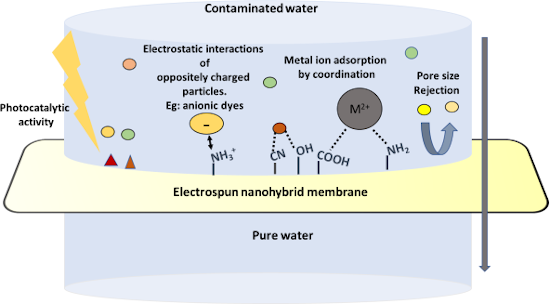
- multi-jet electrospinning, coaxial electrospinning, emulsion electrospinning, or centrifugal electrospinning, or based on the shape of the collector, such as rotating drum collector, parallel conducting collector, patterned electrodes, rotating thin disk, two-ring collector, and frame collector [20]. 3
- -hydroxybutyrate-co-4-hydroxybutyrate) (P34HB), which is a polyester that renders a water-permeable membrane for highly efficient removal of water from the emulsion under gravity filtration. The water permeation time was reduced from 130 to 9 s with the increase of P34HB from 30 to 50 wt % [68]. Ge et al




Use of nanosystems to improve the anticancer effects of curcumin
Beilstein J. Nanotechnol. 2021, 12, 1047–1062, doi:10.3762/bjnano.12.78
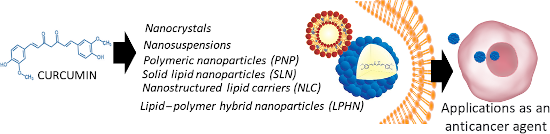
- the solubility CUR while exerting no in vitro antiproliferative effects against HCT116 cells, in either its free or emulsified form [58]. According to the authors, CUR–PIP was more effective, as compared to CUR and CUR emulsion, while PIP and PIP emulsion did not show inhibition. The CUR–PIP


Comprehensive review on ultrasound-responsive theranostic nanomaterials: mechanisms, structures and medical applications
Beilstein J. Nanotechnol. 2021, 12, 808–862, doi:10.3762/bjnano.12.64


Physical constraints lead to parallel evolution of micro- and nanostructures of animal adhesive pads: a review
Beilstein J. Nanotechnol. 2021, 12, 725–743, doi:10.3762/bjnano.12.57
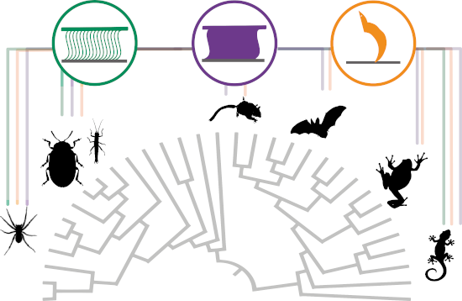
- preparation show that the secretory droplets contain nanodroplets on their surfaces (Figure 8). These results led authors to suggest that the pad secretion is an emulsion consisting of lipoid nanodroplets dispersed in an aqueous liquid. The fluid within the smooth pad contributes to the viscoelastic behaviour


Stability and activity of platinum nanoparticles in the oxygen electroreduction reaction: is size or uniformity of primary importance?
Beilstein J. Nanotechnol. 2021, 12, 593–606, doi:10.3762/bjnano.12.49
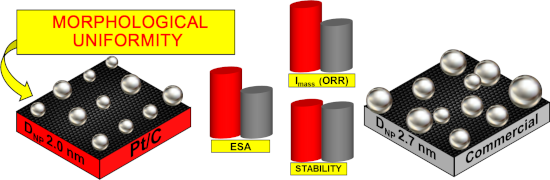
- suspension of Pt/C catalysts (i.e., "catalytic ink"), 900 μL of isopropyl alcohol and 100 μL of a 0.5% aqueous emulsion of Nafion® polymer were added to 6 mg of each sample. Then, the suspension was dispersed with ultrasound for 15 min. Under continuous stirring, an aliquot of “ink” of 6 μL in volume was


The impact of molecular tumor profiling on the design strategies for targeting myeloid leukemia and EGFR/CD44-positive solid tumors
Beilstein J. Nanotechnol. 2021, 12, 375–401, doi:10.3762/bjnano.12.31


Cardiomyocyte uptake mechanism of a hydroxyapatite nanoparticle mediated gene delivery system
Beilstein J. Nanotechnol. 2020, 11, 1685–1692, doi:10.3762/bjnano.11.150
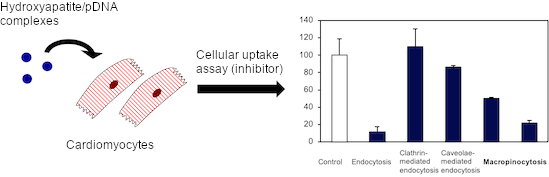
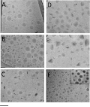
- sufficiently studied in cardiomyocytes. The aim of this study was to determine how hydroxyapatite (HAp) nanoparticles contribute to the delivery of plasmid DNA (pDNA) into cardiomyocytes. We fabricated HAp nanoparticles using the water-in-oil (W/O) emulsion method and used these nanoparticles as the delivery
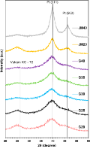
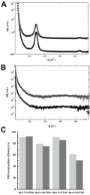
- HAp nanoparticles were prepared using the water-in-oil (W/O) emulsion method. The characterization of the prepared HAp nanoparticles was carried out using transmission electron microscopy (TEM), X-ray diffraction (XRD), and Fourier-transform infrared spectroscopy (FTIR). TEM provided insight into the
- are still many limitations, such as low transfection efficiency and reproducibility, that must be overcome for these methods to be successfully used in clinical applications. We were able to successfully produce HAp nanoparticles with less aggregation using the W/O emulsion method, as shown in a


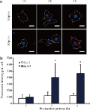
Phase inversion-based nanoemulsions of medium chain triglyceride as potential drug delivery system for parenteral applications
Beilstein J. Nanotechnol. 2020, 11, 213–224, doi:10.3762/bjnano.11.16
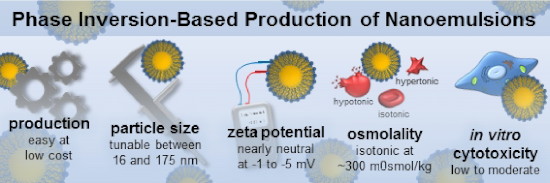
- as the flexibility of the nanoparticles [6][7][8][9]. Shock dilution with ice-cold water during phase inversion of the emulsion gives the opportunity to produce nanocapsules without the use of any potentially toxic organic solvent at low energy cost [10][11]. The choice and the amount of the
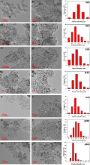
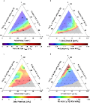
- on the particle diameter is illustrated in Figure 6. With the exception of emulsion NE25, all nanoemulsions were stable over the course of eight weeks at the three storage conditions. Only NE25 underwent creaming and coalescence at 40 °C resulting in a significant increase of the particle diameter up
- distributions depending on their lipid:surfactant ratio. Using a nonionic surfactant resulted in an uncharged surface of the emulsion droplets. The nanoemulsion with small particles of 25 nm in diameter showed an slightly increased cytotoxicity in comparison to the barely toxic nanoemulsions with particles of




Microfluidics as tool to prepare size-tunable PLGA nanoparticles with high curcumin encapsulation for efficient mucus penetration
Beilstein J. Nanotechnol. 2019, 10, 2280–2293, doi:10.3762/bjnano.10.220
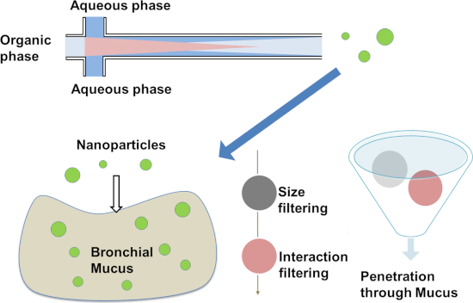
- , relying on PLGA's biodegradability and the fact that it is FDA approved for some products [26][27]. Many different methods have been established to prepare PLGA NPs, such as double emulsion and nanoprecipitation [28][29]. Among many other techniques, nanoprecipitation was adopted very quickly to prepare


BergaCare SmartLipids: commercial lipophilic active concentrates for improved performance of dermal products
Beilstein J. Nanotechnol. 2019, 10, 2152–2162, doi:10.3762/bjnano.10.208
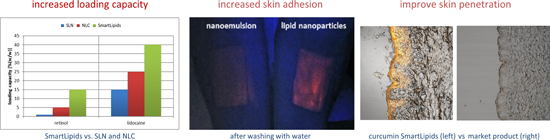
- melting point of the highest melting lipid, then the active agent is dissolved in the lipid melt and the melt containing the active agent is dispersed in a hot aqueous stabilizer solution (surfactant, polymer) of identical temperature by high-speed stirring to form a coarse emulsion. This pre-emulsion is
- sunscreens are normally dissolved in the oil phase of oil/water emulsions. Due to the liquid state of the oil droplets, the evenly and molecularly dispersed sunscreen within the droplets can be released quickly and penetrate into the skin. The release of oxybenzone from an emulsion and SLNs was compared in


Incorporation of doxorubicin in different polymer nanoparticles and their anticancer activity
Beilstein J. Nanotechnol. 2019, 10, 2062–2072, doi:10.3762/bjnano.10.201
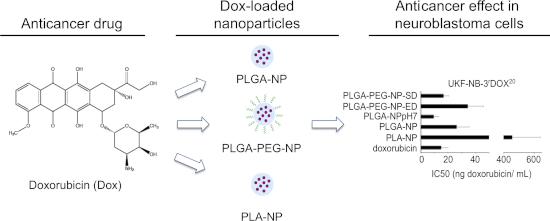
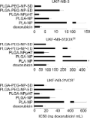
- solvent displacement and emulsion diffusion approaches and assessed their anticancer efficiency in neuroblastoma cells, including ABCB1-expressing cell lines, in comparison to doxorubicin solution. Results: The resulting nanoparticles covered a size range between 73 and 246 nm. PLGA-PEG nanoparticle
- , opsonisation, and phagocytosis [12]. In previous studies PLA-, PLGA-, PLA-PEG-, and PLGA-PEG-based nanometre-sized drug carriers loaded with or covalently linked to doxorubicin have been prepared by methods including emulsion diffusion, solvent displacement, micelle formation, and film rehydration followed by
- context of efflux-mediated resistance. Since nanoparticles prepared by simple methods have the highest chance of clinical translation, doxorubicin was incorporated into nanoparticles prepared from PLA, PLGA, and PLGA-PEG by emulsion diffusion or solvent displacement approaches, two well-established and





Porous silver-coated pNIPAM-co-AAc hydrogel nanocapsules
Beilstein J. Nanotechnol. 2019, 10, 1973–1982, doi:10.3762/bjnano.10.194
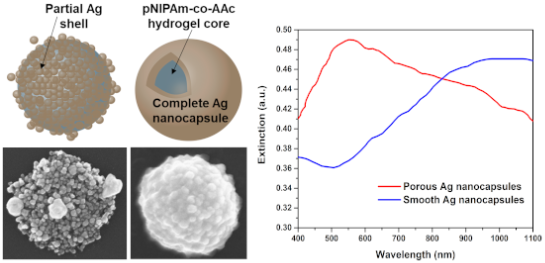
- describes the preparation and characterization of a new type of core–shell nanoparticle in which the structure consists of a hydrogel core encapsulated within a porous silver shell. The thermo-responsive hydrogel cores were prepared by surfactant-free emulsion polymerization of a selected mixture of N
- encapsulation of thermo-responsive pNIPAM-co-AAc hydrogel cores within porous silver nanoshells, and for the purpose of comparison, within a complete nonporous silver nanoshell. We adopt a simple surfactant-free emulsion polymerization (SFEP) technique to grow the initial hydrogel core templates [74][75][76
- -growth method and surfactant-free emulsion polymerization, we demonstrated a reliable synthesis of silver nanocapsules encapsulating thermo-responsive pNIPAM-co-AAc hydrogel cores. The 800 nm silver nanocapsules with a capsule thickness of ≈50 nm were characterized by SEM, TEM, and UV–vis spectroscopy


Lipid nanostructures for antioxidant delivery: a comparative preformulation study
Beilstein J. Nanotechnol. 2019, 10, 1789–1801, doi:10.3762/bjnano.10.174
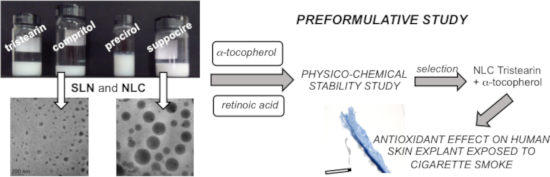
- dispersion acronyms and compositions are reported in Table 1 and Table 2. Firstly, an emulsion was obtained adding the poloxamer 188 aqueous phase (4.5/4.75 mL) heated at 80 °C to the molten lipid phase (250/500 mg), followed by mixing at 15000 rpm, at 80 °C for 1 min (IKA T25 digital ultraturrax). Secondly
- , the emulsion was subjected to ultrasound homogenization at 6.75 kHz for 15 min (Microson ultrasonic Cell Disruptor-XL Minisonix) and allowed to cool at 25 °C. Lipid nanoparticle dispersions were stored at room temperature. In the case of drug-loaded nanoparticles, TOC (0.4–0.8% w/w with respect to the

Green fabrication of lanthanide-doped hydroxide-based phosphors: Y(OH)3:Eu3+ nanoparticles for white light generation
Beilstein J. Nanotechnol. 2019, 10, 1200–1210, doi:10.3762/bjnano.10.119
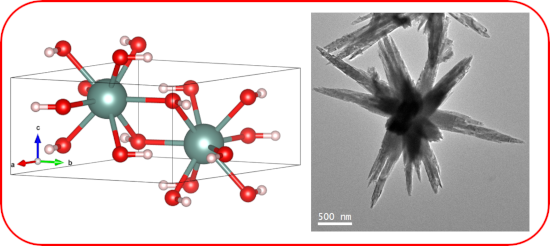
- methods have been widely used such as sol–gel, hydrothermal, combustion, emulsion, and precipitation methods [31][32][33][34]. Among those, the sol–gel and co-precipitation methods are, in general, slow and usually involve additional steps. On the other hand, there is a huge waste of organic solvents
- during the emulsion process, which makes this method inefficient in terms of cost and toxicity [35]. Therefore, facile synthesis methods involving water-based reactions at ambient conditions are needed for phosphor fabrication. In this study, a promising strategy has been introduced in order to meet



Serum type and concentration both affect the protein-corona composition of PLGA nanoparticles
Beilstein J. Nanotechnol. 2019, 10, 1002–1015, doi:10.3762/bjnano.10.101
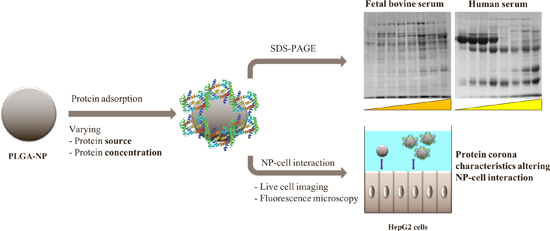
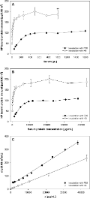
- of the protein corona with increasing serum concentration Nanoparticles (NPs) of the present study are based on the biodegradable polymer PLGA stabilized with poly(vinyl alcohol) (PVA) and were prepared by an emulsion diffusion method [19]. Incorporation of Lumogen® Red led to fluorescent labeled NPs
- emulsified using a high-speed homogenizer (Ultra-Turrax®, S25NK-10G, IKA, Staufen, Germany) at 21,000 rpm for 30 min. The resulting pre-emulsion was poured into 6 mL of PVA solution (2%, w/w) and stirred overnight at room temperature to remove the organic phase. Finally, the NPs were purified by three steps



Ceria/polymer nanocontainers for high-performance encapsulation of fluorophores
Beilstein J. Nanotechnol. 2019, 10, 522–530, doi:10.3762/bjnano.10.53
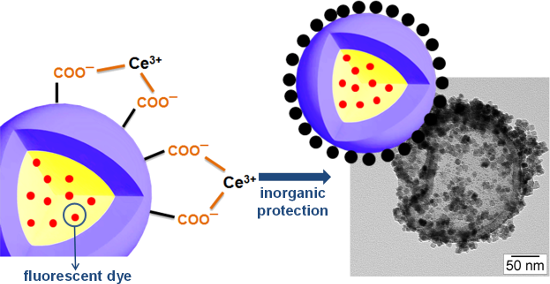
- initiator V59 (100 mg). The two phases were mixed and pre-emulsified by stirring at 1000 rpm for 1 h. The emulsion was prepared by ultrasonication (Branson Digital Sonifier 450-D; 1/2″ tip, 90% intensity, 2 min) while cooling in an ice-water bath to avoid polymerization due to heating. The polymerization


Pull-off and friction forces of micropatterned elastomers on soft substrates: the effects of pattern length scale and stiffness
Beilstein J. Nanotechnol. 2019, 10, 79–94, doi:10.3762/bjnano.10.8
- particles: Carboxylated polystyrene (PS) particles with a sub-microscale diameter were synthesized in a single-step surfactant-free emulsion polymerization, according to Appel et al. [42]. The particles were washed by centrifugation three times in ethanol and three times in water. The particles were





Colloidal chemistry with patchy silica nanoparticles
Beilstein J. Nanotechnol. 2018, 9, 2989–2998, doi:10.3762/bjnano.9.278
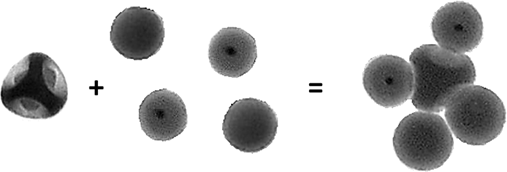
- Ravensteijn has also reported asymmetric dumbbell-like particles, i.e., with two nodules of different chemical compositions, obtained through a phase separation process during the styrene emulsion polymerization seeded with cross-linked polystyrene (PS) particles coated with a thin layer of poly(vinylbenzyl
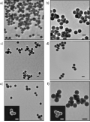
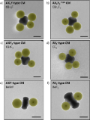
- of a central silica core and two or four PS nodules were prepared by the seeded-growth emulsion polymerization of styrene, according to an already published procedure [24]. The regrowth of the silica cores of the multipods, the subsequent dissolution of the PS nodules to create dimpled particles and
- by two or four PS satellite nodules, by seeded-growth emulsion polymerization of styrene, according to a procedure we published previously [24]. We used two batches of silica seeds with diameters of 48 and 53 nm, respectively, previously surface-modified with MMS or MPS (0.5 molecules per square


Cryochemical synthesis of ultrasmall, highly crystalline, nanostructured metal oxides and salts
Beilstein J. Nanotechnol. 2018, 9, 1755–1763, doi:10.3762/bjnano.9.166
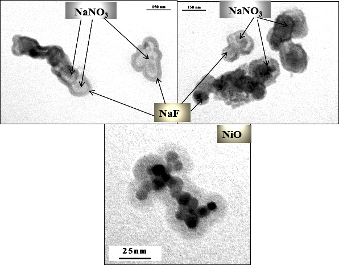
- indicated in the formation of a 2D interface layer which included Ni–O–Si bonds on the surface of the mesoporous silicate. It was found that the composite system prepared by cryotreatment of the emulsion showed a higher hydro-desulfurization catalytic activity by several orders of magnitude as compared to


Optimisation of purification techniques for the preparation of large-volume aqueous solar nanoparticle inks for organic photovoltaics
Beilstein J. Nanotechnol. 2018, 9, 649–659, doi:10.3762/bjnano.9.60
- industrial potential of this method. Method 2: The mini-emulsion method: This method involves ultrasonic mixing of the two-phase organic–aqueous system in the presence of a surfactant, which is commonly sodium dodecyl sulfate (SDS), to produce the mini-emulsion [10]. The presence of free (unbound) SDS in the
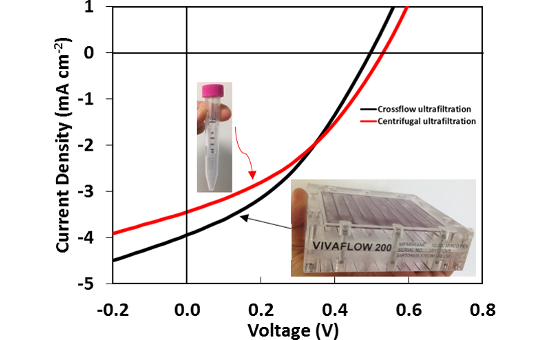
- supplied by Vivaproducts and Sartorius, respectively, each equipped with a poly(ethersulfone) (PES) membrane with a cut-off at 10 kDa (MWCO). A Hielscher ultrasound type UIP1000hdT (1000 W, 20 kHz) with a 22 mm diameter sonotrode was used to prepare the mini-emulsion for large-volume nanoparticle inks
- . Layer thicknesses were measured by a KLA–Tencor Alpha step 500 surface profilometer. Preparation of aqueous solar nanoparticle inks In accordance with the modified mini-emulsion process [10][11], the formulation of ASNP inks based on P3HT:ICxA (1:0.8) in large batch (100 mL) comprised several procedural





