


Search results
Search for "energy" in Full Text gives 2056 result(s) in Beilstein Journal of Nanotechnology. Showing first 200.
First-principles study on elastic properties of Cu, (Cu1−x,Nix)3Sn and interfacial mechanical properties of (Cu1−x,Nix)3Sn/Cu in the lead-free solder joint
Beilstein J. Nanotechnol. 2026, 17, 428–439, doi:10.3762/bjnano.17.29
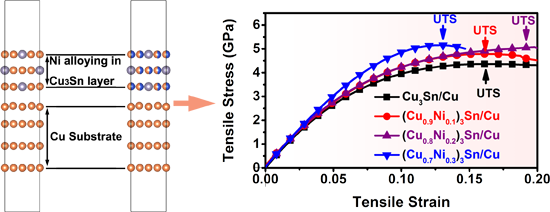
- kinetic energy cutoff of 30 Hartree, a k-point mesh of 8 × 8 × 8 and a potential residual V(r) of less than 10−8 Hartree were used to achieve self-consistent convergence. Based on the optimized crystal structures, the elastic constants of FCC Cu and orthorhombic (CuxNi1−x)3Sn were calculated by finite
- calculated the energy increments of the deformed cells. Via quadratic fits of the relation between the energy increments and the strains, the elastic constants C11, C12, and C44 for Cu and C11, C22, C33, C12, C13, C23, C44, C55, and C66 for (CuxNi1−x)3Sn were extracted. Based on the calculated elastic
- , the strain along the z-axis was fixed; at the same time, the stresses along the x-axis and the y-axis were relaxed to less than 0.5 GPa. For the calculations on the interface structure, a kinetic energy cutoff of 30 Hartree, a k-point mesh of 4 × 4 × 1 and a potential residual V(r) of less than 10−8


Nanoinformatics: spanning scales, systems and solutions
Beilstein J. Nanotechnol. 2026, 17, 423–427, doi:10.3762/bjnano.17.28

- Iseult Lynch Diego S. T. Martinez Kunal Roy Georgia Melagraki School of Geography, Earth and Environmental Sciences, University of Birmingham, Edgbaston, B15 2TT Birmingham, United Kingdom Brazilian Nanotechnology National Laboratory (LNNano), Brazilian Center for Research in Energy and Materials
- are challenging to experimentally measure. Using computational descriptors commonly used in nano-QSAR models, such as the potential energy of surface atoms and the water–NP surface energy, the model predicts that Pt NPs are more toxic than Au NPs, based on their surface properties, which drive
- radius, crystal ionic radii, density of the metal, electron affinity, and ionization energy) which complement and extend the seven first- and sixteen second-generation periodic table descriptors, as a means to model the toxicity of MeOx nanomaterials to zebrafish embryo – measured as impacts on the

Biomimetic nanoparticles in cancer photodynamic therapy: a review of targeted delivery systems and therapeutic outcomes
Beilstein J. Nanotechnol. 2026, 17, 396–422, doi:10.3762/bjnano.17.27
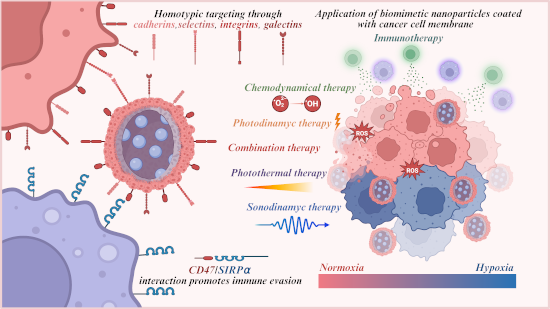
- involving three key components: a photosensitizer (PS), light of a specific wavelength, and molecular oxygen [3]. Upon light activation, the PS transitions to an excited state and transfers energy to surrounding oxygen molecules, generating reactive oxygen species (ROS) that can eradicate tumor cells. While
- energy to molecular oxygen or other substrates, generating cytotoxic ROS [17]. Historically, PDT relied on organic molecules, either naturally derived or synthetically produced, but since the early 21th century, advancements in nanotechnology have revealed the photosensitizing capabilities of
- , producing radical species such as superoxide anions, while type-II reactions involve energy transfer, generating singlet oxygen, the primary cytotoxic agent in PDT (Figure 1). Although nanostructured PSs are often associated with type-I reactions and molecular PSs with type-II reactions, the generation of


Eco-efficient materials for agricultural crops based on a mineral rich in MOR- and HEU-type zeolites
Beilstein J. Nanotechnol. 2026, 17, 381–395, doi:10.3762/bjnano.17.26
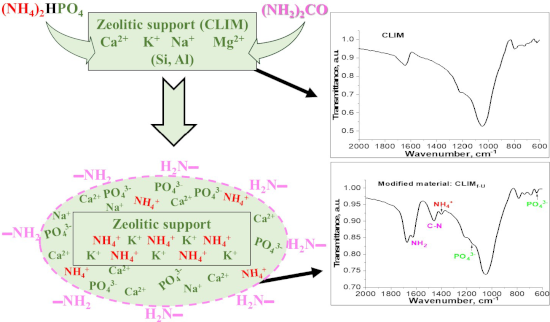
- zeolites, unlike synthetic analogues, do not require expensive chemical raw materials and energy-intensive stages of hydrothermal synthesis. The main costs of their exploitation are associated with extraction and mechanical processing, which significantly reduces the cost of the final product. At the same
- determined by N elemental analysis and the Kjeldahl method. XRF analysis was performed on an energy-dispersive spectrometer (Bruker Micro-XRF M4 Tornado, Nano GmbH) using tablets/briquettes of materials prepared for this purpose as described in [15]. For elemental analysis of N, a Leco elemental analyzer




Ferroelectric nanodot reservoir for neuromorphic computing
Beilstein J. Nanotechnol. 2026, 17, 352–364, doi:10.3762/bjnano.17.24
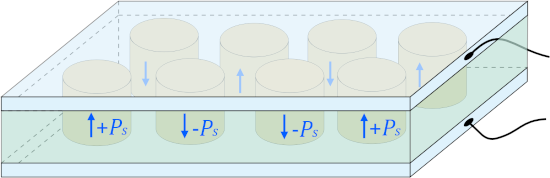
- architecture and processing mechanisms of the human brain to achieve energy-efficient and adaptive information processing [1][2][3][4][5][6]. Among various neuromorphic approaches, reservoir computing has emerged as a particularly promising paradigm, owing to its conceptual simplicity and hardware amenability
- , nonvolatility, analog state tunability, and compatibility with CMOS platforms) that make them particularly attractive for energy-efficient neuromorphic circuits [16][17][18][19][20][21]. They inherently possess a multitude of metastable polarization orientations, corresponding to different local minima of the
- free energy [22][23][24]. This intrinsic multistability facilitates analog and digital information encoding, retention, and logic operations within a single physical unit, and is one of the key reasons for their growing relevance in neuromorphic computing and multivalued logic architectures [17][25


Interconnection morphology effects on the radio frequency response of carbon nanotube sponges
Beilstein J. Nanotechnol. 2026, 17, 343–351, doi:10.3762/bjnano.17.23
- using a laser with a wavelength of 532 nm and a power of approximately 15 mW. The photon energy was calibrated using a Si reference. The measurements were performed using a monochromator with 1800 lines·mm−1. The laser power was optimised to prevent laser-induced damage. XPS surface analysis studies
- were performed in an ultrahigh-vacuum chamber (base pressure below 10−10 bar) equipped with a semi-imaging analyser MAC 2 (Riber Instruments) operating in the constant pass energy mode (with a total energy resolution of 1.1 eV). Non-monochromatic Al Kα radiation (1486.6 eV) was used (8 kV, 8 mA). The
- CNS samples were fixed on a molybdenum sample holder with silver paint kept at a distance of about 40 mm from the anode, the illumination area was about 5 mm × 5 mm, and the take-off angle between the sample surface and the energy analyser was kept at 45°. Survey and high-resolution spectra were




Beam shaping techniques for pulsed laser ablation in liquids: Unlocking tunable control of nanoparticle synthesis in liquids
Beilstein J. Nanotechnol. 2026, 17, 309–342, doi:10.3762/bjnano.17.22
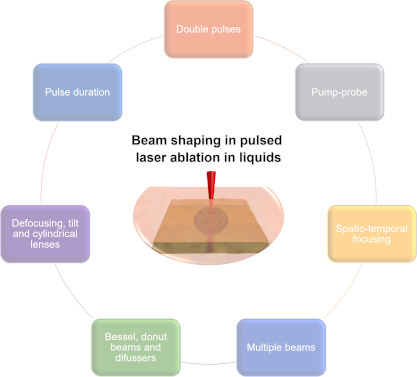
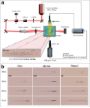
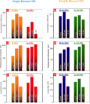
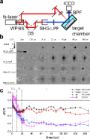
- shaping have demonstrated their potential to revolutionise pulsed laser ablation in liquids by enabling more precise energy deposition and modified nanoparticle production dynamics. This review highlights the critical role of beam shaping, encompassing spatial shaping of the beam to influence laser
- –material interaction and temporal modification to optimise pulse duration and energy delivery. The current advancements in beam shaping techniques, their impact on the nanoparticle characteristics, and their broader implications for scaling pulsed laser ablation in liquids to meet industrial demands are
- ) [1][2][3][4][5] is an increasingly employed nanoparticle synthesis technique, first established in the 1990s [6][7]. This method involves focusing high-energy laser pulses onto a solid target submerged in a liquid medium [8]. As the laser interacts with the target, it triggers rapid ionisation







Calculation of the dynamic stiffness of a cantilever under torsional oscillation
Beilstein J. Nanotechnol. 2026, 17, 303–308, doi:10.3762/bjnano.17.21
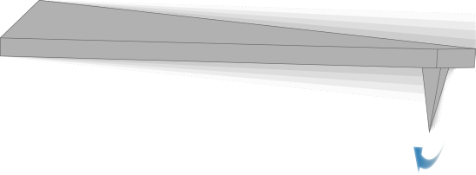
- strain energy. Without tips, the torsional dynamic stiffness is approximately 23% larger than the static stiffness. The modification decreases to 21–23% with tips. Applying the present correction is essential for achieving quantitatively accurate stiffness values in dynamic measurements. Keywords
- : atomic force microscopy; dynamic stiffness; energy dissipation; friction; torsional oscillation mode; Introduction Friction serves as a fundamental mechanism of energy dissipation [1]. While friction typically arises from direct mechanical contact between surfaces, energy dissipation can also occur even
- as it can electrically detect energy dissipations [8]. Lateral force microscopy with quartz tuning fork AFM, using a CO-terminated tip, enabled the detection of energy dissipation over the chemical bonds of a PTCDA (3,4,9,10-perylenetetracarboxylic dianhydride) molecule, with a vertical decay length

Fast vortex dynamics and relaxation times in NbRe-based heterostructures
Beilstein J. Nanotechnol. 2026, 17, 292–302, doi:10.3762/bjnano.17.20
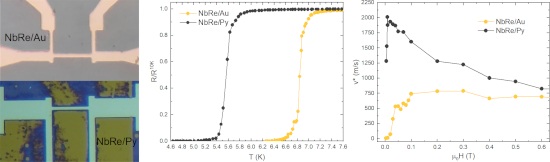
- to extract the quasiparticle energy relaxation time. For external magnetic field values for which edge barrier pinning is dominant and thermal effects are negligible, the relaxation times are about 150 ps and 24 ps for NbRe/Au and NbRe/Py bilayers, respectively. These results indicate that NbRe/Py
- as flux flow, which is associated with energy dissipation [2]. As the current increases further, jex ≫ jc, and as the vortex velocity approaches a maximum critical value, this regime may become unstable. A sudden voltage jump is observed in the I–V characteristic, attributed to the collapse of
- ]. In classical, low-Tc superconductors, the dominant relaxation channel is provided by e–ph scattering events [17], while in high-Tc superconductors the situation is reversed, with e–e recombination playing a major role in energy relaxation [18]. The efficiency of these processes and the value of τE


Advancing nanolithography: a comprehensive review of materials for local anodic oxidation with AFM
Beilstein J. Nanotechnol. 2026, 17, 275–291, doi:10.3762/bjnano.17.19
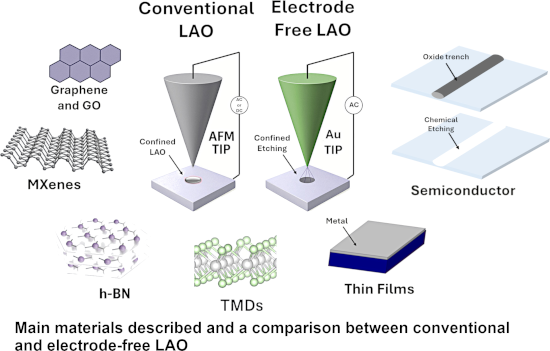
- thermochemical changes in an ultrathin resist, and is therefore an important comparator for writing speed and patterning rate. FEL, based on the emission of low-energy electrons from an AFM tip, provides sub-10 nm resolution in ultrathin molecular resists and thus represents the upper limit of tip-based spatial
- effects. For comparison, it is worth mentioning the non-oxidative SPL technique FEL [57], which has recently proven its efficiency and reliability. It exploits a Fowler–Nordheim-type emission of low-energy electrons from a conductive AFM tip. This beam of low-energy electrons can induce highly confined
- unique etching profiles and selective modifications. In a study by Reuter et al., low-energy electrons emitted from the tip have been used to induce nanoscale oxidation on a MoTe2 nanosheet surface under ambient conditions [36]. The study demonstrates a novel, resist-free method for nanoscale patterning


Durable antimicrobial activity of fabrics functionalized with zeolite ion-exchanged nanomaterials against Staphylococcus aureus and Escherichia coli
Beilstein J. Nanotechnol. 2026, 17, 262–274, doi:10.3762/bjnano.17.18
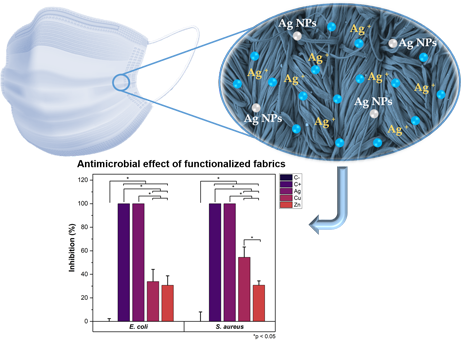
- plasma optical emission spectroscopy (ICP-OES). The results confirmed silver, copper, and zinc contents of around 1.0–1.5 atom % [4]. Energy-dispersive X-ray spectroscopy (EDS) analysis performed on the functionalized fabrics in the present work confirmed the presence of silver (1.3 wt %), as well as




Comparative study on 3D morphologies of delignified, single tracheids and fibers of five wood species
Beilstein J. Nanotechnol. 2026, 17, 239–250, doi:10.3762/bjnano.17.16
- developing more environmentally friendly and efficient delignification methods [17], as well as exploring novel applications for delignified wood in fields such as energy storage, water purification, and sustainable packaging materials [11][18][19]. Given the high versatility of wood across a wide range of
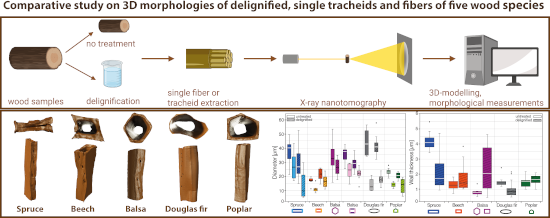
- tomography setup at the nanotomography endstation of beamline P05 of PETRA III at Deutsches Elektronen-Synchrotron (DESY). The X-ray beam was monochromatized using a Si(111) double crystal monochromator at an energy of 11 keV with a Zernike phase contrast [29]. An X-ray sCMOS camera (Hamamatsu C12849-101U


Gold nanoparticle-decorated reduced graphene oxide as a highly effective catalyst for the selective α,β-dehydrogenation of N-alkyl-4-piperidones
Beilstein J. Nanotechnol. 2026, 17, 218–238, doi:10.3762/bjnano.17.15
- 530.8 and 533.5 eV, corresponding to [SiW9O34]10− lattice oxygen and rGO surface oxygenated groups. The broadness of the higher-energy peak suggests contributions from C–O and O=C–OH groups at lower binding energies, C=O and C–OH groups at higher binding energies, and minor contributions from W–O and Si
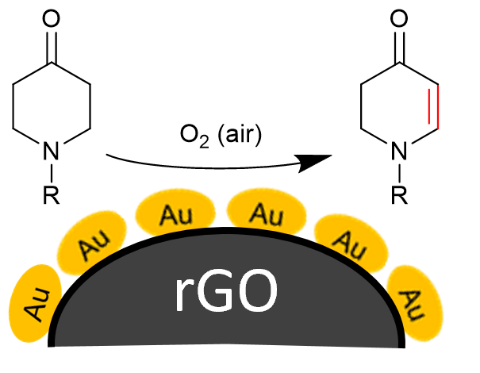
- Fermi-level alignment enables rGO to inject electrons into Au even without permanent O-bridging, rendering the interfacial Au more electron-rich (Figure 14). XPS analysis supports this electronic interaction, showing a negative shift of the Au 4f binding energy (Figure 11a). Upon O2 adsorption, electron


Time of flight secondary ion mass spectrometry imaging of contaminant species in chemical vapour deposited graphene on copper
Beilstein J. Nanotechnol. 2026, 17, 200–213, doi:10.3762/bjnano.17.13
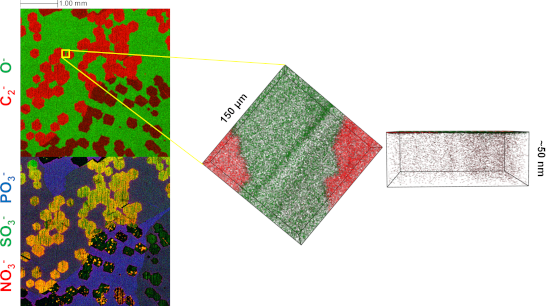
- a pass energy of 40 eV for high resolution, narrow scan window spectra (100 meV step size, 500 ms dwell time), and 160 eV for wide scans (1000 meV step size, 200 ms dwell time), using a monochromated Al Kα X-ray source, with a photon energy of 1486.7 eV. Spectral peak fitting was carried out using
- of copper or copper oxide. However, as recent studies have shown through energy-dispersive X-ray spectroscopy mapping [30], there are significant other contaminants detectable on high-purity Cu foils that can influence graphene nucleation and can remain after growth [31]. A more detailed examination
- Information File 6: Additional figures. Acknowledgements BB, VV and AJP would like to acknowledge Rasmus Havelund for useful discussions. Funding BB, VV and AJP would like to acknowledge the U.K. Department for Business, Energy and Industrial Strategy for funding (NPL Project number 121452: Nanostructures





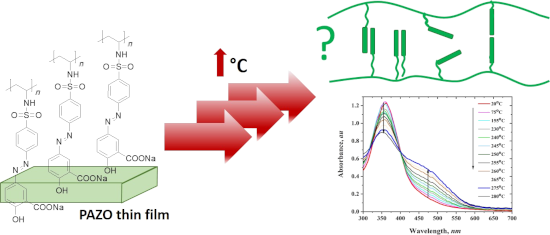
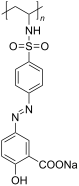
Structure-dependent thermochromism of PAZO thin films: theory and experiment
Beilstein J. Nanotechnol. 2026, 17, 186–199, doi:10.3762/bjnano.17.12
- chemical resistance, making them ideal for specialized applications [3]. Their cost-effectiveness, lightness, flexibility, and unique physical and chemical characteristics make them suitable for a wide range of industry applications including energy, optics, sensors, and microelectronics. The properties of
- band suggests that these aggregates undergo reorientation upon exposure to polarized light. Spectrofluorimetric measurements indicate that a significantly higher energy input is required to induce molecular reorientation, as a substantial portion of the energy from the pump laser is dissipated through
- fluorescence. Moreover, the reorientation of the aggregates themselves appears to demand an even greater energy threshold. The enhancement of absorption around 444 nm is of limited practical utility, as the absorption becomes excessively strong, restricting effective energy delivery to the surface layers of


Safe and sustainable by design with ML/AI: A transformative approach to advancing nanotechnology
Beilstein J. Nanotechnol. 2026, 17, 176–185, doi:10.3762/bjnano.17.11
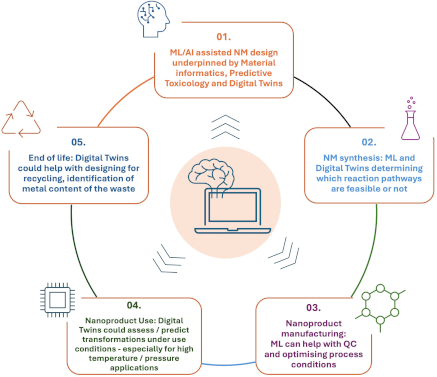
- Georgia Melagraki Hellenic Military Academy, Vari, Greece 10.3762/bjnano.17.11 Abstract Nanotechnology is revolutionizing different sectors such as medicine, energy, defence, and environmental science by enabling the development of materials and technologies with exceptional precision and
- efficiency. From advanced drug delivery systems to clean energy solutions, the applications of nanotechnology are diverse and transformative. However, these innovations are accompanied by complex challenges regarding safety and sustainability for both the nanoscale materials themselves and for the products
- , offering unprecedented opportunities to design and develop nanomaterials with unique, tailored properties. These advances have significantly impacted diverse industrial sectors, including healthcare, energy, environmental remediation, and defence. For instance, nanoparticle-based drug delivery systems have


From shield to spear: Charge-reversible nanocarriers in overcoming cancer therapy barriers
Beilstein J. Nanotechnol. 2026, 17, 159–175, doi:10.3762/bjnano.17.10
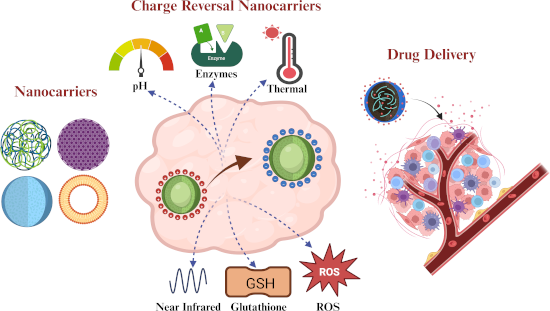
- -nitroimidazole and a PEG-modified lipid shell, enabling multifunctional X-ray-responsive therapy. Upon low-dose of X-ray irradiation, Hf4+ deposits radiation energy to induce DNA damage while 2-nitroimidazole releases NO to block DNA repair, relieve hypoxia, and produce reactive nitrogen species (RNS) that


Influence of surface characteristics on the in vitro stability and cell uptake of nanoliposomes for brain delivery
Beilstein J. Nanotechnol. 2026, 17, 139–158, doi:10.3762/bjnano.17.9
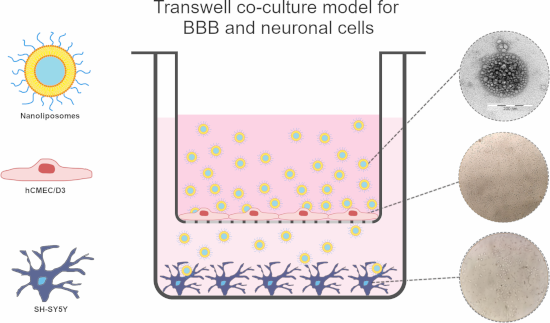
- internalization of nanoliposomes can take place through several energy-dependent endocytic pathways (i.e., phagocytosis, clathrin-mediated endocytosis, caveolin-mediated endocytosis, clathrin/caveolae-independent endocytosis, and micropinocytosis), as well as through passive transport or diffusion which is an





Capabilities of the 3D-MLSI software tool in superconducting neuron design
Beilstein J. Nanotechnol. 2026, 17, 122–138, doi:10.3762/bjnano.17.8

- based on Josephson interferometers, the energy potential of which strongly depends on the inductance of the loop. For that reason, the extraction of inductances of superconducting structures has been attracting a lot of attention for many decades. Simple estimates can be made for a long line over
- matrix [33]. The Gauss neuron represents a two-junction interferometer that is also shunted symmetrically to generate the output signal. This type of circuit was considered for the first time in [34][35][36][37] and named the quantum flux parametron (QFP). In [38], it was demonstrated that the energy
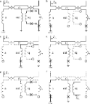
- are Maxwell and London equations with proper excitation. Based on them, the inductance can be evaluated using the free energy functional. Therefore, the basic equations for 3D-MLSI are static London and Biot–Savart expressions for magnetic field , vector potential , and full energy E. The only free



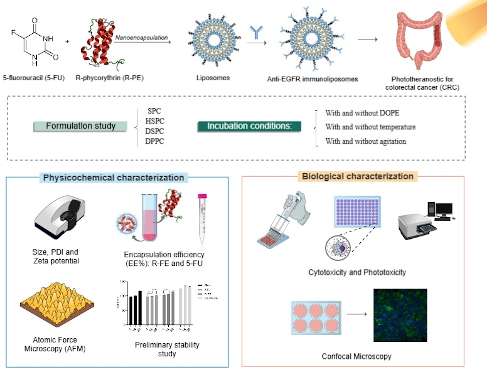
Development and in vitro evaluation of liposomes and immunoliposomes containing 5-fluorouracil and R-phycoerythrin as a potential phototheranostic system for colorectal cancer
Beilstein J. Nanotechnol. 2026, 17, 97–121, doi:10.3762/bjnano.17.7
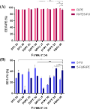
- , and viscoelastic materials [61][62]. The decoration of liposomes with cetuximab may result in a softer outer surface than the underlying lipid bilayer, explaining the observed increase in energy dissipation. These data strongly support that the surface properties of this liposome formulation were



Functional surface engineering for cultural heritage protection: the role of superhydrophobic and superoleophobic coatings – a comprehensive review
Beilstein J. Nanotechnol. 2026, 17, 63–96, doi:10.3762/bjnano.17.6

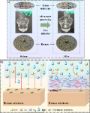
- presented a multifunctional thermal insulation coating incorporating modified vacuum ceramic microbeads (VCMs) to enhance energy efficiency and protection of concrete structures. The VCMs were modified through the polymerization of catechol and hexamethylene diamine, forming a thin poly(catecholamine) (PCA
- environmental conditions. Human safety is generally respected, with one [65] study employing heavy-metal-free components and the other [64] not reporting major hazards, though without extensive toxicological testing. Sustainability is addressed in both cases, either through energy savings during use or through
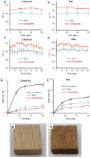
- good formaldehyde removal, thus offering a passive, energy-efficient approach to improve indoor air quality while protecting wooden surfaces from environmental degradation. Oak wood (Quercus pubescens) was also the focus of Mitani and colleagues [79]. They evaluated the surface modification of the wood




Microscopic study of the intermediate mixed state in intertype superconductors
Beilstein J. Nanotechnol. 2026, 17, 57–62, doi:10.3762/bjnano.17.5
- infinite degeneracy of the superconducting state at the so-called Bogomolnyi (ℬ) point (κ0, Tc) with Tc being the critical temperature [21][22]. At this point, the surface energy between the superconducting and normal phases vanishes, allowing for a continuum of flux–condensate configurations with equal
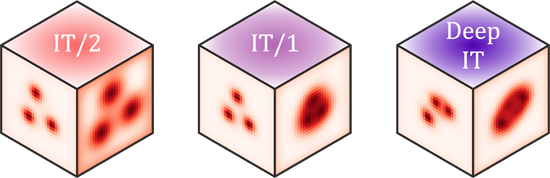
- energy. Deviations from the ℬ point lift this degeneracy, creating a finite IT domain in the (κ, T) phase diagram [17][23][24]. Within this domain, the system supports a variety of states with close energies that feature nonuniform flux distributions and complex vortex arrangements. Based on the
- multivortex (many-body) interaction effects while remaining computationally feasible. Vortex configurations The results of these calculations are presented in Figure 1 and Figure 2, which display the minimal-energy three-vortex configurations for representative values of the pairing constant g and temperature


Subdigital integumentary microstructure in Cyrtodactylus (Squamata: Gekkota): do those lineages with incipiently expressed toepads exclusively exhibit adhesive setae?
Beilstein J. Nanotechnol. 2026, 17, 38–56, doi:10.3762/bjnano.17.4
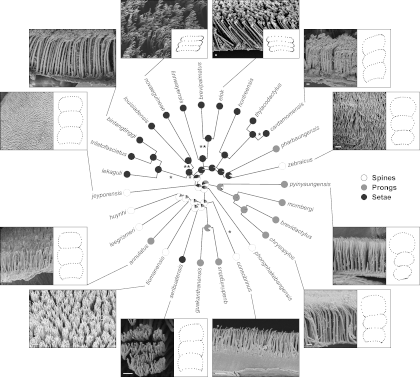
- risks of injury and energy loss associated with falls from the canopy [93]. For example, Jamaican anole species occupying the canopy possess the highest density of setae and the smallest spatulae compared to species inhabiting lower perches [73]. In addition, a recent study found that geckos that have


Reduced graphene oxide paper electrode for lithium-ion cells – towards optimized thermal reduction
Beilstein J. Nanotechnol. 2026, 17, 24–37, doi:10.3762/bjnano.17.3
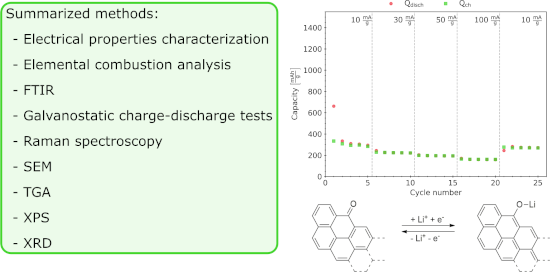
- . Keywords: electrode material; graphene paper; lithium-ion batteries; reduced graphene oxide; thermal reduction; Introduction Electrode materials comprising reduced graphene oxide (rGO) for energy storage in lithium-ion-based or sodium-ion-based technologies have been the subject of over 3800 publications
- 100). XPS X-ray photoelectron spectroscopy was applied to determine the surface concentrations of chemical bonds. The equipment applied was a PHI VersaProbeII Scanning XPS system with monochromatic Al Kα (1486.6 eV) X-rays (100 μm spot focused). High-energy-resolution spectra were obtained with 46.95
- eV (0.1 eV step) pass energy in the analyzer and the photoelectron take-off angle at 45°. In order to maintain a constant sample surface potential, a dual beam charge compensation with 7 eV Ar+ ions and 1 eV electrons was used. The aliphatic carbon C 1s line at 285.0 eV was used as a charge reference



Competitive helical bands and highly efficient diode effect in F/S/TI/S/F hybrid structures
Beilstein J. Nanotechnol. 2026, 17, 15–23, doi:10.3762/bjnano.17.2
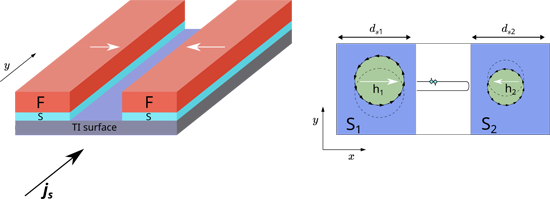
- The F/S/TI/S/F hybrid structure can be described by the following effective low-energy Hamiltonian in the particle–hole and spin space: where α is the Fermi velocity, μ is the chemical potential, and V is the impurity potential of a Gaussian form, which is used for further quasiclassical approximation


![[Graphic 16]](/bjnano/content/inline/2190-4286-17-2-i31.svg?max-width=637&scale=1.18182)
![[Graphic 17]](/bjnano/content/inline/2190-4286-17-2-i32.svg?max-width=637&scale=1.18182)





