


Search results
Search for "fibroblasts" in Full Text gives 71 result(s) in Beilstein Journal of Nanotechnology.
Structural, optical, and bioimaging characterization of carbon quantum dots solvothermally synthesized from o-phenylenediamine
Beilstein J. Nanotechnol. 2023, 14, 165–174, doi:10.3762/bjnano.14.17
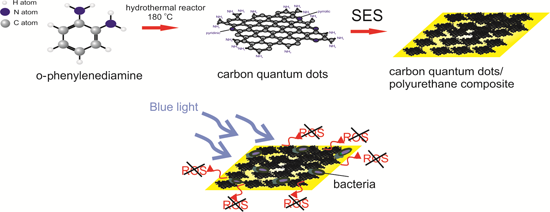
- o-phenylenediamine did not disrupt the cytoplasmic membrane. Cytotoxicity testing Low cytotoxicity is one of the mandatory requirements for biomedical applications. In this paper, we performed cell viability tests by applying the MTT assay toward MRC5 human lung fibroblast cells. Lung fibroblasts
- . After that time bacterial colonies were counted. Cytotoxicity In order to assess the cytotoxicity of CQDs/PU (antiproliferative activity), standard MTT assay and methods suitable for materials testing were used [55][56]. All tests were carried out in triplicate. Human lung fibroblasts (MRC5) cells


Frequency-dependent nanomechanical profiling for medical diagnosis
Beilstein J. Nanotechnol. 2022, 13, 1483–1489, doi:10.3762/bjnano.13.122
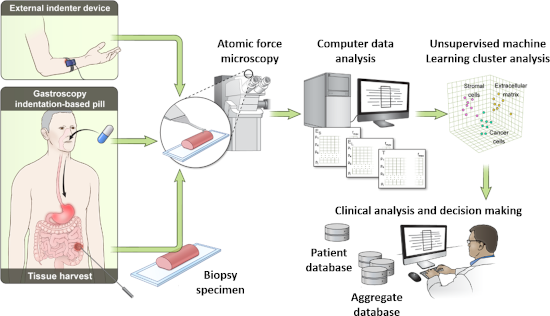
- cells as well as healthy human melanocytes and fibroblasts, showing that clear cell differentiation is possible when a wide frequency range is considered instead of a single number such as a pseudo-Young’s modulus. Furthermore, such representations would be extremely useful to evaluate the gradual


Supramolecular assembly of pentamidine and polymeric cyclodextrin bimetallic core–shell nanoarchitectures
Beilstein J. Nanotechnol. 2022, 13, 1361–1369, doi:10.3762/bjnano.13.112
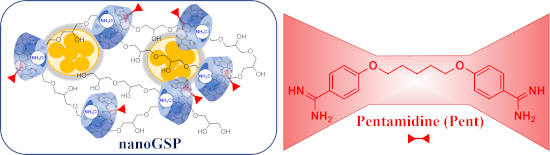
- concentration of Pent was 32 μM. Miltefosine was used as a reference drug. Cytotoxicity assays were performed both on primary peritoneal mouse macrophages (PMM) and human fetal lung fibroblasts (MCR-5) according to procedures previously described to assess selectivity [31]. Tamoxifen was employed as the


Biomimetic chitosan with biocomposite nanomaterials for bone tissue repair and regeneration
Beilstein J. Nanotechnol. 2022, 13, 1051–1067, doi:10.3762/bjnano.13.92
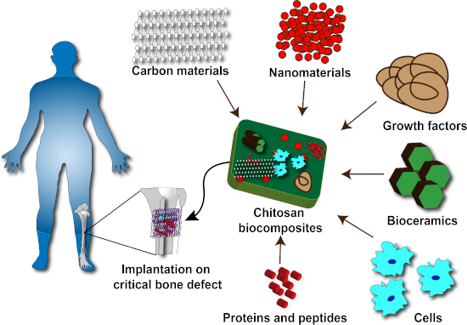
- size of 113 to 143 µm. In vitro cell interaction investigations with mouse embryonic fibroblasts demonstrate the osteogenic capabilities of the scaffolds [107]. In another study, Tripathi et al. (2012) investigated the osteogenic properties of the scaffolding system composed of nanocopper–zinc
- performed using mouse embryonic fibroblasts and the increased activity on the 21st day demonstrates a favourable environment for cell development and differentiation. The in vivo investigation was conducted on two male rabbits by making two 25 mm longitudinal incisions on the right and left dorsum. The
Bioselectivity of silk protein-based materials and their bio-inspired applications
Beilstein J. Nanotechnol. 2022, 13, 902–921, doi:10.3762/bjnano.13.81
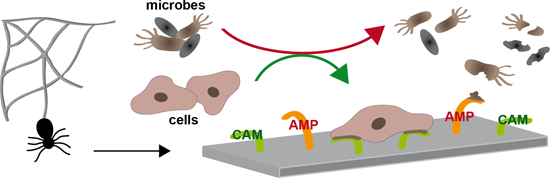
- [125]. Furthermore, Wendt et al. showed that naturally occurring spider dragline silk fibres from Nephila species could be processed into wovens for culturing first fibroblasts for two weeks before seeding keratinocytes on top to develop a bilayered skin model consisting of an artificial dermis and
- ]. Cell culture studies on film surfaces using Balb 3T3 fibroblasts [148], neonatal rat cardiomyocytes [162], human induced pluripotent stem cell (hiPSC) derived cardiomyocytes [150], keratinocytes, myoblasts, or neuronal cells [163] revealed that negatively eADF4(C16) and uncharged eADF4(Ω16) surfaces do
- the primary protein sequence create a material surface that allows for the growth of primary fibroblasts without further modification [167]. As mentioned above, bioselective cell adhesion could be generated by attaching or introducing binding sites, for example, peptide sequences such as RGD, for


Effects of substrate stiffness on the viscoelasticity and migration of prostate cancer cells examined by atomic force microscopy
Beilstein J. Nanotechnol. 2022, 13, 560–569, doi:10.3762/bjnano.13.47
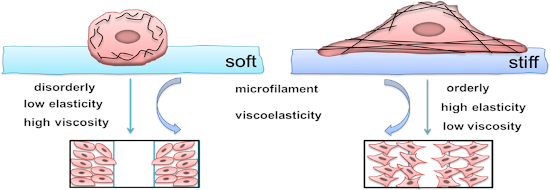
- significant polygonal shape of cells is widely believed to be associated with enhanced migration and invasion abilities. Of these, round cells spread more slowly, whereas morphologically elongated cells, due to their resemblance to fibroblasts, have prominent leading edges and retractable tails, and therefore



Micro- and nanotechnology in biomedical engineering for cartilage tissue regeneration in osteoarthritis
Beilstein J. Nanotechnol. 2022, 13, 363–389, doi:10.3762/bjnano.13.31
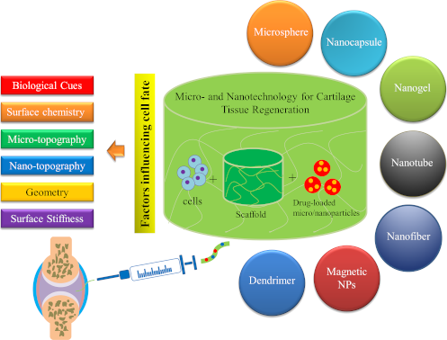
- and increased biocompatibility when human dermal fibroblasts were seeded on the scaffold or encapsulated in the hydrogel. Incorporation of HNTs into alginate hydrogel also yielded enhanced mechanical properties and scaffold density [147]. HNTs led to a decreased water swelling ratio of alginate


Engineered titania nanomaterials in advanced clinical applications
Beilstein J. Nanotechnol. 2022, 13, 201–218, doi:10.3762/bjnano.13.15
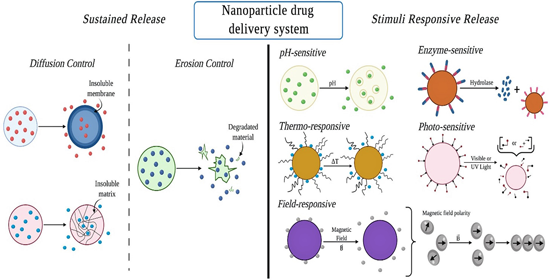
- improvement in the mechanical properties was observed after the incorporation of 5 wt of nano-TiO2 and a bone-like apatite structure was formed in simulated body fluid (SBF), which supported cell attachment and growth, showing the potential for bone TE applications [73]. Human gingival fibroblasts (HGFs) are


Nanogenerator-based self-powered sensors for data collection
Beilstein J. Nanotechnol. 2021, 12, 680–693, doi:10.3762/bjnano.12.54
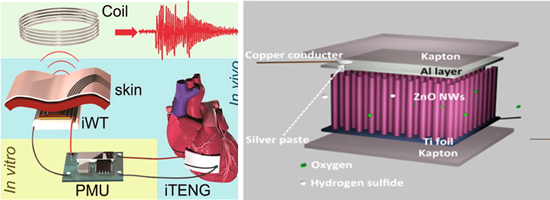
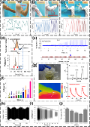
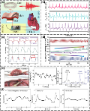
- time, providing a solution for long-term heart monitoring. Zheng et al. proposed an implantable TENG (iTENG) to realize wireless heart monitoring in vivo [28]. The iTENG is not cytotoxic. The packaging material of the iTENG showed good biocompatibility in mouse fibroblasts. The iTENG was implanted



The impact of molecular tumor profiling on the design strategies for targeting myeloid leukemia and EGFR/CD44-positive solid tumors
Beilstein J. Nanotechnol. 2021, 12, 375–401, doi:10.3762/bjnano.12.31
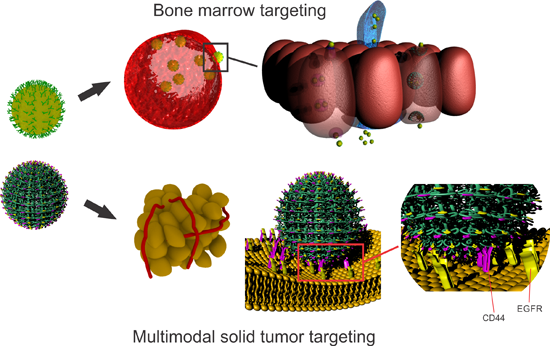
- , hematopoietic, which are responsible for the hematopoiesis, and mesenchymal, which produce the stromal, fat, cartilage, and bone tissue. The BM stroma contains fibroblasts, macrophages, adipocytes, osteoblasts, osteoclasts, and endothelial cells. It provides the appropriate microenvironment for efficient


The nanomorphology of cell surfaces of adhered osteoblasts
Beilstein J. Nanotechnol. 2021, 12, 242–256, doi:10.3762/bjnano.12.20
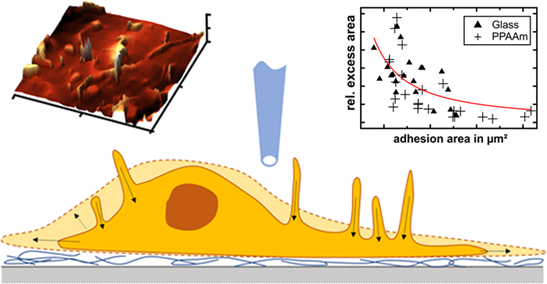
- proteins resulting in a higher Young's modulus. The fixed ruffles exhibit an extremely low ion current error (Figure 3b), lower than that of the surrounding membrane. PFA usually increases the Young's modulus of cell surfaces, for instance, from 3.5 to 18 kPa in fibroblasts [39]. Therefore, the lower ion


Phase inversion-based nanoemulsions of medium chain triglyceride as potential drug delivery system for parenteral applications
Beilstein J. Nanotechnol. 2020, 11, 213–224, doi:10.3762/bjnano.11.16
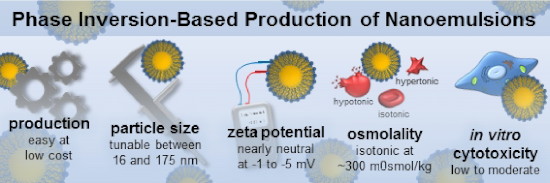
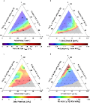
- composition, the particle size and the in vitro toxicity to fibroblasts was investigated. Results and Discussion Influence of the salinity on the phase inversion and the formation of nanoemulsions To investigate the influence of the salinity of the aqueous phase on the incipient phase inversion and hence on
- the aqueous Kolliphor HS 15 solution to normal human dermal fibroblasts (NHDF) and mouse embryonic fibroblasts (3T3) was investigated. The impact of the nanoemulsions and the surfactant solution on the cell viability of the two cell lines after 4 and 24 h is illustrated in Figure 7. The viability of




Internalization mechanisms of cell-penetrating peptides
Beilstein J. Nanotechnol. 2020, 11, 101–123, doi:10.3762/bjnano.11.10
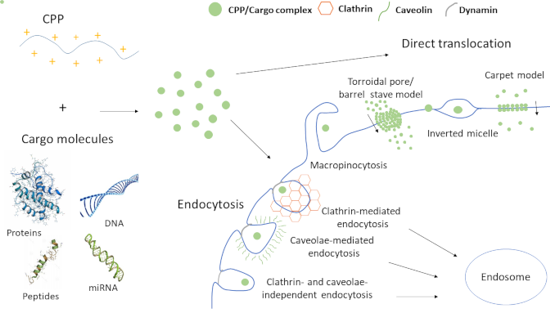
- inversion, which they proved by detecting phosphatidylserine on the cell surface using annexin V. The formation of particle-like aggregates was also reported by Ziegler et al. [46], who investigated the uptake of fluorescently labeled HIV TAT in fibroblasts. The third mechanism used by the arginine-rich


Atomic force acoustic microscopy reveals the influence of substrate stiffness and topography on cell behavior
Beilstein J. Nanotechnol. 2019, 10, 2329–2337, doi:10.3762/bjnano.10.223
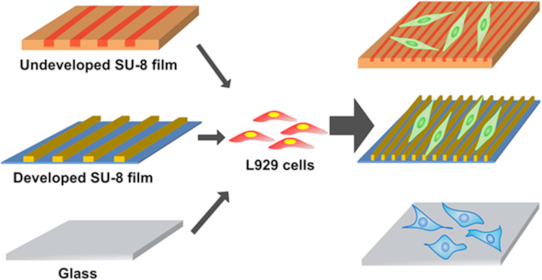
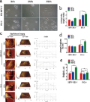
- the cell–substrate interface are two key properties influencing cell behavior. In this paper, atomic force acoustic microscopy (AFAM) is used to investigate the influence of substrate stiffness and substrate topography on the responses of L929 fibroblasts. This combined nondestructive technique is
- substrate also regulates the cell morphology and movement. It has been observed that the fibroblasts cultured on the micropatterned film move towards stiffer surfaces in the stripe pattern, particularly at the boundaries between a stiff area and a soft area [46]. However, there are only few studies on the


Toxicity and safety study of silver and gold nanoparticles functionalized with cysteine and glutathione
Beilstein J. Nanotechnol. 2019, 10, 1802–1817, doi:10.3762/bjnano.10.175
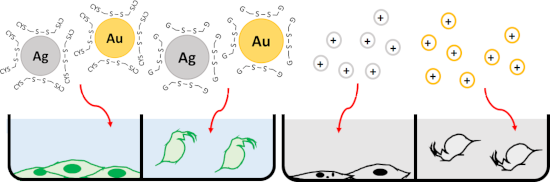
- studied in UPW and media relevant for biological experiments (i.e., EMEM + 10% FBS used as a culture media for fibroblasts and standard culture media (SCM) used for D. magna). As expected, the AuNPs did not dissolve in any of the tested media, while both CYS- and GSH-coated AgNPs released more ions in the
- significant number of late apoptotic cells, while CYS- and GSH-coated AgNPs were shown to be safer than expected. In both cases, more than 88% of fibroblasts survived the treatment with the highest dose applied (10 mg Ag L−1). As the exposure to NPs is known to induce oxidative stress in cells [75][76], ROS
- production and intracellular GSH levels were measured after 24 h incubation with the tested species. The results corroborated well with those on the number of apoptotic cells. In all cases where doses of tested induced apoptosis in fibroblasts, ROS levels were also significantly changed (Figure 4c). The ROS


Materials nanoarchitectonics at two-dimensional liquid interfaces
Beilstein J. Nanotechnol. 2019, 10, 1559–1587, doi:10.3762/bjnano.10.153













Targeting strategies for improving the efficacy of nanomedicine in oncology
Beilstein J. Nanotechnol. 2019, 10, 168–181, doi:10.3762/bjnano.10.16
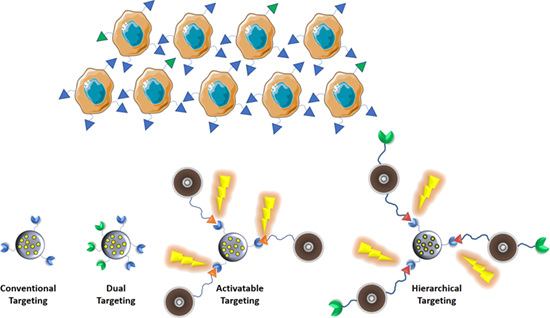
- receptors expressed in tumoral but also in healthy cells, and the rapid uptake by the reticuloendothelial system, macrophages and supportive cells such as fibroblasts the decrease the nanocarrier concentration in the blood stream. Also, the poor penetration capacity into the tumoral mass due to strong


Biomimetic and biodegradable cellulose acetate scaffolds loaded with dexamethasone for bone implants
Beilstein J. Nanotechnol. 2018, 9, 1986–1994, doi:10.3762/bjnano.9.189
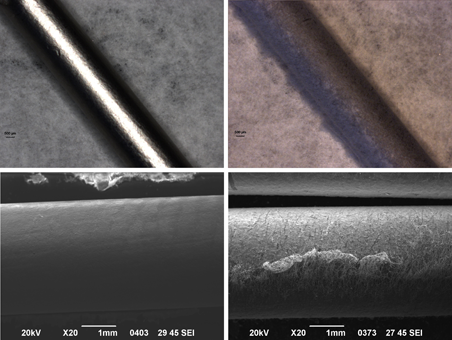
- -Aldrich, Germany. N,N-Dimethylacetamide was obtained from Chem-Lab NV, Belgium. In MTT assay the cells used in this study were mice fibroblasts (L929) and phosphate-buffered saline (PBS), Dulbecco’s Modifies Eagle Medium (DMEM), 10% fetal bovine serum (FBS) and antibiotics were obtained from Gibco® Cell
- staining: L929 mouse fibroblasts were used to examine the cytotoxicity levels due to their properties and biological characteristics (biological responses and reproducible growth rates). The samples were placed inside a well-plate and 1 mL of medium was added and the whole system was left in the incubator
- the synthesis of some proteins that are able to compromise multiple systems and inhibit growth. This might be due to the modification of other proteins that play crucial role in different cellular events. Nevertheless, cultured fibroblasts respond to glucocorticoids either with a positive or negative


Preparation of micro/nanopatterned gelatins crosslinked with genipin for biocompatible dental implants
Beilstein J. Nanotechnol. 2018, 9, 1735–1754, doi:10.3762/bjnano.9.165
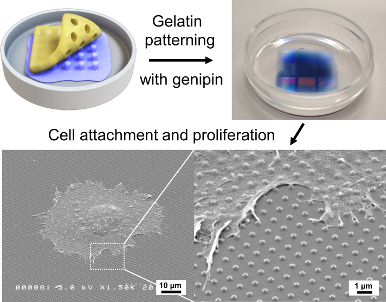
- , or 650 nm. Additionally, Vernon et al. have reported that the depth factor of the groove also has an influence on cell orientation [34]. In this regard, human dermal fibroblasts, as well as human umbilical artery smooth muscle cells, have been reported to be not well-aligned in grooves with depths of
- attachment. Moreover, the live/dead cell viability assay demonstrated that gelatin crosslinked with genipin showed low cytotoxicity (Figure 4). The low cytotoxicity for Saos-2 cells on our gelatin patterns was in agreement with the low cytotoxicity for fibroblasts on genipin-crosslinked gelatin [66
- improvement in cell attachment, as a result of the different gelatin surface patterns, was similar to the improvement of cell attachment seen for human osteoblasts and human gingival fibroblasts on gelatin grooves, with a width of 500 nm to 2 µm, created by nanoimprint and thermal crosslinking [55]. In






Bioinspired self-healing materials: lessons from nature
Beilstein J. Nanotechnol. 2018, 9, 907–935, doi:10.3762/bjnano.9.85
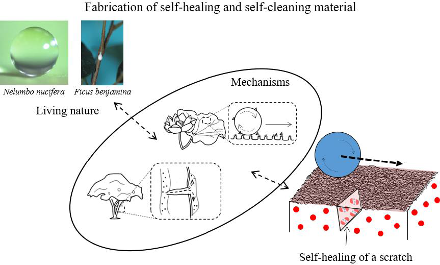
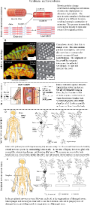
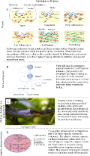
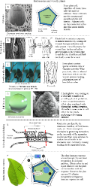
- the body. Inflammation initiates the innate immune response, often seen as a swelling redness as an increase in cells occurs at the site of the wound. In proliferation, fibroblasts (counterparts to the osteoblasts in hard tissue) secrete extracellular matrix, fibrinogen, and collagen to remodel tissue







Liquid-crystalline nanoarchitectures for tissue engineering
Beilstein J. Nanotechnol. 2018, 9, 205–215, doi:10.3762/bjnano.9.22
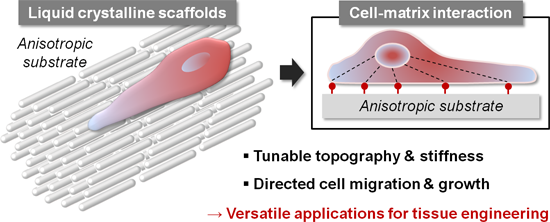
- , preosteoblasts and fibroblasts, which has a potential for the treatment of spinal cord injuries [91][92]. Osteogenesis and biomineralization can be induced by using 2D substrate matrices made of M13 phages and M13-based peptide amphiphiles, which are in hierarchical nematic, cholesteric, and smectic-like


Calcium fluoride based multifunctional nanoparticles for multimodal imaging
Beilstein J. Nanotechnol. 2017, 8, 1484–1493, doi:10.3762/bjnano.8.148
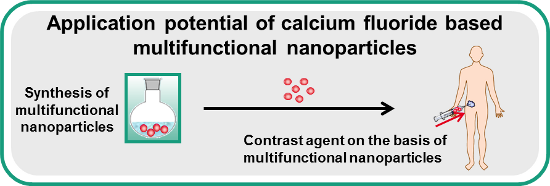
- synthesis and determine the long-term stability of the CAs. No cytotoxicity of NP concentrations between 0.5 and 1 mg·mL−1 was observed after exposure to human dermal fibroblasts over 24 h. Overall this study shows, that the CaF2:(Tb3+,Gd3+) NPs are suitable for medical imaging. Keywords: calcium fluoride
- decreases within 2 h because of light scattering on NP agglomerates. Light-microscopy images of dispersions of stabilized and non-stabilized CaF2:(Tb3+,Gd3+) NPs in FCS-containing cell-culture medium are given in Figure S3 (Supporting Information File 1). Finally, the viability of human dermal fibroblasts


Evaluation of quantum dot conjugated antibodies for immunofluorescent labelling of cellular targets
Beilstein J. Nanotechnol. 2017, 8, 1238–1249, doi:10.3762/bjnano.8.125
- 75 cm2 flask at 37 °C with 5% CO2, minimum essential media (MEM, Life Technologies, UK) supplemented with 10% (v/v) foetal calf serum (FCS), and 1% non-essential amino acids (NEAA). Cells were split 1,000,000 cells/mL when ≥80% confluent with trypsin-EDTA. Rat mammary (Rama) 27 fibroblasts were
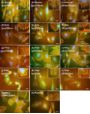
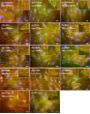
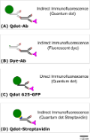
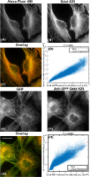
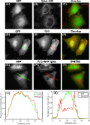
- using a Qdot 625 streptavidin (yellow) conjugate (Qdot-Streptavidin) and biotinylated (blue) primary antibody (D). Scale bar is 10 nm. Specific labelling of fibronectin with Qdots. Fixed rat mammary (Rama) 27 fibroblasts were dual labelled with green Alexa Fluor 488 (A) and a red Qdot 625 (B) to produce
- Bulinkski from Colombia University for the TC7 3xGFP cells and also appreciation to Professor Philip Rudland from University of Liverpool for supplying the rat mammary (Rama) 27 fibroblasts. We would like to acknowledge and thank the Liverpool Centre for Cell Imaging (CCI) for training and access to




Nano-engineered skin mesenchymal stem cells: potential vehicles for tumour-targeted quantum-dot delivery
Beilstein J. Nanotechnol. 2017, 8, 1218–1230, doi:10.3762/bjnano.8.123
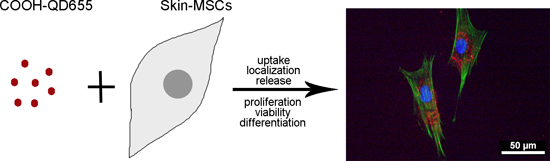
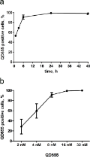
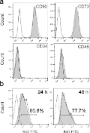
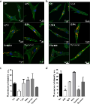
- , which could be a desirable event in targeted tumour therapy. The optimal uptake conditions for NPs could depend on the particle size, surface modifications, protein corona, and recipient cell line. Previous studies have suggested the incubation of NIH3T3 mouse fibroblasts with 16 nM QDs for 6 h as the





Uptake of the proteins HTRA1 and HTRA2 by cells mediated by calcium phosphate nanoparticles
Beilstein J. Nanotechnol. 2017, 8, 381–393, doi:10.3762/bjnano.8.40
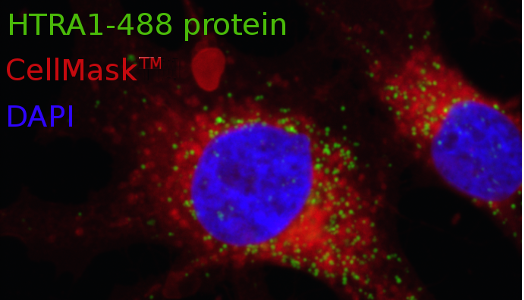
- this protein family in humans are HTRA1 and HTRA2 that are both involved in tumour suppression and in the control of proliferation, migration, and neurodegeneration [31]. The HTRA1 gene (previously termed PRSS11) was initially identified in human fibroblasts [32]. Numerous experimental findings suggest





