


Search results
Search for "formulation" in Full Text gives 205 result(s) in Beilstein Journal of Nanotechnology. Showing first 200.
Venom-loaded cationic-functionalized poly(lactic acid) nanoparticles for serum production against Tityus serrulatus scorpion
Beilstein J. Nanotechnol. 2025, 16, 1633–1643, doi:10.3762/bjnano.16.115
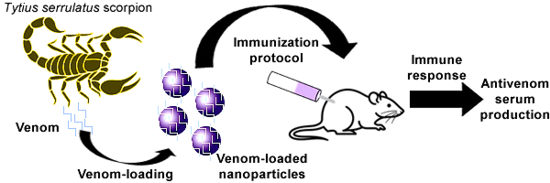
- the nanosystems at 0.5% demonstrated to be equipotent to AH 0.5%. The NP formulation produced antibodies that were detected until the 1:3,200 dilution, whereas the AH formulation produced antibodies that were detected until the 1:1,600 dilution. The Figure 5 shows the antibody production results from
- on the particle size; thus, small particles have a larger surface area for dissolution, providing faster release kinetics [39]. Uniformity of particle size is also important for the stability of the formulation, as well as for the choice of administration route. The intravenous and intramuscular
- routes are very common for the administration of proteins with pharmacological activity and with particle sizes of around 200 nm [40]. Regarding stability, only minimal changes in physicochemical parameters were observed, indicating colloidal stability of the nanoparticle formulation. This is


Enhancing the therapeutical potential of metalloantibiotics using nano-based delivery systems
Beilstein J. Nanotechnol. 2025, 16, 1350–1366, doi:10.3762/bjnano.16.98
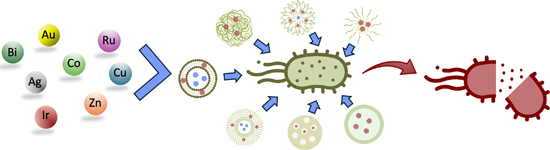
- interface or within imperfections of the solid core [74]. Despite their advantages, SLNs face certain challenges, such as limited drug loading capacity due to the crystalline structure of the solid lipid matrix, risks of drug leakage during storage, and a relatively high water content in the formulation [73
- encapsulate a wide variety of therapeutic agents, from hydrophilic to hydrophobic compounds. Due to their biocompatibility and easy formulation, polymeric NPs can be engineered to offer precise control over drug release, stability, and targeting, making them ideal candidates in the treatment of infections [77
- cellulose-based dressings. The resulting formulation displayed improved antimicrobial activity and enhanced wound healing properties [105]. Additionally, in vitro assays revealed that encapsulating silver sulfadiazine in SLNs protected fibroblasts and keratinocytes from metal-induced toxicity. Finally, the


Ferroptosis induction by engineered liposomes for enhanced tumor therapy
Beilstein J. Nanotechnol. 2025, 16, 1325–1349, doi:10.3762/bjnano.16.97
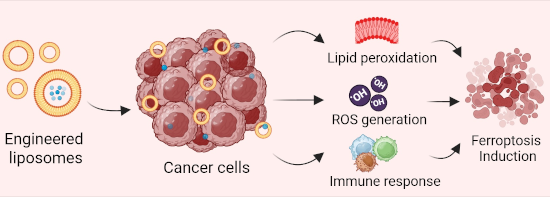
- method for clinical liposome formulations is the thin film hydration/Bangham technique [113]. DepoFoam liposome technology utilizes a proprietary liposome formulation that can be administered by injection and provides sustained release of the encapsulated drug over an extended period. DepoFoam liposomes
- be internalized by receptor-mediated endocytosis, which improves the accumulation of the drug at the desired site [130][131]. By integrating multiple components, such as targeting ligands, imaging agents, and therapeutic drugs, into a single liposomal formulation, theranostic liposomes can be created
- oxidation or hydrolysis processes. After the hydrolysis of free fatty acids, compounds are formed that are toxic to the human body and lower the pH value of the environment. Antioxidants such as flavonoids and vitamins C and E can be included in the formulation of liposomes to stop oxidation [138]. While


Acrocomia aculeata oil-loaded nanoemulsion: development, anti-inflammatory properties, and cytotoxicity evaluation
Beilstein J. Nanotechnol. 2025, 16, 1277–1288, doi:10.3762/bjnano.16.93
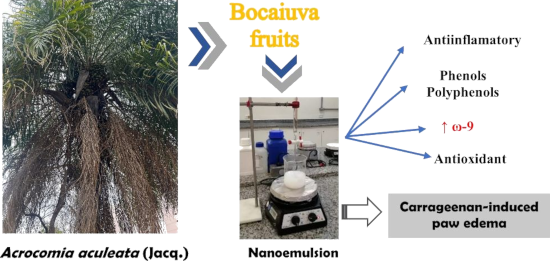
- requires the determination of key formulation parameters, including the required hydrophilic–lipophilic balance (HLBr), droplet size, and polydispersity index (PDI) [42][43][44]. In this study, the Acrocomia aculeata oil nanoemulsion (AANE) exhibited a uniform droplet size distribution and a stable PDI
- upon formulation with the surfactant system characterized by a hydrophilic–lipophilic balance (HLB) value of 12. These physicochemical parameters are critical for defining the kinetic stability and structural integrity of the nanoemulsion system. Surfactants or emulsifiers are characterized by their
- for oil-in-water versus water-in-oil systems [43] (Figure 1). A surfactant system characterized by an HLB value of 12 (Figure 1) was employed to formulate the bocaiúva oil nanoemulsion, resulting in a satisfactory polydispersity index of 0.200. The formulation exhibited excellent physical stability


Hydrogels and nanogels: effectiveness in dermal applications
Beilstein J. Nanotechnol. 2025, 16, 1216–1233, doi:10.3762/bjnano.16.90
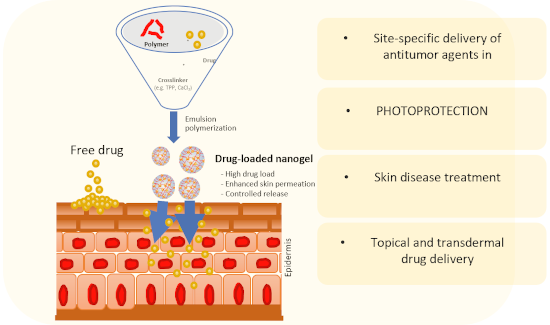
- pathophysiological processes through the incorporation of drugs for enhancing skin permeation brings out promising prospects for innovation which may arise in the drug delivery field. Keywords: cross-linking; drug delivery; formulation; nanogel; polymer; Introduction The systematic study of gels began in the mid
- drug solubility in the SC [170], and/or (iii) enhancing the drug diffusion through the SC [169][178]. The first approach can be carried out by simply increasing the drug concentration in the vehicle or by changing the formulation to eventually decrease the drug solubility (i.e., by changing the
- ± 1.9%. In dermal toxicity studies, the nanogel-MTX formulation showed no signs of irritation or toxicity, while in the biodistribution study, the nanogel-MTX displayed sustained systemic release up to 48 hours with low accumulation in organs such as liver, kidney, and intestine. A therapeutic efficacy


Chitosan nanocomposite containing rotenoids: an alternative bioinsecticidal approach for the management of Aedes aegypti
Beilstein J. Nanotechnol. 2025, 16, 1197–1208, doi:10.3762/bjnano.16.88
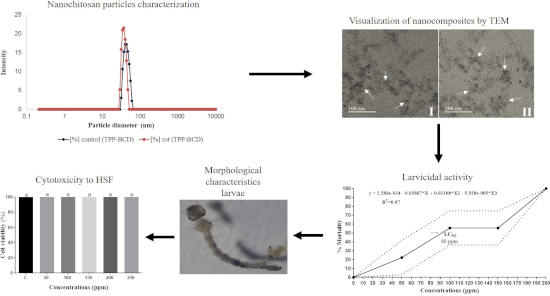
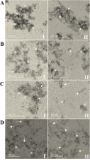
- into the chitosan-based nanocomposite and suggest molecular interactions that may contribute to the enhanced stability and bioactivity of the formulation. To complement the physicochemical characterization and confirm the efficiency of rotenoid encapsulation within the nanoparticles, a calibration
- than that observed for the in natura rotenoids, indicating a lower potency compared to the CS/TPP–β-CD–rot formulation. Control nanoparticles (CS/TPP and CS/TPP–β-CD) exhibited no larval mortality, confirming that the observed larvicidal activity is directly associated with the rotenoids. Previous
- delivery system is biocompatible with HSF cells. Therefore, both free rotenoids and the CS/TPP-BCD rot formulation are safe for use at the tested concentration. Previous studies reported that synthetic insecticides, such as type II pyrethroids (deltamethrin, cyphenothrin, λ-cyhalothrin, cyfluthrin



Characterization of ion track-etched conical nanopores in thermal and PECVD SiO2 using small angle X-ray scattering
Beilstein J. Nanotechnol. 2025, 16, 899–909, doi:10.3762/bjnano.16.68
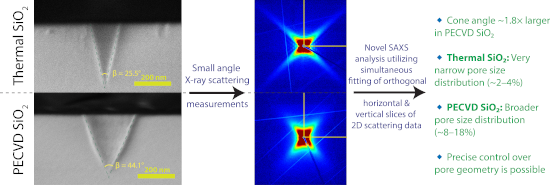
- nanopores, J1 denotes the first-order Bessel function, and C accounts for electron density contrast and other constant parameters. The radial component of the scattering vector (), denoted as qr, is given by . For the vertical cut analysis, we set qx = 0, which reduces qr to qy. This formulation captures


Changes of structural, magnetic and spectroscopic properties of microencapsulated iron sucrose nanoparticles in saline
Beilstein J. Nanotechnol. 2025, 16, 762–784, doi:10.3762/bjnano.16.59
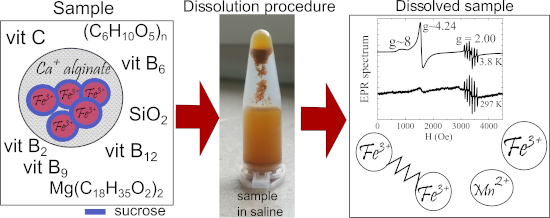
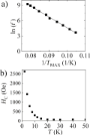
- ), exhibit slight variations depending on the system formulation. Thus, the FS0 and FST infrared spectra in the fingerprint region revealed ascorbic acid-related bands at approximately 1725/1734 and 1673/1683 cm−1 (FS0/FST) attributed to the C=O stretching and five-membered lactone ring modes, coupled with





Colloidal few layered graphene–tannic acid preserves the biocompatibility of periodontal ligament cells
Beilstein J. Nanotechnol. 2025, 16, 664–677, doi:10.3762/bjnano.16.51
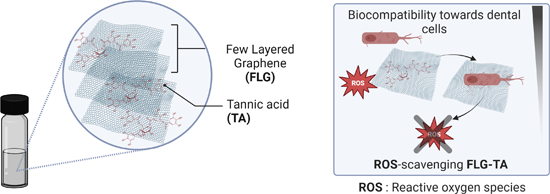
- microhardness without compromising biocompatibility [7]. In another work, the formulation of an injectable calcium phosphate cement–chitosan–graphene oxide (GO) composite was found to be effective. This composite fostered the proliferation of human dental pulp stem cells [8]. Despite these promising findings




Aprepitant-loaded solid lipid nanoparticles: a novel approach to enhance oral bioavailability
Beilstein J. Nanotechnol. 2025, 16, 652–663, doi:10.3762/bjnano.16.50
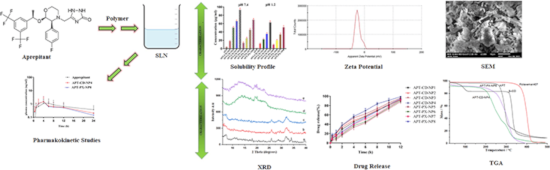
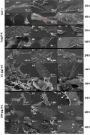
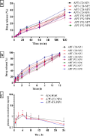
- microscopy (SEM), X-ray diffraction (XRD), differential scanning calorimetry (DSC) and thermogravimetric analysis (TGA), in vitro drug release in 0.1 M HCl (pH 1.2) and phosphate-buffered saline (PBS, pH 7.4), and pharmacokinetic studies. The optimal formulation (APT-CD-NP4) containing the highest
- release (98.89% ± 4.11%) in PBS (pH 7.4) and followed the Higuchi release model (with exponent n = 0.542), indicating non-Fickian diffusion (anomalous transport). The maximum concentration of drug in plasma and the bioavailability of optimal formulation APT-CD-NP4 were higher than those of pure APT
- . Therefore, the optimal SLN formulation APT-CD-NP4 is a promising tool for oral administration with sustained release to improve the bioavailability of the BCS class-IV drug APT. Keywords: aprepitant; β-cyclodextrin; pharmacokinetic study; poloxamer; solid lipid nanoparticles; Introduction Cancer is a



A formulation containing Cymbopogon flexuosus essential oil: improvement of biochemical parameters and oxidative stress in diabetic rats
Beilstein J. Nanotechnol. 2025, 16, 617–636, doi:10.3762/bjnano.16.48
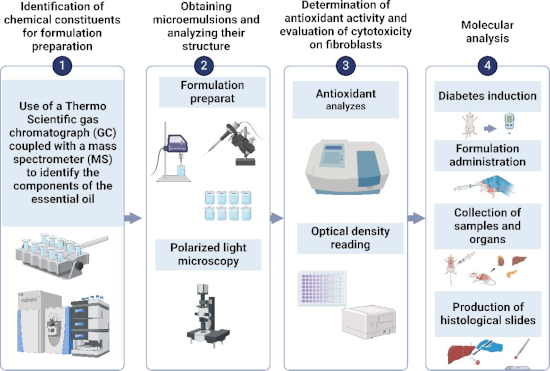
- bactericidal, antiviral, antifungal, antioxidant, and hypoglycemic effects. Therefore, this study aims to obtain a microemulsified formulation containing the essential oil of Cymbopogon flexuosus (EOCF) and to evaluate its antioxidant and antidiabetic activity in diabetic rats. The microemulsion (ME) was
- radius of 15.24 ± 1.27 nm, which is in line with the definition of MEs, having a hydrodynamic radius between 10 and 100 nm [18]. Furthermore, it was observed that the M7-EOCF formulation had a polydispersity index (PDI) of 0.334 ± 0.054, indicating homogeneity (PDI < 0.5) in the droplet size distribution
- of this system. The literature reports that a PDI below 0.5 also indicates greater physical stability of the obtained formulation [20][21]. The M7-EOCF sample was also examined using polarized light microscopy to investigate its optical properties. Isotropic behavior was observed (Supporting




Synthetic-polymer-assisted antisense oligonucleotide delivery: targeted approaches for precision disease treatment
Beilstein J. Nanotechnol. 2025, 16, 435–463, doi:10.3762/bjnano.16.34

- complexed PLR (Mw = 15–70 kDa) with hyaluronic acid (HA) to form biodegradable nanoparticles capable of delivering siRNA to cells overexpressing the HA receptor CD44. The study demonstrated that these HA–PLR complexes, in particular the formulation HP101, were able to form stable complexes with siRNA and


Development of a mucoadhesive drug delivery system and its interaction with gastric cells
Beilstein J. Nanotechnol. 2025, 16, 371–384, doi:10.3762/bjnano.16.28

- both situations, the effectiveness of the drug formulation depends on several factors such as gastric residence time, gastric emptying, release rate of the drug from the dosage form, and the therapeutic agent reaching the site of action or absorption. Conventional drug delivery systems may not be
- system to be used in stomach delivery applications. In one study, alginate and various mucoadhesive polymers, including Eudragit RS100, were blended to deliver an anti-ulcerative drug to the stomach for prolonged gastric retention. Approximately 67% of an Eudragit microsphere formulation was found to
- protein-digesting enzyme pepsin [44]. Despite the challenges, remarkable developments are unfolding. Recently a peptide-based therapeutic delivery system that is absorbed in the stomach was approved by the FDA as oral formulation to be used in type-II diabetic patients [45]. This inspired us to develop


Radiosensitizing properties of dual-functionalized carbon nanostructures loaded with temozolomide
Beilstein J. Nanotechnol. 2025, 16, 229–251, doi:10.3762/bjnano.16.18
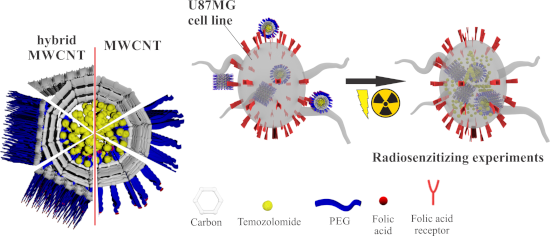
- concentration-dependent toxicity was observed for blank dual-functionalized CNs, being higher for MWCNTs-G-PEG6000-FA compared to MWCNTs-PEG6000-FA at the same formulation concentrations. With incorporation of TMZ into the functionalized CNs, the cell viability additionally decreased, maintaining the trend for
- formulation, biopharmaceutics/release kinetics, and pharmacokinetics of TMZ. Also, surface functionalization attempts with multiple targeting ligands were made to deliver TMZ to the site of interest, exploiting the site-specific expression or overexpression of specific molecules on BBTB and GBM cells to
- -modified hybrid structure could also explain the faster TMZ release from this formulation in comparison with the functionalized ones (Figure 2b). After irradiation, the TMZ release from the dual-functionalized CNs was slightly faster, which can be attributed to the changes in the size of the CNs, faster




Synthesis and the impact of hydroxyapatite nanoparticles on the viability and activity of rhizobacteria
Beilstein J. Nanotechnol. 2025, 16, 216–228, doi:10.3762/bjnano.16.17
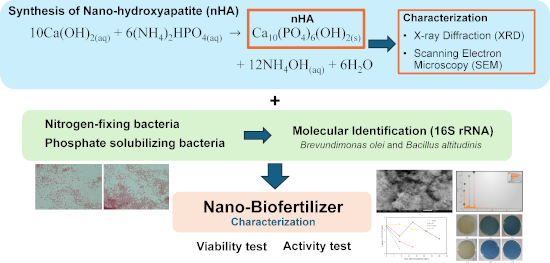
- ) and precise digital measurement of electrical conductivity (Mettler Toledo, MC 226 conductivity meter). Preparation of inoculum and formulation of rhizobacteria-nHA nHA was carefully placed into 2 mL EP tubes and underwent sterilization through autoclaving. The rhizobacteria were introduced into


Nanocarriers and macrophage interaction: from a potential hurdle to an alternative therapeutic strategy
Beilstein J. Nanotechnol. 2025, 16, 97–118, doi:10.3762/bjnano.16.10
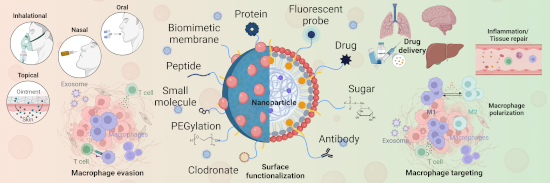
- macrophage-based systems for nanomedical applications and immunotherapeutic strategies in asthma treatment [112]. Researchers have developed an inhalable formulation of Roflumilast using lipid–polymer hybrid nanoparticles (LPHNPs) to improve its delivery to the lungs and specifically target AMs in COPD


Instance maps as an organising concept for complex experimental workflows as demonstrated for (nano)material safety research
Beilstein J. Nanotechnol. 2025, 16, 57–77, doi:10.3762/bjnano.16.7



Biomimetic nanocarriers: integrating natural functions for advanced therapeutic applications
Beilstein J. Nanotechnol. 2024, 15, 1619–1626, doi:10.3762/bjnano.15.127

- nanoparticles (AuNPs) with polyoxometalate and the peptides POMD and LPFFD (AuNPs@POMD-pep) have shown inhibition of Aβ1 aggregation and Aβ-induced cytotoxicity. However, the inherent toxicity of this formulation, challenges in particle digestion, and the potential for triggering immune reactions remain


Integrating high-performance computing, machine learning, data management workflows, and infrastructures for multiscale simulations and nanomaterials technologies
Beilstein J. Nanotechnol. 2024, 15, 1498–1521, doi:10.3762/bjnano.15.119
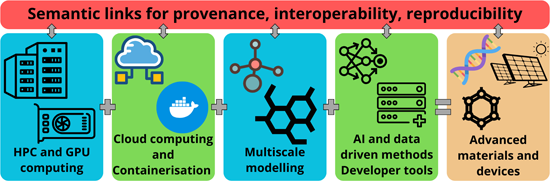
- across the framework, guaranteeing consistency from the formulation of queries to the definition of tasks. Ontologies, in particular, constitute an efficient and common way to formally represent knowledge. Accordingly, recent collaborative work has focused on the development of materials ontologies
- largely missing. The development of MAMBO followed an hybrid approach mixing top-down and bottom-up processes. To accurately capture the distinct characteristics of concepts integral to the formulation of the MAMBO ontology (both the more general concepts and the more specific ones), we initially


Polymer lipid hybrid nanoparticles for phytochemical delivery: challenges, progress, and future prospects
Beilstein J. Nanotechnol. 2024, 15, 1473–1497, doi:10.3762/bjnano.15.118
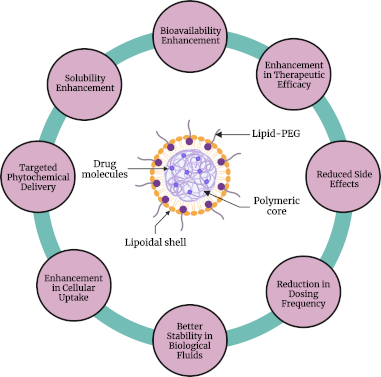
- scavenging capability of the developed formulation was comparable to that of standard antioxidants such as vitamins C and E. The antioxidant capabilities of RVT and the developed PLHNPs were further assessed by determining improved superoxide dismutase (SOD) activities in lipopolysaccharide-induced J774A.1
- improved antitumor efficacy against cervical cancer [139]. The formulation showed better stability and sustained release properties. Antitumor activity in U14 tumor-bearing female CD-1 mice revealed that the UA-PLHNPs exhibited much higher tumor growth inhibition. Further, UA-PLHNPs represented better


Effect of radiation-induced vacancy saturation on the first-order phase transformation in nanoparticles: insights from a model
Beilstein J. Nanotechnol. 2024, 15, 1453–1472, doi:10.3762/bjnano.15.117

- HDCMs’ behavior under irradiation. Recently, we attempted to adapt Shen’s model for polymorphic transformations in nanoscale Fe systems (conference report, providing an initial approximation to the formulation of the problem) [19]. However, certain assumptions raise doubts about the results, namely, (i


Nanotechnological approaches for efficient N2B delivery: from small-molecule drugs to biopharmaceuticals
Beilstein J. Nanotechnol. 2024, 15, 1400–1414, doi:10.3762/bjnano.15.113
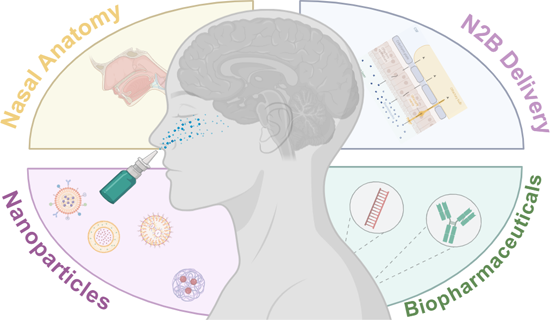
- alternative route of administration [60]. For instance, Dhaliwal et al. presented a cationic liposomal formulation loaded with luciferase mRNA to evaluate the intranasal delivery to the brain in a murine model. Positively charged liposomes both enhance the interactions with anionic mRNA, leading to complexes
- between these materials, and the intracellular uptake for gene delivery. The authors encapsulated luciferase mRNA in the cationic liposomal formulation to quantify the mRNA expression distribution in the brain. The results of the in vivo studies with mice showed a dose-dependent increase in luciferase
- activity in the whole brain after the administration. Moreover, compared to the mRNA administration without liposomal formulation, the encapsulated mRNA showed higher mRNA expression than the control group, indicating successful delivery of mRNA through intranasal delivery [96]. While the results are


A biomimetic approach towards a universal slippery liquid infused surface coating
Beilstein J. Nanotechnol. 2024, 15, 1376–1389, doi:10.3762/bjnano.15.111
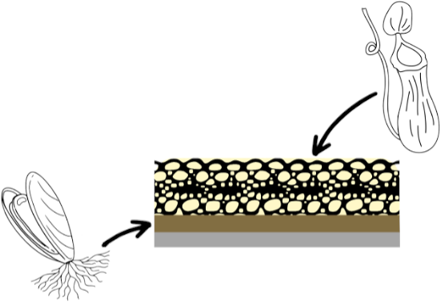
- adhesion to the surface. This hemocompatibility work suggests that PDA SLIPS coatings slow or prevent clotting, but the observation of both FXII activation and the presence of adherent and activated platelets at the PDA SLIPS samples imply that this formulation of a SLIPS coating is not completely
- was no difference in platelet adhesion between PDA–FDT–PFD, COC, and glass for donor A1. However, glass exhibited significantly higher platelet adhesion than PDA–FDT–PFD and COC for donor A3 (Figure 7). Combined, these biocompatibility assays demonstrate that this formulation of a SLIPS coating is not




Realizing active targeting in cancer nanomedicine with ultrasmall nanoparticles
Beilstein J. Nanotechnol. 2024, 15, 1208–1226, doi:10.3762/bjnano.15.98
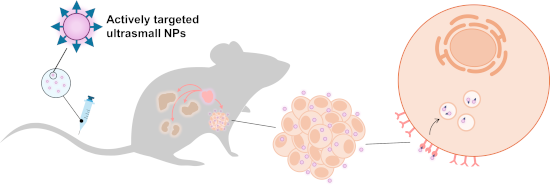
- performance of the targeted C’ dot formulation with an antibody drug conjugate using both 3D tumor spheroid models and xenograft animal tumor models. The results indicated that the C’ dots exhibited significantly deeper penetration within 3D cell-line-derived spheroids (Figure 3C). Additionally, the particles


Synthesis, characterization and anticancer effect of doxorubicin-loaded dual stimuli-responsive smart nanopolymers
Beilstein J. Nanotechnol. 2024, 15, 1189–1196, doi:10.3762/bjnano.15.96
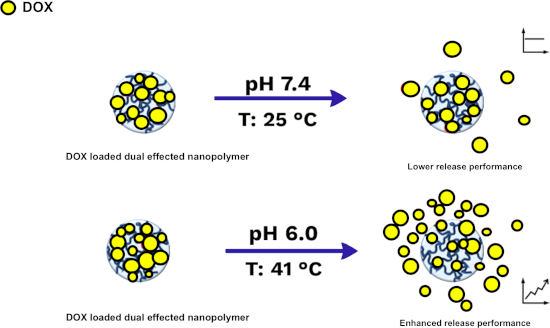
- that observed for the commercial liposomal formulation of doxorubicin Doxil. The obtained results demonstrated that smart nanopolymers can be efficiently used to create new types of doxorubicin-based drugs. Keywords: cancer cell line HeLa; cytotoxicity; doxorubicin; drug delivery; smart nanopolymers
- against the cancer cell line Hela at different DOX concentrations and incubation times showed a prolonged DOX release and a good anticancer effect. The effect was similar to that observed in a commercial liposomal formulation of doxorubicin (Doxil) as well as to that of other polymeric formulations of DOX





