Search results
Search for "gel" in Full Text gives 405 result(s) in Beilstein Journal of Nanotechnology. Showing first 200.
Hydrogels and nanogels: effectiveness in dermal applications
Beilstein J. Nanotechnol. 2025, 16, 1216–1233, doi:10.3762/bjnano.16.90
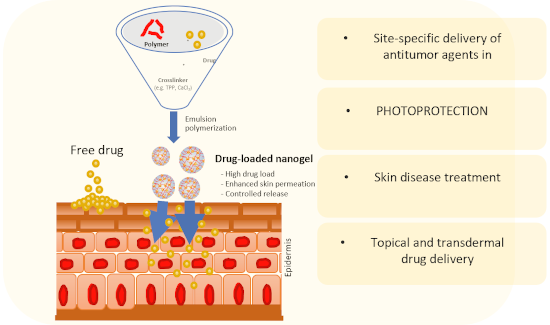
- properties to a gel previously composed of a more rigid and brittle network, a double network gel with an IPN structure is obtained. This approach significantly contributes to improving the mechanical properties and stability of the system [43][52]. Synthetic polymers, including acrylates [53], acrylamide
- polymer mixtures generate thermo-sensitive hydrogels, such as chitosan/β-glycerophosphate/collagen-based hydrogels [129]. In another example, hydrogels comprised of gelatin microspheres, glutaraldehyde – as a cross-linker, added to Pluronic F127 and F68 can vary from sol to gel phases by changing both
- stirring followed by rest to form the gel [138]. Keratin concentrations varied between 10, 15, and 20% in water, and vigorous agitation was used for dissolution [136]. Then, to promote the formation of disulfide bonds, a 5% solution of H2O2 is added. For gel formation, mixtures should be incubated


Soft materials nanoarchitectonics: liquid crystals, polymers, gels, biomaterials, and others
Beilstein J. Nanotechnol. 2025, 16, 1025–1067, doi:10.3762/bjnano.16.77
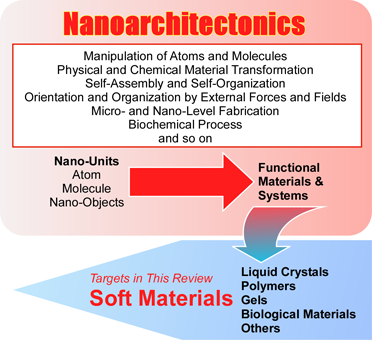
- nanoarchitectonics. As an overall conclusion, it is highly anticipated that soft materials nanoarchitectonics will continue to develop significantly in the future. Keywords: biomaterials; gel; liquid crystal; nanoarchitectonics; polymer; soft materials; Introduction The growing interest in soft and responsive
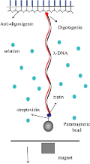
- materials nanoarchitectonics, spanning the fields of electronics and medicine. Gel nanoarchitectonics Gels are representative soft materials that exhibit flexibility and softness. They are soft and flexible substances comprising polymers and molecular aggregates that are predominantly solvated and
- integrated with the solvent [279][280][281]. Furthermore, gel materials with excellent stimuli responsiveness and biocompatibility have also been widely developed. As the nanoarchitectonics of the polymers and molecular aggregates that constitute gels evolve, the design and functionality of gels are becoming






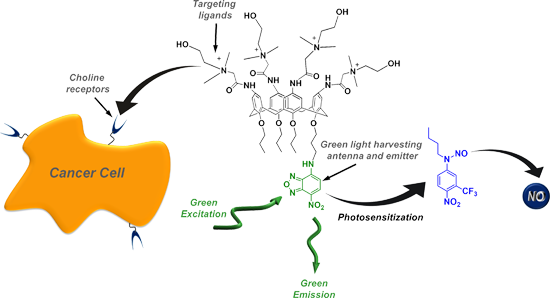
A calix[4]arene-based supramolecular nanoassembly targeting cancer cells and triggering the release of nitric oxide with green light
Beilstein J. Nanotechnol. 2025, 16, 1003–1013, doi:10.3762/bjnano.16.75
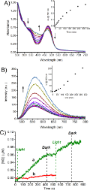
- gel (Merck Kieselgel 60, 230–400 mesh ASTM). The progress of the reactions was followed by thin layer chromatography (TLC) on 5 × 20 cm plates with a layer thickness of 0.2 mm. UV–vis spectra were recorded with a Jasco V-560 spectrophotometer using quartz cuvettes with an optical path length of 1 cm


Structural and magnetic properties of microwave-synthesized reduced graphene oxide/VO2/Fe2O3 nanocomposite
Beilstein J. Nanotechnol. 2025, 16, 921–932, doi:10.3762/bjnano.16.70
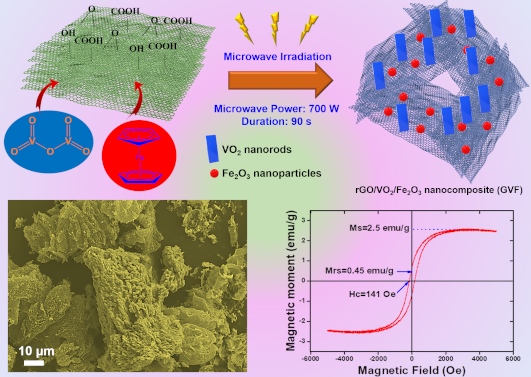
- ternary NCs of graphene materials, several conventional approaches, such as sol–gel, hydrothermal/solvothermal, calcination/thermal annealing, chemical vapor deposition, liquid-phase exfoliation, and freeze-drying have been reported. However, the MW-assisted synthetic approaches are found to be superior
- phase change of this metal oxide is generally implemented through a few approaches, including annealing, sol–gel process, hydrothermal process, vapor transport method. However, such approaches are time consuming [26][27][28]. In this context, the ultrafast reduction of V2O5 to VO2 through the MW route


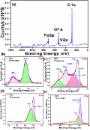
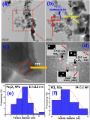

Ar+ implantation-induced tailoring of RF-sputtered ZnO films: structural, morphological, and optical properties
Beilstein J. Nanotechnol. 2025, 16, 872–886, doi:10.3762/bjnano.16.66
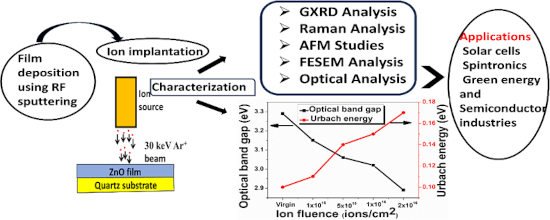
- displays [5], solar cells [6], and light-emitting diodes [7]. There are numerous methods for synthesizing ZnO films, including pulsed laser deposition, spray pyrolysis, radio frequency (RF) sputtering, and sol–gel techniques. Here RF sputtering is preferred over other methods because it provides high


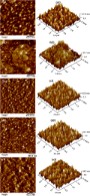




Supramolecular hydration structure of graphene-based hydrogels: density functional theory, green chemistry and interface application
Beilstein J. Nanotechnol. 2025, 16, 806–822, doi:10.3762/bjnano.16.61
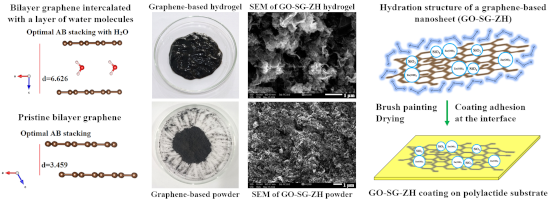
- graphene nanosheets in water-intercalated AB bilayer graphene structures. A layer of water molecules significantly decreases the intersheet van der Waals force. A novel hydrogel of graphene oxide–silica gel–zinc hydroxide (GO-SG-ZH) is experimentally synthesized to demonstrate the advantages of hydrated
- , bandgap energy, and formation energy of the molecular system of bilayer graphene intercalated with a water layer. In the experimental aspect, green chemistry methods were applied for synthesizing GO nanosheets, rice-husk-derived silica gel (SG), nanosilica–zinc hydroxide nanoparticles (SG-ZH), and
- filtration, a clear yellow solution of potassium silicate was obtained and neutralized with a 15% acetic acid solution. After that, the suspension of precipitated nanosilica was incubated overnight and then thoroughly washed with water. The obtained product of silica gel (SG) was used for subsequent


Morphology and properties of pyrite nanoparticles obtained by pulsed laser ablation in liquid and thin films for photodetection
Beilstein J. Nanotechnol. 2025, 16, 785–805, doi:10.3762/bjnano.16.60
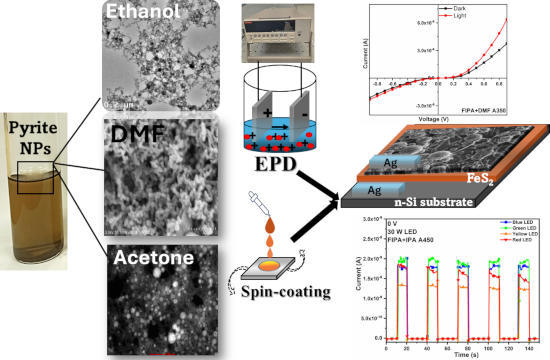
- ][27][28]. In previous reports on pyrite thin films produced by EPD, Duan et al. deposited pyrite powder created using the sol–gel hydrothermal technique onto ITO substrates [29]. There are no other reports on the deposition of pyrite films using electrophoretic deposition. Spin coating is another thin


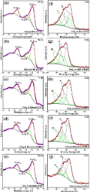


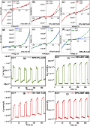


Polyurethane/silk fibroin-based electrospun membranes for wound healing and skin substitute applications
Beilstein J. Nanotechnol. 2025, 16, 591–612, doi:10.3762/bjnano.16.46
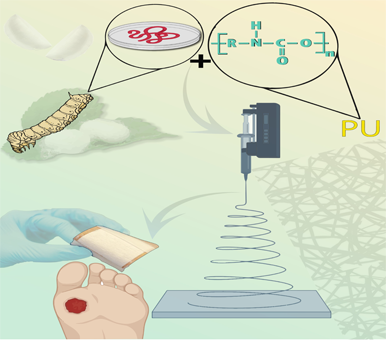
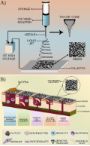
- characteristics [165]. A dense membrane made of PU and an ethanolic extract of propolis (EEP) was electrospun with a polycaprolactone/gelatin (PCL/Gel) scaffold. The PCL/Gel scaffold was employed as the sublayer to promote cell adhesion and proliferation, while the PU/EEP membrane was utilized as the top layer to



Retrieval of B1 phase from high-pressure B2 phase for CdO nanoparticles by electronic excitations in CdxZn1−xO composite thin films
Beilstein J. Nanotechnol. 2025, 16, 551–560, doi:10.3762/bjnano.16.43

- Abstract This study investigates the recovery of the B1 phase from the high-pressure B2 phase, at atmospheric pressure, in cadmium oxide (CdO) nanoparticles incorporated within sol–gel synthesized CdxZn1−xO (x = 0.40) composite thin films. The recovery process is investigated using electronic excitations
- with 40% cadmium concentration in zinc oxide (ZnO) were synthesized using the sol–gel chemical route method, as detailed in our previous publication [1]. The irradiation experiments were performed using the 15 UD tandem Pelletron accelerators at the Inter-University Accelerator Centre (IUAC), New Delhi


Synthetic-polymer-assisted antisense oligonucleotide delivery: targeted approaches for precision disease treatment
Beilstein J. Nanotechnol. 2025, 16, 435–463, doi:10.3762/bjnano.16.34

- G3139 to acute myeloid leukemic cells [113]. Agarose gel electrophoresis retardation essays revealed that both PEI and transferrin were critical to achieve nanocomplexes with long-term stability and optimal cargo protection under physiological conditions. Moreover, LPNs exhibited enhanced cellular


Engineered PEG–PCL nanoparticles enable sensitive and selective detection of sodium dodecyl sulfate: a qualitative and quantitative analysis
Beilstein J. Nanotechnol. 2025, 16, 385–396, doi:10.3762/bjnano.16.29
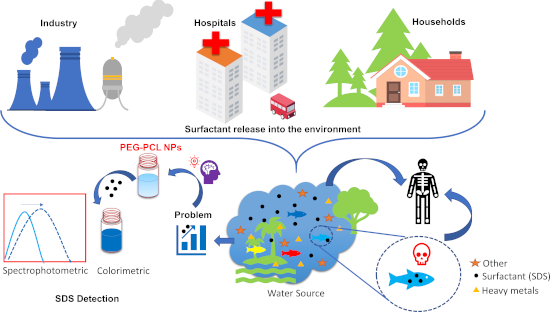
- ]. Apart from that, quantitative and qualitative measurements of SDS in terms of laboratory use are necessary. The SDS is widely used in protein estimation via polyacrylamide gel electrophoresis (PAGE) [10]. Several research groups widely explore nanoparticle synthesis using SDS as a capping agent for


Development of a mucoadhesive drug delivery system and its interaction with gastric cells
Beilstein J. Nanotechnol. 2025, 16, 371–384, doi:10.3762/bjnano.16.28

- systems because of their ability to form gel-like structures in the presence of divalent cations such as Ca2+. Despite the advantages of alginate polymer such as its biodegradability, biocompatibility, and gelation ability, its instability, fast wettability, and rapid release at high pH result in the
- particle size. However, the penetration of PEGylated formulations of different sizes was also studied, and a negative correlation was observed with particle size. In the same study, the effect of gel thickness was evaluated, and it was concluded that the penetration was negatively correlated with mucus gel
- thickness. Regardless of the particle size, penetration was found to be significantly lower when a thicker gel layer was used [63]. In summary, not only charge but also the size of nanoparticles, along with the mucus thickness, affect the diffusion of nanoparticles. The relatively low diffusion percentage


Graphene oxide–chloroquine conjugate induces DNA damage in A549 lung cancer cells through autophagy modulation
Beilstein J. Nanotechnol. 2025, 16, 316–332, doi:10.3762/bjnano.16.24
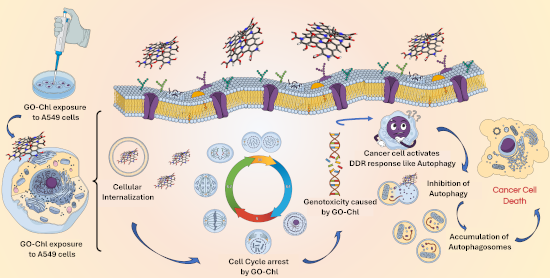
- of PI dye (1 mg/mL) and stored at 4 °C until analysis using flow cytometry. Three independent experiments were performed for each group. Values represent mean ± SE of three independent experiments. A value of p < 0.05 (*) was considered statistically significant. Comet assay/single-cell gel
- electrophoresis for DNA damage analysis upon exposure of A549 cells to GO–Chl nanoconjugates Single-cell gel electrophoresis was used to investigate DNA denaturation and single-strand DNA breaks upon exposure of A549 lung cancer cells to GO–Chl nanoconjugates. For quantitative estimation of DNA damage, we
- ice to allow gelation. Duplicate slides for each sample were prepared and were kept in freshly prepared and chilled lysis solution (146.1 g NaCl, 37.2 g EDTA, 1.2 g Tris, pH 10 with 1% Triton X 100 added just before use) at 4 °C overnight. Further, the slides were placed in a horizontal gel

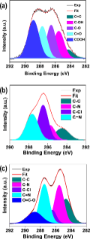


Enhancing mechanical properties of chitosan/PVA electrospun nanofibers: a comprehensive review
Beilstein J. Nanotechnol. 2025, 16, 286–307, doi:10.3762/bjnano.16.22

- in two studies [114][115]. The gel-like suspensions were prepared by mixing the aqueous chitosan/PVA solution and oil phase solutions including PCL and poly-ʟ-lactic acid for the use in wound healing applications. Instead of using nozzle-based methods, the emulsions were electrospun using a


Emerging strategies in the sustainable removal of antibiotics using semiconductor-based photocatalysts
Beilstein J. Nanotechnol. 2025, 16, 264–285, doi:10.3762/bjnano.16.21
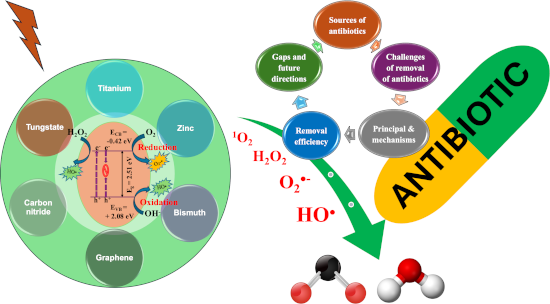
- advanced methods, including sol–gel, hydrothermal, solvothermal, precipitation and template-assisted techniques [53]. The synthesis method chosen often depends on factors such as the desired crystal structure, particle size, surface area, and photocatalytic activity required for the specific application



Synthesis and the impact of hydroxyapatite nanoparticles on the viability and activity of rhizobacteria
Beilstein J. Nanotechnol. 2025, 16, 216–228, doi:10.3762/bjnano.16.17
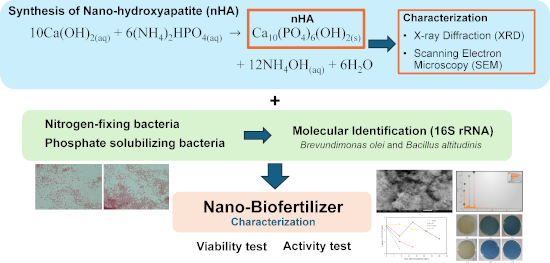
- application and storage [7]. Nanomaterials have gained significant attention in the development of rhizobacterial carrier materials, as their effective utilization can provide protective benefits to plants, assist in nutrient absorption, and, when in gel form, significantly improve water management efficiency
- cycles consisting of denaturation at 94 °C for 45 s, annealing at 52 °C for 1 min, and elongation at 72 °C for 1 min. After the final cycle, polymerization continued at 72 °C for 5 min. The PCR products were then analyzed by electrophoresis on a 1% agarose gel. Visualization was performed under UV light


Recent advances in photothermal nanomaterials for ophthalmic applications
Beilstein J. Nanotechnol. 2025, 16, 195–215, doi:10.3762/bjnano.16.16
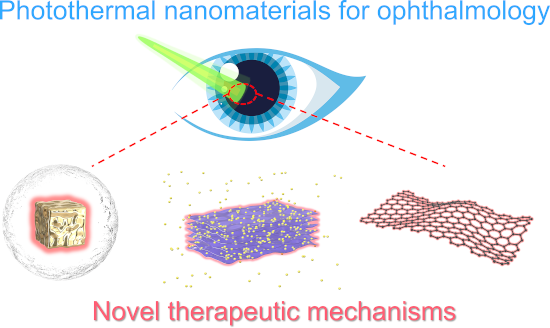
- photothermal gel, composed of Au nanorods, geraniol, chitosan, and the gene-targeted drug DC_AC50 can be activated by NIR light. Photothermal activation softens the hydrogel composed of geraniol and chitosan, controlling drug release and facilitating PTT at moderate temperatures, thus yielding exceptional anti
- the migration of LECs and their inflammatory response following photothermal treatment, without causing significant damage to the surrounding healthy tissues (Figure 3f). 3.3 Vitreous turbidity The vitreous is a highly hydrated, transparent gel supported by a network of long and thin collagen fibers
- [118]. Factors such as aging, myopia, or diabetes can lead to the liquefaction of this vitreous gel and the accumulation of collagen fibers, resulting in turbidity that casts shadows on the retina, manifesting as floaters in a patient’s field of vision (Figure 4a) [119][120]. Vitreous opacity can


TiO2 immobilized on 2D mordenite: effect of hydrolysis conditions on structural, textural, and optical characteristics of the nanocomposites
Beilstein J. Nanotechnol. 2025, 16, 128–140, doi:10.3762/bjnano.16.12
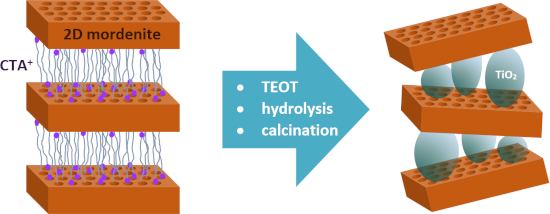
- starting products in a large number of reactions. The hydrolysis of various metal alkoxides by pure water, or its mixtures with primarily alcohols or other solvents, are the basis of the sol–gel method to obtain oxide materials. The tendency of metal alkoxides to this reaction can be considered as their
- most important chemical property. For various reasons, the sol–gel method is mainly associated with the hydrolysis of Si(OR)4; this reagent is readily available, inexpensive, and its hydrolysis proceeds relatively smoothly, as discussed in numerous original papers and reviews [29]. However, the
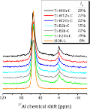
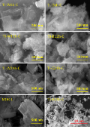
- on the ratio between TiO2 and zeolite [47][48]. Alvarez et al. [47] reported that for TiO2 deposited on mordenite during the TiO2 sol–gel synthesis in a ratio of 75:25, which is close to that in our work (i.e., between 50:50 and 70:30), leads to a noticeable increase in the bandgap (3.47 eV) [47]. It



Comparison of organic and inorganic hole transport layers in double perovskite material-based solar cell
Beilstein J. Nanotechnol. 2025, 16, 119–127, doi:10.3762/bjnano.16.11
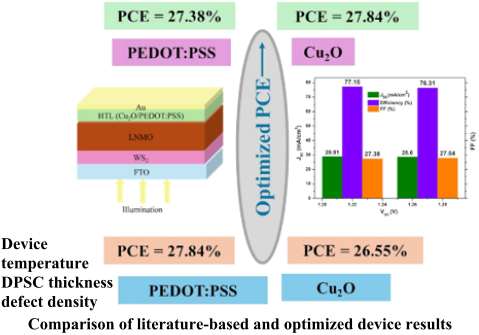
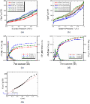
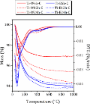
- are given in Table 1. Experimental Verification In 2024, a lead-free DPSC was both designed and fabricated. The included LNMO material was synthesized using the sol–gel method. The experimental and simulated J–V curves showed PCEs of 4.5 % and 10%, respectively. For the simulation, TiO2 was used as


Instance maps as an organising concept for complex experimental workflows as demonstrated for (nano)material safety research
Beilstein J. Nanotechnol. 2025, 16, 57–77, doi:10.3762/bjnano.16.7

- ’ nanotopography was realised through pore formation during synthesis using cetyltrimethylammonium bromide. The non-covalent conjugations between nanomaterials and proteins were quantitatively characterised, directly by gel electrophoresis and indirectly by quantifying the amount of unbound protein in the


A nanocarrier containing carboxylic and histamine groups with dual action: acetylcholine hydrolysis and antidote atropine delivery
Beilstein J. Nanotechnol. 2025, 16, 11–24, doi:10.3762/bjnano.16.2

- through dialysis for 1.5 h using a 12000 Da pore dialysis bag. The size of p(Hist-CA) is approximately 12 ± 3 nm according to TEM, and it forms aggregates ranging in size from 80 to 150 nm (Figure 1a,b). The molecular weight of p(Hist-CA) was determined using gel permeation chromatography (GPC). The GPC
- indices of p(Hist-CA) (1 mg/mL) and p(Hist-CA) after ACh treatment (4 mM) were analyzed by gel filtration on an Agilent 1260 Infinity chromatography system equipped an OHpak SB-806M HQ (8.0 × 300 mm) column with an OHpak SB-G (6.0 × 50 mm) guard column (Shodex, Japan). The samples were centrifuged prior


Orientation-dependent photonic bandgaps in gold-dust weevil scales and their titania bioreplicates
Beilstein J. Nanotechnol. 2025, 16, 1–10, doi:10.3762/bjnano.16.1
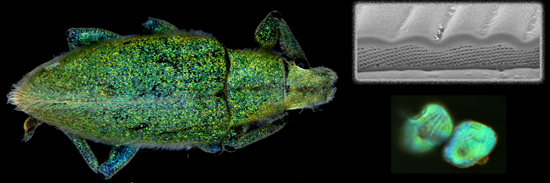
- }-oriented domains exhibits polarization conversion, rotating the angle of linearly polarized light. The overall coloration, resulting from the reflections from many scales, is close to uniformly diffuse because of the random orientation of the domains. Using titania sol–gel chemistry, we produced negative
- of 1.55 to 2.00. The study suggests that the effective refractive index of titania in the 3D lattice is similar to that in sol–gel films. The study demonstrates the potential of replicating complex biophotonic structures using the sol–gel technique. Optimization of the sol–gel process could lead to
- customizable photonic bandgaps that might be used in novel optical materials. Keywords: animal coloration; photonic crystal; polarization conversion; sol–gel replication; weevil; Introduction Animal coloration is produced by means of absorption, scattering, luminescence, and interference. The latter is


Fabrication of hafnium-based nanoparticles and nanostructures using picosecond laser ablation
Beilstein J. Nanotechnol. 2024, 15, 1639–1653, doi:10.3762/bjnano.15.129
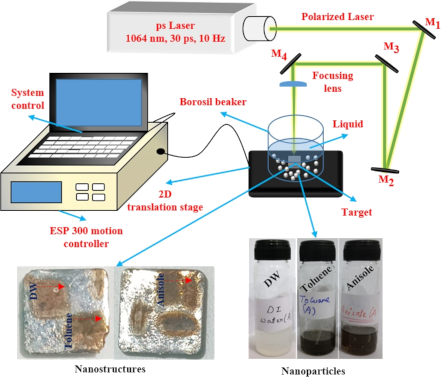
- desired morphology is essential for a given application. Generally, practical techniques for obtaining nanomaterials are sol–gel method, chemical and physical vapour deposition, hydrothermal method, ball milling, grinding, lithography, etching, and laser ablation [14][15][16][17][18]. The morphology




Natural nanofibers embedded in the seed mucilage envelope: composite hydrogels with specific adhesive and frictional properties
Beilstein J. Nanotechnol. 2024, 15, 1603–1618, doi:10.3762/bjnano.15.126
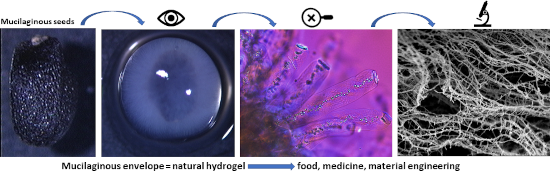
- . Natural hydrogels share some features with synthetic hydrogels, but are more easy to obtain and recycle. One of the main sources of such hydrogels are mucilaginous seeds and fruits, which produce after hydration a gel-like, transparent capsule, the so-called mucilage envelope. Mucilage serves several
- . Macroscopically observable mucilage is often a transparent, gel-like capsule formed around the diaspore after hydration with water (Figure 1). At the microscale mucilage exhibits, before hydration, successive layers formed by adcrustation in the mucilaginous cells of the seed/fruit coat (the outermost covering of
- tasteless [11][21]. Its chemical composition and special physical properties allow many applications of mucilage, for example, as thickening and structuring (gel-forming) agent, emulsifier or stabiliser for food products, scaffold for tissue regeneration, additive in formation of medicinal tablets, and for


Polymer lipid hybrid nanoparticles for phytochemical delivery: challenges, progress, and future prospects
Beilstein J. Nanotechnol. 2024, 15, 1473–1497, doi:10.3762/bjnano.15.118
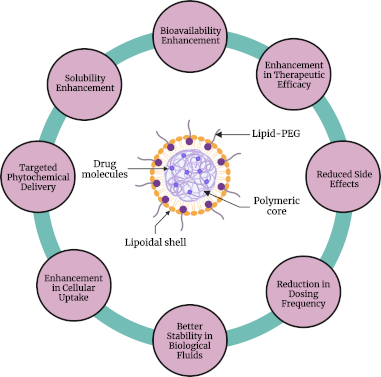
- reduced the IC50 value against different BC cells. When administered orally to Wistar rats, the THQ-PLHNPs revealed a 4.74-fold increase in bioavailability compared to pure THQ suspension. Trivedi et al. investigated the therapeutic potential of THQ-PLHNPs-based gel to achieve better therapeutic activity
- against BC [101]. The developed THQ-PLHNPs gel showed much higher skin permeation and retention compared to the conventional THQ gel. The THQ-PLHNPs were non-irritant when applied to the skin. Furthermore, the developed gels showed higher antiproliferative activity against MCF-7 and MBD-MB-231 cells than
- HPN dispersion. The developed HPN-cPLHNPs gels showed much better wound healing activity with a significantly higher reduction in wound size after topical application for 14 days in comparison with the conventional HPN gel. Emodin Emodin (EDN) is a natural anthraquinone compound found in various