


Search results
Search for "gene delivery" in Full Text gives 43 result(s) in Beilstein Journal of Nanotechnology.
Microbubbles decorated with dendronized magnetic nanoparticles for biomedical imaging: effective stabilization via fluorous interactions
Beilstein J. Nanotechnol. 2019, 10, 2103–2115, doi:10.3762/bjnano.10.205
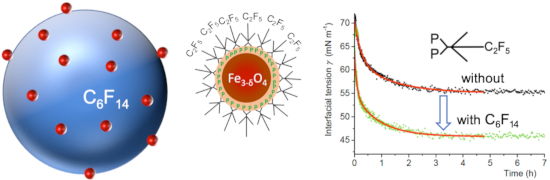
- , micrometer-sized gas particles dispersed in an aqueous medium, are clinically used as contrast agents for ultrasound imaging, including molecular imaging, and actively investigated for surgical ablation, targeted drug and gene delivery [1][2][3][4][5][6][7][8][9][10]. They are also being examined for use, in
- osmotic agent [14][15] and as a co-surfactant to phospholipids [16] and block co-polymers [17]. Nanoparticles can be attached to the bubble shells to extend their diagnostic and therapeutic potential by combining multimodal imaging, drug or gene delivery, and/or enhancement and control of the acoustic


Optimization and performance of nitrogen-doped carbon dots as a color conversion layer for white-LED applications
Beilstein J. Nanotechnol. 2019, 10, 2004–2013, doi:10.3762/bjnano.10.197
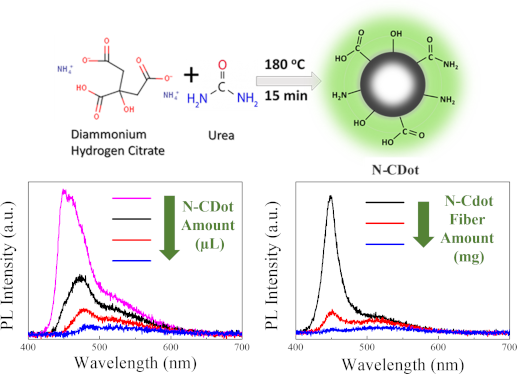
- applications, including bio-imaging [6][7], drug and gene delivery [8], sensors [9][10], photocatalysis [11], energy storage [12][13] and white-light-emitting diodes (WLEDs) [14][15]. Typically, these materials contain an internal carbon core, conjugated sp2 domains and some functional groups attached to their


The systemic effect of PEG-nGO-induced oxidative stress in vivo in a rodent model
Beilstein J. Nanotechnol. 2019, 10, 901–911, doi:10.3762/bjnano.10.91
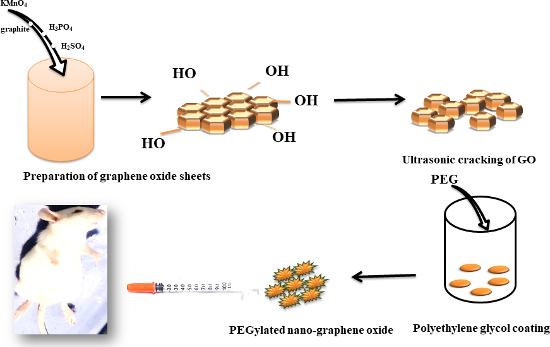
- dual-functionalized GO for the photothermal enhancement of gene delivery [23]. Xiong et al. studied the synergistic effects of PEG-functionalized GO for chemo-photothermal therapy [24]. Tian et al. revealed that PEG-GO enhanced the uptake of chlorin e6 by cancer cells [25]. Shen et al. exploited the


Cyclodextrin-assisted synthesis of tailored mesoporous silica nanoparticles
Beilstein J. Nanotechnol. 2018, 9, 693–703, doi:10.3762/bjnano.9.64
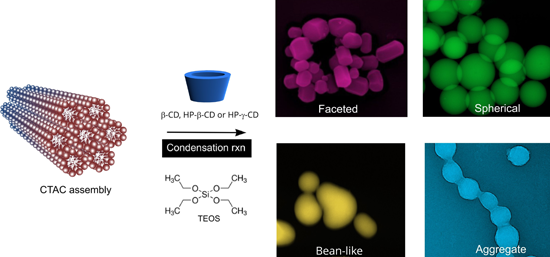
- /bjnano.9.64 Abstract Mesoporous silica nanoparticles (MSNs) have sparked considerable interest in drug/gene delivery, catalysis, adsorption, separation, sensing, antireflection coatings and bioimaging because of their tunable structural properties. The shape, size and pore structure of MSNs are greatly


A biofunctionalizable ink platform composed of catechol-modified chitosan and reduced graphene oxide/platinum nanocomposite
Beilstein J. Nanotechnol. 2017, 8, 1508–1514, doi:10.3762/bjnano.8.151
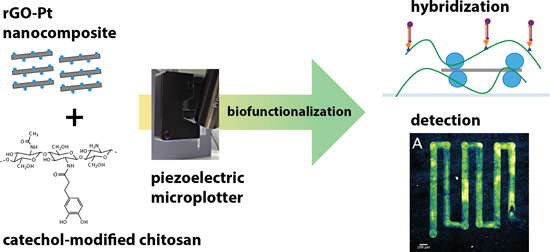
- use in non-viral gene delivery [16]. As this is a proof-of-concept study, we utilized confocal microscopy in order to assess the hybridization of Cy3 fluorescence-labeled complementary PCR product (Figure 4). This method, while not practical for real-world biosensing applications, allowed us to


Development of polycationic amphiphilic cyclodextrin nanoparticles for anticancer drug delivery
Beilstein J. Nanotechnol. 2017, 8, 1457–1468, doi:10.3762/bjnano.8.145
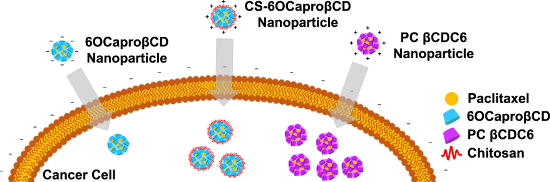
- agents for gene delivery in the form of nanoplexes. In this study, the potential of polycationic, amphiphilic cyclodextrin nanoparticles were evaluated in comparison to non-ionic amphiphilic cyclodextrins and core–shell type cyclodextrin nanoparticles for paclitaxel delivery to breast tumors. Pre
- used for gene delivery studies due to net positive surface charge, facilitating the condensation of negatively charged DNA to form polyplexes [40][41]. In addition, CS-6OCaproβCD nanoparticles are also positively charged due to coating with cationic polymer. It is known that chitosan is a natural


Cationic PEGylated polycaprolactone nanoparticles carrying post-operation docetaxel for glioma treatment
Beilstein J. Nanotechnol. 2017, 8, 1446–1456, doi:10.3762/bjnano.8.144
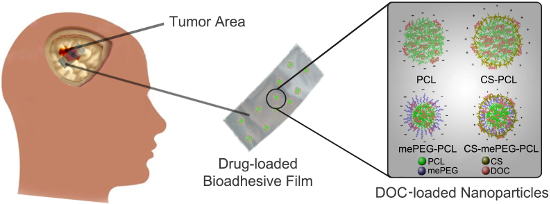
- suppressor gene delivery. Their results showed that the prepared nanoparticles enhanced the delivery of tumor suppressor genes on U87 and U251 glioma cells [24]. Wang et al. used core–shell nanoparticles for drug and gene co-delivery. They prepared magnetic PLGA/polymeric liposome carriers to achieve




Synthesis of cobalt nanowires in aqueous solution under an external magnetic field
Beilstein J. Nanotechnol. 2016, 7, 990–994, doi:10.3762/bjnano.7.91
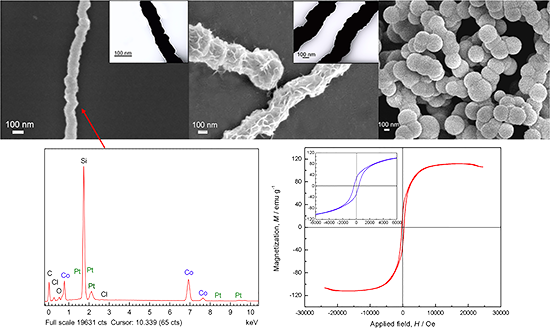
- high-density magnetic storage media [1][2], in immune magnetic separation [3], in gene delivery [4] and as targeted drug carrier [5]. Hydrothermal and solvothermal methods are well-developed approaches to fabricate cobalt nanowires [6][7][8][9][10]. However, such methods set high requirements for the


Improved biocompatibility and efficient labeling of neural stem cells with poly(L-lysine)-coated maghemite nanoparticles
Beilstein J. Nanotechnol. 2016, 7, 926–936, doi:10.3762/bjnano.7.84
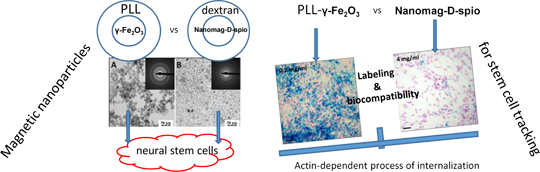
- electrostatic interaction between negatively charged ions of the cell membrane and the surface of the culture plate. Due to the presence of NH2 groups, which promote cell adhesion, PLL is as well used as a non-viral transfection agent for gene delivery and DNA complexation [20]. Our previous studies showed that




Silica-coated upconversion lanthanide nanoparticles: The effect of crystal design on morphology, structure and optical properties
Beilstein J. Nanotechnol. 2015, 6, 2290–2299, doi:10.3762/bjnano.6.235
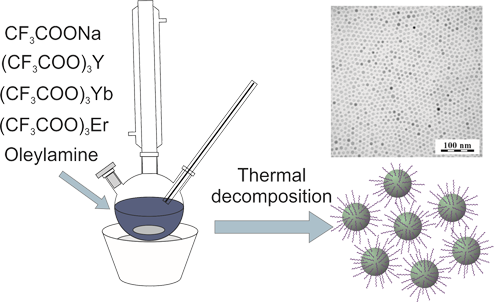
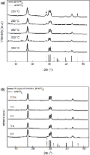
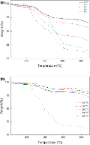
- widespread applications as drug delivery systems in the diagnosis and treatment of various diseases [1][2]. Recently, upconversion nanoparticles have shown promise as optical materials [3] and a number of reviews [4][5][6] have described their applications in drug and gene delivery [7], cell labeling and






Pulmonary surfactant augments cytotoxicity of silica nanoparticles: Studies on an in vitro air–blood barrier model
Beilstein J. Nanotechnol. 2015, 6, 517–528, doi:10.3762/bjnano.6.54
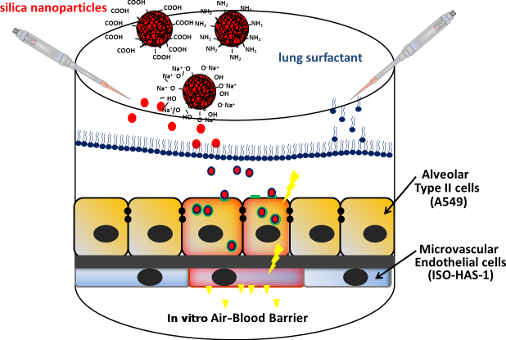
- transfection and delivery studies using mainly cationic polymers or liposomes [8][24]. The positive NP surface charge enables better cellular contact and/or uptake than negatively charged or neutral molecules [25]. Nevertheless, the use of these positively charged drug and gene delivery carriers remains
- used for drug and gene delivery via the lung, as they demonstrate that model systems in vitro must take into account the complexity of the air–blood barrier, including the possible transport-modulating effects of surfactant components. Comparison of cytotoxic effects on A549 after 4 h stimulation with


Overview about the localization of nanoparticles in tissue and cellular context by different imaging techniques
Beilstein J. Nanotechnol. 2015, 6, 263–280, doi:10.3762/bjnano.6.25
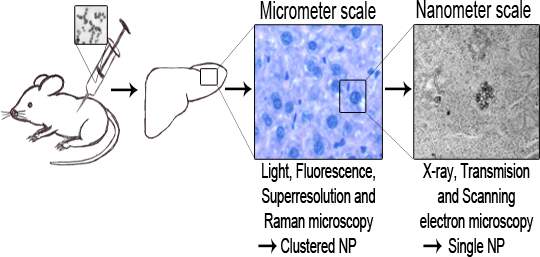
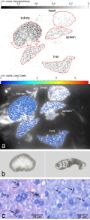
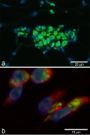
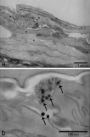
- models following exposure with silica nanoparticles (SiO2-NP) [12][13][14]. Inorganic SiO2-NP hold great potential for several biomedical applications, including the selective targeting of cancer cells as well as drug or gene delivery systems due to their favorable biocompatibility and modification
- of cancer cells as well as drug or gene delivery systems due to their favorable biocompatibility and modification possibilities [15][16]. However, labeling of NP always possesses the risk of changing their bioreactivity [20]. Thus, the site of labeling and the properties of the fluorochrome may have



Synthesis of boron nitride nanotubes and their applications
Beilstein J. Nanotechnol. 2015, 6, 84–102, doi:10.3762/bjnano.6.9
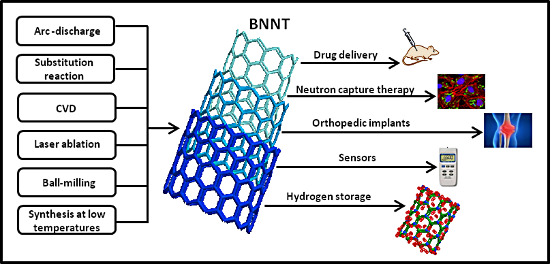
- demonstrated that a low electric field was adequate for electroporation. The BNNTs acted as mediators for electroporation as they interacted with the cell membrane. These experimental findings indicated that the BNNTs are promising tools for drug and gene delivery using electroporation [87]. A theoretical




Nanoparticle interactions with live cells: Quantitative fluorescence microscopy of nanoparticle size effects
Beilstein J. Nanotechnol. 2014, 5, 2388–2397, doi:10.3762/bjnano.5.248
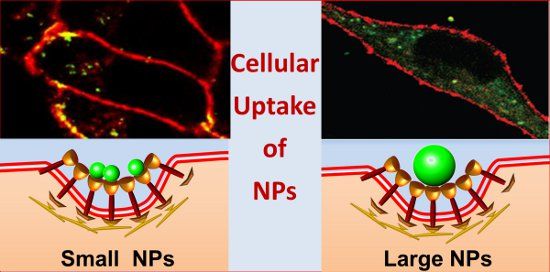
- critical size of ≈50 nm are likely to be packaged as a cluster in one vesicle with the optimal size. Of note, Aoyama and colleagues [48] studied size effects and receptor contributions in glycoviral gene delivery and concluded that receptor-mediated endocytosis is optimal for ≈50 nm artificial glycoviruses


Anticancer efficacy of a supramolecular complex of a 2-diethylaminoethyl–dextran–MMA graft copolymer and paclitaxel used as an artificial enzyme
Beilstein J. Nanotechnol. 2014, 5, 2293–2307, doi:10.3762/bjnano.5.238
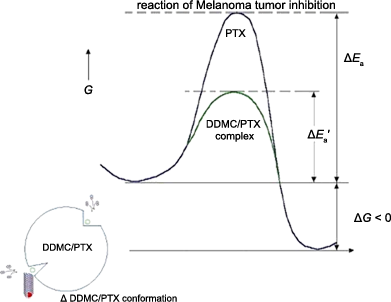
- an anticancer agent can be prevented if the agent promotes positive allosteric modulation according to the enzyme reaction model of a 1:1 ratio of a substrate and enzyme, which is the ratio utilized in vivo. Gene delivery system On the other hand, development of the gene delivery system in field of


Carbon-based smart nanomaterials in biomedicine and neuroengineering
Beilstein J. Nanotechnol. 2014, 5, 1849–1863, doi:10.3762/bjnano.5.196
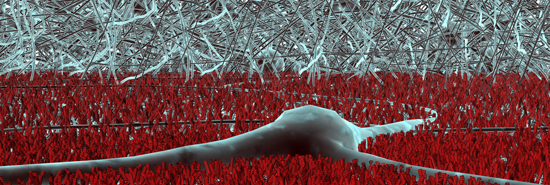
- the most important biological applications of these nanomaterials. CNTs: The previously mentioned large surface area and their excellent chemical stability confers CNTs the ability to conjugate and absorb several therapeutic molecules, paving the way for using them as drug- and gene-delivery systems


Precise quantification of silica and ceria nanoparticle uptake revealed by 3D fluorescence microscopy
Beilstein J. Nanotechnol. 2014, 5, 1616–1624, doi:10.3762/bjnano.5.173
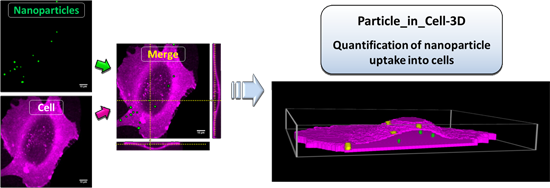
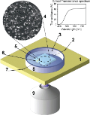
- values. For example, Particle_in_Cell-3D was used to compare the uptake efficiency of therapeutic nanoparticles for gene delivery functionalized with different targeting ligands [30]. In addition, our method was successfully applied to measure the influence of flow conditions on the cellular uptake of


Protein-coated pH-responsive gold nanoparticles: Microwave-assisted synthesis and surface charge-dependent anticancer activity
Beilstein J. Nanotechnol. 2014, 5, 1452–1462, doi:10.3762/bjnano.5.158
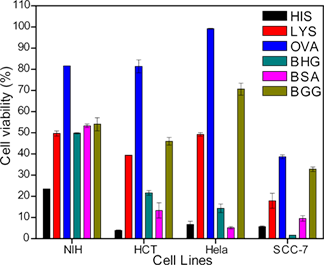
- targeted drug and gene delivery [29][30][31]. Hence, MTT assays were used to study the cell viabilities of fibroblasts and cancer cells after treatment with AuNPs to check the cytotoxicity and the anticancer properties of the AuNPs for their future biomedical applications. Results and Discussion Synthesis





