


Search results
Search for "healthcare" in Full Text gives 69 result(s) in Beilstein Journal of Nanotechnology.
A wearable nanoscale heart sound sensor based on P(VDF-TrFE)/ZnO/GR and its application in cardiac disease detection
Beilstein J. Nanotechnol. 2023, 14, 819–833, doi:10.3762/bjnano.14.67
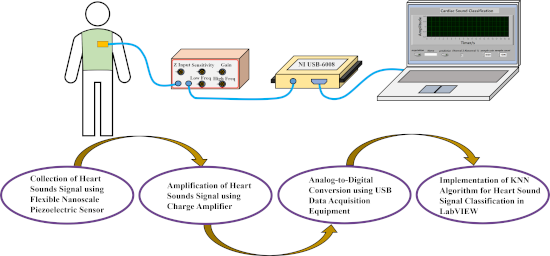
- advancement in wearable electronic devices within the healthcare field, leading to several noteworthy breakthroughs. For instance, D. Wan et al. [11] presented a groundbreaking development in the form of a flexible wearable friction patch. This innovative patch consists of a dual-layer PDMS membrane infused


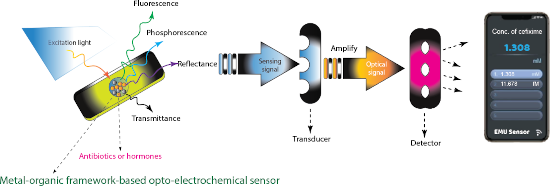
Metal-organic framework-based nanomaterials as opto-electrochemical sensors for the detection of antibiotics and hormones: A review
Beilstein J. Nanotechnol. 2023, 14, 631–673, doi:10.3762/bjnano.14.52


Carbon nanotube-cellulose ink for rapid solvent identification
Beilstein J. Nanotechnol. 2023, 14, 535–543, doi:10.3762/bjnano.14.44
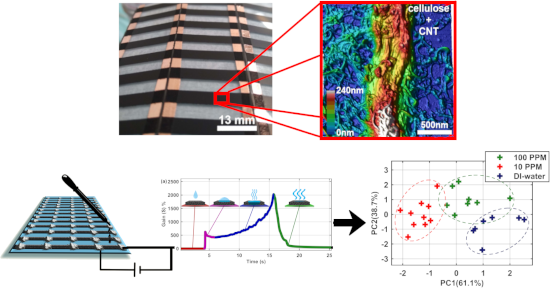
- and flexible devices are paradigms of the current “Industry 4.0”. One can envision applications such as multicomponent liquid and gas sensors, wearables for healthcare, paper-based sensors, and electronic solutions for smart city applications [1][2][3][4][5]. Another area of increasing demand is the


A mid-infrared focusing grating coupler with a single circular arc element based on germanium on silicon
Beilstein J. Nanotechnol. 2023, 14, 478–484, doi:10.3762/bjnano.14.38
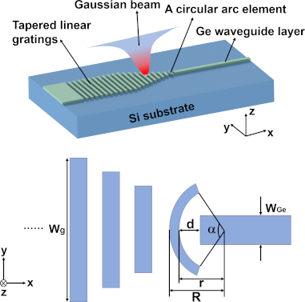
- proposed MIR grating coupler [14]. Finally, the transmission characteristics of the output fiber can be detected using an optical spectrum analyzer. There is a wide range of sensors for applications in, for example, biosensing, healthcare, disease detection, and gas detection. Therefore, research on those
- , transparent, and portable wrist strap sensor and a mechano-based transductive sensor in 2017 and 2018, respectively [16][17]. They have good application prospects in healthcare. In 2020, Xue et al. reported a bismuthene-enabled fluorescence quenching biosensor to detect microRNA, which is relevant to the


Quercetin- and caffeic acid-functionalized chitosan-capped colloidal silver nanoparticles: one-pot synthesis, characterization, and anticancer and antibacterial activities
Beilstein J. Nanotechnol. 2023, 14, 362–376, doi:10.3762/bjnano.14.31
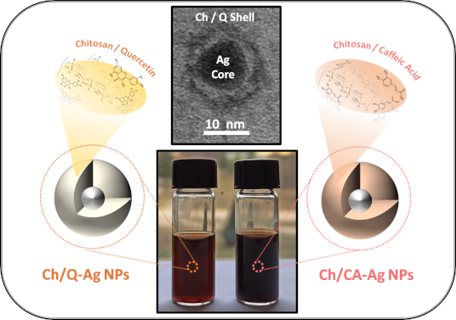
- Staphylococcus aureus (S. aureus) and Staphylococcus epidermidis (S. epidermidis) and the Gram-negative Escherichia coli (E. coli) and Pseudomonas aeruginosa (P. aeruginosa) bacteria cause various infections [5]. These infections, formerly known as nosocomial infections, are now referred to as healthcare
- range of uses such as antibacterial and antimicrobial agents, healthcare-related products, medical device coatings, anticancer agents, optical sensors, anti-inflammatory agents, biocatalysts, cosmetics, and biosensors [41][42][43][44][45]. The combination of polymer-coated metal nanoparticles


Frequency-dependent nanomechanical profiling for medical diagnosis
Beilstein J. Nanotechnol. 2022, 13, 1483–1489, doi:10.3762/bjnano.13.122
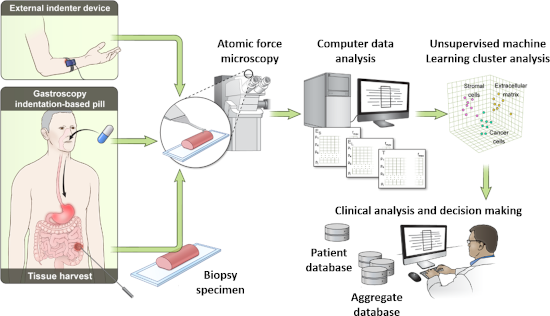
- became evident, although its incorporation into healthcare applications remains relatively limited. Here, we briefly explore the reasons for this low level of technological adoption. We also propose a path forward for the incorporation of frequency-dependent nanomechanical measurements into integrated
- healthcare strategies that link routine AFM measurements with computer analysis, real-time communication with healthcare providers, and medical databases. This approach would be appropriate for diseases such as cancer, lupus, arteriosclerosis and arthritis, among others, which bring about significant
- mechanical changes in the affected tissues. Keywords: atomic force microscopy; healthcare; mechanical properties; mechanobiology; medical diagnosis; Introduction Since its invention in the early 1980s, atomic force microscopy (AFM) has been extensively used for topographical, mechanical, electrical, and


A non-enzymatic electrochemical hydrogen peroxide sensor based on copper oxide nanostructures
Beilstein J. Nanotechnol. 2022, 13, 424–436, doi:10.3762/bjnano.13.35
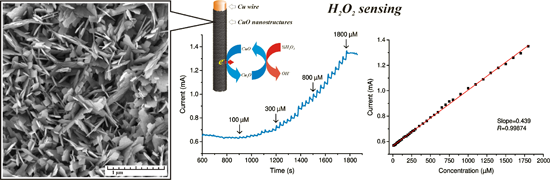
- healthcare to analyse changes in the concentration of H2O2 in biological fluids. Also, a promising option to study more complex analytes and to significantly increase the sensitivity is the use of this nanostructured CuO sensor as part of a multisensor system based on several types of metal oxides (e.g





Electrostatic pull-in application in flexible devices: A review
Beilstein J. Nanotechnol. 2022, 13, 390–403, doi:10.3762/bjnano.13.32
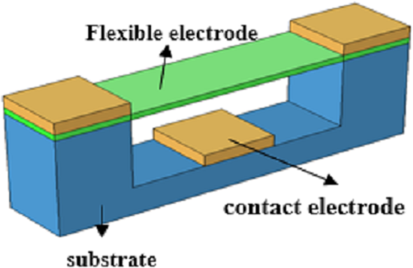
- more and more difficult for traditional electronic devices made of rigid substrates to meet the needs of flexible and low-cost applications in complex environments. Flexible electronics have great potential for applications such as portable displays, electronic skin, and wearable healthcare. With the


An overview of microneedle applications, materials, and fabrication methods
Beilstein J. Nanotechnol. 2021, 12, 1034–1046, doi:10.3762/bjnano.12.77
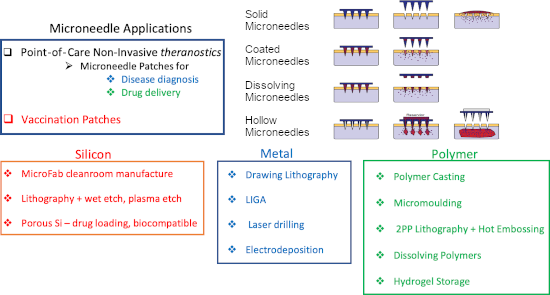
- subcutaneous injection of therapeutic agents is still a very common practise in all healthcare settings. Unlike conventional immunisation, which is typically accomplished by high vaccine dose, microneedle patch delivery utilizes a significantly lower dose of vaccine by targeting the rich immune system of the


The role of deep eutectic solvents and carrageenan in synthesizing biocompatible anisotropic metal nanoparticles
Beilstein J. Nanotechnol. 2021, 12, 924–938, doi:10.3762/bjnano.12.69
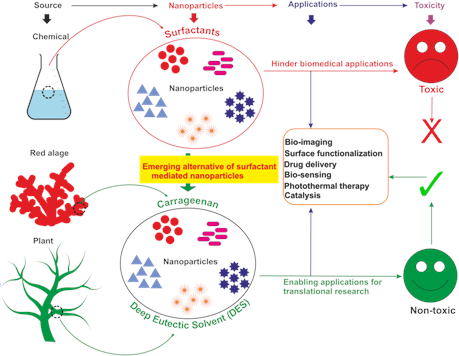
- their antibacterial activity, are used in healthcare and the food industry, especially in manufacturing packaging materials. However, the cytotoxicity due to the release of the silver ions from AgNPs is a matter of concern. The cytotoxicity of micrometer-sized AgNPs was minimized by immobilizing them in


Fate and transformation of silver nanoparticles in different biological conditions
Beilstein J. Nanotechnol. 2021, 12, 665–679, doi:10.3762/bjnano.12.53
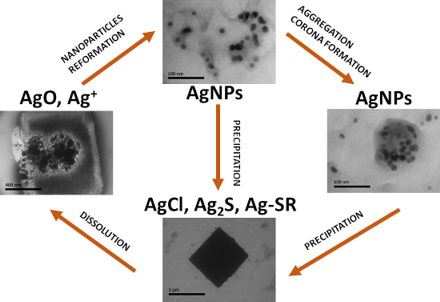
- 200 tons/year by 2022 [1]. AgNPs are extensively used in multiple industries and fields spanning from electronics, textiles, food, cosmetics to water treatment and healthcare [2][3]. A significant market contribution originates from the agriculture sector as evidenced by the Center for Food Safety




A review on nanostructured silver as a basic ingredient in medicine: physicochemical parameters and characterization
Beilstein J. Nanotechnol. 2021, 12, 440–461, doi:10.3762/bjnano.12.36
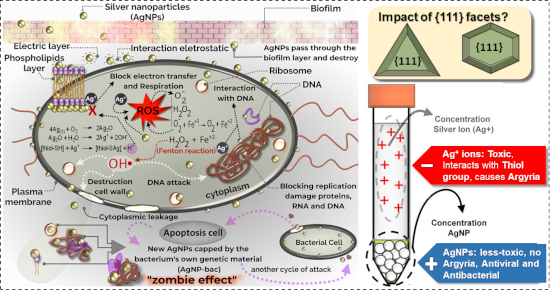
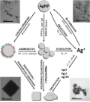
- ]. Conclusion The remarkable biological properties of AgNPs as antiviral and antibacterial agents draw the attention to the development of new products in the healthcare sector. The mechanism of action of AgNPs against bacteria and viruses has been analyzed and that knowledge will help in a better understanding


A stretchable triboelectric nanogenerator made of silver-coated glass microspheres for human motion energy harvesting and self-powered sensing applications
Beilstein J. Nanotechnol. 2021, 12, 402–412, doi:10.3762/bjnano.12.32
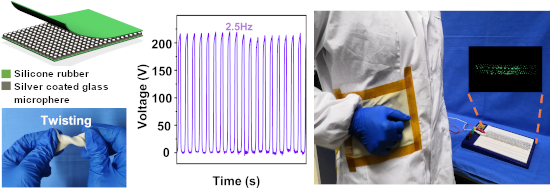
- motion energy; silver-coated glass microsphere; single-electrode mode; triboelectric nanogenerator; wearable; Introduction Traditional batteries cannot provide a durable and reliable power supply for small portable electronic devices, personalized healthcare, and Internet-of-Things (IoT) devices [1][2






Characterization, bio-uptake and toxicity of polymer-coated silver nanoparticles and their interaction with human peripheral blood mononuclear cells
Beilstein J. Nanotechnol. 2021, 12, 282–294, doi:10.3762/bjnano.12.23
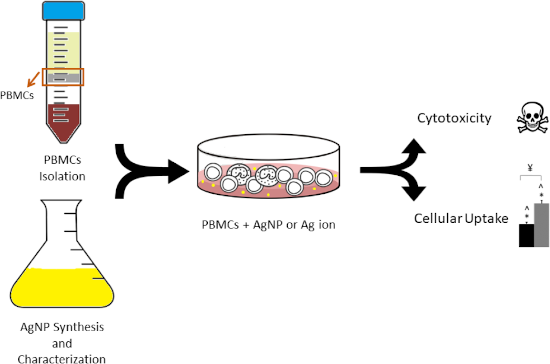
- Healthcare Bio-Sciences AB, Sweden) [65][66]. In brief, peripheral blood from healthy volunteers was diluted with an equal volume of sterile phosphate-buffered saline (PBS; Gibco by life Technologies) and slowly layered onto the Ficoll-Paque media solution. Tubes were centrifuged at 500g for 30 to 40 min at



Differences in surface chemistry of iron oxide nanoparticles result in different routes of internalization
Beilstein J. Nanotechnol. 2021, 12, 270–281, doi:10.3762/bjnano.12.22
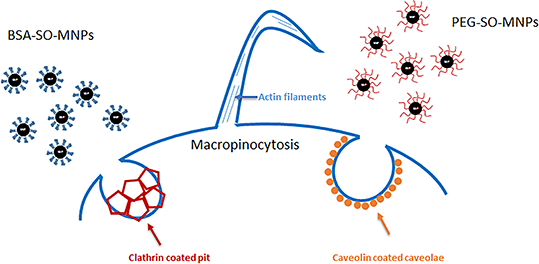
- -Dynamin I/II (#2342) (Cell Signaling Technology, BioTech Ltd., Slovakia), and anti-GAPDH (Sigma-Aldrich, Lambda Life, Ltd., Slovakia). Secondary peroxidase-labeled donkey anti-rabbit IgG (GE Healthcare, Germany) antibodies were visualized with Luminol and coumaric acid (Sigma-Aldrich, Slovakia). Atomic




Toward graphene textiles in wearable eye tracking systems for human–machine interaction
Beilstein J. Nanotechnol. 2021, 12, 180–189, doi:10.3762/bjnano.12.14
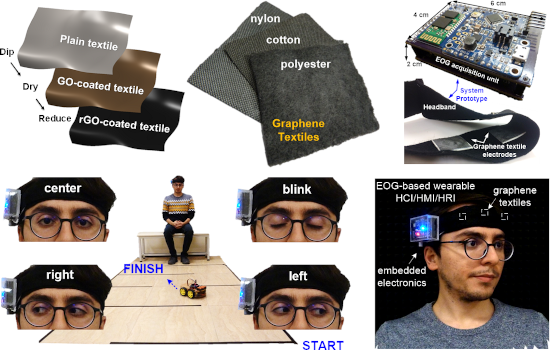
- have many applications ranging from behavioral analytics to healthcare. For a brand leader, the prospect of seeing the world literally through consumer’s eyes, as opposed to relying on traditional market research methods, is the reason that makes eye tracking a clear winner in understanding the
- triggering subconscious facts in decision making. In entertainment and virtual reality applications, eye tracking enables a whole new interaction method with contents, and it could also add new security measures through retinal scanning. In healthcare, eye tracking enables devices to help ease a disabled
- experience on virtual reality gaming [16] or smartphone operation [17]. Along these lines, in the healthcare domain, as part of a hospital alarm system, EOG-based switches provided immobile patients with a safe and reliable way of signaling an alarm [18]. Other promising studies reported the direct input of



Walking energy harvesting and self-powered tracking system based on triboelectric nanogenerators
Beilstein J. Nanotechnol. 2020, 11, 1590–1595, doi:10.3762/bjnano.11.141
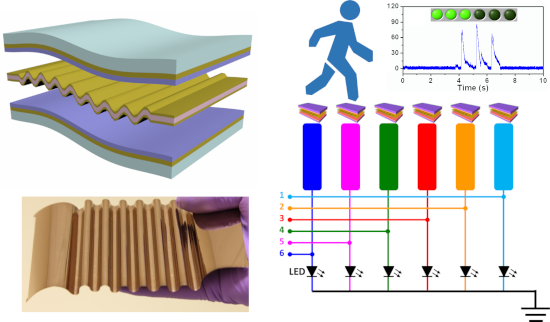
- excellent performance, which can be used as motion [35][36][37] and temperature sensors [38][39], UV detectors [40], tactile sensors [41][42][43], sensors for healthcare [44][45][46][47], humidity sensors, and gas sensors [48][49][50][51], for example. In this work, a flexible undulated electrode-based





Antimicrobial metal-based nanoparticles: a review on their synthesis, types and antimicrobial action
Beilstein J. Nanotechnol. 2020, 11, 1450–1469, doi:10.3762/bjnano.11.129

- their excellent properties, CuO NPs have attracted great interest from the healthcare, food packaging, medical, and environmental industries [120][134]. This metal oxide is capable of disrupting the normal function of the cell membrane, changing its permeability and the cellular respiration process [135


Uniform Fe3O4/Gd2O3-DHCA nanocubes for dual-mode magnetic resonance imaging
Beilstein J. Nanotechnol. 2020, 11, 1000–1009, doi:10.3762/bjnano.11.84
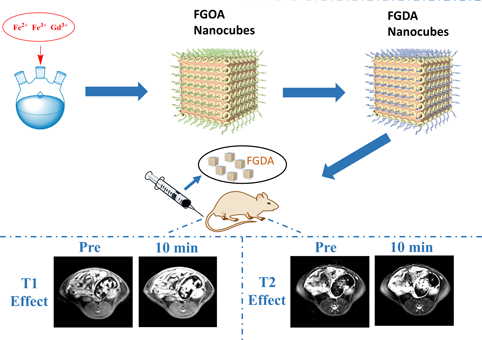
- until the solution was clear and transparent. After that, the solution was diluted in 10 mL of ultrapure water and finally could be used for testing. In vitro and in vivo magnetic resonance images were captured by a 3.0 T MRI scanner (MAGNETOM Skyra, Siemens Healthcare, Erlangen, Germany). The





Key for crossing the BBB with nanoparticles: the rational design
Beilstein J. Nanotechnol. 2020, 11, 866–883, doi:10.3762/bjnano.11.72
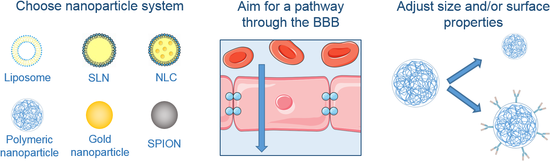
- nanoparticles (AuNPs); blood–brain barrier (BBB); drug delivery; liposomes; nanomedicine; polymeric nanoparticles; solid lipid nanoparticles; superparamagnetic iron oxide nanoparticles (SPIONs); Introduction Neurological disorders and brain diseases are real burdens for modern societies and healthcare systems


Bombesin receptor-targeted liposomes for enhanced delivery to lung cancer cells
Beilstein J. Nanotechnol. 2019, 10, 2553–2562, doi:10.3762/bjnano.10.246
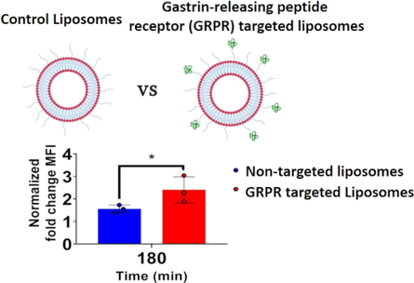
- healthcare and diagnostic technologies is limited [2]. Alarmingly, the average life expectancy of an untreated SCLC patient is less than four months due to the high likelihood of diagnosis at the metastatic stage. With intensive chemo- and radiotherapy the median survival extends to only 14–18 months meaning



Enhanced inhibition of influenza virus infection by peptide–noble-metal nanoparticle conjugates
Beilstein J. Nanotechnol. 2019, 10, 1038–1047, doi:10.3762/bjnano.10.104
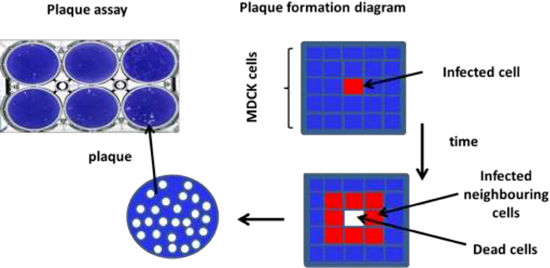
- (GE Healthcare Bio-Sciences AB, Sweden). The gel slurry was packed into a white pipette tip (200 µL) using half the filter as a frit and equilibrated in PBS. Capped nanoparticles were concentrated and exchanged into the appropriate buffer using a 10 kDa cut-off Nanosep centrifugal filter. The
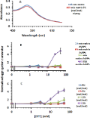


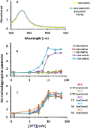


Effects of gold and PCL- or PLLA-coated silica nanoparticles on brain endothelial cells and the blood–brain barrier
Beilstein J. Nanotechnol. 2019, 10, 941–954, doi:10.3762/bjnano.10.95
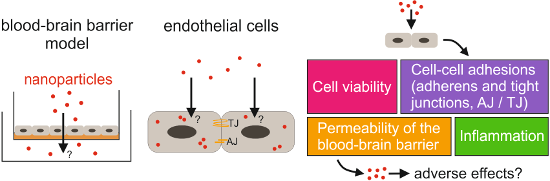
- 24 h at 37 °C and 5% CO2. Subsequently, the uptake of PCL- and PLLA-NPs was assessed using a Zeiss Axio Imager Z1 plus Apotome 1 (Carl Zeiss Vision Swiss AG, Feldbach, Switzerland) and evaluated quantitatively by high-content analysis with the IN Cell Analyzer 2000 (GE Healthcare Life Sciences, USA
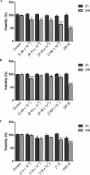




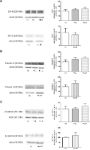

Comparative biological effects of spherical noble metal nanoparticles (Rh, Pd, Ag, Pt, Au) with 4–8 nm diameter
Beilstein J. Nanotechnol. 2018, 9, 2763–2774, doi:10.3762/bjnano.9.258
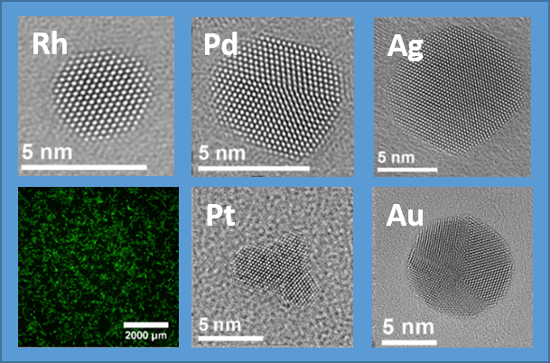
- biological effects of rhodium nanoparticles except that these nanoparticles can penetrate into human skin [32]. Silver nanoparticles are applied in various fields including healthcare and biomedicine due to their antimicrobial, antifungal and antiviral effect [33][34][35][36][37]. This is based on the


Droplet-based synthesis of homogeneous magnetic iron oxide nanoparticles
Beilstein J. Nanotechnol. 2018, 9, 2413–2420, doi:10.3762/bjnano.9.226
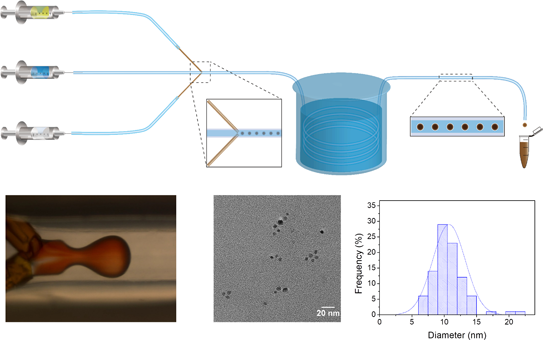
- healthcare significantly [5]. For example, a composite nanomaterial has been developed as a photosensitizer in photothermal therapy (PTT), while also acting as a contrast agent for magnetic resonance imaging (MRI) [6]. Magnetic materials are of particular interest here, as they can be used for targeting [7





