


Search results
Search for "hydration" in Full Text gives 80 result(s) in Beilstein Journal of Nanotechnology.
Curcumin-loaded nanostructured systems for treatment of leishmaniasis: a review
Beilstein J. Nanotechnol. 2024, 15, 37–50, doi:10.3762/bjnano.15.4
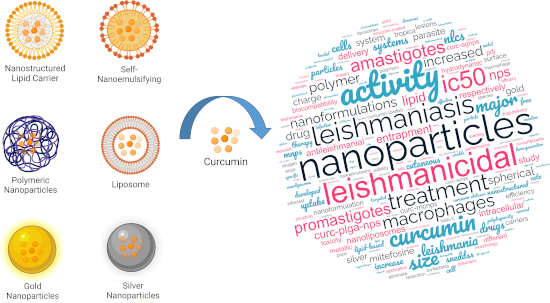
- nanoliposomes promoting increased antiparasitic activity. Recently, Bafghi and collaborators produced nanoliposomes for curc delivery as a new alternative for leishmaniasis treatment [89]. Briefly, the nanoliposomes were prepared by thin-film hydration, resulting in spherical vesicles with 176.5 nm of diameter


Polymer nanoparticles from low-energy nanoemulsions for biomedical applications
Beilstein J. Nanotechnol. 2023, 14, 339–350, doi:10.3762/bjnano.14.29
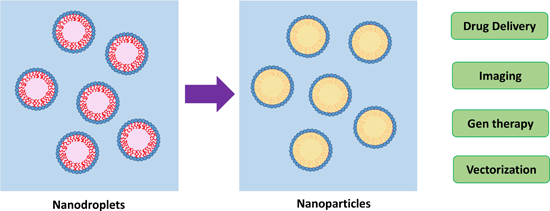
- ] proceeds at constant temperature (Figure 1b). Here, the change in the curvature of the surfactant layer from negative to positive or vice versa is driven by the addition of water (which increases POE hydration) to a mixture of oil + surfactant to produce an O/W nanoemulsion [14]. Under continued dilution




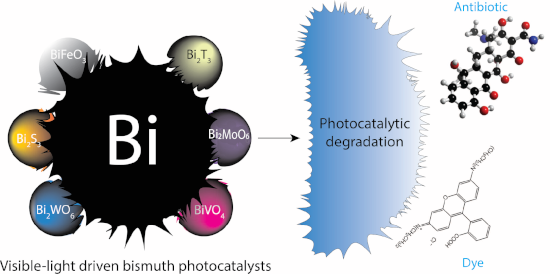
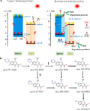
Bismuth-based nanostructured photocatalysts for the remediation of antibiotics and organic dyes
Beilstein J. Nanotechnol. 2023, 14, 291–321, doi:10.3762/bjnano.14.26


A novel approach to pulsed laser deposition of platinum catalyst on carbon particles for use in polymer electrolyte membrane fuel cells
Beilstein J. Nanotechnol. 2023, 14, 190–204, doi:10.3762/bjnano.14.19
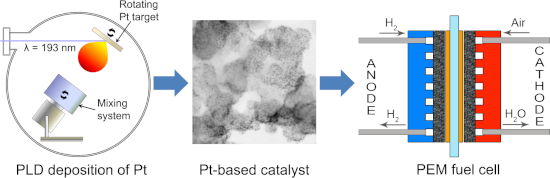
- , enough water to moisten the membrane. A self-propelling mechanism is created, but there are a low current, insufficient water in the diaphragm, a high internal diaphragm resistance, and a power drop. The attempt to support the cell by increasing the cathode hydration (to about 125% RH) did not improve

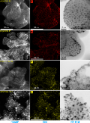
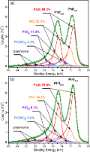


Supramolecular assembly of pentamidine and polymeric cyclodextrin bimetallic core–shell nanoarchitectures
Beilstein J. Nanotechnol. 2022, 13, 1361–1369, doi:10.3762/bjnano.13.112
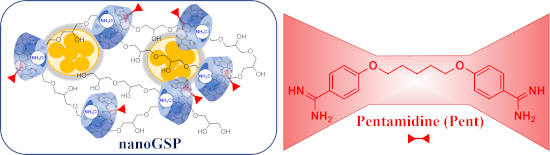
- Pent was prepared at a 1:1 molar ratio using the classical method of organic film hydration (Figure 4A). In our study we employed Pent as a free base [19][26], slightly soluble in water (i.e., ≅30 µg/mL), instead of Pent isethionate salt used in the literature for the preparation of β-CD/Pent inclusion
- silver ions was monitored by following the increase of the LSPR characteristic band at 402 nm. Before the NMR analyses, nanoG and nanoGS colloidal solutions were lyophilized and redispersed in D2O. Preparation of nanoGSP supramolecular assembly NanoGSP was prepared by using the method of hydration of an


Bioselectivity of silk protein-based materials and their bio-inspired applications
Beilstein J. Nanotechnol. 2022, 13, 902–921, doi:10.3762/bjnano.13.81
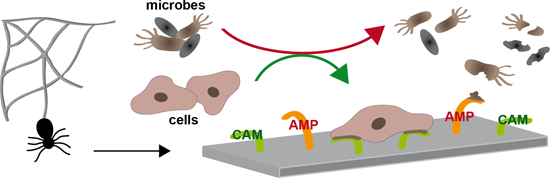
- polymer chains against protein molecules increases, while a tightly bound water layer creates a physical and energetic barrier and renders interactions with approaching proteins or bacteria thermodynamically unfavorable [50]. The concept of steric repulsion based on a hydration layer through hydrogen


Ethosomal (−)-epigallocatechin-3-gallate as a novel approach to enhance antioxidant, anti-collagenase and anti-elastase effects
Beilstein J. Nanotechnol. 2022, 13, 491–502, doi:10.3762/bjnano.13.41
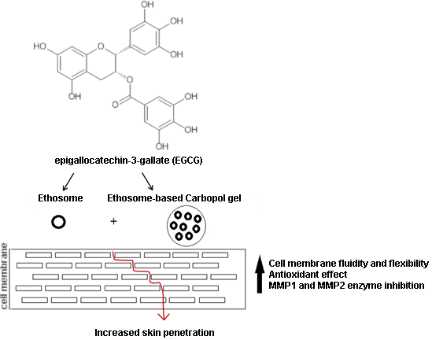
- comparatively examined, it was once again proved that nanovesicles loaded with photoprotective plant extracts included in the creams were effective in penetrating through the skin, as a result of moisturizing lipid components, and it also showed a positive effect on skin hydration [36]. Antioxidant activity In
- flask, dissolved with chloroform: methanol (1:3 v/v), and evaporated to form a thin lipid film on the wall of the flask in a rotary evaporator (Heidolph) under vacuum. For hydration of the dry film, the EGCG hydroethanolic solution (15%, 30%, and 45% v/v) was used. The preparation was vortexed for 15



Effect of sample treatment on the elastic modulus of locust cuticle obtained by nanoindentation
Beilstein J. Nanotechnol. 2022, 13, 404–410, doi:10.3762/bjnano.13.33
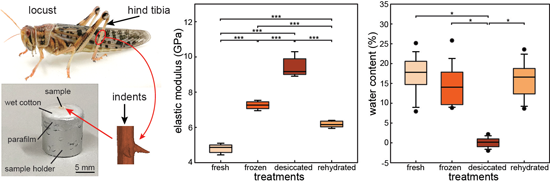
- Figure 2d. Discussion Mechanical characterization of fresh cuticle The mechanical properties of insect cuticle are strongly influenced by the level of hydration [6][7][8]. Hence, to obtain realistic data, performing mechanical tests on fresh cuticle samples is necessary. Giving that it is not always
- in their native state. The level of hydration of freshly dissected cuticle specimens is maintained by surrounding them with wet pieces of cotton. In this way, the specimens can absorb water from the wet cotton pieces without being overhydrated. Our results suggest that this is a more suitable method
- those reported in the literature for similar cuticle parts. They, therefore, suggested that rewetting of a cuticle specimen might not return its hydration level to the native state. Our results also showed that the elastic modulus of rehydrated cuticle sample is significantly higher than that of fresh


Alcohol-perturbed self-assembly of the tobacco mosaic virus coat protein
Beilstein J. Nanotechnol. 2022, 13, 355–362, doi:10.3762/bjnano.13.30
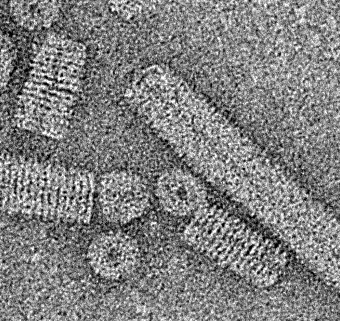
- small hydration shell of structured water molecules. As the alcohol content increases, the hydration shells begin to overlap, leading to an extensive hydrogen bonding network and significantly reduced mobility of water molecules. Beyond this point, alcohol molecules begin to cluster together, and
- eventually, alcohol becomes the bulk phase with small water clusters [34][35]. These changes in solvent structure reduce the solvent permittivity and change solute pKa and hydration number [36][37]. Additionally, alcohol–protein interactions can replace protein–protein interactions, altering the protein


Comprehensive review on ultrasound-responsive theranostic nanomaterials: mechanisms, structures and medical applications
Beilstein J. Nanotechnol. 2021, 12, 808–862, doi:10.3762/bjnano.12.64


Surface-enhanced Raman scattering of water in aqueous dispersions of silver nanoparticles
Beilstein J. Nanotechnol. 2021, 12, 497–506, doi:10.3762/bjnano.12.40
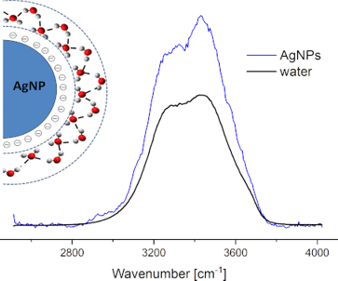
- course, such a strong EF may be registered only if the electromagnetic mechanism of enhancement occurs. By including the subsequent layers of hydration in the calculations, as water molecules participate in the SERS effect (Nsurf), we obtain a lower EF value; however, still in the order of 106. Influence
- hydration layer, but it is also transferred to deeper layers of water up to approx.10 Å (this value is only slightly impacted by the interaction energies). As a result, water molecules around AgNPs have a lower kinetic energy and a longer dwell time that favours structure stabilization. A similar effect has
- molecules. The SERS effect is present only for water molecules that are in direct contact with AgNPs; however, the dynamic properties of water molecules close to the metal surface probably differ from the ones in the bulk up to a couple of hydration layers. This suggests that at least there might be a


Characterization, bio-uptake and toxicity of polymer-coated silver nanoparticles and their interaction with human peripheral blood mononuclear cells
Beilstein J. Nanotechnol. 2021, 12, 282–294, doi:10.3762/bjnano.12.23
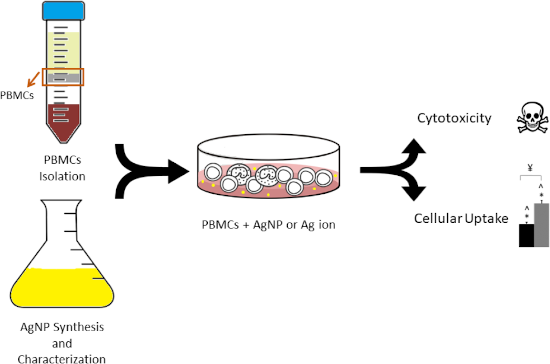
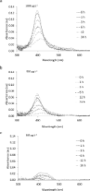
- hydration shell around NPs and should be the same as, or larger than, the core size of NPs measured by TEM. Characterization values for pristine PVP-AgNPs can be found in Table 1. Scanning transmission electron microscopy (STEM) images of 1000 µg·L−1 PVP-AgNPs in RPMI medium at the beginning of the



Plant growth regulation by seed coating with films of alginate and auxin-intercalated layered double hydroxides
Beilstein J. Nanotechnol. 2020, 11, 1082–1091, doi:10.3762/bjnano.11.93
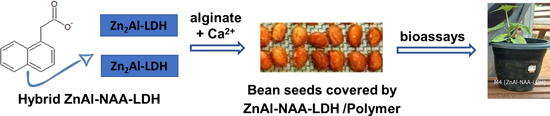
- mass and the fragments with m/z 18 and m/z 44 (water and carbon dioxide, respectively) are attributed to dehydroxylation and the thermal decomposition of the NAA anion. Considering the hydration water amount (9.6%), the NAA content in ZnAl-NAA-LDH determined by electronic absorption spectrophotometry



Three-dimensional solvation structure of ethanol on carbonate minerals
Beilstein J. Nanotechnol. 2020, 11, 891–898, doi:10.3762/bjnano.11.74
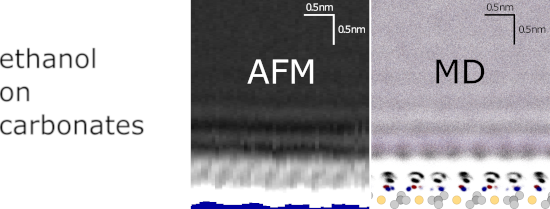
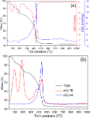
- between a mineral and its environment takes place at the interface, the interfacial structure is of fundamental importance for gaining molecular-level understanding of the mineral reactivity. In the presence of water, the hydration structure at the interface needs to be known. With the advent of high
- -resolution 3D atomic force microscopy (AFM) [1], the hydration structure of many interfaces has been studied, including the aqueous interface of mica [2] calcite [3][4] dolomite [5][6] and organic crystals [7]. However, while the majority of 3D AFM works have concentrated on water, comparatively fewer

Design of a nanostructured mucoadhesive system containing curcumin for buccal application: from physicochemical to biological aspects
Beilstein J. Nanotechnol. 2019, 10, 2304–2328, doi:10.3762/bjnano.10.222
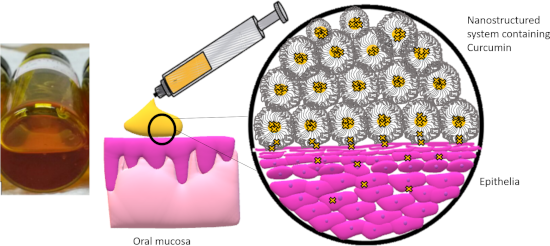
- . Thus, the most diluted system (0.3%, w/w) showed a significantly higher micelle size and PDI (p < 0.05), probably due to the presence of water, which can enable higher hydration of the polymeric chains. The presence of CUR significantly reduced the PDI (p < 0.05) for the system diluted at 0.3% (w/w


Ion mobility and material transport on KBr in air as a function of the relative humidity
Beilstein J. Nanotechnol. 2019, 10, 2084–2093, doi:10.3762/bjnano.10.203
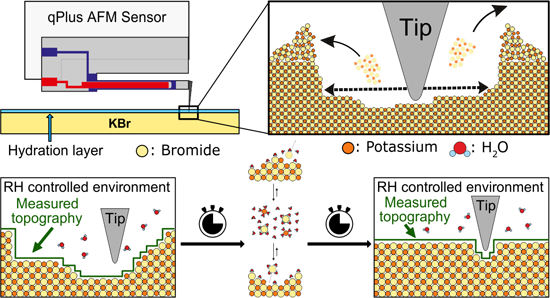
- additional layer forming by increasing RH to 60% and further growth of the water film up to 2.7 nm (ca. 10 monolayers) thickness at higher humidities [1]. On the atomic level, water and adsorbed molecules can arrange according to the surface structure and form ordered hydration layers that are also referred
- on the surface. This state is observed by the AFM technique as the surface topography. (2) In the second state the ions are dissolved in the hydration layer or in a physiosorbed or precursor state [30], which shows a high mobility and cannot be imaged. The material from the accumulation over time


Synthesis and potent cytotoxic activity of a novel diosgenin derivative and its phytosomes against lung cancer cells
Beilstein J. Nanotechnol. 2019, 10, 1933–1942, doi:10.3762/bjnano.10.189
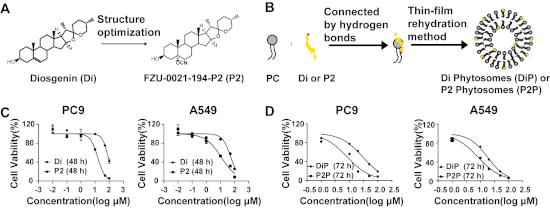
- size distribution of phytosomes seems a little broad. We used the thin-film hydration method followed by sonication to prepare the phytosomes in this study. The mean size and size distribution are significantly influenced by the sonication conditions. Further optimization of the formulation and the
- . Preparation of phytosomes DiP and P2P were prepared with lecithin in the prescribed ratio (1:1, molar ratio) by the thin film hydration method. First, lecithin and Di/P2 were dissolved in chloroform at a molar ratio of 1:1. The organic solvent was evaporated using a rotary evaporator to produce a thin lipid
- film. Before hydration, the lipid film was dried in a vacuum drying chamber at 27 °C for 12 h. The hydrated multilamellar vesicles were sonicated by a sonicator for 20 min. Blank lipid nanoparticles (P) were also prepared with the same process without adding Di or P2. Characterization of phytosomes



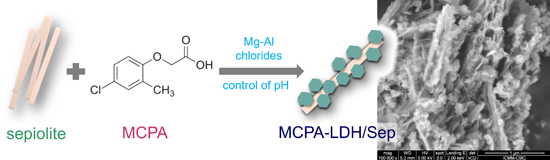
Layered double hydroxide/sepiolite hybrid nanoarchitectures for the controlled release of herbicides
Beilstein J. Nanotechnol. 2019, 10, 1679–1690, doi:10.3762/bjnano.10.163
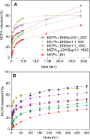
- hydration or the presence of OH− species in the systems consolidated at lower temperature, which determines a different mechanism of attack of H+ to produce the degradation of the LDH and the subsequent release of entrapped MCPA. The fastest kinetics is observed with the lowest LDH content (Figure 7 and


Concurrent nanoscale surface etching and SnO2 loading of carbon fibers for vanadium ion redox enhancement
Beilstein J. Nanotechnol. 2019, 10, 985–992, doi:10.3762/bjnano.10.99
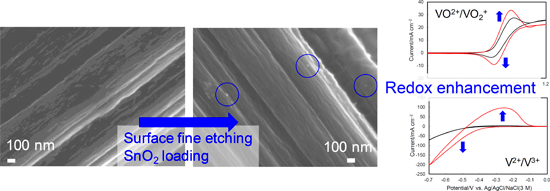
- with the high-purity water to prepare a 2 M H2SO4 solution. Oxovanadium sulfate hydrate, VOSO4·nH2O, was purchased from Sigma-Aldrich (purity > 99.99%) and Nacalai Tesque, which was dissolved in 2 M H2SO4 to prepare VOSO4 (1 M)/H2SO4 (2 M). The number of water of hydration, n, was provided by the



Towards rare-earth-free white light-emitting diode devices based on the combination of dicyanomethylene and pyranine as organic dyes supported on zinc single-layered hydroxide
Beilstein J. Nanotechnol. 2019, 10, 760–770, doi:10.3762/bjnano.10.75
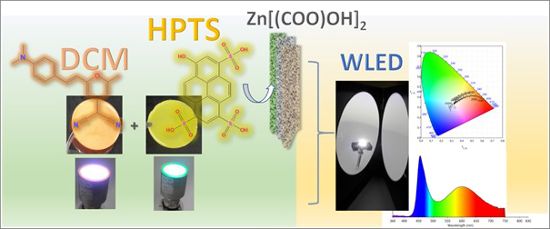
- temperature is related to M(RT) = 5·ZnO/(1 − 0.39) leading to 667.29 g·mol−1 (per 5·Zn) and corresponding to a hydration rate of n = 4.79, much higher than the value of 2 that is usually reported. It may be explained by a sample largely hydrated with weakly bonded water molecules as can be inferred from the


Outstanding chain-extension effect and high UV resistance of polybutylene succinate containing amino-acid-modified layered double hydroxides
Beilstein J. Nanotechnol. 2019, 10, 684–695, doi:10.3762/bjnano.10.68
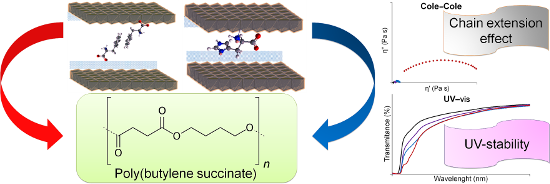
- equal because of the difference in molecular weight of the guest organic species as well as the different hydration rate. The UV-absorbing properties of the LDH structure with amino acids are presented in Figure 5. The nitrate–inorganic derivative, which is used as a reference, presents a typical quite


Ultrasonication-assisted synthesis of CsPbBr3 and Cs4PbBr6 perovskite nanocrystals and their reversible transformation
Beilstein J. Nanotechnol. 2019, 10, 666–676, doi:10.3762/bjnano.10.66
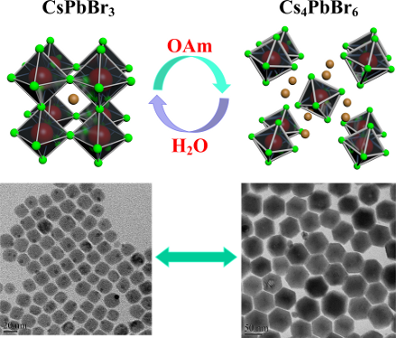
- by [PbX6]4− octahedra in which the Cs+ ions reside in the periphery of this network [9][10]. These PNCs are prone to structural instabilities and phase transformations involving ion migration and interface hydration [11]. However, this phase and structure versatility has become the great advantage of



Biomimetic surface structures in steel fabricated with femtosecond laser pulses: influence of laser rescanning on morphology and wettability
Beilstein J. Nanotechnol. 2018, 9, 2802–2812, doi:10.3762/bjnano.9.262
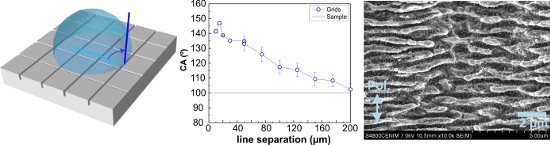
- related to water transport, although in this case not for camouflage but hydration purposes, which is vital considering the natural habitat of this lizard is the desert. The humidity in the air or moisture at the surface of rocks on which the lizard is standing can condense at the skin tiles, flowing



Comparative biological effects of spherical noble metal nanoparticles (Rh, Pd, Ag, Pt, Au) with 4–8 nm diameter
Beilstein J. Nanotechnol. 2018, 9, 2763–2774, doi:10.3762/bjnano.9.258
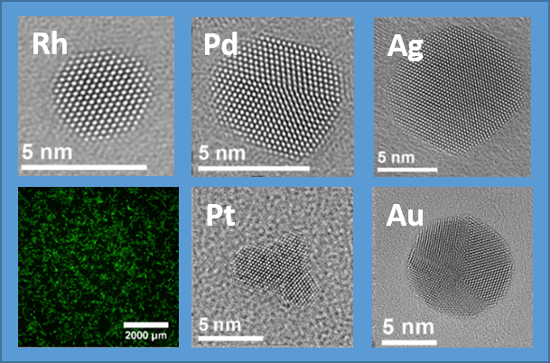
- of agglomeration – a prerequisite for meaningful cell culture studies [47][86]. Note that the hydrodynamic diameter determined by DCS is systematically underestimated because of the hydration shell [87]. The average diameter of all particles was in the range between 5 and 10 nm. These results agree


Enhanced antineoplastic/therapeutic efficacy using 5-fluorouracil-loaded calcium phosphate nanoparticles
Beilstein J. Nanotechnol. 2018, 9, 2499–2515, doi:10.3762/bjnano.9.233
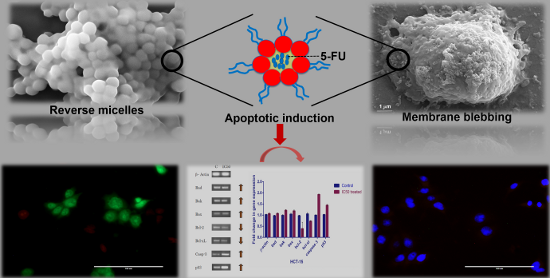
- shown in the Figure 3C. The spherical structure can be readily observed in the negatively stained grids. The mean diameter as obtained from TEM micrographs is smaller than the hydrodynamic diameter concluded from the DLS analysis (Figure 2A) due to the lack of hydration layer [35] (dry sample) in TEM





