Search results
Search for "hydrophilicity" in Full Text gives 135 result(s) in Beilstein Journal of Nanotechnology.
TiO2 immobilized on 2D mordenite: effect of hydrolysis conditions on structural, textural, and optical characteristics of the nanocomposites
Beilstein J. Nanotechnol. 2025, 16, 128–140, doi:10.3762/bjnano.16.12
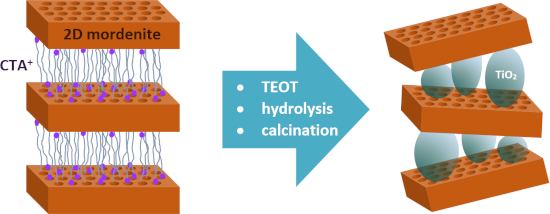
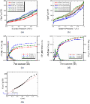
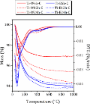
- /hydrophobic properties than the samples hydrolyzed in pure water. It is known that the hydrophilicity of TiO2 depends on the crystalline phase and surface composition, but not on the size [43]. Moreover, it was found that introduction of TiO2 into an amorphous siliceous matrix increases the hydrophilicity of



Nanocarriers and macrophage interaction: from a potential hurdle to an alternative therapeutic strategy
Beilstein J. Nanotechnol. 2025, 16, 97–118, doi:10.3762/bjnano.16.10
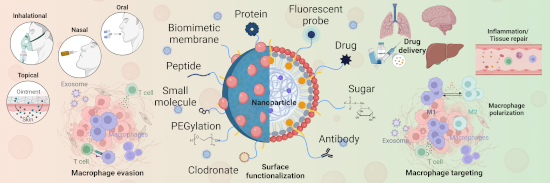
- such as iron and gold [4][5]. Each material is chosen for its unique properties, such as size, hydrophilicity, and charge, that make it suitable for acting as a drug carrier. NCs can be functionalized on their surface to improve the stability and solubility of high-payload encapsulated cargos, promote


Synthesis, characterization and anticancer effect of doxorubicin-loaded dual stimuli-responsive smart nanopolymers
Beilstein J. Nanotechnol. 2024, 15, 1189–1196, doi:10.3762/bjnano.15.96
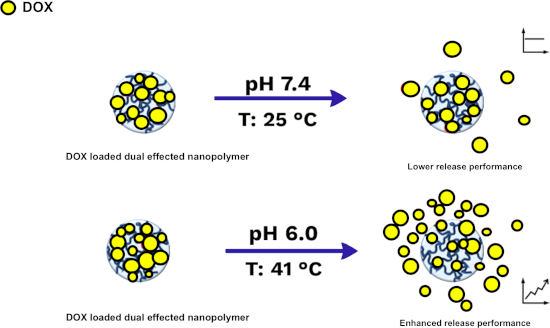
- , high stability, low toxicity, modifiable hydrophilicity/hydrophobicity, and the possibility of surface functionalization for targeted localization. Polymeric nanoparticles are a versatile approach to drug delivery (DD) with the potential to circumvent barriers associated with negative impacts on


Recent updates in applications of nanomedicine for the treatment of hepatic fibrosis
Beilstein J. Nanotechnol. 2024, 15, 1105–1116, doi:10.3762/bjnano.15.89
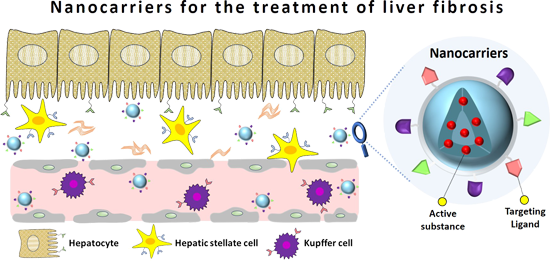
- hydrophilicity [25]. For instance, the passive liver targeting strategy highly depends on the size of nanocarriers as the endothelial fenestrations of liver sinusoids span approximately 50–200 nm in diameter (Figure 2a). In their study, Hirn and co-workers revealed that 50% of small gold NPs (around 1.4 nm) were
- binding to the scavenger receptors on the surface of Kupffer cells and LSECs, leading to the improved uptake by these cell types [34][35]. Another intrinsic property that dictates the uptake pathway of the nanocarriers by liver cells is hydrophilicity/hydrophobicity. Increased hydrophilicity via
- decoration with polyethylene glycol (PEG) may minimalize the uptake of nanocarriers by Kupffer cells, and such PEGylated nanocarriers are likely taken up by hepatocytes [36][37][38][39]. Besides augmenting hydrophilicity through PEGylation, stealth properties could be endowed to the nanocarriers through a


Electrospun nanofibers: building blocks for the repair of bone tissue
Beilstein J. Nanotechnol. 2024, 15, 941–953, doi:10.3762/bjnano.15.77
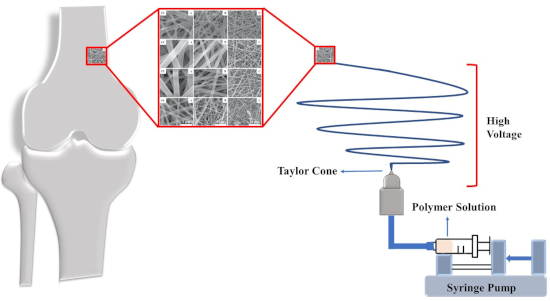
- polymer and drug, (iii) hydrophilicity/hydrophobicity of polymer and drug, (iv) properties of additives, (v) morphology of the system (e.g., porosity), and (vi) drug loading [4]. The aim of nanofiber production may be to provide the release of active material with zeroth-order kinetics after the burst
- [33]. In addition, given their compatibility with various active molecules, the polymers are the most essential formulation components in providing long-term controlled release of drugs. Biodegradability, biocompatibility, hydrophilicity, and mechanical properties of polymers are important criteria


Exploring surface charge dynamics: implications for AFM height measurements in 2D materials
Beilstein J. Nanotechnol. 2024, 15, 767–780, doi:10.3762/bjnano.15.64
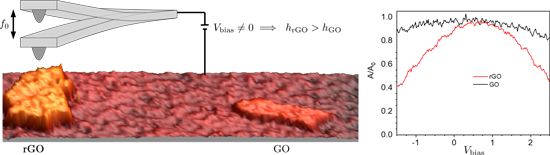
- system’s energy and, thus, reduce the amplitude, or (iii) a combination of both. Operating in this mode, erroneous height measurements derived from topography images are then attributed to local variations of hydrophilicity or hydrophobicity, which affect the dissipative capillary forces between tip and
- -deposited on an insulating substrate. Measurements on these two materials, which exhibit very different properties in terms of hydrophilicity and conductivity, allowed us to clarify the most relevant factors of the problem and how they affect the apparent height measured with AM-AFM. This has enabled us to
- ethanol and MQ water. Subsequently, the substrate was exposed to UV/ozone for 15 min to eliminate organic contaminants and promote the hydrophilicity of the SiO2 surface. GO (Graphenea), was employed without further treatment, while rGO was obtained through chemical reduction using hydrazine hydrate (50


Fabrication of nanocrystal forms of ᴅ-cycloserine and their application for transdermal and enteric drug delivery systems
Beilstein J. Nanotechnol. 2024, 15, 465–474, doi:10.3762/bjnano.15.42
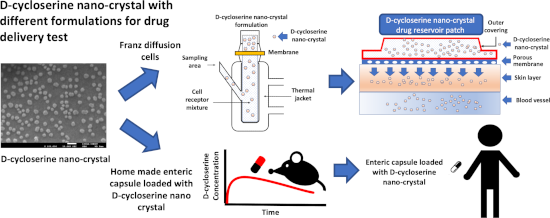
- of drugs. Aqueous solution or mixed emulsion solution of DCS were not appropriate formulations for penetrating the Franz diffusion system due to their high hydrophilicity. We found a suitable hydrophobic composition to overcome this barrier. In addition, it has been reported that nanoparticles with a


Classification and application of metal-based nanoantioxidants in medicine and healthcare
Beilstein J. Nanotechnol. 2024, 15, 396–415, doi:10.3762/bjnano.15.36
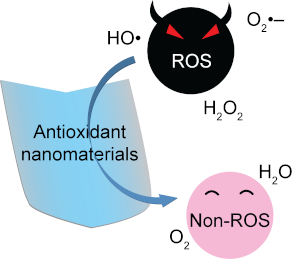
- generating silver nanoparticles from silver ions, whereas hyaluronic acid enhanced hydrophilicity and strain activities. To enhance wound repair, metal or metal oxide-based nanoantioxidants can be conjugated with miRNA146a. Because of the capability of miRNA146a to downregulate IL-6 and IL-8 expression, this


Modification of graphene oxide and its effect on properties of natural rubber/graphene oxide nanocomposites
Beilstein J. Nanotechnol. 2024, 15, 168–179, doi:10.3762/bjnano.15.16
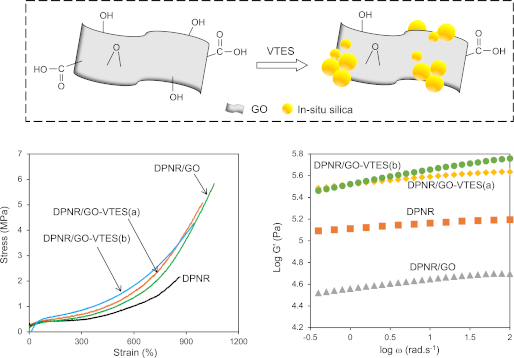
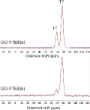
- distilled water that was dropped onto GO and GO-VTES surfaces. The value of the contact angle elucidates the hydrophilicity or hydrophobicity of the surface. The higher the contact angle, the higher the hydrophobicity. The contact angle of GO is about 67°, and those of GO-VTES(a) and GO-VTES(b) are 91 and
- 80°, respectively. The excellent hydrophilicity of GO may be due to various hydrophilic functional groups (i.e., hydroxyl group, carboxyl group, and epoxy group) that exist on the GO surface. However, after modification with VTES, the contact angle increased. This suggests that the formation of






Berberine-loaded polylactic acid nanofiber scaffold as a drug delivery system: The relationship between chemical characteristics, drug-release behavior, and antibacterial efficiency
Beilstein J. Nanotechnol. 2024, 15, 71–82, doi:10.3762/bjnano.15.7
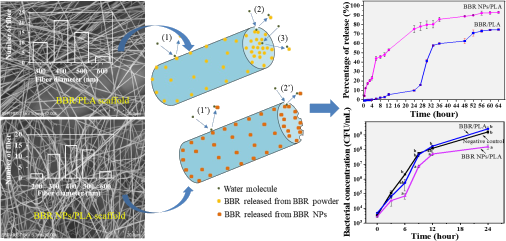
- aqueous medium quickly diffused and dissolved the BBR molecules embedded on the surface of nanofibers due to their higher hydrophilicity. (2’) The BBR molecules were continuously released thanks to the high concentration of BBR located near the surface of PLA nanofibers. As a result, pores could be formed


Recognition mechanisms of hemoglobin particles by monocytes – CD163 may just be one
Beilstein J. Nanotechnol. 2023, 14, 1028–1040, doi:10.3762/bjnano.14.85
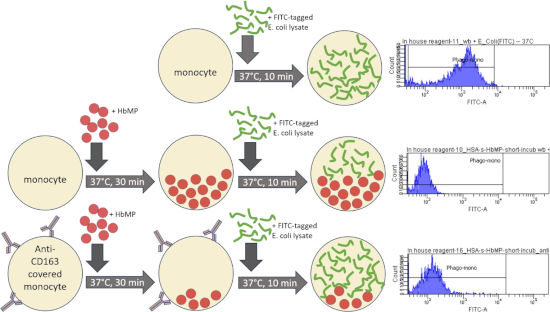
- ., hydrophilicity/hydrophobicity) also played a role. Together with the particle composition, this might be a possible explanation for the difference in the results of Champion et al. and our own. Buehler et al. observed a dependence on particle size in their studies of direct Hb/HBOC–CD163 interaction. HBOCs from




A graphene quantum dots–glassy carbon electrode-based electrochemical sensor for monitoring malathion
Beilstein J. Nanotechnol. 2023, 14, 701–710, doi:10.3762/bjnano.14.56
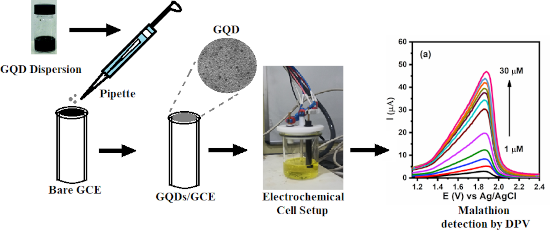
- –H bonds [36], which impart hydrophilicity to GQDs to form a dispersion in water. Similarly, the peaks at 2923 and 2850 cm−1 may be assigned to C–H stretching vibrations, the peaks at 2358, 1040, and 1158 cm−1 to C–O stretching vibrations, the peaks at 1625 cm−1 to C=C vibrations, and the peaks at


Metal-organic framework-based nanomaterials as opto-electrochemical sensors for the detection of antibiotics and hormones: A review
Beilstein J. Nanotechnol. 2023, 14, 631–673, doi:10.3762/bjnano.14.52


Conjugated photothermal materials and structure design for solar steam generation
Beilstein J. Nanotechnol. 2023, 14, 454–466, doi:10.3762/bjnano.14.36
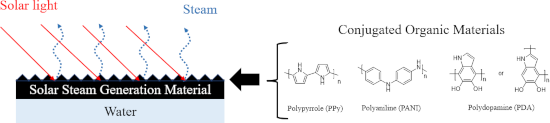
- broad light absorption, high photothermal conversion efficiency, biocompatibility, and hydrophilicity. The resulting polymer is highly conjugated due to the aromatization of the ethylamine moiety via cyclization and, accordingly, PDA is widely used as a PTM for SSG applications [43][44][45][46][47][48


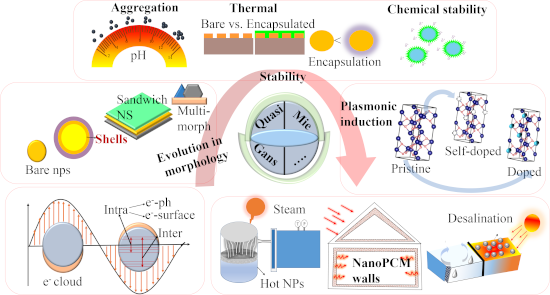
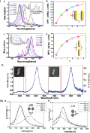
Plasmonic nanotechnology for photothermal applications – an evaluation
Beilstein J. Nanotechnol. 2023, 14, 380–419, doi:10.3762/bjnano.14.33




Atmospheric water harvesting using functionalized carbon nanocones
Beilstein J. Nanotechnol. 2023, 14, 1–10, doi:10.3762/bjnano.14.1
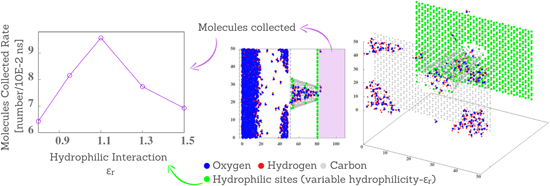
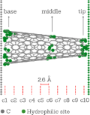
- the surface functionalization is properly selected. Keywords: atmospheric water harvesting; hydrophilicity; hydrophobicity; nanocones; nanotechnology; Introduction Despite water being abundant on Earth, there are at least four billion people suffering from water scarcity [1]. The lack of potable




Application of nanoarchitectonics in moist-electric generation
Beilstein J. Nanotechnol. 2022, 13, 1185–1200, doi:10.3762/bjnano.13.99
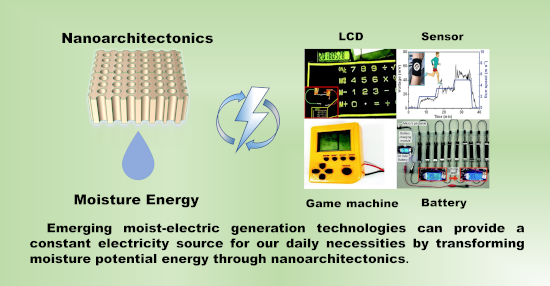
- of water evaporation and induced water flow in CB. (d) After annealing and air plasma cleaning, changes in hydrophilicity and functional groups of the porous carbon film. (e) Voltage between the two electrodes at different wind velocities. Figure 3c, 3d, and 3e are from [46] and were reprinted by


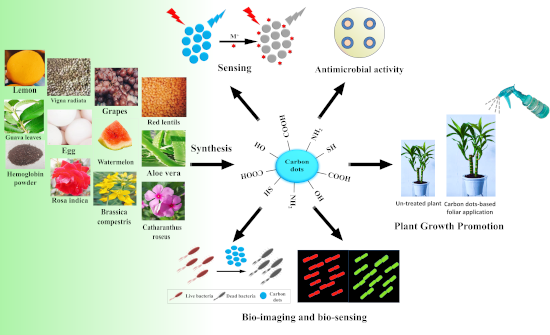
Recent advances in green carbon dots (2015–2022): synthesis, metal ion sensing, and biological applications
Beilstein J. Nanotechnol. 2022, 13, 1068–1107, doi:10.3762/bjnano.13.93




Spindle-like MIL101(Fe) decorated with Bi2O3 nanoparticles for enhanced degradation of chlortetracycline under visible-light irradiation
Beilstein J. Nanotechnol. 2022, 13, 1038–1050, doi:10.3762/bjnano.13.91
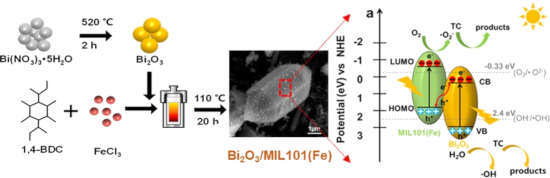
- iron and bridged terephthalic acid molecules. It has high hydrothermal stability, low cost, good hydrophilicity, non-toxicity, and environmental friendliness [20][34]. Most importantly, MIL101(Fe) contains abundant iron-oxo (Fe-O) clusters, which makes it a photocatalyst with visible-light response [19


Recent advances in nanoarchitectures of monocrystalline coordination polymers through confined assembly
Beilstein J. Nanotechnol. 2022, 13, 763–777, doi:10.3762/bjnano.13.67
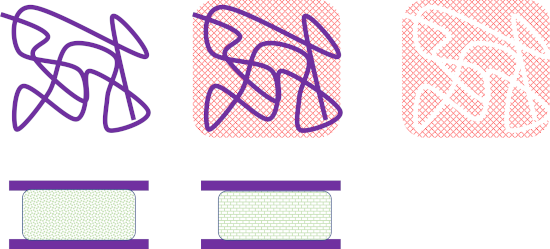
- ]. There are several parameters of the single crystals, such as defects, hydrophilicity, and dispersity in water, that determine the performance of the composites in biomedicine [106][107]. To introduce more controllable and repeatable synthetic methods to tailor the parameters of monocrystalline




Micro- and nanotechnology in biomedical engineering for cartilage tissue regeneration in osteoarthritis
Beilstein J. Nanotechnol. 2022, 13, 363–389, doi:10.3762/bjnano.13.31
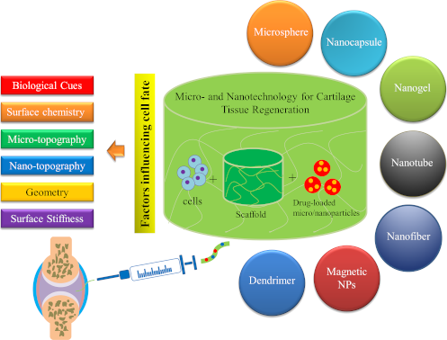
- scaffold led to a decrease in the average fiber diameter, an increase in hydrophilicity and tensile strength, without adversely affecting its porosity percentage and mechanical strength. Moreover, the results showed that the presence of COOH-functionalized MWCNTs as a reinforcement in the scaffold had no


Coordination-assembled myricetin nanoarchitectonics for sustainably scavenging free radicals
Beilstein J. Nanotechnol. 2022, 13, 284–291, doi:10.3762/bjnano.13.23
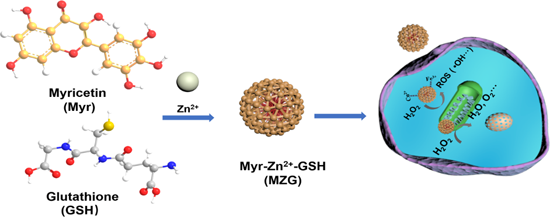
- good hydrophilicity and biocompatibility. However, it is easily metabolized by enzymes. To take advantages of their antioxidation activity and to overcome the abovementioned limitations, GSH, Zn2+, and Myr were selected to co-assemble into Myr-Zn2+-GSH nanoparticles or nanoarchitectonics. This study


Engineered titania nanomaterials in advanced clinical applications
Beilstein J. Nanotechnol. 2022, 13, 201–218, doi:10.3762/bjnano.13.15
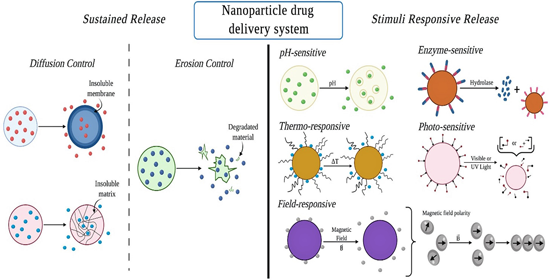
- , hydrophilicity, and functional groups that can affect the PC formation. Interestingly, a dynamic aspect that impacts the PC formation is referred to as the “Vroman effect”, a phenomenon where the proteins that are initially associated with nanomaterials get exchanged by a new set of proteins that possess higher


A comprehensive review on electrospun nanohybrid membranes for wastewater treatment
Beilstein J. Nanotechnol. 2022, 13, 137–159, doi:10.3762/bjnano.13.10
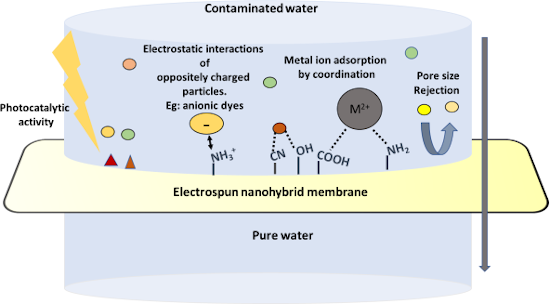
- application as an oil–water separators, owing to the high surface porosity, submicrometer pore sizes, high permeability, and the ability to control the membrane hydrophobicity/hydrophilicity effortlessly. The nanoscale surface roughness of the nanofibers of the membrane has a direct impact on the wetting
- layer had a significant effect on the hydrophilicity of the membrane by decreasing the water contact angle from 130° to 13°. A water flux of 5.5 m3/m2/day, has been achieved by the membrane with the lowest contact angle [67]. Zhang et al. demonstrated the electrospinning of a blend of PLA and poly(3
- polymer membranes. The hydrophilicity of the membranes notably inhibits membrane fouling due to oils and other hydrophobic matter. For example, GO is highly hydrophilic and will impart hydrophilicity to the ENH membrane. Blending of iron oxides into ENH membranes will impart magnetic properties, which




Biocompatibility and cytotoxicity in vitro of surface-functionalized drug-loaded spinel ferrite nanoparticles
Beilstein J. Nanotechnol. 2021, 12, 1339–1364, doi:10.3762/bjnano.12.99
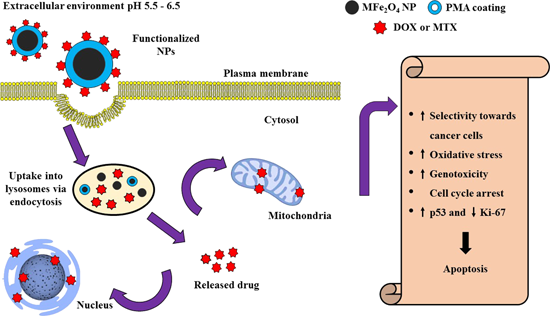
- which enables controlled and nontoxic biological interactions [18]. The hydrophilicity of the nanocarriers is important, as native hydrophobic surfaces of NPs are rapidly opsonized by hydrophobic serum proteins [19]. For this, surface functionalization has a major role [18]. It alters the surface
- hydrophobic NPs was achieved by the functionalization with an amphiphilic brush copolymer, poly(isobutylene-alt-maleic anhydride) (PMA) implanted with dodecylamine, which provides biocompatibility, colloidal stability, and hydrophilicity [22]. It is composed of hydrophobic side chains and the backbone of