Search results
Search for "in situ" in Full Text gives 552 result(s) in Beilstein Journal of Nanotechnology. Showing first 200.
The cement of the tube-dwelling polychaete Sabellaria alveolata: a complex composite adhesive material
Beilstein J. Nanotechnol. 2025, 16, 1998–2014, doi:10.3762/bjnano.16.138
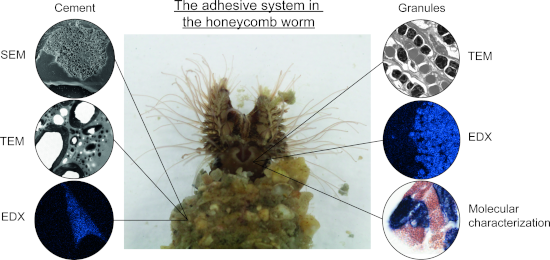
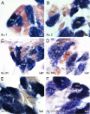
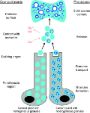
- . Phosphoserine has been identified as one of the main modified amino acids in tubeworm cement and, using in situ hybridization, we propose that FAM20C kinases would be the enzymes responsible for the phosphorylation of serine residues in adhesive proteins. Comparison between the ultrastructure of the granules
- maturation by identifying and localizing the kinases phosphorylating adhesive proteins using in silico analyses and in situ hybridization techniques. The results may provide new insights into the composition and biosynthesis of the adhesive secretion, which is crucial to the honeycomb worm’s survival
- Primer 3 (bioinfo.ut.ee/primer3/) with an optimal amplicon length between 700 and 900 bp (Supporting Information File 1, Table S4). For the previously reported adhesive proteins, the primers were designed using the first clone of each cement precursor protein available on NCBI [17]. For in situ



Low-temperature AFM with a microwave cavity optomechanical transducer
Beilstein J. Nanotechnol. 2025, 16, 1873–1882, doi:10.3762/bjnano.16.130
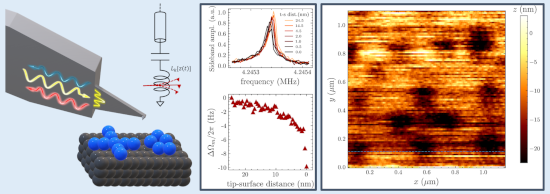
- refrigerator, which was not designed for preparation of pristine surfaces, nor was any attempt made to sharpen the tip in situ. Our analysis shows that the KIMEC principle of detecting cantilever deflection, as it is implemented in these sensors, is capable of operating at the thermal limit of force


Current status of using adsorbent nanomaterials for removing microplastics from water supply systems: a mini review
Beilstein J. Nanotechnol. 2025, 16, 1837–1850, doi:10.3762/bjnano.16.127
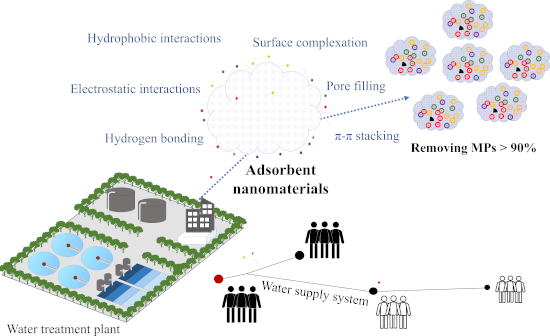
- performance for six cycles with only a 5% efficiency loss, and enabled in situ degradation of MPs through thermal treatment to prevent desorption risks [75]. A high capture efficiency of microplastics was also achieved using novel magnetic composite nanoparticles composed of silica, gelatin, and chitosan. At


Exploring the potential of polymers: advancements in oral nanocarrier technology
Beilstein J. Nanotechnol. 2025, 16, 1751–1793, doi:10.3762/bjnano.16.122


Beyond the bilayer: multilayered hygroscopic actuation in pine cone scales
Beilstein J. Nanotechnol. 2025, 16, 1695–1710, doi:10.3762/bjnano.16.119
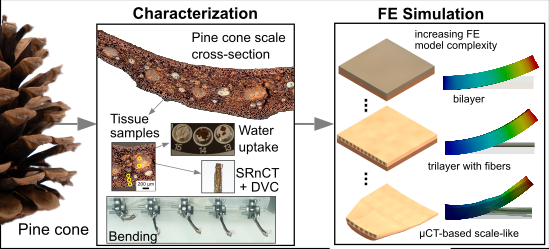
- keV [32]. For the in situ nano-holotomography, a climate chamber [33] was used to image the specimen in a moist (90% RH) and a dry (<3% RH) state. A binning factor of two was applied to the images. The phase retrieval was performed using the Holowizard framework [34][35]. The sample volumes were


Ambient pressure XPS at MAX IV
Beilstein J. Nanotechnol. 2025, 16, 1677–1694, doi:10.3762/bjnano.16.118
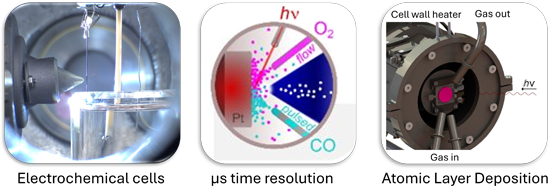
- restricted to ultrahigh vacuum. This review highlights the capabilities and scientific impact of APXPS at the MAX IV Laboratory, the world’s first fourth-generation synchrotron light source. With the APXPS beamlines SPECIES and HIPPIE, MAX IV offers state-of-the-art instrumentation for in situ and operando
- heterogeneous catalysis, corrosion, and thin film growth. Given that surfaces are heavily influenced by their surroundings, it is essential to study them in situ, while exposed to realistic reaction conditions, or operando, when producing reaction products under realistic conditions. X-ray photoelectron
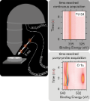
- the use of XPS in reactive environments. Ambient pressure XPS (APXPS) with soft X-rays addresses this limitation by enabling surface chemical analysis at pressures up to the millibar range, bridging the gap that restricts conventional XPS to UHV. This allows for in situ and operando investigations of





Transient electronics for sustainability: Emerging technologies and future directions
Beilstein J. Nanotechnol. 2025, 16, 1545–1556, doi:10.3762/bjnano.16.109

- complete physical degradation in situ, leaving no waste or residual materials [14]. In contrast to conventional electronics designed for permanent installation or single-use disposal, transient electronics represent a paradigm shift that redefines the relationship between a functionality and physical


Laser processing in liquids: insights into nanocolloid generation and thin film integration for energy, photonic, and sensing applications
Beilstein J. Nanotechnol. 2025, 16, 1428–1498, doi:10.3762/bjnano.16.104
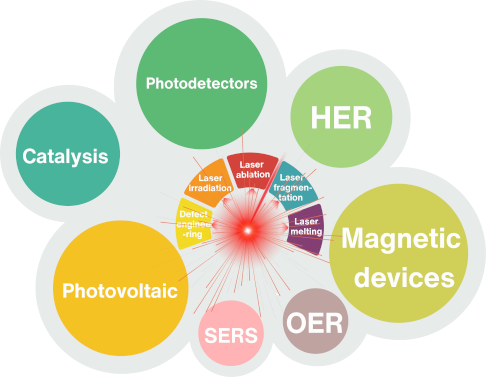
- specific applications will be crucial for realizing the full potential of laser-based techniques and addressing challenges in LAL such as low productivity, high energy consumption, and wide size distribution. Additionally, advancing in situ characterization methods, such as time-resolved shadowgraphy [26
- corresponding in situ resistance measurement as a function of temperature during heat treatment of the Ag layer is presented in Figure 11d. In conclusion, drop-casting, due to its simplicity, involves merely dropping a colloidal solution onto a substrate, offering limited control over the deposition process






Synthesis and antibacterial properties of nanosilver-modified cellulose triacetate membranes for seawater desalination
Beilstein J. Nanotechnol. 2025, 16, 1380–1391, doi:10.3762/bjnano.16.100
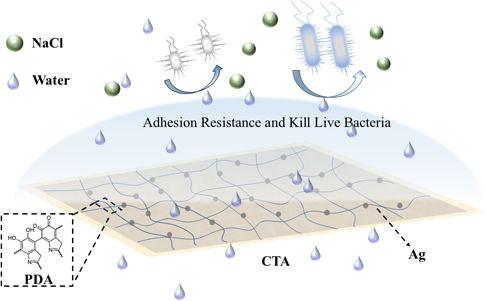
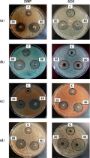
- lifespan of the membranes. The widely used antimicrobial nanoparticles can be categorized based on their composition and properties as follows: metallic nanoparticles, carbon-based nanomaterials, oxide nanoparticles, and composite nanomaterials. Zheng’s group used an in situ synthesis method to embed AgNPs
- into polyacrylonitrile (PAN) nanofibers, the fabricated Ag/PAN-TFN FO membrane demonstrated excellent antibacterial activity against Escherichia coli and Staphylococcus aureus with improved water flux and salt rejection. The in situ synthesis method ensures a uniform distribution of AgNPs within the
- , indicating the potential for repeated use and long-term application [21]. Zhao and Park’s group incorporated in situ synthesized silver-loaded graphene oxide (GO-Ag) nanoparticles into polyvinyl alcohol/chitosan (PVA/CS) electrospun nanofiber membranes to boost desalination performance. The PVA/CS/GO-Ag


Automated collection and categorisation of STM images and STS spectra with and without machine learning
Beilstein J. Nanotechnol. 2025, 16, 1367–1379, doi:10.3762/bjnano.16.99
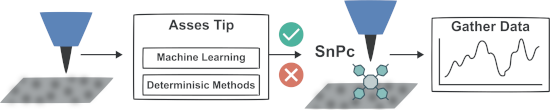
- also spectroscopic analysis of small organic molecules. However, preparation and characterisation of the probe apex in situ by a human operator is one of the major barriers to high-throughput experimentation and to reproducibility between experiments. Characterisation of the probe apex is usually
- move on to either an in situ tip preparation step, (j); if the number of shaping attempts without a “good” tip has exceeded a pre-determined threshold, (i), the tip is moved away macroscopically, (k), under the assumption that the area is not suitable for classification. Throughout the schematic, green
- measurements are taken as shown in (d–g). (d) and (e) correspond to measurements taken over SnUp molecules, while (f) and (g) correspond to SnDown. The script would then change the tip and repeat the steps, over different areas, varying the tip after each set of STS measurements (formed through in situ tip




Ferroptosis induction by engineered liposomes for enhanced tumor therapy
Beilstein J. Nanotechnol. 2025, 16, 1325–1349, doi:10.3762/bjnano.16.97
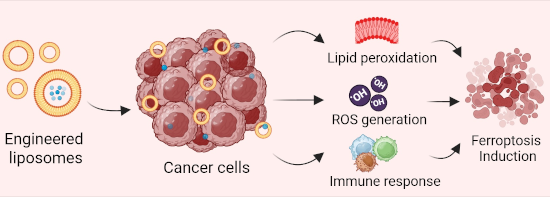
- ]. Mitochondria-targeted liposomes have also been studied to enhance mitochondrial-associated ferroptosis in bladder cancer in situ. The synthesized liposome was selectively aggregated in mitochondria and caused mitochondrial lipid peroxidation and ROS by deactivated dihydroorotate dehydrogenase [148]. Targeting


Deep-learning recognition and tracking of individual nanotubes in low-contrast microscopy videos
Beilstein J. Nanotechnol. 2025, 16, 1316–1324, doi:10.3762/bjnano.16.96
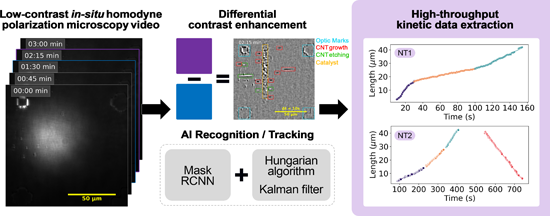
- Vladimir Pimonov Said Tahir Vincent Jourdain Laboratoire Charles Coulomb, Univ Montpellier, CNRS, Montpellier, France 10.3762/bjnano.16.96 Abstract This study addresses the challenge of analyzing the growth kinetics of carbon nanotubes using in situ homodyne polarization microscopy (HPM) by
- can be adapted for other types of in situ microscopy studies, emphasizing the importance of automation in high-throughput data acquisition for research on individual nano-objects. Keywords: carbon nanotubes growth kinetics; deep learning; in situ microscopy; object recognition and tracking
- selectivity, particularly kinetic selectivity. To address this, we developed a method based on in situ homodyne polarization microscopy (HPM), which is highly sensitive and can detect changes in optical absorption caused by a single carbon nanotube. The technique allows for imaging tens to hundreds of


Mechanical stability of individual bacterial cells under different osmotic pressure conditions: a nanoindentation study of Pseudomonas aeruginosa
Beilstein J. Nanotechnol. 2025, 16, 1171–1183, doi:10.3762/bjnano.16.86
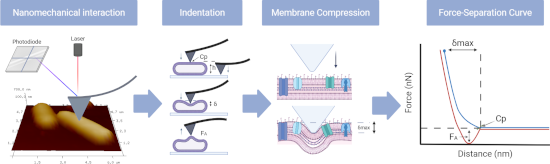
- exchanged in situ in the liquid chamber of the AFM and allowed to settle. This time was about 5 min; therefore, is quite above the reaction time of PA to complete the osmolyte release. In our study, measurements were performed once these tension-triggered channels had already dissipated the exceeding


Crystalline and amorphous structure selectivity of ignoble high-entropy alloy nanoparticles during laser ablation in organic liquids is set by pulse duration
Beilstein J. Nanotechnol. 2025, 16, 1141–1159, doi:10.3762/bjnano.16.84
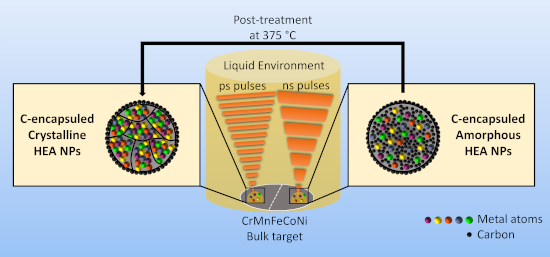
- loss spectroscopy, in situ heating, post-irradiation experiments, and differential scanning calorimetry we demonstrate that a pulse-duration-driven structural difference occurs during laser ablation in liquid is observable to the three utilized solvents. While picosecond-pulsed laser ablation in liquid
- occur coincidentally but are a reproducible observation (shown in Supporting Information File 1, Section S11). Thermal stability of the amorphous HEA nanoparticles Finally, we aimed to examine the temperature stability of the amorphous HEA NPs. Thereto, we conducted in situ heating experiments in TEM as
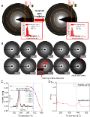
- well as differential scanning calorimetry. Figure 4B displays the TEM in situ heating experiment and SAED patterns of an amorphous sample made by ns-LAL in acetone with increasing temperature. The diffuse and broad intensity that results from an amorphous structure gets sharper, especially for the (111




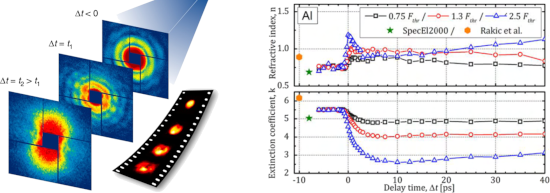
Time-resolved probing of laser-induced nanostructuring processes in liquids
Beilstein J. Nanotechnol. 2025, 16, 968–1002, doi:10.3762/bjnano.16.74


Tendency in tip polarity changes in non-contact atomic force microscopy imaging on a fluorite surface
Beilstein J. Nanotechnol. 2025, 16, 944–950, doi:10.3762/bjnano.16.72
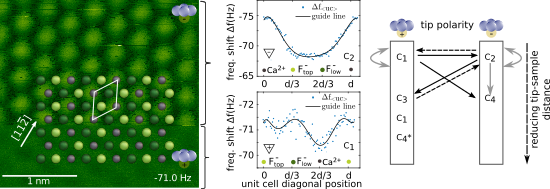
- . The sample was prepared in situ by first degassing a p-type Si (B-doped) sample (Institute of Electronic Materials Technology, Warsaw, Poland) for several hours after introduction into the vacuum. Second, the Si(111)-(7 × 7) termination was formed by flash annealing cycles. Third, CaF2 material (99.9
- . The tip was further prepared in situ using common STM-based approaches on the bare Si surface after introducing the sensor into the vacuum system [28]. The NC-AFM microscope was operated in the frequency-modulation mode with an oscillation amplitude of 60 pm, and images were acquired in the true


Heat-induced transformation of nickel-coated polycrystalline diamond film studied in situ by XPS and NEXAFS
Beilstein J. Nanotechnol. 2025, 16, 887–898, doi:10.3762/bjnano.16.67
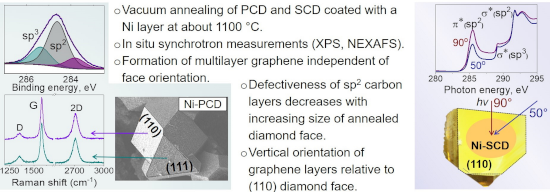
- thin nickel film deposited by thermal evaporation. The graphitization of diamond with and without a nickel coating as a result of high-vacuum annealing at a temperature of about 1100 °C was studied in situ using synchrotron-based X-ray photoelectron spectroscopy (XPS) and near-edge X-ray absorption
- -vacuum annealing at a temperature of about 1100 °C. To exclude the influence of impurities from the air, the annealed samples were examined in situ using XPS and NEXAFS without contact with the air. XPS and NEXAFS spectroscopy investigations of heat-induced transformation of the surface of bare and Ni
- examined in situ using NEXAFS and XPS methods. The changes in the chemical state of the surface of the PCD and Ni-PCD films as a result of annealing were examined. The NEXAFS C K-edge spectra were simultaneously recorded in total electron yield (TEY) and Auger electron yield (AEY) modes to probe the volume


Synthesis and magnetic transitions of rare-earth-free Fe–Mn–Ni–Si-based compositionally complex alloys at bulk and nanoscale
Beilstein J. Nanotechnol. 2025, 16, 823–836, doi:10.3762/bjnano.16.62
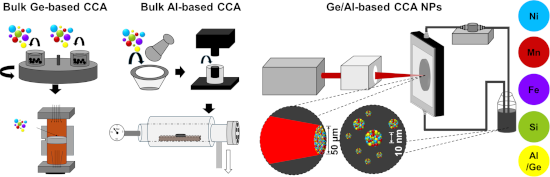
- components that can be later in-situ alloyed during PLAL to generate compositionally controlled CCA NPs. CCA NP synthesis and characterization Particle size distribution The NPs synthesized by pulsed laser ablation in ethanol exhibit a log–normal particle size distribution ranging from 2 to 130 nm for both


Morphology and properties of pyrite nanoparticles obtained by pulsed laser ablation in liquid and thin films for photodetection
Beilstein J. Nanotechnol. 2025, 16, 785–805, doi:10.3762/bjnano.16.60
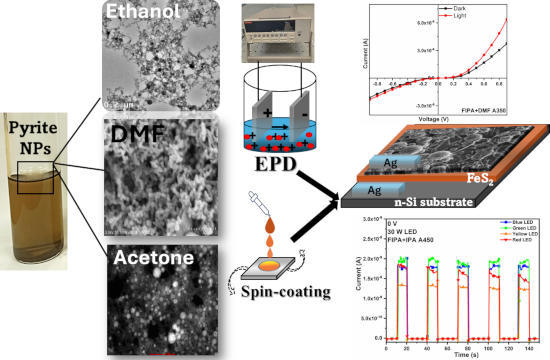
- -powered PDs, as opposed to conventional PDs, are well suited to operate in challenging environments and their applications and benefits in fields such as wireless environmental sensing, chemical and biosensing, in situ medical-therapy monitoring are explained in detail by Xu et al. in their review [34






Nanostructured materials characterized by scanning photoelectron spectromicroscopy
Beilstein J. Nanotechnol. 2025, 16, 700–710, doi:10.3762/bjnano.16.54
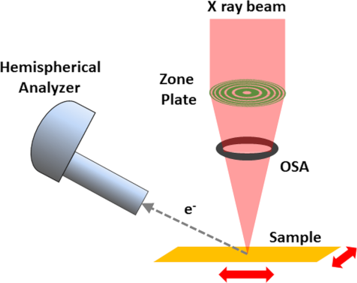
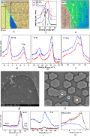
- beamline at Elettra is capable of in situ and operando analysis regardless of sample morphology. The review presents three different case studies illustrating the capabilities of SPEM in the investigation of catalytic materials in different conditions and processes. Keywords: nanostructured materials
- combining XPS, submicron spatial resolution, and chemical imaging capabilities. The instrument hosted at the Elettra synchrotron research center, in operation since 1993, has been recently upgraded to fulfil the increasingly demanding needs of in situ and operando experiments. The examples of materials


High-temperature epitaxial growth of tantalum nitride thin films on MgO: structural evolution and potential for SQUID applications
Beilstein J. Nanotechnol. 2025, 16, 690–699, doi:10.3762/bjnano.16.53
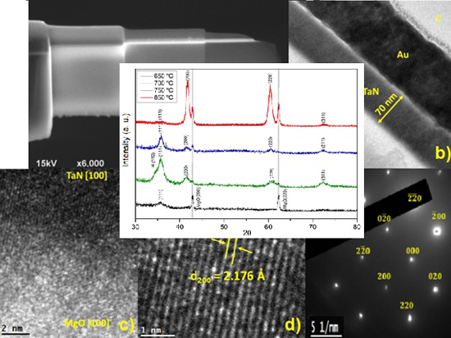
- deposition chamber, and a turbo pump was used to pump the gas out during film deposition. The films were transferred to the analysis chamber to characterize them in situ by XPS. Varying the N2 pressure, pN2, in the chamber and analyzing the films, we obtained TaN thin films at 90 mTorr of N2. XPS data were


Retrieval of B1 phase from high-pressure B2 phase for CdO nanoparticles by electronic excitations in CdxZn1−xO composite thin films
Beilstein J. Nanotechnol. 2025, 16, 551–560, doi:10.3762/bjnano.16.43

- not been previously conducted, as the B2 phase has only been reported through hydrostatic pressure techniques using the in situ diamond anvil cell (DAC) technique [14]. Our study is facilitated by the successful achievement of the B2 phase at atmospheric pressure for CdxZn1−xO (x = 0.40) composite


Zeolite materials with Ni and Co: synthesis and catalytic potential in the selective hydrogenation of citral
Beilstein J. Nanotechnol. 2025, 16, 520–529, doi:10.3762/bjnano.16.40
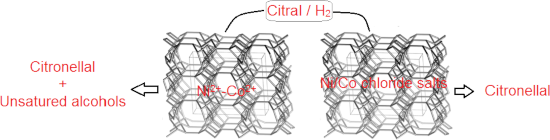
- profiles. In order to improve these results, the CoNiZIE catalyst was subjected to in situ reduction at 500 °C for 2 h under H2 flow prior to the catalytic test. However, this high reduction temperature resulted to be deleterious to the catalytic performance. While the catalytic performance of CoNiZIE in


Development of a mucoadhesive drug delivery system and its interaction with gastric cells
Beilstein J. Nanotechnol. 2025, 16, 371–384, doi:10.3762/bjnano.16.28

- rate. The mucoadhesive characteristic of the system was tested in situ and in vitro. In addition, the in vitro cytotoxicity and internalization of the nanoparticles by mucus-secreting gastric cells were also investigated. We believe that usage of the developed system may increase the retention time of
- site. In situ mucoadhesion studies The ability of nanoparticles to stick to mucus, known as mucoadhesion, is important for retention at mucus-bearing sites and, thus, prolonged drug release into the environment [52]. The mucus interaction of the EudAlg NPs was first studied by DLS measurements, where
- -labeled peptide and the corresponding FI values. The encapsulation efficiency was calculated by the following formula: In situ release of the model drug from EudAlg nanoparticles The in situ release of the model drug from the nanoparticles was studied as mentioned elsewhere [32][51]. Nanoparticles (2 mg


Pulsed laser in liquid grafting of gold nanoparticle–carbon support composites
Beilstein J. Nanotechnol. 2025, 16, 349–361, doi:10.3762/bjnano.16.26
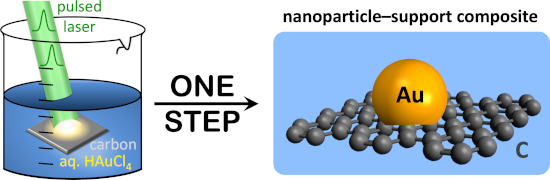
- was reported as 3.0 × 10⁻⁶ s−1 [25]. This suggests that pristine graphite surfaces, generated by the in situ decontamination and activation by nanosecond laser cleaning, can exist for Au embedding during the pulsed laser grafting process. However, this microscopic surface decontamination and
- nanoparticles on supports. We surmise that our in situ decontaminated/activated carbon surfaces enabled immediate embedding of small nucleation sites, at which the laser made nanoparticles grow, resulting in superior physical and electrical contact at the nanoparticle–support interface (shown below). We used
- , which is especially problematic with precious catalysts, and it does not require binders. The pulsed laser grafting process is predicated on in situ nanosecond pulsed laser decontamination and activation of the support surface to create short-lived pristine graphite surfaces, at which gold is seeded and