Search results
Search for "interaction" in Full Text gives 1559 result(s) in Beilstein Journal of Nanotechnology. Showing first 200.
Durable antimicrobial activity of fabrics functionalized with zeolite ion-exchanged nanomaterials against Staphylococcus aureus and Escherichia coli
Beilstein J. Nanotechnol. 2026, 17, 262–274, doi:10.3762/bjnano.17.18
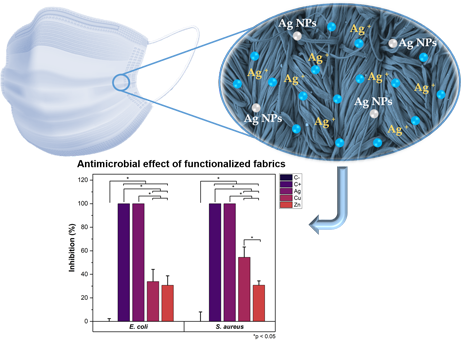
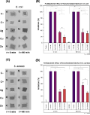
- nanoparticles act against viruses involves the interaction with the surface of the NPs, leading to adhesion and inactivation, thereby preventing the virion from entering the host cell. NPs release ions or transfer them to microorganisms, inducing oxidative stress. Given these possible mechanisms, viral
- treating the fibers at the end of the manufacturing process. Those methods require the use of previously prepared NPs, which are then bonded to the textile through chemical bonding or electrostatic interaction. The pad–dry–cure method is an effective alternative for applying nanoparticles to the surface of




Multilayered hyperbolic Au/TiO2 nanostructures for enhancing the nonlinear response around the epsilon-near-zero point
Beilstein J. Nanotechnol. 2026, 17, 251–261, doi:10.3762/bjnano.17.17
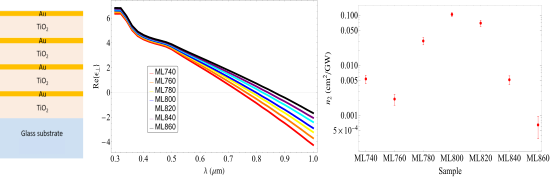
- of light. As a consequence, light does not differentiate between the constituting materials and only “sees” them as a single material. To study the interaction of light with these metamaterials, we use the effective media approximation to calculate the optical properties of these materials. These


Gold nanoparticle-decorated reduced graphene oxide as a highly effective catalyst for the selective α,β-dehydrogenation of N-alkyl-4-piperidones
Beilstein J. Nanotechnol. 2026, 17, 218–238, doi:10.3762/bjnano.17.15
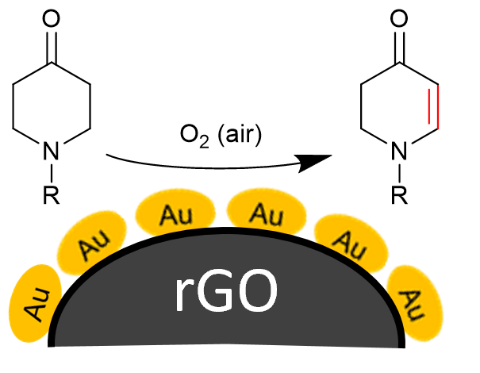
- facilitate charge transfer between the metal and the support, enhancing the activation of molecular oxygen and promoting the oxidative dehydrogenation (ODH) pathway. This synergistic interaction should not only improve the intrinsic catalytic activity but also allow the catalyst to achieve high efficiency
- -containing functional groups strongly influences catalytic activity [24][25]. AC contains a significant number of functional groups, such as carboxyl, hydroxy, and phenol groups, which enhance its interaction with metal nanoparticles and improve catalytic performance [26][27], rGO possesses a higher amount
- dehydrogenation (ODH) reactions. A minor component at slightly higher binding energies (88.2 and 84.7 eV) is attributed to Au+ species resulting from surface interaction with oxygenated groups of rGO. The predominance of Au0 demonstrates that the active sites mainly consist of metallic gold nanoparticles. The C


Time of flight secondary ion mass spectrometry imaging of contaminant species in chemical vapour deposited graphene on copper
Beilstein J. Nanotechnol. 2026, 17, 200–213, doi:10.3762/bjnano.17.13
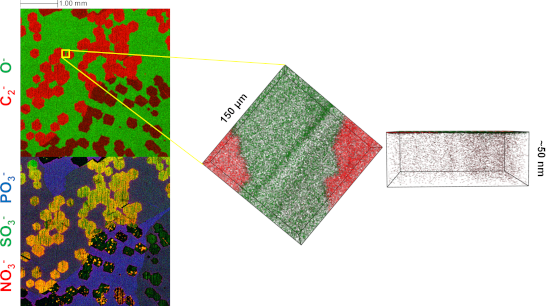
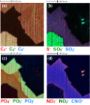
- ambient exposure detected on the surface. This is of note as the graphene/Cu interaction strength is known to depend on the Cu crystal orientation as well as the epitaxial relationship [49][50][51], which leads to anisotropy in the Cu oxidation rate at the graphene/Cu interface for different Cu
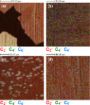
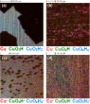


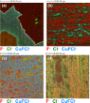



Structure-dependent thermochromism of PAZO thin films: theory and experiment
Beilstein J. Nanotechnol. 2026, 17, 186–199, doi:10.3762/bjnano.17.12
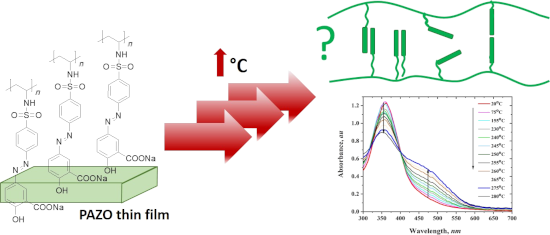
- interaction between the chromophores (Figure 7). Side chains from different main chains of the polymer can interact in a similar way to form supramolecular aggregates (Figure 8) [22]. The π-stacked aggregates are usually classified as H- and J-aggregates, and this classification (originally worked out by


From shield to spear: Charge-reversible nanocarriers in overcoming cancer therapy barriers
Beilstein J. Nanotechnol. 2026, 17, 159–175, doi:10.3762/bjnano.17.10
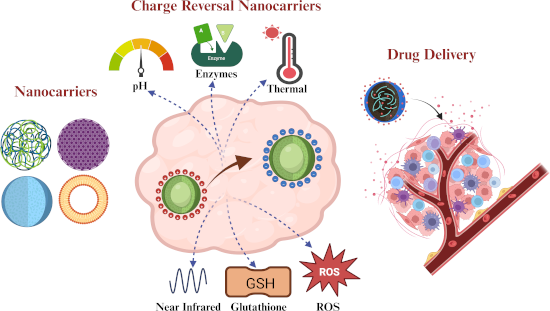
- , those with neutral or negative charge exhibit longer circulation times, reduced immune clearance, and improved therapeutic efficacy. Further, positively charged nanocarriers exhibit enhanced cellular uptake due to their electrostatic interaction with negatively charged cell membranes; however, they may
- enhances cellular uptake by facilitating better interaction with the negatively charged cell membrane, improving drug delivery efficiency [45]. For example, nanoparticles engineered with pH-responsive polymers facilitate the controlled release of therapeutic agents specifically within the acidic tumour
- bonds and functional groups that enable charge reversal, a strategy that significantly improves cellular interaction and drug delivery efficiency in tumour environments. Additionally, it should be noted that, unlike pH-responsive charge reversal, which is reversible due to protonation and deprotonation


Capabilities of the 3D-MLSI software tool in superconducting neuron design
Beilstein J. Nanotechnol. 2026, 17, 122–138, doi:10.3762/bjnano.17.8

- inductances has not yet been obtained, and the optimal parameter values are selected numerically [1][31][39][40][41][42]. A generalized theory of the Gauss neuron, accounting for the interaction of all five elements of the experimental device, is currently under development by our group. The necessity of
- accounting for interaction between neuron elements was revealed during the first experimental measurements of TFs presented in [26][27]. The samples were fabricated as multilayer structures above a thick superconducting screen. Experimental curves generally agreed with theoretical expectations, but included
- an additional linear component. One of the reasons is that the input (control line) and the readout (two-junction SQUID) elements can exchange magnetic flux via circulating currents in the superconducting ground plane [33]. It was shown in [43] that such interaction effectively results in asymmetry



Development and in vitro evaluation of liposomes and immunoliposomes containing 5-fluorouracil and R-phycoerythrin as a potential phototheranostic system for colorectal cancer
Beilstein J. Nanotechnol. 2026, 17, 97–121, doi:10.3762/bjnano.17.7
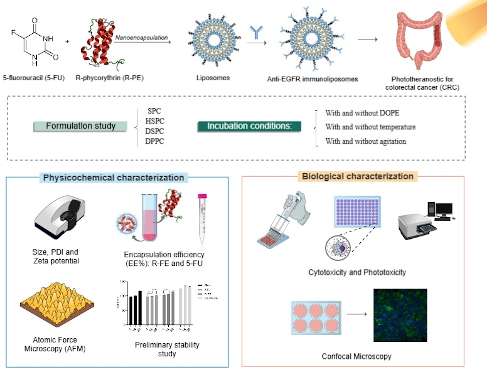
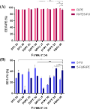
- involve particles up to four times larger than those in the present study [39]. Notably, co-loading of 5-FU and R-PE in HSPC liposomes improved EE% to 46% and 42% for HSPC 25 and HSPC 50, respectively. This suggests a possible interaction between the protein and the drug, enhancing 5-FU retention
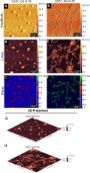
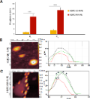
- -IM-R-PE (as indicated by green-colored immunoliposomes). The lower phase angle indicates a more elastic, stiffer, and homogeneous lipid membrane, whereas the higher phase angle of HSPC-IM-R-PE is consistent with a more dissipative tip–sample interaction, which is characteristic of softer, flexible



Functional surface engineering for cultural heritage protection: the role of superhydrophobic and superoleophobic coatings – a comprehensive review
Beilstein J. Nanotechnol. 2026, 17, 63–96, doi:10.3762/bjnano.17.6
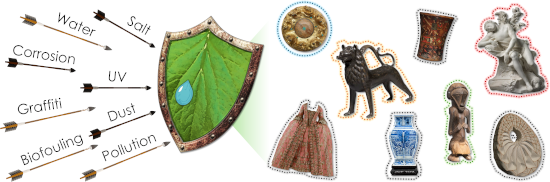
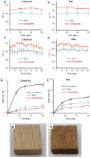
- material, which could be cut and applied with precision. A control test using a PHB–EL gel (without DFO) confirmed no harmful interaction with the bare steel substrate. Cleaning performance was evaluated for 10, 20, and 30 min of application, and effectiveness was found to increase. Multimodal
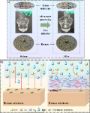
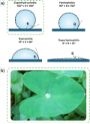
- , causing rusty surfaces due to oxygen dispersed in water or to salt residues [57]. For these reasons, much effort is devoted to developing coatings that minimize water interaction, while ensuring that substrate-dependent properties such as porosity, roughness, and coating thickness are carefully considered
- hydrocarbon chain length and halogen content, which influenced their interaction with the geopolymer matrix. Both materials showed increased hydrophobicity, particularly when using long-chain or halogenated alkoxysilanes, which helped chemical bonding between the hybrid coatings and the geopolymer structure




Microscopic study of the intermediate mixed state in intertype superconductors
Beilstein J. Nanotechnol. 2026, 17, 57–62, doi:10.3762/bjnano.17.5
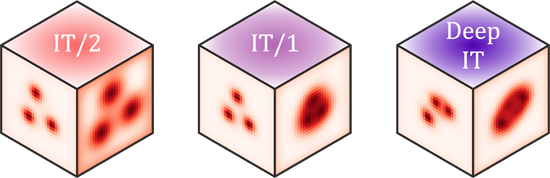
- multivortex (many-body) interaction effects while remaining computationally feasible. Vortex configurations The results of these calculations are presented in Figure 1 and Figure 2, which display the minimal-energy three-vortex configurations for representative values of the pairing constant g and temperature
- vortex–vortex interaction potential. This behavior indicates the coexistence of long-range attraction with short-range repulsion, which is characteristic of the IT superconductivity regime. At weaker coupling (g = 3.2), the system exhibits type-I behavior at high temperature: The three vortices merge
- together than the third. Similar asymmetric arrangements have been previously reported in zero-temperature calculations [30] and have been attributed to enhanced effects of many-body interaction. Phase diagram The complete set of calculations for all values of g and T is summarized in the phase diagram


Subdigital integumentary microstructure in Cyrtodactylus (Squamata: Gekkota): do those lineages with incipiently expressed toepads exclusively exhibit adhesive setae?
Beilstein J. Nanotechnol. 2026, 17, 38–56, doi:10.3762/bjnano.17.4
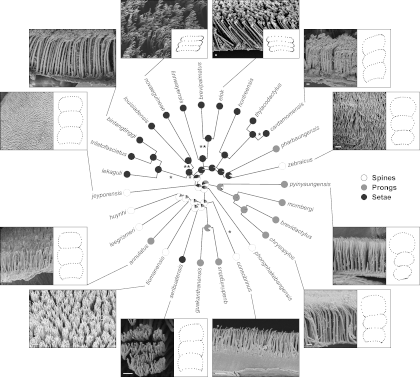
- /bjnano.17.4 Abstract In taxa such as insects, spiders, bats, frogs, and lizards, adhesive structures at the distal ends of their limbs have independently evolved, enabling the animals to adhere to inclined or even inverted surfaces. The adhesive apparatus of geckos functions via a complex interaction
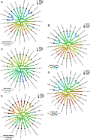
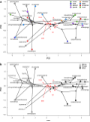
- microstructure type on the morphometric traits apical diameter, density, and effective bending stiffness, but no significant dependence of ecotype on the morphometric traits. Furthermore, no significant interaction between ecotype and microstructure type was evident (Table 4). The post hoc general linear
- . However, transitions towards lamella-like subdigital scales are associated more often with seta-bearing species than with prong- or spine-bearing species. Ecotype designation showed no significant interaction with the microstructure types. Although this contradicts our second hypothesis at the categorical


Quantitative estimation of nanoparticle/substrate adhesion by atomic force microscopy
Beilstein J. Nanotechnol. 2026, 17, 1–14, doi:10.3762/bjnano.17.1

- [5] and physicochemical properties [6]. Among these properties, particle adhesion (which is determined by the interaction between the NP and the substrate) and the interface formed between NPs and substrate [7][8] play a decisive role. Particularly when the contact area between NPs and the substrate
- behavior shown in Figure 5 is affected by the interaction between tip and NPs. This could also explain why both calibration methods show peak values at certain NP sizes, suggesting that each method has certain particle ranges where it performs most reliably. The relationship between work of separation and
- –12 nm) require higher values of work of separation, as particularly evident at 100 and 1000 V. This may be due to increased adhesion, although interaction of the tip simultaneously with several NPs at once cannot be excluded. Nevertheless, we observed a trend towards increasing overall translation



Geometry-controlled engineering of the low-temperature proximity effect in normal metal–superconductor junctions
Beilstein J. Nanotechnol. 2025, 16, 2265–2273, doi:10.3762/bjnano.16.155
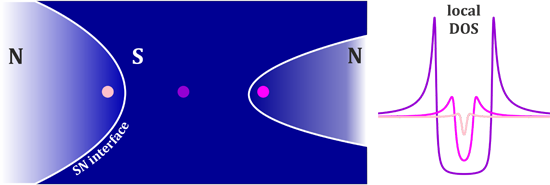
- electrons from the normal side scatter into the superconductor, suppressing the superconducting order parameter near the interface [5][6][7]. In the normal region, the absence of intrinsic attractive electron–electron interaction causes Cooper pairs to break up beyond a characteristic length scale, namely


Chiral plasmonic nanostructures fabricated with circularly polarized light
Beilstein J. Nanotechnol. 2025, 16, 2245–2264, doi:10.3762/bjnano.16.154
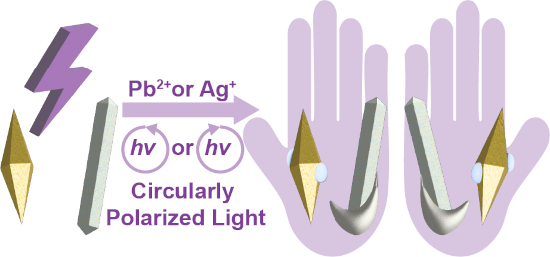
- Chiral plasmonic nanostructures (cPNSs) have garnered extensive interest across disciplines due to their strong interaction with circularly polarized light (CPL). Numerous fundamental studies have demonstrated the enhancement of chiroptic effects in molecular systems and quantum emitters facilitated by
- [13]. In 1848, Pasteur achieved the physical separation of enantiomers for the first time. In his experiments, he crystallized the racemic sodium ammonium salt of tartaric acid, forming two distinct crystals that each rotated the polarization of light in opposite manner [14]. The interaction between
- longitudinal (L) plasmons as classical oscillators [72][73][74]. The interference between these two modes defines the EM near-field intensity profile. Their interaction can be constructive or destructive depending on the phase difference between the T and L modes. CPL, equivalent to two perpendicular linearly





Optical bio/chemical sensors for vitamin B12 analysis in food and pharmaceuticals: state of the art, challenges, and future outlooks
Beilstein J. Nanotechnol. 2025, 16, 2207–2244, doi:10.3762/bjnano.16.153
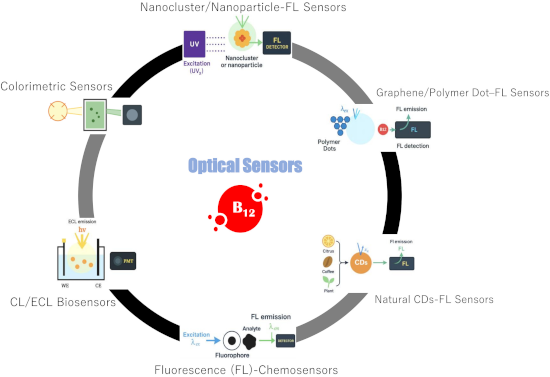
- (POC) diagnostics for different disorders and diseases. Resonance among the free electrons at the surface of colloidal AuNPs, induced by the interaction with light energy, causes the light to be absorbed in the blue-green and red parts of the visible spectrum. Consequently, the appearance of colors in
- peak, which shifts with any refractive index changes due to the analyte [88][89]. Gao et al. applied biomolecular interaction analysis based on SPR to assess B-group vitamins such as VB12 enriched into infant formulas based on milk, whey protein concentrate, lactose-free milk protein isolate, or
- quantitation range and RR were 0.08–2.40 ng/mL and 89–106%, respectively [91]. Cannon et al. employed SPR to indirectly detect VB12 by observing the interactions between this vitamin and its specific binding proteins, with the protein interaction acting as the recognition step, the SPR chip as the indicator


Ultrathin water layers on mannosylated gold nanoparticles
Beilstein J. Nanotechnol. 2025, 16, 2183–2198, doi:10.3762/bjnano.16.151
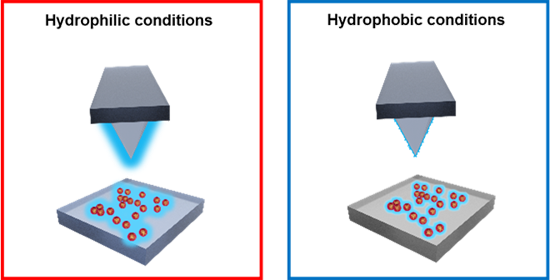
- specific ordering properties: Under dry conditions, both PEG and dimannoside bind water. However, the higher hydrophilicity of dimannoside enables a better interaction with water molecules, which remain bound even after dehydration. This is also supported by research on SAMs on gold surfaces, which reveal
- concentrated carbohydrate solution (more than 40% of the total aqueous volume) provide a macromolecular crowding environment which diminishes particle interaction [42]. The dimanno-AuNPs used in this research were produced in a solution of ca. 50% dimannoside ligand, sufficient to decrease the agglomeration



Hartree–Fock interaction in superconducting condensate fractals
Beilstein J. Nanotechnol. 2025, 16, 2177–2182, doi:10.3762/bjnano.16.150
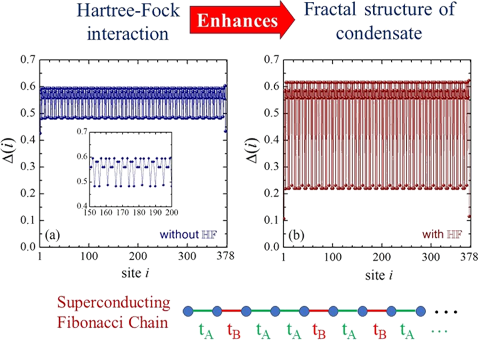
- , Department of Physics, Zhejiang Sci-Tech University, 310018 Hangzhou, China Instituto de Física, Universidade Federal do Rio de Janeiro, 21941-972 Rio de Janeiro, Brazil 10.3762/bjnano.16.150 Abstract It is well known that the Hartree–Fock (HF) interaction does not alter observables in conventional
- is suppressed; for our chosen microscopic parameters, this suppression can reach up to 20%. Therefore, an accurate analysis of condensate distribution and related quantities in quasicrystalline superconductors requires the comparison of results obtained with and without the HF interaction. Keywords
- : Fibonacci chain; fractal superconductivity; Hartree–Fock interaction; quasicrystal; Introduction It is well known, dating back to the classical book by de Gennes [1], that, in conventional superconducting materials, the Hartree–Fock (HF) interaction merely reduces to a shift of the chemical potential, as


Missing links in nanomaterials research impacting productivity and perceptions
Beilstein J. Nanotechnol. 2025, 16, 2168–2176, doi:10.3762/bjnano.16.149
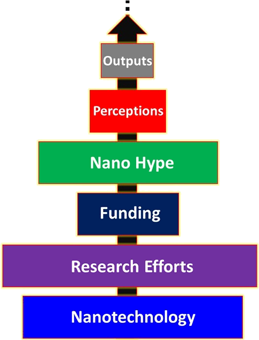
- exposure of such chemicals (nanoscale systems) to the environment is very poorly managed worldwide, with the exception of a few countries, namely the UK, Germany, Sweden, Denmark, Netherlands, and Japan. Furthermore, the interaction of nanomaterials with biological systems remains poorly understood and
Microplastic pollution in Himalayan lakes: assessment, risks, and sustainable remediation strategies
Beilstein J. Nanotechnol. 2025, 16, 2144–2167, doi:10.3762/bjnano.16.148
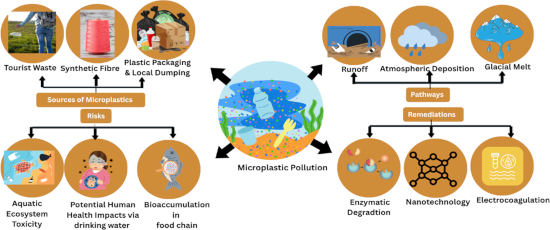
- morphology (glacier-fed and rain-fed) influence MP density, though this interaction is poorly studied and requires further work [2]. Similar to what has been happening in Ladakh’s Pangong Lake, MPs carried in the air and over long distances are deposited in water bodies via atmospheric deposition. This is a
- more surface area, allowing for better interaction with MPs [76]. The incorporation of GO in composite materials not only improves photocatalytic activity, but it also serves a second purpose by adsorbing MPs prior to degradation. The utilization of photocatalysts that have been engineered with defects
- support matrix for these composites, stabilizing the photocatalyst and enhancing its interaction with MPs [78]. Another novel strategy is the use of multifunctional nanomaterials, such as ZnO–CuO composites, which have both antibacterial and strong photocatalytic activity. These substances provide long


Electron transport through nanoscale multilayer graphene and hexagonal boron nitride junctions
Beilstein J. Nanotechnol. 2025, 16, 2132–2143, doi:10.3762/bjnano.16.147
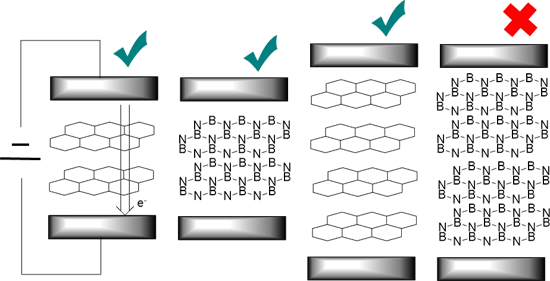
- the left and the right electrode, respectively. VCL and VLC denote the interaction matrices between the left electrode and the channel. VCR and VRC denote the interaction matrices between the right electrode and the channel. IL, IC, and IR denote the unity matrices. The Hamiltonian matrices can be
- reported using experimental and theoretical studies for the interaction of azupyrene and pyrene with a Cu surface [16]. The metal electrode/graphene binding has strong influence on the electron transport properties. In Equations 6 and 7, the self-energies of the electrodes depend on the interaction
- Equation 3. Larger transmission probability leads to larger currents in Equation 10. Thus, the enhanced electrode/graphene interaction due to the Stone–Wales defects leads to enhanced current through the device. The conclusions are supported by analysis of the transmission spectra of Pt/graphene/Pt and Pt


Quality by design optimization of microemulsions for topical delivery of Passiflora setacea seed oil
Beilstein J. Nanotechnol. 2025, 16, 2116–2131, doi:10.3762/bjnano.16.146
- ]. This range is considerably favorable for topical formulations, as lower surface tension enhances spreadability and promotes interaction with the stratum corneum and its lipidic barrier. Due to instrumental limitations associated with the high viscosity resulting from NaCMC addition, the surface tension
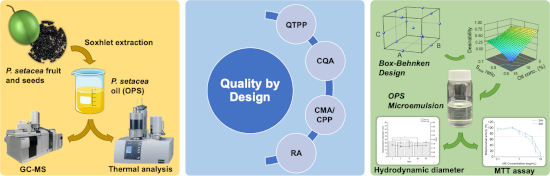
- . Surface plots derived from the Box–Behnken design showing the effects of formulation variables on: (A) hydrodynamic diameter, (B) polydispersity index, and (C) visual classification. The plots illustrate the interaction between key input variables, with the third variable held constant at its central


Rapid synthesis of highly monodisperse AgSbS2 nanocrystals: unveiling multifaceted activities in cancer therapy, antibacterial strategies, and antioxidant defense
Beilstein J. Nanotechnol. 2025, 16, 2105–2115, doi:10.3762/bjnano.16.145
- separate interaction exists between 6 sulfur atoms and silver and antimony atoms. Also, the obtained diffraction peaks are neat and intense, indicating the absence of other secondary phase peaks, and proving the successful synthesis of the desired structure. FTIR analysis was carried out in the range of
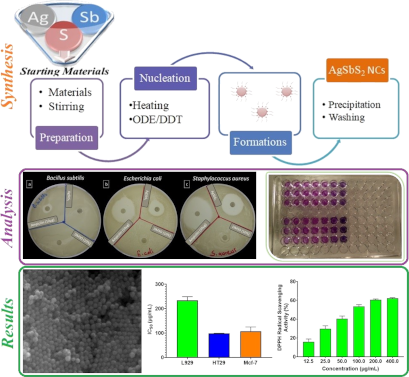
- evidenced by a smaller ZOI. A maximum of ZOI diameter of 25.2 mm was recorded against S. aureus followed by 18.8 mm against E. coli (Figure 3). However, the antibacterial activity of the synthesized NCs proved to be relatively weak against B. subtilis, failing to produce any ZOI. The direct interaction of
- Figure 4. The NCs induced a 3–26% inhibition of cell growth even at the lowest applied concentration (12.5 µg/mL), and a proportional increase in the percentage of cell inhibition was observed with escalating concentrations. Hence, the findings reveal the dose-dependent interaction of the nanoparticles


Toward clinical translation of carbon nanomaterials in anticancer drug delivery: the need for standardisation
Beilstein J. Nanotechnol. 2025, 16, 2092–2104, doi:10.3762/bjnano.16.144

- variations. Furthermore, a comprehensive understanding of their interaction with biological systems, encompassing both physicochemical and biological evaluations, is needed to mitigate potential toxicity and optimise therapeutic efficacy. The current shortcomings in standardisation, spanning nomenclature



Multifrequency AFM integrating PeakForce tapping and higher eigenmodes for heterogeneous surface characterization
Beilstein J. Nanotechnol. 2025, 16, 2077–2085, doi:10.3762/bjnano.16.142
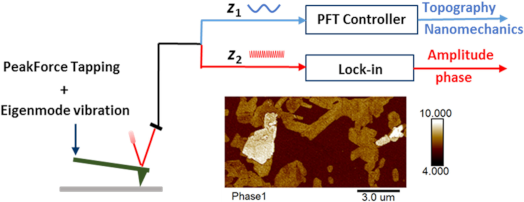
- signals can be correlated with specific interaction types, such as conservative and dissipative processes [10][11][12]. Despite these advances, critical limitations persist. The inherent nonlinearity of tip–sample dynamics in tapping and multimodal AFM often introduces imaging artifacts. Typical examples
- traditional dynamic modes, PFT eliminates the need for intricate cantilever tuning by real-time regulation of the interaction force at each scan point. This innovation not only simplifies operation but also enables high-resolution topographic imaging with exceptional stability, even in challenging
- excite the probe in our innovative multifrequency AFM mode. The efficacy of this approach relies on two synergistic mechanisms. First, when the probe contacts the sample surface, tip–sample interaction forces induce a rapid resonance frequency shift and amplitude attenuation in the higher eigenmodes


Molecular and mechanical insights into gecko seta adhesion: multiscale simulations combining molecular dynamics and the finite element method
Beilstein J. Nanotechnol. 2025, 16, 2055–2076, doi:10.3762/bjnano.16.141
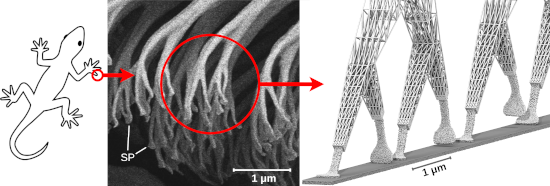
- protocol We aimed to replicate the protocol used in AFM experiments on gecko spatulae and setae as reported in [23][57]: (1) Initially, all spatulae were positioned at a minimum distance of 13 nm above the substrate, which is higher than the non-bonded interaction cutoff of 12 nm. (2) In the preloading
- the pull-off (loading) phase, the seta top was moved upwards by reversing the direction of the applied displacement, again using 1 nm per load step. This eventually led to detachment of the spatulae from the substrate. The pull-off was continued until all spatulae were outside the interaction range of
- tip refers to the distal end of the spatula, which is typically the last point of contact during detachment, while the pad represents the main surface of interaction between the spatula and the substrate. Figure 5 shows the “tip” and “pad” beads in our spatula models, colored yellow and pink