Search results
Search for "interactions" in Full Text gives 1250 result(s) in Beilstein Journal of Nanotechnology. Showing first 200.
Impacts of annealing on structural and photophysical properties of zinc phthalocyanine adsorbed on graphene
Beilstein J. Nanotechnol. 2026, 17, 576–585, doi:10.3762/bjnano.17.39
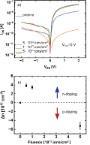
- molecular media, and are strongly influenced by various structural parameters at the molecular scale [13]. For example, face-on or edge-on orientation of π-conjugated molecules on graphene turns on or off π-stacking interactions with large consequences on hole conductivity and rectifying properties [14]. It
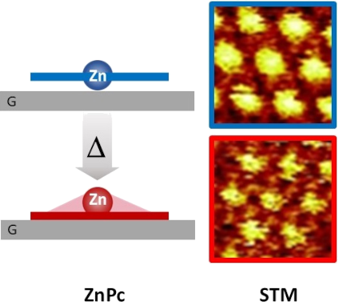
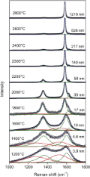
- experienced by ZnPc self-assembled monolayer on graphene or HOPG. Single ZnPc molecules are guest-isolated within the nanocavities of a self-assembled 2D host matrix, preventing intermolecular interactions and allowing for individual characterization. This phase change, induced by annealing, is discussed in
- planar structure dominated by Zn-substrate interactions towards a shuttlecock structure, with the Zn atom pointing outward, dominated by the interactions of π-conjugated PC moiety with the substrate. This result is important in the context of bottom-up fabrication through molecular self-assembly. In fact


Laser–material interactions in liquids for the synthesis of nanomaterials: current status and perspectives
Beilstein J. Nanotechnol. 2026, 17, 571–575, doi:10.3762/bjnano.17.38

- –matter interactions; laser processing in liquids; In the ever-evolving landscape of materials science and nanotechnology, laser synthesis and processing of colloids (LSPC) has emerged [1] as a powerful and versatile technique for producing high-purity, surfactant-free nanoparticles from a wide range of
Advances in nanotechnology applied to natural products
Beilstein J. Nanotechnol. 2026, 17, 555–558, doi:10.3762/bjnano.17.36
- modifications (e.g., polymer or polysaccharide coatings) can be used to tailor stability and biological interactions [16]. These vesicles are attractive due to their biocompatibility and capacity to encapsulate both hydrophilic and lipophilic substances [17]. Liposomes have been explored in diverse biomedical
Electrochemical determination of ciprofloxacin using a MIL-101/reduced graphene oxide-modified electrode
Beilstein J. Nanotechnol. 2026, 17, 541–554, doi:10.3762/bjnano.17.35
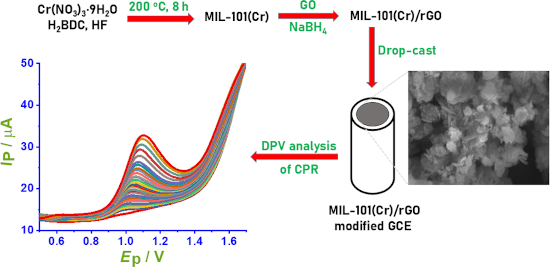
- strong π–π interactions with aromatic compounds like ciprofloxacin [14][15]. Integrating MIL-101 with rGO aims to combine the high surface area and adsorption capacity of MIL-101 with the excellent electrical conductivity and electron-transfer ability of rGO, creating a synergistic effect that boosts the
- interfacial interactions between MIL-101 and rGO sheets. The EDX results confirm the successful formation of the MIL-101/rGO composite through the presence of C, O, and Cr as the main constituent elements. As summarized in the elemental composition table, carbon (C) accounts for 30.42 wt % (42.31 atom
- from the carboxylate ligands of the terephthalate linkers in MIL-101 and residual oxygen functionalities on rGO [26]. The presence of these oxygen groups suggests that the reduction of graphene oxide is partial and that surface functional groups remain, helping to facilitate interactions between rGO


Fractional shot noise of an SU(N) Kondo system
Beilstein J. Nanotechnol. 2026, 17, 515–540, doi:10.3762/bjnano.17.34
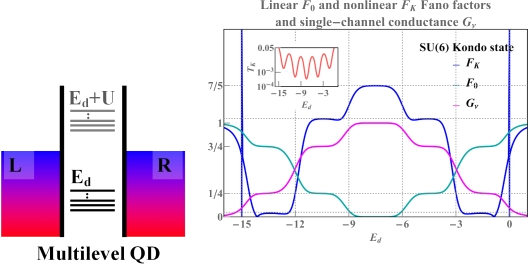
- understanding a large variety of intricate many-body problems. Potential applications are also relevant. Let us just mention a few: The Kondo effect can be used, for example, as conductance control mechanism [5][17], in probing magnetic interactions [18], or, when polarized electrodes are connected, also for
- quantum dot (N-QD) in terms of quasiparticles and their weak residual interactions. The Kondo many-body singlet is described by us in the extended slave boson approach using the Kotliar and Ruckenstein representation (SBMFA) [87][88]. In the SBMFA, the effective non-interacting quasiparticles scatter
- shift, one must also deal with two particle scattering off the singlet. At finite degeneracy, fluctuations of slave bosons about their mean-field coherent states determine the size of current fluctuations. Motions of the quasiparticles generate fluctuations that create interactions between


![[Graphic 127]](/bjnano/content/inline/2190-4286-17-34-i187.svg?max-width=637&scale=1.18182)

Probing internal continua and atomic ultrafast charge transfer within size-controlled nanoparticles by post-collision interaction in core-hole clock spectroscopy
Beilstein J. Nanotechnol. 2026, 17, 505–514, doi:10.3762/bjnano.17.33
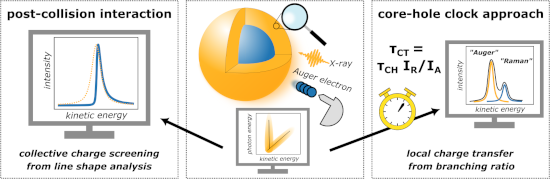
- emission of a photoelectron and the subsequent Auger electron emission are treated as separate and independent steps. However, a more elaborate description of the process is required to explain the observed line shapes, specifically considering the Coulomb interactions between the two electrons within the
- kinetic energy. These interactions, known as PCI effects, manifest in an apparent energy shift and increasing asymmetry of the Auger lines towards higher kinetic energies. PCI effects were first observed by Barker and Berry in helium atoms [35]; since then, they have been widely studied in atoms
- , molecules, and gas-phase systems, leading to successful theoretical descriptions [36][37]. While these approaches allow one to derive the line shapes solely based on the kinematics of electron–electron interactions, the situation is more complex in condensed matter. The overall electron distribution can



Upcycling agroindustrial waste into graphene oxide supports for gold nanoparticles: toward sustainable nanomaterials
Beilstein J. Nanotechnol. 2026, 17, 489–504, doi:10.3762/bjnano.17.32
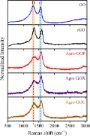
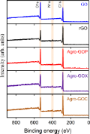
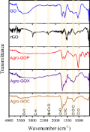
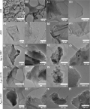
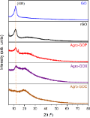
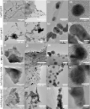
- of larger sp2 domains resulting from the reduction process. Therefore, there is an increased tendency for sheet restacking due to stronger π–π interactions between the basal planes. Regarding the Agro-GO samples, Agro-GOP (Figure 6i–l) exhibits relatively thick, strongly aggregated sheets with a
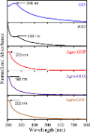
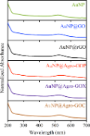
- resonance (LSPR) band centered at 522 nm, indicative of small and well-dispersed AuNPs in colloidal suspension. AuNPs grown on GO substrates showed redshifted LSPR bands in the range of 526–531 nm, accompanied by notable spectral broadening. These features are attributed to interactions between AuNPs and
- oxygen-containing functional groups on the GO surface, which influence the local dielectric environment and stabilize the AuNPs. The most pronounced redshifts and spectral broadening were observed for the AuNP@Agro-GOX and AuNP@Agro-GOC hybrids, suggesting stronger interfacial interactions and higher



Defects and defect-mediated engineering of two-dimensional materials: challenges and open questions
Beilstein J. Nanotechnol. 2026, 17, 454–488, doi:10.3762/bjnano.17.31
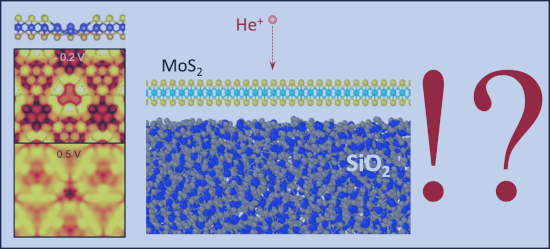
- evolution in real time. However, it was realized long ago [32][33] that energetic electrons in the TEM interacting with the specimen can give rise to the formation of defects or even to the complete destruction of the sample, an undesirable effect, which stimulated the research on beam–sample interactions
- addition, previous studies have demonstrated that H2O can significantly accelerate the oxidation of TMDs, with the formation of sulfuric acid and metal oxide complexes reported [71][72]. The interactions and reactions of O2 and H2O at defects sites and edges that initiate and propagate oxidation in TMDs





Nanocarrier-integrated multilayer films produced by 3D printing for improved skin adhesion and curcumin photostability
Beilstein J. Nanotechnol. 2026, 17, 440–453, doi:10.3762/bjnano.17.30
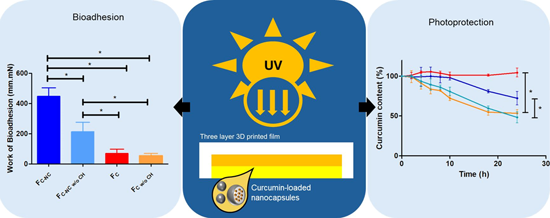
- , exploiting its cationic nature, which promotes electrostatic interactions with the negatively charged stratum corneum. This mechanism underlies its well-established bioadhesive behaviour, as well as its antimicrobial and wound-healing properties, which have been widely reported in the literature [32]. The
- solubilisation of curcumin in these formulations. Ethanol acts as a co-solvent and can significantly influence hydrogel rheology. Specifically, the reduction in the dielectric constant of the medium promotes intermolecular interactions between polymer chains, leading to a more compact and cohesive polymer
- physical mixture. In the FC film, the absence of sharp endothermic transitions suggests molecular dispersion of curcumin within the polymeric matrix and the formation of intermolecular interactions, such as hydrogen bonding and hydrophobic associations, which likely contribute to reinforcement of the


Nanoinformatics: spanning scales, systems and solutions
Beilstein J. Nanotechnol. 2026, 17, 423–427, doi:10.3762/bjnano.17.28
- nanomaterials physicochemical properties, structural features, and biomolecule interactions using both physics-based and machine-learning (ML) approaches; (ii) prediction of nanomaterials toxicity including development of novel toxicity-related descriptors; (iii) solution-focussed approaches applying advanced
- toxicity of GO was observed, and attributed to the surface interactions between TA and GO as well as to the inherent biological properties of TA in C. elegans. The findings provide insights that can be utilised for the design of safer nanomaterials, as part of the Safe and Sustainable by Design (SSbD

Biomimetic nanoparticles in cancer photodynamic therapy: a review of targeted delivery systems and therapeutic outcomes
Beilstein J. Nanotechnol. 2026, 17, 396–422, doi:10.3762/bjnano.17.27
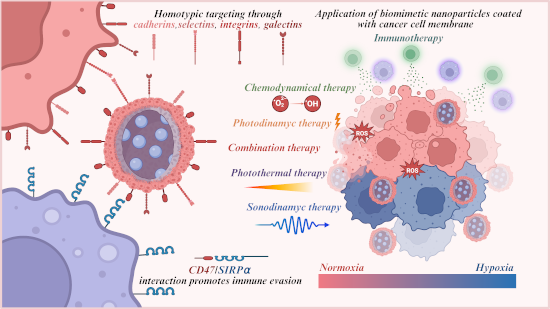
- mimic their functions belong to the third generation of nanodelivery systems [50]. The first generation of particles was based on surface modifications to reduce the interactions with immune cells and to increase biocompatibility. Among them, biocompatible polymers like PEG and PPE have been widely used
- interactions with cells and mechanisms for crossing physiological barriers, enhancing stability for controlled drug release, and improving biocompatibility to ensure clinical safety. Tackling these challenges is essential to optimize biomimetic nanocarriers for better efficacy and successful translation into
- reducing off-target effects. The behavior of BNPs in the bloodstream is also shaped by hemodynamics and vessel wall interactions. Platelet-mimicking nanoparticles, for example, can adhere to vascular injury sites and inflamed tissues, enhancing accumulation at target areas and even supporting hemostasis


Eco-efficient materials for agricultural crops based on a mineral rich in MOR- and HEU-type zeolites
Beilstein J. Nanotechnol. 2026, 17, 381–395, doi:10.3762/bjnano.17.26
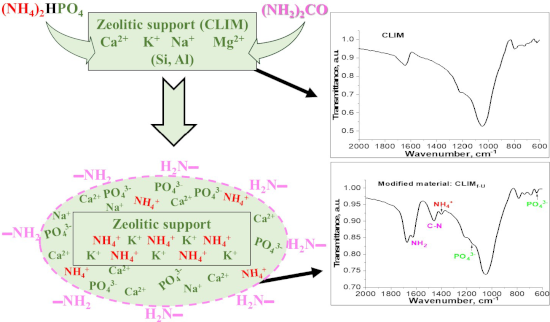
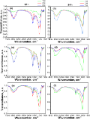
- adsorption bands around 1403, 1450, and 1540 cm−1 and a less intense band around 1691 cm−1. All these bands were associated with N–H bending modes of NH4+, with different bonding interactions, with the most intense band measured at 1540 cm−1. Similar results were obtained by Adriano et al. [23] and Xu et al
- NH4+ arrangements with different bond interactions. Bonelli et al. [26] reported for an NH4+-ZSM-5 zeolite the presence of a triplet of overlapping FTIR bands in the range of 1350–1550 cm−1 (1405, 1465, and 1500 cm−1). For analcime undergoing NH4+ exchange, the triplet appears as two weak shoulders




Polycatecholamine nanocoatings on stainless steel: the effect on attachment of human fibroblasts and platelets
Beilstein J. Nanotechnol. 2026, 17, 365–380, doi:10.3762/bjnano.17.25
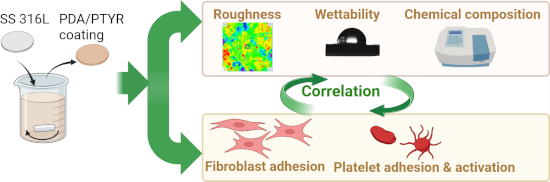
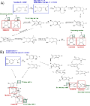
- layers on stainless steel 316L via a novel in situ oxidation process and evaluated their physicochemical properties and cellular interactions at the nano/microscale. Surface characterization revealed that the polymeric coatings formed a homogenous layer with distinct topographical features and thickness
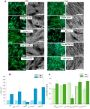
- their influence on interactions with fibroblasts and platelets. Our results show that PTYR nanocoatings significantly reduced platelet adhesion and activation, whereas PDA coatings, due to their higher primary amine content, could in some cases enhance platelet adhesion. Furthermore, fibroblast
- : cell–material interactions; Fenton oxidation; hemocompatibility; nanocoatings; polycatechols; Introduction Stainless steel 316L (SS 316L) is an iron-based alloy containing chromium and molybdenum, which promote passivation and corrosion resistance [1]. Owing to its mechanical robustness




Ferroelectric nanodot reservoir for neuromorphic computing
Beilstein J. Nanotechnol. 2026, 17, 352–364, doi:10.3762/bjnano.17.24
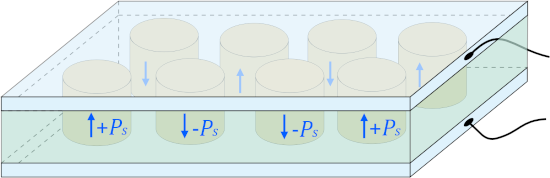
- into distinct polarization states that encode input history through a combination of nonlinear switching and spatial interactions. This physical reservoir naturally maps the input signal into a high-dimensional space, making it suitable for neuromorphic inference tasks. The objective of this work is to
- polarization dynamics across nanodots. The total electrostatic energy of the reservoir system becomes: Here, the system assumes the form of a frustrated Ising model with long-range antiferromagnetic interactions. The first term describes interactions between all pairs of sites via: The second term captures the
- thresholds hci. In this case, the interactions become homogeneous: The energy simplifies to: Such a system has a high degree of degeneracy. At zero applied charge Qe = 0, the minimum energy of the system corresponds to the state with zero total polarization, where half of the nanodots have up-directed


Beam shaping techniques for pulsed laser ablation in liquids: Unlocking tunable control of nanoparticle synthesis in liquids
Beilstein J. Nanotechnol. 2026, 17, 309–342, doi:10.3762/bjnano.17.22
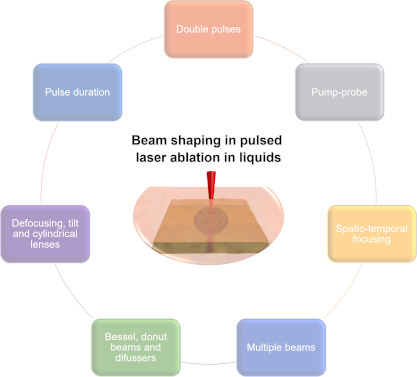
- the potential to provide enhanced control over laser–matter interactions, facilitating more precise NP synthesis. Advanced spatial beam shaping in PLAL The role of spatial beam shaping in PLAL The spatial profile of the laser beam plays a pivotal role in influencing all stages of the PLAL process. It
- modification through confinement, plasma–liquid interactions, and cavitation bubbles. Dittrich et al. found that the ablation threshold for Au in air is ca. 1.9 times higher than in water [136], and Sun et al. reported a reduction from 2.22 J·cm−2 (air) to 1.02 J·cm−2 (liquid-assisted) [137]. Therefore, the
- threshold fluence of the material Φth,vap: where Φ0 is the focal fluence of the incident laser beam, h is the thickness of the liquid layer over the target and ω is the size of the focused beam. Intensity also plays a crucial role, defining the emergence of nonlinear interactions. The shorter the temporal







Calculation of the dynamic stiffness of a cantilever under torsional oscillation
Beilstein J. Nanotechnol. 2026, 17, 303–308, doi:10.3762/bjnano.17.21
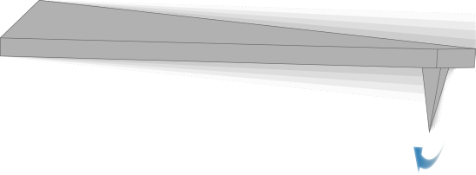
- interactions in the vertical and lateral directions between the tip and the sample. An accurate evaluation of the dynamic stiffness of the cantilever is indispensable in the quantitative analyses of the interactions. We calculated the dynamic stiffness of cantilevers under torsional oscillation based on the
- in the absence of physical contact, and this dissipation is called non-contact friction [2]. Its origins have been investigated down to the nanometer scale [3][4][5]. In particular, the origin of non-contact friction is attributed to electromagnetic interactions between the two bodies, although its
- the lateral interactions [7][12][13][14]. The torsional oscillation modes of AFM cantilevers are sensitive to in-plane interaction [15][16][17]. This method enabled highly accurate imaging of the in-plane crystalline orientation by utilizing friction information [14]. Quartz tuning fork AFM is useful

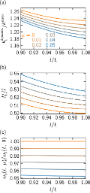
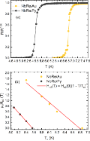
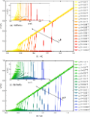
Fast vortex dynamics and relaxation times in NbRe-based heterostructures
Beilstein J. Nanotechnol. 2026, 17, 292–302, doi:10.3762/bjnano.17.20
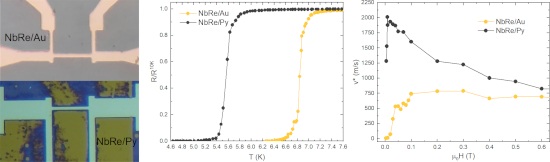
- optimization of superconducting quantum technologies, including superconducting detectors [10][11][12], superconducting qubits [13][14], and superconducting nano- and microstrips used in high-speed electronics [15], as well as for the development of hybrid architectures enabling magnon–fluxon interactions [16


Advancing nanolithography: a comprehensive review of materials for local anodic oxidation with AFM
Beilstein J. Nanotechnol. 2026, 17, 275–291, doi:10.3762/bjnano.17.19
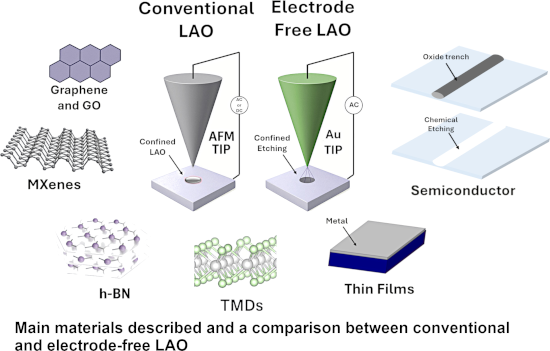
- due to reduced electronic interactions between layers. Raman spectroscopy and micro-XPS studies confirm these effects, revealing oxygen incorporation patterns and changes in chemical composition. In summary, the versatility in achieving selective oxidation or ablation expands the potential for device
- functional surfaces tailored for medical applications [114]. By leveraging LAO’s precise patterning capabilities, researchers can develop surfaces with nanoscale features that promote specific interactions with biological systems. For instance, functionalized surfaces could enhance cell adhesion, guide
- tissue growth, or enable selective biomolecule immobilization. As an example, Martínez et al. [115] combined top-down oxidative nanolithography techniques and bottom-up electrostatic interactions to pattern single molecules of ferritin on silicon surfaces. Furthermore, biocompatible materials such as


Gold nanoparticle-decorated reduced graphene oxide as a highly effective catalyst for the selective α,β-dehydrogenation of N-alkyl-4-piperidones
Beilstein J. Nanotechnol. 2026, 17, 218–238, doi:10.3762/bjnano.17.15
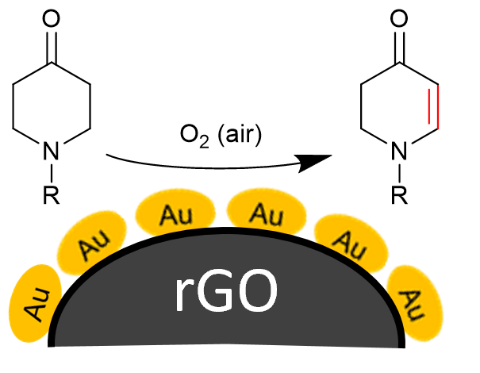
- POMs, the latter trivacant species exhibits the highest Au-POM reactivity in the oxidative dehydrogenation of piperidone derivatives to the corresponding enaminones [13]. Through the oxygen atoms at its three vacant sites, SiW9 coordinates to gold metal atoms, forming strong interactions. Despite being
- graphene oxide (rGO) as an advanced carbon-based support, which provides unique electronic interactions with gold nanoparticles, and its comparison to AC and BC. The rGO support was not tested in the work by Xia et al. [13] where only activated carbon was used. Strong Au–rGO interfacial coupling should
- of oxygen functional groups than AC [27]. In contrast, CB has fewer oxygen-containing functional groups, making it more chemically inert with weaker metal–support interactions [28]. Based on these findings [27][28], the abundance of oxygen-containing functional groups among the studied carbon


Micro- and nanoscale effects in biological and bioinspired materials and surfaces
Beilstein J. Nanotechnol. 2026, 17, 214–217, doi:10.3762/bjnano.17.14
- surfaces of any living organism constantly engage with the environment and face a wide range of challenges. To meet these challenges, the surfaces of any organism must often simultaneously fulfil multiple functions and adapt to various environmental pressures, which involve complex interactions between
- surface structures and their surroundings at nano-, micro-, and macroscales [1]. The physical constraints shaping such interactions are complex for all organisms, including bacteria, plants, and animals and of relevance across all habitats [2]. Understanding these interactions and the functionality of
Structure-dependent thermochromism of PAZO thin films: theory and experiment
Beilstein J. Nanotechnol. 2026, 17, 186–199, doi:10.3762/bjnano.17.12
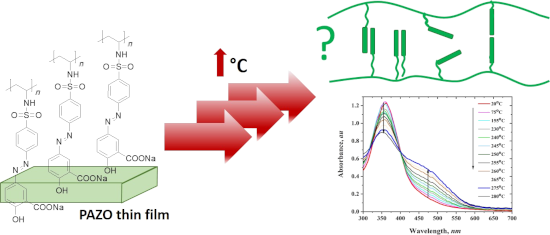
- calculations further support these findings, indicating that temperature-dependent intermolecular interactions and conformational changes play a significant role in shaping the optical behavior of the films. These results provide new insights into the structure–property relationships underlying thermochromism
- and properties. Polymer molecules can assemble through various intermolecular interactions, forming different aggregate structures that can drastically change the properties of solid-state materials. The wide variety of polymer chain types and architectures based on very diverse chemistries further
- measuring the intensity of the emitted fluorescence light at another wavelength. Treating PAZO at 230 °C induced an increase in fluorescence intensity (≈400%) and a redshift (20 nm). Red shift can be induced by various factors, such as changes in the polymer structure, aggregation, or interactions with


Safe and sustainable by design with ML/AI: A transformative approach to advancing nanotechnology
Beilstein J. Nanotechnol. 2026, 17, 176–185, doi:10.3762/bjnano.17.11
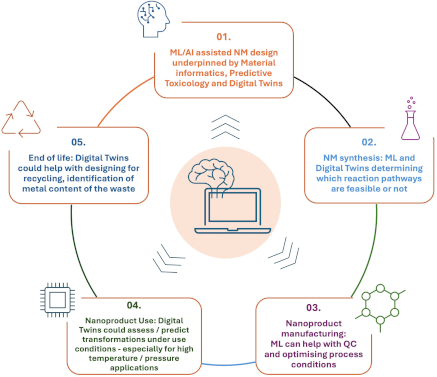
- , health, and safety (EHS) risks. The unique physicochemical properties of ENMs, including their high surface-to-volume ratio and reactivity, often result in unpredictable interactions with, and transformations by, biological and ecological systems [9][10]. Traditional risk assessment approaches, while
- , their interactions with biomolecules and toxicity endpoints that may be overlooked by traditional methods [39][40][41]. (3) Lifecycle modelling: AI-assisted simulations and probabilistic methods support comprehensive lifecycle analyses including prospective approaches, evaluating environmental fate and
- reliance on time-consuming and ethically challenging animal studies. ML and AI methods form the backbone of these predictive capabilities, allowing researchers to exploit large datasets encompassing everything from physicochemical descriptors to biomolecule interactions to transcriptomic and proteomic


From shield to spear: Charge-reversible nanocarriers in overcoming cancer therapy barriers
Beilstein J. Nanotechnol. 2026, 17, 159–175, doi:10.3762/bjnano.17.10
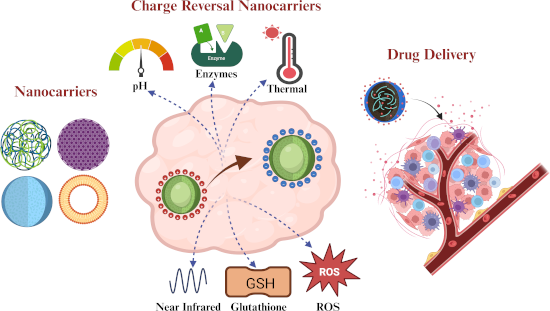
- physicochemical parameters, the surface charge is essential for determining nanocarrier interactions with biological membranes, cellular uptake, and biodistribution [17]. With a positive charge, the nanocarrier tends to be absorbed by high plasma proteins and cleared faster from the bloodstream. In contrast
- tuneable, site-specific delivery via GelMA-PEDOT interactions and degradation over 21 days [73]. Esmaeili et al. developed a charge-reversible MCM@CS@PEG-APT (DOX-GFP) nanosystem that minimises off-target effects by pH-sensitive charge transition, enhancing tumour selectivity, reducing systemic toxicity
- by promoting higher cellular uptake and minimizing nonspecific interactions, thereby enhancing therapeutic accuracy. However, despite their potential, several challenges limit their clinical translation. Regulatory authorities, including the FDA and EMA, require extensive safety assessments due to


Influence of surface characteristics on the in vitro stability and cell uptake of nanoliposomes for brain delivery
Beilstein J. Nanotechnol. 2026, 17, 139–158, doi:10.3762/bjnano.17.9
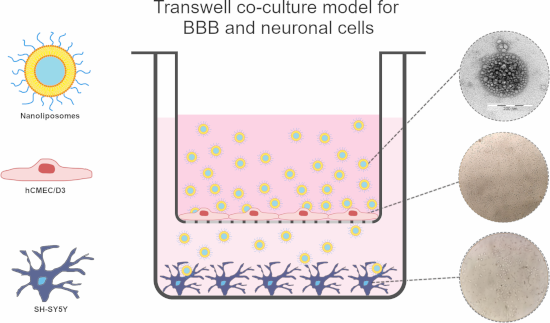
- the physicochemical characteristics and effectiveness of nanoliposomal (NLs) formulations. However, there has been minimal focus on elucidating nano–bio interactions and understanding the behavior of these formulations at organ and cellular levels. Specifically, it is widely recognized that when
- evolution of physicochemical characteristics and surface properties of NLs in biorelevant media. Additionally, in order to point out the influence of specific characteristics on the brain targeting potential of these formulations, we investigated interactions between NLs and blood–brain barrier (BBB, hCMEC
- therapeutic outcomes [3][5]. Namely, current research on NLs predominantly focuses on their physicochemical characteristics and efficiency, but minimal attention has been given to understanding the nano–bio interactions at organ and cellular levels. When exposed to biological fluids, nanodelivery systems like




Capabilities of the 3D-MLSI software tool in superconducting neuron design
Beilstein J. Nanotechnol. 2026, 17, 122–138, doi:10.3762/bjnano.17.8

- supplemented with elements that supply and read out the input and output magnetic fluxes, respectively. Possible interactions between parts of the experimental device complicate the analysis of its TF; however, the necessary design criteria can still be expressed through the components of a 5 × 5 inductance
- and Gauss neurons whose layouts (see Figure 5) were obtained mainly by scaling down previously studied prototypes [26][27]. Some design adjustments were made also to explore the scalability of neurons layouts and to suppress screen-mediated interactions. In particular, the minimum linewidth of the
- , that is, a matrix for interactions between mesh cells and a Galerkin matrix for solution of integro-differential equations. Filling the matrices needs O(N2) operations, and the solution procedure needs O(N3) operations, where N is the number of mesh nodes. These two operations basically define the