


Search results
Search for "iron oxide nanoparticles" in Full Text gives 100 result(s) in Beilstein Journal of Nanotechnology.
Engineered titania nanomaterials in advanced clinical applications
Beilstein J. Nanotechnol. 2022, 13, 201–218, doi:10.3762/bjnano.13.15
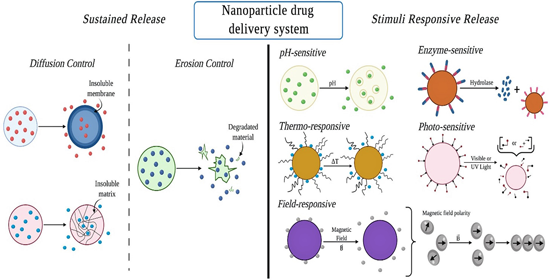
- many years, titania has been employed as a colorant in food, cosmetics, and sunscreen. Moreover, Ti-containing metal alloys have been widely utilized in medical fields, because the have a higher biocompatibility than other vastly explored metal oxides such as silica, manganese oxide, and iron oxide
- nanoparticles. TiO2 acts as a DNA intercalator in the cytoplasm, causing DNA damage by generating reactive oxygen species. The explicit cytotoxicity evaluation of TiO2, as well as of the incorporated drug molecules, is a major research concern. Moreover, optimal fabrication, in-depth mechanical stability


Thermal oxidation process on Si(113)-(3 × 2) investigated using high-temperature scanning tunneling microscopy
Beilstein J. Nanotechnol. 2022, 13, 172–181, doi:10.3762/bjnano.13.12
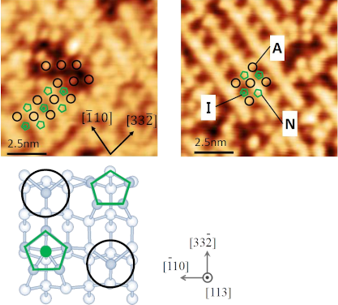
- experimental challenge toward elucidating the dynamic processes in oxidation. For example, the formation processes of iron oxide nanoparticles have been studied in detail using state-of-the-art X-ray scattering methods [4]. As a complementary method, variable-temperature scanning tunneling microscopy (VT-STM




Theranostic potential of self-luminescent branched polyethyleneimine-coated superparamagnetic iron oxide nanoparticles
Beilstein J. Nanotechnol. 2022, 13, 82–95, doi:10.3762/bjnano.13.6
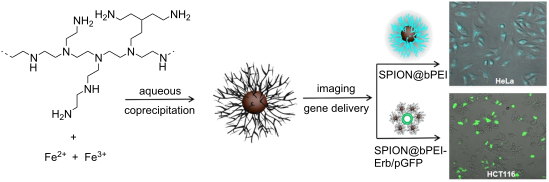
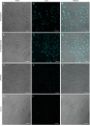
- luminescent polymer. Therefore, it is usually tagged with an organic fluorophore to be optically tracked. Recently, we developed branched PEI (bPEI) superparamagnetic iron oxide nanoparticles (SPION@bPEI) with blue luminescence 1200 times stronger than that of bPEI without a traditional fluorophore, due to
- sodium; superparamagnetic iron oxide nanoparticles; Introduction Luminescent materials are of great interest in biotechnology and medicine since they can be utilized in sensors, labelling, and imaging [1][2][3][4][5]. Luminescent proteins, luminescent synthetic polymers, and quantum dots are the most
- theranostic nanomaterials, PAMAM and PEI were frequently coupled with superparamagnetic iron oxide nanoparticles (SPIONs) for drug/gene delivery combined with magnetic resonance imaging [31][32]. Usually, these systems were conjugated with other fluorescent tags for optical detection of nanoparticles in cells




Heating ability of elongated magnetic nanoparticles
Beilstein J. Nanotechnol. 2021, 12, 1404–1412, doi:10.3762/bjnano.12.104
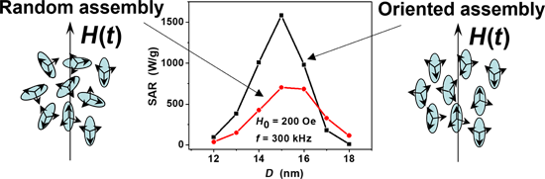
- magnetic hyperthermia. Basically, iron oxide nanoparticles were studied [5][6][7][8][9][10] because of their low toxicity and high saturation magnetization, although nanoparticles of other chemical compositions, such as metallic iron nanoparticles [11][12][13], and various ferrites [14][15][16][17] were
- optimal diameters occurs, since with an increased value of Kef, the height of the reduced energy barrier changes rapidly with a relatively small change in the particle volume. Note that earlier [30] a similar behavior of SAR was revealed for dilute randomly oriented assemblies of spherical iron oxide
- nanoparticles with saturation magnetization Ms = 350 emu/cm3 depending on the value of the effective uniaxial magnetic anisotropy constant in the range Ku = 1 × 10⁴–5 × 10⁵ erg/cm3. This fact shows once again that the dependence of the SAR of a dilute assembly of magnetite nanoparticles on the aspect ratio is


pH-driven enhancement of anti-tubercular drug loading on iron oxide nanoparticles for drug delivery in macrophages
Beilstein J. Nanotechnol. 2021, 12, 1127–1139, doi:10.3762/bjnano.12.84
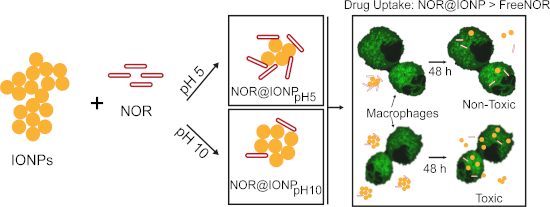
- deployment in drug delivery is contingent upon controlled drug loading and a desired release profile, with simultaneous biocompatibility and cellular targeting. Iron oxide nanoparticles (IONPs), being biocompatible, are used as drug carriers. However, to prevent aggregation of bare IONPs, they are coated
- imparts multiple benefits – improved IONP stability, enhanced drug coating, higher drug uptake in macrophages at reduced toxicity and slower drug release. Keywords: drug-nanoparticle interactions; drug uptake; intra-macrophage; iron oxide nanoparticles; norfloxacin; Introduction Nanoparticles have taken
- the center-stage in drug delivery applications, wherein they can improve drug pharmacokinetics and pharmacodynamics and may also increase drug accumulation in both animal cells and bacteria, proving beneficial to overcome drug resistance [1][2]. Iron oxide nanoparticles (IONPs), due to their



Use of nanosystems to improve the anticancer effects of curcumin
Beilstein J. Nanotechnol. 2021, 12, 1047–1062, doi:10.3762/bjnano.12.78
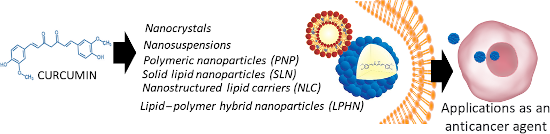
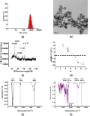
- superparamagnetic iron oxide nanoparticles functionalized with sodium dodecyl sulfate (SDS) and coated with chitosan (40–45 nm), were able to induce apoptosis (IC50 30 µg/mL) in HeLa (cervical cancer) cells by damaging the DNA and increasing caspase-3 [136]. Curcumin-loaded, pH-sensitive Janus magnetic mesoporous


Comprehensive review on ultrasound-responsive theranostic nanomaterials: mechanisms, structures and medical applications
Beilstein J. Nanotechnol. 2021, 12, 808–862, doi:10.3762/bjnano.12.64
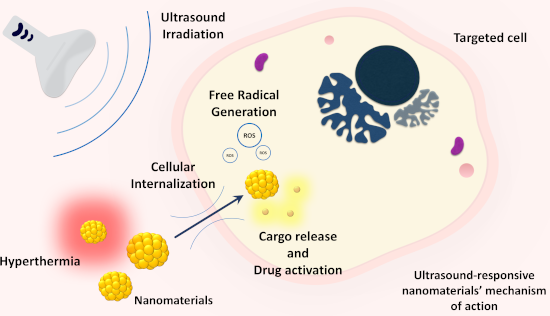
- ]. Various nanostructures have been developed for free radical generation under US irradiation. A novel nanostructure was constructed based on a BNN-type NO-releasing molecule and superparamagnetic iron oxide nanoparticles (SPION)-encapsulated mesoporous silica NPs (MSN) which could generate NO free radicals


Recent progress in magnetic applications for micro- and nanorobots
Beilstein J. Nanotechnol. 2021, 12, 744–755, doi:10.3762/bjnano.12.58
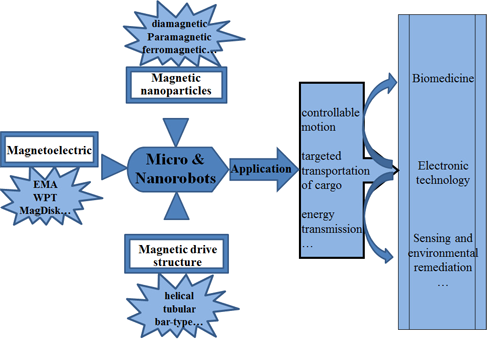
- field of biomedicine. Ceylan et al. [42] also used superparamagnetic nanoparticles to explore 3D-printed biodegradable [17][24] microrobots. These robots could be used for theranostic cargo delivery and release. Embedding superparamagnetic iron oxide nanoparticles [43] in the form of nanocomposites into
- the microrobot will impart magnetizability. Magnetic field-based transport enables the accelerated delivery of a biomaterial to a target site by overcoming Brownian diffusion [44]. Since cobalt and nickel are quite toxic and iron oxide nanoparticles are considered to be biofriendly [45], embedding
- iron oxide nanoparticles [46] has advantages over magnetic surface coatings, such as cobalt or nickel. Diamagnetic nanoparticles Applying an external magnetic force to manipulate the MNRs has become a frontier field of research. Uvet et al. [47] proposed a new microrobot manipulation technology based


Differences in surface chemistry of iron oxide nanoparticles result in different routes of internalization
Beilstein J. Nanotechnol. 2021, 12, 270–281, doi:10.3762/bjnano.12.22
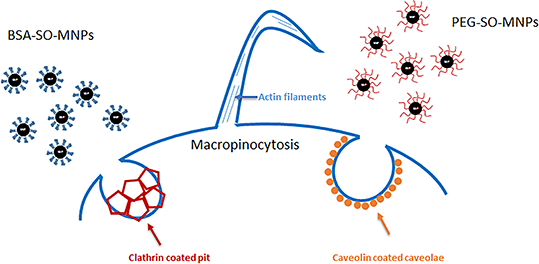
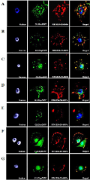
- understood yet. Herein, we present a mechanistic study of cellular internalization pathways of two magnetic iron oxide nanoparticles (MNPs) differing in surface chemistry into A549 cells. The MNP uptake was investigated in the presence of different inhibitors of endocytosis and monitored by spectroscopic and
- involved in the internalization of polyethylene glycol-coated MNPs. Our data indicate that surface engineering can contribute to an enhanced delivery efficiency of nanoparticles. Keywords: bovine serum albumin; cellular uptake; magnetic iron oxide nanoparticles; polyethylene glycol; surface coating
- ; Introduction Magnetic iron oxide nanoparticles (MNPs) as chemically inert material have been increasingly employed as contrast agents in magnetic resonance imaging (MRI), positron emission tomography (PET), and near-infrared fluorescence (NIRF) imaging [1]. The superparamagnetic properties of MNPs make them



Antimicrobial metal-based nanoparticles: a review on their synthesis, types and antimicrobial action
Beilstein J. Nanotechnol. 2020, 11, 1450–1469, doi:10.3762/bjnano.11.129
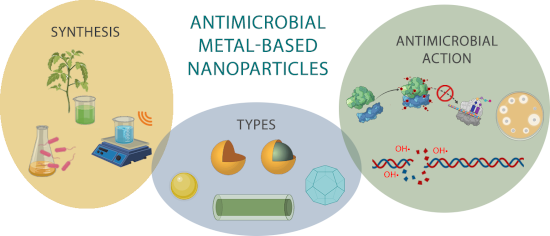
- agents. Although the most studied nanoparticles with antimicrobial properties are metallic or metal-oxide nanoparticles, other types of nanoparticles, such as superparamagnetic iron-oxide nanoparticles and silica-releasing systems also exhibit antimicrobial properties. Finally, since the quantification
- modification, intrinsic properties and the type of targeted microorganism [18]. A special category of metallic NPs is superparamagnetic iron-oxide nanoparticles (SPIONs) (e.g., magnetite (Fe3O4) and maghemite (γ-Fe2O3) NPs) whose antimicrobial activity increases upon the application of an external magnetic
- antimicrobial studies revealed good antimicrobial activity against E. coli, S. flexneri, and S. aureus cells [123]. Superparamagnetic iron-oxide nanoparticles Superparamagnetic iron oxide nanoparticles are a special class of metal-oxide NPs with magnetic properties and excellent biocompatibility. Their shape


Transient coating of γ-Fe2O3 nanoparticles with glutamate for its delivery to and removal from brain nerve terminals
Beilstein J. Nanotechnol. 2020, 11, 1381–1393, doi:10.3762/bjnano.11.122
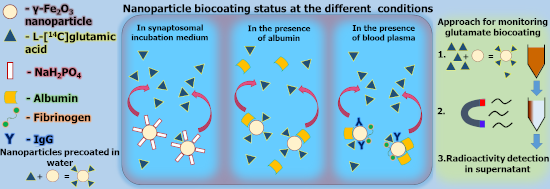
- due to their magnetism and chemical stability [9][10][11][12][13]. Among a variety of other nanoparticles, superparamagnetic iron oxide nanoparticles are used for magnetic resonance imaging in cancer theranostics and magnetic hyperthermia [9][10][11][14]. Controlled magnetic fields can lead to induced
- their instability in biological media where the nanoparticles may lose their biological coating [19]. The organic/inorganic agents form a shell (1–5 nm thick) around superparamagnetic iron oxide nanoparticles interacting with their surface functional groups [14]. Sousa et al. studied the chemisorption


Magnetic-field-assisted synthesis of anisotropic iron oxide particles: Effect of pH
Beilstein J. Nanotechnol. 2020, 11, 1230–1241, doi:10.3762/bjnano.11.107
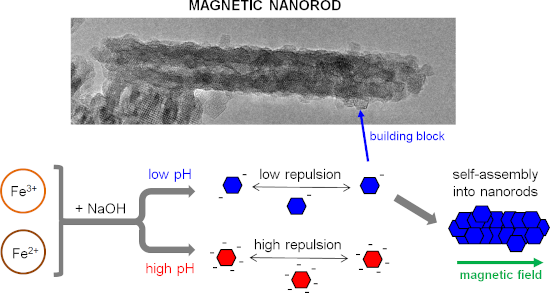
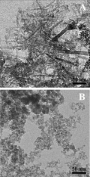
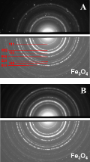
- , for the first time, the effect of pH on the magnetic-field-assisted synthesis of iron oxide nanoparticles was investigated. The results show that different nanostructures were formed upon varying the initial pH of the reaction mixture: spheres were obtained at a highly alkaline pH whereas rods were
- these nanocrystals still persists in the reaction products. Results and Discussion Main synthetic routes The effect of pH on the magnetic-field-assisted synthesis of iron oxide nanoparticles was studied by adding 2 mL of the iron ion solution (1 M FeCl3 and 0.5 M FeSO4 in 0.1 M HCl) to 5 mL of NaOH
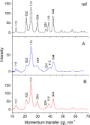
- diffraction patterns were performed using Origin 8.5. To calculate the area and FWHM, the peaks were fitted by Gaussian functions. Raman spectroscopy The crystalline structure and phase composition of the iron oxide nanoparticles were investigated using a Horiba Jobin Yvon micro-Raman spectrometer (LabRam






Influence of the magnetic nanoparticle coating on the magnetic relaxation time
Beilstein J. Nanotechnol. 2020, 11, 1207–1216, doi:10.3762/bjnano.11.105
- synthesized in small dimensions, which ensures low toxicity and the possibility for easy surface functionalization. A common method for synthesising iron-oxide nanoparticles includes chemical co-precipitation, which involves the simultaneous precipitation of magnetic nanoparticles and a solid matrix through a
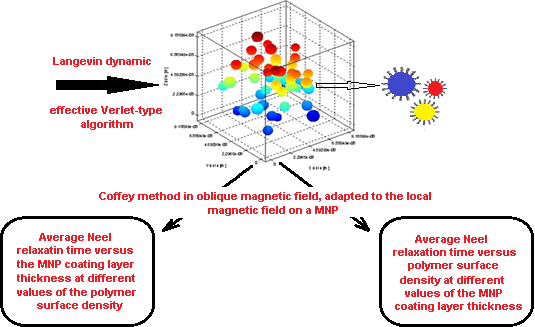
- corresponding magnetic configuration of the system. For the numerical simulation, two widely known models have been used [19][20][21]. We started with a system of single-domain magnetic nanoparticles, consisting of spherical iron-oxide nanoparticles with uniaxial magnetic anisotropy, which have a lognormal
- direction connecting the i-th and j-th particles, Dij is the distance between the centres of the i-th and j-th nanoparticles, sij = Dij – (ri + rj) is the surface-to-surface separation between the i-th and j-th nanoparticles, and Aeff is the Hamaker effective constant for iron-oxide nanoparticles in water


Photothermally active nanoparticles as a promising tool for eliminating bacteria and biofilms
Beilstein J. Nanotechnol. 2020, 11, 1134–1146, doi:10.3762/bjnano.11.98
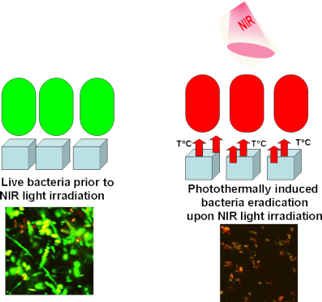
- ]. Functionalized iron oxide nanoparticles can also be used for photothermally induced bacteria eradication. It was demonstrated that the NIR-absorbing nanoparticles functionalized with recyclable iron oxide were capable of eliminating Gram-positive (S. aureus) and Gram-negative bacteria (E. coli) quickly and
- effectively [94]. To this end, iron oxide nanoparticles were coated with catechol-conjugated poly(vinylpyrrolidone) sulfobetaine and then self-assembled with poly(3,4-ethylenedioxythiophene). The latter polymer is capable of absorbing NIR light while capturing the bacteria, effectively releasing heat under


Applications of superparamagnetic iron oxide nanoparticles in drug and therapeutic delivery, and biotechnological advancements
Beilstein J. Nanotechnol. 2020, 11, 1092–1109, doi:10.3762/bjnano.11.94
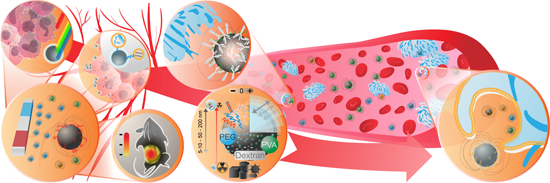
- .11.94 Abstract Superparamagnetic iron oxide nanoparticles (SPIONs) have unique properties with regard to biological and medical applications. SPIONs have been used in clinical settings although their safety of use remains unclear due to the great differences in their structure and in intra- and inter
- therapeutic efficacy, and safety studies. Keywords: drug delivery; drug targeting; endocytosis; medical; nanoparticles; superparamagnetic iron oxide nanoparticles (SPIONs); toxicity; Introduction Nanoencapsulation technologies have been researched over the past several decades and have been widely
- microscopy (EM), iron oxide magnetic beads for the separation of cells and molecules, gold and silver nanoparticles as fiducials for EM, for immuno-EM labeling and surface-enhanced Raman spectroscopy, or for gene transfection, liposomes for drug delivery, and gadolinium or iron oxide nanoparticles for


Wet-spinning of magneto-responsive helical chitosan microfibers
Beilstein J. Nanotechnol. 2020, 11, 991–999, doi:10.3762/bjnano.11.83
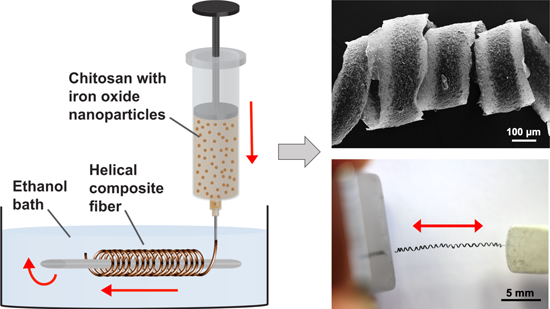
- neodymium magnet (see Supporting Information File 2 for the full video). Scheme of the wet-spinning process that generated helical microfibers. A solution of chitosan and magnetic iron oxide nanoparticles was extruded into an ethanol coagulation bath. The emerging fibers were collected by a teflon-coated
- oxide nanoparticles in order to generate 3D spheroids [43][44][45][46]. The production of helical microfibers can, in principle, be achieved by adding a rotation element to the translational extrusion process. This has been demonstrated by Sun et al. who developed a magnetic micromanipulation technique
- cell behavior in vivo by applying external stimuli [41][42]. Emerging fields, such as magnetic tissue engineering, which uses magnetic levitation to control cell growth, would greatly benefit from the use of magnetic scaffolds since these would replace the need for treating the cells with magnetic iron


Key for crossing the BBB with nanoparticles: the rational design
Beilstein J. Nanotechnol. 2020, 11, 866–883, doi:10.3762/bjnano.11.72
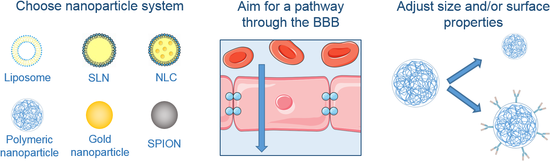
- nanoparticles (AuNPs); blood–brain barrier (BBB); drug delivery; liposomes; nanomedicine; polymeric nanoparticles; solid lipid nanoparticles; superparamagnetic iron oxide nanoparticles (SPIONs); Introduction Neurological disorders and brain diseases are real burdens for modern societies and healthcare systems
- (e.g., human serum albumin) [28], gold nanoparticles [29] and superparamagnetic iron oxide nanoparticles [30]. This review aims to summarize (i) the different pathways to cross the BBB, (ii) the strategies that can be employed to increase nanoparticle BBB permeation without disrupting the BBB, as well
- in non-neurogenic regions. Disruption of the BBB by NIR light irradiation of AuNRs increased the AuNRs ability to accumulate in the SVZ, making this formulation interesting for targeting neural stem cells. Superparamagnetic iron oxide nanoparticles: Superparamagnetic iron oxide nanoparticles (SPIONs


Luminescent gold nanoclusters for bioimaging applications
Beilstein J. Nanotechnol. 2020, 11, 533–546, doi:10.3762/bjnano.11.42
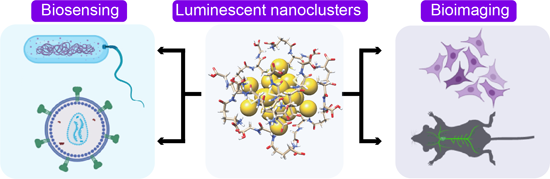
- –nanocluster agglomerates as luminescent nanocarriers for imaging and combination therapy [89][90]. Core–shell nanoparticles consisting of oleic acid-capped superparamagnetic iron oxide nanoparticles (IONPs, d = 6.7 ± 1.2 nm) were used (Figure 5A). The IONPs were subsequently coated with a gold shell using the


Understanding nanoparticle flow with a new in vitro experimental and computational approach using hydrogel channels
Beilstein J. Nanotechnol. 2020, 11, 296–309, doi:10.3762/bjnano.11.22
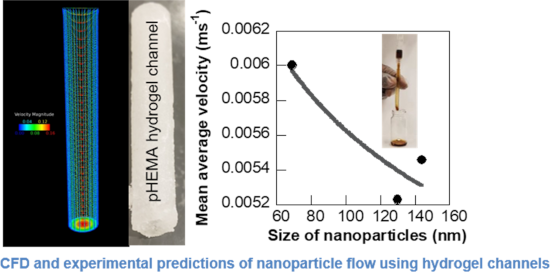
- highlights the reliability of our new in vitro technique in providing mechanistic insights of NP flow for potential preclinical stage applications. Keywords: computational fluid dynamics; drug delivery; iron oxide nanoparticles; nanoparticle flow; poly(hydroxyethyl methacrylate) (pHEMA) hydrogels
- . Characterization of iron oxide nanoparticles A Litesizer 500 (Anton Paar) particle analyzer equipped with zeta potential capability was used to measure the hydrodynamic size, stability, and surface charge of aqueous dispersions of iron oxide NPs at pH 7 at room temperature (Figure S4, Supporting Information File 1
- hood for 12 h to form the different hydrogels. The hydrogels were subsequently characterized via swelling studies and SEM to find the best suitable soft material for fabrication of flow paths that mimic physiologically relevant properties in terms of flexibility and smoothness. Synthesis of iron oxide


Molecular architectonics of DNA for functional nanoarchitectures
Beilstein J. Nanotechnol. 2020, 11, 124–140, doi:10.3762/bjnano.11.11
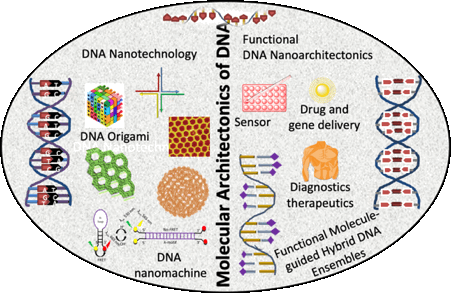
- using three 55 nucleotide-long carboxylic acid-linked DNA strands and a tumor-targeting 87 nucleotide-long aptamer. The carboxylic acid groups of the DNA tetrahedron facilitated the interaction with oleic acid-coated iron oxide nanoparticles via a ligand exchange reaction. The aptamer–DNA tetrahedron


Dynamics of superparamagnetic nanoparticles in viscous liquids in rotating magnetic fields
Beilstein J. Nanotechnol. 2019, 10, 2294–2303, doi:10.3762/bjnano.10.221
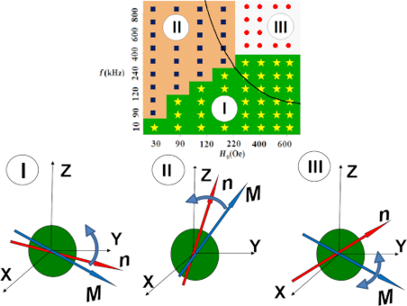
- ; viscous liquid; Introduction Magnetic nanoparticles are promising materials in various areas of biomedicine [1][2][3][4], such as magnetic resonance imaging [5][6][7], targeted drug delivery [8][9][10], and magnetic hyperthermia [11][12][13][14][15][16][17][18][19][20]. Iron oxide nanoparticles are most
- of particle diameters where the SAR in RMFs has a maximum. This behavior of the SAR in RMFs resembles the one in AMFs, [11][25]. For iron oxide nanoparticles of optimal diameter the SAR in RMFs reaches values of the order of 400–450 W/g at a frequency f = 400 kHz and moderate amplitude H0 = 100 Oe
- a frequency f = 400 kHz and a moderate amplitude H0 = 100 Oe. Nevertheless, the experimentally measured [41][43] SAR values in RMFs for an assembly of iron oxide nanoparticles distributed in a viscous liquid turned out to be very small, only about 1.0–4.0 W/g. This may be due to the small RMF


Targeted therapeutic effect against the breast cancer cell line MCF-7 with a CuFe2O4/silica/cisplatin nanocomposite formulation
Beilstein J. Nanotechnol. 2019, 10, 2217–2228, doi:10.3762/bjnano.10.214
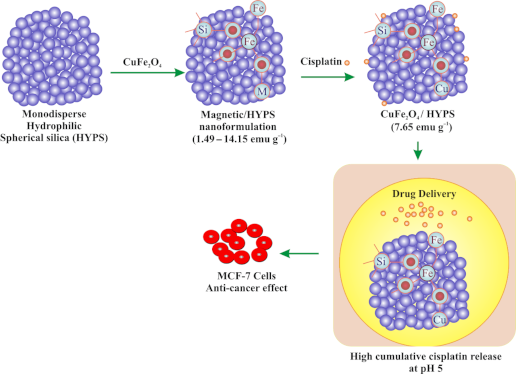
- (magnetic resonance imaging), tissue repair, and thermal ablation have been gaining considerable attention in recent years. In particular, the use of superparamagnetic iron oxide nanoparticles (SPIONs) is now advantageous as they are FDA-approved for clinical use [2]. Magnetic Fe3O4-based mesoporous silica


Use of data processing for rapid detection of the prostate-specific antigen biomarker using immunomagnetic sandwich-type sensors
Beilstein J. Nanotechnol. 2019, 10, 2171–2181, doi:10.3762/bjnano.10.210

- magnetism than other iron oxide nanoparticles [17]. These MNPs can be synthesized through various techniques, such as ultrasound irradiation, sol–gel methods, thermal decomposition, and co-precipitation [18][19][20][21]. In addition, they can be modified with biomolecules and other compounds to improve the
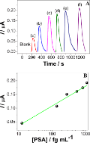
- carbon electrodes (INμ-SPCEs) showed limits of detection of 0.23 pg·mL−1 for PSA and 0.30 pg·mL−1 for IL-6, measured in the serum of prostate cancer patients [26]. Immunosensors to detect PSA include magnetic nanoparticles modified with gold [27], nitrodopamine functionalized iron oxide nanoparticles [3
- immunoassays for the detection of PSA. Supporting Information Supporting Information features detailed information on the synthesis of magnetic iron oxide nanoparticles, electrode fabrication, and sample preparation. Also, the characterization of MNPs and electrode surfaces by using Fourier-transform infrared


Nitrogen-vacancy centers in diamond for nanoscale magnetic resonance imaging applications
Beilstein J. Nanotechnol. 2019, 10, 2128–2151, doi:10.3762/bjnano.10.207
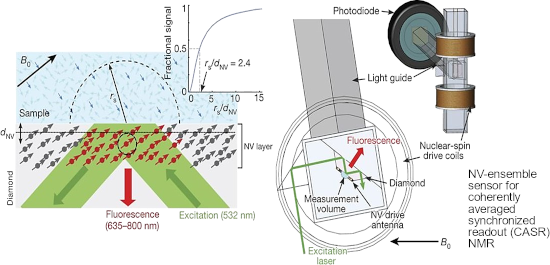
- NV magnetometer and the related MRI contrast. MRI contrast is thus correlated to submicrometer resolution and nanotesla sensitivity magnetic field measurements in biological samples. Molecular-imaging agents such as iron oxide nanoparticles (IONPs) can strongly influence MRI images with their
- monitoring intracellular processes relevant in biological and medical applications. In this context, hybrid systems using NV sensors with other MRI contrast agents or sensors have been proposed such as iron oxide nanoparticles and paramagnetic gadolinium complexes. SPIONs are single-domain magnetic systems


Microbubbles decorated with dendronized magnetic nanoparticles for biomedical imaging: effective stabilization via fluorous interactions
Beilstein J. Nanotechnol. 2019, 10, 2103–2115, doi:10.3762/bjnano.10.205
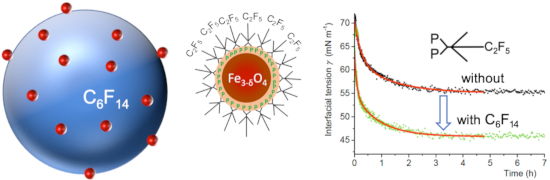
- ), were synthesized and grafted on the surface of iron oxide nanoparticles (IONPs) for microbubble-mediated imaging and therapeutic purposes. The size and stability of the dendronized IONPs (IONP@CnX2n+1OEG8Den) in aqueous dispersions were monitored by dynamic light scattering. The investigation of the
- the phospholipid film, while those grafted with the hydrocarbon dendrons are located at the surface of the phospholipid film. Keywords: diagnostic imaging; fluorinated dendrons; fluorocarbon; iron oxide nanoparticles; magnetic nanoparticles; microbubbles; Introduction Microbubbles (MBs), that is
- signal for energy deposition, as is required for sonothrombolysis or ablation surgery. MBs incorporating iron oxide nanoparticles (IONPs) are sought after as dual contrast agents for ultrasound and magnetic resonance imaging [18][19][20] and drug delivery [21][22]. The shells of the presently available





