


Search results
Search for "mechanism" in Full Text gives 1270 result(s) in Beilstein Journal of Nanotechnology. Showing first 200.
Fast vortex dynamics and relaxation times in NbRe-based heterostructures
Beilstein J. Nanotechnol. 2026, 17, 292–302, doi:10.3762/bjnano.17.20
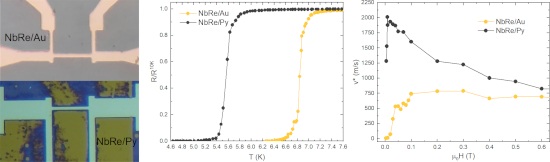
- devices [23][24][25]. To modify quasiparticles relaxation mechanism, one of the most promising strategies involves engineering hybrid heterostructures in which the superconducting layer (S) is brought into contact with a normal metal (N) or a ferromagnetic layer (F). Several studies have shown that, in S
- the flux-flow instability is strongly influenced by the quality of the sample edges, the estimation of an intrinsic quasiparticle relaxation time from Equation 1 is justified only when the field dependence of the critical current evidences a dominant edge-barrier pinning mechanism. In this regime, the
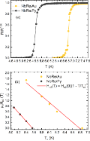
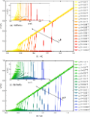
- magnetic field, HSAT, that is, the field beyond which the jumps disappear and the transition to the normal state occurs smoothly. The values are = 0.9 T and = 1.2 T. To gain insight into the pinning mechanism at play, the behavior of the critical current density Jc = Ic/wd as a function of the external


Advancing nanolithography: a comprehensive review of materials for local anodic oxidation with AFM
Beilstein J. Nanotechnol. 2026, 17, 275–291, doi:10.3762/bjnano.17.19
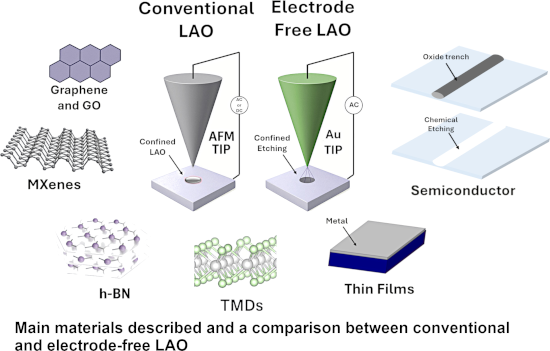
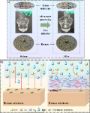
- ][11][12], which first demonstrated tip-induced electrochemical modification of semiconductor surfaces and even early device structures [13]. These STM works established the fundamental mechanism later adopted and expanded by AFM-based approaches. LAO utilizes an AFM to generate localized oxidation
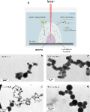
- technique. 2.1 Mechanism of LAO The key to LAO lies in the formation of a nanoscale water meniscus between the AFM tip and the sample surface, as depicted in Figure 1b. Under ambient humidity, the water layer serves as an electrolyte, enabling electrochemical reactions. When a positive voltage is applied to
- field, achieved by assembling the heterostructures on conductive graphite flakes. They suggest that the mechanism of electrical breakdown may play a more significant role than previously assumed, potentially overshadowing the electrochemical reactions traditionally attributed to the process. Although


Durable antimicrobial activity of fabrics functionalized with zeolite ion-exchanged nanomaterials against Staphylococcus aureus and Escherichia coli
Beilstein J. Nanotechnol. 2026, 17, 262–274, doi:10.3762/bjnano.17.18
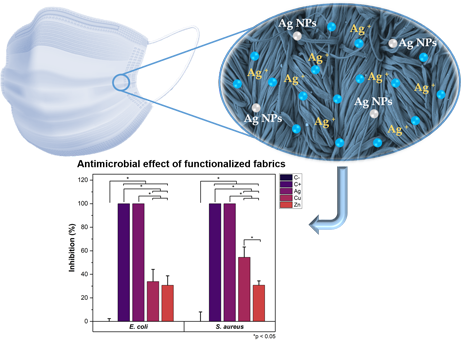
- are currently explored for various biomedical applications, including disease prevention, diagnosis, and the improvement of antiviral drug delivery systems [5][6]. In some cases, the antimicrobial properties of NPs lead to creation of new “nano-antimicrobial” materials [7]. The mechanism by which




Gold nanoparticle-decorated reduced graphene oxide as a highly effective catalyst for the selective α,β-dehydrogenation of N-alkyl-4-piperidones
Beilstein J. Nanotechnol. 2026, 17, 218–238, doi:10.3762/bjnano.17.15
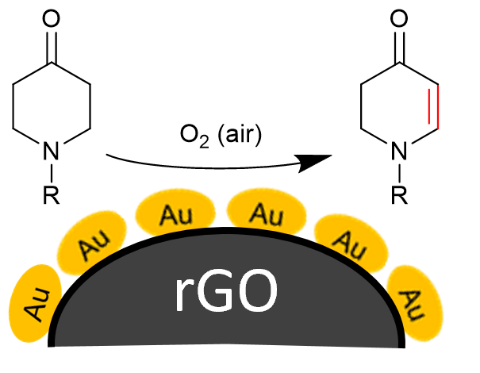
- the observed reaction rate under otherwise kinetically favorable conditions [52]. Second, excessive catalyst loading can promote recombination or quenching of reactive oxygen species generated on the Au/rGO surface. As demonstrated in the proposed ODH mechanism (Figure 14), Au/rGO activates O2 to form
- , which were not retained by the used MN 615 1/4 cellulose filter paper with 4.0–12.0 µm pore sizes [53]. These results unambiguously demonstrate that the reaction proceeds via a truly heterogeneous catalytic mechanism, with Au nanoparticles remaining immobilized on the rGO support throughout the reaction


Time of flight secondary ion mass spectrometry imaging of contaminant species in chemical vapour deposited graphene on copper
Beilstein J. Nanotechnol. 2026, 17, 200–213, doi:10.3762/bjnano.17.13
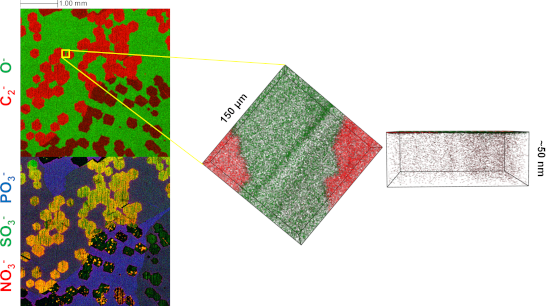
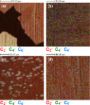
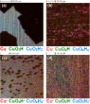
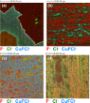
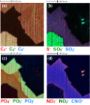
- ambient route as the main mechanism for oxidation of the Cu, where oxygen is penetrating through/underneath the graphene. The corresponding depth profile plots for the four samples are shown in Figure 3e. The extent of oxygen permeation under the graphene is similar for the three samples where oxygen was





From shield to spear: Charge-reversible nanocarriers in overcoming cancer therapy barriers
Beilstein J. Nanotechnol. 2026, 17, 159–175, doi:10.3762/bjnano.17.10
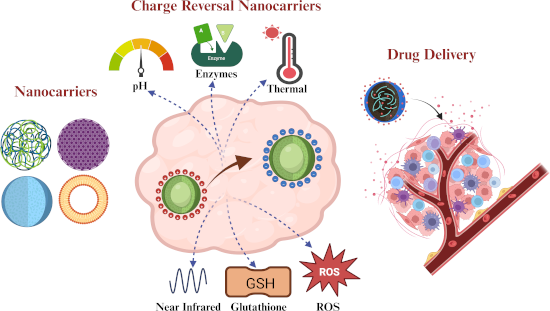
- enhancing the therapeutic efficacy and safety profiles of nanocarriers in clinical applications [15]. The functional mechanism of CRNs (Figure 2) is designed to enhance the selectivity and efficacy of anticancer drug delivery systems, along with their behaviour in response to the acidic environment of
- performance in targeted and controlled drug delivery (Table 1). The detailed mechanism of CRNs in response to various environmental stimuli is described in Figure 3. 2.1 pH-responsive charge-reversible nanocarriers When exposed to the acidic cancer microenvironment (pH 6.5–6.8), CRNs undergo a pH-sensitive
- lysosomes. Upon bond cleavage, the nanoparticles undergo a surface charge shift by exposing cationic groups, which significantly enhances cellular adsorption and uptake. This charge-switching mechanism, exemplified by PEG-b-poly(ʟ-lysine)-hydrazone- doxorubicin micelles from the cited study, enables


Influence of surface characteristics on the in vitro stability and cell uptake of nanoliposomes for brain delivery
Beilstein J. Nanotechnol. 2026, 17, 139–158, doi:10.3762/bjnano.17.9
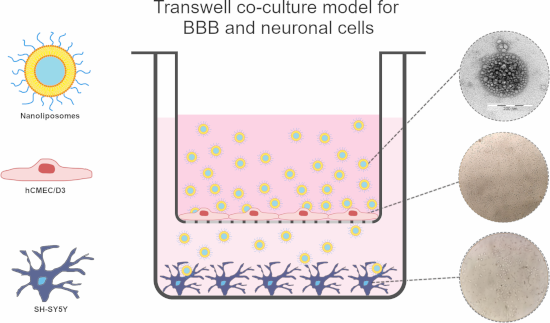
- (nonincubated with cells). The experiments were performed three times on at least six replicates from each sample. Cell uptake assessment of nanoliposomes in the presence of transport pathways inhibitors In order to determine the exact mechanism of cellular internalization, uptake experiments were also
- intensive but excels in fractionating samples under optimal flow and separation conditions. This method is distinguished by gentle separation conditions and a wide operational range. Unlike conventional chromatography, AF4 does not utilize a stationary phase. The separation mechanism involves a longitudinal
- . Cell uptake assessment of nanoliposomes in the presence of transport pathway inhibitors In order to have insights into the mechanism of internalization of the NLs, as well as to better understand and correlate with previously presented quantitative results for cell internalization at 37 °C, uptake




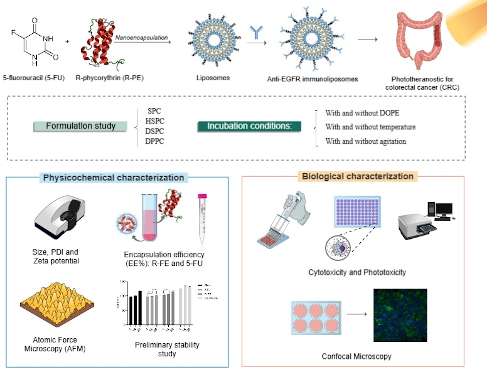
Development and in vitro evaluation of liposomes and immunoliposomes containing 5-fluorouracil and R-phycoerythrin as a potential phototheranostic system for colorectal cancer
Beilstein J. Nanotechnol. 2026, 17, 97–121, doi:10.3762/bjnano.17.7
- is a semi-empirical model that encompasses release profiles of drugs through polymeric chains when the governing mechanism is a combination of Fickian and non-Fickian mechanisms: where Q is the amount of dose released at time t, k is the release rate constant, and n is the exponent. 2.3.5 Atomic



Functional surface engineering for cultural heritage protection: the role of superhydrophobic and superoleophobic coatings – a comprehensive review
Beilstein J. Nanotechnol. 2026, 17, 63–96, doi:10.3762/bjnano.17.6





Reduced graphene oxide paper electrode for lithium-ion cells – towards optimized thermal reduction
Beilstein J. Nanotechnol. 2026, 17, 24–37, doi:10.3762/bjnano.17.3
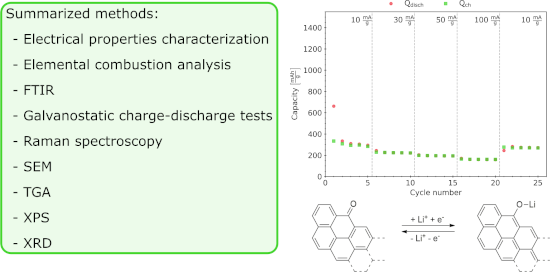
- charge storage mechanism in rGO materials cannot be described as a typical “staging mechanism”. Conclusion In this paper, the authors presented preliminary data on variants of the thermal reduction of reduced graphene oxide paper for an optimized synthesis as an electrode material. The applied methods
- partial elimination occurred with the preservation of the ketone-related band near ≈1800 cm−1. Thus, the charge storage mechanism via redox reactions involving these functionalities was enabled, promoting the application of the material as lithium- or sodium-ion energy storage material [54]. Moreover, the



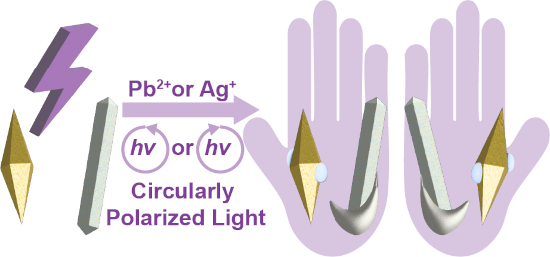
Chiral plasmonic nanostructures fabricated with circularly polarized light
Beilstein J. Nanotechnol. 2025, 16, 2245–2264, doi:10.3762/bjnano.16.154
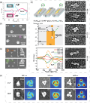
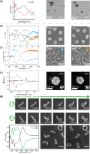
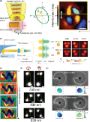
- ], the underlying mechanism still needs to be explored. Conclusion – Remarks and Perspectives The field of research on chiral plasmonic nanostructures (cPNSs) is rapidly expanding. The colloidal synthesis of cPNSs using chiral molecules has reached a stage where new shapes are being developed to target





Optical bio/chemical sensors for vitamin B12 analysis in food and pharmaceuticals: state of the art, challenges, and future outlooks
Beilstein J. Nanotechnol. 2025, 16, 2207–2244, doi:10.3762/bjnano.16.153
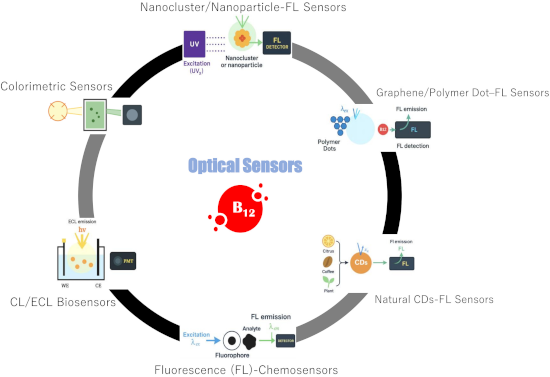
- plasmon resonance (SPR) sensors operate through a simple and effective mechanism in five key steps: (i) An electromagnetic field at the metal–dielectric interface excites coherent electron oscillations in the metal; (ii) this leads to the generation of surface plasmon polaritons (SPPs; i.e., oscillating


Electromagnetic study of a split-ring resonator metamaterial with cold-electron bolometers
Beilstein J. Nanotechnol. 2025, 16, 2199–2206, doi:10.3762/bjnano.16.152
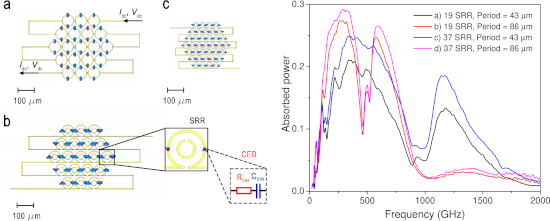
- integration into antenna slots without the need for microwave feed lines (e.g., microstrip or coplanar lines), thus simplifying the design and preventing signal degradation at higher frequencies [12]. Furthermore, the natural electron cooling mechanism in CEBs [13][14][15] is highly suitable for operation


Microplastic pollution in Himalayan lakes: assessment, risks, and sustainable remediation strategies
Beilstein J. Nanotechnol. 2025, 16, 2144–2167, doi:10.3762/bjnano.16.148
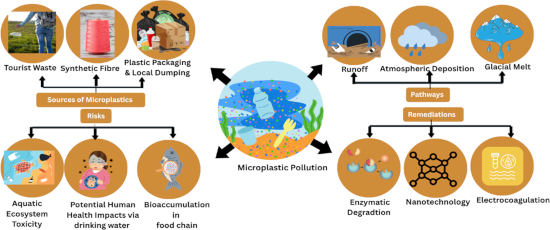
- key mechanism in remote lakes besides direct input [7]. Groundwater modeling methods have been instrumental in describing the transport and fate of contaminants, including MPs, in subsurface environments. Numerical methods such as MODFLOW coupled with transport methods such as MT3DMS and RT3D are
- glaciers has been identified as a distinct mechanism for MPs in the ecosystems of the Himalayas. MPs trapped in glacier ice are released as it melts, subsequently entering freshwater streams and lakes downstream [23]. Recently sampling in Pangong Lake and Beas catchment [2] has linked MP presence to
- them are new electrochemical technologies, membrane separation technologies, microbial technologies, and AOPs. The efficiency, mechanism, strengths, weaknesses, and applications of each technology are utilized to assess each technology. These technologies are indicative of the multidimensional


Electron transport through nanoscale multilayer graphene and hexagonal boron nitride junctions
Beilstein J. Nanotechnol. 2025, 16, 2132–2143, doi:10.3762/bjnano.16.147
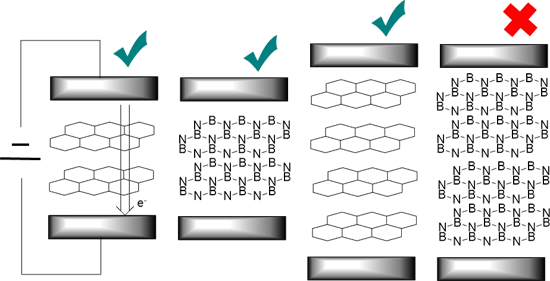
- approximately 20%, unlike the one order of magnitude in the case of graphene. Our understanding is that, in the h-BN junctions with and without Stone–Wales defect, the dominant transport mechanism is tunneling, which is not affected significantly by interaction of the h-BN with Stone–Wales defect with the Pt


Rapid synthesis of highly monodisperse AgSbS2 nanocrystals: unveiling multifaceted activities in cancer therapy, antibacterial strategies, and antioxidant defense
Beilstein J. Nanotechnol. 2025, 16, 2105–2115, doi:10.3762/bjnano.16.145
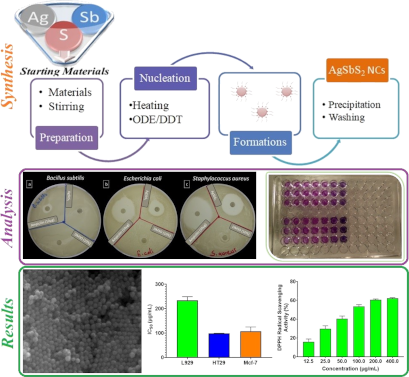
- bacterial cell wall and cell disruption when the NCs enter into the cell [39]. Thus, induction of apoptosis in bacterial cells occurs, resulting in an inevitable antibacterial mechanism of action. The data shows that the synthesized NCs in the study can be used as an antimicrobial agent in various
- radicals by donating electrons, thereby stabilizing these reactive species and mitigating potential cellular damage. The primary mechanism of action for the synthesized nanoparticles in this study is likely to involve electron donation to the DPPH radical [50]. Consistent with the DPPH results, the FRAP
- scavenging data, the FRAP outcome supports a dual-mechanism antioxidant model (both radical quenching and electron transfer). This suggests that the surface chemistry of AgSbS2 NCs effectively mediates both redox and radical-based pathways, making them promising candidates for applications requiring moderate


Multifrequency AFM integrating PeakForce tapping and higher eigenmodes for heterogeneous surface characterization
Beilstein J. Nanotechnol. 2025, 16, 2077–2085, doi:10.3762/bjnano.16.142
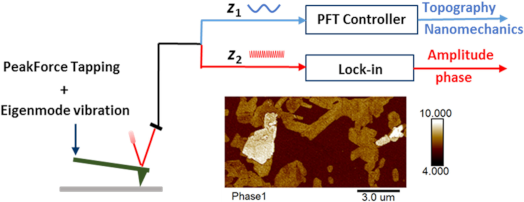
- (Figure 2B–D). With the free vibration amplitude of the eigenmode being low, this inherent damping mechanism ensures that superimposed vibrations do not significantly perturb the peak force magnitude during tip–sample interaction. Second, the dedicated signal processing scheme detailed in Section
- processes [6][26], complementing the absolute force measurements obtained from the quasi-static PeakForce feedback loop. This dual-mechanism approach enables the detection of a broad range of near-surface properties, including elastic modulus, viscoelasticity, and dissipation, greatly enhancing material
- -eigenmode oscillation acts as a highly sensitive sensor for detecting the aforementioned interaction gradients. Employing low oscillation amplitudes under modal vibration conditions is a well-established strategy that has been proven to further enhance sensitivity [26][27][28]. The underlying mechanism is


Molecular and mechanical insights into gecko seta adhesion: multiscale simulations combining molecular dynamics and the finite element method
Beilstein J. Nanotechnol. 2025, 16, 2055–2076, doi:10.3762/bjnano.16.141
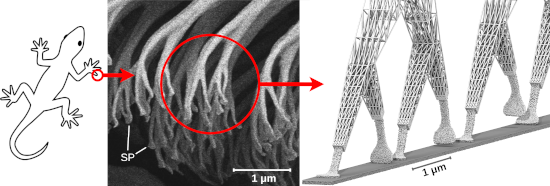
- structures on their feet [1][2]. This bioadhesion mechanism has been studied extensively, especially for biomimetic adhesive applications [3][4][5][6][7][8][9]. Understanding these interactions presents a formidable challenge in biophysics and materials science due to the extremely small length and time
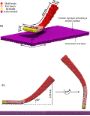
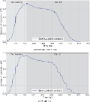
- final detachment. This two-stage detachment mechanism, where the pad peels off first, followed by the tip, is clearly visible in the contact profile, where the number of contacts sharply dropped to a non-zero plateau before eventually dropping to zero. The animations in Supporting Information File 2







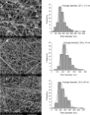
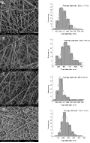
Beyond the shell: exploring polymer–lipid interfaces in core–shell nanofibers to carry hyaluronic acid and β-caryophyllene
Beilstein J. Nanotechnol. 2025, 16, 2015–2033, doi:10.3762/bjnano.16.139
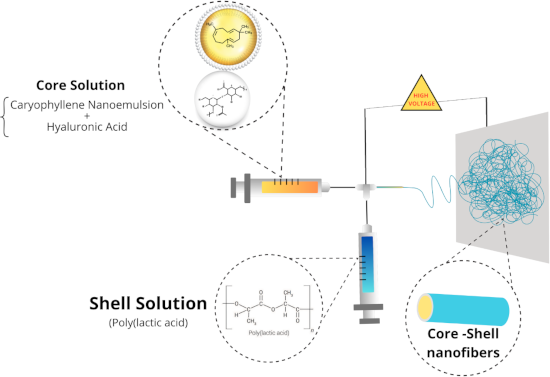
- pores. The pore formation on the shell surface is a potential mechanism for regulating the release of the core content [56][57]. A biomedical scaffold must possess suitable pore size and a high level of porosity. The porosity of the scaffold in tissue engineering applications should be adequate. A study
- of the core, suggests a viable mechanism for the controlled release of active ingredients through diffusion. The high surface hydrophobicity of the nanofibers, confirmed by contact angle measurements, reinforces their potential use in applications that require low tissue adhesion, such as non




The cement of the tube-dwelling polychaete Sabellaria alveolata: a complex composite adhesive material
Beilstein J. Nanotechnol. 2025, 16, 1998–2014, doi:10.3762/bjnano.16.138
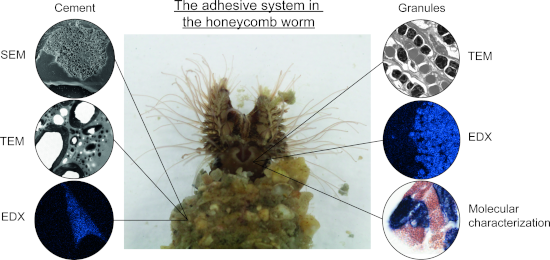
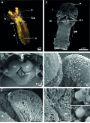
- of inspiration for developing biomimetic adhesives. However, a thorough understanding of their composition and operating mechanism is essential for advancing such applications. Sabellariid tubeworms are model organisms in bioadhesion research, and their adhesive system has been characterized in



Laser ablation in liquids for shape-tailored synthesis of nanomaterials: status and challenges
Beilstein J. Nanotechnol. 2025, 16, 1963–1997, doi:10.3762/bjnano.16.137
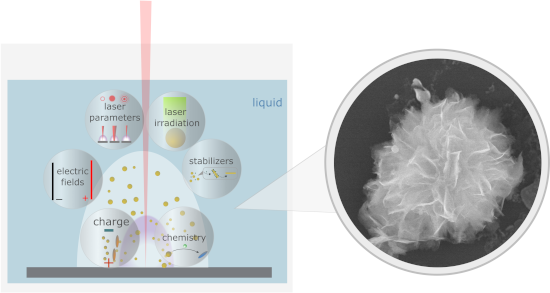
- stage of the development of laser ablation in liquids from the perspective of shape control of the forming nanomaterials. The key parameters influencing the NP shape are highlighted, including the composition of a liquid, laser focusing conditions and introduction of external fields, and the mechanism
- shown below. However, obtaining the information on spatial and temporal evolution of transient laser-induced plasma represents a challenge due to the short plasma lifetime. 1.1 Plasma formation and propagation In a widely accepted mechanism of PLAL, the formation of NPs occurs via two major processes
- : thermal evaporation and explosive ejection [1]. According to the thermal evaporation mechanism, the action of a laser beam on the surface of a solid target initiates the absorption of the laser pulse energy. This results in initiation of melting and ionization with the formation of a plasma plume near the




Mechanical property measurements enabled by short-term Fourier-transform of atomic force microscopy thermal deflection analysis
Beilstein J. Nanotechnol. 2025, 16, 1952–1962, doi:10.3762/bjnano.16.136
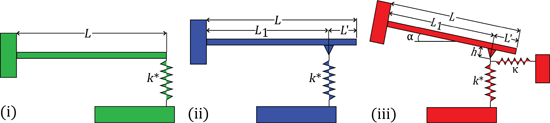
- technique, spectral analysis of the thermal motion in the deflection of AFM cantilevers has shown promise as a lower-cost, less equipment-intensive mechanism to access the dynamic and time-evolving oscillatory characteristics of the cantilever [11][12][13][14][15][16]. In these techniques, the cantilever




Quantum circuits with SINIS structures
Beilstein J. Nanotechnol. 2025, 16, 1931–1941, doi:10.3762/bjnano.16.134
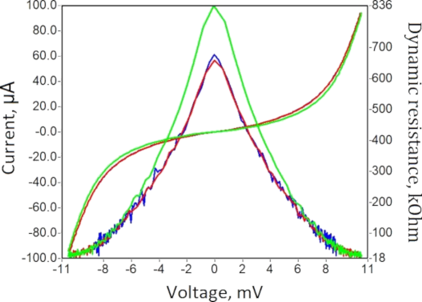
- an energy much higher than the thermal energy, the quantum absorption mechanism is already realized, and the real absorption picture becomes much more complicated [19]. It is necessary to take into account many other parameters and relaxation mechanisms. An example of the thermalization process of a


PEGylated lipids in lipid nanoparticle delivery dynamics and therapeutic innovation
Beilstein J. Nanotechnol. 2025, 16, 1914–1930, doi:10.3762/bjnano.16.133
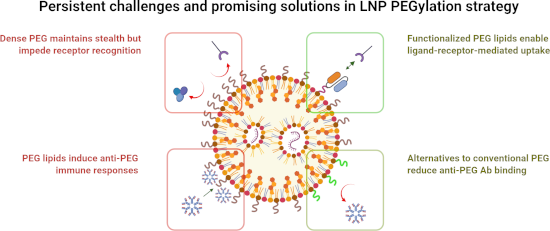
- [70]. Complement activation plays a central role in mediating PEG immunogenicity. When anti-PEG antibodies bind to PEGylated LNPs, they can activate the complement cascade via classical pathways. This mechanism leads to the deposition of complement proteins C3 and C5b-9 on the nanoparticle surface


Targeting the vector of arboviruses Aedes aegypti with nanoemulsions based on essential oils: a review with focus on larvicidal and repellent properties
Beilstein J. Nanotechnol. 2025, 16, 1894–1913, doi:10.3762/bjnano.16.132
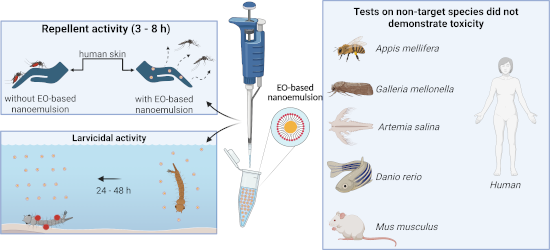
- , volatility, and skin permeation of the active compounds, prolonging the repellent effect due to the controlled release of these compounds [151][152]. The mechanism of action may involve interference with the olfactory system of the mosquitoes, masking host signals and disrupting orientation behavior [147





