


Search results
Search for "mechanisms" in Full Text gives 880 result(s) in Beilstein Journal of Nanotechnology. Showing first 200.
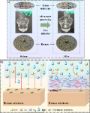
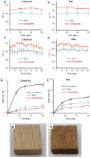
Nanocarrier-integrated multilayer films produced by 3D printing for improved skin adhesion and curcumin photostability
Beilstein J. Nanotechnol. 2026, 17, 440–453, doi:10.3762/bjnano.17.30
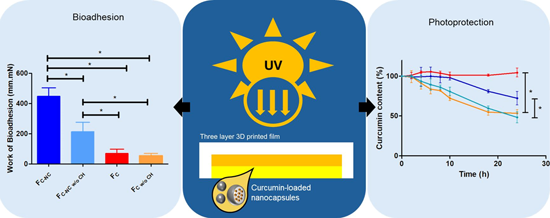
- as antioxidant activity through reactions with free radicals or reactive oxygen species (ROS) and inhibition of lipid peroxidation and DNA damage. These mechanisms contribute to reduced oxidative stress and enhanced wound-healing processes [17]. Consequently, curcumin is currently under investigation


First-principles study on elastic properties of Cu, (Cu1−x,Nix)3Sn and interfacial mechanical properties of (Cu1−x,Nix)3Sn/Cu in the lead-free solder joint
Beilstein J. Nanotechnol. 2026, 17, 428–439, doi:10.3762/bjnano.17.29
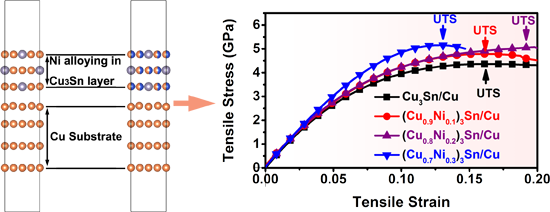
- thermodynamic mechanisms and decrease the reliability of the lead-free solder joints. The results presented in this study will not only unveil the effects of Ni alloying on the interfacial properties of lead-free solder joints, but also will provide a guidance for high-performance lead-free solder design by
- orientation relationship of (001)ε//(111)Cu and [100]ε//[−110]Cu; the underlying mechanisms responsible for the influence of Ni alloying on the work of adhesion and interfacial toughness are demonstrated. Methods In this study, first-principles calculations within the framework of density functional theory
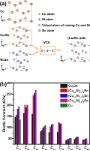
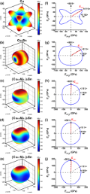
- /Cu increases with increasing Ni content, as the composition changes from Cu3Sn/Cu to (Cu0.8Ni0.2)3Sn/Cu. After further increase of Ni content, the interfacial toughness will decrease to 0.306 MPa·m0.5 for (Cu0.7Ni0.3)3Sn/Cu. In the following, the mechanisms responsible for the effects of Ni alloying


Nanoinformatics: spanning scales, systems and solutions
Beilstein J. Nanotechnol. 2026, 17, 423–427, doi:10.3762/bjnano.17.28

- , preferred orientations, and relative abundance of the specified molecules on the specified material surfaces giving an insight into the mechanisms of bio–nano interaction [4]. Varsou et al. demonstrated a novel approach to evaluate the performance of different models for the same endpoint (zeta potential of
- Roy constructed a quantitative structure–property relationship (QSPR) model with 132 metal oxide (MeOx) nanomaterials to understand the possible mechanisms of cell membrane damage and the role of zeta potential (a proxy for surface charge) in particular. The results showed that zeta potential, along

Biomimetic nanoparticles in cancer photodynamic therapy: a review of targeted delivery systems and therapeutic outcomes
Beilstein J. Nanotechnol. 2026, 17, 396–422, doi:10.3762/bjnano.17.27
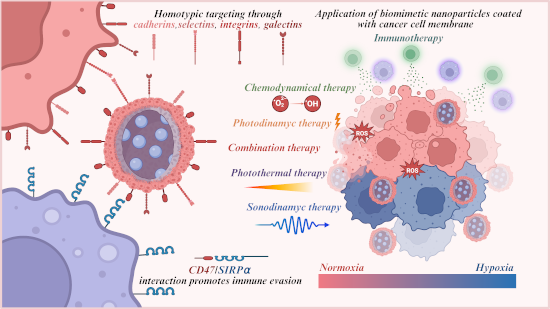
- nanostructured materials, significantly expanding the range of agents available for PDT applications [18]. The photochemical pathway for ROS generation involves non-radiative relaxation of the excited PS, typically occurring through two primary mechanisms [19]. Type-I reactions involve electron transfer
- and active targeting mechanisms, (iii) controlled and stimuli-responsive release profiles, (iv) overcoming of tumor hypoxia, (v) efficient light conversion, and (vi) the development of multifunctional platforms by combining PDT with other therapeutic modalities [38]. Additionally, nanoparticles enable
- coating thickness, core material, and release mechanisms. Addressing these challenges through standardized production protocols, improved characterization, and enhanced biocompatibility will be critical to advancing BNPs toward clinical application. Biomimetic nanocarriers, designed to replicate structure


Polycatecholamine nanocoatings on stainless steel: the effect on attachment of human fibroblasts and platelets
Beilstein J. Nanotechnol. 2026, 17, 365–380, doi:10.3762/bjnano.17.25
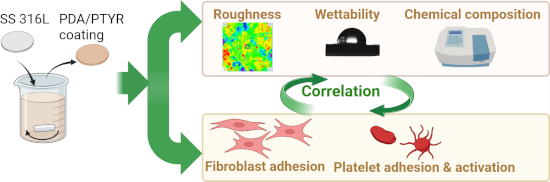
- fibrinogen, which thereby inhibited platelet adhesion and activation [22][50][52], as observed in our study in the PTYR-coated samples. Conclusion The results of our study indicated that PDA and PTYR coating layers on steel might be formed by slightly different mechanisms, which leads to distinct effects on




Ferroelectric nanodot reservoir for neuromorphic computing
Beilstein J. Nanotechnol. 2026, 17, 352–364, doi:10.3762/bjnano.17.24
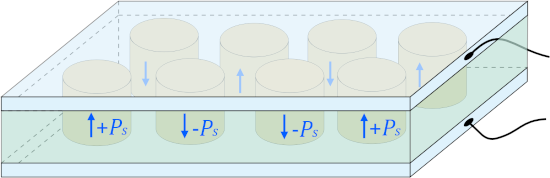
- architecture and processing mechanisms of the human brain to achieve energy-efficient and adaptive information processing [1][2][3][4][5][6]. Among various neuromorphic approaches, reservoir computing has emerged as a particularly promising paradigm, owing to its conceptual simplicity and hardware amenability
- establish the physical principles and theoretical framework of a charge-driven ferroelectric reservoir based on nanodot ensembles. We delineate the mechanisms that endow the system with nonlinearity, and high dimensionality, linking electrostatic coupling, hysteretic switching, and the resulting frustrated
- engineering compact, energy-efficient, and scalable ferroelectric platforms for neuromorphic information processing. The objectives of this work are to introduce a physically realizable reservoir architecture based on ferroelectric nanodots, to highlight the mechanisms enabling nonlinearity, fading memory


Beam shaping techniques for pulsed laser ablation in liquids: Unlocking tunable control of nanoparticle synthesis in liquids
Beilstein J. Nanotechnol. 2026, 17, 309–342, doi:10.3762/bjnano.17.22
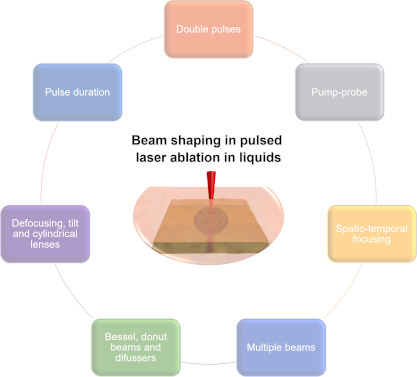
- achieved in chemical synthesis using microfluidics-based reactors [14]. PLAL mechanisms and the ablation dynamics can be described starting with the pulsed emission from the laser source [16]. The laser beam travels through the transparent liquid layer, ideally minimising energy losses due to absorption
- synthesis and the underlying optical mechanisms including its influence on ablation efficiency, size control, and colloidal stability. Refractive elements rely on the interaction of light with a transparent material with a different refractive index than air. Standard refractive optics elements such as
- lenses in PLAL can lead to the formation of nanoribbons [140], and this may be attributed to two main mechanisms. First, the initially formed Ag nanospheres could undergo nanowelding under the influence of a line-shaped light sheet produced by cylindrical focusing, leading to chain- or ribbon-like





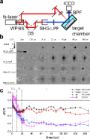


Calculation of the dynamic stiffness of a cantilever under torsional oscillation
Beilstein J. Nanotechnol. 2026, 17, 303–308, doi:10.3762/bjnano.17.21
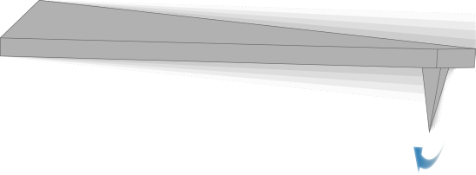
- detailed mechanisms remain not fully understood [5]. Non-contact atomic force microscopy (nc-AFM) is widely employed to investigate non-contact friction through its dissipation channel. Common techniques include pendulum AFM, bimodal AFM, and quartz tuning fork AFM [6][7][8]. Pendulum AFM uses cantilevers

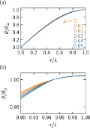
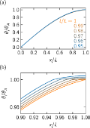
Fast vortex dynamics and relaxation times in NbRe-based heterostructures
Beilstein J. Nanotechnol. 2026, 17, 292–302, doi:10.3762/bjnano.17.20
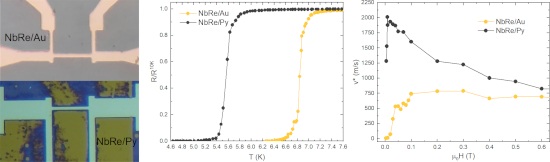
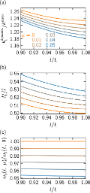
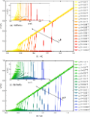
- superconducting coherence. This phenomenon, known as flux-flow instability (FFI), depends on several factors such as structural disorder and defects [3], pinning mechanisms [4][5], thermal effects [6], and sample geometry [7]. FFI is effectively described by the Larkin–Ovchinnikov (LO) model [8], which relates
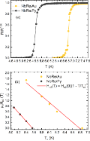
- ]. The enhancement of vortex dynamics and the reduction of τE are strongly linked to the optimization of quasiparticle relaxation mechanisms. Excited quasiparticles can relax primarily through two processes, namely thermal electron–phonon (e–ph) interaction and electron–electron (e–e) recombination [1
- /N [26][27][28][29][30] or S/F [31][32][33][34] systems, different mechanisms can influence the vortex dynamics depending on the thickness and conductivity of the capping layer. In particular, a sufficiently thick metallic overlayer may lead to a damping of vortex motion due to eddy currents induced


Advancing nanolithography: a comprehensive review of materials for local anodic oxidation with AFM
Beilstein J. Nanotechnol. 2026, 17, 275–291, doi:10.3762/bjnano.17.19
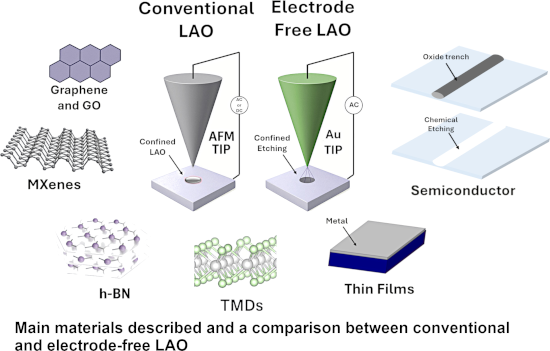
- the application of a voltage bias between a conductive AFM tip and the sample surface, resulting in localized electrochemical reactions. This section delves into the fundamental principles governing LAO, including its mechanisms, controlling factors, fabrication metrics and advancements in the
- complexities and might reduce dependency on trial-and-error methodologies. For example, numerical simulations can be employed to explore complex reaction mechanisms involved in nanomanufacturing processes at the nanoscale. This approach has recently been used to clarify the anisotropic effects observed during


Durable antimicrobial activity of fabrics functionalized with zeolite ion-exchanged nanomaterials against Staphylococcus aureus and Escherichia coli
Beilstein J. Nanotechnol. 2026, 17, 262–274, doi:10.3762/bjnano.17.18
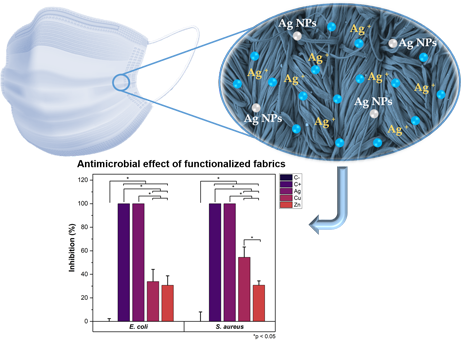
- nanoparticles act against viruses involves the interaction with the surface of the NPs, leading to adhesion and inactivation, thereby preventing the virion from entering the host cell. NPs release ions or transfer them to microorganisms, inducing oxidative stress. Given these possible mechanisms, viral
- leaves of some plants are water- or dust-repellent, and these repellent properties can be transferred to textiles by modifying the components involved in these mechanisms [24]. Among the physicochemical methods used for fabric functionalization with nanomaterials are coatings, electrospinning, assembling




Micro- and nanoscale effects in biological and bioinspired materials and surfaces
Beilstein J. Nanotechnol. 2026, 17, 214–217, doi:10.3762/bjnano.17.14
- inspiration from biological solutions for technology [3]. By studying multiscale structures and mechanisms in biological systems, biomimetics enables the translation of the fundamental principles into technological solutions for practical uses. In this context, bioinspired nanotechnology plays a vital role in
Time of flight secondary ion mass spectrometry imaging of contaminant species in chemical vapour deposited graphene on copper
Beilstein J. Nanotechnol. 2026, 17, 200–213, doi:10.3762/bjnano.17.13
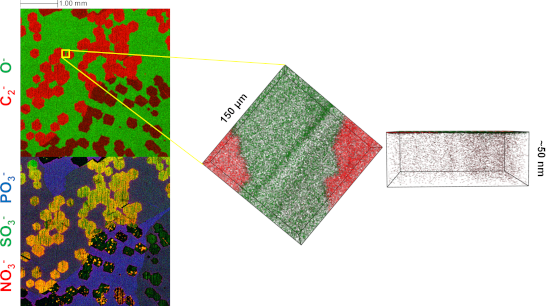
- substrate, depending on processing conditions employed and the chemical species present on the surface. This has implications for the gas permeation barrier properties of this material, graphene transfer mechanisms, as well as the effectiveness of using the oxidation of the copper foil as a rapid graphene
- directly under the graphene after post-growth exposure to atmosphere. This could have implications for better understanding transfer mechanisms that rely on oxidation of the Cu substrate [39][40], defect characterisation [41], or the heat dissipation ability of graphene on Cu [42]. Methods CVD graphene
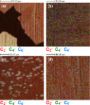
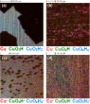
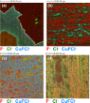
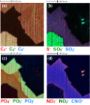
- the same areas of the samples as in Figure 1. ToF-SIMS depth profile images of graphene grown on copper foils utilising different graphene growth mechanisms from the first 50 nm of the sample, for (a) back side oxidation + Ar annealed (BO), (b) Ar:H2 annealed (Ar:H2), (c) electro-polished + Ar:H2





Structure-dependent thermochromism of PAZO thin films: theory and experiment
Beilstein J. Nanotechnol. 2026, 17, 186–199, doi:10.3762/bjnano.17.12
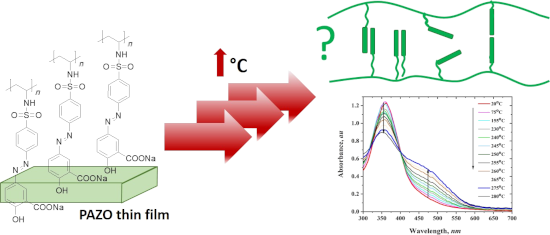
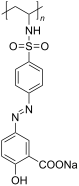
- the molecular assembly governs birefringence in PAZO remains incomplete, leaving open questions about the fundamental mechanisms driving the observed photoresponsive behavior. This knowledge gap serves as the primary motivation for the present study. Here, we investigate the optical properties of PAZO


Safe and sustainable by design with ML/AI: A transformative approach to advancing nanotechnology
Beilstein J. Nanotechnol. 2026, 17, 176–185, doi:10.3762/bjnano.17.11
- , relying on animal tests that measure outcomes such as mortality without explaining the underlying mechanisms, is effectively a “black box.” In contrast, using AI and XAI can provide mechanistic insights, leading to greater transparency for regulators and improved protection for the public [69]. Increasing
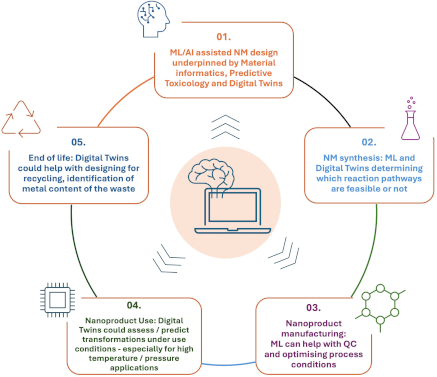
- technologies – particularly those incorporating real-time sensor data – enables adaptive feedback mechanisms that support proactive decision making. This comprehensive integration of data standards, explainable AI, and digital twins has the potential to not only optimize product development cycles but also to


From shield to spear: Charge-reversible nanocarriers in overcoming cancer therapy barriers
Beilstein J. Nanotechnol. 2026, 17, 159–175, doi:10.3762/bjnano.17.10
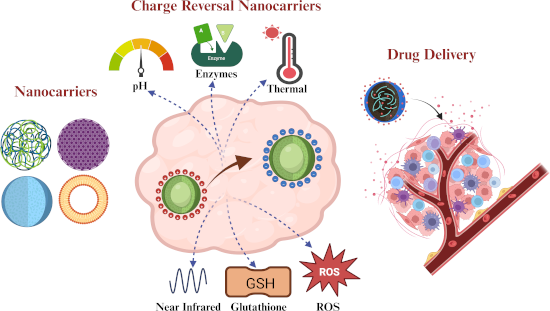
- Cancer remains a foremost global health challenge, characterized by uncontrolled cellular proliferation and the ability to invade and metastasize to distant sites. Unlike normal cells, cancer cells bypass regulatory mechanisms to form tumours and spread via lymphatic or circulatory systems, such as
- distinct edge over conventional nanocarriers, representing a significant leap toward more precise and efficient cancer treatments [16]. This review aims to present an in-depth analysis of charge-reversible nanocarriers (CRNs) in cancer treatment, emphasising their underlying mechanisms, benefits, and
- through pH-sensitive or neutral/zwitterionic designs enhances therapeutic precision, circulation stability, and biocompatibility by enabling controlled drug release while minimising immune recognition and cytotoxicity. CRNs exhibit diverse mechanisms, applications, and advantages that enhance their


Influence of surface characteristics on the in vitro stability and cell uptake of nanoliposomes for brain delivery
Beilstein J. Nanotechnol. 2026, 17, 139–158, doi:10.3762/bjnano.17.9
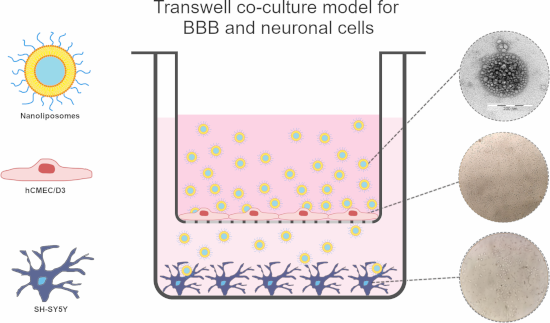
- may stem from the incomplete understanding of factors affecting the NLs optimal delivery to the central nervous system (CNS). Therefore, understanding the mechanisms of NLs transport across the BBB and the impact of NLs properties as well as the disease pathophysiology is crucial for improving
- systems behave in biological environments is limited, and further research is needed to explore the fundamental mechanisms of nano–bio interactions and develop strategies for their manipulation. In order to obtain valuable insights into the behavior of nanodelivery systems, as well as the nano–bio
- especially in the context of brain-related disorders such as Alzheimer's and Parkinson's, thus providing useful starting point for testing potential therapies and understanding disease mechanisms [12][13]. Hence, proper cell line selection and optimized experimental conditions help predicting in vivo




Development and in vitro evaluation of liposomes and immunoliposomes containing 5-fluorouracil and R-phycoerythrin as a potential phototheranostic system for colorectal cancer
Beilstein J. Nanotechnol. 2026, 17, 97–121, doi:10.3762/bjnano.17.7
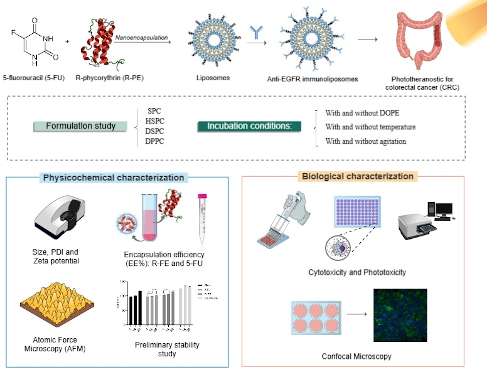
- cancer, but there are cellular mechanisms of resistance, such as membrane transporters, which lower the therapeutic response rate. However, when the treatment with 5-FU was evaluated, associated with photodynamic therapy using Foslip® as a liposomal system, it was found that this treatment was effective
- is a semi-empirical model that encompasses release profiles of drugs through polymeric chains when the governing mechanism is a combination of Fickian and non-Fickian mechanisms: where Q is the amount of dose released at time t, k is the release rate constant, and n is the exponent. 2.3.5 Atomic
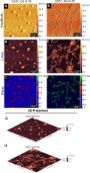
- analyses provide strong evidence of liposome functionalization. The transition from a smooth surface in HSPC-50-R-PE to a rougher HSPC-IM-R-PE topography is likely to impact biological interactions such as cellular uptake mechanisms, biodistribution, clearance by the reticuloendothelial system, and even



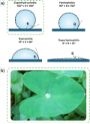
Functional surface engineering for cultural heritage protection: the role of superhydrophobic and superoleophobic coatings – a comprehensive review
Beilstein J. Nanotechnol. 2026, 17, 63–96, doi:10.3762/bjnano.17.6




Quantitative estimation of nanoparticle/substrate adhesion by atomic force microscopy
Beilstein J. Nanotechnol. 2026, 17, 1–14, doi:10.3762/bjnano.17.1

- conditions during the use of functional devices or surfaces. Future studies should focus on the effects of environmental factors, such as humidity and temperature, and the exploration of alternative NP/substrate combinations to expand the understanding of the adhesion mechanisms at the nanoscale. Schematics


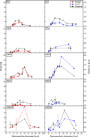

Internal 3D temperature mapping in biological systems using ratiometric light-sheet imaging and lipid-coated upconversion nanothermometers
Beilstein J. Nanotechnol. 2025, 16, 2306–2316, doi:10.3762/bjnano.16.159
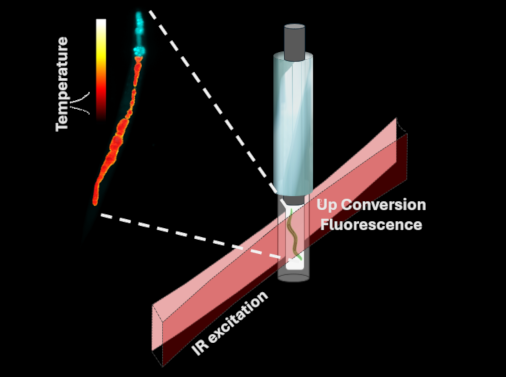
- ability to map temperature with high spatial resolution is a critical tool for probing disease mechanisms, potentially aiding in diagnostics and therapeutic evaluation. To address these limitations, luminescent nanomaterial-based thermometers (LNTs) have emerged as promising alternatives for biological


Improving magnetic properties of Mn- and Zn-doped core–shell iron oxide nanoparticles by tuning their size
Beilstein J. Nanotechnol. 2025, 16, 2285–2295, doi:10.3762/bjnano.16.157
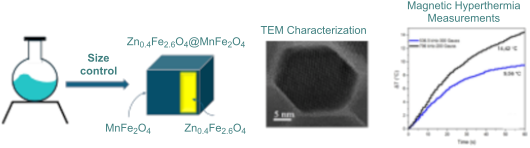
- generate heat through Brownian and Néel relaxation mechanisms [4]. The heat generation capacity of these nanoparticles is often quantified by the specific absorption rate (SAR), which represents the power dissipated as heat per gram of nanoparticles under the influence of an alternating magnetic field. The



Geometry-controlled engineering of the low-temperature proximity effect in normal metal–superconductor junctions
Beilstein J. Nanotechnol. 2025, 16, 2265–2273, doi:10.3762/bjnano.16.155
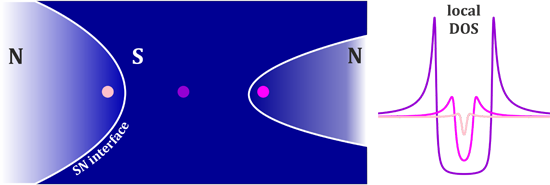
- geometric variations modify the amplitude and spatial profile of the Cooper pair wave function, as well as the effective barrier potential at the interface. These geometric effects influence the balance between Andreev reflection and quasiparticle scattering, modulate pair-breaking mechanisms, and thus


Chiral plasmonic nanostructures fabricated with circularly polarized light
Beilstein J. Nanotechnol. 2025, 16, 2245–2264, doi:10.3762/bjnano.16.154
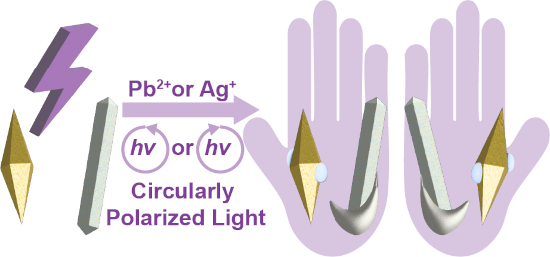
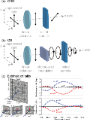
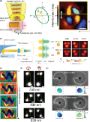
- cPNSs. As a traceless chiral agent, CPL holds great potential for integration with nanofabrication technologies. In this review, we will summarize the progress made in fabricating cPNSs using CPL. We will discuss the mechanisms involved in the CPL-based fabrication process and share our insights
- the advances in the fabrication of cPNSs using CPL. Section 1 will present a brief background that summarizes representative fabrication technologies for cPNSs, which employ various strategies. Section 2 will explore the mechanisms by which CPL leads to the formation of cPNSs and summarize the





Optical bio/chemical sensors for vitamin B12 analysis in food and pharmaceuticals: state of the art, challenges, and future outlooks
Beilstein J. Nanotechnol. 2025, 16, 2207–2244, doi:10.3762/bjnano.16.153
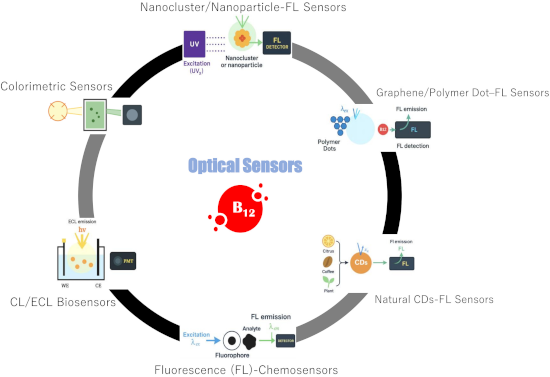
- use, affordability, and enhanced performance [29][30]. The current study critically reviews the newest findings on the mechanisms and designing principles of different optical sensing systems for sensitive and selective detection of VB12 in various media and real-world samples. Present limitations and
- (e.g., metformin) and bile acid sequestrants (e.g., cholestyramine), and patients with inherited disorders such as deficiency of the non-glycosylated protein of transcobalamin II (TC-II) [2][10][45][46][47][48]. Pathways of vitamin B12 absorption and metabolism Two principal mechanisms exist for the





