Search results
Search for "metal ion" in Full Text gives 99 result(s) in Beilstein Journal of Nanotechnology.
Spindle-like MIL101(Fe) decorated with Bi2O3 nanoparticles for enhanced degradation of chlortetracycline under visible-light irradiation
Beilstein J. Nanotechnol. 2022, 13, 1038–1050, doi:10.3762/bjnano.13.91
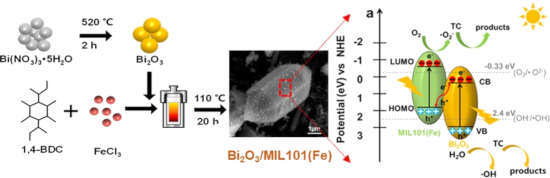
- efficient photocatalysts for CTC degradation. Metal–organic frameworks (MOFs) are a kind of micro- or mesoporous materials established by the self-assembly of organic linkers and metal-cluster or metal-ion nodes [19]. The MOF materials possess large surface areas, high pore volume, tunability, uniform


Recent advances in nanoarchitectures of monocrystalline coordination polymers through confined assembly
Beilstein J. Nanotechnol. 2022, 13, 763–777, doi:10.3762/bjnano.13.67
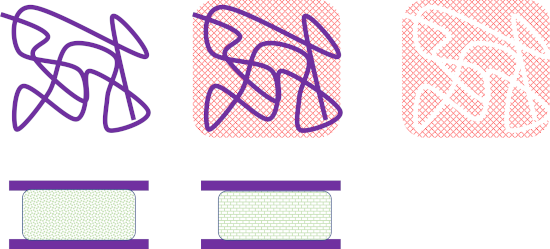
- -layer growth technique coupled with the Langmuir–Blodgett method [143]. Both out-of-plane and in-plane orientations could be realized by using only two simple components (free-base porphyrin molecular building blocks and metal-ion joints without using pillaring units), suggesting the possibility to






Interfacial nanoarchitectonics for ZIF-8 membranes with enhanced gas separation
Beilstein J. Nanotechnol. 2022, 13, 313–324, doi:10.3762/bjnano.13.26
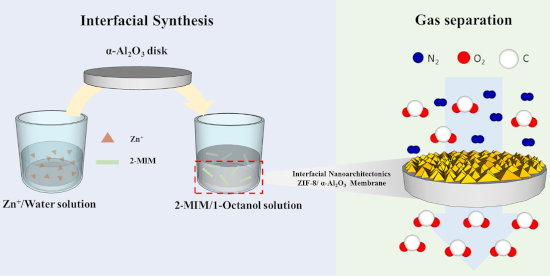
- usually separates the metal ion and ligand solutions by a porous substrate, and crystallization occurs within the substrate. Since the diffusion rates of metal ions and ligands are usually different due to different interactions with the substrate, the resultant membranes are likely to contain defects. In


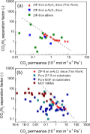
Relationship between corrosion and nanoscale friction on a metallic glass
Beilstein J. Nanotechnol. 2022, 13, 236–244, doi:10.3762/bjnano.13.18
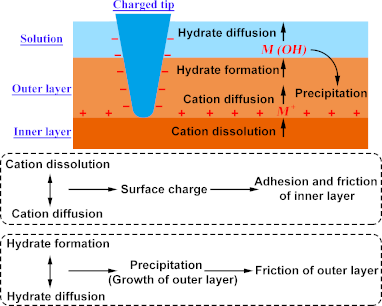
- buffer, the ion transfer is limited by the dissolution rate. Anodic polarization in phosphate buffer with its stronger metal ion dissolution leads to an accumulation of cations on the surface and, thus, to a higher surface charge. In NaCl solution, adhesion increases with immersion time, indicating an


Low-energy electron interaction and focused electron beam-induced deposition of molybdenum hexacarbonyl (Mo(CO)6)
Beilstein J. Nanotechnol. 2022, 13, 182–191, doi:10.3762/bjnano.13.13
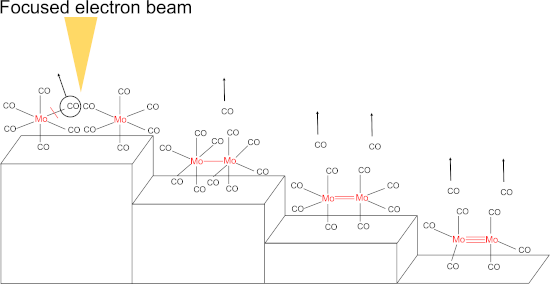
- molybdenum. It shows the formation of the molecular ion and a progression of CO ligand loss upon electron impact. In this progression, the loss of all six CO groups, that is, the formation of the bare metal ion, Mo+, is also observed with appreciable intensity. Such sequential CO loss is commonly observed in


A comprehensive review on electrospun nanohybrid membranes for wastewater treatment
Beilstein J. Nanotechnol. 2022, 13, 137–159, doi:10.3762/bjnano.13.10
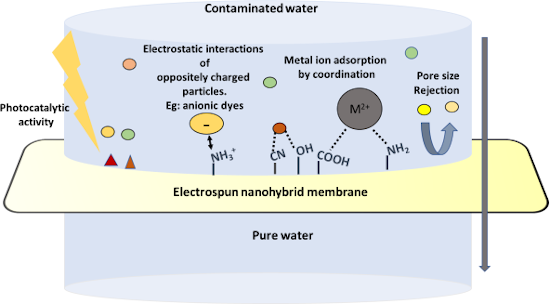
- metals and other cations, electrospun membranes have been recognized as a promising solution. Most metal ion removing membranes interact with the targeted ions through ionic interactions via functional groups, such as hydroxy groups, carboxyl groups, amino groups, and ester groups, on the membrane
- surface. Hence, a high surface area and the ability to generate abundant functional group at the surface of the membrane makes electrospun membranes the perfect candidate for metal ion removal. CS is one of the most commonly used electrospun natural polymers in heavy metal ion removal. Amine functional




Self-assembly of amino acids toward functional biomaterials
Beilstein J. Nanotechnol. 2021, 12, 1140–1150, doi:10.3762/bjnano.12.85
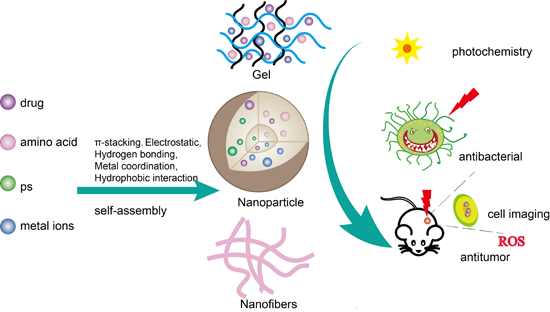
- advances in the field of amino acid self-assembly. In this review, we highlight the latest advances in amino acid self-assembly. These self-assembly methods mainly focus on single amino acid self-assembly, modified amino acid self-assembly, amino acid and metal ion coordination self-assembly, and amino
- encapsulated in the Cys/Zn framework as a guest molecule to obtain the original pigment model, which can achieve methyl violet (MV2+) photoreduction, CO2 photoreduction, NADH formation, and hydrogen release [60]. In addition, histidine has site-specific metal ion coordination with an imidazole ring [61]. Han

Progress and innovation of nanostructured sulfur cathodes and metal-free anodes for room-temperature Na–S batteries
Beilstein J. Nanotechnol. 2021, 12, 995–1020, doi:10.3762/bjnano.12.75
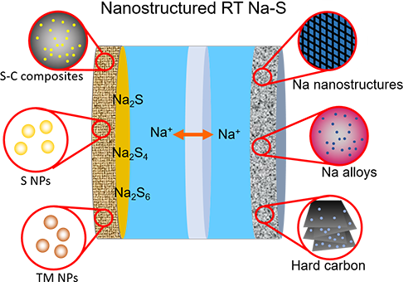
- available anode and cathode materials are sought. Table 1 lists some abundant metals as anode materials with high capacity and reduction potential values that are explored in metal-ion batteries [7][8][9]. Besides sodium as alternative anode material, also sulfur as abundant cathode material has emerged due




Modification of a SERS-active Ag surface to promote adsorption of charged analytes: effect of Cu2+ ions
Beilstein J. Nanotechnol. 2021, 12, 902–912, doi:10.3762/bjnano.12.67
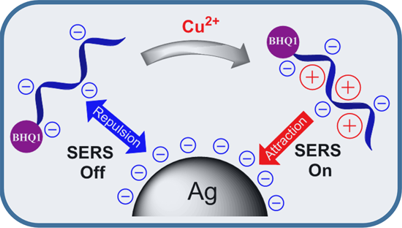
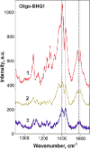
- ) were used as a probe analyte. The solutions were drop-cast onto the substrate (ca. 100 µL/cm2), and dried at room temperature. In the case of metal ion addition, 5 mM of the corresponding sulfate was added to the analyte solution. SERS acquisitions parameters The SERS spectra were obtained in back


Nanogenerator-based self-powered sensors for data collection
Beilstein J. Nanotechnol. 2021, 12, 680–693, doi:10.3762/bjnano.12.54
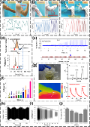
- ]. (c) Relationship between wave height and transferred charges under different accelerations [12]. (d) Output voltage of the self-powered tribonanosensor under different heavy metal ion concentrations [16]. Figure 5d was reproduced from [16]. Copyright © 2016 WILEY‐VCH Verlag GmbH & Co. KGaA, Weinheim
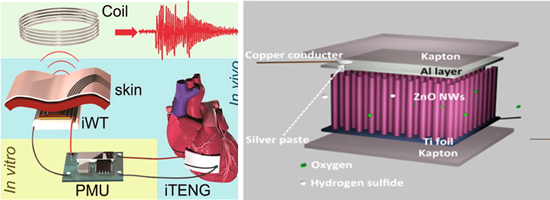
- . Lee et al. proposed a based Hg2+ ion sensor based on ZnO nanowires and carbon nanotubes for detecting toxic pollutants [17]. The ZnO nanowire (NW) array acted as power source. When Hg2+ ions were detected, the system powered a light-emitting diode (LED). Li et al. designed a self-powered heavy metal
- ion triboelectric nanosensor [16]. By adding three ligand molecules to the surface of nanoporous anodic aluminum oxide, the detection sensitivity for Cu2+, Pb2+, and Cr3+ reached 0.005 × 10⁻⁶, 0.003 × 10⁻⁶, and 0.004 × 10⁻⁶ M, respectively. The self-powered tribo-nanosensor generates different output




A review on nanostructured silver as a basic ingredient in medicine: physicochemical parameters and characterization
Beilstein J. Nanotechnol. 2021, 12, 440–461, doi:10.3762/bjnano.12.36
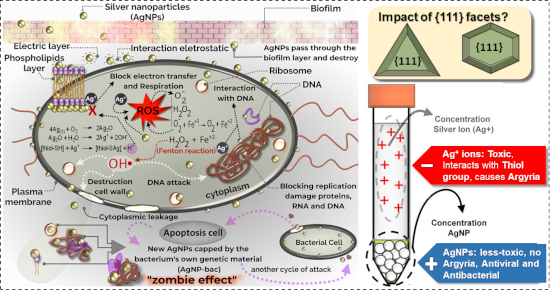
- studying other forms of AgNPs besides the spherical ones, which are the most common [139]. Typically, the metal ion reduction reaction can be explained by the oxidation of two molecules of acetaldehyde produced by the dehydration of ethylene glycol (EG), as described in Equation 3 [104]: In summary, the


ZnO and MXenes as electrode materials for supercapacitor devices
Beilstein J. Nanotechnol. 2021, 12, 49–57, doi:10.3762/bjnano.12.4
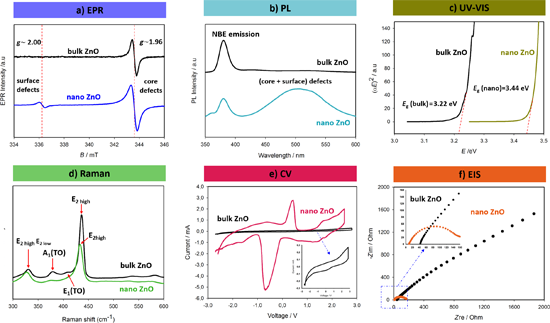
- are still too low compared to carbonaceous electrodes. Nanoscale dimensions, the increase of the surface-defect concentration, and metal-ion doping may play a vital role in increasing specific capacitance values as well as cycle life and in mitigating degradation problems. Recently, valuable
Unravelling the interfacial interaction in mesoporous SiO2@nickel phyllosilicate/TiO2 core–shell nanostructures for photocatalytic activity
Beilstein J. Nanotechnol. 2020, 11, 1834–1846, doi:10.3762/bjnano.11.165
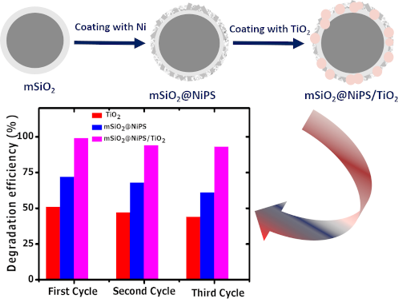
- recombination, leading to faster charge transport and photodegradation. Typically, the photocatalytic degradation efficacy of TiO2 depends on the surface area and metal-ion doping on the surface. Metal-ion doping of TiO2 influences its interfacial charge-transfer properties [51]. Differences in


Imaging and milling resolution of light ion beams from helium ion microscopy and FIBs driven by liquid metal alloy ion sources
Beilstein J. Nanotechnol. 2020, 11, 1742–1749, doi:10.3762/bjnano.11.156
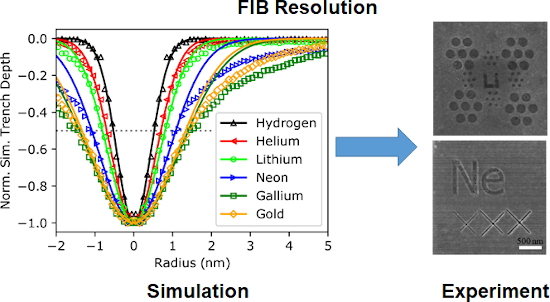
- ]. Currently, the majority of such instruments use a gallium liquid metal ion source (Ga-LMIS), but the demand in research as well as in the industry for other ion species is increasing permanently. Today, nearly half of the elements of the periodic table are demonstrated to be usable in FIB applications [2


Adsorption and self-assembly of porphyrins on ultrathin CoO films on Ir(100)
Beilstein J. Nanotechnol. 2020, 11, 1516–1524, doi:10.3762/bjnano.11.134
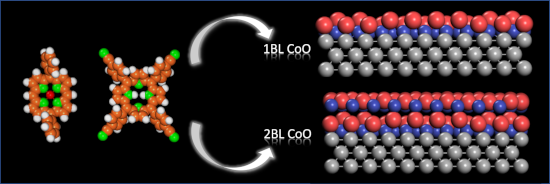
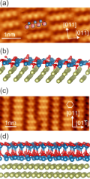
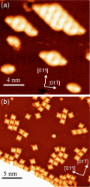
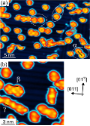
- involved aromatic systems. Similar values are found on the metal surfaces. The details of these compact structures on different substrates are therefore regulated by the substrate lattice. Furthermore, similar to what is observed for many metal substrates, the central metal ion of the molecule is not




Antimicrobial metal-based nanoparticles: a review on their synthesis, types and antimicrobial action
Beilstein J. Nanotechnol. 2020, 11, 1450–1469, doi:10.3762/bjnano.11.129
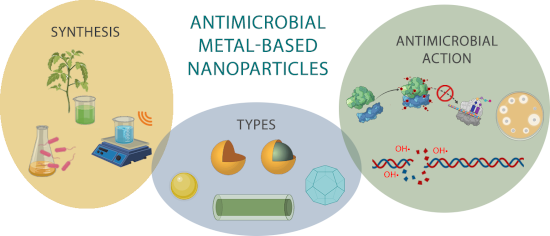
- simpler way without major equipment requirements. Mechanisms of antimicrobial action The exact antibacterial mechanisms of NPs are being exhaustively investigated and some processes have been elucidated, including oxidative stress induction, metal ion release, and non-oxidative damage, which affect
- bacteria in the presence of MeO NPs have confirmed that oxidative damage and metal ion release are not exclusive antimicrobial mechanisms [155]. Critical cellular processes related to the proteins, including amino acid, carbohydrate, and nucleotide metabolisms, are significantly reduced, leading to cell
- death. The combination of oxidative stress, metal ion release, and non-oxidative damage affects cell structures upon NP exposure in several ways. In the following sections, these cell damage cases will be briefly explained. Cell wall damage The bacterial cell wall provides rigidity, shape, and


An atomic force microscope integrated with a helium ion microscope for correlative nanoscale characterization
Beilstein J. Nanotechnol. 2020, 11, 1272–1279, doi:10.3762/bjnano.11.111
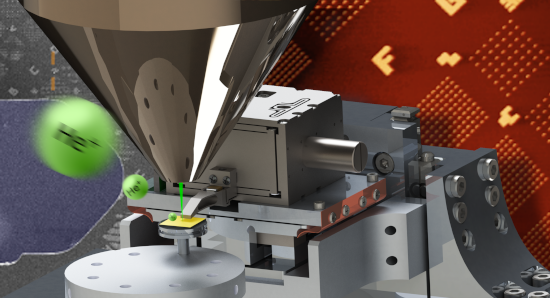
- SEM in terms of lateral resolution, depth of field, surface sensitivity, and ability to image electrically insulating samples [13]. Furthermore, nanoscale structuration with noble gas ions can yield sub-10 nm structures without unwanted metal ion implantation, a sizeable advantage over traditional


Ultrasensitive detection of cadmium ions using a microcantilever-based piezoresistive sensor for groundwater
Beilstein J. Nanotechnol. 2020, 11, 1242–1253, doi:10.3762/bjnano.11.108
- , cement manufacturing units, electroplating industry, manufacturing units of PVC, Ni–Cd batteries, fertilizers, pesticides, photovoltaic devices, soil, and sediments. Cadmium is a highly toxic heavy metal ion (HMI). Cadmium poisoning may cause fatigue, headaches, nausea, vomiting, abdominal cramps, bone
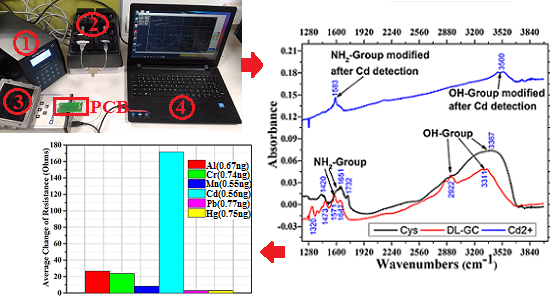
- ) were used for the experiments. The flow rate was kept constant at 30 μL/min during the experiments. Before the measurement, DI water was used to stabilize the microcantilever in a liquid environment for a period of 7 min. Subsequently, the different heavy metal ion solutions were injected separately
- the microcantilever for a period of 7 min. The change of piezoresistance remained constant during this period. When the different heavy metal ion solutions (except Cd(II)) were injected after 7 min, the change in piezoresistance was minimal (5–30 Ω). When cadmium ions were injected after 7 min, the






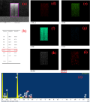
Gas sorption porosimetry for the evaluation of hard carbons as anodes for Li- and Na-ion batteries
Beilstein J. Nanotechnol. 2020, 11, 1217–1229, doi:10.3762/bjnano.11.106
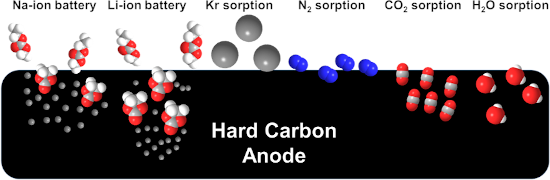
- -ku, Nagoya 464-8601, Japan 10.3762/bjnano.11.106 Abstract Hard carbons are promising candidates for high-capacity anode materials in alkali metal-ion batteries, such as lithium- and sodium-ion batteries. High reversible capacities are often coming along with high irreversible capacity losses during


Soybean-derived blue photoluminescent carbon dots
Beilstein J. Nanotechnol. 2020, 11, 606–619, doi:10.3762/bjnano.11.48
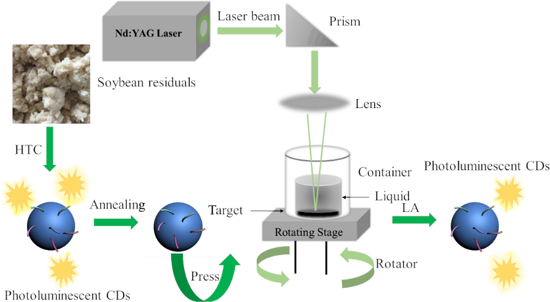
- wavelength [7], and low cost [8]. CDs have been considered as a group of important nanomaterials with potential applications in nanotechnology [9], electrocatalysis [10], metal-ion detection [2], thermal sensing [11], drug delivery [12], and biosensing and bioimaging [1]. Several methods are available for


Luminescent gold nanoclusters for bioimaging applications
Beilstein J. Nanotechnol. 2020, 11, 533–546, doi:10.3762/bjnano.11.42
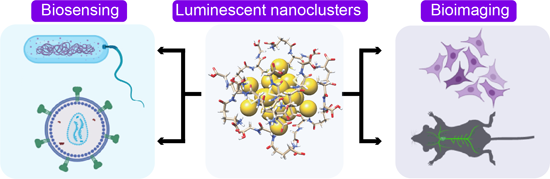
- rapid detection and the development of new immunoassays. Imaging and labeling mammalian cell lines Beyond their antibacterial effect and pathogen sensing, the surface functionalities of NCs allow for selective labeling for the detection of biomolecules, intracellular metal ion sensing, live-cell imaging


Molecular architectonics of DNA for functional nanoarchitectures
Beilstein J. Nanotechnol. 2020, 11, 124–140, doi:10.3762/bjnano.11.11
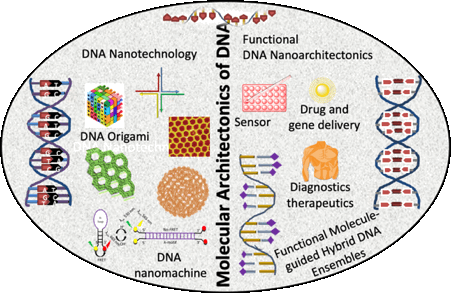
- bonding-mediated base pairing geometry is conditional on the conformation of the glycoside bonds and interactive hydrogen bonding sites. Apart from WC hydrogen bonding, unconventional hydrogen bonding, electrostatic, and metal ion interactions play a significant role in the formation of noncanonical DNA
- short oligonucleotides supported by canonical and noncanonical hydrogen bonding interactions. Apart from hydrogen bonding, aromatic π–π stacking, electrostatic, metal ion, and host–guest interactions facilitate the molecular coassembly of SFMs and short oligonucleotides. The π-conjugated arylenediimides


Toxicity and safety study of silver and gold nanoparticles functionalized with cysteine and glutathione
Beilstein J. Nanotechnol. 2019, 10, 1802–1817, doi:10.3762/bjnano.10.175
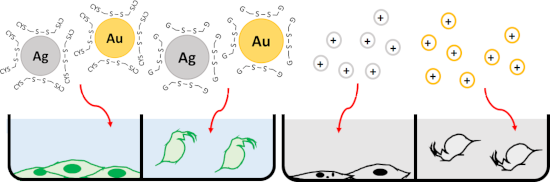
- concentration of 25 mg Ag L−1 would release only 0.2 mg Ag+ L−1 in the cell culture media, the concentration of ionic Ag that is non-toxic to L929 cells. Thus, the toxicity mechanism is much more complicated than a simple metal ion release in cell culture media. The cellular internalization of NPs by active


Highly ordered mesoporous silica film nanocomposites containing gold nanoparticles for the catalytic reduction of 4-nitrophenol
Beilstein J. Nanotechnol. 2019, 10, 1368–1379, doi:10.3762/bjnano.10.135
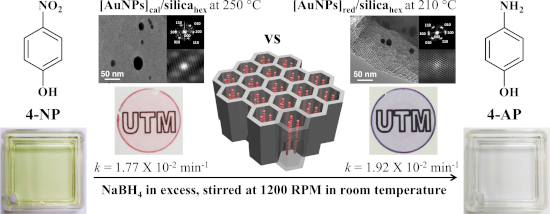
- complex ([Au3Pz3]C10TEG) as a self-assembled template. Indeed, the resulting mesostructured silica nanocomposites not only exhibited perfect self-repairing properties, but also worked as a metal ion sensor [26] with excellent phosphorescent sensing and temperature imaging capabilities [27]. Hence, it is


Scavenging of reactive oxygen species by phenolic compound-modified maghemite nanoparticles
Beilstein J. Nanotechnol. 2019, 10, 1073–1088, doi:10.3762/bjnano.10.108
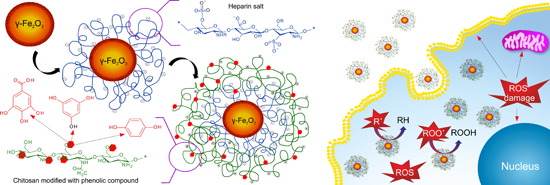
- catalyzed by metal-ion cofactors, such as iron, copper, zinc, and manganese [3]. The non-enzymatic antioxidant defense uses glutathione, vitamins C and E, melatonin, catecholamines, and substances of plant origin, such as phenols and carotenoids, to interrupt undesirable ROS action. Phenolic compounds are