


Search results
Search for "methanol" in Full Text gives 296 result(s) in Beilstein Journal of Nanotechnology. Showing first 200.
Insights into the electronic and atomic structures of cerium oxide-based ultrathin films and nanostructures using high-brilliance light sources
Beilstein J. Nanotechnol. 2025, 16, 860–871, doi:10.3762/bjnano.16.65

- methods [30][31][32]. Initial studies were performed by exposing the surface of interest to the chosen molecule at UHV-compatible pressures. The interaction between cerium oxide and, for example, CO [21][33], SO2 [34], methanol [32], ethanol [35], and water [36] have been considered. The higher energy
- on Pt NPs supported on ceria were compared with the ones observed on a Pt(111) surface [31]. The oxide-supported NPs were shown to have an enhanced reactivity and additional reaction pathways [31]. Regarding the same system, the efficient decomposition of methanol and the resistance to poisoning have
- rationalized the observed high activity of the material in direct methanol fuel cells [37]. Regarding the Ni-CeO2−x(111) system, a study of the methanol reaction revealed that the strong metal–support interactions between Ni and CeO2 determines the high selectivity for CO2 production, instead of the formation


Morphology and properties of pyrite nanoparticles obtained by pulsed laser ablation in liquid and thin films for photodetection
Beilstein J. Nanotechnol. 2025, 16, 785–805, doi:10.3762/bjnano.16.60
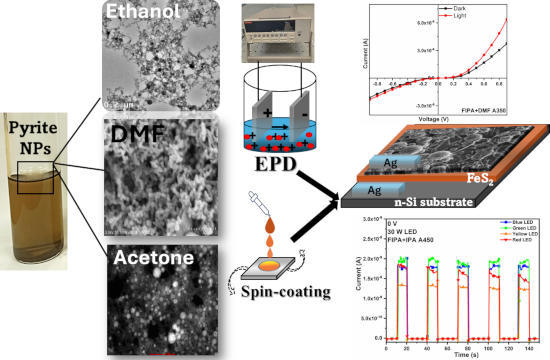
- synthesize pyrite nanoparticles in various solvents, including isopropyl alcohol (IPA), dimethyl formamide (DMF), ethanol, methanol, and acetone, using a 532 nm wavelength output from a Nd:YAG laser. Pulsed laser ablation in liquid has been demonstrated as a reliable alternative to conventional chemical
- % pure, Beijing Goodwill Metals, China) was placed in a 250 mL beaker with 25 mL of solvent (IPA, DMF, ethanol, methanol, and acetone – all from Fermont, 99.9% pure, analytical grade). The FeS2 target surface was polished and washed each time using the respective solvent for ablation to get rid of any
- nanocolloids obtained in different solvents are shown in Supporting Information File 1, Figure S1. The NPs of FeS2 in IPA are referred to as FIPA, in DMF as FDMF, in ethanol as FET, in methanol as FMET, and in acetone as FAC. Morphology and composition of the nanoparticles obtained in all solvents are analyzed






Synthesis of a multicomponent cellulose-based adsorbent for tetracycline removal from aquaculture water
Beilstein J. Nanotechnol. 2025, 16, 728–739, doi:10.3762/bjnano.16.56
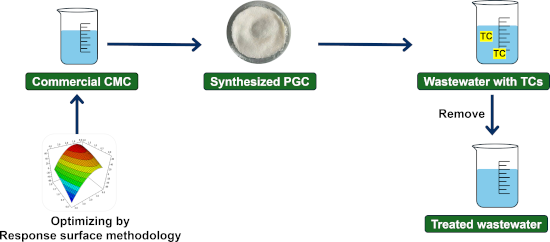
- ), were used as reference antibiotics in this study. Additional reagents included ciprofloxacin and enrofloxacin (both from Pharmaceutical Joint Stock Company of February 3rd, Vietnam), methanol (Merck, Germany), sodium carboxymethyl cellulose (Zhanyun, China), PVA (95.5–96.5% hydrolyzed, MW ≈ 85,000


Polyurethane/silk fibroin-based electrospun membranes for wound healing and skin substitute applications
Beilstein J. Nanotechnol. 2025, 16, 591–612, doi:10.3762/bjnano.16.46
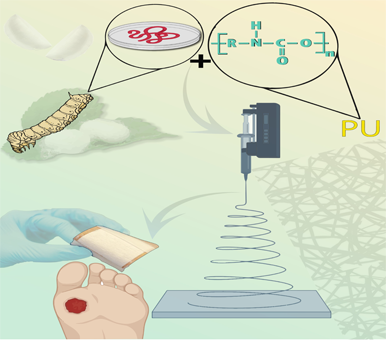
- crystalline), whereas random globules make up the amorphous region [80]. Silk I with α-helical structure can be turned into silk II with β-sheets through shearing, spinning, heating, or by using methanol or ethanol solvents; this transition is considered irreversible [81]. Triple helices of collagen and β



Fabrication and evaluation of BerNPs regarding the growth and development of Streptococcus mutans
Beilstein J. Nanotechnol. 2025, 16, 308–315, doi:10.3762/bjnano.16.23
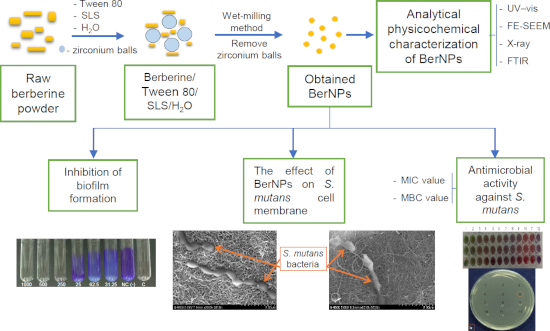
- . Powder BerNPs were obtained by the freeze-drying for 48 h at −55 °C under vacuum. Physicochemical characterization of BerNPs The specific adsorption peak of BerNPs was determined by UV–vis absorption spectroscopy in a wavelength range from 200 to 600 nm after dilution in methanol. The berberine




Enhancing mechanical properties of chitosan/PVA electrospun nanofibers: a comprehensive review
Beilstein J. Nanotechnol. 2025, 16, 286–307, doi:10.3762/bjnano.16.22

- insoluble in water, alkali, and most mineral acid systems. Additionally, chitosan is soluble in mixtures of water, methanol, ethanol, and acetone [52], making it feasible for the electrospinning process. Unbound amino groups make chitosan a positively charged polyelectrolyte in acidic media, resulting in


Mechanistic insights into endosomal escape by sodium oleate-modified liposomes
Beilstein J. Nanotechnol. 2024, 15, 1667–1685, doi:10.3762/bjnano.15.131
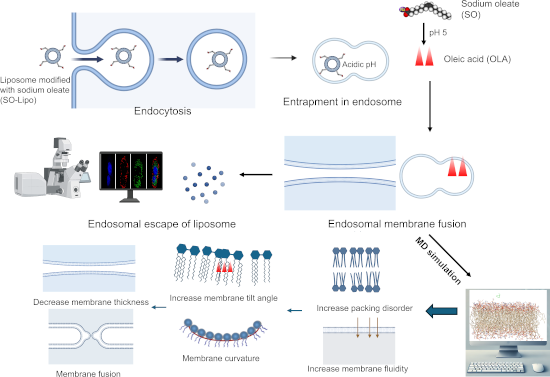
- medium. This approach ensures the anchorage of the peptide to the liposome membrane surface. Synthesis of the liposomal formulations was conducted via a refined thin-film hydration technique, as inspired by existing protocols [34]. Initially, the lipids were dissolved in a chloroform and methanol





A biomimetic approach towards a universal slippery liquid infused surface coating
Beilstein J. Nanotechnol. 2024, 15, 1376–1389, doi:10.3762/bjnano.15.111
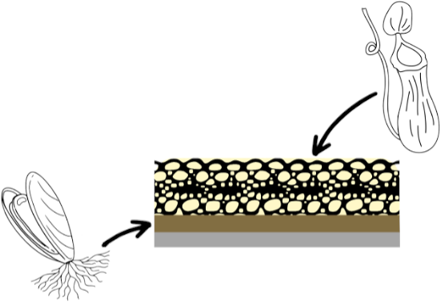
- methanol for 20 min [30]. All substrates were then dried under a stream of nitrogen and sealed until use. The cleaned substrates were then immersed in dopamine hydrochloride (Sigma-Aldrich, St. Louis, MO) at a concentration of 2 mg/mL for 24 h in a 10 mM Trizma base (Sigma-Aldrich, St. Louis, MO) solution


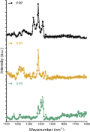


Green synthesis of carbon dot structures from Rheum Ribes and Schottky diode fabrication
Beilstein J. Nanotechnol. 2024, 15, 1369–1375, doi:10.3762/bjnano.15.110
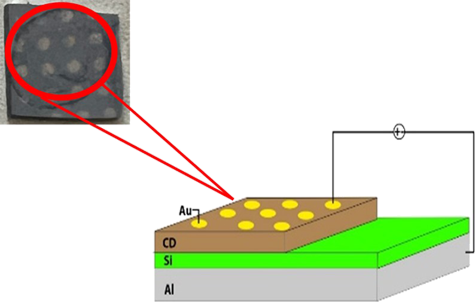
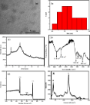
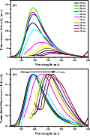
- dried to synthesize CDs. Acetone, methanol, silicon, gold powder, and aluminum were purchased from Sigma-Aldrich, Merck, and Alfa Aesar. All studies were carried out at room temperature. Instruments Various devices were used for the structural, morphological, and optical characterization of the CDs. FEI
- substrate was cut to approximately 1 cm2 in size and cleaned by washing it in acetone, methanol, and pure water for 10 min each. An ohmic contact was made with aluminum on the cleaned sample at 1 × 10⁻⁷ Torr vacuum in a PVD thermal evaporation device. Approximately 30 μL of the CDs stock solution was taken



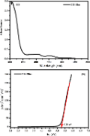

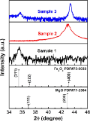
The role of a tantalum interlayer in enhancing the properties of Fe3O4 thin films
Beilstein J. Nanotechnol. 2024, 15, 1253–1259, doi:10.3762/bjnano.15.101

- ) substrates were prepared by immersing them in a methanol bath at a temperature of 60 °C and drying them in N2 gas flow. Subsequently, the purified substrates were moved into an ultrahigh vacuum (UHV) chamber and underwent a pre-heating process at 600 °C for 30 min in order to eliminate any remaining
- impurities. The SiO2/Si(100) substrates were immersed in acetone and 2-propanol for a duration of 2 min in an ultrasonic bath. Subsequently, they were immersed in a solution of methanol at a temperature of 60 °C and then dried in N2 gas flow. A 5 nm thick layer of tantalum was deposited on a SiO2/Si(100


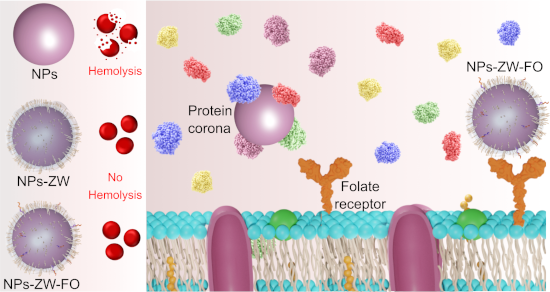
Dual-functionalized architecture enables stable and tumor cell-specific SiO2NPs in complex biological fluids
Beilstein J. Nanotechnol. 2024, 15, 1238–1252, doi:10.3762/bjnano.15.100
- proteins in the cell lysate, 20 μg of total protein per sample was mixed with Laemmli buffer with DTT (50 mM) and separated by an SDS-PAGE assay. Proteins were transferred to a nitrocellulose membrane (Bio-Rad transfer system) using transfer buffer (2.5 mM TrisHCl, 20 mM glycine, 0.01% SDS and 20% methanol


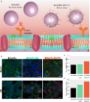
Synthesis, characterization and anticancer effect of doxorubicin-loaded dual stimuli-responsive smart nanopolymers
Beilstein J. Nanotechnol. 2024, 15, 1189–1196, doi:10.3762/bjnano.15.96
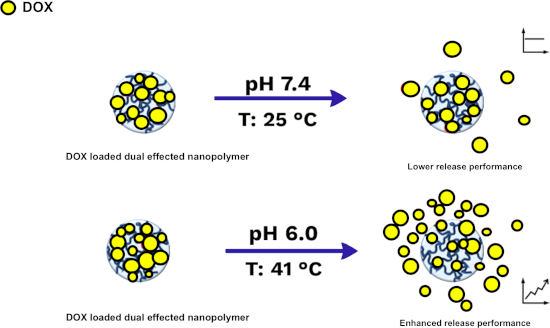
- buffer/methanol 1/1, v/v, pH 6.0). The loading of DOX happened very swiftly at low concentrations because of the high surface area of the obtained nanostructures (Figure 4A). The DOX loading capacity of nanopolymers was 773 mg/g nanopolymer. Besides, a high loading of 79.08% of DOX molecules was obtained


Photocatalytic methane oxidation over a TiO2/SiNWs p–n junction catalyst at room temperature
Beilstein J. Nanotechnol. 2024, 15, 1132–1141, doi:10.3762/bjnano.15.92
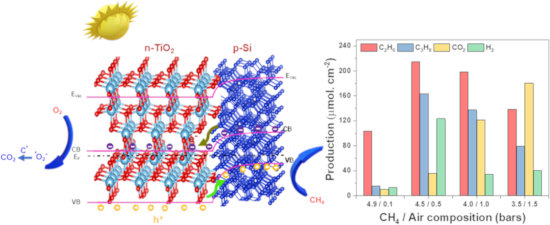
- valuable products such as formaldehyde (HCHO), methanol (CH3OH), and other value-added oxygenates, which serve as essential precursors in various manufacturing and production processes [18][19]. The n-type semiconductor titanium dioxide (TiO2) has been discovered as a potential photocatalyst material


Therapeutic effect of F127-folate@PLGA/CHL/IR780 nanoparticles on folate receptor-expressing cancer cells
Beilstein J. Nanotechnol. 2024, 15, 954–964, doi:10.3762/bjnano.15.78
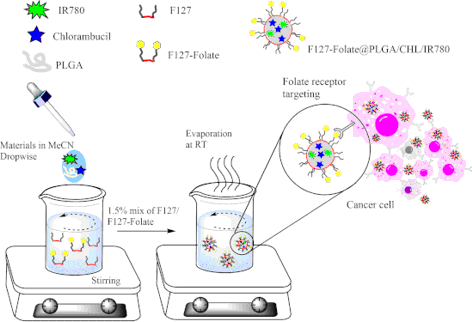
- and weighed in small quantities. After dissolving the powder in acetonitrile (20 μL), it was precipitated in methanol (100 μL). Using a NanoDrop OneC apparatus (Thermal Scientific), the drug concentration in F127-folate@PLGA/CHL/IR780 was measured at 258 nm for CHL and 780 nm for IR780. Then, the drug



Electrospun nanofibers: building blocks for the repair of bone tissue
Beilstein J. Nanotechnol. 2024, 15, 941–953, doi:10.3762/bjnano.15.77
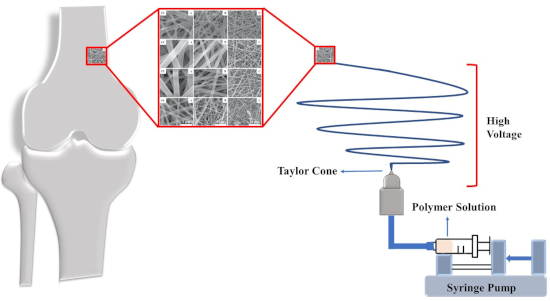
- of the nanofiber. Therefore, shorter spinning distances should be used when working with highly volatile solvents [35]. The most commonly used solvents in electrospinning polymeric nanofibers are methanol, acetone, acetic acid, dichloromethane, dimethylformamide, ethyl acetate, trifluoroethanol


Laser synthesis of nanoparticles in organic solvents – products, reactions, and perspectives
Beilstein J. Nanotechnol. 2024, 15, 638–663, doi:10.3762/bjnano.15.54
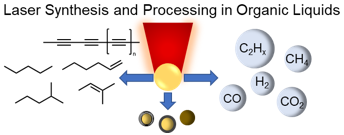
- nanoparticles [75][76]. Beyond the formation of carbon monoxide, the direct reduction of permanent solutes in liquids via LRL, sometimes termed laser bubbling in liquid (LBL), has been demonstrated recently for alternative reactants, such as hydrogen extraction from ammonia [77] or methanol [78], and direct
- and the hydroxyl group forms the initial Au–H adduct needed for the catalytic reaction. Other alcohols, such as methanol or propanol, did not lead to carbyne formation during the experiments [139]. Condorelli et al. were able to synthesize carbon-encapsulated Pt nanoparticles by RLAL of graphite in a
- nanoparticle diameter dNP and correlated it successfully with experimental results (Figure 11a) [54]. Choi and Jung performed further investigations regarding the carbon solubility in the metal by ablating Au in methanol, n-hexane, acetonitrile, and water. They performed acid resistance tests to confirm the





Cholesterol nanoarchaeosomes for alendronate targeted delivery as an anti-endothelial dysfunction agent
Beilstein J. Nanotechnol. 2024, 15, 517–534, doi:10.3762/bjnano.15.46
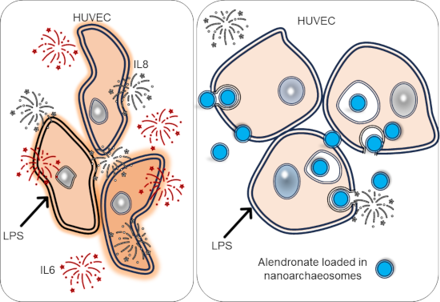
- that aim, blends of lipids were dissolved in chloroform/methanol 1:1 v/v, and the solvents were rotary-evaporated until complete removal. The lipid films were flushed with N2 and hydrated with Tris buffer (10 mM Tris-HCl buffer pH 7.4 with NaCl 0.9% w/w) to obtain the void nanovesicles or 14 mg/mL ALN
- of 1 volume of nanovesicles in 10 volumes of methanol. The fluorescence intensity of the sample was compared with a standard curve prepared with RhPE in methanol. The standard curve was linear in the range of 0.075–0.5 μg/mL RhPE. Cells and culture conditions Human umbilical vein endothelial cells





Fabrication of nanocrystal forms of ᴅ-cycloserine and their application for transdermal and enteric drug delivery systems
Beilstein J. Nanotechnol. 2024, 15, 465–474, doi:10.3762/bjnano.15.42
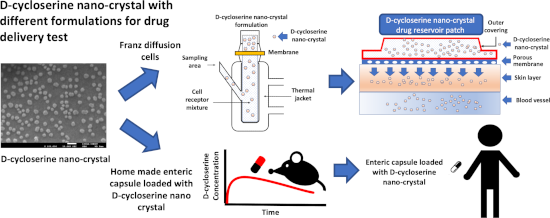
- with methanol and then analyzed by LC-MS/MS. In vivo pharmacokinetic study of the enteric formulation The study protocol and the standard operating procedures (SOPs) were reviewed and approved by the Institutional Animal Care and Use Committee (IACUC) of Eurofins. All aspects of this study including


Nanocarrier systems loaded with IR780, iron oxide nanoparticles and chlorambucil for cancer theragnostics
Beilstein J. Nanotechnol. 2024, 15, 180–189, doi:10.3762/bjnano.15.17
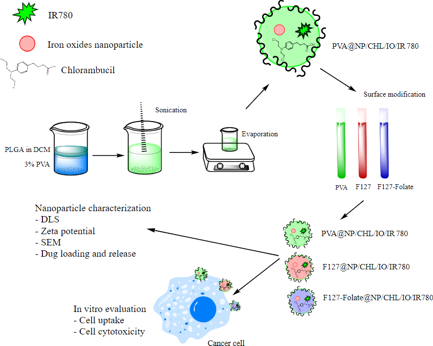
- HPLC 1200 and NanoDrop OneC (Thermoscientific, USA). In brief, a small amount of freeze-dried NPs was weighted and dissolved in 20 μL of acetonitrile. Then, 80 μL of methanol was added to extract the drug. The mixture was centrifuged at 12,000 rpm for 30 min, and the supernatant was kept for drug


Assessing phytotoxicity and tolerance levels of ZnO nanoparticles on Raphanus sativus: implications for widespread adoptions
Beilstein J. Nanotechnol. 2024, 15, 115–125, doi:10.3762/bjnano.15.11
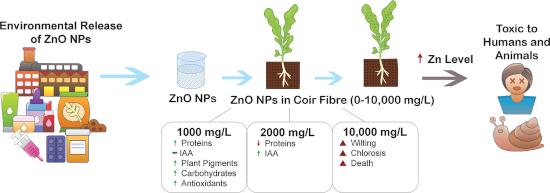
- content Leaf samples (300 mg of young leaves) were obtained, freeze-dried at −80 °C, and crushed using a chilled mortar and pestle. Then, they were mixed with 5 mL of 80% (v/v) methanol containing 100 mg/L of ascorbic acid as an antioxidant [58]. The mixture was stirred for 10 min and incubated for 48 h


Development and characterization of potential larvicidal nanoemulsions against Aedes aegypti
Beilstein J. Nanotechnol. 2024, 15, 104–114, doi:10.3762/bjnano.15.10
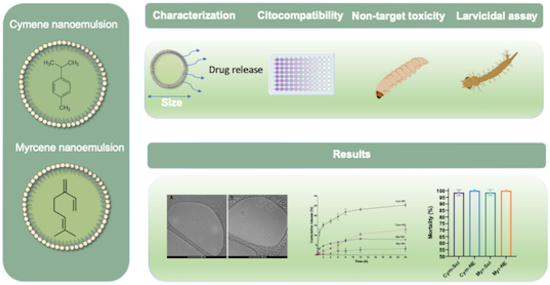
- , melanization, or loss of mobility, in response to the treatment. Death was considered when there was no physical reaction after stimulation. The samples were tested at concentrations of 250, 500, and 1000 mg/kg, with controls including trauma control (puncture only, TC), death control (100% methanol, DC
- -Sol, (B) Myr-Sol, (C) Cym-NE, and (D) Myr-NE; DC: death control (100% methanol); SC: solvent control (ethanol 5%); TC: trauma control. Hydrodynamic diameter, PdI, and zeta potential of Cym-NEs.a Hydrodynamic diameter, PdI and zeta potential of Myr-NEs.a In silico molecular/physicochemical properties


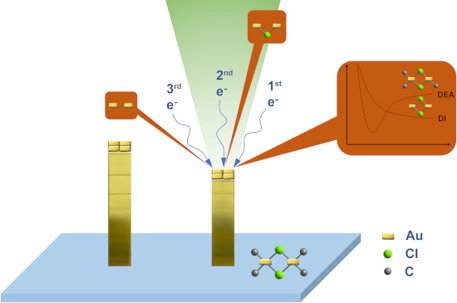
A combined gas-phase dissociative ionization, dissociative electron attachment and deposition study on the potential FEBID precursor [Au(CH3)2Cl]2
Beilstein J. Nanotechnol. 2023, 14, 1178–1199, doi:10.3762/bjnano.14.98



Ni, Co, Zn, and Cu metal-organic framework-based nanomaterials for electrochemical reduction of CO2: A review
Beilstein J. Nanotechnol. 2023, 14, 904–911, doi:10.3762/bjnano.14.74
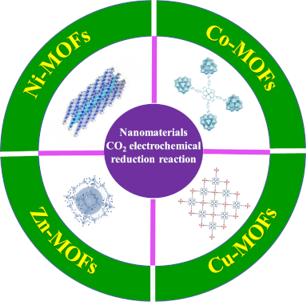
- . Subsequently, multiple electron transfers occur, leading to the generation of diverse products such as ethanol, methanol, and methane [5][6][7]. Therefore, to reduce the activation energy and to improve selectivity, the meticulous consideration of catalysts becomes imperative [8][9][10][11][12][13][14][15][16
- Cu-MOFs for CO2 reduction [47]. The study revealed that HKUST-1 showed the highest performance with a FE of 15.9% at a current density of 10 mA·cm−2 for methanol and ethanol formation. In particular, FE(methanol) is 5.6% and FE(ethanol) is 10.3%. This result can be explained by two reasons. On the


N-Heterocyclic carbene-based gold etchants
Beilstein J. Nanotechnol. 2023, 14, 865–871, doi:10.3762/bjnano.14.71
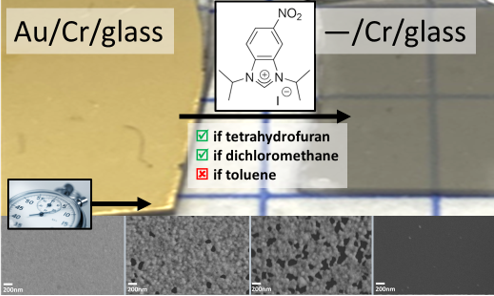
- two different solution-based surface functionalization routes. One involved the deprotonation of a benzimidazolium precursor in toluene under air-free conditions. The other was in methanol and took advantage of the equilibrium between a benzimidazolium hydrogen carbonate salt and free carbene with



Nanostructured lipid carriers containing benznidazole: physicochemical, biopharmaceutical and cellular in vitro studies
Beilstein J. Nanotechnol. 2023, 14, 804–818, doi:10.3762/bjnano.14.66
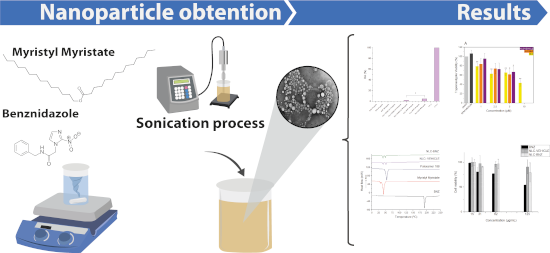
- . A Platinum EPS C8 (150 mm × 4.6 mm, 5 μm, GraceTM, Columbia, MD, USA) column was used; the mobile phase consisted of a mixture of methanol and 0.02% phosphoric acid solution (60:40) for a final pH of 2.5. The system was operated isocratically at a 1.0 mL/min flow rate and the detection was performed





