Search results
Search for "monolayers" in Full Text gives 339 result(s) in Beilstein Journal of Nanotechnology. Showing first 200.
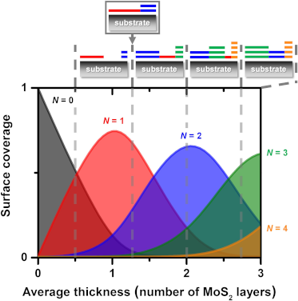
Determining by Raman spectroscopy the average thickness and N-layer-specific surface coverages of MoS2 thin films with domains much smaller than the laser spot size
Beilstein J. Nanotechnol. 2024, 15, 279–296, doi:10.3762/bjnano.15.26
- symmetry for a monolayer (A1g for bulk). These modes are located around 385 and 405 cm−1, respectively, in neutral and defect-free MoS2 monolayers [33][34]. More precisely, in MoS2 multilayers, the symmetries of these phonon modes are E′ and A′1 for an odd number of layers, and Eg and A1g for an even
- A1g and E12g modes, occurs when the spectra are excited at an energy close to those of the A and B excitons located around 655 nm (1.89 eV) and 601 nm (2.06 eV), respectively, in MoS2 monolayers [35][36]. When the incident laser energy is in the range of the A and B exciton energies (the so-called
- monotonically, reversibly, and quasi-linearly with Pλ (see inset of Figure 1). For MoS2, we found an increase rate of 25–30 °C/mW for monolayers (1L-MoS2) and 40–45 °C/mW for bilayers (2L-MoS2). Usual effects of sample heating are the frequency shift of the phonon modes and their concomitant broadening. In


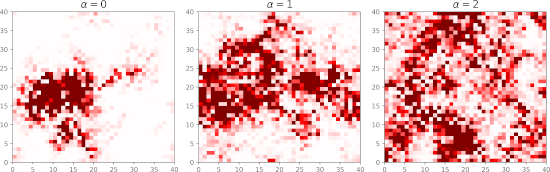
Exploring disorder correlations in superconducting systems: spectroscopic insights and matrix element effects
Beilstein J. Nanotechnol. 2024, 15, 199–206, doi:10.3762/bjnano.15.19
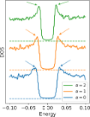
- quasi-one-dimensional single crystals composed of weakly bound MoSe chains and sodium atoms [14]. Similarly, experiments with TaS2 monolayers have demonstrated an anomalous boost in superconductivity, which is also attributed to a presence of significant structural disorder [15]. Disorder-related
- effects have been implicated in the observed increase of the critical temperature in recently discovered NbSe2 superconducting monolayers [16]. Theoretical investigations attribute this enhancement to the disorder-induced multifractal structure of electronic wave functions [17][18], as revealed through


Berberine-loaded polylactic acid nanofiber scaffold as a drug delivery system: The relationship between chemical characteristics, drug-release behavior, and antibacterial efficiency
Beilstein J. Nanotechnol. 2024, 15, 71–82, doi:10.3762/bjnano.15.7
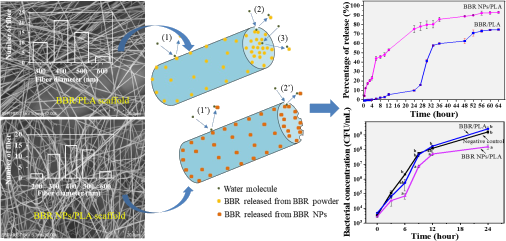
- cytotoxicity test revealed that the BBR NPs/PLA nanofiber scaffold did not induce any changes in morphology and proliferation of MA-104 cell monolayers. It suggests that the BBR/PLA and BBR NPs/PLA nanofiber scaffolds can be used in different biomedical applications, such as wound dressing, drug delivery
- of BBR NPs/PLA nanofiber scaffolds Microbiological associates-104 (MA-104) cell monolayers were cultured with the BBR NPs/PLA nanofiber scaffold, which was cut and fitted to the bottom of the wells of a plastic 96-well plate filled with DMEM. The cells were incubated for 120 h and photographed under
- a microscopy at each time interval. Figure 7 shows the microscopic examination of MA-104 cells incubated with and without the presence of BBR NPs/PLA nanofiber scaffolds for 120 h. The normal MA-104 monolayers (Figure 7a) homogeneously grew with regular dimensions in a polygonal shape. It can be


Spatial variations of conductivity of self-assembled monolayers of dodecanethiol on Au/mica and Au/Si substrates
Beilstein J. Nanotechnol. 2023, 14, 1169–1177, doi:10.3762/bjnano.14.97
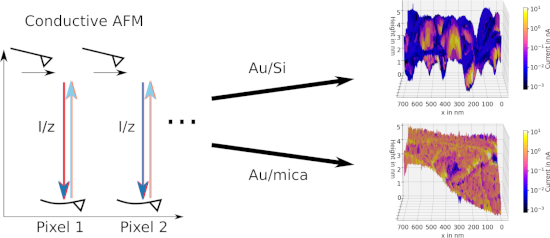
- /Si; conductive atomic force microscopy; dodecanethiol; self-assembled monolayers; Introduction For decades, the need for miniaturization of electronics has pushed the research field into the direction of bottom-up, rather than top-down, approaches. In this research field, molecular electronics [1][2
- -assembled monolayers (SAMs) a perfect test bed for studies on molecular layers. With the idea of molecular electronics in mind, most studies have been aimed at studying the conductivity of SAMs. In previous studies, the contacting of SAMs has been achieved in various ways [4]. We focus here on the


Elasticity, an often-overseen parameter in the development of nanoscale drug delivery systems
Beilstein J. Nanotechnol. 2023, 14, 1149–1156, doi:10.3762/bjnano.14.95
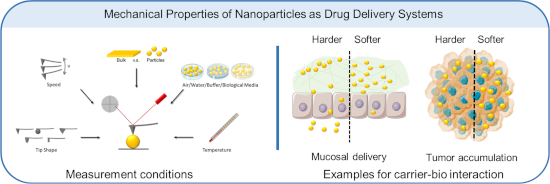
- (e.g., Caco-2 monolayers, or HT29-MTX-E12 cells, or an in vitro model of a rat everted intestinal sac) the Papp values are higher for NPs with higher Young’s moduli [40]. The blood glucose levels of diabetic rats treated by gavage with insulin or insulin-loaded NPs of different Young’s moduli were


Dual-heterodyne Kelvin probe force microscopy
Beilstein J. Nanotechnol. 2023, 14, 1068–1084, doi:10.3762/bjnano.14.88




Prediction of cytotoxicity of heavy metals adsorbed on nano-TiO2 with periodic table descriptors using machine learning approaches
Beilstein J. Nanotechnol. 2023, 14, 939–950, doi:10.3762/bjnano.14.77
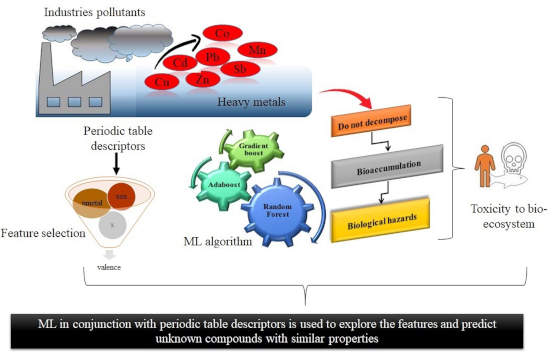
- of heavy metal concentrations are given in Table 1. HK-2 cells were utilized to determine the toxicity in this study using cell viability as the endpoint. HK-2 cells are a sensitive model for examining renal cytotoxicity. They grow in monolayers and are suitable for studying the proximal tubular


Two-dimensional molecular networks at the solid/liquid interface and the role of alkyl chains in their building blocks
Beilstein J. Nanotechnol. 2023, 14, 872–892, doi:10.3762/bjnano.14.72
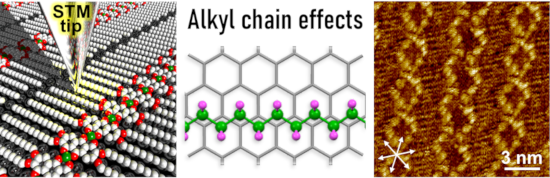
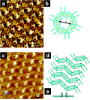
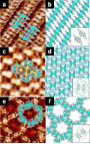
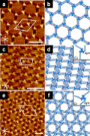
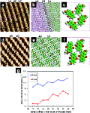
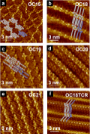
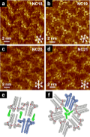
- instruments as well as thermally stable samples that do not decompose under sublimation during sample preparation. By contrast, STM at the solid/liquid interface is efficient for various sample types and requires only a simple apparatus [24]. Physisorbed monolayers at the solid/liquid interface have been
- extensively studied for revealing the supramolecular interactions in the formation of self-assembled monolayers [29][30][31][32][33][34]. Several intermolecular interactions take place at the solid/liquid interface that should be taken into account for the controlled molecular organization in two dimensions
- monolayers can be prepared by simply placing the sample solution on a freshly cleaved HOPG surface. The self-assembly at the solid/liquid interface is characterized by the following properties: (i) The correlation between the molecular structure and resultant 2D arrangements can be revealed by STM with high









N-Heterocyclic carbene-based gold etchants
Beilstein J. Nanotechnol. 2023, 14, 865–871, doi:10.3762/bjnano.14.71
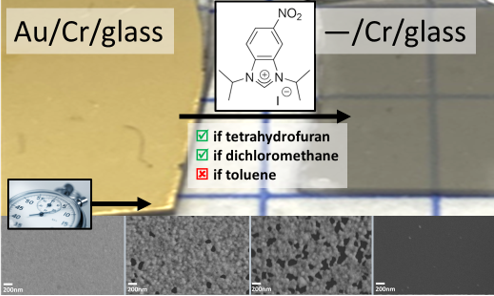
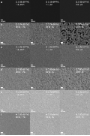
- self-assembled monolayers (SAMs) on gold. We examined several different species that have been used to produce NHC-based monolayers on gold, namely 1,3-diisopropyl-5-nitrobenzimidazolium iodide, 1,3-diisopropyl-5-nitrobenzimidazolium hydrogen carbonate, bis(1,3-diisopropyl-5-nitrobenzimidazolium)gold(I
- but also the potential for deliberate etching, with the outcome determined by choice of chemically synthesized organic species and solvent. Keywords: gold etchant; microfabrication; N-heterocyclic carbenes; self-assembled monolayer (SAM); thin films; Introduction Self-assembled monolayers (SAMs) are
- conditions that the thiol-linked monolayer can be exposed to, prompting the development of alternative surface linking chemistry [12]. N-Heterocyclic carbene (NHC)-based monolayers have received increasing attention for their reported stability under a variety of harsh conditions [11][13][14][15][16]. Indeed



Silver-based SERS substrates fabricated using a 3D printed microfluidic device
Beilstein J. Nanotechnol. 2023, 14, 793–803, doi:10.3762/bjnano.14.65
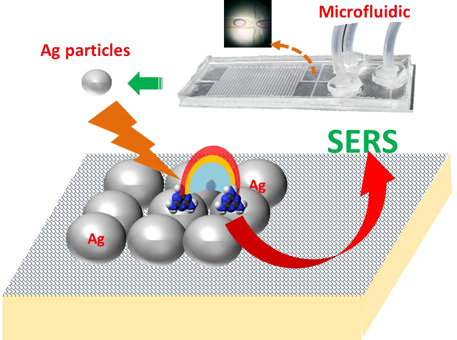
- developed system. The substrate was prepared from Ag NPs by decorating the surface of porous silicon with Ag NPs using self-assembled monolayers (SAMs). The SAM method offers precise control, versatility, simplicity, stability, and compatibility, making it a valuable technique for surface modification in



Liquid phase exfoliation of talc: effect of the medium on flake size and shape
Beilstein J. Nanotechnol. 2023, 14, 68–78, doi:10.3762/bjnano.14.8
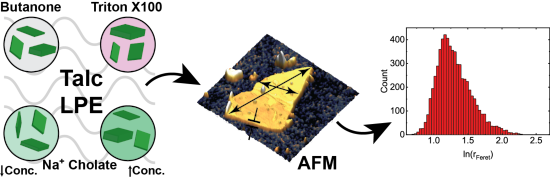
- size. If one desires a sample aimed at an application where flake thickness is critical and monolayers and bilayers are preferable, at a first glance, this would be the SC6 sample. However, much more information can be obtained using the procedures proposed by the authors of [24]. As discussed by
- 2D shape, that is, the flakes are more plate-like than those of all other samples. All this makes this sample appropriate for applications in which monolayers and bilayers are required and flakes are all similar in a narrow range of 2D shapes. The SC1 sample with more water added to the sample
- medium is critical and few layers are required without the need for most flakes being monolayers, butanone is a good option. Triton X-100 is also a widely employed surfactant for LPE. Since it is a nonionic surfactant, it is compatible with materials with surface charges. It is less expensive than SC and



Atmospheric water harvesting using functionalized carbon nanocones
Beilstein J. Nanotechnol. 2023, 14, 1–10, doi:10.3762/bjnano.14.1
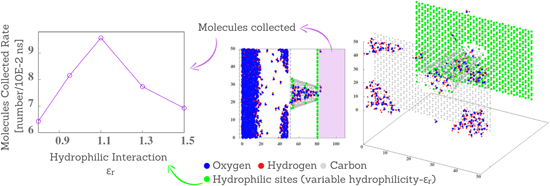
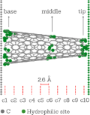
- monolayers of graphene and MoS2 [43][44]. Another advantage of the cone format is the possibility of capturing more water at the larger diameter entrance, without losing the high flow at the reduced diameter in other parts of the cone. As the example of the Namibian desert beetle shows, the introduction of




In search of cytotoxic selectivity on cancer cells with biogenically synthesized Ag/AgCl nanoparticles
Beilstein J. Nanotechnol. 2022, 13, 1505–1519, doi:10.3762/bjnano.13.124
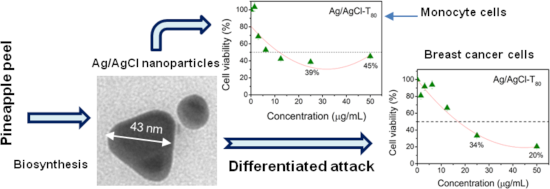
- MCF-7 human breast cell line was obtained from the American Type Culture Collection (ATCC®). This cell line was at passage 4 when used in the study and was routinely cultured on monolayers at 80% confluence in Dulbecco's modified Eagle's high glucose medium (DMEM), supplemented with 10% of fetal





Enhanced electronic transport properties of Te roll-like nanostructures
Beilstein J. Nanotechnol. 2022, 13, 1284–1291, doi:10.3762/bjnano.13.106
- devices, radioactive cooling devices, field-effect transistors, infrared acousto-optic deflectors, and even for antifungal activity [1][2][3][4][5][6][7]. Several chemical and physical methods have been recently developed to synthesize Te-based nanostructures, such as monolayers (MLs), nanoparticles (NPs




Design of surface nanostructures for chirality sensing based on quartz crystal microbalance
Beilstein J. Nanotechnol. 2022, 13, 1201–1219, doi:10.3762/bjnano.13.100
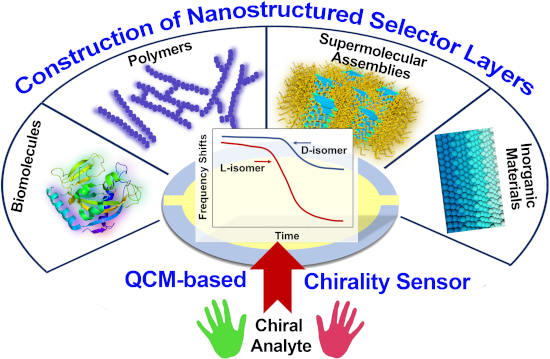
- modified QCM sensors [29]. The sensor layers were constructed by self-assembly of ʟ(ᴅ)-Val monolayers or comb-teeth-type grafted polymer brushes with ʟ(ᴅ)-Val. According to the frequency shifts upon bovine serum albumin (BSA) adsorption, ʟ-Val-modified sensors were shown to have a stronger binding to BSA
- specific recognition and selective functions in enzymatic reactions and metabolic processes [30]. Therefore, they may also be suitable as chiral selectors in QCM sensing systems. Zhang and Ng et al. successfully fabricated rapid and real-time QCM biosensors based on self-assembled monolayers (SAMs) of
- , Xu et al. studied real-time chiral recognition of CD films to isomers in the gas phase [69]. Based on atomic force microscopy (AFM) observations, functional β-CDs with a short sulfide group were inclined to form monolayers. In contrast, those with long sulfide groups produced a quasi-two-layer


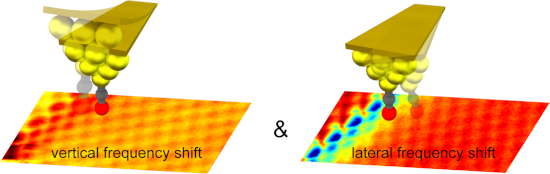
A cantilever-based, ultrahigh-vacuum, low-temperature scanning probe instrument for multidimensional scanning force microscopy
Beilstein J. Nanotechnol. 2022, 13, 1120–1140, doi:10.3762/bjnano.13.95
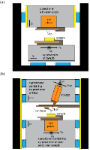

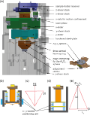
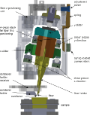


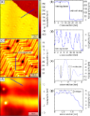


Self-assembly of C60 on a ZnTPP/Fe(001)–p(1 × 1)O substrate: observation of a quasi-freestanding C60 monolayer
Beilstein J. Nanotechnol. 2022, 13, 857–864, doi:10.3762/bjnano.13.76
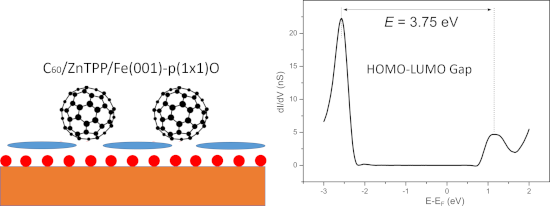
- , the hybridization between the electronic states of the metallic substrate and the molecular orbitals is crucial to induce spin-polarized molecular states at the organic/inorganic interface [17][18][19]. Conversely, if either isolated molecules or self-assembled monolayers are adsorbed on solid


Tunable high-quality-factor absorption in a graphene monolayer based on quasi-bound states in the continuum
Beilstein J. Nanotechnol. 2022, 13, 675–681, doi:10.3762/bjnano.13.59
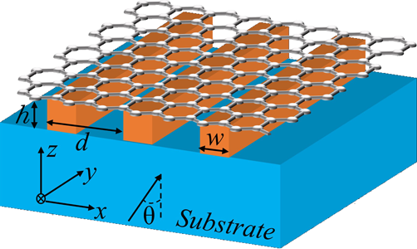
- interaction between graphene and incident light plays a key role in these applications. Unfortunately, it is extremely weak owing to the single-atom thickness of graphene monolayers, which severely limits the performance of graphene devices. Various approaches based on different physical mechanisms have been
- proposed to enhance the absorption in graphene monolayers, such as coherent perfect absorption effect [46], critical coupling effect [47], guided mode resonance effect [48], metal Tamm plasmon polaritons effect [49], and graphene Tamm surface plasmons effect [50]. In addition, the quasi-BICs mentioned
- previously also can be employed to enhance the absorption in graphene monolayers [51][52][53][54]. However, in the above works, the quasi-BICs are quite sensitive to the geometric parameters, which limit their practical applications. Besides, in [51][52][53], the proposed structures are metasurfaces, which


Revealing local structural properties of an atomically thin MoSe2 surface using optical microscopy
Beilstein J. Nanotechnol. 2022, 13, 572–581, doi:10.3762/bjnano.13.49
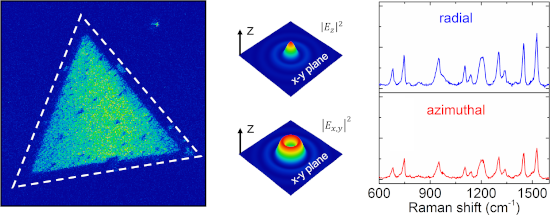
- fascinating optical and electronic properties [1]. In particular, the optical absorption, direct bandgap, and broken inversion symmetry of 2D transition-metal dichalcogenide (2D-TMDC) monolayers make these materials promising candidates for light-emitting diodes, photodetectors, field-effect transistors
- , 1452, and 1531 cm−1 of CuPc are significantly enhanced, which is induced by the efficient charge transfer between molecule and substrate. Differently, for CuPc monolayers on a hexagonal boron nitride (h-BN) flake the vibrational modes at 749 and 1143 cm−1 show the largest Raman enhancement factor of


Detection and imaging of Hg(II) in vivo using glutathione-functionalized gold nanoparticles
Beilstein J. Nanotechnol. 2022, 13, 549–559, doi:10.3762/bjnano.13.46
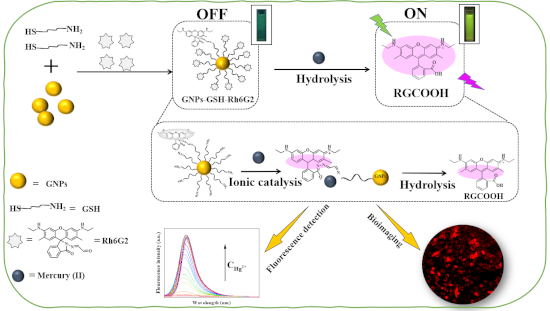
- , surface modifications of GNPs are highly attractive for both environmental monitoring and biological applications. Surface modification of GNPs by using self-assembled monolayers (SAMs) [22] is one of the most attractive strategies to enhance their sensing performance. The surface of GNPs can be modified


Ethosomal (−)-epigallocatechin-3-gallate as a novel approach to enhance antioxidant, anti-collagenase and anti-elastase effects
Beilstein J. Nanotechnol. 2022, 13, 491–502, doi:10.3762/bjnano.13.41
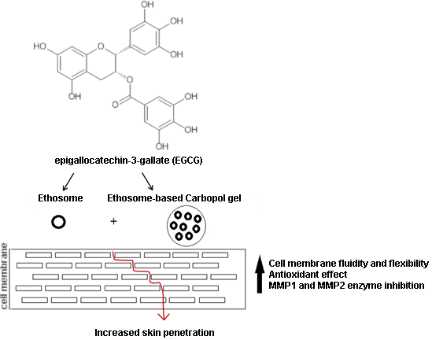
- solution form of EGCG for the transdermal delivery of EGCG. The parameters considered were antioxidant and enzymes inhibition effects, transport properties across cell monolayers, and better stability profiles. These evident effects of EGCG via ethosomal formulations might help to optimize the targeting of
- ethosomal formulations (1 mL) were placed in the donor compartment. The amounts of EGCG permeated through L929 cell monolayers at the end of 24 h in parallel with the in vitro release study were calculated by HPLC. Antioxidant activity Within the scope of antioxidant activity studies, DPPH• and 2,2'-azino



Investigation of electron-induced cross-linking of self-assembled monolayers by scanning tunneling microscopy
Beilstein J. Nanotechnol. 2022, 13, 462–471, doi:10.3762/bjnano.13.39
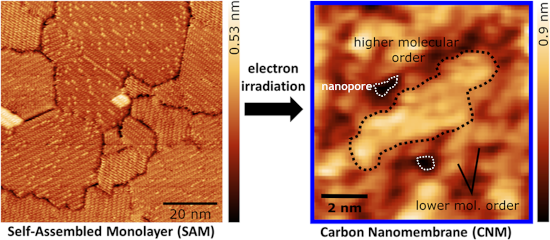
- Abstract Ultrathin membranes with subnanometer pores enabling molecular size-selective separation were generated on surfaces via electron-induced cross-linking of self-assembled monolayers (SAMs). The evolution of p-terphenylthiol (TPT) SAMs on Au(111) surfaces into cross-linked monolayers was observed
- simulations, we propose that these voids may correspond to free volumes inside a cross-linked monolayer. Keywords: carbon nanomembranes; electron-induced cross-linking; scanning tunneling microscopy; self-assembled monolayers; subnanometer pores; Introduction Electron-induced chemistry plays an essential
- ][9]. Self-assembled monolayers (SAMs) are ordered molecular assemblies formed by the adsorption of amphiphilic organic molecules on a solid surface [10][11][12]. Self-assembled monolayers are model systems that enable a fundamental understanding of self-organization and provide a versatile path to


Impact of device design on the electronic and optoelectronic properties of integrated Ru-terpyridine complexes
Beilstein J. Nanotechnol. 2022, 13, 219–229, doi:10.3762/bjnano.13.16
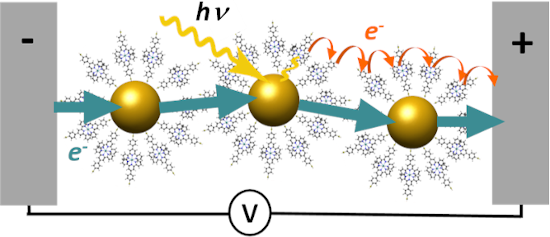
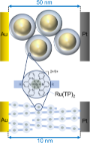
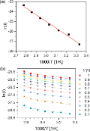
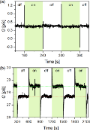
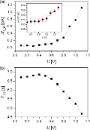
- conditions [37]. Furthermore, it is unlikely that the conductance switching in our Ru(MPTP)2–AuNP devices corresponds to photoconductance as discussed for AuNP arrays consisting of AuNPs coated with monolayers of organic molecules [38]. The photoconductance of these AuNP arrays is independent of USD and


Low-energy electron interaction and focused electron beam-induced deposition of molybdenum hexacarbonyl (Mo(CO)6)
Beilstein J. Nanotechnol. 2022, 13, 182–191, doi:10.3762/bjnano.13.13
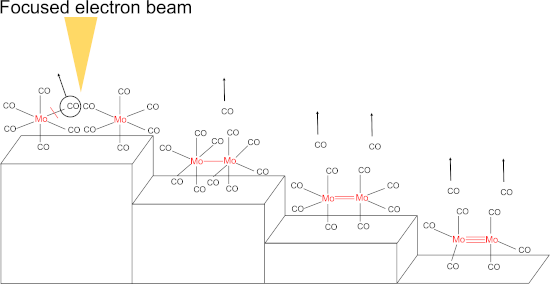
- loss per DEA incident observed in the gas phase experiments and also higher than the CO loss per DI incident observed in these experiments. This is very different from the observations made by Rosenberg et al. [58] when comparing the CO loss from few monolayers of W(CO)6, adsorbed onto cooled gold
- schematically in the Graphical Abstract accompanying this article. Though admittedly speculative, this may explain the very different findings in surface science studies. The surface science studies are conducted under non-steady-state conditions, where few monolayers are exposed to 500 eV electrons from a


Theoretical understanding of electronic and mechanical properties of 1T′ transition metal dichalcogenide crystals
Beilstein J. Nanotechnol. 2022, 13, 160–171, doi:10.3762/bjnano.13.11
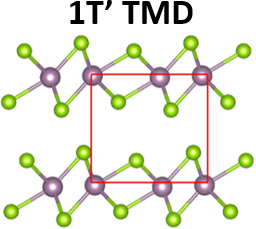
- /bjnano.13.11 Abstract Transition metal dichalcogenides (TMDs) with a 1T′ layer structure have recently received intense interest due to their outstanding physical and chemical properties. While the physicochemical behaviors of 1T′ TMD monolayers have been widely investigated, the corresponding properties
- of layered 1T′ TMD crystals have rarely been studied. As TMD monolayers do not have interlayer interactions, their physicochemical properties will differ from those of layered TMD materials. In this study, the electronic and mechanical characteristics of a range of 1T′ TMDs are systematically
- properties of the monolayers shows that the interlayer van der Waals forces can slightly weaken the TM–X covalent bonding strength, which can further influence the mechanical properties. These insights revealed by our theoretical studies may boost more applications of 1T′ TMD materials. Keywords: 1T