


Search results
Search for "nanoparticles (NPs)" in Full Text gives 239 result(s) in Beilstein Journal of Nanotechnology. Showing first 200.
Nanocarriers and macrophage interaction: from a potential hurdle to an alternative therapeutic strategy
Beilstein J. Nanotechnol. 2025, 16, 97–118, doi:10.3762/bjnano.16.10
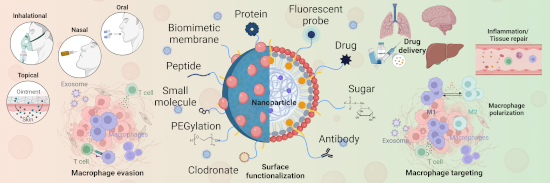
- decades of technological evolution, during which NCs have become indispensable components of drug delivery systems, known for their adaptability and efficiency [2]. The “family” of nanoparticles (NPs) includes a broad range of materials such as lipids, polymers, proteins, dextran, silica [3], and metals


Characterization of ZnO nanoparticles synthesized using probiotic Lactiplantibacillus plantarum GP258
Beilstein J. Nanotechnol. 2025, 16, 78–89, doi:10.3762/bjnano.16.8
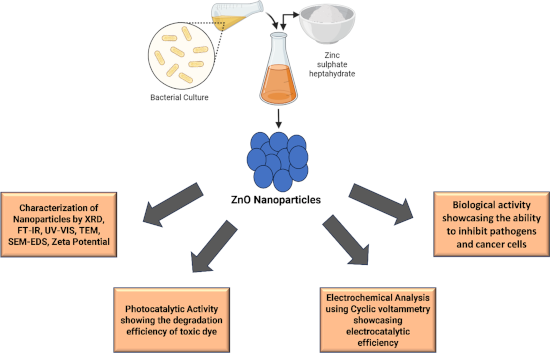
- applications. Keywords: anticancer; green synthesis; lactic acid bacteria; nanoparticles; zinc oxide; Introduction Nanotechnology has revolutionized various fields through its remarkable development and the unique properties exhibited by nanoparticles (NPs) at the mesoscopic level. Dimension, form, surface


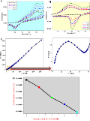

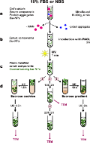
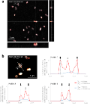
Attempts to preserve and visualize protein corona on the surface of biological nanoparticles in blood serum using photomodification
Beilstein J. Nanotechnol. 2024, 15, 1654–1666, doi:10.3762/bjnano.15.130

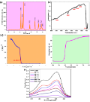
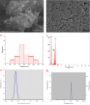
- obtained direct images of a “natural” protein corona on natural bio-NPs of blood serum for the first time Keywords: chylomicrons; extracellular vesicles; lipoproteins; photomodification; protein corona; Introduction The existence of a protein corona on all nanoparticles (NPs) entering biological fluids



Fabrication of hafnium-based nanoparticles and nanostructures using picosecond laser ablation
Beilstein J. Nanotechnol. 2024, 15, 1639–1653, doi:10.3762/bjnano.15.129
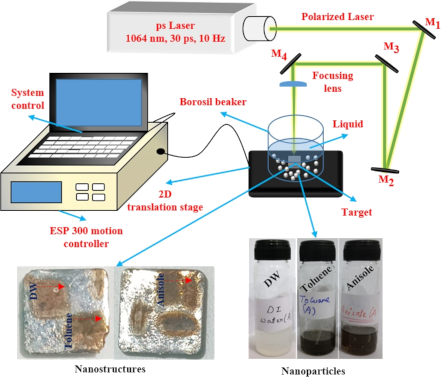
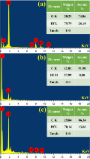
- /bjnano.15.129 Abstract This work presents a unique and straightforward method to synthesise hafnium oxide (HfO2) and hafnium carbide (HfC) nanoparticles (NPs) and to fabricate hafnium nanostructures (NSs) on a Hf surface. Ultrafast picosecond laser ablation of the Hf metal target was performed in three




Biomimetic nanocarriers: integrating natural functions for advanced therapeutic applications
Beilstein J. Nanotechnol. 2024, 15, 1619–1626, doi:10.3762/bjnano.15.127

- paves the way for increasingly personalized therapeutic approaches. This strategy holds substantial potential for achieving high efficiency in treating diseases that currently lack a cure. Schematic of biomimetic nanocarriers. Nanoparticles (NPs) used as nanocarriers in therapeutic applications such as


The round-robin approach applied to nanoinformatics: consensus prediction of nanomaterials zeta potential
Beilstein J. Nanotechnol. 2024, 15, 1536–1553, doi:10.3762/bjnano.15.121
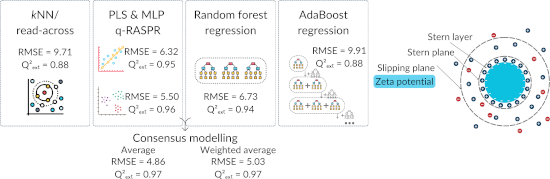
- relationship (QSPR/QSFR) modelling, read-across, and deep learning models. Mikolajczyk et al. [16] implemented a consensus nano-QSPR scheme for the prediction of the ZP of metal oxide nanoparticles (NPs) based on the size and a quantum mechanical descriptor encoding the energy of the highest occupied molecular


Nanotechnological approaches for efficient N2B delivery: from small-molecule drugs to biopharmaceuticals
Beilstein J. Nanotechnol. 2024, 15, 1400–1414, doi:10.3762/bjnano.15.113
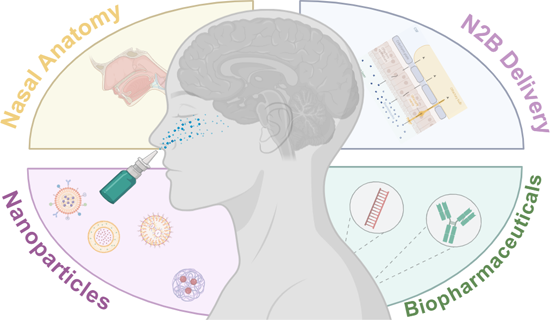
- the BBB through a direct connection [18][19]. When combined with nanotechnology, N2B delivery becomes even more attractive since nanotechnology-driven DDSs have enabled improved drug accumulation at the target site [20]. DDSs, such as polymeric or lipid-based nanoparticles (NPs), can provide an


Dual-functionalized architecture enables stable and tumor cell-specific SiO2NPs in complex biological fluids
Beilstein J. Nanotechnol. 2024, 15, 1238–1252, doi:10.3762/bjnano.15.100
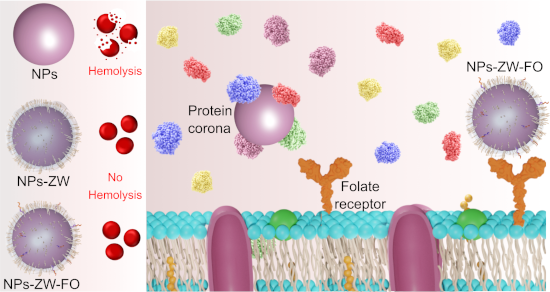
- [1][2][3][4]. Consequently, the scientific community has focused on improving the targeting of nanoparticles (NPs) to tumor cells through surface functionalization with active groups (e.g., folate, monoclonal antibodies) [5][6][7]. However, according to the literature, only 0.7% of the injected dose


Realizing active targeting in cancer nanomedicine with ultrasmall nanoparticles
Beilstein J. Nanotechnol. 2024, 15, 1208–1226, doi:10.3762/bjnano.15.98
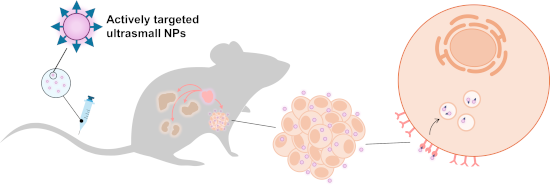
- . Keywords: active targeting; cancer; nanoclusters; renal clearance; ultrasmall nanoparticles; Review 1 Introduction Nanotechnology has opened new avenues for tackling unmet challenges in medicine [1][2][3]. In the field of oncology, a notable application involves the use of engineered nanoparticles (NPs


Photocatalytic methane oxidation over a TiO2/SiNWs p–n junction catalyst at room temperature
Beilstein J. Nanotechnol. 2024, 15, 1132–1141, doi:10.3762/bjnano.15.92
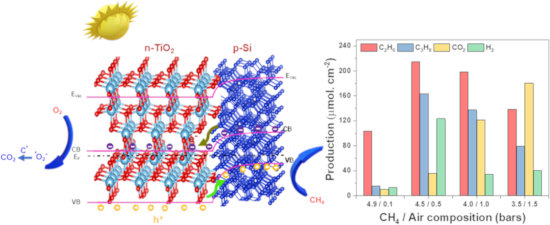
- photocatalytic efficiency. For years, doping of metal nanoparticles (NPs) into a semiconductor matrix has been extensively studied to enhance photocatalytic CH4 oxidation performance. Metal NPs in, for example, Au/TiO2, Au@Pd/ZnO, and Pt@Cu/TiO2 composites act as electron scavenger centers and own more free


Recent updates in applications of nanomedicine for the treatment of hepatic fibrosis
Beilstein J. Nanotechnol. 2024, 15, 1105–1116, doi:10.3762/bjnano.15.89
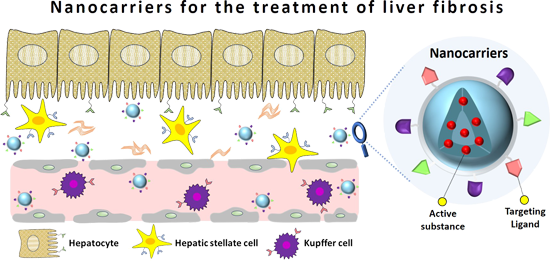
- application of nanoscale systems with unique physicochemical properties, including small size, large specific surface area, high reactivity, and quantum effects of the nanoparticles (NPs) [1][2]. Nanomedicine is specifically designated for therapeutics (drug delivery), diagnostics, and imaging, as well as for


Unveiling the potential of alginate-based nanomaterials in sensing technology and smart delivery applications
Beilstein J. Nanotechnol. 2024, 15, 1077–1104, doi:10.3762/bjnano.15.88
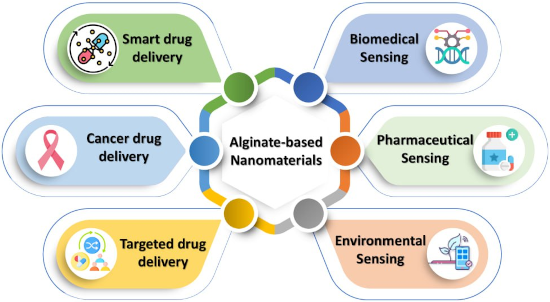
- several excellent properties that can be crucial in drug delivery, such as low cost, antioxidant and antibacterial activity, non-toxicity, biodegradability, and biocompatibility. Biopolymeric nanoparticles (NPs) can be used in DDSs, and they can protect the drugs from the adverse conditions of the


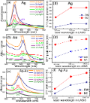
Effect of wavelength and liquid on formation of Ag, Au, Ag/Au nanoparticles via picosecond laser ablation and SERS-based detection of DMMP
Beilstein J. Nanotechnol. 2024, 15, 1054–1069, doi:10.3762/bjnano.15.86

- was meticulously evaluated by analyzing the ablation rates, surface plasmon resonance peak positions, and particle size distributions of the obtained colloids. The nanoparticles (NPs) were characterized using the techniques of UV–visible absorption, transmission electron microscopy, and energy
- implications for developing more efficient and stable SERS substrates for chemical detection applications. Keywords: dimethyl methyl phosphonate; laser material interaction; metal nanoparticles; picosecond laser ablation; SERS; thiram; Introduction Metal nanoparticles (NPs) are versatile materials widely


Entry of nanoparticles into cells and tissues: status and challenges
Beilstein J. Nanotechnol. 2024, 15, 1017–1029, doi:10.3762/bjnano.15.83
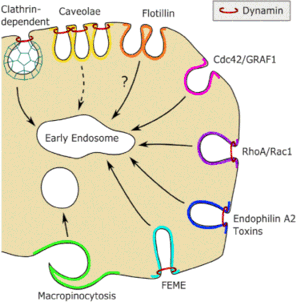
- , University of Oslo, 0316 Oslo, Norway 10.3762/bjnano.15.83 Abstract In this article we discuss how nanoparticles (NPs) of different compositions may interact with and be internalized by cells, and the consequences of that for cellular functions. A large number of NPs are made with the intention to improve
- excretion. Finally, we discuss requirements for bringing NPs into clinical use and aspects when it comes to usage of complex and slowly degraded or nondegradable NPs. Keywords: biodegradable; biodistribution; endocytosis; extracellular vesicles; nanomedicine; nanoparticles; Introduction Nanoparticles (NPs


Atomistic insights into the morphological dynamics of gold and platinum nanoparticles: MD simulations in vacuum and aqueous media
Beilstein J. Nanotechnol. 2024, 15, 995–1009, doi:10.3762/bjnano.15.81
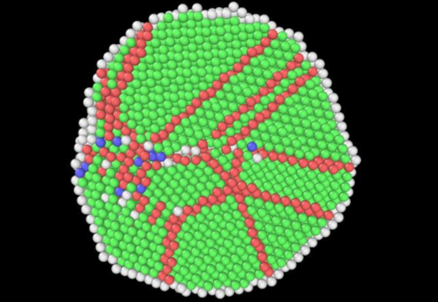
- spherical nanoparticles (NPs) upon cooling is studied through atomistic molecular dynamics simulations. The goal is to identify the morphological transformations occurring in the nanomaterials as well as to quantify their dependence on temperature, chemistry, and NP size. For diameters smaller than 3 nm
- , from medicine and engineering to the environment and energy. Because of their small size, nanoparticles (NPs) have only been discovered relatively recently, although they have been present in the environment throughout earth’s and human history, emerging from various sources including biological


Therapeutic effect of F127-folate@PLGA/CHL/IR780 nanoparticles on folate receptor-expressing cancer cells
Beilstein J. Nanotechnol. 2024, 15, 954–964, doi:10.3762/bjnano.15.78
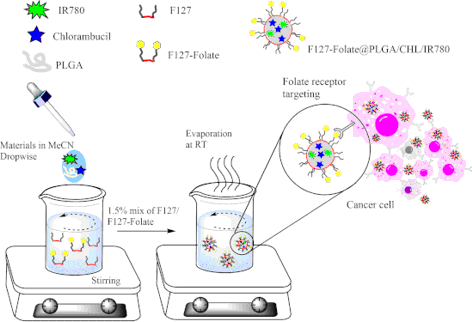
- . To address these issues, many studies have attempted to encapsulate IR780 iodide in different types of nanoparticles (NPs) [23][24][25] to make use of the protective cover provided by the NPs. In addition, IR780-loaded NPs have been proven to inhibit lung metastasis when exposed to a NIR laser [24



Identification of structural features of surface modifiers in engineered nanostructured metal oxides regarding cell uptake through ML-based classification
Beilstein J. Nanotechnol. 2024, 15, 909–924, doi:10.3762/bjnano.15.75

- Indrasis Dasgupta Totan Das Biplab Das Shovanlal Gayen Laboratory of Drug Design and Discovery, Department of Pharmaceutical Technology, Jadavpur University, Kolkata 700032, India 10.3762/bjnano.15.75 Abstract Nanoparticles (NPs) are considered as versatile tools in various fields including
- governing the cellular uptake of ENMOs. The study will direct scientists in the design of ENMOs of higher cellular uptake efficiency for better therapeutic response. Keywords: Bayesian classification; cellular uptake; machine learning; nanoparticles (NPs); Introduction In recent years, the rapid
- advancement of nanotechnology has led to the widespread utilization of engineered nanostructured metal oxides (ENMOs) in various industrial and biomedical applications [1]. Nanoparticles (NPs) are described by the International Organization for Standardization as structures characterized by one, two, or three


Elastic modulus of β-Ga2O3 nanowires measured by resonance and three-point bending techniques
Beilstein J. Nanotechnol. 2024, 15, 704–712, doi:10.3762/bjnano.15.58
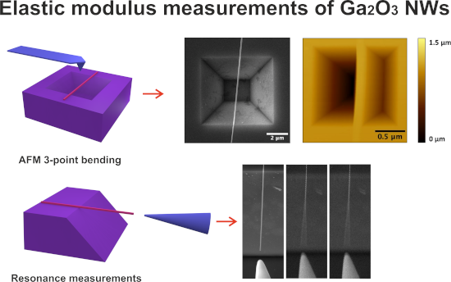
- with Au nanoparticles (NPs, 100 nm of diameter, water suspension, Alfa Aesar) were positioned in a lower-temperature region 10 cm away from the furnace centre. Au NPs served as catalysts for the vapour–liquid–solid (VLS) growth mechanism. The reactor was heated to 1010 °C (high-temperature zone) under


Radiofrequency enhances drug release from responsive nanoflowers for hepatocellular carcinoma therapy
Beilstein J. Nanotechnol. 2024, 15, 569–579, doi:10.3762/bjnano.15.49
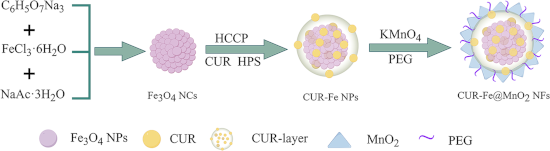
- been developed based on the abnormal physiological signals in the tumor microenvironment (TME), such as a low pH, high glutathione (GSH) levels, hypoxia, and the expression of specific enzymes [21]. Such intelligent nanoparticles (NPs) have successfully improved the solubility and distribution of CUR


Classification and application of metal-based nanoantioxidants in medicine and healthcare
Beilstein J. Nanotechnol. 2024, 15, 396–415, doi:10.3762/bjnano.15.36
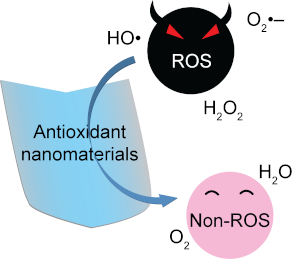
- , researchers have explored innovative approaches for the treatment of atherosclerosis, with a particular focus on the use of metal-based nanomaterials. The advancement of nanomedicines in CVD treatments will gain from the comprehensive understanding of the rate and extent of nanoparticles (NPs) inside the


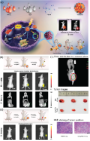
Nanomedicines against Chagas disease: a critical review
Beilstein J. Nanotechnol. 2024, 15, 333–349, doi:10.3762/bjnano.15.30
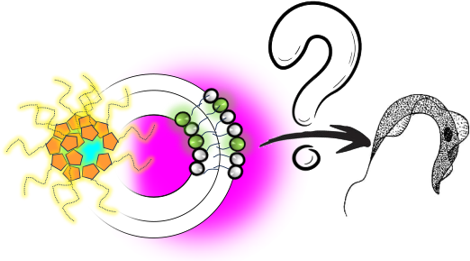
- BNZ, and their contribution is examined below. The in vitro performance of BNZ loaded into nanoparticles (Nps) is shown in Table 1. In many of these reports, formulations were tested on different parasite stages (epimastigote, trypomastigote, and amastigote), and their cytotoxicity was assessed on

Multiscale modelling of biomolecular corona formation on metallic surfaces
Beilstein J. Nanotechnol. 2024, 15, 215–229, doi:10.3762/bjnano.15.21
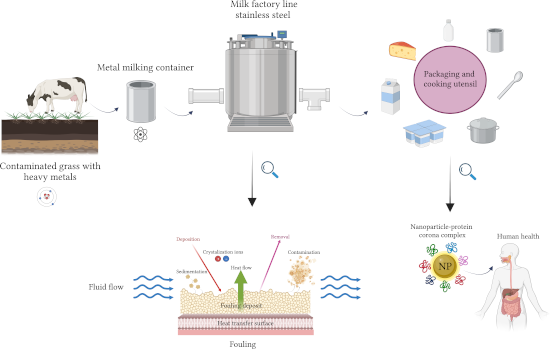
- concerns regarding the safety of nanoparticles (NPs) in relation to human and animal health. The toxicity of NPs is closely linked to their chemical aggressiveness and varies with their physicochemical properties, including surface area, charge, and reactivity. Understanding the intricate interplay between


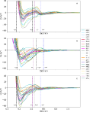



Nanocarrier systems loaded with IR780, iron oxide nanoparticles and chlorambucil for cancer theragnostics
Beilstein J. Nanotechnol. 2024, 15, 180–189, doi:10.3762/bjnano.15.17
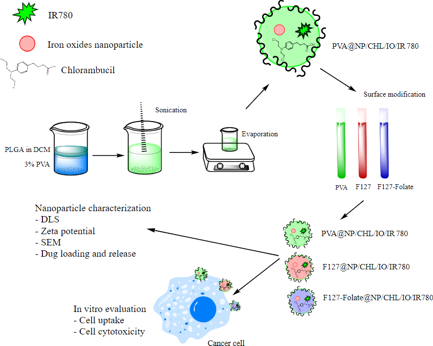
- alcohol)-based nanoparticles (NPs) using the single emulsion technique. Then the NPs were coated with F127 and F127-folate by simple incubation for five days. The nanoparticles have the hydrodynamic size of approx. 250 nm with negative charge. Similar to chlorambucil and IR780, iron oxide loadings were
- of these systems to serve as medication and imaging agent carriers for cancer treatment and diagnostics, respectively. Keywords: cancer; chlorambucil; F127-folate; IR780; iron oxide nanoparticles; PLGA; theragnostics; Introduction Theragnostic nanoparticles (NPs) are a diagnostic and therapeutic


Fluorescent bioinspired albumin/polydopamine nanoparticles and their interactions with Escherichia coli cells
Beilstein J. Nanotechnol. 2023, 14, 1208–1224, doi:10.3762/bjnano.14.100
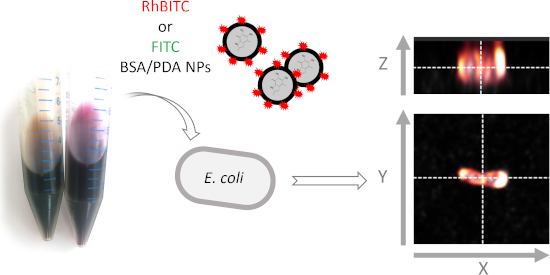
- of antimicrobial resistance of bacteria [5], this appears as a promising route to deliver antimicrobials while reducing the drug doses and subsequent harmful side effects in antibacterial applications. To this end, different types of ONPs have been used, such as liposomes [6] and nanoparticles (NPs



Isolation of cubic Si3P4 in the form of nanocrystals
Beilstein J. Nanotechnol. 2023, 14, 971–979, doi:10.3762/bjnano.14.80
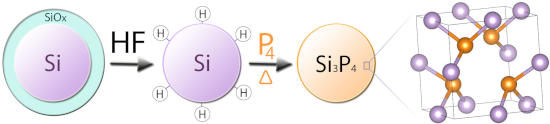
- calculations; semiconductor nanocrystals; silicon phosphide; Introduction Advancements in electronics and related fields are calling for new ways of synthesizing compounds. Subsequently, recognizing and utilizing the special properties of nanoparticles (NPs) of new materials using emerging methods offers a





