Search results
Search for "performance" in Full Text gives 1177 result(s) in Beilstein Journal of Nanotechnology. Showing first 200.
Durable antimicrobial activity of fabrics functionalized with zeolite ion-exchanged nanomaterials against Staphylococcus aureus and Escherichia coli
Beilstein J. Nanotechnol. 2026, 17, 262–274, doi:10.3762/bjnano.17.18
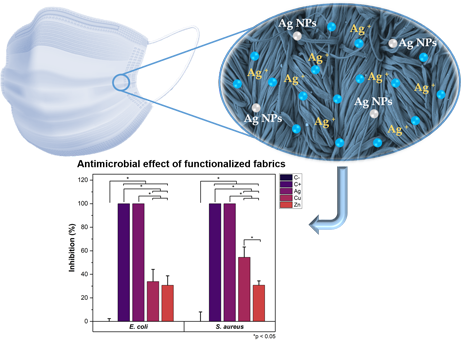
- bacteria. Unlike our previous work, which focused on the antimicrobial performance of Ag- and Zn-loaded Y zeolite, the present study applies those nanomaterials, including Cu, to cotton fabrics via the pad–dry–cure method and evaluates the durability of their antimicrobial activity after fife washing
- as a scalable and effective approach for developing antimicrobial textiles with long-lasting performance. Such materials are promising candidates for use in healthcare, protective clothing, hygiene products, and other applications where microbial contamination poses a risk. Experimental Materials




Gold nanoparticle-decorated reduced graphene oxide as a highly effective catalyst for the selective α,β-dehydrogenation of N-alkyl-4-piperidones
Beilstein J. Nanotechnol. 2026, 17, 218–238, doi:10.3762/bjnano.17.15
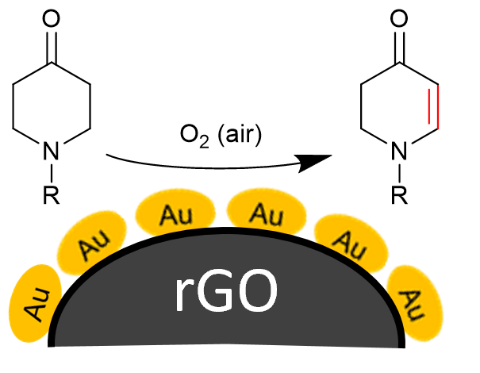
- carbon (AC), and carbon black (CB), to investigate the influence of the carbon support on the catalyst performance. As stabilizing agents for the AuNPs, citrate (Cit) and the polyoxometallate [SiW9O34]10− (SiW9) were used. Among the tested catalysts, the rGO-supported ones, Au-Cit/rGO, Au-SiW9/rGO, and
- Au@SiW9/rGO exhibited the highest catalytic activity for the selective oxidation reaction despite containing the lowest gold loading. These findings highlight the exceptional performance of rGO as a support for AuNP catalysts and provide valuable insights for designing efficient Au-based systems for
- -supported gold nanoparticles (Au/C) have been extensively studied for their remarkable selective catalytic performance in low-temperature oxidation reactions, including CO oxidation, alcohol oxidation, hydrocarbon oxidation, amino and thiol oxidation, and glucose oxidation [20]. However, despite their


Micro- and nanoscale effects in biological and bioinspired materials and surfaces
Beilstein J. Nanotechnol. 2026, 17, 214–217, doi:10.3762/bjnano.17.14

- hierarchical structures aids in understanding the principles of biological design and inspires advances in biomimetics, mechanical engineering, and materials science. Biomimetics seeks to obtain knowledge on how these structural and material property adaptations affect surface performance and to draw
- coloration [13]. Piersanti et al. [12] described the functional morphology and material composition of the cleaning devices of a damselfly species and experimentally investigated their performance. This species bears specialized grooming structures on the tibiae of its forelegs with dedicated micro- and
Time of flight secondary ion mass spectrometry imaging of contaminant species in chemical vapour deposited graphene on copper
Beilstein J. Nanotechnol. 2026, 17, 200–213, doi:10.3762/bjnano.17.13
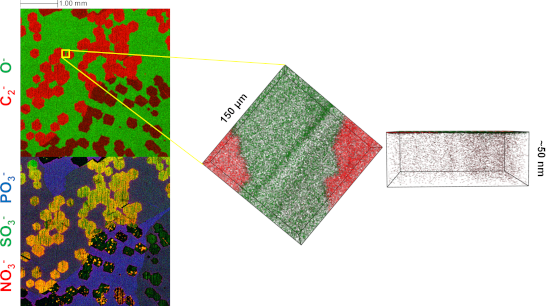
- three samples over the depth shown here, and to greater depth (>50 nm). Phosphorous is a common additive to copper metals during the smelting process, to aid removal of oxygen and improve the copper material performance, in terms of strength, ductility, and corrosion resistance, although there can be a






Structure-dependent thermochromism of PAZO thin films: theory and experiment
Beilstein J. Nanotechnol. 2026, 17, 186–199, doi:10.3762/bjnano.17.12
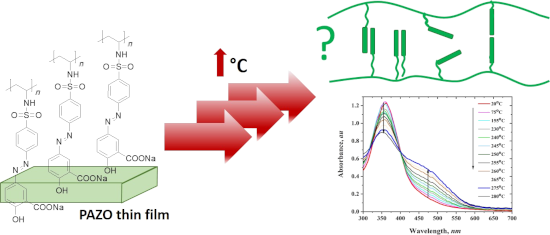
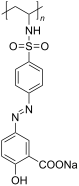
- 1200–4000 nm on a glass substrate. Thicker films were prepared because many potential applications – such as the inscription of polarization-selective holographic optical elements – require greater film thickness for optimal performance. The samples were heated in an oven and the measurement of ∆n
- thermal molecular motion of polymer chains in thin films is essential for tailoring the properties and enhancing the performance of polymer-based devices. By precisely controlling these factors, researchers can fine-tune the structure and dynamics of the film to achieve specific characteristics suited for


Safe and sustainable by design with ML/AI: A transformative approach to advancing nanotechnology
Beilstein J. Nanotechnol. 2026, 17, 176–185, doi:10.3762/bjnano.17.11
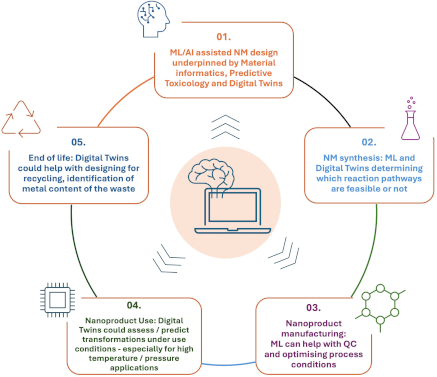
- enabled targeted therapies for cancer, minimizing side effects while enhancing therapeutic efficacy [1][2]. In the energy sector, nanostructured materials have enhanced the performance and energy density of batteries and solar cells, providing more sustainable and efficient solutions [3]. Additionally
- has already been designed and introduced to the market. By integrating toxicological, ecological, and exposure considerations upfront, SSbD endeavours to minimize hazards while preserving – or even enhancing – functional performance. In addition to aligning with global regulatory frameworks such as
- computational methods help deliver materials that meet performance demands without compromising human health or the environment. Materials informatics To date, materials informatics has been predominantly focussed on optimizing functionality, largely through materials acceleration platforms (MAPs) that combine


From shield to spear: Charge-reversible nanocarriers in overcoming cancer therapy barriers
Beilstein J. Nanotechnol. 2026, 17, 159–175, doi:10.3762/bjnano.17.10
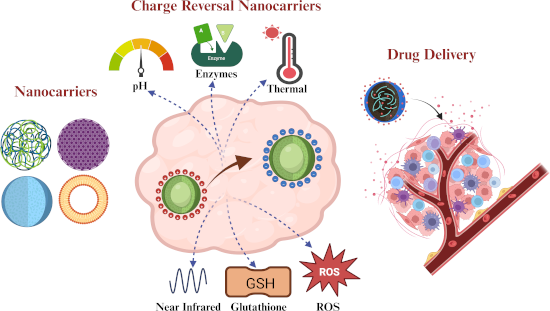
- performance in targeted and controlled drug delivery (Table 1). The detailed mechanism of CRNs in response to various environmental stimuli is described in Figure 3. 2.1 pH-responsive charge-reversible nanocarriers When exposed to the acidic cancer microenvironment (pH 6.5–6.8), CRNs undergo a pH-sensitive
- -reversal system (CDs-Pt (IV)@PEG-PAH/DMA) for imaging-guided drug delivery, which enhanced cancer therapeutic effects [85]. 4 Preclinical and clinical insights of charge-reversible nanocarriers Preclinical studies have revealed that CRNs significantly improve antitumour performance by enhancing tumour


Influence of surface characteristics on the in vitro stability and cell uptake of nanoliposomes for brain delivery
Beilstein J. Nanotechnol. 2026, 17, 139–158, doi:10.3762/bjnano.17.9
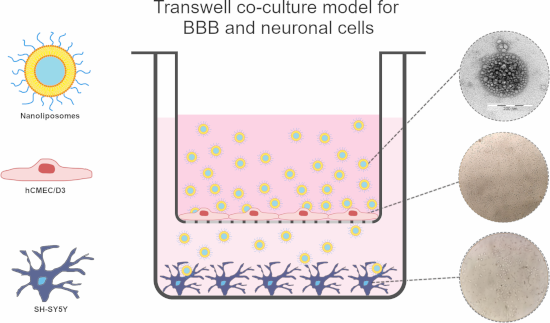
- -SY5Y cell lines to predict how formulation properties and the extracellular microenvironment affect the in vivo performance of NLs, and access transport mechanisms as well as internalization in brain tissues. Additionally, transport experiments on a co-culture system (hCMEC/D3/SH-SY5Y) were performed
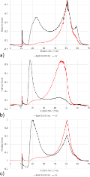
- (Wyatt Technology Europe GmbH, Dernbach, Germany) and an Agilent 1260 Infinity high-performance liquid chromatograph (Agilent Technologies, Santa Clara, USA) equipped with a degasser (G1322A), an isocratic pump (G1310B), an autosampler (G1329B), and a multiple-wavelength detector (MWD, G1365C) set at 230




Capabilities of the 3D-MLSI software tool in superconducting neuron design
Beilstein J. Nanotechnol. 2026, 17, 122–138, doi:10.3762/bjnano.17.8

- types of superconducting electronics (SCE) circuits. Indeed, taking advantage of the high performance of SCE devices implies their operation in the gigahertz frequency range, in which incorrect circuit operation may be caused by small fluctuations in inductance. Digital and quantum SCE circuits are
- with varying ahb at a fixed ah = 2 μm. Simulations were performed on an Intel Core(TM) i9-13900KF with 128 GB RAM and 24 cores (16 efficiency cores and 8 performance cores). When OpenMP multithreading is used, the computation time depends on the number of threads nthr approximately with inverse square
- and ahb = 0.5 μm was used, which provides a reasonable estimate, as was stated above. Summarizing, 3D-MLSI evaluates two-terminal partial inductances of thin multilayer structures, with the only free parameter being the London penetration depth. A fairly good performance rate is achieved due to the



Development and in vitro evaluation of liposomes and immunoliposomes containing 5-fluorouracil and R-phycoerythrin as a potential phototheranostic system for colorectal cancer
Beilstein J. Nanotechnol. 2026, 17, 97–121, doi:10.3762/bjnano.17.7
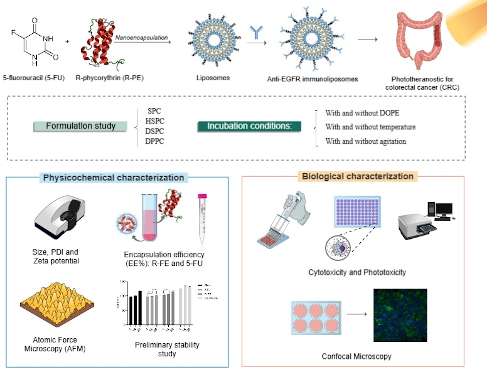
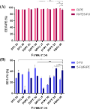
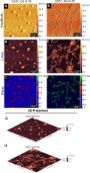
- liposome formulations that showed the best performance are described in Table 3. Therefore, the increase in 5-FU encapsulation in liposomes upon adding R-PE was confirmed. 3.2 Development and characterization of immunoliposomes Table 4 presents the physicochemical characterization of immunoliposome



Functional surface engineering for cultural heritage protection: the role of superhydrophobic and superoleophobic coatings – a comprehensive review
Beilstein J. Nanotechnol. 2026, 17, 63–96, doi:10.3762/bjnano.17.6

- material, which could be cut and applied with precision. A control test using a PHB–EL gel (without DFO) confirmed no harmful interaction with the bare steel substrate. Cleaning performance was evaluated for 10, 20, and 30 min of application, and effectiveness was found to increase. Multimodal
- Aires (Argentina) in 1986, the “ICOM Code of Professional Ethics”, was unanimously adopted. It has been amended, revised, and retitled as “ICOM Code of Ethics for Museums” in the subsequent years and sets minimum standards of professional practice and performance for museums and their staff [46]. In
- coatings employed for the preventive conservation of artworks must fulfil a set of essential requirements to ensure both ethical compliance and technical performance. First, the coating must be optically transparent and non-intrusive, ensuring that it does not alter visual appearance, color, gloss, or




Subdigital integumentary microstructure in Cyrtodactylus (Squamata: Gekkota): do those lineages with incipiently expressed toepads exclusively exhibit adhesive setae?
Beilstein J. Nanotechnol. 2026, 17, 38–56, doi:10.3762/bjnano.17.4
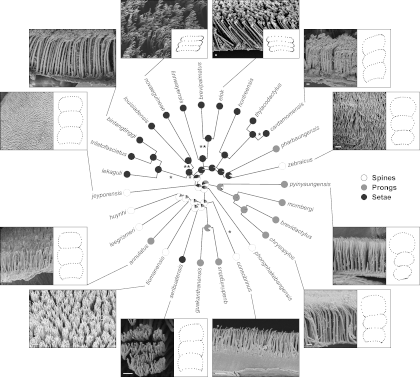
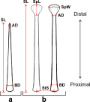
- for the above-mentioned seta-bearing species with at least weakly expressed incipient toepads (see [50]). Performance experiments testing adhesive competency (in static clinging and active locomotion) across Cyrtodactylus is thus an important and promising avenue for future research. Similarities
- adhesive performance in geckos and should be further assessed in future studies, although accomplishing this is very challenging [37]. The similarities between the cave-species C. hontreensis and the crown-species might also be explained by the requirement for a high safety factor. Inverted climbing


Reduced graphene oxide paper electrode for lithium-ion cells – towards optimized thermal reduction
Beilstein J. Nanotechnol. 2026, 17, 24–37, doi:10.3762/bjnano.17.3
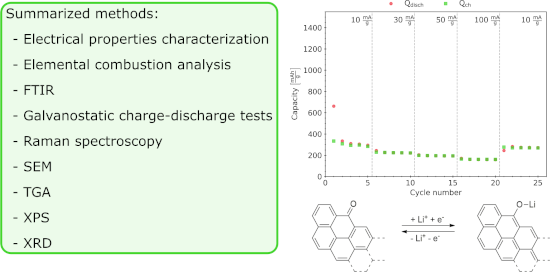
- carbonaceous base material was chosen due to its high conductivity. The relevance of rGO is not limited to only one electrode; Kiran et al. revealed performance enhancement of both cathode and anode materials for hybrid supercapacitors as a result of rGO application as core structure [11]. A similar approach
- are removed after thermal reduction at 850 °C. The research presented herein extends the scope of the cited article since it concerns the structural, chemical, and physical properties of free-standing rGO thin films (i.e., reduced graphene oxide paper) with the practical purpose of performance
- revealed the influence of thermal treatment parameters on the chemical and physical properties of the obtained materials and, as a result, on their electrochemical performance characteristics. In particular, upon raising the reduction temperature, the character of the functional groups changed, as their



Quantitative estimation of nanoparticle/substrate adhesion by atomic force microscopy
Beilstein J. Nanotechnol. 2026, 17, 1–14, doi:10.3762/bjnano.17.1

- , Leoben, Austria 10.3762/bjnano.17.1 Abstract Understanding nanoparticle adhesion to substrates is the key for their stability and performance in many applications, including energy systems, nanofabrication, catalysis, and electronic devices. In this study, we present a methodology for examining adhesion
- order to develop strategies for improved NP functionality and performance, it is necessary to measure and to quantify their adhesion to the corresponding substrates. With the available highly sensitive force sensors, atomic force microscopy (AFM) is well suited for determining the adhesion between
- strength provides a practical framework for characterizing NP/substrate interactions. Such understanding is essential for developing reliable NP coatings, where adhesion directly influences coating stability, uniformity, and functional performance under varying environmental and mechanical stress



Internal 3D temperature mapping in biological systems using ratiometric light-sheet imaging and lipid-coated upconversion nanothermometers
Beilstein J. Nanotechnol. 2025, 16, 2306–2316, doi:10.3762/bjnano.16.159
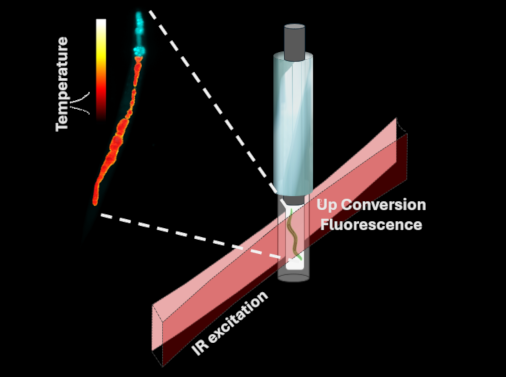
- concentrations. A linear fit of the calibration curve (solid black line) was obtained for both UCNPs@lipids concentrations. The results closely align with Barron-Ortiz et al.’s previously reported calibration curve [40], showing a slope of m = 0.33 °C−1. The resolution performance of the optical thermometer is
- observed at 25 °C, with a decreasing trend as the temperature increased. It is important to note that the relative sensitivity remained above the 0.5%·C−1 threshold, a benchmark for high-performance nanothermometry applications [55]. This confirms previous studies showing that the temperature-dependent
- nematode's digestive tract. Our calibration achieved excellent thermal sensitivity (up to 8.9 × 10⁻³ °C−1 absolute and 2.8%·°C−1 relative), well above the benchmark for high-performance nanothermometry. While our experiments focused on fixed biological specimens, the 980 nm wavelength excitation and


Terahertz-range on-chip local oscillator based on Josephson junction arrays for superconducting quantum-limited receivers
Beilstein J. Nanotechnol. 2025, 16, 2296–2305, doi:10.3762/bjnano.16.158
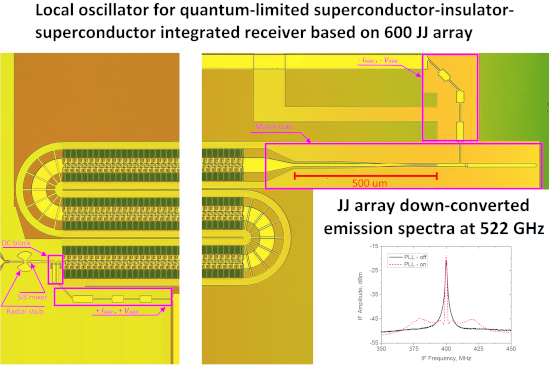
- improvement of the oscillator performance. Keywords: Josephson junction arrays; phase-locking; superconducting local oscillator; superconductor integrated receiver; terahertz-range oscillators; Introduction Superconducting heterodyne receivers based on superconductor–insulator–superconductor (SIS) tunnel
- array to theoretical estimates [32][40][41] and investigated how the array performance is affected by the matched load in the form of Klopfenstein tapering, which ends with the section of the microstrip line with the normal top electrode. In this paper we concentrated on the high-frequency properties of
- discrepancy with the calculations at frequencies over 500 GHz (see Figure 6a). We studied the possible reasons for this and found that the performance deterioration at high frequencies is likely caused by the attenuation in the CPW. We performed calculations of the CPW with the same material parameters as the


Improving magnetic properties of Mn- and Zn-doped core–shell iron oxide nanoparticles by tuning their size
Beilstein J. Nanotechnol. 2025, 16, 2285–2295, doi:10.3762/bjnano.16.157
- . Consequently, efforts have been made to design new ferrite systems that offer improved performance. One promising strategy involves substituting iron with other divalent metal cations (M) in spinel ferrites (MFe2O4), such as cobalt (Co), manganese (Mn), zinc (Zn), and nickel (Ni), to modify the magnetic
- the magnetic saturation and improve hyperthermia performance. However, the cytotoxicity of Co-based nanoparticles poses a significant challenge for biomedical applications. Studies have demonstrated that Co2+ ions released from these particles can enter the bloodstream and accumulate in organs, where
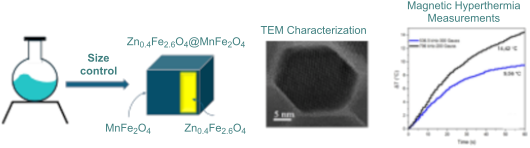
- magnetic performance due to their reduced surface spin disorder [7]. Polyhedral NPs exhibit higher magnetic saturation, less spin canting, and higher SAR values than spherical NPs. For instance, Kasparis et al. demonstrated that polyhedral Zn0.4Fe2.6O4 NPs exhibited SAR values more than double those of



Visualizing nanostructures in supramolecular hydrogels: a correlative study using confocal and cryogenic scanning electron microscopy
Beilstein J. Nanotechnol. 2025, 16, 2274–2284, doi:10.3762/bjnano.16.156
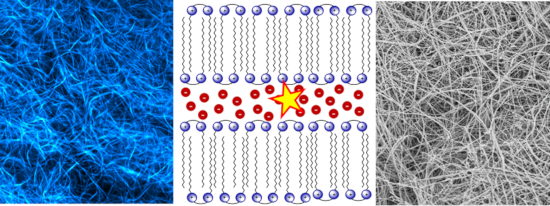
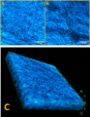
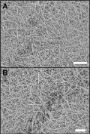
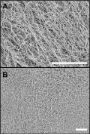
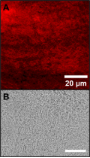
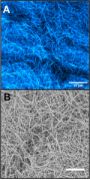
- fibrous networks similar to those seen in DPP-BC@Gel, demonstrating that the poor CLSM performance of ZnPc arises from photophysical limitations rather than morphological differences. Together, these findings reveal the value of combining CLSM and cryo-SEM (where alternative sample preparation techniques



Geometry-controlled engineering of the low-temperature proximity effect in normal metal–superconductor junctions
Beilstein J. Nanotechnol. 2025, 16, 2265–2273, doi:10.3762/bjnano.16.155
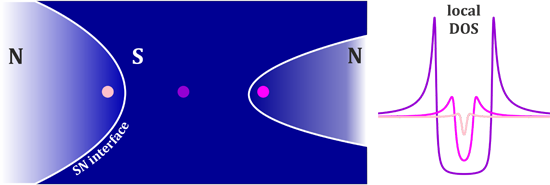
- control the proximity effect. This geometric degree of freedom provides a novel route for engineering and optimizing the performance of superconducting hybrid devices. Results and Discussion Model We perform the calculations on a system described by the two-dimensional Hubbard model, defined through the
- performance in superconducting quantum circuits, Josephson junctions, or topological superconducting platforms, where the strength and range of the induced pairing correlations are critical. Future work could extend our analysis to incorporate the effects of disorder, finite temperature, spin–orbit coupling


Optical bio/chemical sensors for vitamin B12 analysis in food and pharmaceuticals: state of the art, challenges, and future outlooks
Beilstein J. Nanotechnol. 2025, 16, 2207–2244, doi:10.3762/bjnano.16.153
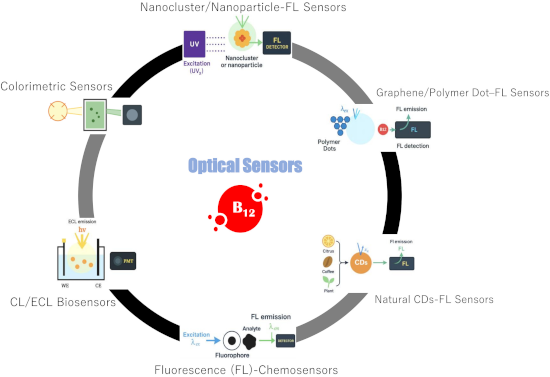
- significant health implications of VB12 deficiency. Traditional methods for VB12 analysis, such as high-performance liquid chromatography and enzyme-linked immunosorbent assay, are often troublesome and time-consuming, and require high-tech laboratory setups. The current overview highlights the latest optical
- different food and pharma formulations include high-performance liquid chromatography (HPLC) [14], HPLC coupled with inductively coupled plasma-mass spectrometry (ICP-MS) [15], and a diode array detector [16], atomic absorption spectroscopy [17], surface-enhanced Raman spectroscopy [18][19], capillary
- use, affordability, and enhanced performance [29][30]. The current study critically reviews the newest findings on the mechanisms and designing principles of different optical sensing systems for sensitive and selective detection of VB12 in various media and real-world samples. Present limitations and


Electromagnetic study of a split-ring resonator metamaterial with cold-electron bolometers
Beilstein J. Nanotechnol. 2025, 16, 2199–2206, doi:10.3762/bjnano.16.152
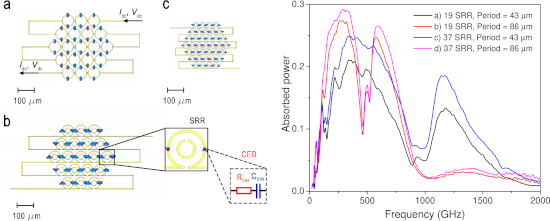
- transition from a single-ring antenna to a double split-ring resonator design, while keeping the number of elements constant, resulted in a significant improvement in performance. The addition of the inner ring, which increases the total capacitance of the resonant element, leads to a slight reduction of the
- adapting the array geometry and the electrical connection scheme between CEBs, one can precisely control the power absorbed per bolometer and the resulting differential resistance, thereby achieving photon-noise-limited performance across a wide bandwidth. This level of design control is considerably more
- transition from a conventional single-ring antenna design to a double SRR configuration has been demonstrated to be a highly efficient strategy to enhance the receiver performance. This design improvement resulted in a substantial 1.5-fold increase in the absorbed power, confirming the theoretical advantage


Missing links in nanomaterials research impacting productivity and perceptions
Beilstein J. Nanotechnol. 2025, 16, 2168–2176, doi:10.3762/bjnano.16.149
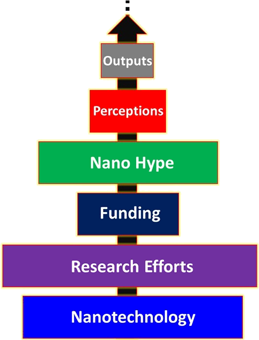
- , and manufacturing tools. Of course, the goal such tech companies are to continue to profit from legacy systems, especially since most of their competitors are not yet adopting nanomaterials, although these could offer considerably better performance, sustainability, longevity, and efficiency. The
- aggregate, agglomerate, and self-assemble according to their morphology. These issues cannot be fully eliminated without external stabilization and suggestively impact their performance in real-world applications. Furthermore, such an instability becomes more pronounced as the particle size decreases. For
- capital by training engineers specialized in nanotechnology, while nurturing interdisciplinary research to drive fundamental discoveries. (7) Integration of artificial intelligence, machine learning, and digital twins can accelerate materials discovery, predict safety and performance, and guide scale-up
Microplastic pollution in Himalayan lakes: assessment, risks, and sustainable remediation strategies
Beilstein J. Nanotechnol. 2025, 16, 2144–2167, doi:10.3762/bjnano.16.148
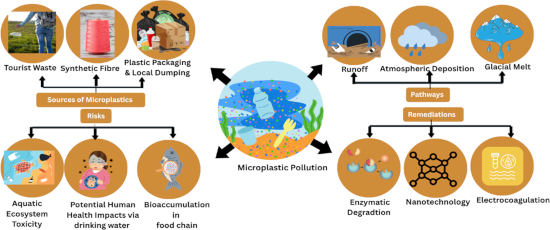
- degrading enzymes from biofilms with nanomaterial carries can enhance MP degradation under cold, UV-rich conditions [47]. Such synergies offer sustainable MP removal in remote high-altitude lakes. Future work should explore their performance under freeze–thaw cycles, low sunlight penetration, and high
- -term performance in natural water systems by not only breaking down MPs, but also preventing the development of biofilms [79]. The use of TiO2 nanomaterials doped with Pt nanoparticles has also been investigated in case studies; these materials showed quicker breakdown rates for persistent PET MPs


Quality by design optimization of microemulsions for topical delivery of Passiflora setacea seed oil
Beilstein J. Nanotechnol. 2025, 16, 2116–2131, doi:10.3762/bjnano.16.146
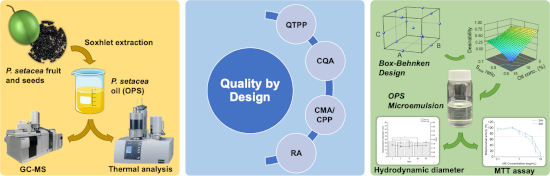
- principles to ensure formulation performance, stability, and skin cell compatibility. Keywords: design of experiments (DoE); microemulsions; nanotechnology; natural products; passion fruit; quality by design; skin delivery; Introduction Species of the Passiflora genus are known for their rich composition
- for Passiflora setacea seed oil. QbD principles and experimental design methodologies were employed to guide formulation development. The microemulsion was designed to enhance physicochemical stability, improve skin application performance, and support future therapeutic applications. Results and
- directly or indirectly influences the performance and quality of the final products (Table 3). These attributes encompass physicochemical, biological, and microbiological properties that must remain within defined limits to ensure the desired quality, safety, and efficacy of the microemulsion system [11


Toward clinical translation of carbon nanomaterials in anticancer drug delivery: the need for standardisation
Beilstein J. Nanotechnol. 2025, 16, 2092–2104, doi:10.3762/bjnano.16.144
- main issues is the wide variety of methods that can be used to synthesise CNMs, which can lead to variations in their properties and performance. For example, carbon nanotubes can be synthesised using arc discharge, laser ablation, and chemical vapour deposition, among others [30]. Each method can
- coupled with systematic biological evaluation to ensure reliable assessment of safety and performance. Physicochemical evaluation of CNMs Size and shape are critical parameters that influence the biological behaviour of CNMs. These factors affect biodistribution, clearance, and cellular uptake. For
- part of quality assurance protocols. Biological evaluation of CNMs Biological evaluation begins with in vitro assays to assess cellular viability, compatibility with blood components, and cellular uptake. These studies provide early insights into the safety and performance of CNM-based formulations