


Search results
Search for "physical properties" in Full Text gives 318 result(s) in Beilstein Journal of Nanotechnology. Showing first 200.
Changes of structural, magnetic and spectroscopic properties of microencapsulated iron sucrose nanoparticles in saline
Beilstein J. Nanotechnol. 2025, 16, 762–784, doi:10.3762/bjnano.16.59
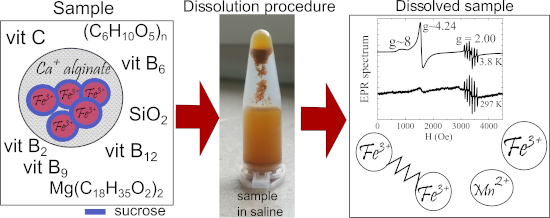
- Research, 75 Pułku Piechoty 1A, 41-500 Chorzów, Poland International Research Centre MagTop, Institute of Physics, Polish Academy of Sciences, Aleja Lotników 32/46, 02-668 Warsaw, Poland 10.3762/bjnano.16.59 Abstract The structural and physical properties of microencapsulated iron sucrose and their
- compounds and SiO2 are the major phases, while the iron phase was recognized as iron oxyhydroxide (FeOOH) (most probably the α polymorph). The dissolution procedure had significant influence on structural and physical properties of the investigated compound, such as lowering of the blocking temperature with
- separated from each other and not magnetically interacting. There are many others literature examples of studies of chemical and physical properties on iron deficiency drugs and their usage in agents [2][7][8][11][12][13][14][15]. However, in this work the whole attention is focused on the iron deficiency





Nanostructured materials characterized by scanning photoelectron spectromicroscopy
Beilstein J. Nanotechnol. 2025, 16, 700–710, doi:10.3762/bjnano.16.54
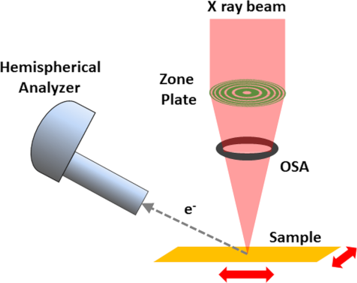
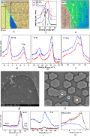
- technologies associated with electronics, energy conversion and storage, and many other fields due to their unique physical properties which may open unforeseen doors for technical and performance advances [5][6][7][8]. The full chain of steps necessary for the implementation of nanostructured materials in


Polyurethane/silk fibroin-based electrospun membranes for wound healing and skin substitute applications
Beilstein J. Nanotechnol. 2025, 16, 591–612, doi:10.3762/bjnano.16.46
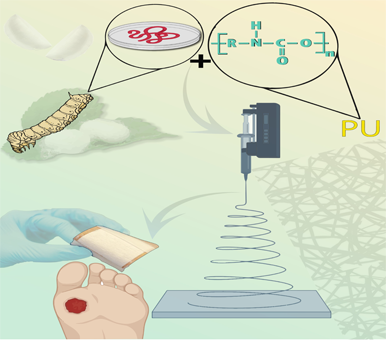
- ]. Nanofibers are considered promising materials because of their size and structure, making them suitable for drug delivery, tissue engineering, tissue scaffolding, and other biomedical applications [12]. They exhibit distinct chemical and physical properties that distinguish them from macroscale structures
- , environmental engineering, and green chemistry [59]. This method facilitates the creation of highly porous 3D structures with an extensive surface area and desirable chemical and physical properties, making the resulting nanofibers ideal for applications such as biosensors, antimicrobial surfaces, scaffolds
- (low modulus and high terminal elongation) [136][137][138]. Many families of PU with increased oxidative stability and customizable mechanical and physical properties were developed in the 1980s and 1990s. Polyols with a hydrocarbon core are appealing for developing PUs with higher oxidative and



N2+-implantation-induced tailoring of structural, morphological, optical, and electrical characteristics of sputtered molybdenum thin films
Beilstein J. Nanotechnol. 2025, 16, 495–509, doi:10.3762/bjnano.16.38
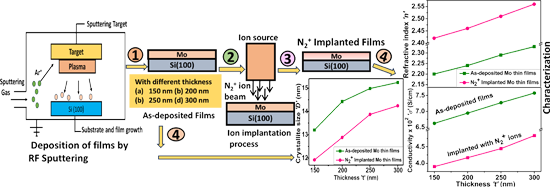
- prospective substitute for tungsten in plasma-facing components of fusion devices. Klaver et al. [19] investigated the impact of irradiation with low-energy helium ions on the physical properties of molybdenum thin films. Ono et al. [20] studied the degradation of the optical characteristics of single- and


Synthetic-polymer-assisted antisense oligonucleotide delivery: targeted approaches for precision disease treatment
Beilstein J. Nanotechnol. 2025, 16, 435–463, doi:10.3762/bjnano.16.34


Quantification of lead through rod-shaped silver-doped zinc oxide nanoparticles using an electrochemical approach
Beilstein J. Nanotechnol. 2025, 16, 422–434, doi:10.3762/bjnano.16.33
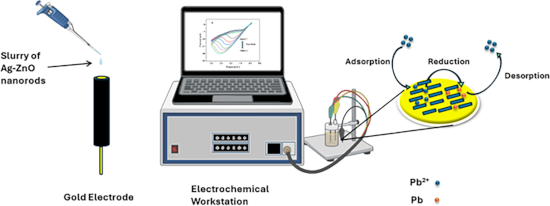
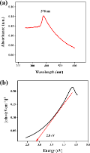
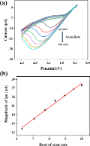
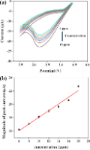
- the effects of transition metal ions, such as silver, copper, nickel, and manganese on the chemical and physical properties of ZnO nanoparticles. These metal dopants utilize their partially occupied d-electron shells, leading to the presence of unpaired electrons. Out of these metals, silver is





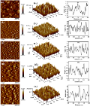
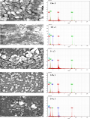
Tailoring of physical properties of RF-sputtered ZnTe films: role of substrate temperature
Beilstein J. Nanotechnol. 2025, 16, 333–348, doi:10.3762/bjnano.16.25
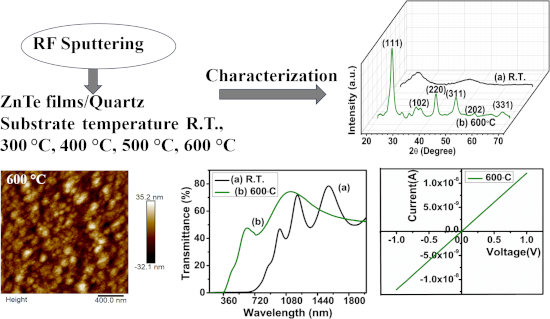
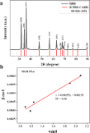
- crystallinity, high transmittance, and high conductivity of the ZnTe film produced at 600 °C make it a suitable candidate for use as a buffer layer in solar cell applications. Keywords: bandgap; physical properties; RF sputtering; substrate temperature; ZnTe; Introduction The industrialization and burning of
- ) compounds have numerous applications in optoelectronic devices such as light-emitting diodes [1], display devices [2], infrared detectors [3], and terahertz emitters [4]. Owing to their suitable physical properties (deposition at low temperatures and good thermal stability) and unique optical properties due
- physical properties (structure, morphology, optical and electrical properties, and luminescence) of RF-sputtered ZnTe films. Quartz is an import substrate because of its high transparency, high melting point, and low thermal expansion coefficient. This study helps in optimizing the substrate temperature to




Enhancing mechanical properties of chitosan/PVA electrospun nanofibers: a comprehensive review
Beilstein J. Nanotechnol. 2025, 16, 286–307, doi:10.3762/bjnano.16.22

- oil were fabricated for the application of repairing chronic tympanic membrane perforations [195]. In drug release applications, multilayered electrospun nanofibrous mats can enhance both the physical properties and the release period of active compounds [196][197]. Additionally, chitosan exhibits


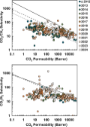
A review of metal-organic frameworks and polymers in mixed matrix membranes for CO2 capture
Beilstein J. Nanotechnol. 2025, 16, 155–186, doi:10.3762/bjnano.16.14
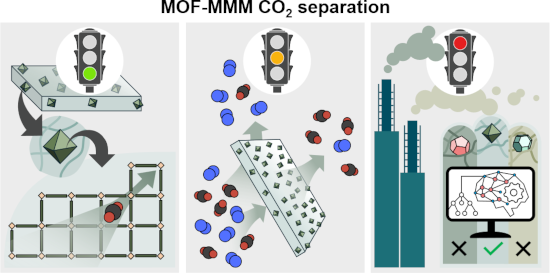
- chemical states [148]. In MOF-based MMMs, XPS can help elucidate unique chemical coordination within the membrane [143]. Physical properties such as the surface area and pore size distribution are commonly determined through Brunauer–Emmett–Teller (BET) analysis [121][124][125][129][130][131], where the




Fabrication of hafnium-based nanoparticles and nanostructures using picosecond laser ablation
Beilstein J. Nanotechnol. 2024, 15, 1639–1653, doi:10.3762/bjnano.15.129
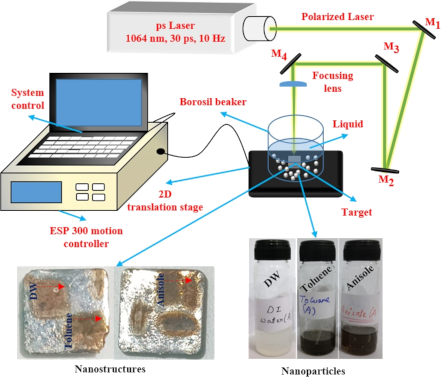
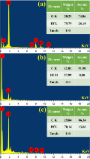
- media. The Hf target was ablated with a picosecond laser in these three solvents to make three different colloidal solutions of Hf-based NPs. The optical, morphological, and physical properties of the obtained Hf-based NPs were studied in detail. The morphology of the ablated Hf surface in the three




Natural nanofibers embedded in the seed mucilage envelope: composite hydrogels with specific adhesive and frictional properties
Beilstein J. Nanotechnol. 2024, 15, 1603–1618, doi:10.3762/bjnano.15.126
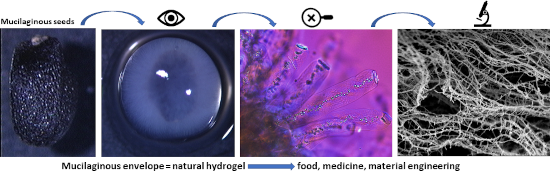
- the mucilage envelope, primarily in the context of its structure and physical properties, as well as biological functions associated with these properties. Keywords: adhesion; cellulose; friction; hydrogel; mucilage envelope; seeds; Introduction The definition of hydrogels describes them as
- tasteless [11][21]. Its chemical composition and special physical properties allow many applications of mucilage, for example, as thickening and structuring (gel-forming) agent, emulsifier or stabiliser for food products, scaffold for tissue regeneration, additive in formation of medicinal tablets, and for
- osmotic stress [4][5][6][10][24][25]. Depending on the hydration level, mucilage exhibits distinct physical properties, which are also connected with its biological functions. In a fully hydrated state, it demonstrates very low friction, important for example, in endozoochoric diaspore dispersal [26][27


Liver-targeting iron oxide nanoparticles and their complexes with plant extracts for biocompatibility
Beilstein J. Nanotechnol. 2024, 15, 1593–1602, doi:10.3762/bjnano.15.125
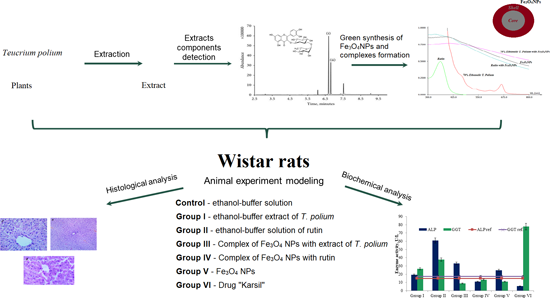
- Biochemistry, Koryun St 2, Yerevan, Armenia Ghitu Institute of Electronic Engineering and Nanotechnologies of Technical University of Moldova, Chisinau, Moldova 10.3762/bjnano.15.125 Abstract Thanks to their simple synthesis, controlled physical properties, and minimal toxicity, iron oxide nanoparticles
- in most biological and chemical reactions involved in the production of medical materials [10][11][12][13]. Magnetic nanoparticles (MNPs), such as iron oxides, not only exhibit superparamagnetism and high magnetic susceptibility, they also possess unique physical properties, biocompatibility
- hepatotoxicity at a cumulative dose of more than 244 mg/kg over 28 days of exposure [35]. By controlling the physical properties of nanoparticles, it is possible to regulate their delivery and sequestration processes [36][37][38][39]. Depending on the size, coating, and duration of exposure, they can exhibit


Out-of-plane polarization induces a picosecond photoresponse in rhombohedral stacked bilayer WSe2
Beilstein J. Nanotechnol. 2024, 15, 1362–1368, doi:10.3762/bjnano.15.109
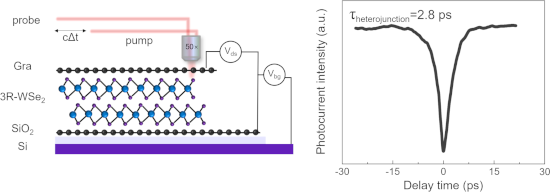
- photogenerated carriers and have the potential to advance related device applications. Results and Discussion Out-of-plane polarization of 3R WSe2 Precisely controlling the stacking angle of two monolayers in TMDs can modify the symmetry and induce unique physical properties. Depending on the stacking order


Hymenoptera and biomimetic surfaces: insights and innovations
Beilstein J. Nanotechnol. 2024, 15, 1333–1352, doi:10.3762/bjnano.15.107
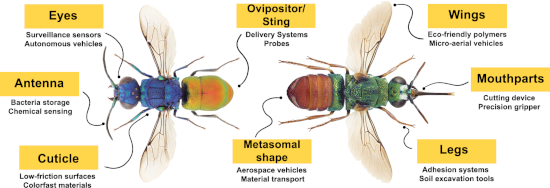
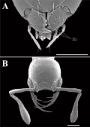
- temperatures (50 °C or even more) [51]. Additionally, specialized hairs with thermal functions are present in both wasps [52] and bees [53]. At last, hymenopteran hairs considerably vary in terms of length [54][55][56], suggesting that they may possess different physical properties, which may be variably used







Quantum-to-classical modeling of monolayer Ge2Se2 and its application in photovoltaic devices
Beilstein J. Nanotechnol. 2024, 15, 1153–1169, doi:10.3762/bjnano.15.94
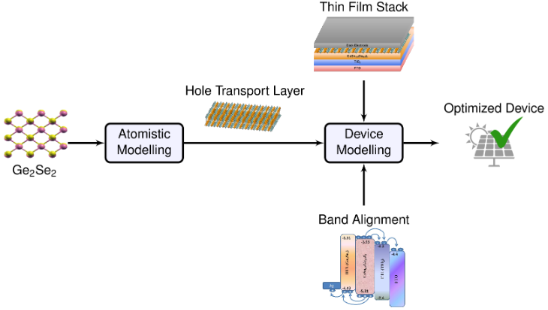
- successfully synthesized [28][29][30][31]. Its remarkable features, such as low cost, abundance, environmental friendliness, and many interesting physical properties, indicate a broad range of possible applications in sustainable electronics and photonics [32]. Notably, a high absorption coefficient has been




Atomistic insights into the morphological dynamics of gold and platinum nanoparticles: MD simulations in vacuum and aqueous media
Beilstein J. Nanotechnol. 2024, 15, 995–1009, doi:10.3762/bjnano.15.81
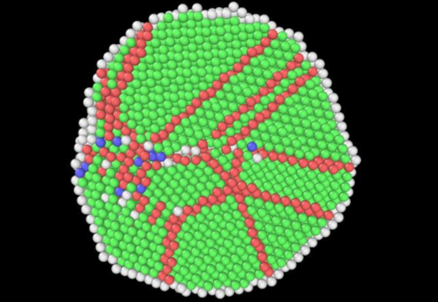
- , anthropogenic, and geological processes [3]. Only a few decades ago, NPs attracted attention because of their size-dependent chemical and physical properties [4]; nowadays, they are commercially available and exploited in several sectors such as optics, automotive, electronics, and healthcare [5][6]. A notable


Recent progress on field-effect transistor-based biosensors: device perspective
Beilstein J. Nanotechnol. 2024, 15, 977–994, doi:10.3762/bjnano.15.80
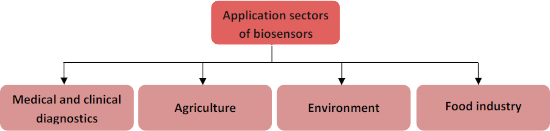
- inner and outer gate cavity regions is set to 10 nm [63]. Therefore, the physical properties of the biosensor have been analyzed via source-channel junction electrostatics and thermionic emission. The effect of applying biasing conditions on the efficiency of the transduction is also investigated. It





A review on the structural characterization of nanomaterials for nano-QSAR models
Beilstein J. Nanotechnol. 2024, 15, 854–866, doi:10.3762/bjnano.15.71
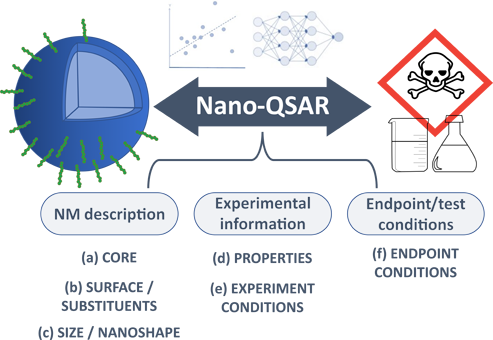
- means: (i) direct measurements of their structure (e.g., their size), (ii) comparison of their physical properties that depend on size/nanostructure, and (iii) consideration of differences in their preparation. Another particularity of NMs is their chemical composition, as they could exhibit complex
- an electronic calculation. Also, experimental physical properties of the compound, obtained from classical databases or literature sources, could be used. However, because these measures correspond to the bulk material and do not characterize the nanoform, we classify them as composition-related


Intermixing of MoS2 and WS2 photocatalysts toward methylene blue photodegradation
Beilstein J. Nanotechnol. 2024, 15, 817–829, doi:10.3762/bjnano.15.68
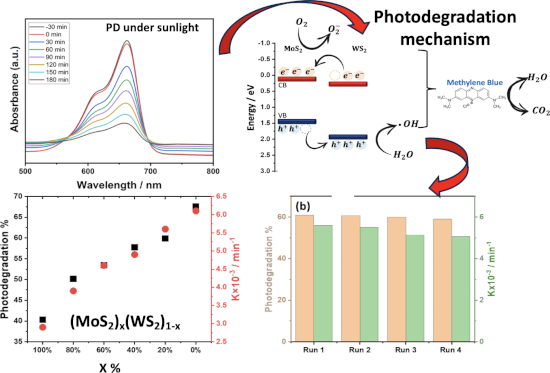
- yield, their physical properties, and their evolving microstructures. Results and Discussion Structural analysis Raman spectroscopy analysis of the exfoliated samples revealed prominent vibrational modes of hexagonal 2H-MoS2, 2H-WS2, and mixture of both phases, represented by E12g at 382 cm−1 and A1g at


Synthesis of silver–palladium Janus nanoparticles using co-sputtering of independent sources: experimental and theorical study
Beilstein J. Nanotechnol. 2024, 15, 808–816, doi:10.3762/bjnano.15.67
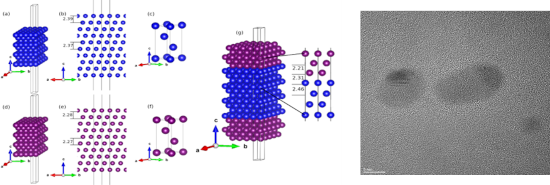
- that present two faces or regions with different chemical or physical properties in a single particle. Their compositional asymmetry can lead to interesting interactions with their environment or other materials, which give them properties and potential applications that homogeneous nanoparticles do




Effect of repeating hydrothermal growth processes and rapid thermal annealing on CuO thin film properties
Beilstein J. Nanotechnol. 2024, 15, 743–754, doi:10.3762/bjnano.15.62
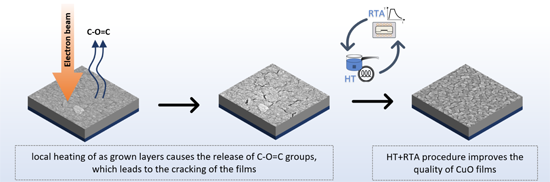
- films, their properties were modified by thermal post-processing. The resultant procedure of sequential hydrothermal processes and rapid thermal annealing (HT+RTA) allows for the control of the physical properties of CuO films. Experimental Sample preparation The analyzed films were fabricated on n-type




Laser synthesis of nanoparticles in organic solvents – products, reactions, and perspectives
Beilstein J. Nanotechnol. 2024, 15, 638–663, doi:10.3762/bjnano.15.54
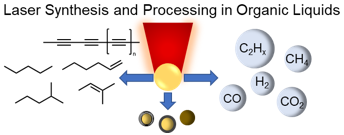
- -heptane (Figure 5). While the overall gas formation was ruled by the solvent’s molar enthalpy of vaporization, the correlation of hydrogen formation with the physical properties of the solvents was not possible. Instead, the hydrogen formation depends on the liquid’s pyrolysis behavior. As such, 1-hexene





Comparative analysis of the ultrastructure and adhesive secretion pathways of different smooth attachment pads of the stick insect Medauroidea extradentata (Phasmatodea)
Beilstein J. Nanotechnol. 2024, 15, 612–630, doi:10.3762/bjnano.15.52
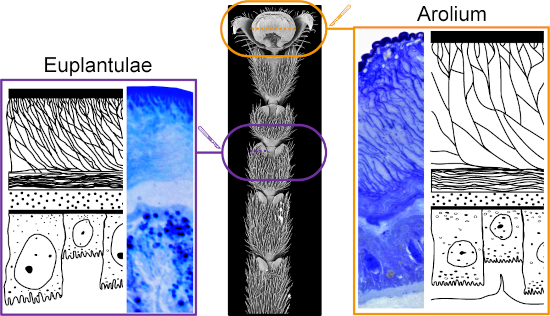
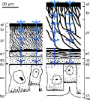
- -walled attachment pads [29] and assists in chemical communication [30]. The tarsal secretion can facilitate these functions due to its chemical composition and the resulting physical properties. Chemical analyses of the tarsal fluid revealed that its composition differs between different insect groups







Photocatalytic degradation of methylene blue under visible light by cobalt ferrite nanoparticles/graphene quantum dots
Beilstein J. Nanotechnol. 2024, 15, 475–489, doi:10.3762/bjnano.15.43
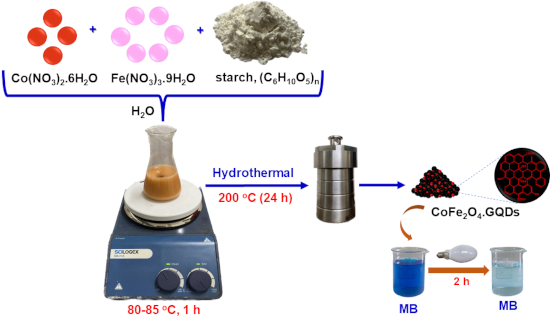
- from different Fe/Co molar ratios. Physical properties of CF/GQDs. A comparison of the rate constant of the present work with other values from literature. Supporting Information Fragmentation spectrum of MB and HPLC spectrum of MB at initial and photocatalytic degradation after 180 min. Supporting




Fabrication of nanocrystal forms of ᴅ-cycloserine and their application for transdermal and enteric drug delivery systems
Beilstein J. Nanotechnol. 2024, 15, 465–474, doi:10.3762/bjnano.15.42
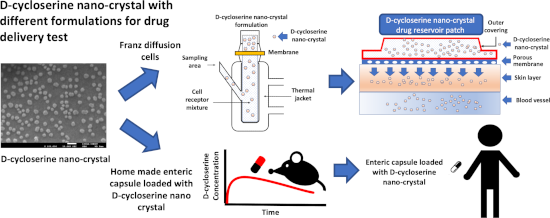
- and then to the in vitro Franz diffusion test with reservoir patch formulation as well as in vivo pharmacokinetics study with enteric capsules. We tested these formulations regarding their nanocrystal physical properties, size effect, and dissolution rate, respectively. We found that DCS nanocrystals





