


Search results
Search for "polymer" in Full Text gives 784 result(s) in Beilstein Journal of Nanotechnology. Showing first 200.
PEGylated lipids in lipid nanoparticle delivery dynamics and therapeutic innovation
Beilstein J. Nanotechnol. 2025, 16, 1914–1930, doi:10.3762/bjnano.16.133
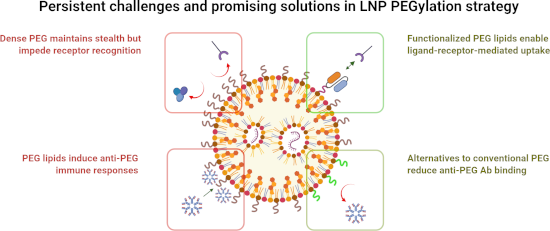
- Flory radius (RPEG) of PEG and the interchain distance (D). According to polymer scaling theory, when D exceeds twice RF (D > 2RPEG), chains exist as isolated mushrooms with minimal overlap, enabling protein penetration to the nanoparticle surface. Experimental validation using quartz crystal
- below 0.2 in pSar55 polymer-incorporated LNP. Moreover, this reduced antibody binding was found to be pSar-unit-dependent. It was observed that pSar with 10 and 15 units provided only partial reduction, while the 55-unit pSar showed nearly complete suppression of antibody binding. Although not further
- lower than anti-PEG IgM during the repeated administrations. While it is argued that PEG alternatives may still elicit immune recognition through other pathways, this analysis is insightful to support that DMG-PEOZ2k lipid induces a markedly milder IgM response. Notably, this reduction in anti-polymer


Current status of using adsorbent nanomaterials for removing microplastics from water supply systems: a mini review
Beilstein J. Nanotechnol. 2025, 16, 1837–1850, doi:10.3762/bjnano.16.127
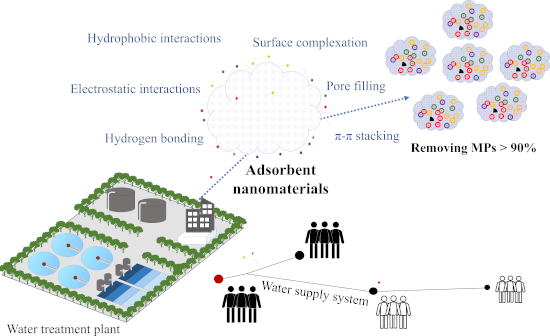
- modified to interact with different polymer compositions of MPs, such as polyethylene (PE), polypropylene (PP), and polystyrene (PS). The main mechanisms of MP removal depend on their structural and chemical properties, as shown in Figure 2 [50][51][52]. Many studies have been conducted to clarify the
- depends on polymer type and particle size. In contrast, nanomaterials show higher and more significant removal efficiency, in some cases exceeding 99%. Particularly, multifunctional materials (e.g., Fe3O4@PDA-lipase nanoparticles or MOFs) combine adsorption, magnetic recovery, and even catalytic


Further insights into the thermodynamics of linear carbon chains for temperatures ranging from 13 to 300 K
Beilstein J. Nanotechnol. 2025, 16, 1818–1825, doi:10.3762/bjnano.16.125
- , Tuscaloosa, Alabama 35487, USA Departamento de Ensino, Instituto Federal de Educação, Ciência e Tecnologia do Ceará (IFCE), 62580-000, Acarau, Ceara, Brazil Department of Polymer Engineering, School of Polymer Science and Engineering, and Alan G. MacDiarmid Energy Research Institute, Chonnam National


![[Graphic 23]](/bjnano/content/inline/2190-4286-16-125-i25.svg?max-width=637&scale=1.18182)
Electrical, photocatalytic, and sensory properties of graphene oxide and polyimide implanted with low- and medium-energy silver ions
Beilstein J. Nanotechnol. 2025, 16, 1794–1811, doi:10.3762/bjnano.16.123
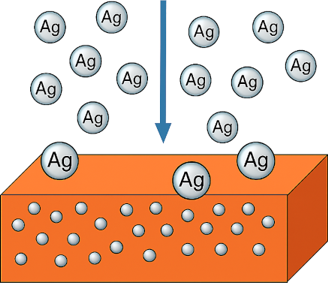
- multifunctional behavior of polymer systems. Keywords: ERDA; graphene oxide; ion implantation; photocatalysis; polyimide; RBS; Introduction Silver ion implantation is an effective strategy for controlling modification of the physicochemical properties of polymers and graphene-based materials. This method allows
- for the precise introduction of implanted atoms into the surface layers without the need for subsequent chemical modification, thus opening new possibilities in the development of functional thin films. In this study, Ag ions were used to modify polymer matrices to improve chemical and electronic
- controlled modification of the electrical properties of dielectric and semiconducting materials [7]. When Ag ions are implanted into polymer substrates, such as polyimide (PI) or graphene oxide (GO), fundamental changes occur at the molecular and electronic levels, leading to a significant decrease in the


Exploring the potential of polymers: advancements in oral nanocarrier technology
Beilstein J. Nanotechnol. 2025, 16, 1751–1793, doi:10.3762/bjnano.16.122
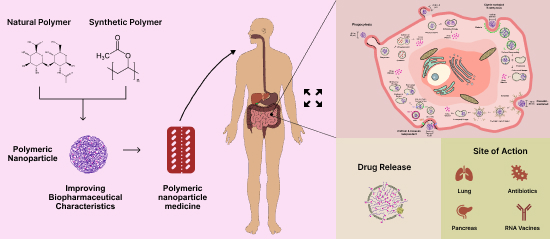
- developing diverse nanocarriers for oral applications, and this review provides a valuable theoretical foundation for understanding the strategies currently employed in this field. Keywords: drug delivery; nanoparticle; oral administration; polymer; polymeric nanoparticle; Review 1 Introduction The oral
- . Therefore, different polymer surfaces impact the NPs’ fate in the GIT in a different way [20]. Polymers are classified as either natural, derived from natural products, or synthetic, chemically synthesized from monomers. Examples of natural polymers include chitosan, alginate, and hyaluronic acid. Synthetic
- (Figure 2A), resulting in a uniform dispersion of active compounds within the polymer [29][30]. The encapsulation of drugs in nanocapsules and nanospheres correlates with their biopharmaceutical characteristics, which are directly linked to oral absorption. Amidon et al. [31], through studies correlating


Prospects of nanotechnology and natural products for cancer and immunotherapy
Beilstein J. Nanotechnol. 2025, 16, 1644–1667, doi:10.3762/bjnano.16.116
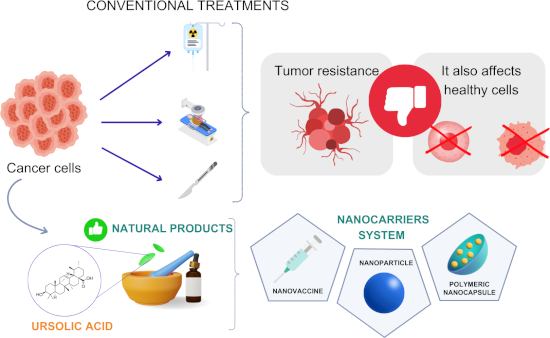
- , cellular absorption, and slow release of drugs [38]. Polymeric nanoparticles are colloidal polymer systems used as drug carriers for targeted therapies and diagnostics [39]. Gold nanoparticles have properties such as chemical reactivity, anti-inflammatory effects, and protein-binding abilities, while


Venom-loaded cationic-functionalized poly(lactic acid) nanoparticles for serum production against Tityus serrulatus scorpion
Beilstein J. Nanotechnol. 2025, 16, 1633–1643, doi:10.3762/bjnano.16.115
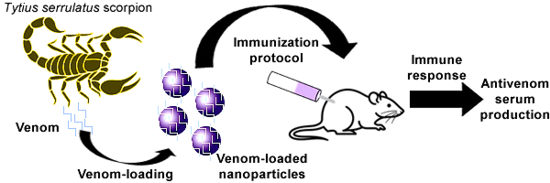
- -loaded PLA nanoparticles were fabricated by nanoprecipitation methods. In this technique, the PLA nanoparticles (NPs) were produced by low-energy solvent displacement and functionalized with polyethylenimine (cationic polymer) for the T. serrulatus protein adsorption. The NPs showed a mean diameter of
- nanoparticles was functionalized with PEI, a hydrophilic polymer that provides a positive surface charge. This modification enhances high macromolecule loading or improves the cell interaction and cellular uptake [22][33][34]. The cationic character induces biomolecules with negative charges, such as proteins
- a certain advantage over the polymer, and it is responsible for the nanoparticle cationic character, ensuring binding of venom proteins. Similar results were obtained using the ionic affinity interaction to bind negatively charged proteins of the T. serrulatus scorpion venom to the amine groups of


Nanotechnology-based approaches for the removal of microplastics from wastewater: a comprehensive review
Beilstein J. Nanotechnol. 2025, 16, 1607–1632, doi:10.3762/bjnano.16.114
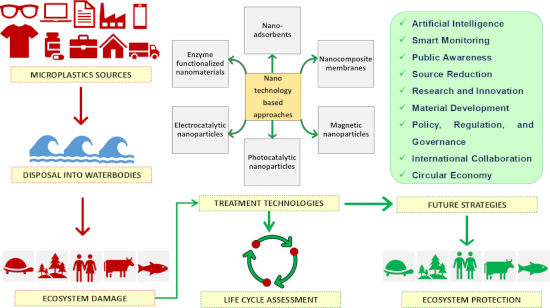
- oxidation mechanisms. These processes generate reactive oxygen species (ROS) through methods such as photocatalysis, ozonation, and electrochemical activation, which effectively break down the polymer chains of MPs, leading to their mineralization. The primary AOP techniques used for removing MPs from water
- radicals attack weak points in the polymer chains, typically structural flaws or chromophoric sites. This attack generates low-molecular-weight alkyl radicals within polyethylene. These reactive species then trigger various transformations, including chain cleavage, branching, crosslinking, and oxidation
- . Interaction with oxygen forms peroxy radicals, which extract hydrogen atoms from the polymer backbone, creating hydroperoxide intermediates. These intermediates break down into alkoxy radicals, which further react to produce carbonyl and vinyl groups, markers of advanced photo-oxidation. The presence of these


Bioinspired polypropylene-based functionally graded materials and metamaterials modeling the mistletoe–host interface
Beilstein J. Nanotechnol. 2025, 16, 1592–1606, doi:10.3762/bjnano.16.113
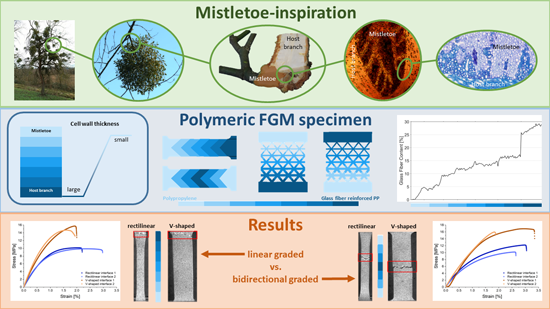
- -reinforced polypropylene and exhibits a continuously graded mistletoe-inspired V-shaped interface. Microtomographic analyses quantified the gradual transition of the glass fiber content along one specimen from 0 to 30%, further revealing the random fiber orientation in the polymer matrix. Tensile tests
- control [38]. However, their work is limited to bimaterial structures, and they are unable to produce continuous graduated materials due to limitations in their manufacturing method. This study aims to establish a polymer-based hot-compression FGM material system that overcomes the limitations of additive
- moduli are manufacturer’s data and were obtained by testing injection molded specimens. The polymer blends were extruded using a co-rotating twin-screw microcompounder (XPlore 15 mL, Sittard, Netherlands) at a screw speed of 120 rpm, a barrel temperature of 200 °C and a processing time of 90 s. Five


Transient electronics for sustainability: Emerging technologies and future directions
Beilstein J. Nanotechnol. 2025, 16, 1545–1556, doi:10.3762/bjnano.16.109

- discourse, it has long been recognized in several application domains. For instance, biodegradable polymer-based materials have been extensively explored as environmentally benign alternatives that do not leave persistent residues [4]. Similarly, in the realm of implantable medical devices, efforts have
- mechanical flexibility of bioresorbable polymers have emerged as a representative form of transient electronics [14]. A typical example includes devices that integrate inorganic silicon nanomembranes or metal oxide semiconductors on bioresorbable polymer substrates such as poly(lactic-co-glycolic acid) (PLGA
- ) or silk, enabling implantable sensors, stimulators, or power harvesters that degrade harmlessly after use. For simple sensor devices, direct deposition of inorganic materials onto bioresorbable polymer substrates using shadow masks has been employed [14][48][63][64]. For example, conductive materials


Dendrimer-modified carbon nanotubes for the removal and recovery of heavy metal ions from water
Beilstein J. Nanotechnol. 2025, 16, 1522–1532, doi:10.3762/bjnano.16.107

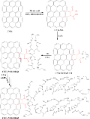
- In this study, we successfully functionalized MA onto the surface of CNTs via Diels–Alder reaction, utilizing a DES as a catalytic medium. This functionalization provided a facile platform for further successive reactions of EDA and MA to grow multibranched polymer networks. Dendrimerized CNTs were


Cross-reactivities in conjugation reactions involving iron oxide nanoparticles
Beilstein J. Nanotechnol. 2025, 16, 1504–1521, doi:10.3762/bjnano.16.106
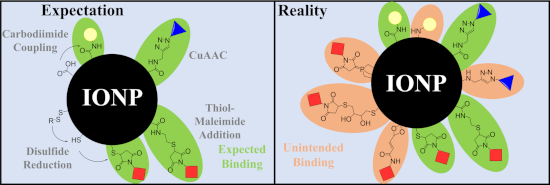
- other IONP preparations. A thick polymer shell may protect the IONPs from these cross-reactivities, but this also significantly increases their hydrodynamic diameter, which may not be favorable, depending on the application. Regardless, proper controls should be performed and reported to rule out the







Nanomaterials for biomedical applications
Beilstein J. Nanotechnol. 2025, 16, 1499–1503, doi:10.3762/bjnano.16.105
- recent years, the scientific community has started focusing on what nanocomposites potentially offer. Binding nanoparticles along with biomaterials enhances their strength, flexibility, and durability. For example, adding hydroxyapatite nanoparticles to a polymer can improve bone compatibility, making it
Laser processing in liquids: insights into nanocolloid generation and thin film integration for energy, photonic, and sensing applications
Beilstein J. Nanotechnol. 2025, 16, 1428–1498, doi:10.3762/bjnano.16.104






The role of biochar in combating microplastic pollution: a bibliometric analysis in environmental contexts
Beilstein J. Nanotechnol. 2025, 16, 1401–1416, doi:10.3762/bjnano.16.102
- ecological pollution in agricultural soils [7]. In contrast, wastewater systems in Oman exhibited polymer indices ranging from moderate to extreme danger, emphasizing the need for enhanced MP removal technologies [12]. These findings highlight the pervasive nature of MP contamination across terrestrial and



Parylene-coated platinum nanowire electrodes for biomolecular sensing applications
Beilstein J. Nanotechnol. 2025, 16, 1392–1400, doi:10.3762/bjnano.16.101
- stability of metal nanoparticles limits their application in biological systems and decreases their performance [12]. Other materials like silicon quantum dots, ion-imprinted polymer, and hydrogels have unique biocompatibility and specificity advantages, but long-term stability and cost make them
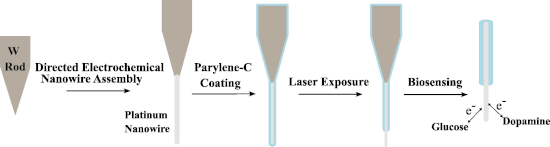
- structures [18][19][20][21]. These characteristics allow DENA to create a variety of structures for nanoscale biosensor manufacturing. Parylene-C is a polymer known for its exceptional properties, including high tensile strength, excellent electrical insulation, low water permeability, and biocompatibility
- , which can be coated with parylene-C polymer and the tip can be exposed by a focused laser beam. An electrochemical copper deposition test was performed to verify that the platinum electrode was fully exposed after evaporation of the parylene-C polymer at the tip. The test also demonstrated that the


Synthesis and antibacterial properties of nanosilver-modified cellulose triacetate membranes for seawater desalination
Beilstein J. Nanotechnol. 2025, 16, 1380–1391, doi:10.3762/bjnano.16.100
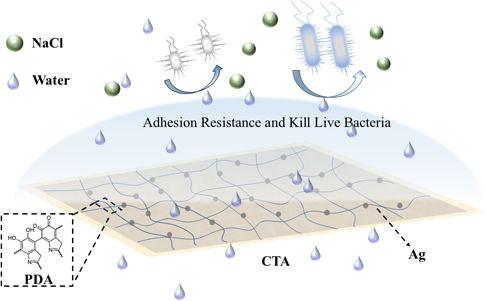
- for antibacterial purposes are diverse and include metallic silver, silver salts, and composites of Ag with other materials. The integration of nanotechnology with Ag, particularly when incorporated into polymer membranes, has demonstrated significant potential for enhancing membrane performance. CTA
- images, along with high-magnification views, reveal a dense, compact structure indicative of high polymer packing density (Figure 4b). The application of the PDA coating results in uniformly sized, densely packed spheres that adhere uniformly to the CTA membrane’s surface, providing active sites for


Enhancing the therapeutical potential of metalloantibiotics using nano-based delivery systems
Beilstein J. Nanotechnol. 2025, 16, 1350–1366, doi:10.3762/bjnano.16.98
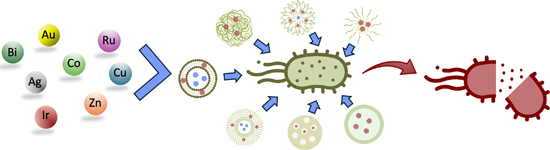
- , studies have demonstrated that mannose receptor-targeted rifampicin delivery through solid lipid nanoparticles (SLNs) can be effectively applied to the treatment of infections, highlighting the role of polymer-based systems in enhancing drug delivery to macrophages [53]. Both passive and active targeting
- , combining high biocompatibility, prolonged release properties, and the capacity to encapsulate a diverse range of therapeutic agents. Ongoing research efforts are focused on overcoming existing limitations to fully realize the clinical potential of SLNs [76]. Polymer nanoparticles. Polymeric nanoparticles
- ]. The most common forms of polymeric NPs include nanocapsules, which have a polymeric membrane enclosing the drug payload, and nanospheres, consisting of a solid polymer matrix. Among these, polymersomes and dendrimers are notable types of polymeric NPs [78]. Polymersomes, made from amphiphilic block


Better together: biomimetic nanomedicines for high performance tumor therapy
Beilstein J. Nanotechnol. 2025, 16, 1246–1276, doi:10.3762/bjnano.16.92
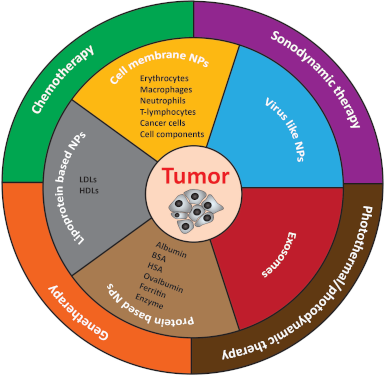
- release behavior, targeting ability, and surface modifications [12][13][14][15]. A variety of nanoparticles have been researched including liposomes, polymer NPs, solid lipid NPs, and hybrid NPs [16]. Nanoscale drug carriers with the advantage of high penetration, long circulation, and significant






Functional bio-packaging enhanced with nanocellulose from rice straw and cinnamon essential oil Pickering emulsion for fruit preservation
Beilstein J. Nanotechnol. 2025, 16, 1234–1245, doi:10.3762/bjnano.16.91
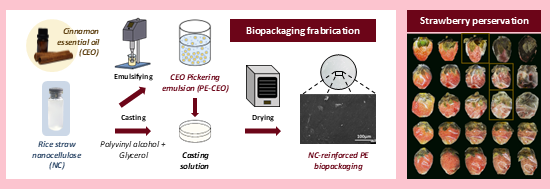
- develop composite materials with superior properties. Compared to other inorganic nanomaterials, nanocellulose (NC) has been noted to be a highly potential sustainable and bio-based filler that can be obtained from otherwise wasted agricultural byproducts like rice straw [11][19]. NC can enhance polymer
- the trapping effect of the polymer matrix on CEO [31]. XRD analysis (Figure 1c) shows that all biopackaging samples exhibit only large peaks at around 22° and 26°, which correspond to the (101) and (200) planes of the PVA structure [40]. It is to note that a slight peak shift to higher angles can be
- ]. Differential thermogravimetry (DTG) results (Figure 1b) revealed three distinct stages of weight loss. The first stage (30–130 °C) was attributed to water evaporation, consistent with the hydrophilic nature of PVA [41]. The second stage (260–380 °C) involved polymer chain degradation and volatile compound



Hydrogels and nanogels: effectiveness in dermal applications
Beilstein J. Nanotechnol. 2025, 16, 1216–1233, doi:10.3762/bjnano.16.90
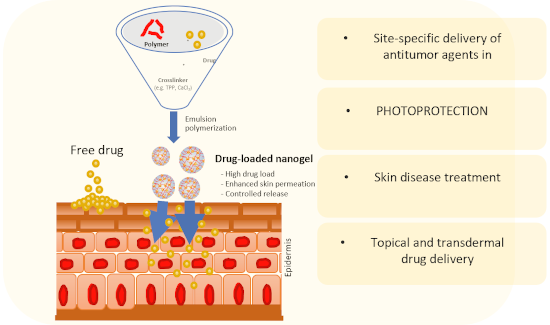
- pathophysiological processes through the incorporation of drugs for enhancing skin permeation brings out promising prospects for innovation which may arise in the drug delivery field. Keywords: cross-linking; drug delivery; formulation; nanogel; polymer; Introduction The systematic study of gels began in the mid
- application of hydrogels and nanogels as DDSs are particularly addressed. Review Preparation of hydrogels Cross-linking, one of the main techniques for hydrogel formation, is the process of linking polymer chains by covalent or noncovalent bonds, forming tridimensional networks [43][44]. Polymers can be intra
- stimuli such as heating/cooling [45][46]. Polymer chemical cross-linking can be performed by the formation of a network structure from monomers by polymerization or post-cross-linking of linear polymers with a cross-linking agent. Examples of chemical cross-linking methods are covalent bonding between


Investigation of the solubility of protoporphyrin IX in aqueous and hydroalcoholic solvent systems
Beilstein J. Nanotechnol. 2025, 16, 1209–1215, doi:10.3762/bjnano.16.89
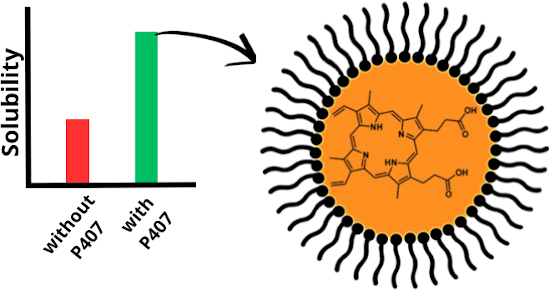
- concentration gradients, while the micellar structure remains intact throughout the dissolution process [25]. The kinetic constant (k) was elevated for all the systems, although polymer, temperature, and the solvent properties may influence this parameter. Overall, the water + P407 system demonstrated the most


Chitosan nanocomposite containing rotenoids: an alternative bioinsecticidal approach for the management of Aedes aegypti
Beilstein J. Nanotechnol. 2025, 16, 1197–1208, doi:10.3762/bjnano.16.88
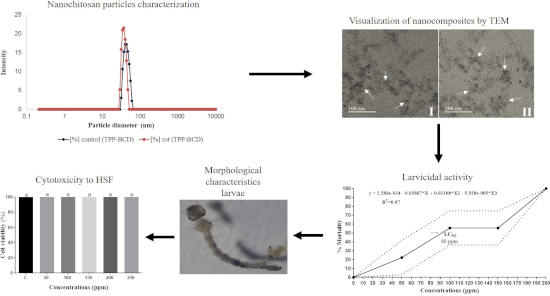
- diseases, we produced a chitosan nanocomposite with the isolated rotenoids. Chitosan is an aminated polysaccharide derived from the deacetylation of chitin and is the main structural component of insect and crustacean exoskeletons. It is widely recognized as the second most abundant natural polymer



Mechanical stability of individual bacterial cells under different osmotic pressure conditions: a nanoindentation study of Pseudomonas aeruginosa
Beilstein J. Nanotechnol. 2025, 16, 1171–1183, doi:10.3762/bjnano.16.86
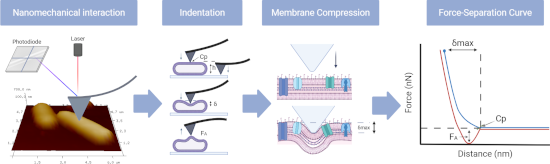
- regular adhesive tape, and coated with 5 μL of the cationic polymer poly-ʟ-lysine (PLL, MW 40 kDa, Sigma-Aldrich). The drop of PLL was not allowed to dry but incubated for 10 min, and then the surfaces were repeatedly rinsed with Milli-Q water to allow the formation of a thin film. This coating promotes
- approximation for the last assumption. However, the thin polymer layer of PLL applied to enhance the adhesion of PA is expected to introduce a certain but rather small degree of mechanical resistance. Visually, from the maps in the column for stiffness, it is difficult to discern a difference in the brightness
- obtained on PLL and PA for each investigated condition for a maximal loading force of 500 pN. These curves show the mechanical response from the polymer layer on the mica surface and the outer membrane of PA. From the black line, it is easy to observe how the tip, upon contact, almost immediately attains


Fabrication of metal complex phthalocyanine and porphyrin nanoparticle aqueous colloids by pulsed laser fragmentation in liquid and their potential application to a photosensitizer for photodynamic therapy
Beilstein J. Nanotechnol. 2025, 16, 1088–1096, doi:10.3762/bjnano.16.80
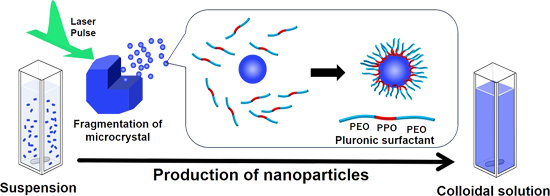
- = AlCl, Fe, Co, Zn) and Pt complex octaethylporphyrin (PtOEP) by nanosecond laser fragmentation of the corresponding microcrystalline powders in an aqueous solution of the amphiphilic polymer Pluronic® F-127. All nanoparticles dispersed stably in phosphate-buffered saline and cell culture media without
- biological optical window (wavelengths from 650 to 1000 nm) and have recently attracted attention for applications in biomedical research such as photoacoustic imaging of tissues and PDT of tumors [2][3]. Porphyrins and Pcs are hydrophobic hydrocarbons that are insoluble in water. Hence, polymer composite
- amphiphilic polymer (Pluronic® F-127, Figure 1) [28] was used as a dispersant to ensure high dispersion stability in various aqueous environments in anticipation of future bio-applications. F-127 is a less toxic and non-ionic copolymer containing hydrophilic polyethylene oxide (PEO) and hydrophobic





