


Search results
Search for "porosity" in Full Text gives 261 result(s) in Beilstein Journal of Nanotechnology. Showing first 200.
Synthesis of a multicomponent cellulose-based adsorbent for tetracycline removal from aquaculture water
Beilstein J. Nanotechnol. 2025, 16, 728–739, doi:10.3762/bjnano.16.56
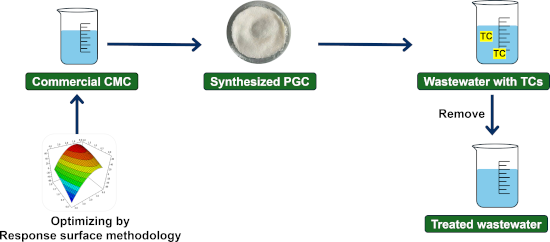
- high porosity and a large specific surface area, have demonstrated adsorption efficiency across a wide pH range [17]. Although previous studies have offered valuable insights, further research is needed to optimize the structural and compositional properties of materials to improve their performance
- porosity, enhanced selectivity, more hydrophobicity, and a simple synthesis process, along with cost-efficiency and high adsorption capacity, holds promise as an effective adsorbent for the treatment of aquaculture wastewater. Overall, this study lays the groundwork for future research on synthesizing


Polyurethane/silk fibroin-based electrospun membranes for wound healing and skin substitute applications
Beilstein J. Nanotechnol. 2025, 16, 591–612, doi:10.3762/bjnano.16.46
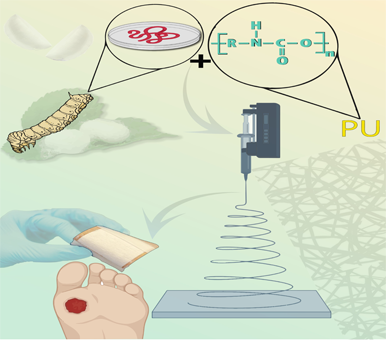
- electrospun membranes is rapidly increasing in the medical sector, attributed to their unique surface properties and high porosity [63][64]. Additionally, electrospun membranes can be designed to enhance critical attributes such as biocompatibility, cell attachment, nontoxicity, biomechanical strength, and
- (NGF) to promote bone regeneration, vascularization, and nerve integration. The scaffolds were designed with precise porosity and geometry to promote new bone growth while mimicking the structure of natural bone. The scaffold’s mechanical properties were appropriate for bone tissue application, and the
- and proliferation, which eventually causes the scaffolds to degrade and be replaced by natural tissue. Many silk scaffolds used in tissue engineering are designed with high porosity and provide a platform for the cells to self-assemble into vessel-like structures [103][104]. When constructing tissue



Zeolite materials with Ni and Co: synthesis and catalytic potential in the selective hydrogenation of citral
Beilstein J. Nanotechnol. 2025, 16, 520–529, doi:10.3762/bjnano.16.40
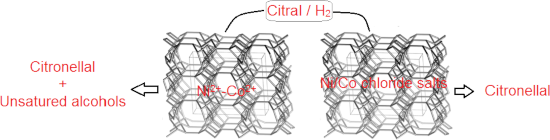
- these zeolites shown in the XRD pattern (Figure 1). This indicates that zeolitic mineral from the San Andrés deposit is mainly composed of a mordenite and clinoptilolite–heulandite mixture. Furthermore, the SEM micrographs reveal free spaces between crystallites, contributing to the material’s porosity
- levels (Figure 3). The chloride originates from the NiCl2 and CoCl2 solutions used in the treatments, which remain as residues on the materials. The residual solution may be retained through surface adsorption within the porosity and mesoporosity formed between the zeolite crystallites, as shown in the
- for materials obtained by IE are higher than those of ZSA. This increase is consistent with expectations [17][18], as the ion exchange and water washing treatments effectively clean the materials’ surface, thereby enhancing the available surface area and porosity (microporosity) for adsorption. The


N2+-implantation-induced tailoring of structural, morphological, optical, and electrical characteristics of sputtered molybdenum thin films
Beilstein J. Nanotechnol. 2025, 16, 495–509, doi:10.3762/bjnano.16.38
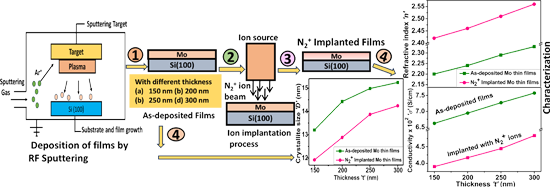
- ] investigated the effects of argon ion bombardment on the characteristics of Mo thin films. Films with reduced porosity and larger grains demonstrated increased reflectance and decreased resistivity, consistent with electron mean free path analysis results. Navin et al. [15] investigated self-organized pattern


Pulsed laser in liquid grafting of gold nanoparticle–carbon support composites
Beilstein J. Nanotechnol. 2025, 16, 349–361, doi:10.3762/bjnano.16.26
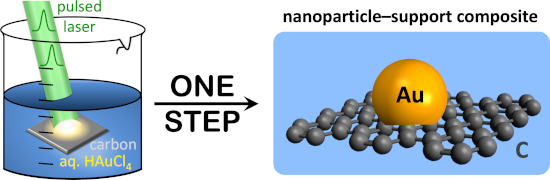
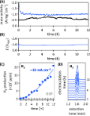
- and creating a high density of graphitic edges on the surfaces of carbon fibers [22]. Our process provides a carbon support material with retained porosity that does not slow mass transport in electrode processes [22], with a high surface area of carbon of 468 cm2 per geometric cm2 [23], derived from


Enhancing mechanical properties of chitosan/PVA electrospun nanofibers: a comprehensive review
Beilstein J. Nanotechnol. 2025, 16, 286–307, doi:10.3762/bjnano.16.22

- sensitive compounds [3]. Electrospun nanofibers exhibit a large surface area, high porosity, and small pore size, making them useful for a wide range of applications, as shown in Figure 1. Chitosan/polyvinyl alcohol (PVA) electrospun nanofibers have many applications, including water treatment, biomedical
- uses, and wound healing [4][5][6]. However, a drawback of electrospun nanofibers is their mechanical properties [7][8]. Electrospun nanofibers typically exhibit poor mechanical properties due to their high porosity, random fiber arrangement, and weak interactions at the cross-points of the nanofibers
- mimicking the nanomechanical and nanostructural features of the ECM with their ability to withstand load-bearing applications, given their high porosity. Additionally, conventional electrospun fibers cannot withstand 150 MPa, which is a requirement for load-bearing applications. Thus, a more robust method


Synthesis and the impact of hydroxyapatite nanoparticles on the viability and activity of rhizobacteria
Beilstein J. Nanotechnol. 2025, 16, 216–228, doi:10.3762/bjnano.16.17
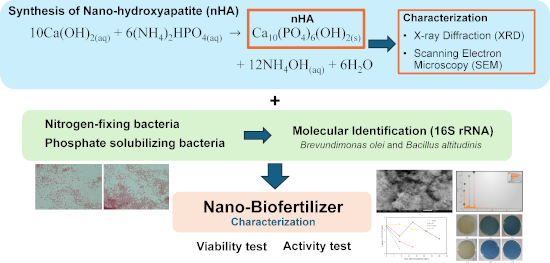
- using 16S rRNA gene sequencing, followed by analysis to construct a phylogenetic tree. nHA was found to meet the required quality criteria, exhibiting a spherical morphology with an average particle size of 68 nm and a porosity of 54.78%. The nHA carrier demonstrated favorable physical attributes to
- results reveal an average particle size of 68.08 nm, as displayed in Figure 3b. Moreover, a more comprehensive examination of the SEM image using OriginLab software yields a sample porosity of 54.78%, as illustrated in Figure 3d. In this representation, the blue regions correspond to the solid volume of
- nm. SEM analysis revealed a spherical shape with an average particle size of 68.08 nm and a porosity of 54.78%. Rhizobacteria loaded onto the nHA carrier exhibited viability comparable to rhizobacteria incubated without a carrier. Over the observation period, the viability of both types of


A review of metal-organic frameworks and polymers in mixed matrix membranes for CO2 capture
Beilstein J. Nanotechnol. 2025, 16, 155–186, doi:10.3762/bjnano.16.14




TiO2 immobilized on 2D mordenite: effect of hydrolysis conditions on structural, textural, and optical characteristics of the nanocomposites
Beilstein J. Nanotechnol. 2025, 16, 128–140, doi:10.3762/bjnano.16.12
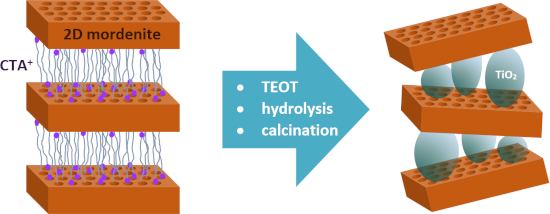
- hydrolysis medium. Keywords: 2D zeolite; hierarchical porosity; mordenite; TEOT; TiO2; titanium tetraethoxide; Introduction Zeolites are important heterogeneous catalysts in various industrial processes. More and more functional materials based on zeolites are being searched for, including zeolites with
- composites. With an increase hydrolysis duration in the presence of ethanol, first, there is a sharp decrease in porosity. Then, there is an increase to almost the same value as it was after the minimum processing time, which may be due to the formation of microporous zeolite. The decrease in specific



Orientation-dependent photonic bandgaps in gold-dust weevil scales and their titania bioreplicates
Beilstein J. Nanotechnol. 2025, 16, 1–10, doi:10.3762/bjnano.16.1
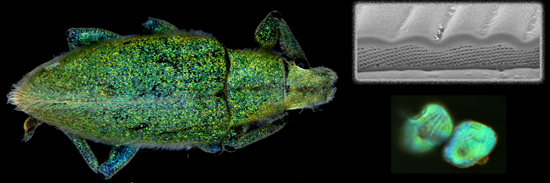
- template has a similar refractive index as the titania thin layers obtained with a sol–gel process, suggesting a similar porosity despite the more complicated geometry. The work further supports the use of biological photonic structures for synthesizing novel optical devices. Results Appearance and
- templating process employed here, the 3D geometry did not significantly increase the porosity of titania. Our estimate for the effective refractive index of titania in the 3D lattice is in the range reported for pure titania thin films (1.95–2.55 [38], 1.72–2.03 [39]), hybrid silica/titania thin films (1.95
- the effective refractive index of titania thin films produced by sol–gel synthesis varies because of porosity, depending on the specific process, chemicals, and reaction conditions [41]. A higher annealing temperature seems to have a large influence on reducing the porosity of thin films, while


Electrochemical nanostructured CuBTC/FeBTC MOF composite sensor for enrofloxacin detection
Beilstein J. Nanotechnol. 2024, 15, 1522–1535, doi:10.3762/bjnano.15.120
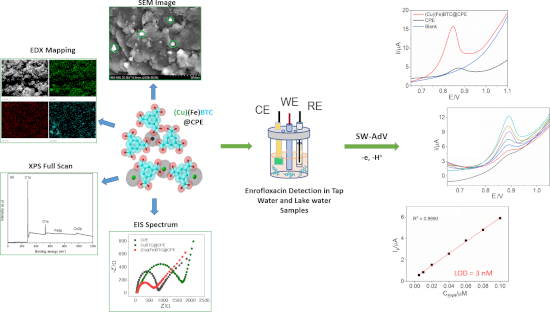
- sensor was presented by You et al. in 2002 [22]. MOFs are crystalline hybrid materials with network structures formed by the self-assembly of metal ions or metal clusters and organic ligands, which give them ultrahigh porosity and enormous internal surface area. However, using MOFs for electrochemical





Unveiling the potential of alginate-based nanomaterials in sensing technology and smart delivery applications
Beilstein J. Nanotechnol. 2024, 15, 1077–1104, doi:10.3762/bjnano.15.88
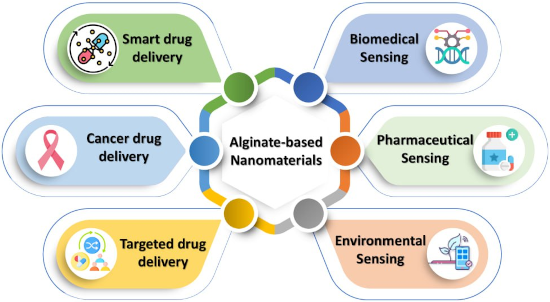
- stability, porosity, and degradation rate of alginate-based nanoparticles in order to enhance their sensing capabilities. Additionally, efforts should be made to explore the potential of alginate-based nanoparticles for detecting a wide range of environmental pollutants, such as heavy metals and pesticides


Electrospun nanofibers: building blocks for the repair of bone tissue
Beilstein J. Nanotechnol. 2024, 15, 941–953, doi:10.3762/bjnano.15.77
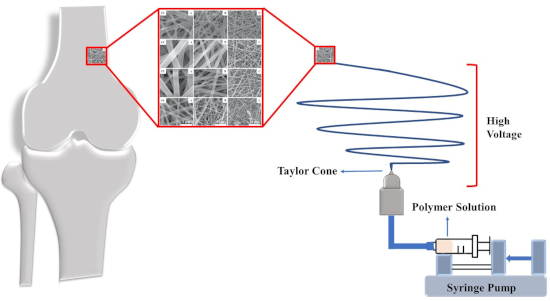
- because of their extremely large surface area-to-volume ratio, small pore size, and high porosity. Nanofibers are known to be highly functional systems with the ability to mimic the structure and function of the natural bone matrix, facilitating osteogenesis for cell proliferation and bone regeneration
- mixed polymers, and the formation of highly porous and continuous fibers are the remarkable features of this method. The importance of nanofiber-based scaffolds in bone tissue regeneration is increasing because of suitable pore size, high porosity, osteoinduction, induction of bone growth with
- , and help bone resistance [13][14][15]. It is also assumed that an increase in the porosity of compact bone due to enlarged canals or an increased number of canals may be associated with increased bone fragility [16]. Unlike compact bone, cancellous bone does not have a Haversian system. Instead, an


Facile synthesis of Fe-based metal–organic frameworks from Fe2O3 nanoparticles and their application for CO2/N2 separation
Beilstein J. Nanotechnol. 2024, 15, 897–908, doi:10.3762/bjnano.15.74
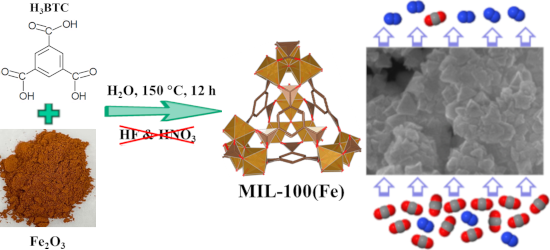
- ]. Additionally, iron oxides were considered as iron precursors required to make MIL-100(Fe). The first candidate Fe3O4 was used to successfully fabricate MIL-100(Fe) in a hydrothermal reactor in the absence of HF and HNO3 [26][27]; it resulted in enhanced porosity of the obtained material when increasing the
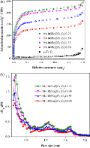
- , using the Brunauer–Emmett–Teller (BET) model, and the total pore volume and pore size distribution, using the Horvath–Kawazoe (HK) model. The samples were activated under vacuum at 150 °C for 12 h before being introduced into the porosity analyzer. CO2 and N2 adsorption test The characteristic
- , respectively. Subsequently increasing the H3BTC amount up to 1.80 g caused an improvement in BET surface area to 1365.4 m2·g−1 and total pore volume to 0.642 cm3·g−1 for M-100Fe@Fe2O3#1.80. There was a further slight enhancement in the porosity of the obtained material when increasing the H3BTC amount from





Water-assisted purification during electron beam-induced deposition of platinum and gold
Beilstein J. Nanotechnol. 2024, 15, 884–896, doi:10.3762/bjnano.15.73
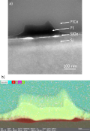
- , resulting in the fabrication of metal oxide nanostructures. Post-deposition purification requires the removal of carbon after completion of the deposition, causing porosity and/or severe changes in size and shape. In addition, post-deposition purification may lead to only partly purified material. For





A review on the structural characterization of nanomaterials for nano-QSAR models
Beilstein J. Nanotechnol. 2024, 15, 854–866, doi:10.3762/bjnano.15.71
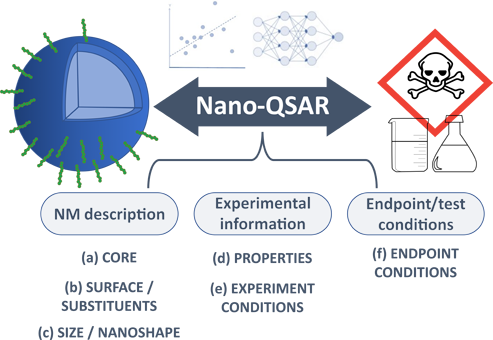
- several descriptors that reflect the nanoform’s shape and size, such as its area, volume, surface, diameter, volume/mass ratio, volume/surface ratio, aspect ratio, porosity, sphericity, and circularity [30]. However, the most common approach is to provide a single size parameter and assume that the


Electrospun polysuccinimide scaffolds containing different salts as potential wound dressing material
Beilstein J. Nanotechnol. 2024, 15, 781–796, doi:10.3762/bjnano.15.65
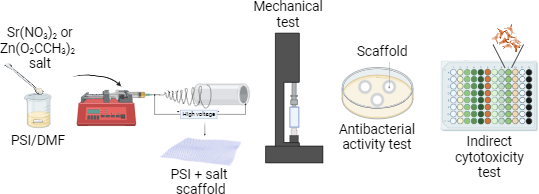
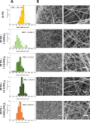
- has several functions in the human body, including wound healing [15][16]. Nanofibers produced by electrospinning have beneficial structural attributes, such as elevated porosity, high specific surface area, and nanoscale fiber dimensions; thus, adequately mimicking the ECM and promoting cellular



Aero-ZnS prepared by physical vapor transport on three-dimensional networks of sacrificial ZnO microtetrapods
Beilstein J. Nanotechnol. 2024, 15, 490–499, doi:10.3762/bjnano.15.44
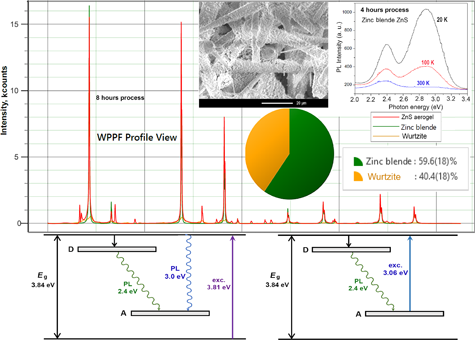
- with ultrahigh degree of porosity, the so-called aeromaterials, are of special interest [11][12][13][14][15][16][17][18]. Aeromaterials are similar to aerogels, which are widely explored and used in various applications. Aerogels include inorganic [19][20][21][22][23][24], organic [21][22][23][24][25



Sidewall angle tuning in focused electron beam-induced processing
Beilstein J. Nanotechnol. 2024, 15, 447–456, doi:10.3762/bjnano.15.40
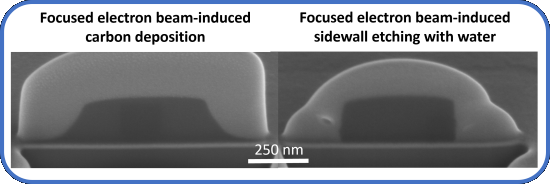
- diffusion rate of adsorbed contamination is known to be enhanced by the presence of water layers [21]. But since the relevant quantities are hard to measure, the diffusion rate has not been included in the model, nor have some other factors such as scattering, porosity, and secondary etch product reactions




In situ optical sub-wavelength thickness control of porous anodic aluminum oxide
Beilstein J. Nanotechnol. 2024, 15, 126–133, doi:10.3762/bjnano.15.12
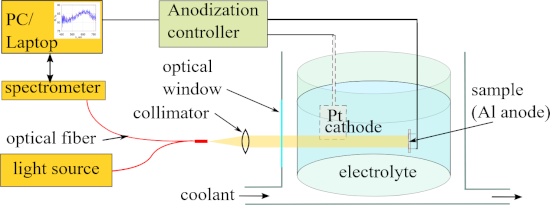
- − 0.76f for the visible band [4], where f is the porosity. In the present work, a RI value of 1.40 ± 0.01 at 600 nm was obtained for the porous layer in air using SE fitting, while the corresponding value for the barrier layer was 1.768 according to the SE software database for aluminum oxide. During


Berberine-loaded polylactic acid nanofiber scaffold as a drug delivery system: The relationship between chemical characteristics, drug-release behavior, and antibacterial efficiency
Beilstein J. Nanotechnol. 2024, 15, 71–82, doi:10.3762/bjnano.15.7
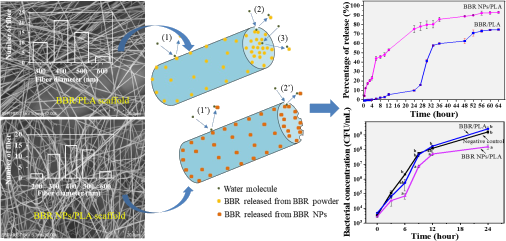
- researchers due to their unique characteristics. First, high porosity and large surface-to-volume ratio of nanofiber scaffolds give the material the potential to be exposed to the biological media for drug release. Besides, 3D nanofiber scaffolds resemble the natural extracellular matrix, promoting nutrients


Influence of conductive carbon and MnCo2O4 on morphological and electrical properties of hydrogels for electrochemical energy conversion
Beilstein J. Nanotechnol. 2024, 15, 57–70, doi:10.3762/bjnano.15.6
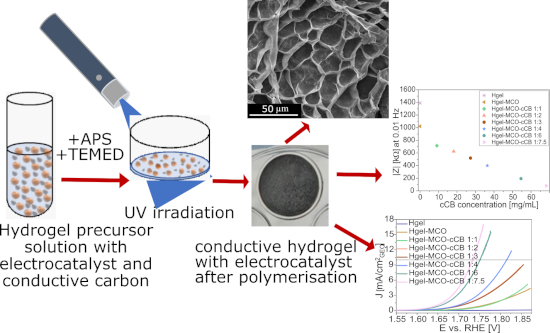
- scaffold, coating its surface. The characteristic porous structure is still formed but has a much more granular structure. The presence of pores is very important in the case of the application of hydrogel composite in OER. As aforementioned, the porosity has a beneficial effect on the diffusion of
- influence of porosity and conductive properties of these composites on the electrochemical activity of catalyst particles in OER. Elemental mapping by energy-dispersive X-ray spectroscopy (EDS) confirmed the presence of MCO particles inside the hydrogel structure (Figure 2 and Supporting Information File 1
- cCB in the hydrogel-MCO structure. For the studied materials, CPE can be linked to a surface distribution of properties, related to the material roughness and the porosity of the films. In general, α values correlate with the observed behaviour of the corresponding Q parameters (Table 1). Therefore


Metal-organic framework-based nanomaterials for CO2 storage: A review
Beilstein J. Nanotechnol. 2023, 14, 964–970, doi:10.3762/bjnano.14.79
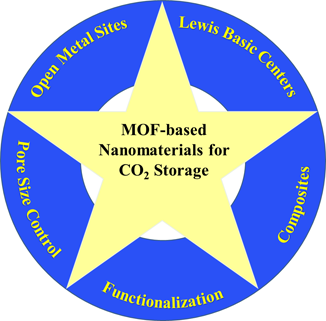
- , directly linked to the rise in global temperature, has raised significant attention. Carbon capture and storage, particularly in association with adsorbents, has occurred as a pivotal approach to address this pressing issue. Large surface area, high porosity, and abundant adsorption sites make metal




Ni, Co, Zn, and Cu metal-organic framework-based nanomaterials for electrochemical reduction of CO2: A review
Beilstein J. Nanotechnol. 2023, 14, 904–911, doi:10.3762/bjnano.14.74
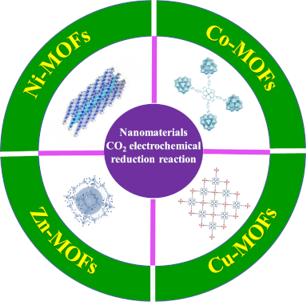
- architectures, pronounced porosity, abundant active sites, and well-distributed metallic nodes. This article commences by elucidating the mechanistic aspects of CO2 reduction, followed by a comprehensive exploration of diverse materials encompassing MOFs based on nickel, cobalt, zinc, and copper for efficient
- [28][29][30], and biomedical [31] applications. These materials are distinguished by their exceptional attributes, including a substantial specific surface area, pronounced porosity, and modifiable chemical structures [32]. Within the catalytic domain, MOFs demonstrate catalytic activity stemming from


Nanostructured lipid carriers containing benznidazole: physicochemical, biopharmaceutical and cellular in vitro studies
Beilstein J. Nanotechnol. 2023, 14, 804–818, doi:10.3762/bjnano.14.66
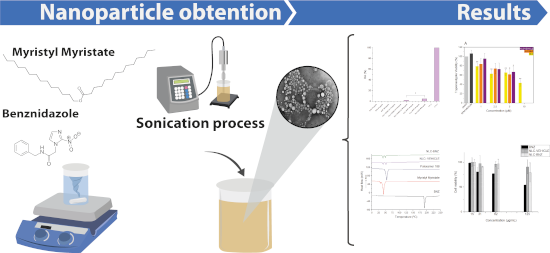
- -VEHICLE and NLC-BNZ, the latter exhibiting a higher HA, could be explained by adding the HA of the free drug to the effect of the vehicle on erythrocytes. More studies would be necessary to investigate the effect of the composition, size, or porosity of these nanoparticles after a long term exposure to





