


Search results
Search for "proliferation" in Full Text gives 176 result(s) in Beilstein Journal of Nanotechnology.
Graphene oxide–chloroquine conjugate induces DNA damage in A549 lung cancer cells through autophagy modulation
Beilstein J. Nanotechnol. 2025, 16, 316–332, doi:10.3762/bjnano.16.24
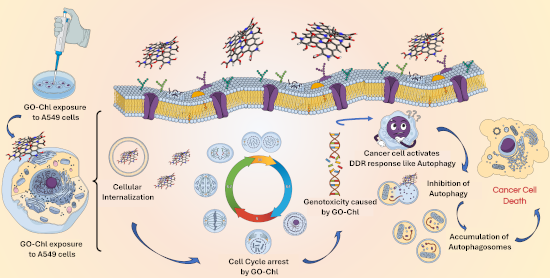
- , the deregulation of cell proliferation results in loss of one or more DNA-damage pathways in cancer cells, leading to greater dependency on DDR. Therefore, the tendency of a cancer cell to harbor DDR dependency through activation of complex molecular signaling pathways, such as poly-ADP ribose



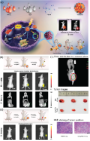
Fabrication and evaluation of BerNPs regarding the growth and development of Streptococcus mutans
Beilstein J. Nanotechnol. 2025, 16, 308–315, doi:10.3762/bjnano.16.23
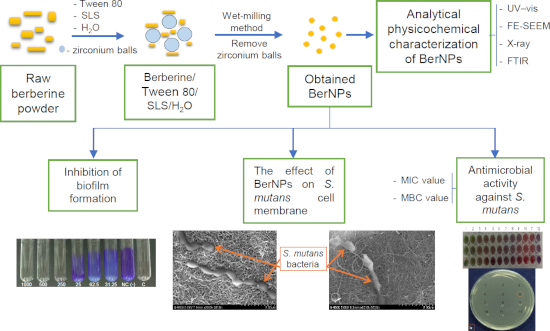
- population affected by dental disease, including 85% of children who do not fully recover [2]. Tooth decay is a chronic condition that can occur at any age, primarily caused by an improper diet and inadequate oral care, which promote the proliferation of pathogenic bacteria in the mouth [3]. Furthermore, the
- plaque formation associated with caries damage. Therefore, one of the initial steps in preventing dental caries is to reduce and inhibit the activity of S. mutans in the oral cavity [8]. Tooth decay and oral infections are typically controlled with antibiotics. However, the proliferation of drug




Enhancing mechanical properties of chitosan/PVA electrospun nanofibers: a comprehensive review
Beilstein J. Nanotechnol. 2025, 16, 286–307, doi:10.3762/bjnano.16.22

- nanofibers provide topographic guidance to cells, promoting cell adhesion, proliferation, and migration. Most importantly, aligned fibers are a prominent type of nanofiber that closely mimics the fibers in the ECM of native tissue [194]. Radially aligned nanofiber patches of chitosan/PVA with thyme essential


Radiosensitizing properties of dual-functionalized carbon nanostructures loaded with temozolomide
Beilstein J. Nanotechnol. 2025, 16, 229–251, doi:10.3762/bjnano.16.18
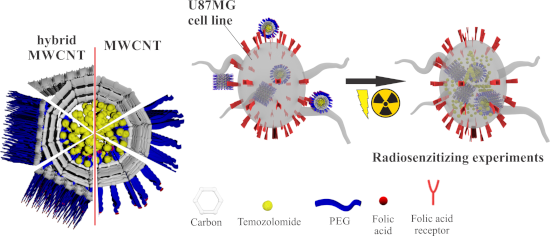
- 30% and 5%, respectively, while for the patients with unresectable GBM, the prognosis is worse [28][29]. The fast proliferation and aggressive invasion of GBM in the surrounding brain tissue complicate the total resection of the tumor. In addition to the heterogeneity of GBM, the immunosuppressive
- effects on the proliferation of cancer cells by blocking the cell cycle in the G0/G1 phase and increasing the osmotic pressure [91][92]. In addition, in a paper of Xu et al. [93], dynamic biological interactions between PEG and cells on the molecular level were clarified, explaining both the inhibitory




Recent advances in photothermal nanomaterials for ophthalmic applications
Beilstein J. Nanotechnol. 2025, 16, 195–215, doi:10.3762/bjnano.16.16
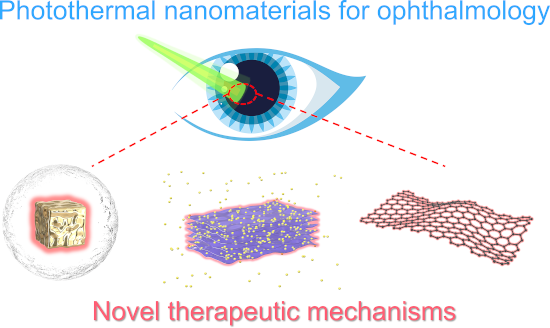
- Posterior capsule opacity (PCO) ranks as one of the most prevalent complications following cataract surgery (Figure 3a) [110]. This condition arises from the rapid proliferation, migration, and fibrosis of residual lens epithelial cells (LECs) that remain on the lens capsule, eventually leading to a
- , over time, the excessive proliferation of conjunctival fibroblasts and remodeling of collagen around the vesicles can lead to the failure of the surgical effects [144]. The primary strategy to counter fibrosis has been the use of antimetabolic drugs, but this often leads to complications like filter
- porous structures [72][73][74][75][76][77][78][79][80][81][85][86][87][88]. Application of photothermal nanomaterials in constructing edge photothermal rings for IOLs in the treatment of PCO. (a, b) Post-cataract surgery complications often involve the rapid proliferation, migration, and fibrosis of


Nanocarriers and macrophage interaction: from a potential hurdle to an alternative therapeutic strategy
Beilstein J. Nanotechnol. 2025, 16, 97–118, doi:10.3762/bjnano.16.10
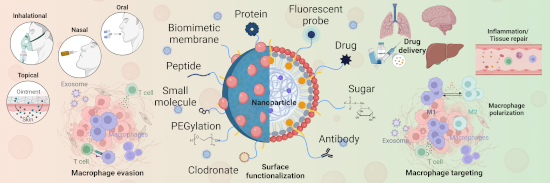
- demonstrated by Ji and colleagues in a mouse model of carbon tetrachloride (CCl4)-induced fibrosis, where they inhibited the proliferation of fibroblasts [46]. An alternative to depletion is the inhibition of KCs through chloroquine, an antimalaria agent that inhibits macrophage-specific endocytosis, or


Biomimetic nanocarriers: integrating natural functions for advanced therapeutic applications
Beilstein J. Nanotechnol. 2024, 15, 1619–1626, doi:10.3762/bjnano.15.127

- nanoparticle was demonstrated by inhibiting proliferation through negative regulation of cyclin D1, halting the G0/G1 cell cycle in HeLa and SiHa cervical cancer cells [67][68]. Biomimetic-specific targets provide opportunities for personalized cancer therapies [10][11][12]. Coated nanocarriers have also been


Liver-targeting iron oxide nanoparticles and their complexes with plant extracts for biocompatibility
Beilstein J. Nanotechnol. 2024, 15, 1593–1602, doi:10.3762/bjnano.15.125
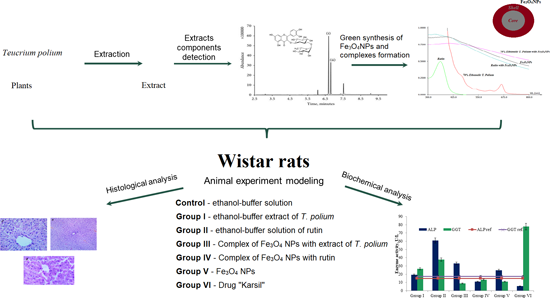
- activity, membrane leakage, and morphological changes. Toxic NPs can adversely affect cell viability, proliferation rate, and metabolic activity; also, they can reduce the therapeutic efficiency of the treatment [55]. The toxicity of NPs on biological entities fundamentally depends on the characteristics


Realizing active targeting in cancer nanomedicine with ultrasmall nanoparticles
Beilstein J. Nanotechnol. 2024, 15, 1208–1226, doi:10.3762/bjnano.15.98
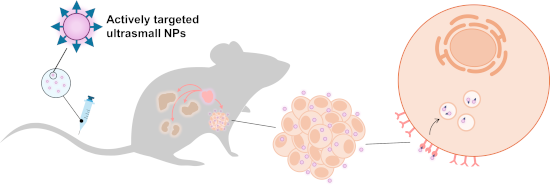
- signaling axis plays a crucial role in cancer development by facilitating the proliferation and invasion of tumor cells and recruiting immunosuppressive cells, thus representing a significant opportunity for targeted therapy [160]. Results from a mouse model of TNBC showed improved tumor uptake of 64Cu


Recent updates in applications of nanomedicine for the treatment of hepatic fibrosis
Beilstein J. Nanotechnol. 2024, 15, 1105–1116, doi:10.3762/bjnano.15.89
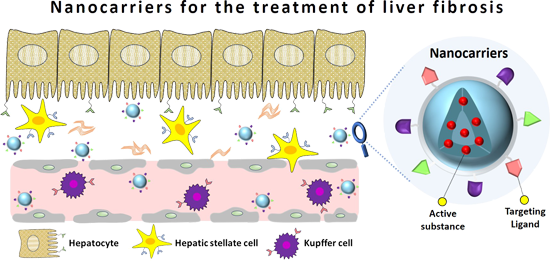
- the activation of HSCs is the most important strategy in liver fibrosis therapy. It includes both inhibition of HSC proliferation and of pro-fibrogenic cytokine and growth factor secretion. In the last few years, the research on interferon γ (IFNγ), the angiotensin II-receptor antagonist Losartan
- effects of TiO2 NPs, with diameters around 20 and 200 nm, and SiO2 NPs on proliferation, fibrosis, adhesion, and migration of LX-2 cells as a model of HSC activation were studied. The results show that the internalization of both TiO2 NPs and SiO2 NPs suppressed classical outcomes of cellular fibrosis
- overexpressed in activated HSCs and strongly related to the transformation of HSCs into matrix-producing myofibroblasts during liver fibrinogenesis [68][69]. The HSC-mediated antifibrotic drugs work through several mechanisms, including inhibition of fibrogenesis (ECM synthesis), inhibition of HSC proliferation


Interface properties of nanostructured carbon-coated biological implants: an overview
Beilstein J. Nanotechnol. 2024, 15, 1041–1053, doi:10.3762/bjnano.15.85
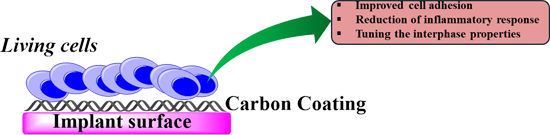
- environment is a dynamic and complex area, where several biological, physical, and chemical interactions can take place simultaneously, including immunological response [27], mechanical mismatch with the tissue [28], degradation [29], responses to stimuli [30], and proliferation of bacteria [31]. In the next
- particle sizes on macrophage proliferation, platelets aggregations, and inflammatory cytokine release. NDs significantly reduced the concentration of platelet-derived growth factor compared to serum. Also, there was a complex dependence of macrophage responses on local concentration and size of the NDs
- response. The mechanisms involved in inflammation related to NDs are not yet clear, but authors suggest that the process is started by serum protein deposition triggering the inflammatory cascade. Moreover, polymeric films containing NDs were optimum substrates for osteoblast proliferation as reported by



Therapeutic effect of F127-folate@PLGA/CHL/IR780 nanoparticles on folate receptor-expressing cancer cells
Beilstein J. Nanotechnol. 2024, 15, 954–964, doi:10.3762/bjnano.15.78
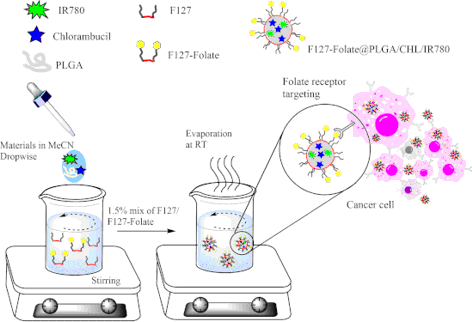
- the cells. Folic acid plays an important role in cancer cells; it takes part in cell proliferation, methylation for gene expression, DNA replication, oxidative stress, and DNA mutation. Many studies and cancer drugs, therefore, have used folic acid as a targeting ligand for the folate receptor, which
- the chemotherapy drug CHL. IR780 exhibits fluorescence in the infrared region, which is suitable for pre-clinical applications [12][13]. CHL in cancer treatment attaches to the DNA double strands and prevents them from splitting, disrupting the division and proliferation of cancer cells [12][13



Electrospun nanofibers: building blocks for the repair of bone tissue
Beilstein J. Nanotechnol. 2024, 15, 941–953, doi:10.3762/bjnano.15.77
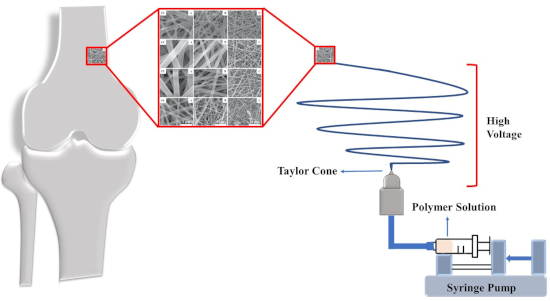
- because of their extremely large surface area-to-volume ratio, small pore size, and high porosity. Nanofibers are known to be highly functional systems with the ability to mimic the structure and function of the natural bone matrix, facilitating osteogenesis for cell proliferation and bone regeneration
- delivery systems [1][2][3][4][5]. Because of the structural properties of nanofibers, which enable cell growth and proliferation, their use in tissue engineering, especially regarding bone tissue, is quite common [2]. Nanofiber scaffolds may carry active substances such as cells for tissue repair
- systems because of their extremely large surface area-to-volume ratio, small pore size, and high porosity. Nanofibers are known to be highly functional systems with the ability to mimic the structure and function of the natural bone matrix and to facilitate osteogenesis for cell proliferation and bone


Synthesis of silver–palladium Janus nanoparticles using co-sputtering of independent sources: experimental and theorical study
Beilstein J. Nanotechnol. 2024, 15, 808–816, doi:10.3762/bjnano.15.67
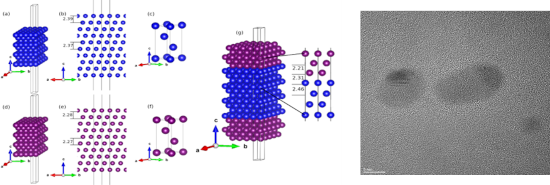
- promote twin proliferation, which favored the production of Pd−Au Janus icosahedra. In the same experimental setup, they also promoted twin elongation, which aided the production anisotropic Pd@Au core–shell starfish-like structures. As it is known, icosahedral nanoparticles are formed by 20 tetrahedral




Electrospun polysuccinimide scaffolds containing different salts as potential wound dressing material
Beilstein J. Nanotechnol. 2024, 15, 781–796, doi:10.3762/bjnano.15.65
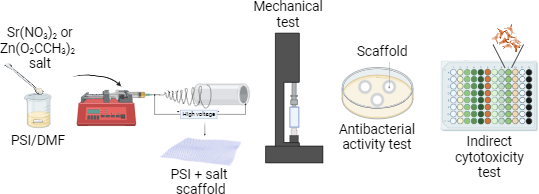
- adhesion, growth, proliferation, and differentiation. The electrospinning technique offers the possibility of using the formed scaffold as a wound dressing with fibers of proper size and morphology. The porous nature of the scaffold enables the drainage of wound fluids and facilitates the entry of oxygen
- strategies to fight bacterial pathogens with similar effects to antibiotics and silver is essential. In our study, inorganic salts, namely Zn(O2CCH3)2 and Sr(NO3)2, were added to the polymer fibers. These salts possess antibacterial properties and stimulate cell proliferation as well as tissue regeneration
- , USA); trypsin/EDTA solution (Sigma-Aldrich, USA); cell proliferation reagent WST-1 (Roche, Switzerland); and ultra-purified water (Zineer Power I Water Purification System). All reagents were used without any further purification. Polysuccinimide synthesis The PSI was produced by thermal



Radiofrequency enhances drug release from responsive nanoflowers for hepatocellular carcinoma therapy
Beilstein J. Nanotechnol. 2024, 15, 569–579, doi:10.3762/bjnano.15.49
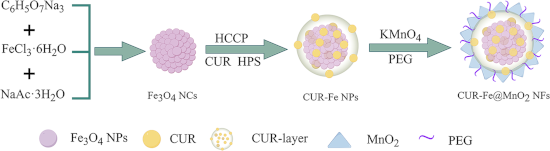
- significantly suppressed HCC cell proliferation. Moreover, CUR-Fe@MnO2 NFs were effective T1/T2 contrast agents for molecular magnetic resonance imaging due to the release of Mn2+ and Fe3O4 NCs. Keywords: curcumin; hepatocellular carcinoma; magnetic resonance imaging (MRI); radiofrequency (RF) hyperthermia


Classification and application of metal-based nanoantioxidants in medicine and healthcare
Beilstein J. Nanotechnol. 2024, 15, 396–415, doi:10.3762/bjnano.15.36
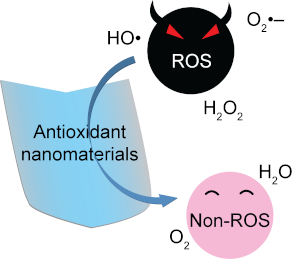
- strongly to high levels of ROS that can cause damage to DNA molecules resulting in abnormal cell proliferation. Various studies reported that oxidative damage can have a deleterious effect on cancer development through raising genetic mutations, abnormal protein functions, and tumor growth [164][165


Exploring the relationships between physiochemical properties of nanoparticles and cell damage to combat cancer growth using simple periodic table-based descriptors
Beilstein J. Nanotechnol. 2024, 15, 297–309, doi:10.3762/bjnano.15.27
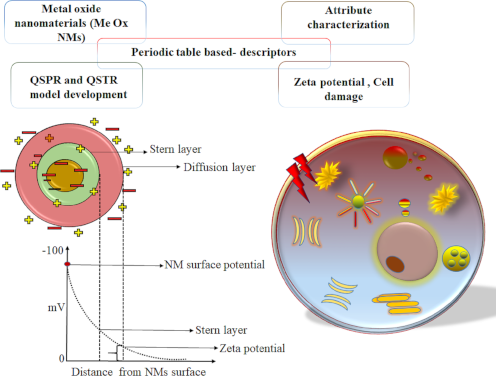
- systems. Metal NPs can lead to greater signal amplification, greater sensitivity, and higher detection. However, NPs with properties that generate ROS can increase cell damage. In cancer cells, rapid proliferation leads to an imbalance of oxygen, abnormal structure, and blood supply, making the tumor


Vinorelbine-loaded multifunctional magnetic nanoparticles as anticancer drug delivery systems: synthesis, characterization, and in vitro release study
Beilstein J. Nanotechnol. 2024, 15, 256–269, doi:10.3762/bjnano.15.24
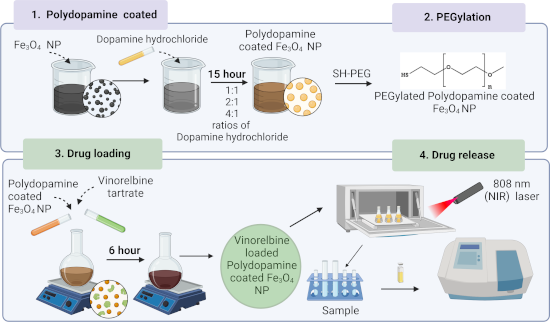
- uncontrolled proliferation of aberrant cells, which can spread to diverse body regions, encompassing over a hundred distinct forms [1][2]. Current cancer treatments lack a complete approach, as they mostly rely on radiotherapy, chemotherapy, immunotherapy, and surgery in clinical environments [3]. While these
- cancer cell growth, slowing their proliferation and disrupting mitotic regulation, leading to the stimulation of the tumor suppressor gene p53 and the inhibition or inactivation of various signaling pathways [31][32]. Its widespread adoption in medicine can be attributed to its strong therapeutic


Berberine-loaded polylactic acid nanofiber scaffold as a drug delivery system: The relationship between chemical characteristics, drug-release behavior, and antibacterial efficiency
Beilstein J. Nanotechnol. 2024, 15, 71–82, doi:10.3762/bjnano.15.7
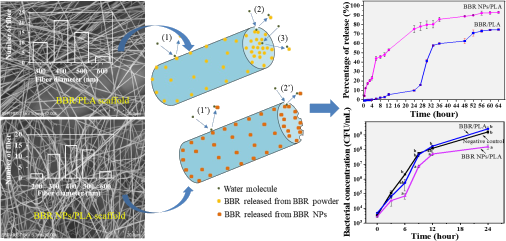
- cytotoxicity test revealed that the BBR NPs/PLA nanofiber scaffold did not induce any changes in morphology and proliferation of MA-104 cell monolayers. It suggests that the BBR/PLA and BBR NPs/PLA nanofiber scaffolds can be used in different biomedical applications, such as wound dressing, drug delivery
- , nanofiber scaffolds can act as a multifunctional tool in medical treatments, combining drug release for disease therapy, cell proliferation, wound healing, and antimicrobial effect [21][22][23][24][25]. Nanofibers of PLA functionalized with laponite (LAP)/amoxicillin (AMX) prolonged the drug release up to
- phases. The exponential phase occurred in the first 12 h when the cell numbers were doubled after each generation time. After that, the stationary phase was reached when the number of growth cells was almost equal to that of dead cells. The proliferation of MRSA incubated in the nutrient broth with the


Curcumin-loaded nanostructured systems for treatment of leishmaniasis: a review
Beilstein J. Nanotechnol. 2024, 15, 37–50, doi:10.3762/bjnano.15.4
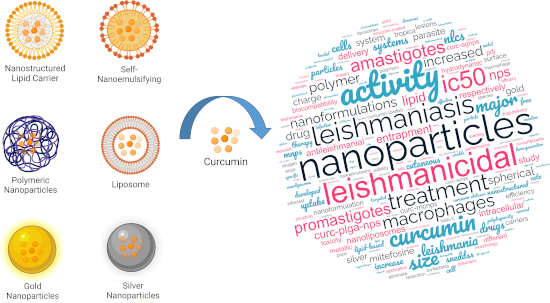
- reactive oxygen/nitrogen metabolites, (ii) increased phagocytic activity, and (iii) increased lymphocyte proliferation [45]. Furthermore, curc-E-PLGA-NPs proved to be effective as an adjuvant in the therapy against leishmaniasis. Like curc, other leishmanicidal drugs have been encapsulated into polymeric


Hierarchically patterned polyurethane microgrooves featuring nanopillars or nanoholes for neurite elongation and alignment
Beilstein J. Nanotechnol. 2023, 14, 1157–1168, doi:10.3762/bjnano.14.96
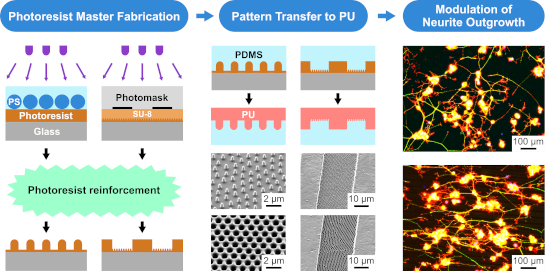
- compartments, such as the nucleus, filopodia, and focal adhesions, resulting in the modulation of signal cascades that leads to changes in cell proliferation, attachment, orientation, and differentiation, among others [2]. In nerve tissue engineering, the implant micro- and nanotopography serve as physical
- ], poly(lactic-co-glycolic acid) nanodots enhanced the proliferation and neurite sprouting of Neuro-2a cells [7], and oriented elliptical Si microcones induced alignment and increased fasciculation in rat superior cervical ganglion axons [8]. With their effects complementing those of continuous structures
- showed good viability and proliferation on the nanostructured PU films, especially on the PU nanoholes (Supporting Information File 1, Figure S6). After differentiation, PC12 cells extended beta-III tubulin positive neurites, with longer neurites appearing on the nanostructured substrates (Figure 2A–C


Curcumin-loaded albumin submicron particles with potential as a cancer therapy: an in vitro study
Beilstein J. Nanotechnol. 2023, 14, 1127–1140, doi:10.3762/bjnano.14.93
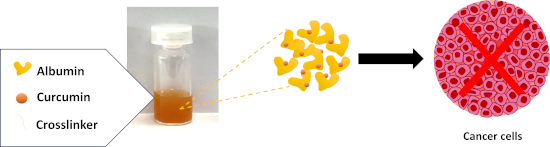
- especially anticancer potential [1][2]. Several in vivo and in vitro studies in recent years have demonstrated that CUR can influence cancer cell proliferation, invasion, angiogenesis, and metastasis [3]. It has been reported that CUR exerts anticancer effects in human breast cancer cells (MCF-7) by
- stability and solubility [9]. The complexation occurs mainly through hydrophobic interactions in protein cavities [10][11]. In a recent study, zein nanoparticles loaded with CUR have been studied for their potential in treating brain tumors, and the results have demonstrated a reduction in the proliferation
- . After 24 h, free CUR significantly decreased cell proliferation from 40% to 6% (Huh-7, Figure 6A) and 50% to 5% (MCF-7, Figure 6C) at concentrations of 12.5 and 100 μg/mL, respectively. However, CUR-HSA-MPs, at an equivalent concentration of CUR, significantly decreased cell proliferation from 51% to 21




Antibody-conjugated nanoparticles for target-specific drug delivery of chemotherapeutics
Beilstein J. Nanotechnol. 2023, 14, 912–926, doi:10.3762/bjnano.14.75
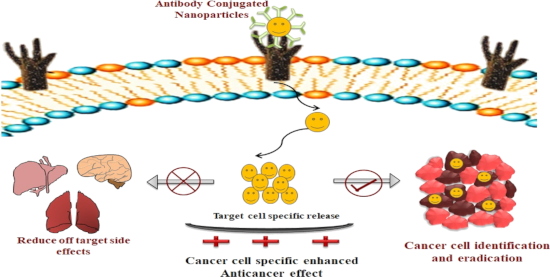
- nanoformulation provided site-specific delivery via receptor-mediated endocytosis and inhibited proliferation and metastasis in tumors that expressed a specific tumor antigen. The use of adaptor molecules to functionalize antibodies resulted in a highly stable conjugation with improved therapeutic efficacy [69



Green SPIONs as a novel highly selective treatment for leishmaniasis: an in vitro study against Leishmania amazonensis intracellular amastigotes
Beilstein J. Nanotechnol. 2023, 14, 893–903, doi:10.3762/bjnano.14.73
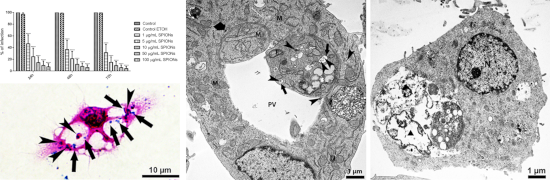
- effects on cell proliferation, infectivity percentage, and ultrastructure. SPIONs were internalized by both parasite stages, randomly distributed in the cytosol and located mainly in membrane-bound compartments. The selectivity index for intracellular amastigotes was more than 240 times higher compared to
- antiproliferative effects of SPIONs in L. amazonensis promastigotes and intracellular amastigotes. Despite being internalized by promastigotes, SPIONs did not affect the cell proliferation of the parasites (Figure 4A). A completely different result was observed for intracellular amastigotes, where the reduction in





