


Search results
Search for "response" in Full Text gives 1009 result(s) in Beilstein Journal of Nanotechnology. Showing first 200.
Safe and sustainable by design with ML/AI: A transformative approach to advancing nanotechnology
Beilstein J. Nanotechnol. 2026, 17, 176–185, doi:10.3762/bjnano.17.11
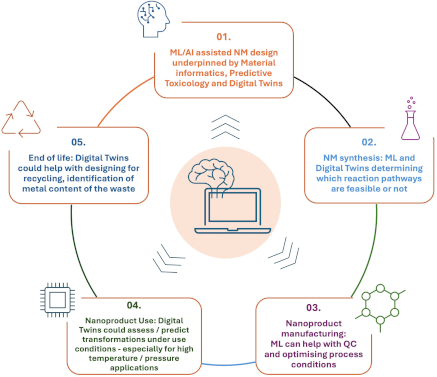
- new-approach methodologies or NAMs), and which include in silico (computational) assessment, can fully “open the box”, revealing mechanistic drivers and enabling establishment of dose-response relationships, read-across, and other insights that allows regulators to gain a deeper understanding in
- for rapid adjustments to nanomaterial formulations or processing parameters in response to emerging safety or efficacy concerns. By simulating how nanomaterials behave across varying operational scenarios – incorporating factors like temperature, pH, or mechanical stress – digital twins will
- the candidate materials until the final optimised one – while continuously refining design parameters in response to new data. However, this technologically advanced ecosystem still faces some critical hurdles to implementation. One major challenge is the complex and interdisciplinary nature of


From shield to spear: Charge-reversible nanocarriers in overcoming cancer therapy barriers
Beilstein J. Nanotechnol. 2026, 17, 159–175, doi:10.3762/bjnano.17.10
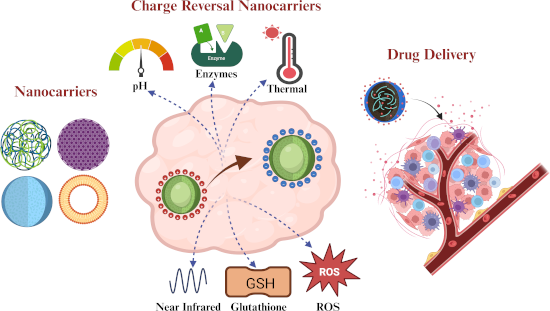
- , drug resistance, and poor tumour selectivity. In response to these limitations, nanotechnology-based drug delivery systems have gained prominence for enhancing solubility, improving molecular stability, enabling controlled drug release, and prolonging systemic circulation, offering superior therapeutic
- outcomes over traditional approaches. Among these innovations, charge-reversible nanocarriers have attracted considerable attention due to their ability to overcome physiological and pathological barriers in the tumour microenvironment (TME) by altering their surface charge in response to specific stimuli
- ) [15]. These systems can switch their surface charge in response to tumour microenvironment (TME) triggers such as pH changes, redox states, or enzymatic activity, enhancing drug stability, facilitating cellular uptake, and enabling targeted drug release. This responsive functionality gives CR-NDDSs a


Development and in vitro evaluation of liposomes and immunoliposomes containing 5-fluorouracil and R-phycoerythrin as a potential phototheranostic system for colorectal cancer
Beilstein J. Nanotechnol. 2026, 17, 97–121, doi:10.3762/bjnano.17.7
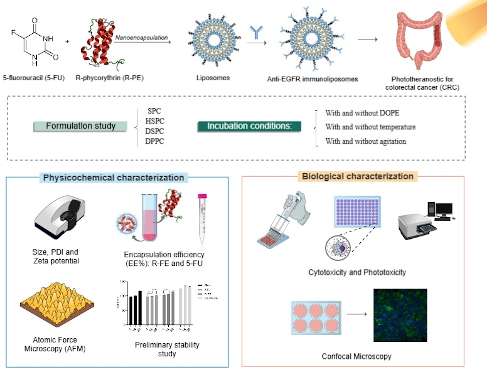
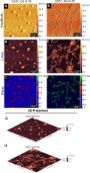
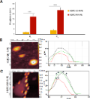
- cancer, but there are cellular mechanisms of resistance, such as membrane transporters, which lower the therapeutic response rate. However, when the treatment with 5-FU was evaluated, associated with photodynamic therapy using Foslip® as a liposomal system, it was found that this treatment was effective



Functional surface engineering for cultural heritage protection: the role of superhydrophobic and superoleophobic coatings – a comprehensive review
Beilstein J. Nanotechnol. 2026, 17, 63–96, doi:10.3762/bjnano.17.6

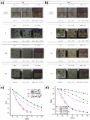
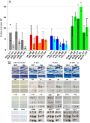
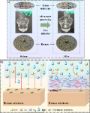
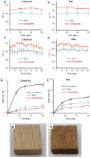
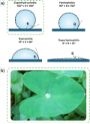
- accidental but rather a targeted response to shifting political or cultural dynamics. The study underscores the importance of understanding both environmental and human threats in the preservation of ancient artworks, which also passes through their conservation, when stored or transported, in order to avoid




Microscopic study of the intermediate mixed state in intertype superconductors
Beilstein J. Nanotechnol. 2026, 17, 57–62, doi:10.3762/bjnano.17.5
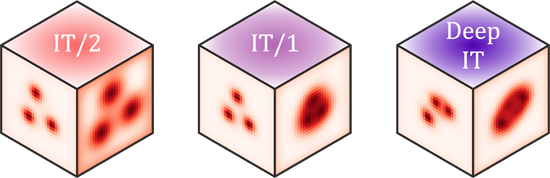
- microscopic foundation for the IT superconductivity and extend its description beyond the vicinity of the critical temperature. Keywords: Bogoliubov–de Gennes equations; intertype regime; microscopic calculations; superconductivity; vortices in superconductors; Introduction The magnetic response of


Subdigital integumentary microstructure in Cyrtodactylus (Squamata: Gekkota): do those lineages with incipiently expressed toepads exclusively exhibit adhesive setae?
Beilstein J. Nanotechnol. 2026, 17, 38–56, doi:10.3762/bjnano.17.4
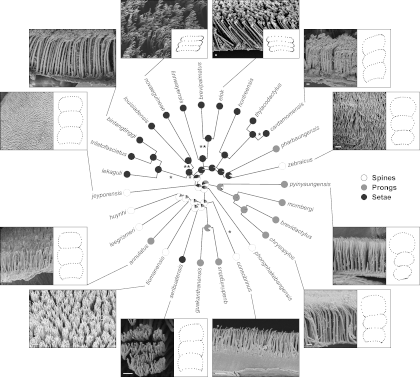
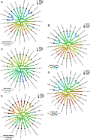
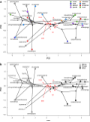
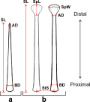
- for chameleons, which evolved comparable microstructures [21][22]), likely evolved in response to the demands of climbing. Spines, prongs, and setae putatively evolved from spinules, which are the shortest of the microstructures of the outer epidemal layer (Oberhäutchen) [23][24][25]. Spinules


Quantitative estimation of nanoparticle/substrate adhesion by atomic force microscopy
Beilstein J. Nanotechnol. 2026, 17, 1–14, doi:10.3762/bjnano.17.1

- ]. Further, the yield strength effects are also entirely omitted. In addition, neither chemical interactions with the substrate nor its mechanical response are considered. For small NP diameters (2–4 nm), the predicted deformation seems clearly overestimated, as the theoretical contact radius exceeds the NP



Internal 3D temperature mapping in biological systems using ratiometric light-sheet imaging and lipid-coated upconversion nanothermometers
Beilstein J. Nanotechnol. 2025, 16, 2306–2316, doi:10.3762/bjnano.16.159
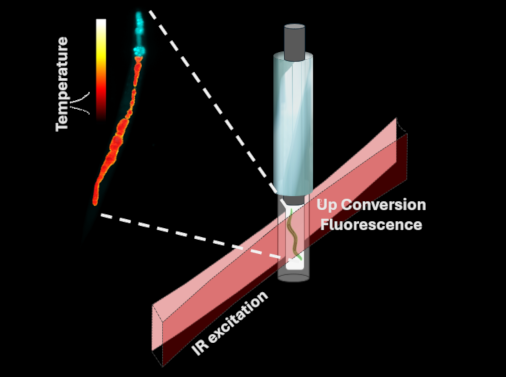
- FIR response follows a Boltzmann-type exponential temperature dependence (see Equation 1), our previous work demonstrated that within the 25–50 °C interval in NaYF4:Yb3+/Er3+systems, the FIR behavior of lipid-coated UCNPs can be well approximated by a linear dependence with a slope of m ≈ 0.003 °C−1
- [40]. This finding is consistent with earlier experimental results showing a linear response up to 100 °C [44], confirming the robustness of this relationship across a broad thermal range. In the present study, the calibration was restricted to 25–33 °C to match the physiological temperature range of
- C. elegans and to evaluate the method’s sensitivity in detecting subtle temperature variations relevant to biological processes. The resulting temperature-dependent FIR response is illustrated in Figure 4b, covering the 25–33 °C range, with measurements taken at 2 °C intervals. This temperature


Improving magnetic properties of Mn- and Zn-doped core–shell iron oxide nanoparticles by tuning their size
Beilstein J. Nanotechnol. 2025, 16, 2285–2295, doi:10.3762/bjnano.16.157
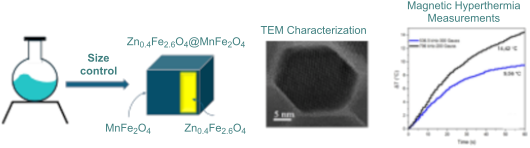
- ·kg−1 for their 5 nm counterparts. The addition of a MnFe2O4 shell further enhanced the magnetic response across all sizes, confirming its functional contribution to the overall magnetic behavior. Zero-field-cooled/field-cooled (ZFC/FC) analyses demonstrated the superparamagnetic nature of the



Geometry-controlled engineering of the low-temperature proximity effect in normal metal–superconductor junctions
Beilstein J. Nanotechnol. 2025, 16, 2265–2273, doi:10.3762/bjnano.16.155
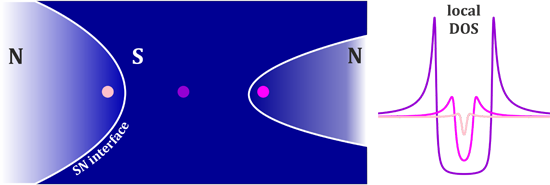
- proximity effect In a SC, superconductivity is intrinsic. The suppression of the order parameter, that is, the inverse proximity effect, is a localized response to the boundary condition or interface, and the pairing potential Δs(z) must recover to its self-consistent bulk value Δbulk on a characteristic


Chiral plasmonic nanostructures fabricated with circularly polarized light
Beilstein J. Nanotechnol. 2025, 16, 2245–2264, doi:10.3762/bjnano.16.154
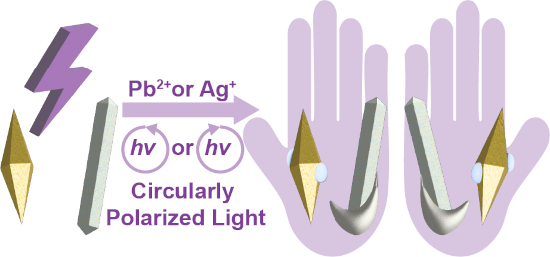
- two proteins due to the supramolecular interactions between the chiral extracellular domains and the curved chiral nanoparticles, which led to the enantiomer-dependent immunological response. Nam et al. have shown that the stronger binding affinities of molecules to regions of both positive and





Optical bio/chemical sensors for vitamin B12 analysis in food and pharmaceuticals: state of the art, challenges, and future outlooks
Beilstein J. Nanotechnol. 2025, 16, 2207–2244, doi:10.3762/bjnano.16.153
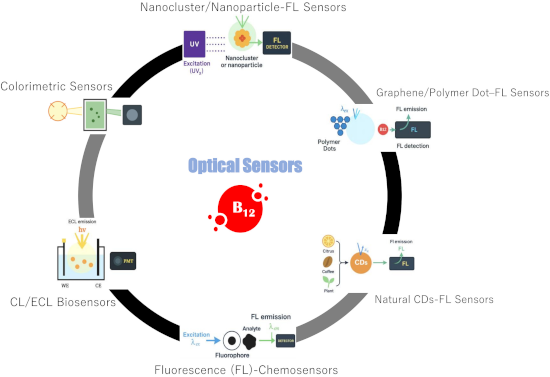
- showed potential for bioimaging Escherichia coli cells due to its fluorescence response when exposed to Co2+ [81]. A new fluorescent–colorimetric chemosensor was designed based on 1,8-bis{2-{N-[2′-(8′-hydroxy-9,10-anthraquinon-1-yloxy) ethyl] benzimidazoliumyl} ethoxy}-9′,10′ anthraquinone
- functioned as both the recognition unit and the chromophoric indicator, while the sensing response was expressed through ratiometric spectral variation. Upon interacting with this cation, a significant 44 nm shift in its absorption spectra by altering color from yellow to red was recorded, which could be
- naphthalene moiety (TSNCS)) has been recently designed for the colorimetric detection of Ni2+ and Co2+ ions, in which the Schiff-base provided the recognition site, the naphthalene group served as the chromophoric indicator, and the detection relied on a distinct colorimetric response. Upon exposure to these


Electromagnetic study of a split-ring resonator metamaterial with cold-electron bolometers
Beilstein J. Nanotechnol. 2025, 16, 2199–2206, doi:10.3762/bjnano.16.152
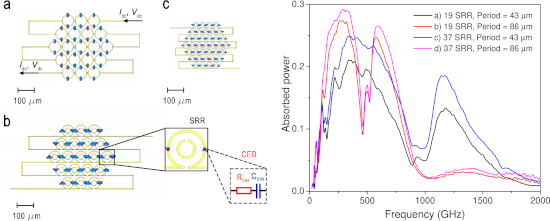
- -established magnetic metamaterial element whose resonant properties are governed by its internal inductance and capacitance, allowing for a strong magnetic response and associated current loops at the designed resonance frequency. The simulations of the metamaterial arrays were performed in the time-domain
- ). Parameters of metamaterials with CEBs and different designs are given in Table 1. As an experimental reference for our simulations, Figure 2 also shows the frequency response measured for a fabricated sample consisting of a 19-element single-ring metamaterial (black dashed curve). This sample had the design
- described in [17] and was characterized using the same experimental setup described there. This setup employs a YBaCuO Josephson junction oscillator as a broadband source, with the signal delivered to the sample via an oversized waveguide. Therefore, the measured frequency response is the combined frequency


Microplastic pollution in Himalayan lakes: assessment, risks, and sustainable remediation strategies
Beilstein J. Nanotechnol. 2025, 16, 2144–2167, doi:10.3762/bjnano.16.148
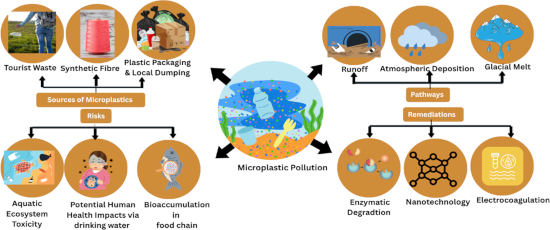
- recently demonstrated the effectiveness of biofilms formed by engineered microbial consortia in expediting enzymatic degradation in response to specific environmental conditions, such as low temperatures [42]. Biofilms are very beneficial in habitats such as Himalayan lakes. Biofilm-based remediation


Quality by design optimization of microemulsions for topical delivery of Passiflora setacea seed oil
Beilstein J. Nanotechnol. 2025, 16, 2116–2131, doi:10.3762/bjnano.16.146
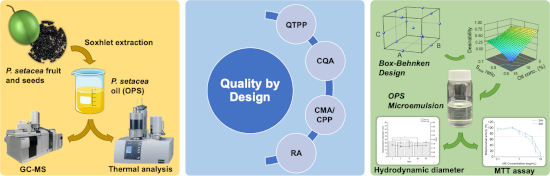
- generated to systematically explore the formulation space. The specific combinations and corresponding response results for all experimental runs are summarized in Table 4. Although the BBD does not include extreme combinations of variables, it improved precision and accuracy for predictions near the center
- of the experimental space. The prepared formulations corresponding to the experimental design runs are shown in Figure 4, and a summary of the BBD is presented in Table 5. To refine the model and improve predictive accuracy, the response data were subjected to Box–Cox transformation, an essential
- response surface plots for each response, as shown in Figure 6. The axes were selected based on the most significant interactions identified through ANOVA, while the third factor was held constant at its central level. The resulting plots provide a visual representation of the individual and interactive


Toward clinical translation of carbon nanomaterials in anticancer drug delivery: the need for standardisation
Beilstein J. Nanotechnol. 2025, 16, 2092–2104, doi:10.3762/bjnano.16.144

- updated every decade [23][24]. The hallmarks framework has enabled researchers to develop more nuanced, spatially informed approaches to cancer therapy, reinforcing its role in driving multidisciplinary strategies for predicting treatment response [25]. Targeted drug delivery is an emerging




Calibration of piezo actuators and systems by dynamic interferometry
Beilstein J. Nanotechnol. 2025, 16, 2086–2091, doi:10.3762/bjnano.16.143
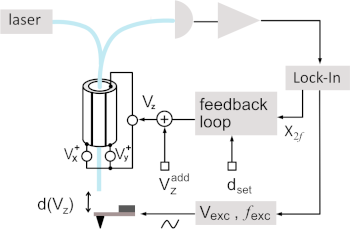
- parts with high accuracy. This is commonly accomplished by piezo actuators, for instance, in the form of tube piezos for positioning the tip or optics. For their calibration, we propose an approach based on the dynamic response signal from a fiber interferometer used for cantilever displacement
- detection. The fine-positioning z-piezo of the fiber is calibrated by the analysis of measurements of the dynamic interferometer response signal recorded for various cantilever oscillation amplitudes and varied distances between the cantilever and the fiber end. Furthermore, we demonstrate the cantilever
- a systematic effect yielding a bow shape that can qualitatively be explained by the action of creep accumulated over the extension steps. The striking observation that the bow is not observed for the contraction measurement points to a significant difference of the piezo response for contraction and


Multifrequency AFM integrating PeakForce tapping and higher eigenmodes for heterogeneous surface characterization
Beilstein J. Nanotechnol. 2025, 16, 2077–2085, doi:10.3762/bjnano.16.142
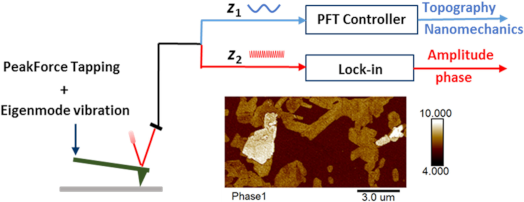
- piezoelectric actuator PD-II while the tip was retracted approximately 200 nm from the surface to avoid any influence of tip–sample interactions. The amplitude–frequency response was measured using the built-in lock-in amplifiers, and the operational excitation frequencies were determined by referencing the
- peaks of these response curves. The free oscillation amplitude for the higher eigenmode (e.g., 600 pm) was set based on the amplitude–frequency response curve. The voltage amplitude measured by the lock-in amplifier was converted to nanometers using the InvOLS coefficient obtained from the calibration
- extracted by lock-in amplifiers for compositional contrast. Driving and response signals in standard PFT mode. (Top) Vertical motion trajectory of the Z-piezo actuator (Z-PZT). (Bottom) Corresponding tip–sample force response, indicating key stages: (A) cycle start; (B) initial contact; (C) peak force; (D


Molecular and mechanical insights into gecko seta adhesion: multiscale simulations combining molecular dynamics and the finite element method
Beilstein J. Nanotechnol. 2025, 16, 2055–2076, doi:10.3762/bjnano.16.141
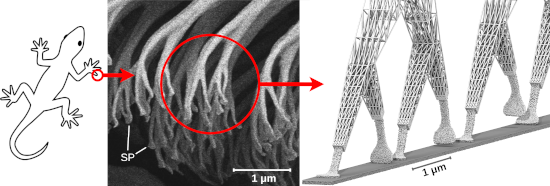
- continuum and particle domains exchange information through a handshake region using our coupling algorithm, which will be detailed in Section “Methods”. The simulations presented in this paper visualize the mechanical response of whole seta and the peeling of spatulae during pull-off from a dry, smooth
- molecular resolution. This two-way, concurrent coupling turns adhesion from a prescribed boundary condition into an emergent, geometry- and state-dependent response: Local spatula-level peeling, sliding, and contact reorientation feed back into the global branched seta, which, in turn, reshapes the local
- mesh at the end of the spatulae were also removed to be replaced by molecular spatulae models. Table 1 lists the parameters and values used to construct the continuum part of the model. The finite element mesh response was governed by linear isotropic elasticity, with the stress–strain relationship






Beyond the shell: exploring polymer–lipid interfaces in core–shell nanofibers to carry hyaluronic acid and β-caryophyllene
Beilstein J. Nanotechnol. 2025, 16, 2015–2033, doi:10.3762/bjnano.16.139
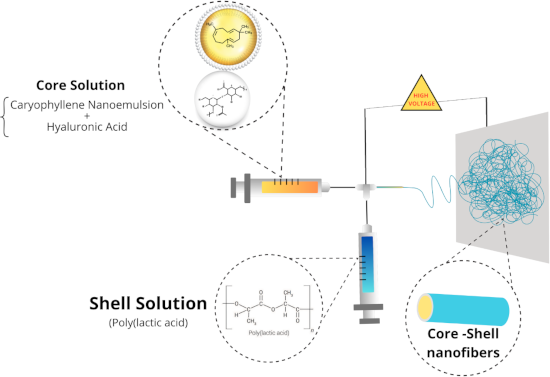
- inflammatory response during wound healing [32][33]. Chemically, βCp is characterized as a natural bicyclic sesquiterpene found in several plants and essential oils, and as expected for compounds of this class, it exhibits characteristic volatility and low solubility in water [34]. To address these limitations




Mechanical property measurements enabled by short-term Fourier-transform of atomic force microscopy thermal deflection analysis
Beilstein J. Nanotechnol. 2025, 16, 1952–1962, doi:10.3762/bjnano.16.136
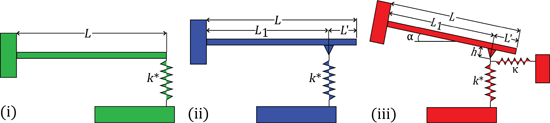
- contact stiffness. However, for harder materials, such as Si–HOPG or diamond–Si, model 1 (Figure 1a(i)) has a frequency response in the dispersion curve that saturates at a reduced frequency (f1/f0) that is lower than the measured reduced frequency. We note that the PtSi–PEO combination showed a high
- frequency response, which is unexpected for a soft material such as PEO. We attribute this to a very high elastic modulus measured a low penetration depths in PEO samples [26]. Model 3 (Figure 1a(iii))) in this case does not saturate as early, but the plateau in the dispersion curve translates into a wide
- the capture of the thermal motion of the AFM cantilever during a force-versus-distance measurement. STFT analysis was used to produce power spectra at regular time intervals during the experiments, with the frequency resolution varied to balance a faster time response of the cantilever’s oscillation




Evaluating metal-organic precursors for focused ion beam-induced deposition through solid-layer decomposition analysis
Beilstein J. Nanotechnol. 2025, 16, 1942–1951, doi:10.3762/bjnano.16.135
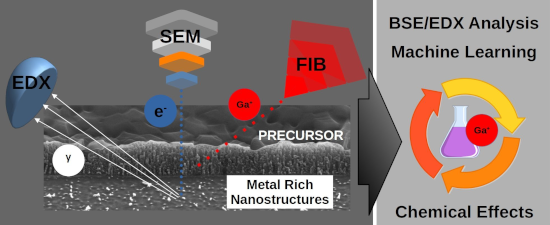
- create a new precursor, extensive testing using specialized gas injection systems is required along with time-consuming and costly chemical analysis typically conducted using scanning electron microscopy (SEM). This process can be quite challenging due to its complexity and expense. Here, the response of


Quantum circuits with SINIS structures
Beilstein J. Nanotechnol. 2025, 16, 1931–1941, doi:10.3762/bjnano.16.134
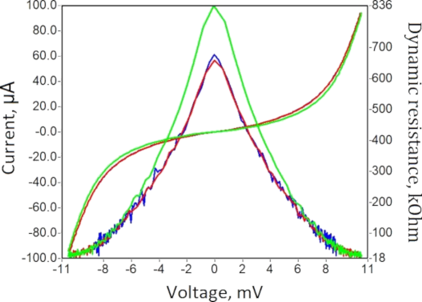
- thin film of normal metal (the absorber is an element sensitive to incoming radiation) and two NIS junctions that act as a thermometer. An SEM view of the SINIS detector was shown in Figure 1a–f. Often SINIS detectors are considered as classical devices with the optical response equivalent to the
- electrical response to thermal heating of the absorber by direct current, for example, in [12][14][33][34][35]. But in practice, the electrical response to heating by direct current is always significantly higher than the optical response for microwave, terahertz, or IR radiation. This is explained by the
- , and the maximum response is measured at a bias voltage of 0.5 Δ/e. The list of designed and fabricated devices contains different arrays of SINIS detectors for frequencies from below 100 GHz to above a few terahertz, broadband detectors integrated with log-periodic antennas, and narrow-band detectors


PEGylated lipids in lipid nanoparticle delivery dynamics and therapeutic innovation
Beilstein J. Nanotechnol. 2025, 16, 1914–1930, doi:10.3762/bjnano.16.133
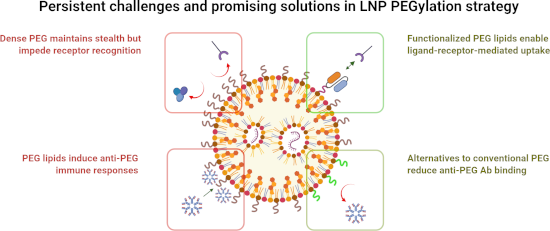
- primed for a heightened response. As illustrated in Figure 5, anti-PEG antibodies can rapidly neutralize PEGylated nanoparticles, triggering the accelerated blood clearance (ABC) phenomenon [4][69]. This effect is characterized by a dramatic reduction in circulation time for subsequent doses, often
- , which further enhances immune recognition [69]. An earlier study found that a single dose of PEGylated LNPs can induce anti-PEG IgM responses, with a dosage of 2.35 mg phospholipids kg−1 reaching a peak log10 IgM concentration of ≈4.26. After a second dose in 21 days, the immunogenic response was
- levels after mRNA-OVA-LNP vaccination. Specifically, the total IgG absorbance increased in anti-PEG antibody positive mice indicated a ≈29% enhancement compared to control mice [64]. This suggests that the induced anti-PEG antibody production may act as adjuvant to boost the humoral immune response



Low-temperature AFM with a microwave cavity optomechanical transducer
Beilstein J. Nanotechnol. 2025, 16, 1873–1882, doi:10.3762/bjnano.16.130
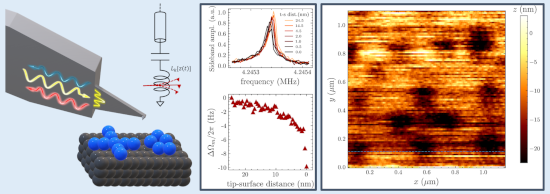
- deflection ζ in response to a force F at the frequency Ω: where is the resonance frequency and Γ = η/meff the damping rate, with meff, k and η being, respectively, effective mass, stiffness, and damping coefficient of the eigenmode. A key figure of merit of a force transducer is its force sensitivity
- the AFM’s suspension system is roughly 1 Hz, with a quality factor of roughly 2. Mechanical oscillation of the tip causes phase modulation of the reflected microwave pump, detected as motional sidebands in the signal spectrum. Measuring the microwave response at a sideband, the detection responsivity
- increasing Pin. In practice, nonlinear effects emerge at large nc, such as heating (nonlinear loss) and resonance-frequency shift (Kerr nonlinearity), which cause the linear response picture of cavity optomechanics to break down. Detection noise in the cavity optomechanical scheme is determined by quantum





