Search results
Search for "silver nanoparticles" in Full Text gives 152 result(s) in Beilstein Journal of Nanotechnology.
Synthesis of silver–palladium Janus nanoparticles using co-sputtering of independent sources: experimental and theorical study
Beilstein J. Nanotechnol. 2024, 15, 808–816, doi:10.3762/bjnano.15.67
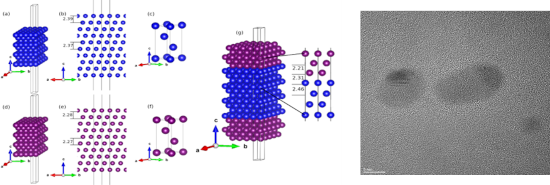
- poisoning, resulting in an increase in the useful life of the catalyst. Chunling An et al. synthesized AgPd BNPs in aqueous solution with sizes from 4 to 5 nm and demonstrated that they exhibit greater electrocatalytic activity and better long-term performance than silver nanoparticles [9]. Janus




Electrospun polysuccinimide scaffolds containing different salts as potential wound dressing material
Beilstein J. Nanotechnol. 2024, 15, 781–796, doi:10.3762/bjnano.15.65
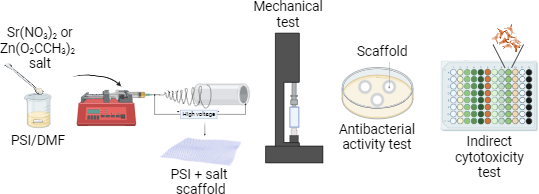
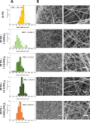
- et al. investigated the effects of PSI scaffold against bacterial strains, and they noticed that narrow, clear zones were formed after 24 h of incubation. This phenomenon was explained by the change in pH during the hydrolyzation of the PSI. By adding silver nanoparticles to the PSI scaffold, the



Potential of a deep eutectic solvent in silver nanoparticle fabrication for antibiotic residue detection
Beilstein J. Nanotechnol. 2024, 15, 426–434, doi:10.3762/bjnano.15.38
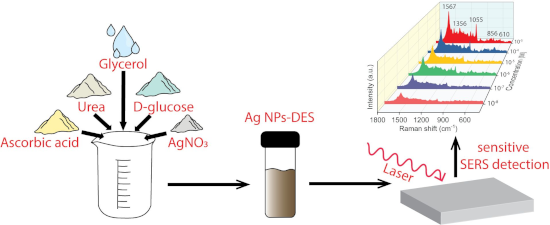
- Institute of Materials Science, Vietnam Academy of Science and Technology, Hanoi, Vietnam 10.3762/bjnano.15.38 Abstract Deep eutectic solvents (DESs) have recently emerged as an alternative solvent for nanoparticle synthesis. There have been numerous advancements in the fabrication of silver nanoparticles
- biosensors are commonly made of LSPR materials [17]. With the development of synthesis techniques, numerous nanostructures of noble metals have been extensively studied to improve the intrinsic parameters of sensors. Silver nanoparticles (Ag NPs) exhibit great performance in sensing applications owing to the


Classification and application of metal-based nanoantioxidants in medicine and healthcare
Beilstein J. Nanotechnol. 2024, 15, 396–415, doi:10.3762/bjnano.15.36
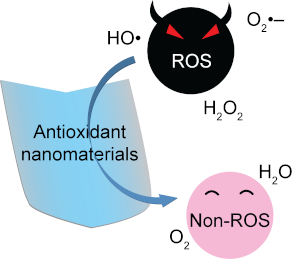
- typical example, nanofibers composed of polygalacturonic acid, hyaluronic acid, and embedded silver nanoparticles were applied to recover wounded areas of albino rats in vivo [149]. In this nanocomposite, silver nanoparticles acted as an antioxidant, polygalacturonic acid acted as a reducing agent for
- generating silver nanoparticles from silver ions, whereas hyaluronic acid enhanced hydrophilicity and strain activities. To enhance wound repair, metal or metal oxide-based nanoantioxidants can be conjugated with miRNA146a. Because of the capability of miRNA146a to downregulate IL-6 and IL-8 expression, this


New application of bimetallic Ag/Pt nanoplates in a colorimetric biosensor for specific detection of E. coli in water
Beilstein J. Nanotechnol. 2024, 15, 95–103, doi:10.3762/bjnano.15.9
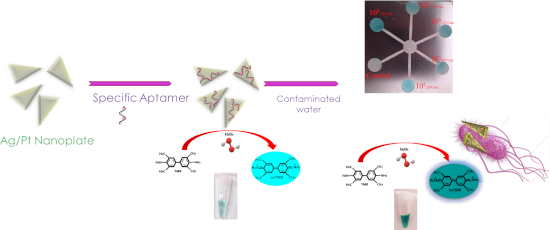
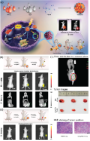
- such as pathogens [14]. Functional nanomaterials with catalytic activity similar to enzymes (nanozymes) reveal substantial benefits over natural enzymes, such as ultrahigh environmental stability, appropriate catalytic activity, and ease of prototyping [15][16]. We created plate-like silver
- nanoparticles (i.e., silver nanoplates, Ag NPLs) covered with a layer of Pt atoms to improve the peroxide activity of NPLs, and use them as colorimetric biosensor materials. Metallic NPLs were employed in a variety of applications, including antibacterial activity [17][18][19], hazardous dye removal [20


Influence of conductive carbon and MnCo2O4 on morphological and electrical properties of hydrogels for electrochemical energy conversion
Beilstein J. Nanotechnol. 2024, 15, 57–70, doi:10.3762/bjnano.15.6
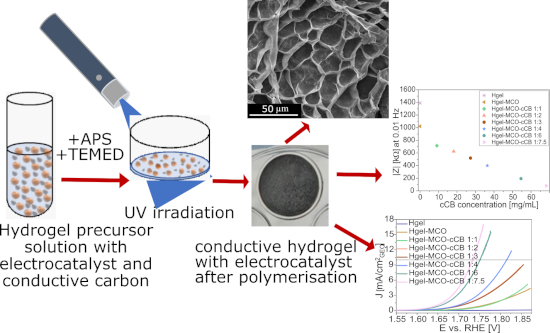
- appropriate electrical conductivity [22]. Suspension of conductive fillers in the hydrogel structure, such as metallic particles (gold nanoparticles, silver nanoparticles) [23][24][25], carbon-based materials (GO graphene oxide, CNT carbon nanotubes) [26][27][28], and conductive polymers (polyaniline
- ]. Cai et al. found some silver nanoparticles only slightly present in the skeleton of a PVA@DEL composite hydrogel [23]. Most of the Ag nanoparticles were observed in the wall of the hydrogel network. In our case, for the Hgel-MCO-cCB 1:3 sample, when the volume percentage of cCB was 17.1% (Table 3


Curcumin-loaded nanostructured systems for treatment of leishmaniasis: a review
Beilstein J. Nanotechnol. 2024, 15, 37–50, doi:10.3762/bjnano.15.4
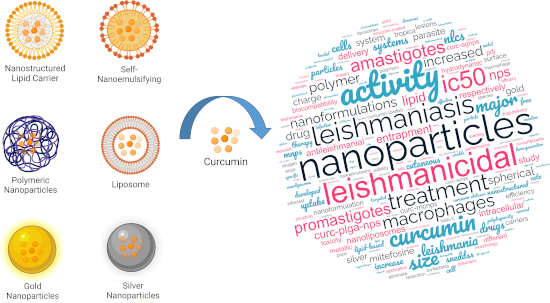
- in the spleen of mice was around 60% for free-UA and close to 90% for NLC-UA. Confocal microscopy images proved the cell uptake of NLC into macrophages. Metal nanoparticles are also excellent alternatives for carrying antileishmanial drugs [71]. Almayouf et al. produced silver nanoparticles (Ag-NP
- synthesized curc-coated silver nanoparticles (curc-AgNPs) for the treatment of cutaneous leishmaniasis [124]. Curc-AgNPs presented a spherical shape, 32 nm of diameter, and a zeta potential of −19.8 mV. This nanoformulation prevented the in vitro growth of L. major promastigotes and inhibited their viability
- , the found activity may be mostly attributed to curc-coated NPs. The same behavior was observed in Miltefosine-AgNPs developed by Kalangi and collaborators. Silver nanoparticles alone (50 μM) did not demonstrate an antileishmanial effect on the promastigote stage of the Leishmania parasite. However


Silver-based SERS substrates fabricated using a 3D printed microfluidic device
Beilstein J. Nanotechnol. 2023, 14, 793–803, doi:10.3762/bjnano.14.65
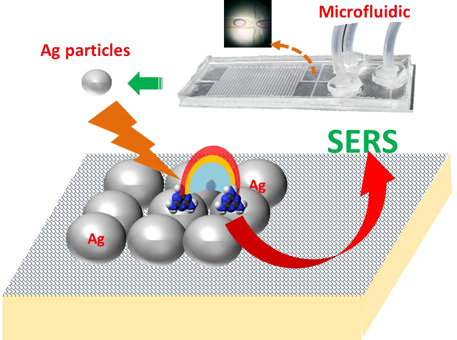
- method limits the amount of precursor chemicals and enables the sequential flow of droplets, resulting in silver nanoparticles of uniform shape and size. We investigated the effects of different synthesis conditions on the size distribution, dispersity, and LSPR wavelength of the silver nanoparticles
- treated at 90 °C for 5 min on a hot plate. Following this step, silicon tubes were joined to the inlets of the microfluidic device using Loctite superglue. Synthesis of silver nanoparticles The droplet-based microfluidic device was used to synthesize Ag NPs. These droplets enable the uniform distribution
- aqueous solutions and oil, respectively. Synthesis of silver nanoparticles Different molar ratios of silver nitrate to sodium borohydride were used to produce Ag nanoparticles in the microfluidic device at room temperature, with flow rates of 20 and 80 µL/min for the aqueous solutions and oil

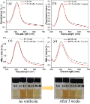


Silver nanoparticles loaded on lactose/alginate: in situ synthesis, catalytic degradation, and pH-dependent antibacterial activity
Beilstein J. Nanotechnol. 2023, 14, 781–792, doi:10.3762/bjnano.14.64
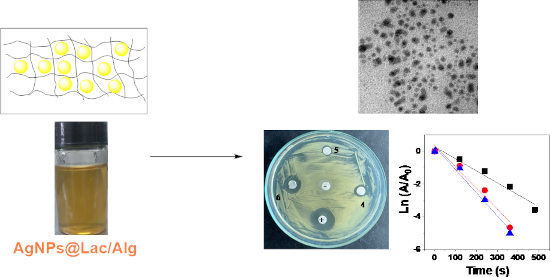
- Biotechnology and Food Technology, Industrial University of Ho Chi Minh City, Ho Chi Minh City, Vietnam Faculty of Chemical Engineering, Industrial University of Ho Chi Minh City, Ho Chi Minh City, Vietnam 10.3762/bjnano.14.64 Abstract We present the in situ synthesis of silver nanoparticles (AgNPs) through
- activity. These findings suggest that this nanocomposite has the potential to be tailored for specific applications in environmental and medicinal treatments, making it a highly promising material. Keywords: alginate; bacterial activity; catalysis; lactose; silver nanoparticles; synthesis; Introduction
- Silver nanoparticles (AgNPs) have raised significant interest for their wide range of applications in biomedicine [1][2], treatment of wastewater [3][4], and catalysis [5][6]. The utilization of eco-friendly sources, such as plant extracts [7][8], fungi [9][10], and bacteria [11], for synthesizing AgNPs


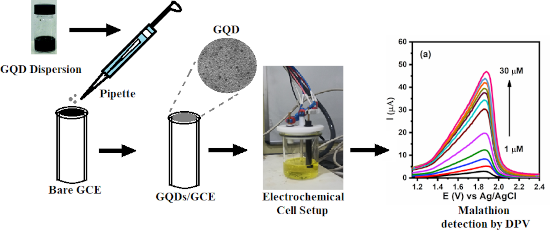
A graphene quantum dots–glassy carbon electrode-based electrochemical sensor for monitoring malathion
Beilstein J. Nanotechnol. 2023, 14, 701–710, doi:10.3762/bjnano.14.56
- dots and 3D bismuth oxyiodine hybrid hollow microspheres for the detection of chlopyrifos [26]. In 2020, Jiménez-López et al. worked on a fluorescent probe containing graphene quantum dots and silver nanoparticles for glyphosate detection [27]. In 2021, Xu Dan et al. developed a histidine


New trends in nanobiotechnology
Beilstein J. Nanotechnol. 2023, 14, 377–379, doi:10.3762/bjnano.14.32

- . Green synthesis methods were firstly applied for the biosynthesis of silver nanoparticles, along with silver chloride nanoparticles as there were chlorine salts in the pineapple peels which enable the formation of silver chloride. These nanoparticles were then characterized and tested regarding their
Quercetin- and caffeic acid-functionalized chitosan-capped colloidal silver nanoparticles: one-pot synthesis, characterization, and anticancer and antibacterial activities
Beilstein J. Nanotechnol. 2023, 14, 362–376, doi:10.3762/bjnano.14.31
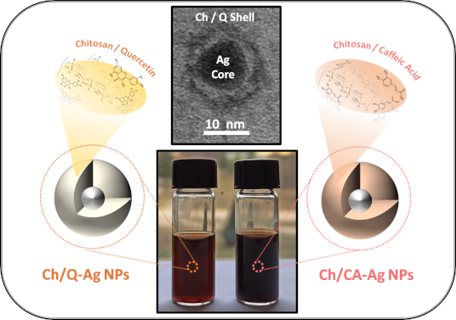
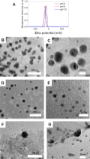
- characterization of quercetin- and caffeic acid-functionalized chitosan-capped colloidal silver nanoparticles (Ch/Q- and Ch/CA-Ag NPs), and their antibacterial and anticancer activities. The formation of Ch/Q- and Ch/CA-Ag NPs has been confirmed by ultraviolet–visible (UV–vis) spectroscopy, Fourier-transform
- , caffeic acid has also been reported to have antiviral, anticoagulant, anti-inflammatory, antibacterial, and anticancer activities [31][32][33][34]. Silver nanoparticles are an important example of different types of nanomaterials (copper, zinc, titanium, magnesium, gold, and alginate) that have been
- proven to be effective against bacteria and viruses [6][35]. Toxicologists extensively studied silver nanoparticles. Despite studies suggesting a toxicity of silver nanoparticles, this issue is still unresolved [36]. However, silver nanoparticles have become more popular in recent years due to their


Antimicrobial and mechanical properties of functionalized textile by nanoarchitectured photoinduced Ag@polymer coating
Beilstein J. Nanotechnol. 2023, 14, 95–109, doi:10.3762/bjnano.14.11
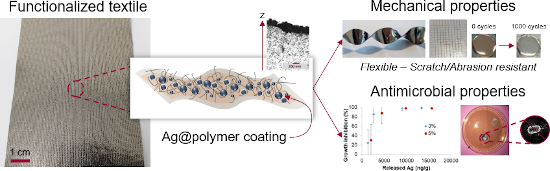
- , and textiles need to be cleaned on a daily basis. Silver nanoparticles (AgNPs) possess well-documented antimicrobial properties and by combining them with a physical matrix, they can be applied to various surfaces to limit microbial contamination. With this in mind, a rapid and easy way to implement a
- [10]), gold [11][12], zinc oxide [13][14], and especially silver nanoparticles [15][16][17][18]. Silver is known to target peptidoglycane, a cellular membrane component of Gram-negative and -positive bacteria. If introduced directly in its ionic form, silver interacts with the electron-donor groups of
- replication [21]. Silver nanoparticles (AgNPs) have the added benefit of being ionic silver vessels, combining the latter’s antimicrobial properties with their own characteristics [16]. Pal et al. [22] demonstrated that triangular AgNPs seem to exhibit increased biocide activity compared to their spherical



In search of cytotoxic selectivity on cancer cells with biogenically synthesized Ag/AgCl nanoparticles
Beilstein J. Nanotechnol. 2022, 13, 1505–1519, doi:10.3762/bjnano.13.124
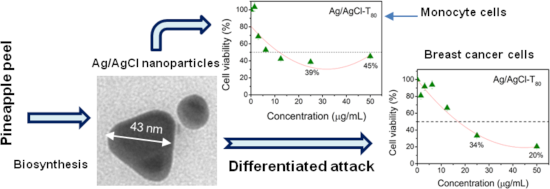
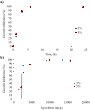
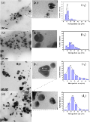
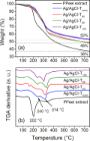
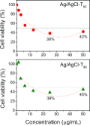
- , Saltillo Coahuila, 25294, México 10.3762/bjnano.13.124 Abstract Green synthesis may be a useful approach to achieve selective cytotoxicity of silver nanoparticles on cancer cells and healthy cells. In this study, the concomitant biosynthesis of silver (Ag)/silver chloride (AgCl) nanoparticles from
- comparison to monocytes. Keywords: cancer cells; cytotoxic behavior; green synthesis; pineapple extract; silver chloride nanoparticles; silver nanoparticles; structural characterization; Introduction The study of metallic nanoparticle synthesis by green methods is gaining importance, especially in cases
- where plant extracts are used to synthesize nanoparticles. The nanoparticles can be produced in a simple, inexpensive, and scalable way, with low reaction time and in aqueous media. Since no toxic by-products are generated, these methods are eco-friendly [1]. Silver nanoparticles (AgNPs) are commonly





Recent advances in green carbon dots (2015–2022): synthesis, metal ion sensing, and biological applications
Beilstein J. Nanotechnol. 2022, 13, 1068–1107, doi:10.3762/bjnano.13.93
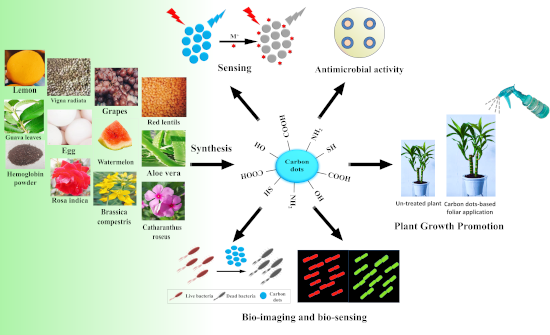
- solvent casting process after the ACMCDs were supported by silver nanoparticles, employing them as both a reducing agent and a template. The nanocomposite antibacterial film is anticipated to have a lot of potential applications such as food packaging, water purification, and disinfecting sanitary




Biomimetic chitosan with biocomposite nanomaterials for bone tissue repair and regeneration
Beilstein J. Nanotechnol. 2022, 13, 1051–1067, doi:10.3762/bjnano.13.92
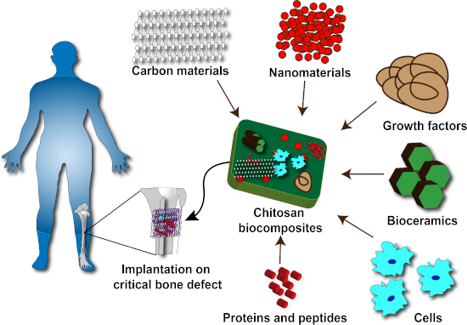
- formation on rat calvaria defects indicate a strong healing effect and new bone formation on chitosan/absorbable collagen sponges [51]. Chitosan with metal nanomaterials for bone tissue engineering Chitosan–silver nanocomposites Silver nanoparticles (AgNPs) have gained much attention in bone-related implant
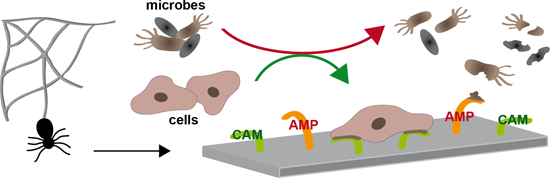
Bioselectivity of silk protein-based materials and their bio-inspired applications
Beilstein J. Nanotechnol. 2022, 13, 902–921, doi:10.3762/bjnano.13.81


A nonenzymatic reduced graphene oxide-based nanosensor for parathion
Beilstein J. Nanotechnol. 2022, 13, 730–744, doi:10.3762/bjnano.13.65
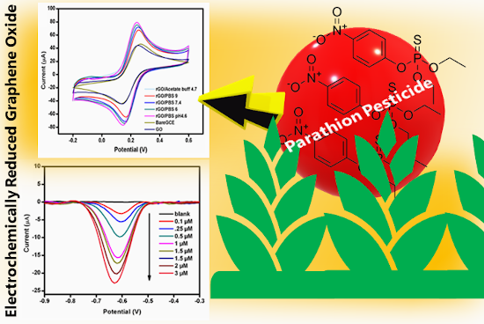
- nanoribbons doped with silver nanoparticles, rGO doped with ZrO2, and CuO–TiO2 hybrid nanocomposites were proposed to detect methyl parathion [19][20][21][22]. Rajaji et al. (2019) modified glassy carbon electrodes with graphene oxide encapsulated 3D porous chalcopyrite (CuFeS2) nanocomposites to detect


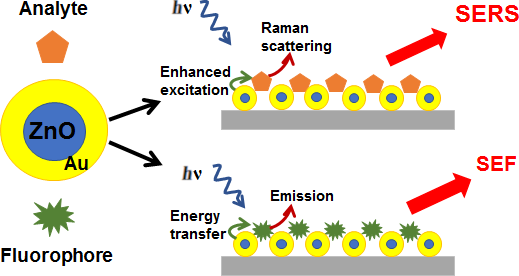
Zinc oxide nanostructures for fluorescence and Raman signal enhancement: a review
Beilstein J. Nanotechnol. 2022, 13, 472–490, doi:10.3762/bjnano.13.40


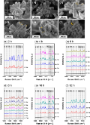


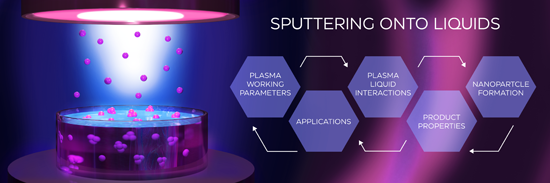
Sputtering onto liquids: a critical review
Beilstein J. Nanotechnol. 2022, 13, 10–53, doi:10.3762/bjnano.13.2






Self-assembly of amino acids toward functional biomaterials
Beilstein J. Nanotechnol. 2021, 12, 1140–1150, doi:10.3762/bjnano.12.85
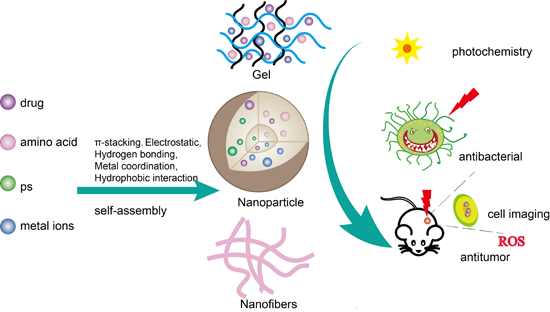
- , the substrate affinity of metal nanoparticles (1.53 mM) is comparable to that of natural lipase (1.27 mM). Metal ions, especially silver ions (Ag+), have been widely studied regarding antibacterial, antifungal, antiviral, anti-inflammatory, anti-angiogenic, and antitumor activities [63][64]. Silver
- nanoparticles (Ag NPs) hold great promise due to their broad-spectrum and robust antimicrobial properties [65]. The main mechanism is that Ag nanoparticles diffuse into cells and destroy cell walls [66]. However, Ag NPs are cytotoxic, which limits their application [67]. Song et al. [68] developed a broad

Assessment of the optical and electrical properties of light-emitting diodes containing carbon-based nanostructures and plasmonic nanoparticles: a review
Beilstein J. Nanotechnol. 2021, 12, 1078–1092, doi:10.3762/bjnano.12.80
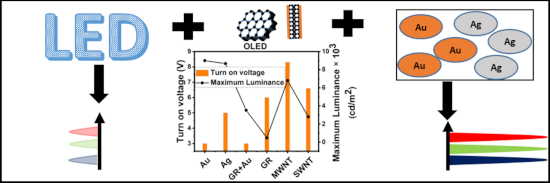
- OLED has also been reported owing to the SPR of AgNP with an average size of 80 nm [48]. Silver nanoparticles were embedded in a PEDOT:PSS layer within the follwing device configuration: ITO (150 nm)/PEDOT:PSS (60 ± 10 nm)/AgNP/Alq3 (100 nm)/LiF (1 nm)/Al (100 nm). The PL emission intensity at 535 nm


The role of deep eutectic solvents and carrageenan in synthesizing biocompatible anisotropic metal nanoparticles
Beilstein J. Nanotechnol. 2021, 12, 924–938, doi:10.3762/bjnano.12.69
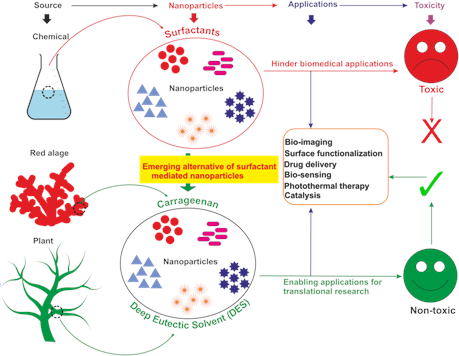
- of gold and silver nanoparticles. Surface plasmon resonance is an inherent property of plasmonic metal nanoparticles that is immensely employed as a tool for theranostics and is highly influenced by the size and shape of the nanoparticle [2]. The property of SPR has also been exploited for nanochips
- of nanotechnology. The use carrageenan in nanomaterial synthesis and application has been tabulated in Table 3 [32][110][111][112][113][114][115]. Carrageenan has been complexed with chitosan in a recent study, forming a composite for wound healing dressing. Silver nanoparticles, widely known for
- emerged as a promising candidate for industrial applications. Silver nanoparticles synthesized using carrageenan as a reducing and stabilizing agent showed promising results in removing organic dyes such as methylene blue and rhodamine B [111]. Magnetic iron nanoparticles were synthesized using κ-, ι-, or


Modification of a SERS-active Ag surface to promote adsorption of charged analytes: effect of Cu2+ ions
Beilstein J. Nanotechnol. 2021, 12, 902–912, doi:10.3762/bjnano.12.67
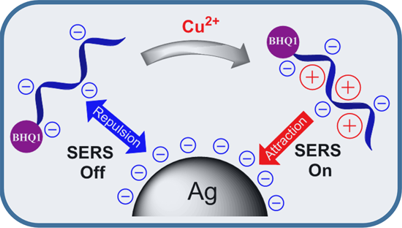
- the electrostatic interaction between analyte molecules and silver nanoparticles (Ag NPs) on the intensity of surface-enhanced Raman scattering (SERS). For this, we fabricated nanostructured plasmonic films by immobilization of Ag NPs on glass plates and functionalized them by a set of differently
- ; oligonucleotides; porphyrin; silver nanoparticles; substrate modification; surface-enhanced Raman spectroscopy (SERS); Introduction Surface-enhanced Raman scattering (SERS) with its advantages of extreme sensitivity, high selectivity, and non-destructive nature has demonstrated great potential for the quick



Silver nanoparticles nucleated in NaOH-treated halloysite: a potential antimicrobial material
Beilstein J. Nanotechnol. 2021, 12, 798–807, doi:10.3762/bjnano.12.63
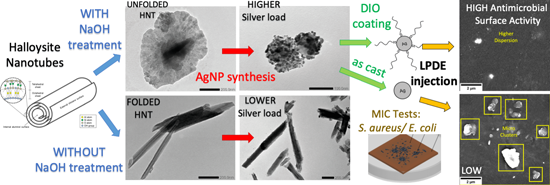
- 10.3762/bjnano.12.63 Abstract Despite all recent advances in medical treatments, infectious diseases remain dangerous. This has led to intensive scientific research on materials with antimicrobial properties. Silver nanoparticles (Ag-NPs) are a well-established solution in this area. The present work
- antimicrobial, and that it is possible to imbue a polymeric matrix with the antimicrobial properties of Ag-NPs. Keywords: antimicrobial activity; DIO coating; halloysite; nanocomposites; silver nanoparticles; Introduction The number of people dying from bacterial infections has been significantly reduced with
- cellular membrane and to disrupt internal cellular components, such as DNA [2][3][4][5][6]. Silver nanoparticles (Ag-NPs), in particular, are known for their antimicrobial properties and are one of the most extensively studied inorganic antimicrobial agents [7][8][9]. Early studies suggested that Ag-NPs