Search results
Search for "step" in Full Text gives 1538 result(s) in Beilstein Journal of Nanotechnology. Showing first 200.
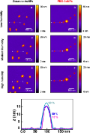
Fast vortex dynamics and relaxation times in NbRe-based heterostructures
Beilstein J. Nanotechnol. 2026, 17, 292–302, doi:10.3762/bjnano.17.20
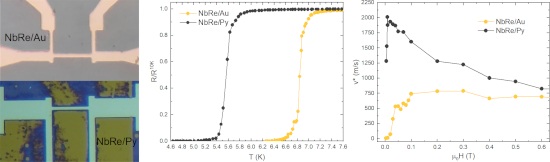
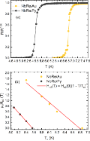
- deposition rates were later calibrated ex situ using a Bruker Dektak XT stylus profilometer by measuring step heights in samples. In the NbRe/Au sample, the NbRe layer has a thickness = 20 nm, while = 15 nm in the NbRe/Py sample. The corresponding Au and Py layers are dAu = 5 nm and dPy = 4 nm. Given the


Advancing nanolithography: a comprehensive review of materials for local anodic oxidation with AFM
Beilstein J. Nanotechnol. 2026, 17, 275–291, doi:10.3762/bjnano.17.19
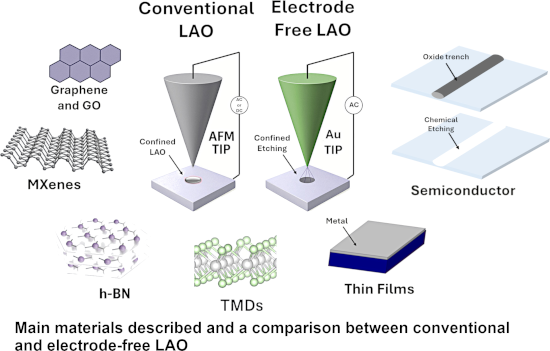
- facilitate effective LAO. A study by Tominov et al. [18] introduced forming-free titanium oxide-based memristive nanostructures created through AFM-assisted local oxidation. This work demonstrates the fabrication of nanoscale resistive switching devices while eliminating the need for the electroforming step


Durable antimicrobial activity of fabrics functionalized with zeolite ion-exchanged nanomaterials against Staphylococcus aureus and Escherichia coli
Beilstein J. Nanotechnol. 2026, 17, 262–274, doi:10.3762/bjnano.17.18
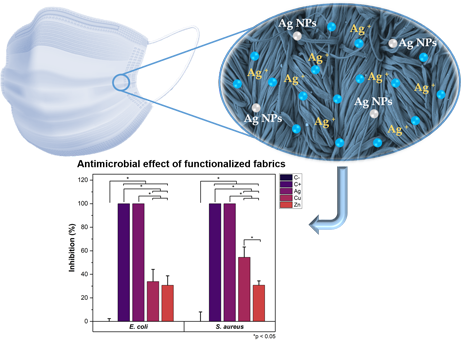
- ionic gelation method and exhaustion, followed by the pad–dry–cure method in the second step. The antibacterial properties of the coated fabric were then evaluated [31]. Zinc peroxide (ZnO2) NPs synthesized via the sol–gel method were used to functionalize cotton textile fabrics through the pad–dry–cure
- interval of XRD analysis was 2θ = 5–80°, with a step size of 0.01° and 1 s of measure time for each step. The durability of the finish was assessed by washing the modified textile five times. The fabrics were washed using deionized water and the detergent Alconox. Mechanical action was applied using




Gold nanoparticle-decorated reduced graphene oxide as a highly effective catalyst for the selective α,β-dehydrogenation of N-alkyl-4-piperidones
Beilstein J. Nanotechnol. 2026, 17, 218–238, doi:10.3762/bjnano.17.15
- indicates the successful deposition of Au-SiW9 onto the carbon supports. The successful deposition was further confirmed through UV–vis analysis of the filtrate obtained after the filtration step, which revealed the disappearance of the characteristic LSPR band at 508 nm (Figure 6a). The TEM images of the
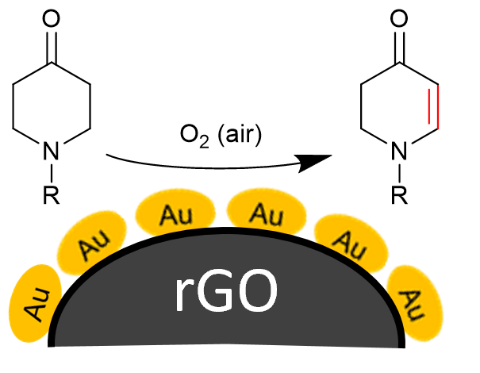
- - compared to N-methyl-4-piperidone. This behavior is consistent with the increased steric bulk, which make the α-hydrogen abstraction step more difficult. The observed catalytic trends further confirm the robustness and adaptability of the Au/rGO catalysts for ODH of structurally related β-N-substituted


Time of flight secondary ion mass spectrometry imaging of contaminant species in chemical vapour deposited graphene on copper
Beilstein J. Nanotechnol. 2026, 17, 200–213, doi:10.3762/bjnano.17.13
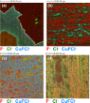
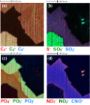
- of the material and lead to a step change in terms of high speed [11][12][13], transparent [14] and flexible electronic devices [15], membranes [16][17], and sensors [18][19]. A large amount of work has been dedicated to the optimisation of the growth process to aid in the formation of large area
- were prepared as described in detail previously [43]. For two of the samples, (labelled Ar and Ar:H2) the as-received Cu foils were used without any pre-treatment. The other two samples (labelled EP and BO) underwent two different pre-treatments, namely, either an electro-polishing step intended to
- precursor was introduced for 30 min. The graphene growth atmosphere consisted of 250 SCCM Ar, 26 SCCM H2 and 9 SCCM CH4 (0.1% diluted in Ar) for all samples except the BO sample where a flow rate of 30 SCCM CH4 (0.1% diluted in Ar) was used due to the very low nucleation density. After the growth step the





Influence of surface characteristics on the in vitro stability and cell uptake of nanoliposomes for brain delivery
Beilstein J. Nanotechnol. 2026, 17, 139–158, doi:10.3762/bjnano.17.9
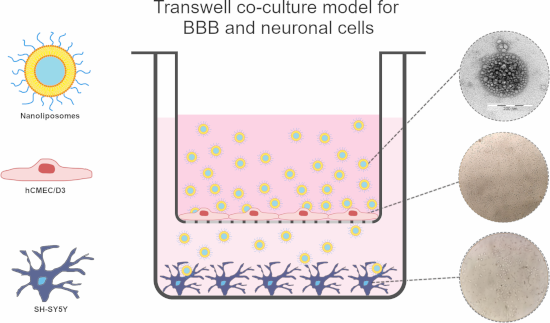
- concentrations of 5, 10 or 100 μg/mL). Incubation was performed for 1, 2, and 4 h (37 °C, 5% CO2), followed by a washing step with PBS and lysis with 2% Triton X-100 (2 h, 37 °C, 5% CO2). The resulting fluorescence was measured on a plate reader at an excitation wavelength of 535 nm and an emission wavelength of
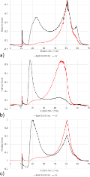
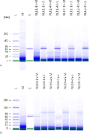
- at the initial time points of incubation) contains more proteins than the hard corona formed at later time intervals, resulting in a larger particle diameter at early incubation periods. High-resolution automated electrophoresis of adsorbed proteins onto the nanoliposomal surface In the next step




Capabilities of the 3D-MLSI software tool in superconducting neuron design
Beilstein J. Nanotechnol. 2026, 17, 122–138, doi:10.3762/bjnano.17.8

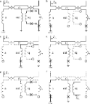
- increase in the main mesh step to ah = 2 μm and the edge step to ahb = 0.25 μm in order to meet the limitations on the amount of allocated RAM and execution time (see Section “Extraction Details”). Results are presented in Figure 6 as a dependence of calculated vs measured values, similar to Figure 3 and
- . Calculations are performed on a highly graded mesh of triangular cells (see inset on Figure 8a) based on two mesh step parameters. The first parameter, ah, defines the size of triangular cells inside the superconducting film far enough from the nearest boundary. The other parameter, ahb, is related to the cell
- step ah, which is related to the complexity of assembling the matrix O(N2). Thus, for the most accurate calculations performed on structures of the smallest size (C-shaped two-junction SQUIDs, Figure 2), the smallest steps ah = 1 μm and ahb = 0.125 μm (default parameters) were chosen. For certain



Development and in vitro evaluation of liposomes and immunoliposomes containing 5-fluorouracil and R-phycoerythrin as a potential phototheranostic system for colorectal cancer
Beilstein J. Nanotechnol. 2026, 17, 97–121, doi:10.3762/bjnano.17.7
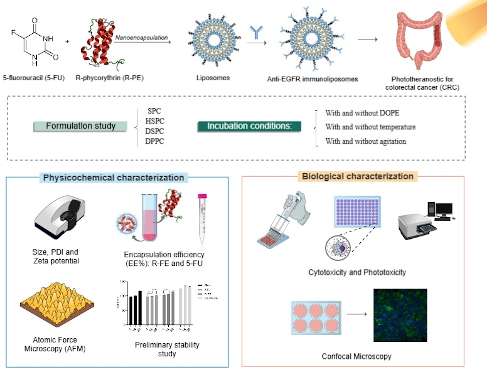
- , SPC) and amount (25 and 50 mg) followed by sonication. In summary, the lipids were solubilized in 5 mL of chloroform and evaporated for 30 min at 65 °C. In the next step, the lipid film was hydrated with 5 mL of phosphate buffer saline (PBS, pH 7.4) during 60 min at 100 rpm and 37 °C or with PBS, pH



Functional surface engineering for cultural heritage protection: the role of superhydrophobic and superoleophobic coatings – a comprehensive review
Beilstein J. Nanotechnol. 2026, 17, 63–96, doi:10.3762/bjnano.17.6

- imparting long-lasting hydrophobicity, reducing water uptake, and maintaining dimensional and biological stability of wood, even under UV exposure and outdoor conditions (Figure 7). To do so, nano/sub-microlignin (NL), derived from beechwood via a one-step organosolv process, was used as a filler and




Reduced graphene oxide paper electrode for lithium-ion cells – towards optimized thermal reduction
Beilstein J. Nanotechnol. 2026, 17, 24–37, doi:10.3762/bjnano.17.3
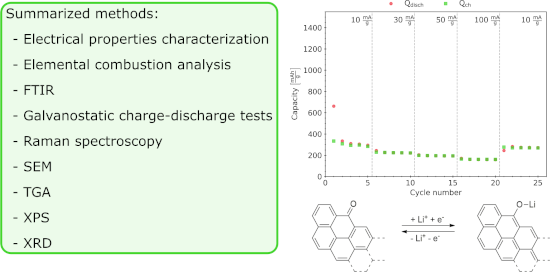
- easy to scale up and, which is worth emphasizing, eliminates the use of any binder or harmful solvent. In order to obtain rGO paper sheets, the produced paper sheets underwent a mild, three-step thermal procedure described in [34] (i.e., sample M300 mentioned in the current article) with further
- modification, that is, an additional thermal step was applied. For this research, three different additional steps were applied, namely, 400, 600, and 800 °C (the samples were named accordingly T400, T600, and T800). The additional thermal step was conducted for 6 h in an inert atmosphere in a tube furnace
- eV (0.1 eV step) pass energy in the analyzer and the photoelectron take-off angle at 45°. In order to maintain a constant sample surface potential, a dual beam charge compensation with 7 eV Ar+ ions and 1 eV electrons was used. The aliphatic carbon C 1s line at 285.0 eV was used as a charge reference



Quantitative estimation of nanoparticle/substrate adhesion by atomic force microscopy
Beilstein J. Nanotechnol. 2026, 17, 1–14, doi:10.3762/bjnano.17.1

- conditions influence how Cu NP move and detach during manipulation. Similar trajectories as observed by Rao et al. occurred very rarely in our experiments. In this study, a frequently applied standard protocol for AFM manipulation was used [32]. The protocol consists of a two-step method and is schematically



Internal 3D temperature mapping in biological systems using ratiometric light-sheet imaging and lipid-coated upconversion nanothermometers
Beilstein J. Nanotechnol. 2025, 16, 2306–2316, doi:10.3762/bjnano.16.159
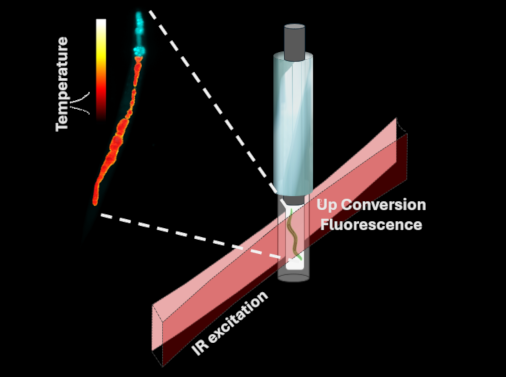
- essential step for advancing non-invasive thermal imaging in living biological systems. We recently demonstrated the feasibility of combining light-sheet fluorescence microscopy (LSFM) with UC micro- and nanocomposites for volumetric temperature mapping across scales ranging from tens of micrometers to


Terahertz-range on-chip local oscillator based on Josephson junction arrays for superconducting quantum-limited receivers
Beilstein J. Nanotechnol. 2025, 16, 2296–2305, doi:10.3762/bjnano.16.158
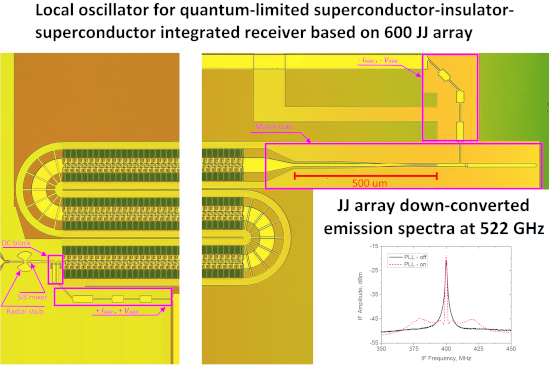
- quasiparticle current step more than 0.25 of the current at the gap voltage of the mixer junction. Second, the oscillator frequency should be tunable in a wide range. Third, the ability to phase-lock to the external stable synthesizer should be implemented. Fourth, the spectral ratio (ratio of the signal power
- tunneling through the tunnel barrier increases. This leads to a rise in current at voltages below the gap and the emergence of the so-called quasiparticle steps. This process is known as photon-assisted tunneling. The magnitude of the current on a quasiparticle step within the investigated range is linearly
- section we will discuss the results of the spectral measurements and the feasibility of the LO in SIR based on a JJ array of the proposed topology. First, for the SIR to operate, the power of the LO coupled to the SIS junction induces the current on the quasiparticle step greater than 25% of the Ig [13


Chiral plasmonic nanostructures fabricated with circularly polarized light
Beilstein J. Nanotechnol. 2025, 16, 2245–2264, doi:10.3762/bjnano.16.154
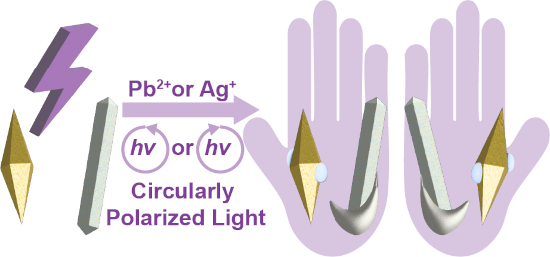
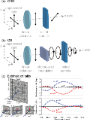
- ]. The simulations considered the polarization vectors of the incident light. The dissymmetric shapes of the gold nano-twisters led to the mixing of different plasmon modes, generating a nonzero CD. The first step in calculating the CD of experimentally obtained cPNSs is to import the morphological





Optical bio/chemical sensors for vitamin B12 analysis in food and pharmaceuticals: state of the art, challenges, and future outlooks
Beilstein J. Nanotechnol. 2025, 16, 2207–2244, doi:10.3762/bjnano.16.153
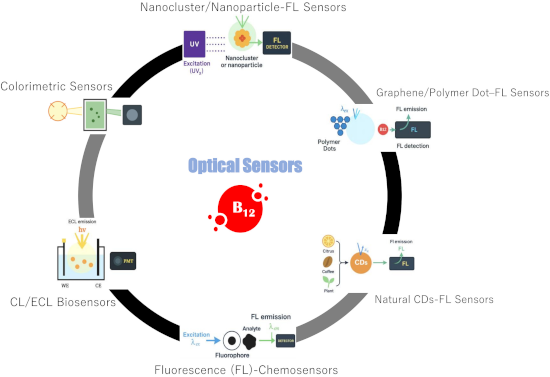
- lysosomes in a distinct base-off conformation. In this process, the protein replaces the 5,6-dimethylbenzimidazole ligand of VB12 with one of its histidine residues. Furthermore, MMACHC plays a pivotal role in converting all variants of VB12 into the cob(II)alamin intermediate. This crucial step includes
- , and the β-oxidation of odd-chain fatty acids [34]. This function of Ado-Cbl in the body supports energy production by facilitating the conversion of methylmalonyl-CoA to succinyl-CoA, a key step in the Krebs cycle, which is central to cellular energy generation [61]. The metabolic pathway of VB12 in
- –citrate buffer at pH 4.5. This buffer was then added to an infant formula sample, which was subsequently autoclaved at 121 °C for 25 min. The purpose of this step was to denature the VB12 binding protein present in the sample and liberate the vitamin for the subsequent analysis. Low repeatability based on


Ultrathin water layers on mannosylated gold nanoparticles
Beilstein J. Nanotechnol. 2025, 16, 2183–2198, doi:10.3762/bjnano.16.151
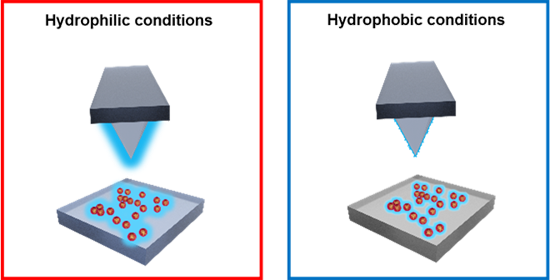
- functionalization was performed as reported in [24]. Silicon wafers were washed first in methanol, then in a 1:1 v/v mixture of methanol and chloroform, and finally in chloroform under 5 min sonication at every step. Afterwards, the surfaces were immersed in a 7:2:1 (v/v) mixture of decalin (cis and trans)/toluene



Hartree–Fock interaction in superconducting condensate fractals
Beilstein J. Nanotechnol. 2025, 16, 2177–2182, doi:10.3762/bjnano.16.150
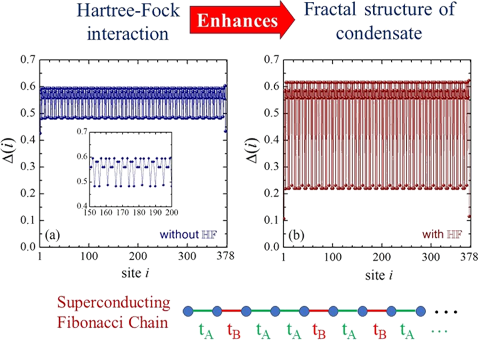
- the entire procedure is repeated until convergence is achieved. The calculation is considered converged when the relative changes in the order parameter and the HF field are below 10−7. To model quasicrystal superconducting properties, as the first step, we consider a finite Fibonacci sequence


Missing links in nanomaterials research impacting productivity and perceptions
Beilstein J. Nanotechnol. 2025, 16, 2168–2176, doi:10.3762/bjnano.16.149
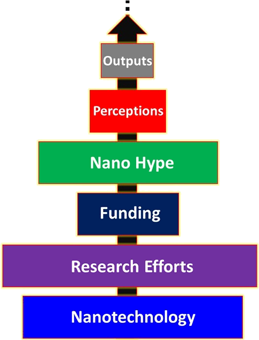
- . This registry would catalog product categories, safety data, and approved applications, facilitating transparency, traceability, and coordinated post-market surveillance. A further step would be the formation of a global regulatory authority analogous to the international council for harmonization in
Quality by design optimization of microemulsions for topical delivery of Passiflora setacea seed oil
Beilstein J. Nanotechnol. 2025, 16, 2116–2131, doi:10.3762/bjnano.16.146
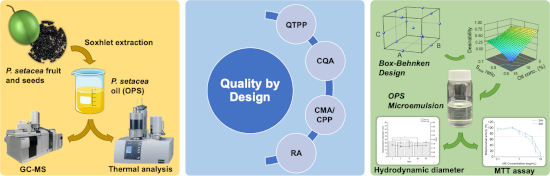
- step when non-normal distribution is detected [25]. Following transformation, analysis of variance (ANOVA) was conducted to evaluate the statistical significance of the overall model and the individual formulation factors. To enhance model parsimony, backward regression elimination was applied to


Calibration of piezo actuators and systems by dynamic interferometry
Beilstein J. Nanotechnol. 2025, 16, 2086–2091, doi:10.3762/bjnano.16.143
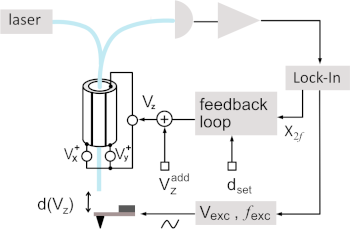
- -step fit method based on Equation 1 as detailed in [13]. Here, VDC represents the DC part of the interferometer signal voltage, V0 is the voltage amplitude of the modulated signal, and φ is the phase shift introduced by the electronics in the signal path, which may be determined from the fit
- interferometer, various voltages are applied to the fiber tube piezo, and, after each step of voltage change, the cantilever excitation voltage is varied from 1 V to 7 V in steps. For each step, the interferometer signal is analyzed to extract the oscillation amplitude A corresponding to the respective voltage
- step. Figure 2 shows plots of A against the cantilever excitation voltage Vexc, where the data are fitted by straight lines. Note that all straight lines should coincide; however, they are shifted for each step along the Vexc axis for better clarity. The measurements presented in Figure 2a have been


Multifrequency AFM integrating PeakForce tapping and higher eigenmodes for heterogeneous surface characterization
Beilstein J. Nanotechnol. 2025, 16, 2077–2085, doi:10.3762/bjnano.16.142
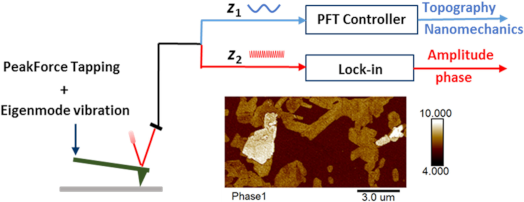
- include topographic step-like distortions and sudden phase-contrast inversions arising from bistable transitions between co-existing oscillation states, which complicate data interpretation [13][14][15][16][17]. Additionally, operational complexity escalates in liquid environments, where low-quality
- ) and a stiff probe (NSC15/Al BS) demonstrates that our method yields closely matched topography (~4 nm step height between the thinner and thicker nanosheet regions), confirming the robust height fidelity of the present approach. Quantitative modulus maps exhibit pronounced probe-dependence; the soft


Molecular and mechanical insights into gecko seta adhesion: multiscale simulations combining molecular dynamics and the finite element method
Beilstein J. Nanotechnol. 2025, 16, 2055–2076, doi:10.3762/bjnano.16.141
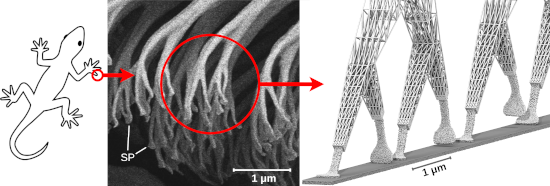
- geometry was sufficient as a first step in validating our concurrent MD–FEM approach and extracting fundamental insights about contact formation, load transfer, and spatula detachment mechanisms. Simulating each spatula in its own MD simulation, while coupling them all with the seta FEM model, becomes
- greater mesh deformation and, thus, represents a larger step towards the final FEM solution. This requires fewer iterations but also increases the risk of numerical instabilities. Conversely, a larger spring constant results in smaller steps towards equilibrium but requires more iterations. External
- loading (e.g., displacement or force) on the full system, such as moving the entire seta, is applied in increments called load steps. Each load step consists of (1) applying a portion of the total load (a displacement of 1 nm in our case) to the driver nodes and (2) running multiple FEM–MD iterations (ten






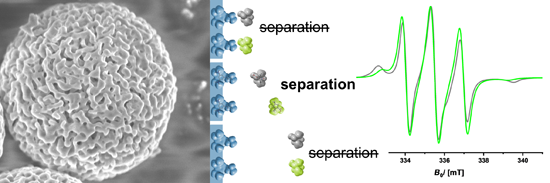
Stereodiscrimination of guests in chiral organosilica aerogels studied by ESR spectroscopy
Beilstein J. Nanotechnol. 2025, 16, 2034–2054, doi:10.3762/bjnano.16.140
- according to [64], and the racemate was separated by fractional crystallization using (S)-(−)-1-phenylethylamine for (+)-3CP and (R)-(+)-1-phenylethylamine for (−)-3CP as indicated in Supporting Information File 1, Figure S10. The enantiomeric purity was checked after each crystallization step using the
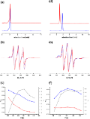
- ), we prepared two new materials, namely, TEMPONHxSIL and TEMPONHyoSIL (Figure 12). Via amide coupling chemistry, in a post-functionalization step, we attached a pentafluorophenol-activated 4-carboxy-2,2,6,6-tetramethylpiperidinyloxyl (R = TEMPO; Figure 12) group. The reaction delivers an ESR-active
- ). One sees in Figure 13b that already for x > 0.05, the distance between the TEMPO units is around 1.4 nm. One may assume that a larger number of amines/x does not necessarily lead to a higher degree of functionalization in the post-functionalization step. The introduction of phenyl spacers in the oSIL




Beyond the shell: exploring polymer–lipid interfaces in core–shell nanofibers to carry hyaluronic acid and β-caryophyllene
Beilstein J. Nanotechnol. 2025, 16, 2015–2033, doi:10.3762/bjnano.16.139
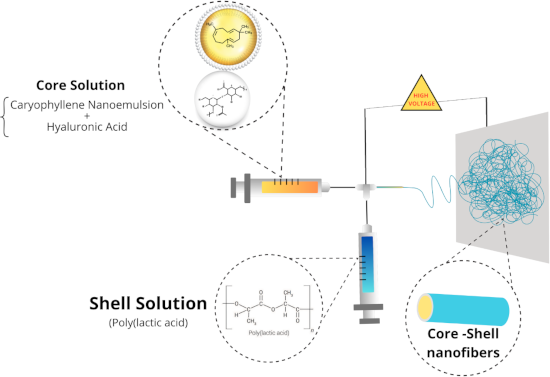
- preparation, a flow rate ratio of 6.25 was maintained, with an outer flow rate of 0.25 mL/h and an inner flow rate of 0.04 mL/h, as this ratio prevented severe dripping and ensured a more stable Taylor cone. Having characterized the influence of core composition on fiber formation, the next step involved
- polymer powders, sieving was conducted using an ASTM 70 mesh (212 µm) before compressing the powders onto the sample holder to ensure grain homogeneity. The analyses were carried out using a LabX XRD-6100 diffractometer (Shimadzu, Japan) in an angle ranging from 2° to 50° (2θ), using a step size of 0.02




Laser ablation in liquids for shape-tailored synthesis of nanomaterials: status and challenges
Beilstein J. Nanotechnol. 2025, 16, 1963–1997, doi:10.3762/bjnano.16.137
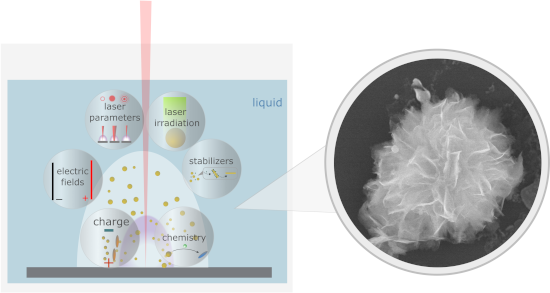
- by unfocused laser irradiation as a second step. This strategy has developed into several methods usually categorized as laser-induced fragmentation, laser-induced melting, or laser-induced modification. Such multistep processes open up ways for precise manipulation and fine tuning of NP parameters
- in acetone–water solution to induce further re-shaping into cubic nanostructures (Figure 7b–d). The formation of the nanocubes occurred upon ageing of the colloid during several days, and the authors emphasize the importance of the laser fragmentation step in this process. If the laser fluence is too