


Search results
Search for "superparamagnetic" in Full Text gives 129 result(s) in Beilstein Journal of Nanotechnology.
Use of nanosystems to improve the anticancer effects of curcumin
Beilstein J. Nanotechnol. 2021, 12, 1047–1062, doi:10.3762/bjnano.12.78
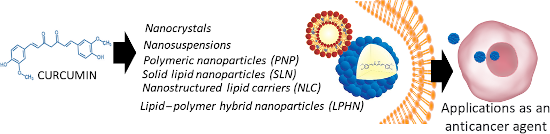
- superparamagnetic iron oxide nanoparticles functionalized with sodium dodecyl sulfate (SDS) and coated with chitosan (40–45 nm), were able to induce apoptosis (IC50 30 µg/mL) in HeLa (cervical cancer) cells by damaging the DNA and increasing caspase-3 [136]. Curcumin-loaded, pH-sensitive Janus magnetic mesoporous
- silica nanoparticles showed a synergistic therapeutic effect in in vivo and in vitro models of liver cancer due to their superior superparamagnetic properties, hyperthermia, high CUR-loading capacity, and sensitivity to the microenvironment of the tumor [137]. Authors argue that the magnetic sensitivity


Comprehensive review on ultrasound-responsive theranostic nanomaterials: mechanisms, structures and medical applications
Beilstein J. Nanotechnol. 2021, 12, 808–862, doi:10.3762/bjnano.12.64
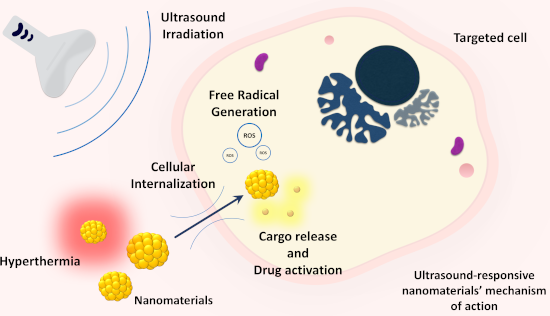
- ]. Various nanostructures have been developed for free radical generation under US irradiation. A novel nanostructure was constructed based on a BNN-type NO-releasing molecule and superparamagnetic iron oxide nanoparticles (SPION)-encapsulated mesoporous silica NPs (MSN) which could generate NO free radicals


Recent progress in magnetic applications for micro- and nanorobots
Beilstein J. Nanotechnol. 2021, 12, 744–755, doi:10.3762/bjnano.12.58
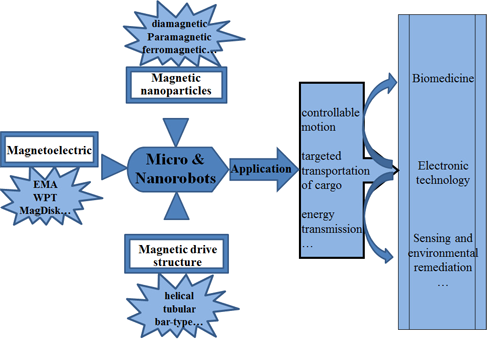
- used in medical MNRs [26]. For example, based on the combination of copolymer brushes and superparamagnetic nanoparticles, a biomimetic nanoreactor was proposed. It contained a magnetic field-responsive catalytic system, namely magnetic field-responsive binary deoxyribozyme (MaBiDZ) [27]. Also, it
- avoid the reassembly of the chains. Doherty et al. [38] pointed out that superparamagnetic nanofibers could prevent the uncontrolled agglomeration of particles because the residual magnetization of this material is almost zero. They applied this technology to sensing and environmental remediation and
- understanding magnetic MNR swarms, and further applications may be found. Bakshi et al. [27] reported a magnetic field-responsive catalytic system based on superparamagnetic nanoparticles [41], namely magnetic field-responsive binary deoxyribozyme (MaBiDZ, Figure 1), which could sense intracellular target mRNA


The impact of molecular tumor profiling on the design strategies for targeting myeloid leukemia and EGFR/CD44-positive solid tumors
Beilstein J. Nanotechnol. 2021, 12, 375–401, doi:10.3762/bjnano.12.31


Nickel nanoparticle-decorated reduced graphene oxide/WO3 nanocomposite – a promising candidate for gas sensing
Beilstein J. Nanotechnol. 2021, 12, 343–353, doi:10.3762/bjnano.12.28
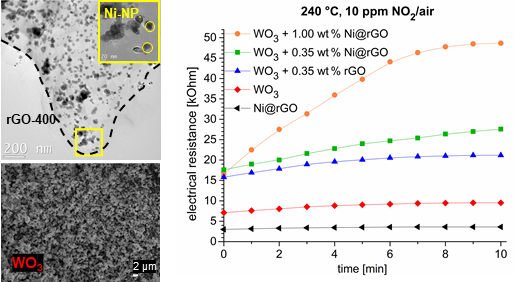
- rather than superparamagnetic behavior is manifested. Hence, the results of measurements of the magnetic susceptibility and magnetization indicate the presence of only a metallic nickel phase in the Ni@rGO composite after heat treatment in air. Сonclusion Ni@rGO nanocomposites were found to be promising


Differences in surface chemistry of iron oxide nanoparticles result in different routes of internalization
Beilstein J. Nanotechnol. 2021, 12, 270–281, doi:10.3762/bjnano.12.22
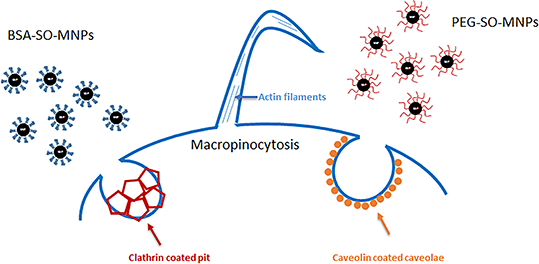
- ; Introduction Magnetic iron oxide nanoparticles (MNPs) as chemically inert material have been increasingly employed as contrast agents in magnetic resonance imaging (MRI), positron emission tomography (PET), and near-infrared fluorescence (NIRF) imaging [1]. The superparamagnetic properties of MNPs make them
- A549 cells to the same extent as BSA-SO-MNPs, even though their hydrodynamic particle size was more than five times larger [44]. A less efficient uptake of BSA-coated MNPs compared to PEG-coated MNPs has been observed also in primary murine podocytes [45]. Superparamagnetic iron oxide nanoparticles



A review on the biological effects of nanomaterials on silkworm (Bombyx mori)
Beilstein J. Nanotechnol. 2021, 12, 190–202, doi:10.3762/bjnano.12.15
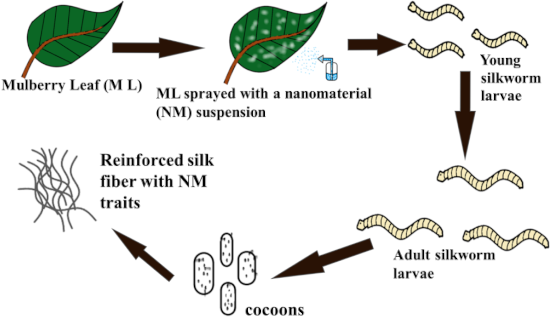
- ), graphene oxide, silver nanoparticles (Ag NPs) [24][25][26], quantum dots, and superparamagnetic particles [27] have been reported to have antibacterial properties against Streptococcus mutans [28] and Xanthomonas perforans, antifungal properties against Fusarium oxysporum [27] and Fusarium graminearum [29


Free and partially encapsulated manganese ferrite nanoparticles in multiwall carbon nanotubes
Beilstein J. Nanotechnol. 2020, 11, 1891–1904, doi:10.3762/bjnano.11.170
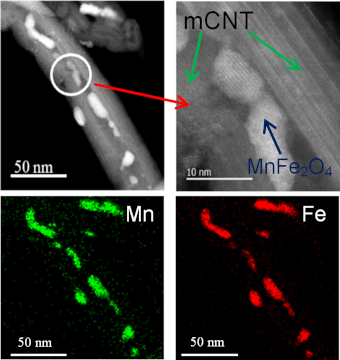
- free MnFe2O4 nanoparticles, two different subspectra associated with tetrahedral (A) and octahedral (B) sublattices, with close but different hyperfine fields, were used in addition to a superparamagnetic doublet (Figure 1f). Isomer shift values reflect the presence of high-spin Fe3+ ions [14], whereas
- on a relatively small superparamagnetic doublet due to the presence of very small crystallites [20]. The values of hyperfine fields are smaller than those obtained for bulk MnFe2O4 [21]. The reduction in the hyperfine field values follows the change in degree of inversion of the nanoparticles, in
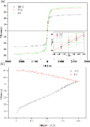
- and superparamagnetic behavior (Figure 3a). The saturation magnetization at room temperature, with an observed value of 52 emu/g, is lower than the reported bulk value of 80 emu/g [20]. This saturation magnetization value is reported for particles with 11 nm in size [27], which is approximately the




Design of V-shaped cantilevers for enhanced multifrequency AFM measurements
Beilstein J. Nanotechnol. 2020, 11, 1525–1541, doi:10.3762/bjnano.11.135
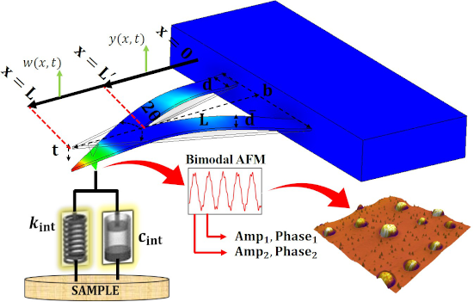
- systems (MEMS), superparamagnetic particle embedded microprobe (SPEM) sensors, or lab-on chips devices [5][6][7][8]. Microcantilevers are also an important component of atomic force microscopes (AFM). Due to their importance in AFM, there have been many studies on modeling the cantilevers to represent the


![[Graphic 4]](/bjnano/content/inline/2190-4286-11-135-i26.svg?max-width=637&scale=1.18182) = 15 µm, bref = 8...
= 15 µm, bref = 8...


![[Graphic 17]](/bjnano/content/inline/2190-4286-11-135-i39.svg?max-width=637&scale=1.18182) ) of V-shaped cantilevers for...
) of V-shaped cantilevers for...


Antimicrobial metal-based nanoparticles: a review on their synthesis, types and antimicrobial action
Beilstein J. Nanotechnol. 2020, 11, 1450–1469, doi:10.3762/bjnano.11.129
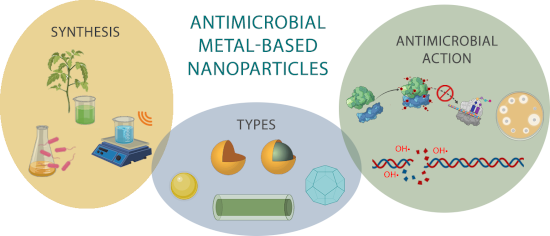
- agents. Although the most studied nanoparticles with antimicrobial properties are metallic or metal-oxide nanoparticles, other types of nanoparticles, such as superparamagnetic iron-oxide nanoparticles and silica-releasing systems also exhibit antimicrobial properties. Finally, since the quantification
- modification, intrinsic properties and the type of targeted microorganism [18]. A special category of metallic NPs is superparamagnetic iron-oxide nanoparticles (SPIONs) (e.g., magnetite (Fe3O4) and maghemite (γ-Fe2O3) NPs) whose antimicrobial activity increases upon the application of an external magnetic
- antimicrobial studies revealed good antimicrobial activity against E. coli, S. flexneri, and S. aureus cells [123]. Superparamagnetic iron-oxide nanoparticles Superparamagnetic iron oxide nanoparticles are a special class of metal-oxide NPs with magnetic properties and excellent biocompatibility. Their shape


Transient coating of γ-Fe2O3 nanoparticles with glutamate for its delivery to and removal from brain nerve terminals
Beilstein J. Nanotechnol. 2020, 11, 1381–1393, doi:10.3762/bjnano.11.122
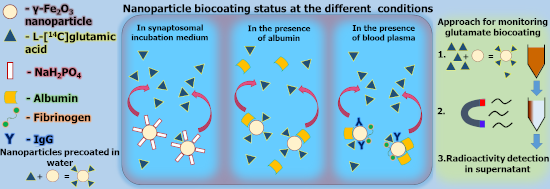
- neurological disorders. Excessive ambient glutamate concentration is a characteristic feature of, among others, stroke, brain trauma, epilepsy, and seizure development. Superparamagnetic γ-Fe2O3 nanoparticles are very promising in targeted drug delivery, cancer therapy, diagnostics, and hyperthermia treatment
- due to their magnetism and chemical stability [9][10][11][12][13]. Among a variety of other nanoparticles, superparamagnetic iron oxide nanoparticles are used for magnetic resonance imaging in cancer theranostics and magnetic hyperthermia [9][10][11][14]. Controlled magnetic fields can lead to induced
- their instability in biological media where the nanoparticles may lose their biological coating [19]. The organic/inorganic agents form a shell (1–5 nm thick) around superparamagnetic iron oxide nanoparticles interacting with their surface functional groups [14]. Sousa et al. studied the chemisorption


Influence of the magnetic nanoparticle coating on the magnetic relaxation time
Beilstein J. Nanotechnol. 2020, 11, 1207–1216, doi:10.3762/bjnano.11.105
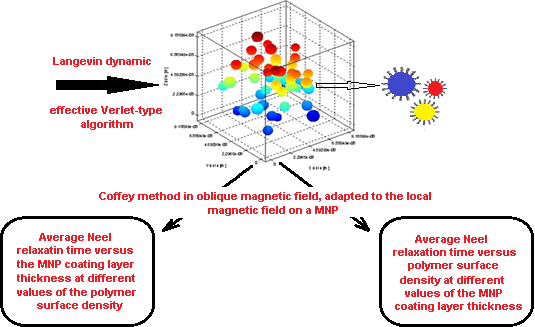
- Abstract Colloidal systems consisting of monodomain superparamagnetic nanoparticles have been used in biomedical applications, such as the hyperthermia treatment for cancer. In this type of colloid, called a nanofluid, the nanoparticles tend to agglomeration. It has been shown experimentally that the
- relaxation time; nanoparticle coating; numerical simulation; stochastic Langevin dynamics method; superparamagnetic nanoparticles; Introduction One of the most important biomedical applications of colloidal magnetic nanoparticle systems is magnetic hyperthermia applied as an alternative for cancer treatment
- that influence the characteristics of the final material [7]. Uncoated superparamagnetic nanoparticles are difficult to synthesise since they are not stable in colloidal suspensions. Therefore, it is challenging to use these nanoparticles in magnetic hyperthermia therapy [8]. By exposing these


Applications of superparamagnetic iron oxide nanoparticles in drug and therapeutic delivery, and biotechnological advancements
Beilstein J. Nanotechnol. 2020, 11, 1092–1109, doi:10.3762/bjnano.11.94
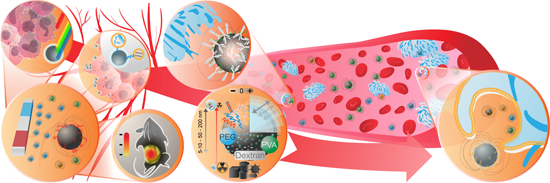
- .11.94 Abstract Superparamagnetic iron oxide nanoparticles (SPIONs) have unique properties with regard to biological and medical applications. SPIONs have been used in clinical settings although their safety of use remains unclear due to the great differences in their structure and in intra- and inter
- therapeutic efficacy, and safety studies. Keywords: drug delivery; drug targeting; endocytosis; medical; nanoparticles; superparamagnetic iron oxide nanoparticles (SPIONs); toxicity; Introduction Nanoencapsulation technologies have been researched over the past several decades and have been widely
- magnetic resonance imaging (MRI) (for more on this topic consult [11][12][13][14]). Among the abovementioned nanoscience products, iron oxide nanoparticles, especially superparamagnetic iron oxide nanoparticles (SPIONs) hold a lot of promise in many domains, not only regarding biology [15]. SPIONs consist


Uniform Fe3O4/Gd2O3-DHCA nanocubes for dual-mode magnetic resonance imaging
Beilstein J. Nanotechnol. 2020, 11, 1000–1009, doi:10.3762/bjnano.11.84
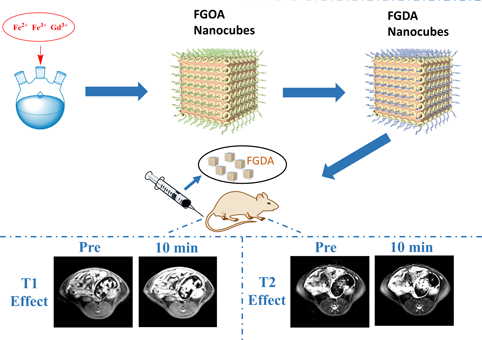
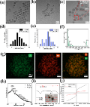
- measurement system (PPMS) operating at 300 K and the Fe3O4 nanocubes were used as control. Figure 2j shows that both Fe3O4 and FGDA nanocubes were superparamagnetic and the magnetic saturation was reached at 0.2132 and 0.7612 emu·g−1, respectively. Even though both values were low (probably due to the small



Wet-spinning of magneto-responsive helical chitosan microfibers
Beilstein J. Nanotechnol. 2020, 11, 991–999, doi:10.3762/bjnano.11.83
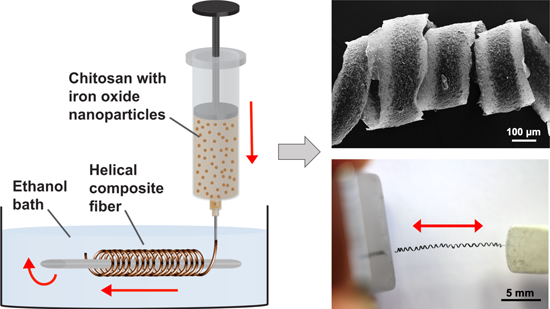
- [39]. Since the magnetic particles used in this work were approximately 100 nm in diameter, the wet-spun chitosan fibers obtained were clearly ferromagnetic rather than superparamagnetic [40]. This observation was confirmed by the magnetic hysteresis curves which showed a maximum remanent


Key for crossing the BBB with nanoparticles: the rational design
Beilstein J. Nanotechnol. 2020, 11, 866–883, doi:10.3762/bjnano.11.72
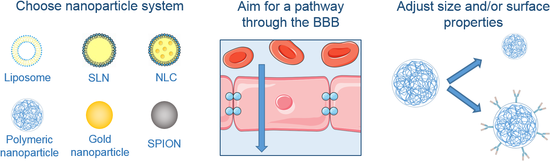
- nanoparticles (AuNPs); blood–brain barrier (BBB); drug delivery; liposomes; nanomedicine; polymeric nanoparticles; solid lipid nanoparticles; superparamagnetic iron oxide nanoparticles (SPIONs); Introduction Neurological disorders and brain diseases are real burdens for modern societies and healthcare systems
- (e.g., human serum albumin) [28], gold nanoparticles [29] and superparamagnetic iron oxide nanoparticles [30]. This review aims to summarize (i) the different pathways to cross the BBB, (ii) the strategies that can be employed to increase nanoparticle BBB permeation without disrupting the BBB, as well
- brain delivery. Interestingly, in a study by Peira et al., SLNs have been successfully loaded with superparamagnetic iron oxide and were able to cross the BBB [163]. Thus, SLNs could be potentially used as carriers for CNS MRI contrast agents. Nanostructured lipid carriers: Although most of the reported


Luminescent gold nanoclusters for bioimaging applications
Beilstein J. Nanotechnol. 2020, 11, 533–546, doi:10.3762/bjnano.11.42
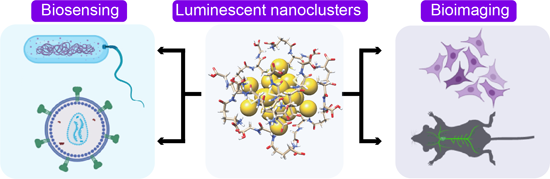
- –nanocluster agglomerates as luminescent nanocarriers for imaging and combination therapy [89][90]. Core–shell nanoparticles consisting of oleic acid-capped superparamagnetic iron oxide nanoparticles (IONPs, d = 6.7 ± 1.2 nm) were used (Figure 5A). The IONPs were subsequently coated with a gold shell using the
- endocytosis. The superparamagnetic nature of the PML-MF allowed for the magnetic targeting of the nanocarriers. Further, the ability of BSA to encapsulate drug molecules was explored to load doxorubicin (DPML-MF) in the nanocarriers. The release kinetics of doxorubicin studied at pH 7.4 and 4.4 were found to
- potential for photothermal therapy. While PML-MF alone was not toxic to healthy HEK cell lines, the treatment with DPML-MF showed a similar antiproliferative effect on healthy cell lines as that of cancerous cells. Therefore, the selective killing of cancer cells was not achieved. The superparamagnetic


Multilayer capsules made of weak polyelectrolytes: a review on the preparation, functionalization and applications in drug delivery
Beilstein J. Nanotechnol. 2020, 11, 508–532, doi:10.3762/bjnano.11.41



Dynamics of superparamagnetic nanoparticles in viscous liquids in rotating magnetic fields
Beilstein J. Nanotechnol. 2019, 10, 2294–2303, doi:10.3762/bjnano.10.221
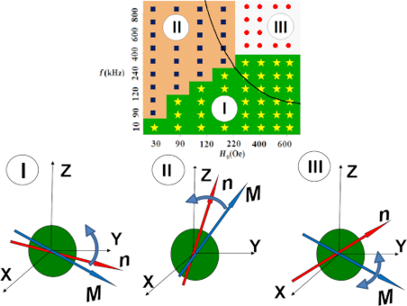
- director are distinguished depending on frequency and amplitude of the rotating magnetic field. The specific absorption rate of a dilute assembly of superparamagnetic nanoparticles in rotating magnetic field is calculated by solving the Landau–Lifshitz stochastic equation for the unit magnetization vector
- ]. Unfortunately, the specific absorption rate (SAR) measured in RMFs [41][43] for assemblies of particles distributed in a viscous liquid turned out to be very small, of the order of a few watts per gram of magnetic material. At the same time, the SAR of an assembly of superparamagnetic nanoparticles in AMF under
- geometric and magnetic parameters of the nanoparticles, as well as the amplitudes and frequencies at which the SAR of the superparamagnetic nanoparticle assembly in RMFs will be large enough to be used in magnetic hyperthermia. In this work, detailed numerical calculations of the SAR in RMFs for a dilute


Targeted therapeutic effect against the breast cancer cell line MCF-7 with a CuFe2O4/silica/cisplatin nanocomposite formulation
Beilstein J. Nanotechnol. 2019, 10, 2217–2228, doi:10.3762/bjnano.10.214
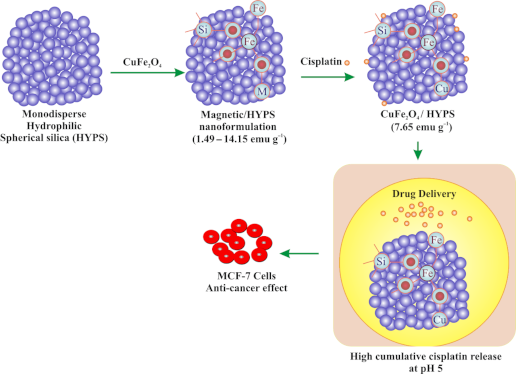
- (magnetic resonance imaging), tissue repair, and thermal ablation have been gaining considerable attention in recent years. In particular, the use of superparamagnetic iron oxide nanoparticles (SPIONs) is now advantageous as they are FDA-approved for clinical use [2]. Magnetic Fe3O4-based mesoporous silica
- inverse spinels occupying the A site, while Cu2+ prefers the B site. SQUID-vibrating sample magnetometry (VSM) analysis showed the formation of superparamagnetic behavior, while a temperature dependence study using field cooling and zero field cooling analysis (ZFC/FC) showed spin-glass-like surface
- presence of small-sized nanoclusters at the walls of hexagonal-shaped MCM-41 tends to form superparamagnetic interactions among Fe3+ species, while large nanoclusters contribute to ferromagnetic properties [17]. In our study, paramagnetic behavior with narrow hysteresis demonstrates the formation of small


Nitrogen-vacancy centers in diamond for nanoscale magnetic resonance imaging applications
Beilstein J. Nanotechnol. 2019, 10, 2128–2151, doi:10.3762/bjnano.10.207
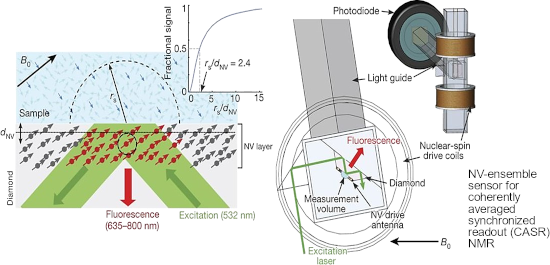
- microscale magnetic field gradients produced in the cells and tissues. Macrophage was labeled with 200 nm superparamagnetic IONPs and was internalized. Three-dimensional magnetic field images of the cells were achieved by using NV vector magnetometry. ODMR signals of the four NV orientations in bulk diamond
- shown that in the NV-SPION system, the NV spin relaxation time is reduced, while the T2 coherence dephasing time stays the same. By configuring the applied AC magnetic fields, the NV electron spin Rabi oscillation rate decreased, due to a resultant superparamagnetic nanoparticle magnetization at the NV


Microbubbles decorated with dendronized magnetic nanoparticles for biomedical imaging: effective stabilization via fluorous interactions
Beilstein J. Nanotechnol. 2019, 10, 2103–2115, doi:10.3762/bjnano.10.205
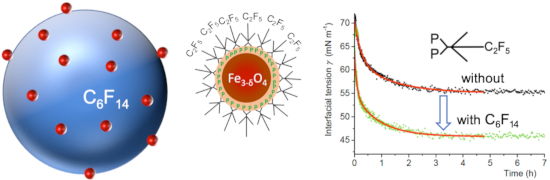
- MBs that incorporate IONPs are often made of polymers. For example, ultrasmall superparamagnetic iron oxide nanoparticles were embedded in the wall of poly(butyl cyanoacrylate)-based MBs, allowing the blood‒brain barrier penetration to be monitored [23]. Soft-shell colloids called lipospheres have


Magnetic properties of biofunctionalized iron oxide nanoparticles as magnetic resonance imaging contrast agents
Beilstein J. Nanotechnol. 2019, 10, 1964–1972, doi:10.3762/bjnano.10.193
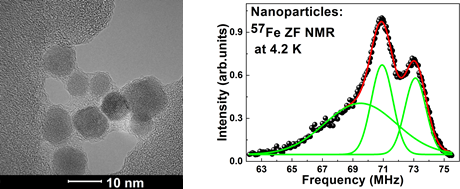
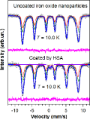
- of coating on the particle size and their magnetic properties is also raised. It has been shown that different types of coatings shift the magnetic blocking temperature [10][13][14]. In our present study, we observe a superparamagnetic transition of coated and uncoated samples in the temperature
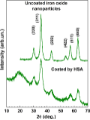
- range from 10 to 300 K by means of Mössbauer spectroscopy, which allows one to estimate the ratio of the magnetic and superparamagnetic phases at different temperatures. Results and Discussion The XRD patterns of the nanoparticles are shown in Figure 1. All peaks can be indexed according to a cubic
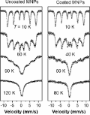
- found that smaller (<11 nm in diameter) nanoparticles preferably adopt a maghemite phase. The Mössbauer spectra of uncoated and HSA-coated MNPs at higher temperatures are shown in Figure 8. A typical superparamagnetic behavior was observed in the spectra of both samples. However, the transition to the




Engineered superparamagnetic iron oxide nanoparticles (SPIONs) for dual-modality imaging of intracranial glioblastoma via EGFRvIII targeting
Beilstein J. Nanotechnol. 2019, 10, 1860–1872, doi:10.3762/bjnano.10.181
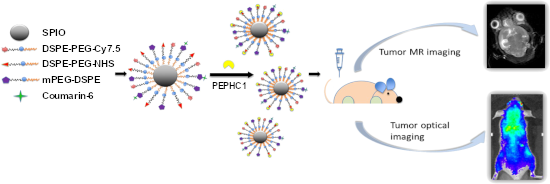
- Education, 826 Zhangheng Road, Shanghai 201203, China 10.3762/bjnano.10.181 Abstract In this work, a peptide-modified, biodegradable, nontoxic, brain-tumor-targeting nanoprobe based on superparamagnetic iron oxide nanoparticles (SPIONs) (which have been commonly used as T2-weighted magnetic resonance (MR
- imaging (MRI); molecular imaging; superparamagnetic iron oxide nanoparticles (SPIONs); nanomedicine; tumor resection; Introduction Tumor resection is one of the most promising clinical treatments of glioblastoma, which is commonly associated with high mortality and inevitable tumor recurrence. To achieve
- , gadolinium (Gd)-based agents (often Gd-diethylenetriaminepentaacetic acid (DTPA)) and superparamagnetic iron oxide nanoparticles (SPIONs) are the paramagnetic materials generally used as contrast agents to impact the relaxation time T1 or T2, thus generating bright or dark images via MR imaging. Gd-DTPA, as




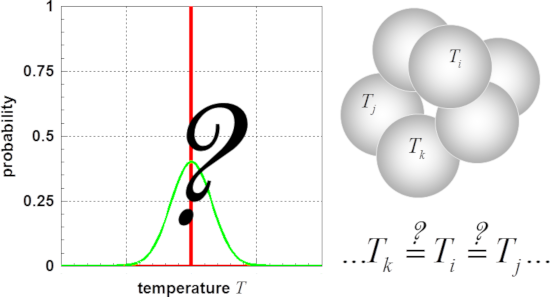
Energy distribution in an ensemble of nanoparticles and its consequences
Beilstein J. Nanotechnol. 2019, 10, 1452–1457, doi:10.3762/bjnano.10.143
- scattered on a sheet of silicon oxide. Additionally, these particles were separated by an oleic acid coating of 2 nm. Woods et al. [5] determined the magnetic noise power as a function of temperature during the superparamagnetic transition. For this example, the experimental data obtained from 5 nm
- , it was also applied to calculate particle size distributions from experimental data of phase transformations. As examples, the superparamagnetic transition of cobalt particles and the transition of lead particles from normal conductance to superconductivity were applied. Within the precision of the
- of two normal distributions, taking care of the larger particles. The result of the latter approximation is displayed as green line. Size distribution of cobalt particles, determined from the transition to superparamagnetic state [5]. Two assumptions were made for the particle size distribution: (1





