Search results
Search for "texture" in Full Text gives 138 result(s) in Beilstein Journal of Nanotechnology.
Upper critical magnetic field in NbRe and NbReN micrometric strips
Beilstein J. Nanotechnol. 2023, 14, 45–51, doi:10.3762/bjnano.14.5
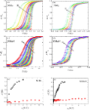
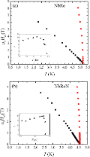
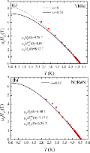
- ]. NbReN films also present a polycrystalline nature with a moderate texture. In this case, it was possible to interpret the results of the structural characterization only by assuming for NbReN the same unit cell as that of NbRe [4]. However, detailed knowledge of its structural and microscopic properties

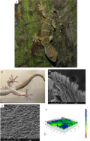
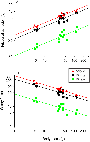
Growing up in a rough world: scaling of frictional adhesion and morphology of the Tokay gecko (Gekko gecko)
Beilstein J. Nanotechnol. 2022, 13, 1292–1302, doi:10.3762/bjnano.13.107
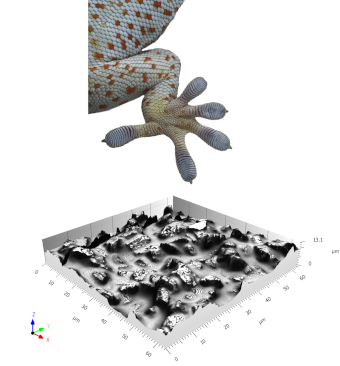
- performance in geckos and anoles on natural surfaces might predict the surfaces used in nature [24]. They found that performance on natural substrates predicted which texture (rough vs smooth) was most often used by each species. Translating this interspecific study to our intraspecific experiments, we
- capacity of their feet [54]. In terms of surface texture, they might be expected to avoid very rough surfaces in order to preserve a modest SF. In contrast, smaller geckos will have larger values of SF, and will experience lower impact forces from a fall, suggesting that they might safely occupy higher


Laser-processed antiadhesive bionic combs for handling nanofibers inspired by nanostructures on the legs of cribellate spiders
Beilstein J. Nanotechnol. 2022, 13, 1268–1283, doi:10.3762/bjnano.13.105
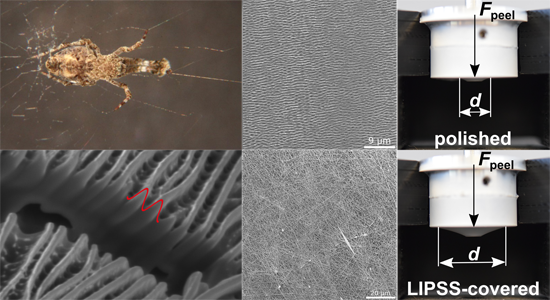
- Microsoft Excel. Details are presented in Table S2 in Supporting Information File 1. To investigate the effects of the surface texture on the measured peel-off force in more detail, the surfaces of the Al alloy and the Ti alloy samples were investigated by means of atomic force microscopy (AFM). The






Design and characterization of polymeric microneedles containing extracts of Brazilian green propolis
Beilstein J. Nanotechnol. 2022, 13, 503–516, doi:10.3762/bjnano.13.42
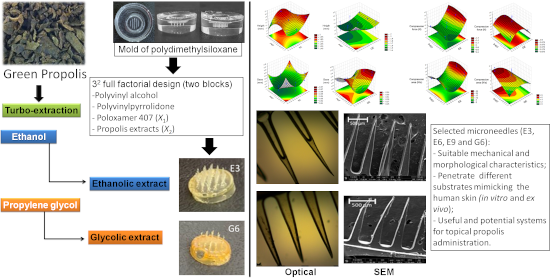
- ethanolic or glycolic extracts of Brazilian green PRP. A 32 full-factorial design was utilized to determine the influence of P407 and PRP extract on the morphology and mechanical characteristics of MNs. They were characterized macroscopically, microscopically, and regarding size and texture, yielding an
- compression area (the work required to deform the sample during compression) were calculated using the software Texture Exponent 6.1.12.0 (Stable Micro Systems, Surrey, UK). Puncture The effect of formulation composition on the puncture force and distance was evaluated by MN insertion study. The best
- software Texture Exponent 6.1.12.0 (Stable Micro Systems, Surrey, UK). The substrate composed of an aqueous dispersion of gelatin 5% (w/w) was prepared by dispersing the weighed gelatin in warm water. After complete dispersion, the dispersion was poured into petri dishes and allowed to dry at room


Selected properties of AlxZnyO thin films prepared by reactive pulsed magnetron sputtering using a two-element Zn/Al target
Beilstein J. Nanotechnol. 2022, 13, 344–354, doi:10.3762/bjnano.13.29
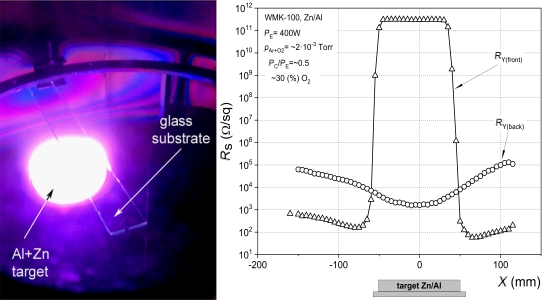
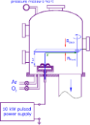
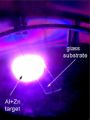
- interaction of charged particles (mainly electrons that escape from the magnetic trap directly over pole pieces) with the growing film. Using on-axis geometry, it was found that secondary electrons emitted from the target and negative oxygen ions influence the texture of the growing AZO film and decrease its


Effects of drug concentration and PLGA addition on the properties of electrospun ampicillin trihydrate-loaded PLA nanofibers
Beilstein J. Nanotechnol. 2022, 13, 245–254, doi:10.3762/bjnano.13.19
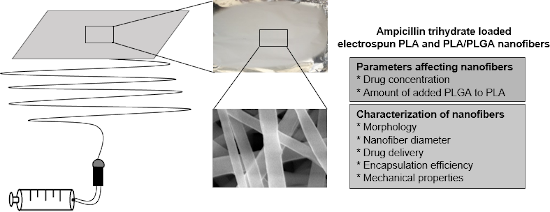
- mechanical properties, such as tensile strength and elongation at break values of the electrospun nanofibers (2 × 1 cm) were evaluated on a texture analyzer (TAXT Plus, Stable Micro Systems, United Kingdom) with an extension rate of 10 mm/s (n = 3). Tensile strength (mPa) and elongation at break (%) values


Electrical, electrochemical and structural studies of a chlorine-derived ionic liquid-based polymer gel electrolyte
Beilstein J. Nanotechnol. 2021, 12, 1252–1261, doi:10.3762/bjnano.12.92
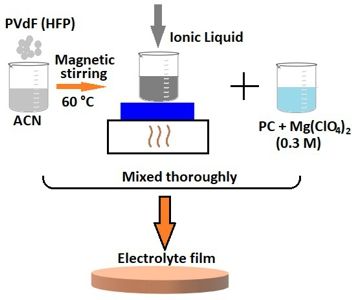
- amorphization of the system. The SEM images reveal the porous texture of the films, which have good liquid retention capability and support the electrical conductivity through their polymeric matrices. The electrochemical stability window of the prepared films was found to be 4.0 V. The ionic transference



A review on slip boundary conditions at the nanoscale: recent development and applications
Beilstein J. Nanotechnol. 2021, 12, 1237–1251, doi:10.3762/bjnano.12.91
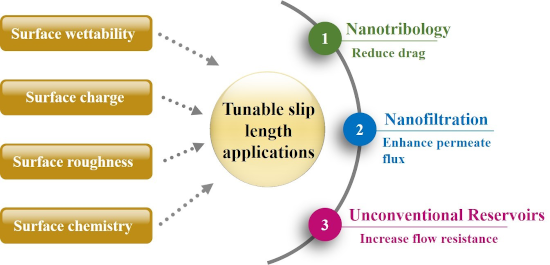
- interface there is a finite local slip length (see Figure 9). The main difficulty to construct the effective slip boundary condition is that there is no general theory to describe the relationship between the local slip length at the liquid–gas interface and its parameters, such as the relief of the texture


Is the Ne operation of the helium ion microscope suitable for electron backscatter diffraction sample preparation?
Beilstein J. Nanotechnol. 2021, 12, 965–983, doi:10.3762/bjnano.12.73
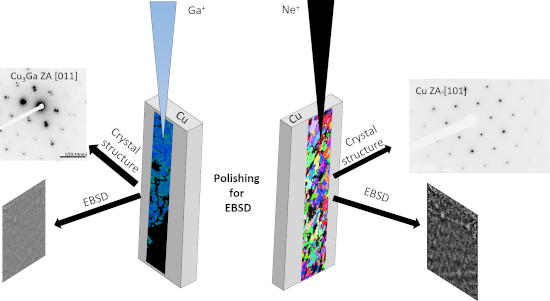
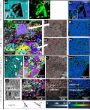
- here looks at the ion-beam-induced artefacts when polishing copper for EBSD measurements for different ion species (Ga, Ne) as well as polishing protocols. EBSD is a characterization technique in scanning electron microscopes (SEMs) that allows for the study of microstructure, local texture, grain size



In situ transport characterization of magnetic states in Nb/Co superconductor/ferromagnet heterostructures
Beilstein J. Nanotechnol. 2021, 12, 913–923, doi:10.3762/bjnano.12.68
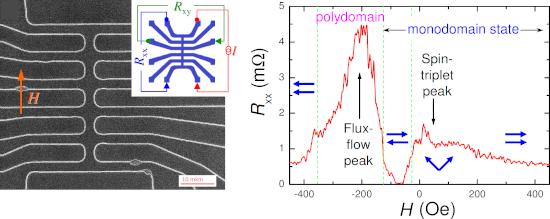
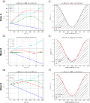
- and FF modulated by domain texture becomes a dominant factor, causing the appearance of additional maxima between the P and AP states as in Figure 2b and Figure 2c. Generally, the polydomain state is unwanted in most devices based on S/F heterostructures because it is hard to control. Domains cause an


The role of convolutional neural networks in scanning probe microscopy: a review
Beilstein J. Nanotechnol. 2021, 12, 878–901, doi:10.3762/bjnano.12.66







9.1% efficient zinc oxide/silicon solar cells on a 50 μm thick Si absorber
Beilstein J. Nanotechnol. 2021, 12, 766–774, doi:10.3762/bjnano.12.60
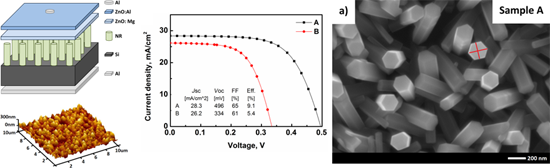
- , during the production process, chemicals that are harmful for the environment and for human life are used. For example, hydrofluoric acid is used to texture the top electrode to improve light harvesting. In this work, and also in recent ones, we report a way to obtain 3D textures on the top electrode by
- there was less space for their horizontal growth. The free space between the rods was very limited. Near the surface of the silicon, the nanorods are closely packed. With increasing distance from the surface the space between the nanorods increases. This effect automatically creates a rough texture


Boosting of photocatalytic hydrogen evolution via chlorine doping of polymeric carbon nitride
Beilstein J. Nanotechnol. 2021, 12, 473–484, doi:10.3762/bjnano.12.38
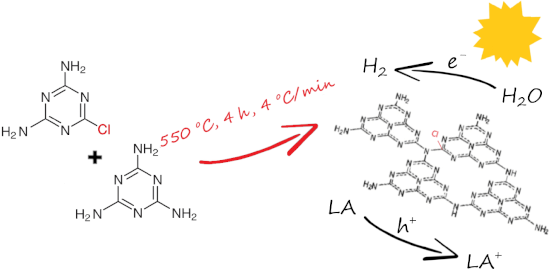
- the long-wavelength region, sluggish kinetics, and high recombination of photoexcited electron–hole pairs [19][20][21]. Tremendous efforts have been made in order to increase the photocatalytic activity of PCN materials by optimizing their nanostructure and improving their chemical surface texture


A stretchable triboelectric nanogenerator made of silver-coated glass microspheres for human motion energy harvesting and self-powered sensing applications
Beilstein J. Nanotechnol. 2021, 12, 402–412, doi:10.3762/bjnano.12.32
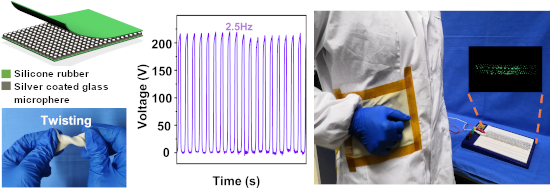
- source for electronic devices. Another potential application for the S-TENG is as flexible tactile sensor that can serve as electronic skin for a more comfortable interactive experience between humans and external objects by sensing all kinds of information, such as size, shape, and texture [26][27]. The



Bio-imaging with the helium-ion microscope: A review
Beilstein J. Nanotechnol. 2021, 12, 1–23, doi:10.3762/bjnano.12.1
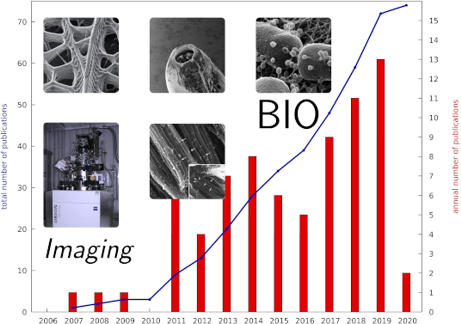
- et al. [75]. Their study examined how the surface texture of genetically different samples varied after acid treatment to see the potential for enzymatic biofuel production. HIM imaging was once again used in studies of insect wings and their nanostructures by Bandara et al. [76][77]. In this case, a
- nanopillar texture on the wing of a dragonfly Orthetrum villosovittatum was studied. In addition to imaging the wing alone, samples were prepared with E. coli bacteria on them, to study the bactericidal properties of the nanostructure. Along similar lines, the nanostructures on the wings of three different


Proximity effect in [Nb(1.5 nm)/Fe(x)]10/Nb(50 nm) superconductor/ferromagnet heterostructures
Beilstein J. Nanotechnol. 2020, 11, 1254–1263, doi:10.3762/bjnano.11.109
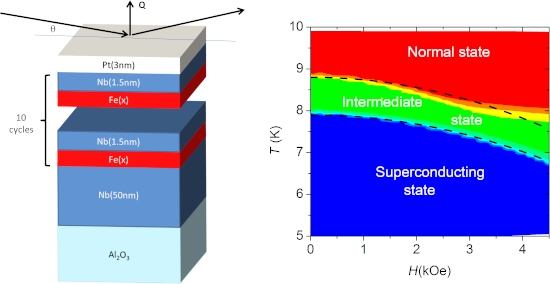
- thickness from 2 to 4 nm improves the film quality. The Fe layer becomes polycrystalline while the Nb layer remains amorphous. In contrast, for sample s6, which was grown on the 30 °C Nb buffer, both layers reveal polycrystallinity with a certain texture (Figure 2e,f). Finally, the Pt cap is always


![[Graphic 13]](/bjnano/content/inline/2190-4286-11-109-i17.svg?max-width=637&scale=1.18182) ) substrate, (b) the Pt cap layer, and the Nb buffer layer grown at...
) substrate, (b) the Pt cap layer, and the Nb buffer layer grown at...


![[Graphic 16]](/bjnano/content/inline/2190-4286-11-109-i20.svg?max-width=637&scale=1.18182) (T) for the samples s4 (black) and s3 (red) in the vicinity of the superconducting transition m...
(T) for the samples s4 (black) and s3 (red) in the vicinity of the superconducting transition m...
Nickel nanoparticles supported on a covalent triazine framework as electrocatalyst for oxygen evolution reaction and oxygen reduction reactions
Beilstein J. Nanotechnol. 2020, 11, 770–781, doi:10.3762/bjnano.11.62
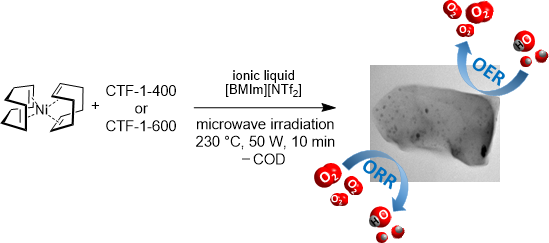
- according to the literature by the ionothermal method [32][42]. Since the synthesis parameters, such as reaction temperature, affect texture, porosity and nitrogen content of the framework, two different reaction temperatures (400 and 600 °C) have been used for the synthesis (Scheme S1, Supporting


Formation of nanoripples on ZnO flat substrates and nanorods by gas cluster ion bombardment
Beilstein J. Nanotechnol. 2020, 11, 383–390, doi:10.3762/bjnano.11.29
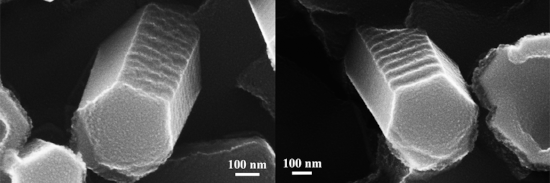
- -enhanced Raman spectroscopy [4]. Ion beam formation of nanoscale ripples has emerged as a versatile method to imprint uniaxial magnetic anisotropy [5] and to control the magnetic texture of thin films [6]. Formation of self-assembled surface nanoripple structures by monoatomic off-normal ion irradiation



Understanding nanoparticle flow with a new in vitro experimental and computational approach using hydrogel channels
Beilstein J. Nanotechnol. 2020, 11, 296–309, doi:10.3762/bjnano.11.22
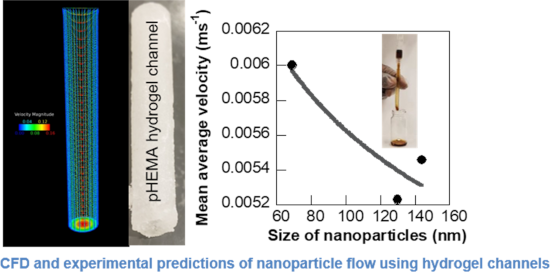
- pHEMA hydrogels. The SEM characterization provided further insights into the variation of surface texture of the gels with the amount of reactant water used during synthesis. A soft, uneven, and layered texture was seen for the gels prepared with 1 mL DI water. The hydrogel prepared with 1.3 mL DI water
- temperature for subsequent use in the transport experiments. Characterization Characterization of hydrogels The morphology and texture of the different hydrogels were characterized on a Hitachi S3400 SEM. Hydrogel samples for SEM imaging were prepared by cutting thin cross-sectional slices of 15 mm diameter
- interval as error bars. A combination of swelling behavior results and surface texture characterization of the gels via SEM imaging was used to select the best suitable hydrogel formulation to fabricate the flow channels mimicking physiological structures for the subsequent transport studies


Design of a nanostructured mucoadhesive system containing curcumin for buccal application: from physicochemical to biological aspects
Beilstein J. Nanotechnol. 2019, 10, 2304–2328, doi:10.3762/bjnano.10.222
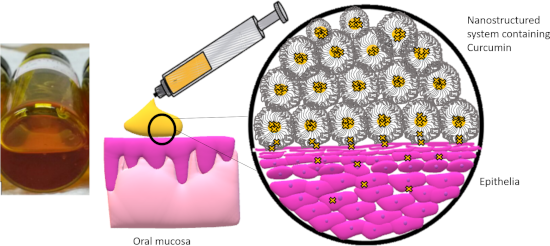
- containing CUR, the Tsol–gel is considered suitable (between 25 and 37 °C). Texture profile analysis The mechanical properties of the preparations with and without CUR were evaluated by texture profile analysis (TPA). The information about the physical structure of gels obtained by TPA are useful for the
- parameter [9]. Regarding the temperature effect (at 25 and 37 °C), the preparations demonstrated elasticity and cohesiveness values significantly lower (p < 0.05) at 37 °C. Syringeability The work required to expel the formulation from a syringe (syringeability) at 25 °C was investigated by a texture


Targeted therapeutic effect against the breast cancer cell line MCF-7 with a CuFe2O4/silica/cisplatin nanocomposite formulation
Beilstein J. Nanotechnol. 2019, 10, 2217–2228, doi:10.3762/bjnano.10.214
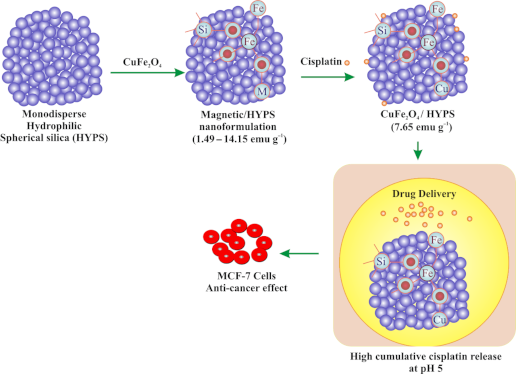
- adsorption technique (Figure 2). HYPS particles show a type IV isotherm corresponding to the presence of mesopores. The silica hysteresis loop tends to be present at a higher relative pressure of P/P0 > 0.8. The HYPS texture exhibited a surface area of 170 m2/g, pore volume of 0.35 cm3/g with an intermediate


Nitrogen-vacancy centers in diamond for nanoscale magnetic resonance imaging applications
Beilstein J. Nanotechnol. 2019, 10, 2128–2151, doi:10.3762/bjnano.10.207
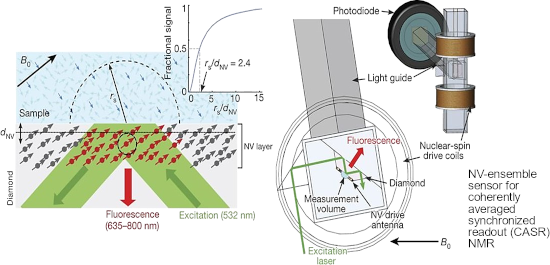
- developing magnetic devices. This is a challenging task in condensed matter physics because the magnetic field reconstruction is based on stray field measurements, which is an example of an under-constrained inverse problem. The stray magnetic field generated by a planar magnetic texture is determined by the


Facile synthesis of carbon nanotube-supported NiO//Fe2O3 for all-solid-state supercapacitors
Beilstein J. Nanotechnol. 2019, 10, 1923–1932, doi:10.3762/bjnano.10.188
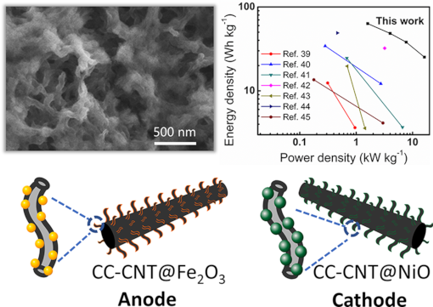
- –Halenda (BJH) pore size distribution of CC-CNT@Fe2O3 are shown in Supporting Information File 1, Figure S4. It is a type-IV isotherm, indicating the mesoporous texture of the sample (Figure S4a, Supporting Information File 1). The BET surface area was found to be 24.9 m2·g−1, much larger than that of pure
- , verifying the mesoporous texture of the sample (Figure S7a, Supporting Information File 1). The BET surface area was 34.4 m2·g−1, much larger than that of pure carbon cloth (0.2 m2·g−1). Pore size distribution (Figure S4b, Supporting Information File 1) shows that numerous pores have a size of about 2 and


Oblique angle deposition of nickel thin films by high-power impulse magnetron sputtering
Beilstein J. Nanotechnol. 2019, 10, 1914–1921, doi:10.3762/bjnano.10.186
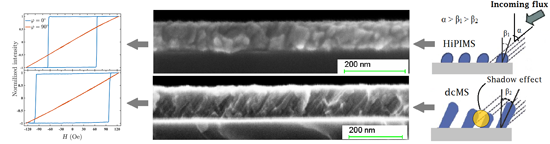
- -based shape memory alloy thin films utilized in micro-actuator applications [9]. It is well known that microstructure, texture and structure of thin films can have significant influence on the magnetic and other functional properties of the films. The magnetic properties of evaporated [10][11
- texture with low density and columnar grain growth that is elongated in the direction of the incoming flux [32]. As a result of this structure, some unique optical [33][34][35], electrical [36][37], mechanical [37][38] and magnetic [39] properties of thin films have been reported. By employing an ionized
- in-plane texture perpendicular to the direction of the incoming flux, which corresponds to the easy axis of the film. However, more recently there are reports on a 90° rotation of the easy axis in a Co film deposited at 75° tilt angle [45]. In the present study we investigate the effect of angle of


Processing nanoporous organic polymers in liquid amines
Beilstein J. Nanotechnol. 2019, 10, 1844–1850, doi:10.3762/bjnano.10.179
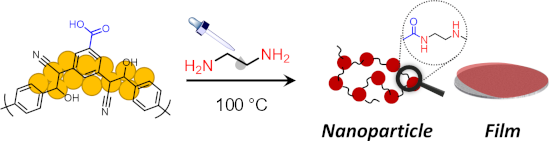
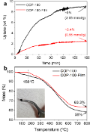
- conditions maintained its original shape, and the rigid texture of the annealed COP-100-Film indicated its high potential for fabricating a flat carbon surface on a variety of substrates (Figure 6b, inset) [29]. Conclusion In this study, a new phenomenon is discovered to nanoporous polymer networks. The