


Search results
Search for "thiol" in Full Text gives 179 result(s) in Beilstein Journal of Nanotechnology.
Design of surface nanostructures for chirality sensing based on quartz crystal microbalance
Beilstein J. Nanotechnol. 2022, 13, 1201–1219, doi:10.3762/bjnano.13.100
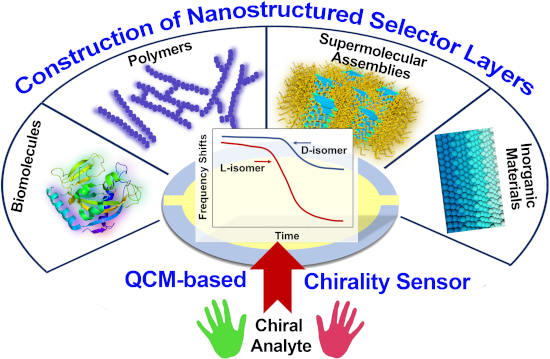
- recognition sites in CDs exposed for preferential adsorption of R-limonene. Ng et al. synthesized thiol-functionalized cyclodextrins with different linker lengths via the Staudinger reaction for chiral recognition of R/S-lactate methyl ester [68]. Through a strong reaction between the thiol group and gold, CD
- placement of achiral subunits on the macrocycle [73][74][75]. Akpinar et al. reported a simple and quick chiral discrimination strategy for ascorbic acid (AA) enantiomers based on calixarenes films (Figure 6) [76]. A chiral calix[4]arene-bearing chiral phenyl glycinol moiety on the lower rim and a thiol


Detection and imaging of Hg(II) in vivo using glutathione-functionalized gold nanoparticles
Beilstein J. Nanotechnol. 2022, 13, 549–559, doi:10.3762/bjnano.13.46
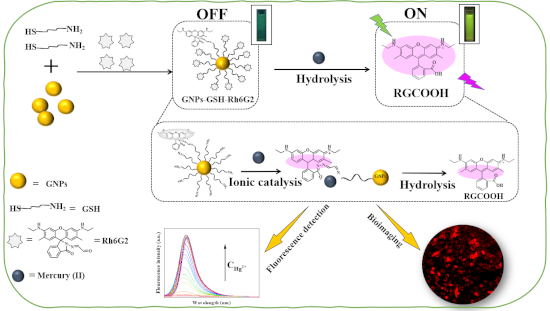
- University, Waurn Ponds, Victoria 3216, Australia 10.3762/bjnano.13.46 Abstract The optical and biological properties of functionalized gold nanoparticles (GNPs) have been widely used in sensing applications. GNPs have a strong binding ability to thiol groups. Furthermore, thiols are used to bind functional
- biocompatibility, and low toxicity [4][5][6][7][8][9]. Another advantage of GNPs is that different shapes and sizes can be obtained during synthesis through changing reducing agents and reaction conditions [10]. The surface chemistry of GNPs is modified via ligands with functional groups such as thiol (–SH), amino
- through the interaction between covalent and non-covalent bonds due to the smaller steric hindrance [23][24][25]. The surface of GNPs can be modified by Au–S bonds with molecules containing thiol groups, such as cysteine [26][27][28], 3-mercaptopropionic acid [29], and homocysteine [30]. Also, they easily


Investigation of electron-induced cross-linking of self-assembled monolayers by scanning tunneling microscopy
Beilstein J. Nanotechnol. 2022, 13, 462–471, doi:10.3762/bjnano.13.39
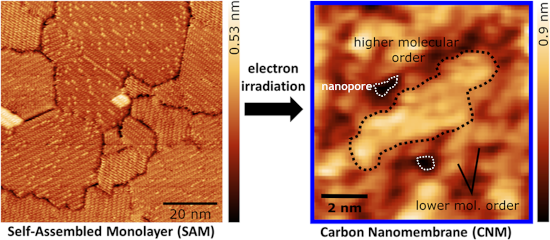
- the effective cross-sections of a complete cross-linking of 4'-nitro-1,1'-biphenyl-4-thiol SAMs [56]. These studies provided valuable insights into the chemical transformations associated with cross-linking. However, direct imaging on the atomic scale to visualize the evolution of irradiation-induced
- study (some figures and text) are based on the Ph.D. thesis of the first coauthor: P. Stohmann, “Investigation of Electron Irradiation-Induced Cross-Linking of p-Terphenyl Thiol Self-Assembled Monolayers on Au(111) by Scanning Tunneling Microscopy” [72], Ph.D. Thesis 2020, Bielefeld University, Germany


Impact of device design on the electronic and optoelectronic properties of integrated Ru-terpyridine complexes
Beilstein J. Nanotechnol. 2022, 13, 219–229, doi:10.3762/bjnano.13.16
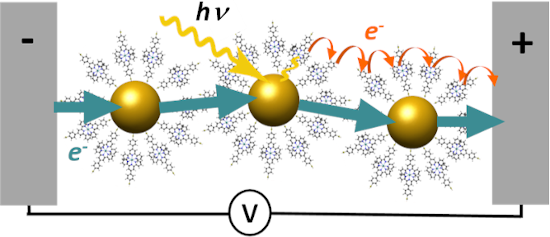
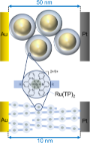
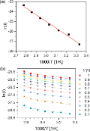
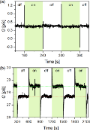
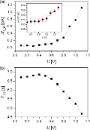
- structure such that an almost complete nanoparticle layer was formed. In a next step, the acetyl-protected thiol groups of MPTP-SAc were hydrolyzed with concentrated ammonium solution yielding mainly Ru(MPTP)2–AuNP devices, followed by a washing procedure [15]. As usual, all nanoelectrode samples have been


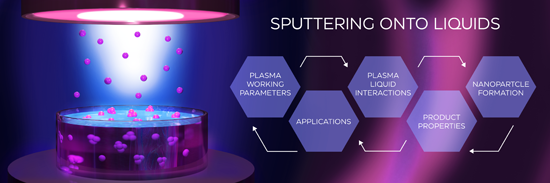
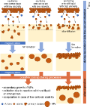
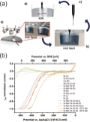
Sputtering onto liquids: a critical review
Beilstein J. Nanotechnol. 2022, 13, 10–53, doi:10.3762/bjnano.13.2






Use of nanosystems to improve the anticancer effects of curcumin
Beilstein J. Nanotechnol. 2021, 12, 1047–1062, doi:10.3762/bjnano.12.78
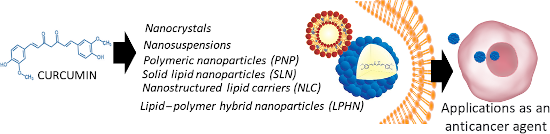
- conjunction with inhibition of angiogenic/inflammatory proteins in an NF-κB-dependent manner [18]. Zhang et al. [75] reported that a combination of nanosized particles and the inclusion of glutathione (which has a thiol group that can initiate thiolysis and release CUR) results in a synergistic effect. This


Modification of a SERS-active Ag surface to promote adsorption of charged analytes: effect of Cu2+ ions
Beilstein J. Nanotechnol. 2021, 12, 902–912, doi:10.3762/bjnano.12.67
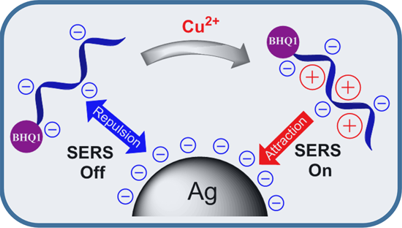
- corresponds to the highest reported values for this method [10][12][32]. Moreover, the SEM image demonstrates many interparticle contacts, which are potential “hot spots” in SERS analysis. Electrostatic effect on SERS signal for thiol-modified Ag NPs Despite the high NP packing density, about 42% of the
- with the Ag surface, we used a set of organic thiols with the same linker length but differently charged hydrophilic functional groups. Thiol functionality guarantees a strong binding to the surface and a sufficiently dense molecule packing to make the surface properties determined by the introduced
- with sodium mercaptoethyl sulfonate did not result in a significant change of the SERS intensity for both porphyrins (Figure 5, number 5). These data are in line with the initial negative charge of the NP surfaces. The high affinity of thiol groups to the Ag surface suggests that the chloride counter


Comprehensive review on ultrasound-responsive theranostic nanomaterials: mechanisms, structures and medical applications
Beilstein J. Nanotechnol. 2021, 12, 808–862, doi:10.3762/bjnano.12.64
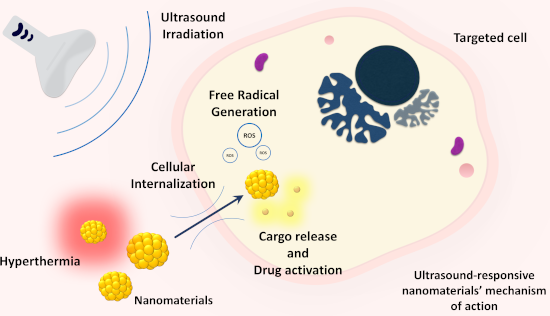
- ) and assessed their effect on human glioblastoma (U-87 MG) cells under US exposure at a frequency of 1 MHz. In this study, thiol–maleimide was used to cross-link the DOX-containing liposomes onto the surface of the MBs. The in vitro results showed a four-fold enhancement in cell death using DOX


Silver nanoparticles nucleated in NaOH-treated halloysite: a potential antimicrobial material
Beilstein J. Nanotechnol. 2021, 12, 798–807, doi:10.3762/bjnano.12.63
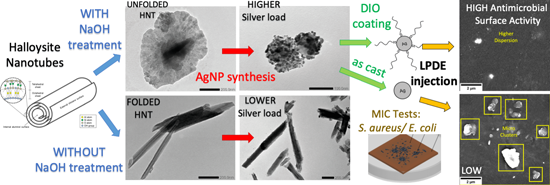
- behaviour is most certainly due to the presence of DIO, a very hydrophobic substance itself. DIO is an organic molecule made of a long carbon chain “tail” attached to a thiol “head” (R-SH), which forms covalent bonds with silver via the sulfur atom. So, by mixing DIO and Ag/HNT-8 one is able to create a




Fate and transformation of silver nanoparticles in different biological conditions
Beilstein J. Nanotechnol. 2021, 12, 665–679, doi:10.3762/bjnano.12.53
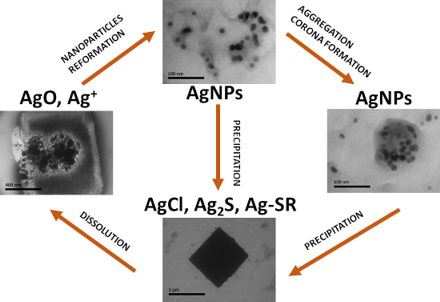
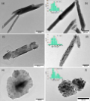
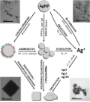
- are created by several pathways, including partial AgNPs dissolution in the gastric fluid, uptake and systemic transport of ionic and nanoparticulate Ag as thiol and selenium complexes, and final deposition in the near-skin regions [15]. Especially important is the process of interaction with thiols
- owing to their many physiological roles and evidences for thiol-containing proteins as major targets for toxic effects of ionic Ag [25]. In the presence of biothiols the soluble complexes are formed. Thiols possess a high affinity for soft Lewis acid metals and may easily coordinate Ag+ [9][26][27]. The
- association of Ag with sulphur and the formation of Ag2S granules from ion exchange or Ag–thiol complexes is known as sulphidation [28][29]. However, many other scenarios should be considered during an in vivo journey of AgNPs and Ag+ ions, especially their interactions with biomolecules, such as lipids





On the stability of microwave-fabricated SERS substrates – chemical and morphological considerations
Beilstein J. Nanotechnol. 2021, 12, 541–551, doi:10.3762/bjnano.12.44
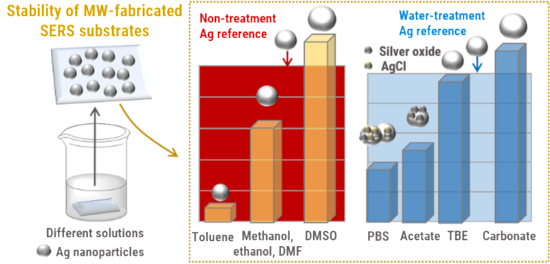
- by utilizing a thiol-functionalized test molecule to form a defined monomolecular dense layer of analyte on the surface. Additionally, 4-ATP only binds to silver nanoparticles and does not bind to the underlying glass substrate. The self-assembly time for 4-ATP solutions was kept short to avoid any


A review on nanostructured silver as a basic ingredient in medicine: physicochemical parameters and characterization
Beilstein J. Nanotechnol. 2021, 12, 440–461, doi:10.3762/bjnano.12.36
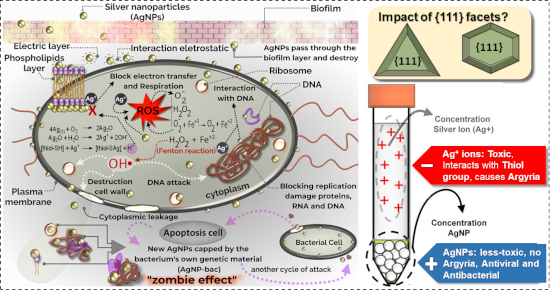
- agents responsible for the toxicity of silver and argyria in our body. When Ag+ enters the bloodstream, it is transported bound to albumin and thiol groups. When it reaches a region close to the skin, in areas affected by light, it can easily be photoreduced to AgNPs, which are then immobilized in the
- epidermis. Immobilization is both physical, due to the low diffusivity of the particles, and chemical, since thiol-exchange reactions occur with Ag+ but not with AgNPs. This fact explains why AgNPs are not responsible for causing argyria or argyrosis [1][11]. It is well known that the strong interaction of
- from the damaged respiratory chain since they depend on thiol groups which are occupied by silver ions. The increase in superoxide and hydrogen peroxide anions in the reaction with iron (Fenton reaction), according to Equation 2 [104] and as described in Figure 6, are indicative of the deleterious


Exploring the fabrication and transfer mechanism of metallic nanostructures on carbon nanomembranes via focused electron beam induced processing
Beilstein J. Nanotechnol. 2021, 12, 319–329, doi:10.3762/bjnano.12.26
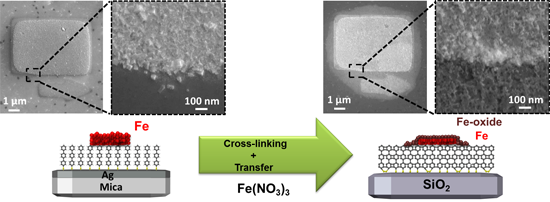
- beam-induced surface activation (EBISA) are studied with the precursors Fe(CO)5 and Co(CO)3NO on SAMs of 1,1′,4′,1′′-terphenyl-4-thiol (TPT). For Co(CO)3NO only EBID leads to deposits consisting of cobalt oxide. In the case of Fe(CO)5 EBID and EBISA yield deposits consisting of iron nanocrystals with
- aromatic molecules, which are chemically bound to a Au or Ag surface via either thiol [26] or carboxylic [28][29] anchor groups. Via FEBIP, the SAM can be functionalized with metallic nanostructures and subsequently be transformed into a CNM by electron-induced cross-linking. Afterwards, the resulting
- metallic nanostructures fabricated via EBID and Fe(CO)5 remain unchanged, besides oxidation. This result was achieved by using a SAM consisting of 1,1′,4′,1′′-terphenyl-4-thiol (TPT) on a Au substrate [21]. In this work, we want to gain more insight into the underlying processes yielding such hybrid


Characterization, bio-uptake and toxicity of polymer-coated silver nanoparticles and their interaction with human peripheral blood mononuclear cells
Beilstein J. Nanotechnol. 2021, 12, 282–294, doi:10.3762/bjnano.12.23
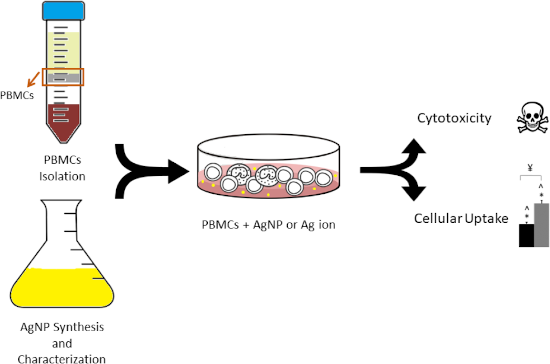
- . RPMI medium contains chloride, which can lead to reprecipitation of Ag ions as described previously [37]. Furthermore, cysteine and thiol-containing proteins are found in FBS and have a high affinity for Ag ions and NPs. Ag loss to the container wall could be another reason that we did not get full



Fusion of purple membranes triggered by immobilization on carbon nanomembranes
Beilstein J. Nanotechnol. 2021, 12, 93–101, doi:10.3762/bjnano.12.8
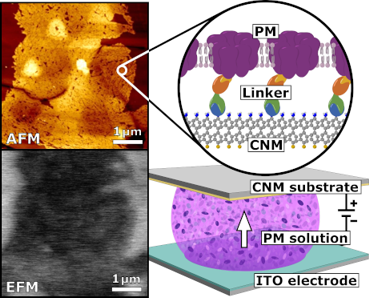
- electron irradiation-induced cross-linking of a self-assembled monolayer (SAM) of 4′-nitro-1,1′-biphenyl-4-thiol (NBPT) and second, purple membrane (PM) containing genetically modified bacteriorhodopsin (BR) carrying a C-terminal His-tag. The NBPT-CNM was further modified to carry nitrilotriacetic acid
- optical properties as well as their chemical [39], thermal [40], and mechanical stability [41]. PM patches were deposited by electrophoretic sedimentation from a suspension as a quasi-monolayer on a 4′-nitro-1,1′-biphenyl-4-thiol (NBPT) CNM [42][43]. We use the term quasi-monolayer to express that there
- -thiol in dried and degassed N,N-dimethylformamide (DMF, anhydrous, 99.8%, Sigma-Aldrich) under nitrogen atmosphere in a sealed flask for 72 h, followed by subsequent rinsing with DMF (BioSyn, ≥99.9%, Honeywell) and absolute ethanol. Cross-linking of the SAMs was conducted by exposing the SAM to 100 eV


Antimicrobial metal-based nanoparticles: a review on their synthesis, types and antimicrobial action
Beilstein J. Nanotechnol. 2020, 11, 1450–1469, doi:10.3762/bjnano.11.129
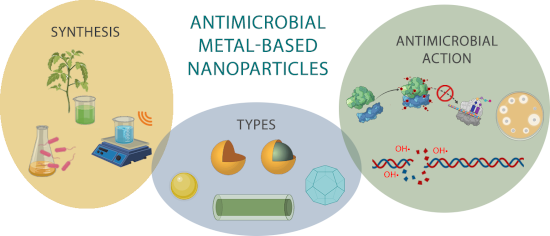
- interact with the functional groups of proteins and nucleic acids, such as thiol (–SH), amino (–NH), and carboxyl (–COOH) groups, and therefore, might affect the enzymatic activities and several protein structures. Although the metal ions released are not the main source of damage caused by NPs, it is


Ultrasensitive detection of cadmium ions using a microcantilever-based piezoresistive sensor for groundwater
Beilstein J. Nanotechnol. 2020, 11, 1242–1253, doi:10.3762/bjnano.11.108
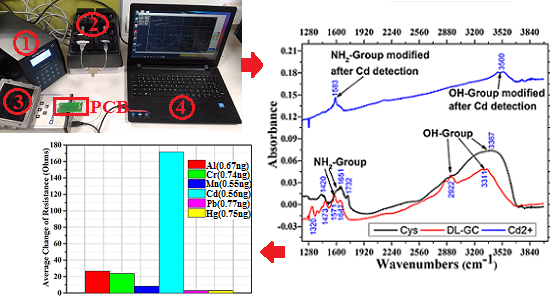
- structure with thickness, FESEM image, PCB, and the experimental platform is shown in Figure 1. For using the microcantilever device for selectively detecting Cd(II) a surface modification is required. The surface modification of the sensor is basically a selective thiol coating on top of a gold surface
- . Results of the SAM detecting cadmium ions The proposed microfluidic platform provides real-time monitoring of Cd(II) in groundwater. We performed the experiment using the coating of cysteamine thiol with cross-linked ᴅʟ-glyceraldehyde (Cys-DL-GC). We have already discussed that the methods based on Au/Ag
- solution of cysteamine ([Cys] = 10 mM/10 mL) was prepared. The piezoresistive devices were gently dipped into a petri-dish containing cysteamine thiol for at least 12–24 hours. Longer times yield a better packing density of the SAM. In addition, a 2% (0.2 g/10 mL) solution of ᴅʟ-glyceraldehyde (DL-GC) in





Photothermally active nanoparticles as a promising tool for eliminating bacteria and biofilms
Beilstein J. Nanotechnol. 2020, 11, 1134–1146, doi:10.3762/bjnano.11.98
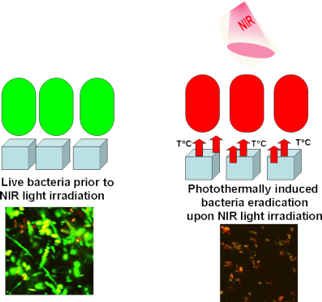
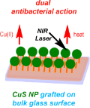
- thiol monolayers, aiming to impart a different wettability to the surfaces [63]. It was verified that the photothermal features and the consequent hyperthermia-derived antibacterial effects were not affected by the thiol layers, which enable the eradication of at least 99.99% of the bacterial strains


Applications of superparamagnetic iron oxide nanoparticles in drug and therapeutic delivery, and biotechnological advancements
Beilstein J. Nanotechnol. 2020, 11, 1092–1109, doi:10.3762/bjnano.11.94
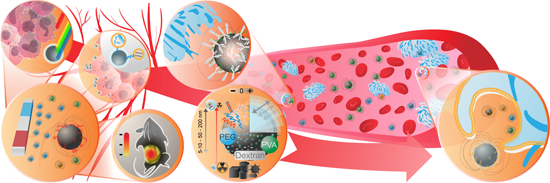
- positive charge of the amine groups. The uptake was determined to be proportional to the number of amine groups [84]. If the amine groups were exchanged with carboxyl or thiol groups, the activity was reduced and cells did not internalize as many nanoparticles [86]. In vivo tests also showed that PVA


Highly sensitive detection of estradiol by a SERS sensor based on TiO2 covered with gold nanoparticles
Beilstein J. Nanotechnol. 2020, 11, 1026–1035, doi:10.3762/bjnano.11.87
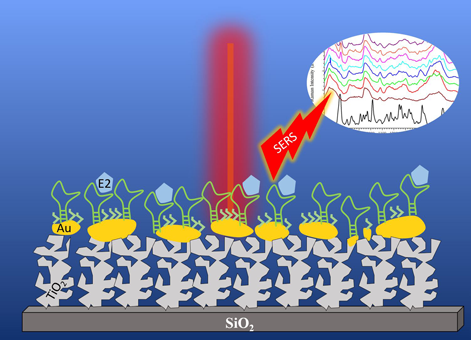
- previously isolated by the SELEX process by Kim and co-workers [17]. It was purchased from Eurogenetec with the following 76-mer-long sequence SH-C6-5′-GCT-TCC-AGC-TTA-TTG-AAT-TAC-ACG-CAG-AGG-GTA-GCG-GCT-CTG-CGC-ATT-CAA-TTG-CTG-CGC-GCT-GAA-GCG-CGG-AAG-C-3′. The thiol group was added to the 5′ end of the
- aptamer for functionalization via a Au–S bond. The aptamer was diluted and aliquoted upon arrival and stored at −18 °C. Sample functionalization MBA was used as a common Raman reporter to find out the best deposition parameters for Raman scattering enhancement. The thiol group is known to have a strong
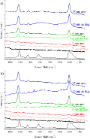
- substrates, MBA was used as it is a well-known Raman reporter, showing two intense characteristic peaks at 1080 and 1590 cm−1 from aromatic ring vibrations [30]. The structure of MBA and the grafting process (thiol–gold interaction) guarantee that the molecule will preferentially attach to gold [37][38]. The



Silver-decorated gel-shell nanobeads: physicochemical characterization and evaluation of antibacterial properties
Beilstein J. Nanotechnol. 2020, 11, 620–630, doi:10.3762/bjnano.11.49
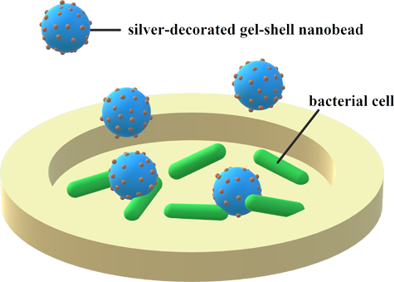
- layer producing silver nanoparticles but also transforms a fraction of sulfonic groups in the polymer to moieties with sulfur in a lower oxidation state, likely thiols. It is hypothesized that the generated thiol groups are anchoring the nanoparticles in the gel shell of the nanobeads stabilizing the
- have been partially reduced to thiol moieties. In consequence, the thiols interact with the silver nanoparticles anchoring them in the gel layer on the nanobeads. Moreover, it has been shown that the nanocomposite exhibits considerable antibacterial activity, comparable or superior to that of non
- reduced to a thiol moiety [37]. If this is the case, it may be hypothesized that the generated thiols adsorb on the surface of the silver nanoparticles (the adsorption of thiols on silver surfaces is a well-known phenomenon). It should be noted, however, that the binding energy of sulfur in aromatic


Luminescent gold nanoclusters for bioimaging applications
Beilstein J. Nanotechnol. 2020, 11, 533–546, doi:10.3762/bjnano.11.42
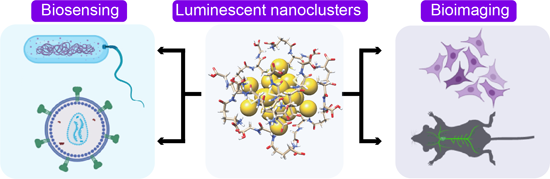
- , semiconductor quantum dots suffer from toxicity and are susceptible to oxidation. In this context, atomically precise gold nanoclusters protected by thiol monolayers have emerged as a new class of luminescent nanomaterials. Low toxicity, bioavailability, photostability as well as tunable size, composition, and
- play an important role in the luminesce properties of NCs [48][55]. For example, a phenylethane thiol (PET)-capped organically soluble Au25 nanocluster (Au25PET18) showed similar behavior as Au25NCs capped with long-chain alkanes [59]. However, it was shown that by choosing the appropriate surface
- of gold nanoclusters. A) Nanoclusters provide a link between molecular complexes and plasmonic nanoparticles. B) X-ray structure of [Au25(PET)18], from CSD entry JACVOB. C) Chemical structure of some of the organic thiols discussed in this review (PET: phenylethane thiol; LA: lipoic acid; GSH


Multilayer capsules made of weak polyelectrolytes: a review on the preparation, functionalization and applications in drug delivery
Beilstein J. Nanotechnol. 2020, 11, 508–532, doi:10.3762/bjnano.11.41
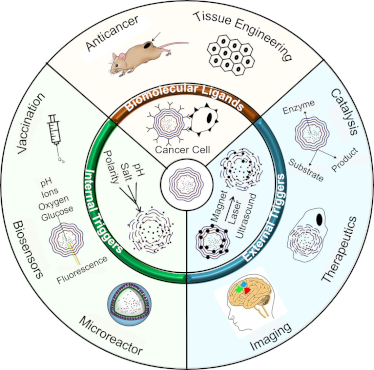
- ), is a reversible reaction between different types of diene and dienophile resulting in thermo-responsive products. A fourth type, the thiol-ene reaction, is a reaction between thiol and alkene groups in the presence of a radical source as catalyst. The radicals can be generated through light, thermal
- . Other click chemistries like thiol-ene have also been reported because of their light-initiated and metal-catalyst-free approach. PVP along with PMA functionalized by thiol (PMAThiol) and ene (PMAEne) groups were used to fabricate hydrogen bonded hollow capsules via UV crosslinking [100]. It was further
- use of UV light in the thiol-ene approach limits its application in drug delivery as it can damage DNA and cross-react with cysteine residues in proteins. The DAC approach may also affect cysteine residues in proteins that might undergo Michael addition to result in malemides [90]. Similarly, the use



Preparation and in vivo evaluation of glyco-gold nanoparticles carrying synthetic mycobacterial hexaarabinofuranoside
Beilstein J. Nanotechnol. 2020, 11, 480–493, doi:10.3762/bjnano.11.39
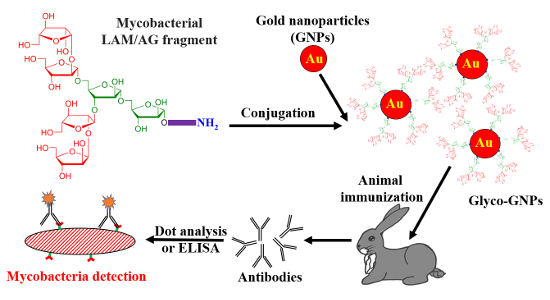
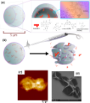
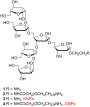
- the antibodies generated against Ara6-GNPs would recognize the natural saccharides on the cell surface of different mycobacterial strains. For the preparation of glyco-GNPs, glycans are usually transformed to glycosides with thiol-functionalized spacer aglycons that are conjugated [43][44] either with
- pre-formed citrate-stabilized GNPs [67] or during the in situ synthesis of glyco-GNPs [32][38][46]. It is also possible to conjugate suitably derivatized glycans [48] via additional functional groups of thiol-functionalized ligands attached to the surface of pre-formed GNPs. We, however, chose an
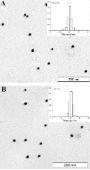
- penetrate into the cells and can be used as carriers [83]. It has been demonstrated that the amine–gold surface interaction is charge-neutral and the stability of amine-capped GNPs is a finite-size effect, which is largely kinetic in origin, unlike that of thiol-capped GNPs, which are known to possess


Internalization mechanisms of cell-penetrating peptides
Beilstein J. Nanotechnol. 2020, 11, 101–123, doi:10.3762/bjnano.11.10
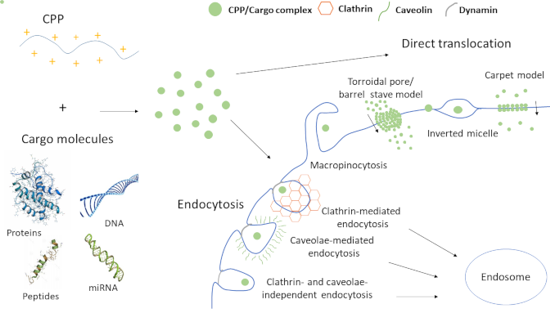
- -siRNA/miRNA delivery [17]. It has been reported that CPP-siRNA conjugates have reduced transient and stable expression of reporter transgenes in a number of mammalian cell lines [18]. In this case, thiol-containing siRNAs were synthesized and conjugated to penetratin or transportan by a reducible





