Search results
Search for "water" in Full Text gives 1635 result(s) in Beilstein Journal of Nanotechnology. Showing first 200.
Beam shaping techniques for pulsed laser ablation in liquids: Unlocking tunable control of nanoparticle synthesis in liquids
Beilstein J. Nanotechnol. 2026, 17, 309–342, doi:10.3762/bjnano.17.22
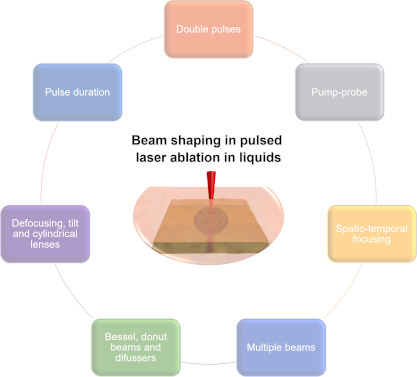
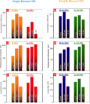
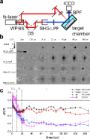
- shape and fundamentally describe the effect of beam shaping, in contrast to a parameter like pulse energy, which remains constant if the spatial beam profile is modified. When the laser enters the liquid, it can be absorbed, that is, water and most of the organic solvents absorb radiation for
- by a local modification of the refractive index of a material due to the propagation of an intense laser beam due to the Kerr effect [59][112]. Self-focusing is a power-dependent effect and occurs in water at a threshold laser power of the order of 1 MW that corresponds, for a typical irradiation
- . These effects facilitate multiphoton absorption and avalanche ionisation processes, effectively lowering the breakdown threshold of the liquid compared to NP-free conditions. This is shown by the fluence dependence of the generation rate of hydroxyl radicals during optical breakdown in water in the







Advancing nanolithography: a comprehensive review of materials for local anodic oxidation with AFM
Beilstein J. Nanotechnol. 2026, 17, 275–291, doi:10.3762/bjnano.17.19
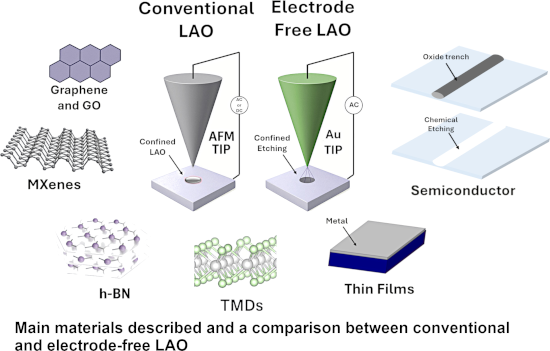
- patterns through a biased conductive tip. The process relies on the formation of a nanoscale water meniscus [14] at the tip–sample interface, enabling electrochemical reactions that oxidize the substrate, creating protruding nanostructures mainly composed of oxide. Unlike other techniques requiring complex
- preparation steps, LAO enables direct chemical modification, with precise control of the tip–sample separation during the writing process. This is typically achieved in contact mode, where the tip apex is in direct contact with the substrate, ensuring capillary condensation and the formation of a stable water
- ], making it the preferred technique for large-scale, uniform coatings. However, LAO remains advantageous for high-resolution, direct-write patterning at the nanoscale, despite its limited scalability. Furthermore, the resulting LAO oxide can be easily etched by mild acid solutions [40] or water [24]. A


Durable antimicrobial activity of fabrics functionalized with zeolite ion-exchanged nanomaterials against Staphylococcus aureus and Escherichia coli
Beilstein J. Nanotechnol. 2026, 17, 262–274, doi:10.3762/bjnano.17.18
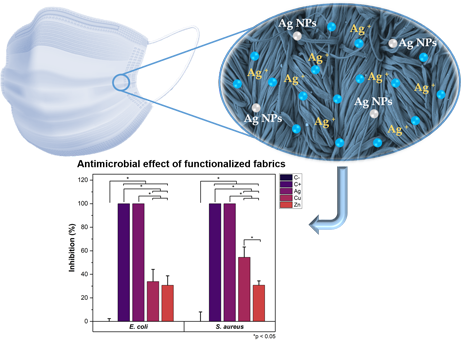
- leaves of some plants are water- or dust-repellent, and these repellent properties can be transferred to textiles by modifying the components involved in these mechanisms [24]. Among the physicochemical methods used for fabric functionalization with nanomaterials are coatings, electrospinning, assembling
- preparation The pad–dry–cure method was used for fabric impregnation [30]. Prior to the experiment, the bramante fabrics containing 50% cotton and 50% polyester with a density of 150 threads (Parisina Company, Mexico) were washed with detergent (Alconox, Sigma Aldrich) and deionized water. Finally, the
- interval of XRD analysis was 2θ = 5–80°, with a step size of 0.01° and 1 s of measure time for each step. The durability of the finish was assessed by washing the modified textile five times. The fabrics were washed using deionized water and the detergent Alconox. Mechanical action was applied using




Comparative study on 3D morphologies of delignified, single tracheids and fibers of five wood species
Beilstein J. Nanotechnol. 2026, 17, 239–250, doi:10.3762/bjnano.17.16
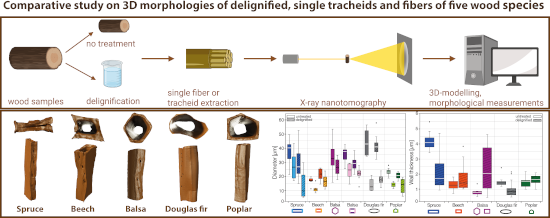
- biomechanics and water management. Keywords: 3D models; delignification; tracheid; wood; X-ray nanotomography; Introduction Wood fibers in hardwood and tracheids in softwood play a crucial role in the structure and function of vascular plants, particularly in water conduction and mechanical support [1][2
- ]. They are especially important in gymnosperms, where they serve as primary conduits for water transport, whereas in angiosperms, they function alongside vessel elements, contributing to both axial and lateral water movement by providing strength of the tissue [3][4]. Tracheids are specialized cells that
- are elongated, hollow, and tapered at both ends, forming an interconnected system that facilitates the transport of water and nutrients from the roots to the aerial parts of the plant [3]. Depending on the species and function, conifer tracheids are generally narrow, with varying diameters (8–80 µm


Gold nanoparticle-decorated reduced graphene oxide as a highly effective catalyst for the selective α,β-dehydrogenation of N-alkyl-4-piperidones
Beilstein J. Nanotechnol. 2026, 17, 218–238, doi:10.3762/bjnano.17.15
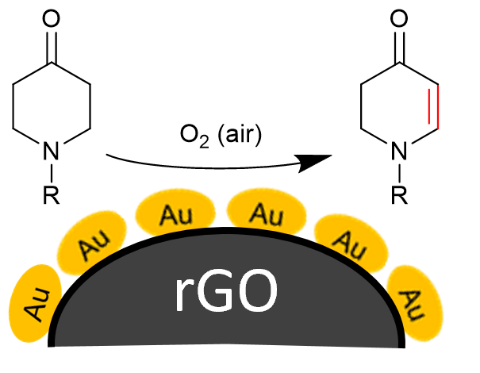
- . Synthesis of Au@SiW9/AC, Au@SiW9/rGO, and Au@SiW9/CB The DP method is the most widely used procedure to support gold nanoparticles on metal oxides [6]. The synthesis involves dissolving the POM salt (SiW9) and the gold precursor (KAuCl4) in water in an ice bath, dispersing the carbon material (AC, rGO, CB


Micro- and nanoscale effects in biological and bioinspired materials and surfaces
Beilstein J. Nanotechnol. 2026, 17, 214–217, doi:10.3762/bjnano.17.14

- envelope of seeds supports seed germination, protection from pathogens and predators, and attachment to various surfaces for dispersal. This three-dimensional polysaccharide network is capable of absorbing large amounts of water to function either as an efficient lubricant or a strong adhesive depending on
- its water content, and bears potential for direct industrial applications or inspiration for novel technical adhesives. Some contributions highlighted the explanatory power of computational analysis of biological functional materials. Here, biological phenomena were investigated based on
Time of flight secondary ion mass spectrometry imaging of contaminant species in chemical vapour deposited graphene on copper
Beilstein J. Nanotechnol. 2026, 17, 200–213, doi:10.3762/bjnano.17.13
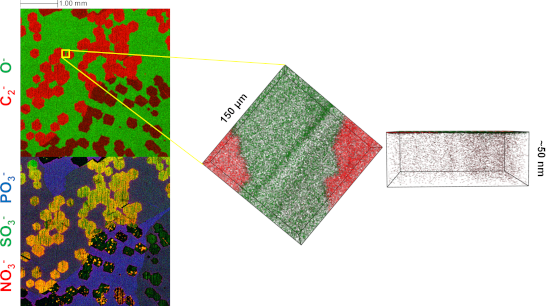
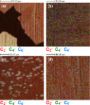
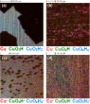
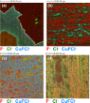
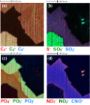
- remove the top surface layer of the foil and reduce surface roughness (EP) or a wet back side oxidation process to introduce oxygen into the Cu foil prior to growth (BO). The electro-polishing solution was prepared by mixing H3PO4 (85 wt % in H2O, Sigma Aldrich) in a 7:3 ratio with DI water. The cathode
- (Cu foil) area was chosen to be four times larger than the anode. The distance between cathode and anode was 4 cm. After electro-polishing the Cu foil was rinsed in a water jet for 5 min and then dried with N2 after dipping in isopropyl alcohol (IPA). The oxidation of the Cu foil was performed in a 30
- % H2O2 solution (Fisher Scientific) heated to 100 °C for 300 s. The Cu foil was gently placed on the H2O2 solution such that the Cu foil floated, and the top side was not exposed to hydrogen peroxide. Subsequently, the Cu foil was rinsed in DI water and IPA and dried with flowing N2. The surface





Safe and sustainable by design with ML/AI: A transformative approach to advancing nanotechnology
Beilstein J. Nanotechnol. 2026, 17, 176–185, doi:10.3762/bjnano.17.11
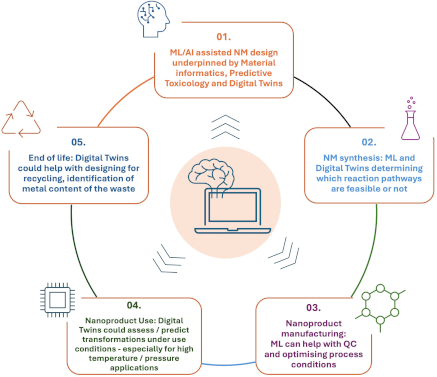
- , engineered nanomaterials (ENMs) have been employed for environmental applications, such as water purification and pollutant removal, addressing some of the most pressing ecological challenges [4][5]. Nanotechnology has significant applications in defence [6], particularly in the development of lightweight
- in air and water under high temperature and pressures and following release and uptake by biota [9]. Therefore, LCA must account for the entire lifecycle of these materials, from production and usage for which industrial materials can often be under extreme conditions (high temperatures, pressures
- detailed picture of how ENMs move through – and possibly accumulate in – soil, water, and air. By enabling stakeholders to test “what-if” scenarios, such as accidental spills or long-term usage in consumer products, digital twins enhance predictive accuracy and decision-making regarding waste management


Influence of surface characteristics on the in vitro stability and cell uptake of nanoliposomes for brain delivery
Beilstein J. Nanotechnol. 2026, 17, 139–158, doi:10.3762/bjnano.17.9
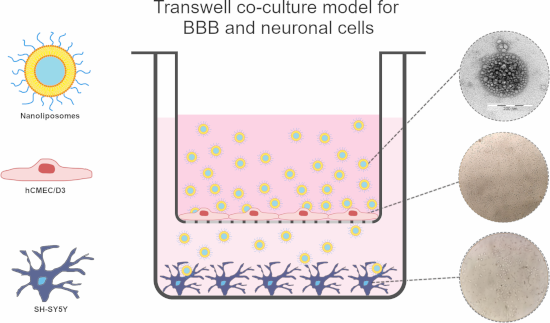
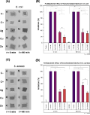
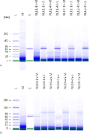
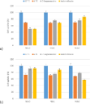
- set to 1.38 and 0.010, respectively. Water was set as the dispersant, the temperature was set to 25 °C, while the attenuation was set to 11. The 'general purpose (normal distribution)' was chosen as the analysis model. High-resolution automated electrophoresis of the adsorbed proteins onto
- diluted 200-fold in milli-Q water and denatured at 95 °C for 5 min in reducing condition by adding 3.5 µL of 1 M dithiothreitol (DTT) buffer solution to 100 µL of each sample buffer. After cooling, samples were loaded on the microfluidic chip for electrophoresis, in accordance with the instructions from




Development and in vitro evaluation of liposomes and immunoliposomes containing 5-fluorouracil and R-phycoerythrin as a potential phototheranostic system for colorectal cancer
Beilstein J. Nanotechnol. 2026, 17, 97–121, doi:10.3762/bjnano.17.7
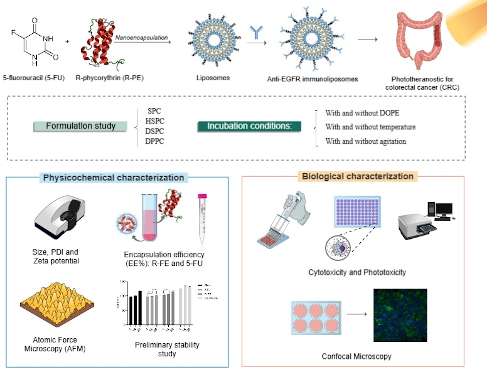
- water. Given that PBS from the original formulation remains associated with the vesicles and maintains their colloidal stability, no additional saline was required during dilution. The measurements were performed in triplicate at 25 °C using an optical 4 mW HeNe at a wavelength of 633 nm. The results (n
- and immunoliposomes were first stabilized by adding 5% glutaraldehyde for 2 h [25]. After fixation, the formulations were diluted at a ratio of 1:750 in deionized distilled water (ddH2O). A 3.0 µL aliquot of the diluted sample was deposited onto a freshly cleaved mica substrate, followed by vacuum
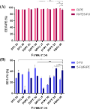
- occurs passively during the formation of vesicles. For water-soluble drugs, such as those used in this study, loading occurs through interactions with the intraliposomal aqueous core. For hydrophilic drugs, encapsulation efficiency tends to be low, so the drug/lipid ratio is usually lower, between 10 and



Functional surface engineering for cultural heritage protection: the role of superhydrophobic and superoleophobic coatings – a comprehensive review
Beilstein J. Nanotechnol. 2026, 17, 63–96, doi:10.3762/bjnano.17.6
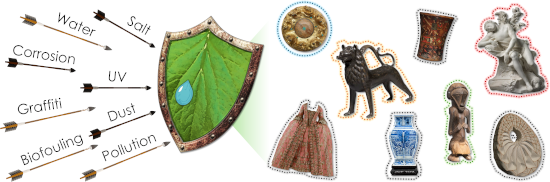
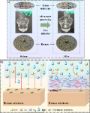
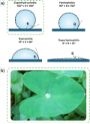
- relevant when considering different threats. Water is the most pervasive menace, in both indoor and outdoor environments [52]. For stone and other inorganic materials, high porosity and surface irregularities can increase coating absorption, resulting in thicker and less uniform layers that compromise
- water-absorbent) [53], while, if in indoor environment, they may experience biological fouling (fungi or bacteria) [54][55], which might initiate bio-deterioration [56]. If the substrate is metallic, corrosion caused by water (rain when outdoor and humidity fluctuation when indoor) is the main issue
- , causing rusty surfaces due to oxygen dispersed in water or to salt residues [57]. For these reasons, much effort is devoted to developing coatings that minimize water interaction, while ensuring that substrate-dependent properties such as porosity, roughness, and coating thickness are carefully considered





Reduced graphene oxide paper electrode for lithium-ion cells – towards optimized thermal reduction
Beilstein J. Nanotechnol. 2026, 17, 24–37, doi:10.3762/bjnano.17.3
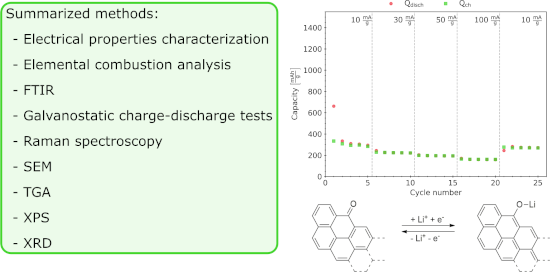
- bending vibrations in water molecules [46]. The distinct peaks observed between 1700 and 1800 cm−1 correspond to the C=O stretching vibrations from carbonyl groups [27]. The peak near 2848 cm−1 can refer to the C–H stretching in aldehyde groups [46] and the 3013 cm−1 peak to the aromatics C(sp2)–H [46
- ]. The wavenumber shift in relation to literature data can result from the applied reduction parameters (cf. Xiong et al. [47]). The band observed in the wavenumber range of 3300–3600 cm−1 can be attributed to the O–H stretching vibrations from hydroxy groups or adsorbed water. The temperature values for


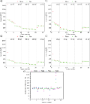

Quantitative estimation of nanoparticle/substrate adhesion by atomic force microscopy
Beilstein J. Nanotechnol. 2026, 17, 1–14, doi:10.3762/bjnano.17.1

- (QMF), both with a diameter of 125 mm. In this study, only one of the three water-cooled magnetrons, equipped with a Cu target (Kurt J. Lesker, 99.999% purity) with 25.8 mm diameter and 3.2 mm thickness, was used. Prior to deposition, the base pressure in the deposition chamber was pumped down to 6



Internal 3D temperature mapping in biological systems using ratiometric light-sheet imaging and lipid-coated upconversion nanothermometers
Beilstein J. Nanotechnol. 2025, 16, 2306–2316, doi:10.3762/bjnano.16.159
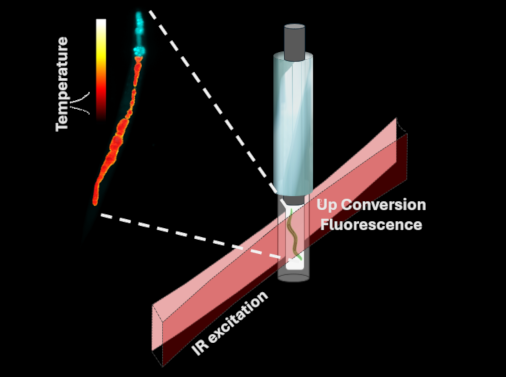
- mapping in living organisms. Materials and Methods Lipid-wrapped UCNPs Due to their highly hydrophobic nature, commercial NaYF4:Yb3+/Er3+ UCNPs (Sigma-Aldrich, No. 900556 1 ML) were coated with lipids to enhance their water dispersibility. This lipid coating (UCNPs@lipids) was applied using a modified
- 100 µL of UCNPs in a round-bottomed flask. The resulting mixture was then evaporated under a constant flow of N2 gas while stirring in a circular motion for 30 min. After solvent evaporation, 2 mL of Milli-Q water were added to the flask for rehydration overnight at 4 °C. The resulting water
- -dispersible UCNPs@lipids solution had a UCNP concentration of 1 mg·mL−1 and was stored at room temperature for subsequent use and characterization. Evidence of obtaining such a water-dispersible solution was previously reported in [40]. Figure 2 compares the as-purchased nanoparticles dispersed in toluene


Improving magnetic properties of Mn- and Zn-doped core–shell iron oxide nanoparticles by tuning their size
Beilstein J. Nanotechnol. 2025, 16, 2285–2295, doi:10.3762/bjnano.16.157
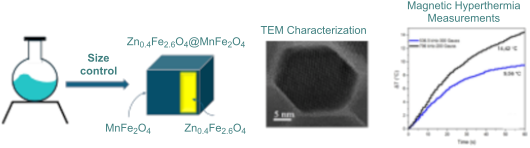
- -capping agents, such as oleic acid, which is commonly used during synthesis to control particle size and prevent aggregation. The broad peak observed at ≈3400 cm−1 is linked to the O–H stretching vibrations of adsorbed water or hydroxy groups on the particle surface, which is a common feature for
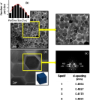

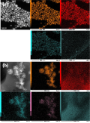


Visualizing nanostructures in supramolecular hydrogels: a correlative study using confocal and cryogenic scanning electron microscopy
Beilstein J. Nanotechnol. 2025, 16, 2274–2284, doi:10.3762/bjnano.16.156
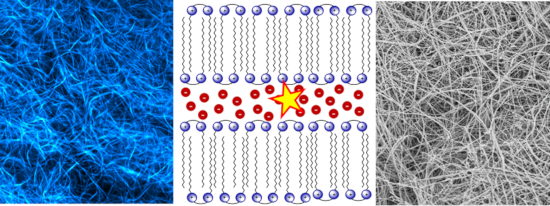
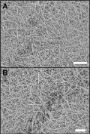
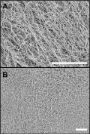
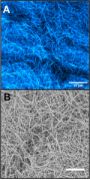
- ; microscopies; nanostructure; supramolecular hydrogel; Introduction Hydrogels, whether based on self-assembling molecules or cross-linked polymers, are useful in fields ranging from tissue engineering to drug delivery and biosensing [1][2][3][4][5]. Their high water content and soft, porous structure make them
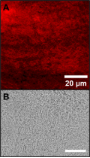
- diketopyrrolopyrrole bis(carboxylic acid) (DPP-BC) (Figure 1), are probed using confocal fluorescence microscopy and cryo-SEM. ZnPc is a water-soluble fluorophore with a conjugated and mainly flat macrocyclic structure, characterized by strong absorption in the red region of the visible spectrum, and has been
- previously studied within imidazolium-based gel system [19] without the methods employed here. The DPP derivative, by contrast, is a water-soluble diketopyrrolopyrrole featuring a central 2,5-dihydro-2,5-dioxo-pyrrolo[3,4-c]pyrrole core flanked at the 3- and 6-positions by thiophene rings. The lactam


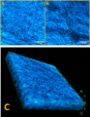

Chiral plasmonic nanostructures fabricated with circularly polarized light
Beilstein J. Nanotechnol. 2025, 16, 2245–2264, doi:10.3762/bjnano.16.154
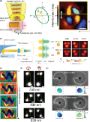
- that the sites of Au deposition ( reduction) are the locations of electrons from the nanoparticle transferred via PVP. Researchers made similar observations when electron beam lithography resist was exposed to hot electrons from AuNRs [86]. This study found hydrogen silsesquioxane underwent water





Optical bio/chemical sensors for vitamin B12 analysis in food and pharmaceuticals: state of the art, challenges, and future outlooks
Beilstein J. Nanotechnol. 2025, 16, 2207–2244, doi:10.3762/bjnano.16.153
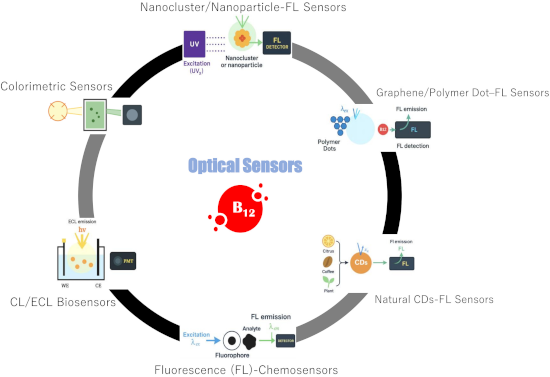
- synthesize under sunlight exposure, all other micronutrients must be obtained via dietary intake [3]. Vitamins are classified into two distinct categories, namely, water-soluble (e.g., vitamin C and vitamin B group) and fat-soluble (e.g., vitamins A, D, E, and K). Vitamin B12 (VB12) is among B-group vitamins
- ]. This water-soluble micronutrient is essential for improving brain and nervous system functions, blood cell development, bone health improvement, energy and DNA production, fertility and embryo development, control of neurological symptoms (e.g., stress, depression, dementia, and visual disturbances
- different countries, organized by the VB12 concentration threshold [70]. Initially, labs used microbiological tests to determine VB12 levels because of their favorable accuracy. These tests did not measure VB12 directly. Instead, microbiological analyses examined how certain bacteria consume this water


Ultrathin water layers on mannosylated gold nanoparticles
Beilstein J. Nanotechnol. 2025, 16, 2183–2198, doi:10.3762/bjnano.16.151
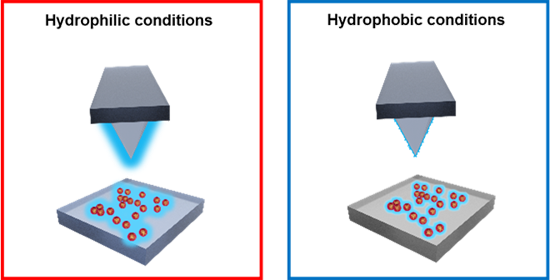
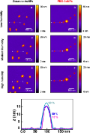
- hydrophobic tips. While VSFG indicated preferential hydration of the dimannoside and proved conformational changes in the organic ligands, AFM provided sub-nanometer changes in particle topography due to water adsorption. In general, the dimannoside nanoparticles condense ultrathin water layers upon humidity
- increase. In contrast, we found that the water adsorption on the oligo(ethylene glycol) particles depends little on humidity. Our insights into structural changes on glyconanoparticles and the hydration properties of glycosylated particles are of application value for biosensors and help model the
- transmission of airborne viruses, such as influenza. Keywords: AFM; humidity; hydrophilicity; hydrophobicity; nanoparticles; sum frequency generation spectroscopy; viruses; water; wetting; Introduction Gold nanoparticles (AuNPs) have been a staple in biomedical and biophysical research [1][2] for almost a



Missing links in nanomaterials research impacting productivity and perceptions
Beilstein J. Nanotechnol. 2025, 16, 2168–2176, doi:10.3762/bjnano.16.149
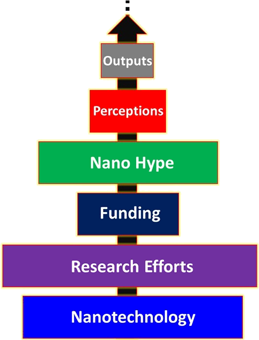
- contaminating water, air, and soil, even when strict preventive measures are in place. Moreover, the environmental pollution caused by nanomaterials after their lifecycle, along with the chemicals used in their synthesis, is much more hazardous; up to a thousand times more compared to their bulk counterparts
Microplastic pollution in Himalayan lakes: assessment, risks, and sustainable remediation strategies
Beilstein J. Nanotechnol. 2025, 16, 2144–2167, doi:10.3762/bjnano.16.148
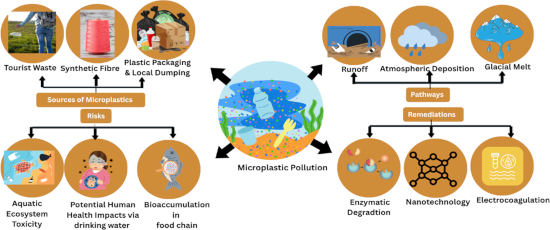
- in the ecologically sensitive Himalayan lakes, posing a threat to biodiversity, water quality, and human habitation. These high-altitude freshwater ecosystems are being increasingly polluted through human use, tourism, glacier melt, and atmospheric deposition. Microplastic quantification in such
- pollution; nanotechnology; remediation; Review 1 Introduction The Himalayan lakes, often known as the “Water Towers of Asia,” serve an important role in biodiversity conservation, downstream hydraulic management, and supplying freshwater supplies to millions of people. Sau et al. explain that Pangong
- increasing load of MPs in inland water bodies, for example, rivers, lakes, and estuaries [5]. For South Asia, especially, high MP loads in major river systems such as the Ganges and Brahmaputra have all been driven by rapid urbanization, poor plastic waste management, and hydrological connectivity [6]. Yet


Quality by design optimization of microemulsions for topical delivery of Passiflora setacea seed oil
Beilstein J. Nanotechnol. 2025, 16, 2116–2131, doi:10.3762/bjnano.16.146
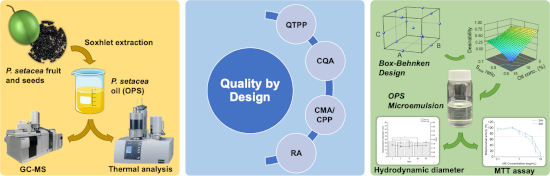
- address these challenges, nanotechnology-based delivery systems, particularly microemulsions (MEs), offer a promising solution. Microemulsions are thermodynamically stable, isotropic mixtures typically composed of oil, water, surfactants, and co-surfactants [6]. Their spontaneous formation, high
- incompatibility among the excipients, such as the lowering of degradation temperatures. The thermal events observed in the DTG and DSC curves correspond to the loss of free water (≈98 °C), solvation water (≈110 °C), and thermal degradation of the oil phase (≈417 °C), overlapping with the degradation profiles of
- of the MEgel could not be determined. However, NaCMC solutions exhibit negligible surface activity and typically maintain surface tension values close to that of water [48]. Rheological analysis Rheological profiling provides key insights into the behavior of formulations under applied stress or


Molecular and mechanical insights into gecko seta adhesion: multiscale simulations combining molecular dynamics and the finite element method
Beilstein J. Nanotechnol. 2025, 16, 2055–2076, doi:10.3762/bjnano.16.141
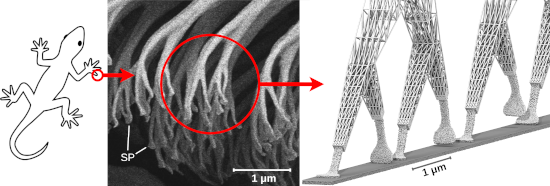
- microscopy (AFM) experiments. Our investigation into how gecko keratin interacts with hydrophilic and hydrophobic substrates [12] supported the importance of the water-mediating effect [10] and elucidated mechanistic differences depending on surface chemistry. A particle-based mesoscale model of a single
- gecko keratin [11]. It also helped clarify other aspects of humidity-enhanced adhesion, revealing that keratin softening due to water uptake accounts for only a minor part of the increase in adhesion on very smooth surfaces [13]. The present paper builds on our previous research and extends the


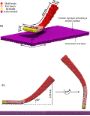



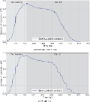


Stereodiscrimination of guests in chiral organosilica aerogels studied by ESR spectroscopy
Beilstein J. Nanotechnol. 2025, 16, 2034–2054, doi:10.3762/bjnano.16.140
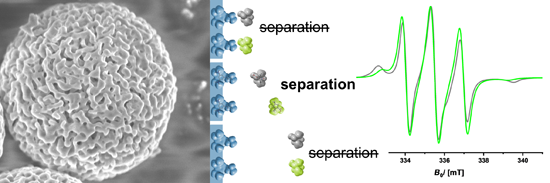
- , followed by crystallization. The precipitate is filtered off and washed with acetone. (The acetone phase can be used to obtain (−)-3CP). The filtrate is dissolved in water, acidified with hydrochloric acid to pH 3 and extracted three times with diethyl ether. The ether phase is dried with MgSO4, and the


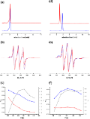


Beyond the shell: exploring polymer–lipid interfaces in core–shell nanofibers to carry hyaluronic acid and β-caryophyllene
Beilstein J. Nanotechnol. 2025, 16, 2015–2033, doi:10.3762/bjnano.16.139
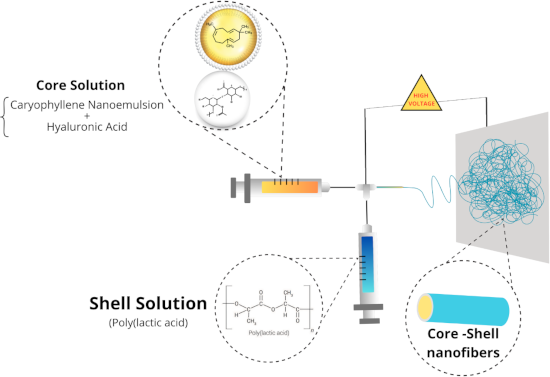
- inflammatory response during wound healing [32][33]. Chemically, βCp is characterized as a natural bicyclic sesquiterpene found in several plants and essential oils, and as expected for compounds of this class, it exhibits characteristic volatility and low solubility in water [34]. To address these limitations
- core removal, the fibers exhibited a filled core structure, as depicted in Figure 6A. Sequential washing with water and ethanol, followed by drying and cryofracture, effectively solubilized and removed the core material, yielding hollow fiber structures (Figure 6B). These observations confirmed the
- to increased water ingress through the pores, facilitating access to the core [58]. This possibility is also described by Wang and Xu (2018), who successfully prepared tea polyphenol-loaded porous core–shell fibers by controlling coaxial electrospinning parameters [56]. ATR-FTIR spectroscopy has been