Search results
Search for "Ag" in Full Text gives 668 result(s) in Beilstein Journal of Nanotechnology. Showing first 200.
Synthesis and the impact of hydroxyapatite nanoparticles on the viability and activity of rhizobacteria
Beilstein J. Nanotechnol. 2025, 16, 216–228, doi:10.3762/bjnano.16.17
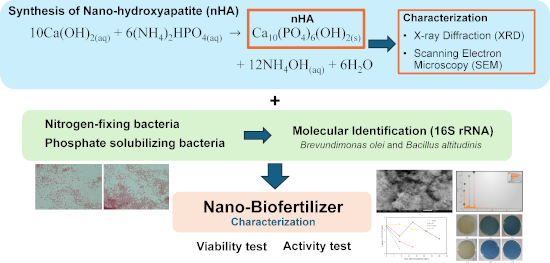
- incubation process consisting of three sets, each lasting 24 h. For strain identification, DNA extraction was performed using Instagene™ Matrix, followed by sample amplification using 16S rRNA primers (5′-AGA GTT TGA TCC TGG CTC AG-3′) and (5′-GGA TAC CTT GTT ACG ACT T-3′), with a fragment length of 1500


Recent advances in photothermal nanomaterials for ophthalmic applications
Beilstein J. Nanotechnol. 2025, 16, 195–215, doi:10.3762/bjnano.16.16
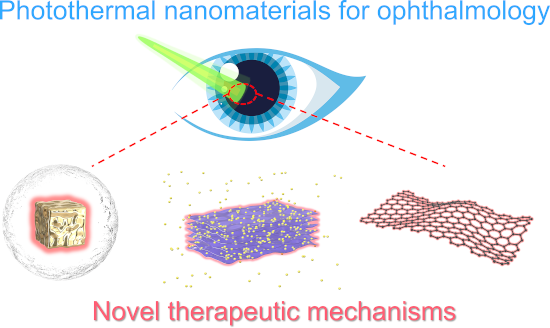
- vesicle leakage, bacterial endophthalmitis, and ocular hypotonia. Wang et al. developed a polyvinyl alcohol (PVA) hydrogel with enhanced photothermal, antimicrobial, and drug-delivery capabilities (PVA@rGO-Ag/5-Fu) [71]. Under NIR irradiation, the rGO-Ag component in the hydrogel effectively targets and
- photothermal therapy agent, AuAgCu2O-NS, which consists of a core of AuAg alloy nanospheres and a Cu2O shell, specifically designed for treating non-healing keratitis caused by drug-resistant bacterial infections [152]. This agent’s controllable photothermal effects, coupled with the release of Ag+ ions from


Characterization of ZnO nanoparticles synthesized using probiotic Lactiplantibacillus plantarum GP258
Beilstein J. Nanotechnol. 2025, 16, 78–89, doi:10.3762/bjnano.16.8
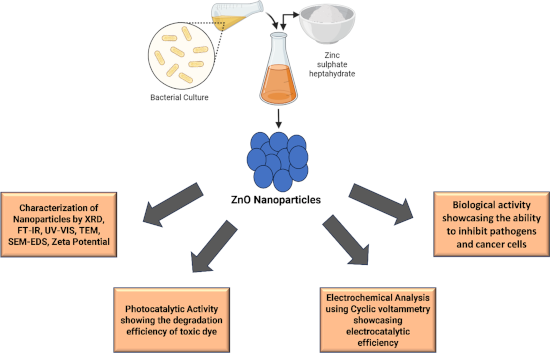
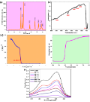
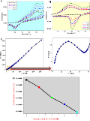
- -electrode setup (carbon paste with ZnO NPs as the working electrode, platinum as the counter electrode, and Ag/AgCl as the reference electrode) in 0.1 M KCl. EIS measurements were carried out in a frequency range of 1 Hz to 1 MHz with a 5 mV AC amplitude, while CV studies were carried out on the same



Instance maps as an organising concept for complex experimental workflows as demonstrated for (nano)material safety research
Beilstein J. Nanotechnol. 2025, 16, 57–77, doi:10.3762/bjnano.16.7

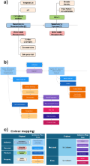
- -AgNPs resulting in increasing levels of sulfidation measured by the S/Ag ratio. Thus, four different NPs need to be distinguished and tracked in the subsequent toxicity experiments, leading to a need for unique identifiers for the nanomaterials. Instance mapping is, thus, being extended to support and


A nanocarrier containing carboxylic and histamine groups with dual action: acetylcholine hydrolysis and antidote atropine delivery
Beilstein J. Nanotechnol. 2025, 16, 11–24, doi:10.3762/bjnano.16.2

- electron microscopy (TEM) images were taken with a Libra 120 EFTEM (A Carl Zeiss SMT AG Company, Oberkochen, Carl Zeiss, Germany) at 100 kV. Samples were spread on a 300 mesh copper grid with a carbon/formvar support film. 1H and 13C NMR spectra were obtained using a Bruker Avance 600 spectrometer with an


Facile synthesis of size-tunable L-carnosine-capped silver nanoparticles and their role in metal ion sensing and catalytic degradation of p-nitrophenol
Beilstein J. Nanotechnol. 2024, 15, 1576–1592, doi:10.3762/bjnano.15.124
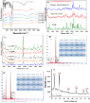
- -carnosine and ʟ-car-AgNPs and 100 s for ʟ-carnosine in aqueous solution. DFT calculations Theoretical insights into the FTIR and Raman measurements were obtained through molecular structure optimization of ʟ-carnosine, its anionic form, and probable ʟ-carnosine–(Ag)4 complexes. The structure optimization
- was performed in vaccum and water as solvent using the SCRF (CPCM) model to account for the effect of the environment. The computations were performed using density functional theory (DFT) with the B3LYP functional [22] and split basis sets 6-31+G* for all atoms (C, O, N, and H), and LANL2DZ for Ag
- (NH2 twist) and 215 cm−1 (Ag–O stretching). The observation of the abovementioned prominent peaks in the SERS spectra confirms the capping of silver nanoparticles with ʟ-carnosine. The SERS enhancement observed in various vibrations associated with imidazole ring, CO2, and NH2 groups suggests that, at




Green synthesis of silver nanoparticles derived from algae and their larvicidal properties to control Aedes aegypti
Beilstein J. Nanotechnol. 2024, 15, 1566–1575, doi:10.3762/bjnano.15.123

- . These compounds act by reducing Ag+ ions to Ag0 and stabilize nanoparticles by capping [58] (Figure 2). Larvicidal activity of AgNPs against Aedes aegypti Aedes aegypti, also known as the dengue mosquito, is a vector of important arboviruses, including Dengue, Zika, Chikungunya and Yellow Fever [6][59


The round-robin approach applied to nanoinformatics: consensus prediction of nanomaterials zeta potential
Beilstein J. Nanotechnol. 2024, 15, 1536–1553, doi:10.3762/bjnano.15.121
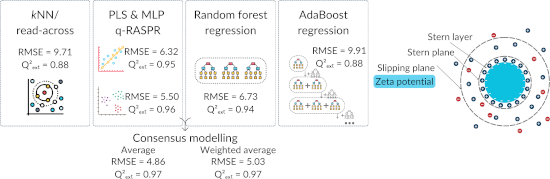
- CuO) were represented as 0 and metals (e.g., Ag, Au, and Cu) were represented as 1. For the shape group descriptor, the string names “Spherical”, “Square Plates” and “Rod” were one-hot encoded. Lastly, out of 22 unique coatings, five categories were created (sodium citrate, ʟ-arginine, PVP, uncoated


Electrochemical nanostructured CuBTC/FeBTC MOF composite sensor for enrofloxacin detection
Beilstein J. Nanotechnol. 2024, 15, 1522–1535, doi:10.3762/bjnano.15.120
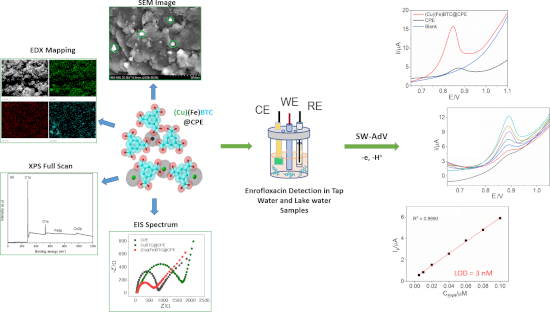
- electrode, an Ag/AgCl/saturated KCl reference electrode, and a carbon paste electrode (CPE) or MOF-modified electrodes as working electrodes. Physical and chemical properties of MOFs were characterized by using field-emission scanning electron microscopy (FESEM, Hitachi S-4800, Japan), energy-dispersive X





Integrating high-performance computing, machine learning, data management workflows, and infrastructures for multiscale simulations and nanomaterials technologies
Beilstein J. Nanotechnol. 2024, 15, 1498–1521, doi:10.3762/bjnano.15.119

- predictive analysis [71]. Moreover, it is tailored to the safe-by-design paradigm, making it an essential tool for future researches [72]. ASCOT (an acronym derived from Ag-Silver, Copper Oxide, Titanium Oxide) is a tool for the automated construction and optimization of molecular structures for, as the name


Lithium niobate on insulator: an emerging nanophotonic crystal for optimized light control
Beilstein J. Nanotechnol. 2024, 15, 1415–1426, doi:10.3762/bjnano.15.114
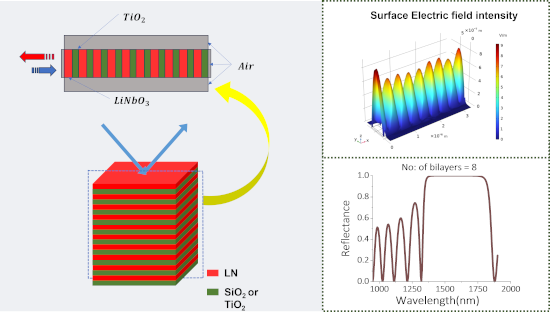
- . Jamshidi-Ghaleh et al. investigated the behavior of the LN defect layer in MgF2/Ag/TiO2-based one-dimensional ternary photonic crystal (1DTPC). A voltage-dependent defect mode, arising from the electro-optic characteristics of LN, emerges inside the bandgap of the ternary photonic crystal. The localized
- absorption, it simultaneously elevates the possibility of carrier recombination. Bae et al. incorporated Ag-coated five SiO2/TiO2 bilayered DBRs in combination with Fabry–Pérot (FP) resonators to address this trade-off and enhance the performance of PbS CQD solar cells. Hence, the light absorption near the


Nanoarchitectonics with cetrimonium bromide on metal nanoparticles for linker-free detection of toxic metal ions and catalytic degradation of 4-nitrophenol
Beilstein J. Nanotechnol. 2024, 15, 1312–1332, doi:10.3762/bjnano.15.106
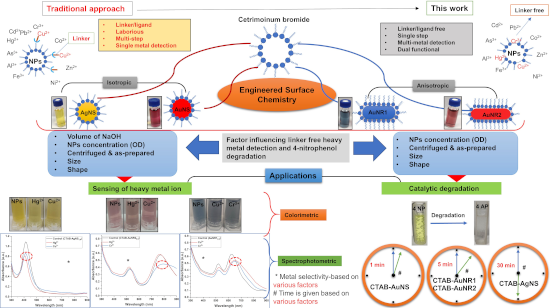
- nanoparticles (AuNS, AuNR1, and AuNR2). The characteristic [C–H–Ag] vibration was missing, indicating the absence of C–H binding to the metal surface. The new minor peaks of CTAB-capped AgNS and AuNS at 828, 1004, and 1130 cm−1, which are not present in parent CTAB molecules, are also considered as stretching
- silver, facilitated by their high redox potential, enabling Cu–Ag interaction in low-bound CTAB nanoparticles [59]. In contrast, gold nanospheres did not exhibit any metal interactions in the presence of NaOH, which is attributed to the tightly bound CTAB on AuNS surfaces. However, CTAB-AuNS was reported




Quantum-to-classical modeling of monolayer Ge2Se2 and its application in photovoltaic devices
Beilstein J. Nanotechnol. 2024, 15, 1153–1169, doi:10.3762/bjnano.15.94
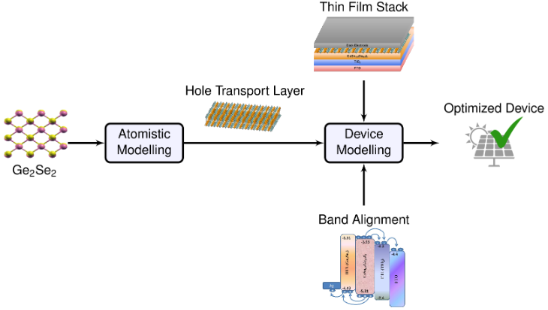
- selecting an appropriate material for absorbers/ETL, we have designed and modeled the solar cell in a FTO–TiO2–CsSn0.5Ge0.5I3–Ge2Se2–Ag configuration, which outperforms, in terms of their key parameters, other reported works in the literature. The proposed solar cell configuration is environmentally
- offset and ease of synthesis. The front and back contacts are supposed to be ohmic and are made of silver (Ag) to maintain proper band alignment and reduce the band offset. It has been reported that tuning the CBM and VBM positions to keep a low band offset leads to superior device performance. Figure 6b
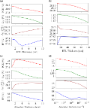
- using Ge2Se2 as HTL; (a) device setup consisting of stacked layers of FTO–TiO2–CsSn0.5Ge0.5I3–Ge2Se2–Ag; (b) band offset among different PSC layers, demonstrating the ease of charge-transfer from the active layers to the respective transport layers. PSC performance parameters as functions of (a) HTL




Photocatalytic methane oxidation over a TiO2/SiNWs p–n junction catalyst at room temperature
Beilstein J. Nanotechnol. 2024, 15, 1132–1141, doi:10.3762/bjnano.15.92
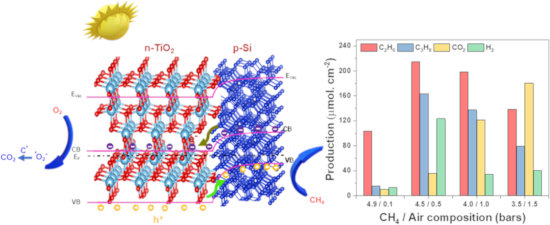
- pattern of a pure Si wafer and p-type SiNWs display a main peak at 2θ of 33.2°, which was attributed to the reflection from (200) planes. Despite being etched with concentrated acid and Ag+ ions, there was no significant change in the peak position of p-type SiNWs, which corresponds to the original Si
- (0.1 M), HF (50 wt %) and H2O (2:1:2 vol %) was prepared and kept at 56 °C for 20 min. The clean Si substrate was rapidly immersed in the etching medium and etched by the Ag+ ions for 25 min to obtain 4 µm long SiNWs. Afterwards, remaining Ag on the Si surface was removed using HNO3 (63 wt %) for 10


Local work function on graphene nanoribbons
Beilstein J. Nanotechnol. 2024, 15, 1125–1131, doi:10.3762/bjnano.15.91
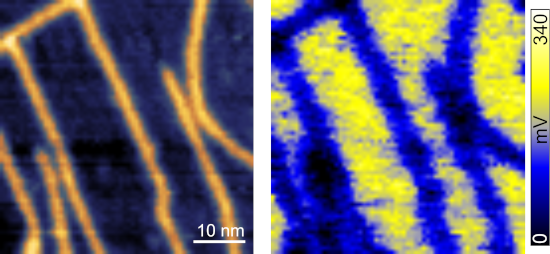
- bandgap [12], which is also related to the work function. GNRs can be synthesized with atomic precision in an ultrahigh-vacuum environment using on-surface synthesis [13]. This synthesis is well known on coinage metals, namely, Cu, Ag, and Au, which possess a high electron density. To study these unique
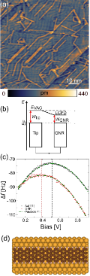

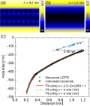
![[Graphic 1]](/bjnano/content/inline/2190-4286-15-91-i4.svg?max-width=637&scale=1.18182)
Direct electron beam writing of silver using a β-diketonate precursor: first insights
Beilstein J. Nanotechnol. 2024, 15, 1117–1124, doi:10.3762/bjnano.15.90

- (Strem Chemicals, CAS 148630-66-4), with a stoichiometry of Ag/P/F/O/C = 1:1:6:2:8 was evaporated using a fully integrated custom-built gas injection system (GIS) consisting of chemically inert steel [28]. No injection needles were used. The components of the GIS that were in direct contact with the
- the large carbon portion of about 70 atom %, remarkably high contents of oxygen (22 atom %) and phosphorous (7 atom %) are found. This is in line with the favored co-deposition of ligand elements at high local electron flux. Furthermore, compared to the initial precursor stoichiometry of Ag/P = 1:1
- months later, showing grown silver crystals in the direction of the precursor gas flow and in the further surrounding. (c) BSE image from the cross section where heavy elements appear bright. The Ag/C ratios were obtained from EDX measurements at the cross section in the areas indicated by white


Unveiling the potential of alginate-based nanomaterials in sensing technology and smart delivery applications
Beilstein J. Nanotechnol. 2024, 15, 1077–1104, doi:10.3762/bjnano.15.88
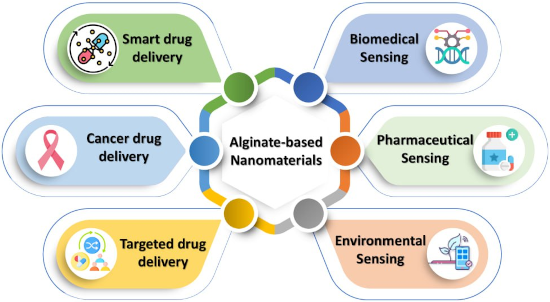
- -aminophenyl boronic acid)/sodium alginate nanogel (Ag@PABA-SA) was synthesized using a green, in situ chemical oxidative polymerization approach for detecting hydrogen peroxide in lake water [115]. When this experiment was carried out without alginate, it showed unsuccessful results. Importantly, with
- alginate present, PABA covalently attached to the hydroxy groups of alginates to form a PABA-SA semi-interpenetrating network on which AgNPs were concurrently deposited (Figure 5). As a result, very stable polymer-based AgNPs were formed. The Ag@PABA-SA nanogel was tested as a colorimetric probe for
- properties. Oxidative and sensitive materials are loaded into sodium alginate gel, and the absence and concentration of hydrogen peroxide in water and milk can be analyzed by a colorimetric method [117]. In another work, an alginate hybrid silver magnetite nanocomposite (Fe3O4@AMALG12@Ag) with enhanced


Signal generation in dynamic interferometric displacement detection
Beilstein J. Nanotechnol. 2024, 15, 1070–1076, doi:10.3762/bjnano.15.87
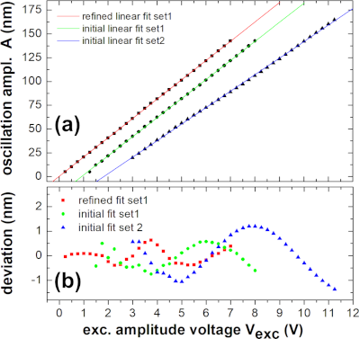
- = 0.81) aluminum-coated silicon microcantilever (type PPP-NCLR, NanoWorld AG, Neuchâtel, Switzerland) having dimensions of (225 ± 10) μm × (38 ± 8) μm × (7 ± 1) μm according to the specification of the manufacture. Using our standard procedure [15], we determined the eigenfrequency as f0 = 169.67622 kHz


Effect of wavelength and liquid on formation of Ag, Au, Ag/Au nanoparticles via picosecond laser ablation and SERS-based detection of DMMP
Beilstein J. Nanotechnol. 2024, 15, 1054–1069, doi:10.3762/bjnano.15.86

- Abstract The present study investigates the effects of input wavelength (1064, 532, and 355 nm) and surrounding liquid environment (distilled water and aqueous NaCl solution) on the picosecond laser ablation on silver (Ag), gold (Au), and Ag/Au alloy targets. The efficacy of the laser ablation technique
- ) laser melting in liquid (LML), and (iii) laser defect engineering in liquid (LDL) [16]. In our previous work, we fabricated Ag–Cu alloy NPs using the femtosecond (fs) laser irradiation approach [17]. Similarly, Ag/Au alloy NPs were fabricated by laser ablation of single metal targets in water followed
- , such as high cost, chemical instability, and sustainability issues [22][23]. Menéndez-Manjón et al. [24] reported the synthesis of Ag/Au alloy NPs via picosecond LASiS of solid targets in monomer MMA. Amendola et al. [25] demonstrated the fabrication of magneto-plasmonic alloy NPs, such as Fe–Au, by


Entry of nanoparticles into cells and tissues: status and challenges
Beilstein J. Nanotechnol. 2024, 15, 1017–1029, doi:10.3762/bjnano.15.83
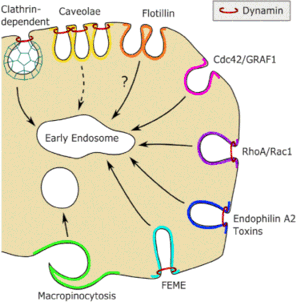
- , exposure to various types of NPs (Au, Ag, SiO2, and Fe3O4) was found to change the content of EV-containing miRNAs [72]. It is important to understand the mechanisms involved to analyze exosome markers with and without incubation with NPs. Nanoparticles under development for drug delivery are made from


Atomistic insights into the morphological dynamics of gold and platinum nanoparticles: MD simulations in vacuum and aqueous media
Beilstein J. Nanotechnol. 2024, 15, 995–1009, doi:10.3762/bjnano.15.81
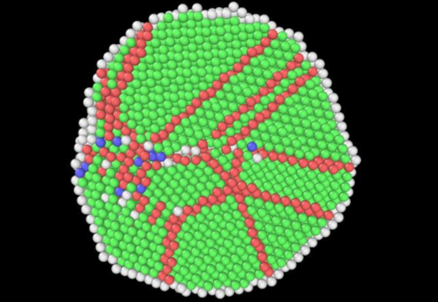
- shape was looked into by Holec et al. [48], while Martin et al. considered silver NPs [49]. A comparative study of surface disorder in Au and Ag NPs upon cooling was carried out by Agudelo-Giraldo et al. [50]. Chushak and Bartell considered the structural modifications upon freezing of several molten Au
- high heating and cooling rates compared to the experimental ones, it has been shown to yield representative structures that are in good agreement with the ones observed via X-ray diffraction for a number of nanomaterials such as CuO NPs [62], TiO2 NPs [63], as well as carbon [64] and Ag [65
- potential energy per atom at hand, we can utilize our in-house QSAR model [75] to assess qualitatively the effect of temperature and NP size on toxicity. Although the model has been trained on data for Ag, TiO2, and CuO NPs, its applicability to Au and Pt NPs is justified since Ag, Au, and Pt are pure


Recent progress on field-effect transistor-based biosensors: device perspective
Beilstein J. Nanotechnol. 2024, 15, 977–994, doi:10.3762/bjnano.15.80
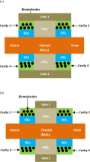
- measurements of interfacial potential by means of the extended-gate structure combined with ferrocenyl–alkanethiol-modified gold electrodes [110]. This structure uses reusable back-end detection parts and disposable front-end biosensing chip parts. A quasi-reference electrode is made using Ag/AgCl. The front




The effect of age on the attachment ability of stick insects (Phasmatodea)
Beilstein J. Nanotechnol. 2024, 15, 867–883, doi:10.3762/bjnano.15.72

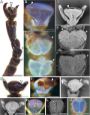
- Zeiss Axioplan microscope and an AxioCam MRc camera with the AxioVision software (v. 4.8.2) (Carl Zeiss AG, Oberkochen, Germany). The tarsi were examined at 5× magnification. Sets of excitation and emission filters were used according to [50]. 7 Confocal laser scanning microscopy (CLSM) A confocal laser
- autofluorescence of the cuticle [50]. The samples were prepared the same way as for WFM imaging (see section 6). One tarsus per respective age group was examined (subadult, freshly molted adult, young, and old). The ZEN2008 software (Carl Zeiss AG, Oberkochen, Germany) was used to generate maximum intensity
- SCD500 (Leica Camera AG, Wetzlar, Germany) coater. A Hitachi TM3000 (Hitachi Ltd. Corporation, Tokyo, Japan) scanning electron microscope was used to document the tarsal morphology at 15 kV acceleration voltage. 9 Data analysis Data analysis was performed in the R environment [51] using R Studio [52


A review on the structural characterization of nanomaterials for nano-QSAR models
Beilstein J. Nanotechnol. 2024, 15, 854–866, doi:10.3762/bjnano.15.71

- the relevance of their distribution along the molecule. However, the core of the NMs is typically composed by chemicals with a simpler and repetitive chemical structure. Most inorganic materials are composed of single elements (e.g., Au or Ag) or binary compounds (e.g., Fe2O3, CdSe, or SiO2). The most


Synthesis of silver–palladium Janus nanoparticles using co-sputtering of independent sources: experimental and theorical study
Beilstein J. Nanotechnol. 2024, 15, 808–816, doi:10.3762/bjnano.15.67
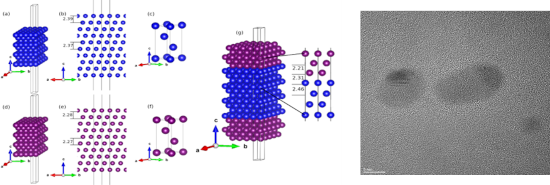
- , confirmed the presence of Janus-type nanostructures. Results of molecular dynamics and TEM simulations show that the differences between the crystalline structures of the Pd and Ag regions observed in the TEM micrographs can be explained by small mismatches in the orientations of the two regions of the
- melting temperature and, partly, because the appearance of moisture delays the diffusion of silver atoms. The synthesis of AgPd nanocrystals with sizes ranging from 2.46 to 6.65 nm has been reported for applications in the manufacturing of electronic components [6]. Chu et al. [7] synthesized Pd–Ag
- nanoparticles, by the wet reduction method using palladium and silver hydroxide colloids as precursors, to study hydrogen absorption; the size of these BNPs was 6–7 nm. However, inhomogeneous nanoparticles were obtained because Ag fractions were found on the surface, which were increased by heating the samples