


Search results
Search for "accumulation" in Full Text gives 397 result(s) in Beilstein Journal of Nanotechnology. Showing first 200.
Polyurethane/silk fibroin-based electrospun membranes for wound healing and skin substitute applications
Beilstein J. Nanotechnol. 2025, 16, 591–612, doi:10.3762/bjnano.16.46
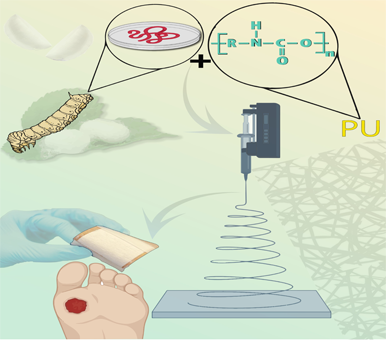
- new class of PUs known as “biostable” [134]. Wheatley et al. reported that sheep with a non-biostable PU mitral heart valve prosthesis survived for up to six months. However, issues such as surface degradation and accumulation of calcified fibrin/thrombus compromised leaflet mobility and hydrodynamic



Feasibility analysis of carbon nanofiber synthesis and morphology control using a LPG premixed flame
Beilstein J. Nanotechnol. 2025, 16, 581–590, doi:10.3762/bjnano.16.45
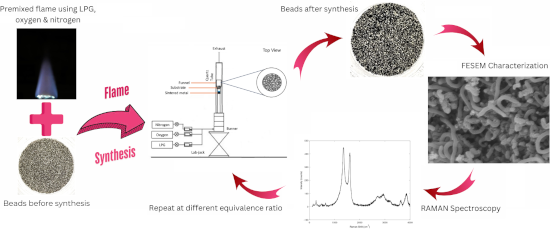
- carbon atoms attach on the catalyst particle. Because of the inefficiency of the catalyst, the excess carbon atoms keep attaching and eventually forming amorphous carbons. The higher temperature also leads to the increased catalyst particle size, results in a higher chance of collision and accumulation



Nanomaterials in targeting amyloid-β oligomers: current advances and future directions for Alzheimer's disease diagnosis and therapy
Beilstein J. Nanotechnol. 2025, 16, 561–580, doi:10.3762/bjnano.16.44
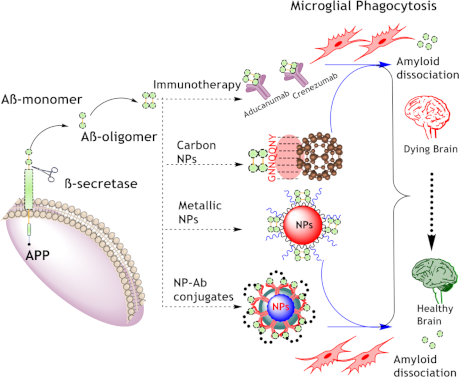
- the accumulation of amyloid plaques observed in post-mortem examinations and the neurological deficits experienced by patients during their lives. To explain this lack of correlation, multiple hypotheses have been proposed. Among these, the “oligomer hypothesis” has recently emerged as a leading
- ]. Comparisons between AD patients who carry the APOE4 allele and those who do not reveal that the former group has about three times the concentration of AβOs in the brain. This suggests that the APOE4 genotype plays a significant role in the progression of AD by facilitating the accumulation of these toxic
- biosensors for early diagnosis and improving the sensitivity of AβO detection. In imaging, nanoparticles (NPs) can help to visualize localized protein accumulation, complementing existing diagnostic methods. Materials such as carbon-based NMs (e.g., graphene oxide) and metal NPs (e.g., gold and silver


Functionalized gold nanoflowers on carbon screen-printed electrodes: an electrochemical platform for biosensing hemagglutinin protein of influenza A H1N1 virus
Beilstein J. Nanotechnol. 2025, 16, 540–550, doi:10.3762/bjnano.16.42
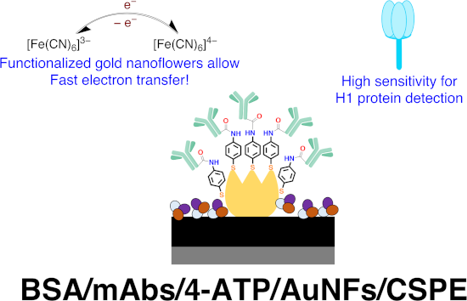
- . Influenza viruses are capable of evolving at a fast rate; they have a segmented single-stranded negative-sense RNA genome that is devoid of proofreading systems, resulting in a constant accumulation of mutations in their genome [2]. Influenza viruses belong to the Orthomyxoviridae family and are categorized


Impact of adsorbate–substrate interaction on nanostructured thin films growth during low-pressure condensation
Beilstein J. Nanotechnol. 2025, 16, 473–483, doi:10.3762/bjnano.16.36

- both OCS and MCS, represented by filled and empty symbols, respectively, for different values of α. It follows that for both OCS and MCS, an increase in elastic interaction strength δ leads to a decrease of the incubation time tc needed for the accumulation of a critical concentration of adsorbate and


Synthetic-polymer-assisted antisense oligonucleotide delivery: targeted approaches for precision disease treatment
Beilstein J. Nanotechnol. 2025, 16, 435–463, doi:10.3762/bjnano.16.34

- specific protein [15]. Since their discovery in 1978 by Zamecnik and Stephenson [16], design and synthesis of novel ASOs have been developed extensively with the aim to improve their biostability, pharmacokinetics, and intracellular accumulation. To date these synthetic oligonucleotides can be classified
- thermoresponsive PnPrOx interlayer, and an ASO/PLL polyion complex (PIC) core. These cationic micelleplexes exhibited enhanced stability in serum-containing media and prolonged blood circulation, leading to a more efficient accumulation of ASO payloads in a prostate cancer xenograft model. Notably, this approach
- branched PEGylated poly-ʟ-ornithine (PEG-PLO) to form a unit polyion complex (uPIC) with PRDM14-specific chimeric siRNA, which was administered intravenously to mouse models. PEG-PLO exhibited longer retention times in the bloodstream and enhanced accumulation in tumour tissues, leading to a significant


Development of a mucoadhesive drug delivery system and its interaction with gastric cells
Beilstein J. Nanotechnol. 2025, 16, 371–384, doi:10.3762/bjnano.16.28

- to the site of action because of increased drug retention at the mucosa [7]. These systems have the capacity to strongly adhere to the mucus layer, provide slow release of its contents, and even reduce the required dose because of higher accumulation of the drug at the target site [8]. Nanoparticles


Graphene oxide–chloroquine conjugate induces DNA damage in A549 lung cancer cells through autophagy modulation
Beilstein J. Nanotechnol. 2025, 16, 316–332, doi:10.3762/bjnano.16.24
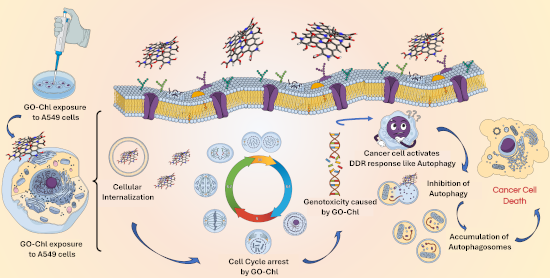
- accumulation of p62, due to inhibition of autophagy in cancer cells, subsequently suppresses chromatin and histone ubiquitination and inhibits the DDR mechanism [22]. Cancer cells are known to employ autophagy in response to DNA damage as a survival mechanism, and inhibition of autophagy could be an excellent
- treatment modality in multidrug resistant tumors [23][24]. Recently, it has also been found that chloroquine- (Chl, autophagy inhibitor) conjugated GO induces necroptotic cell death in A549 cells through accumulation of p62 mediated by altered autophagic flux, reactive oxygen species (ROS) level, and
- -LC3 plasmid-transfected cells to investigate and quantify the accumulation of autophagosomes upon GO–Chl exposure. Mammalian LC3 is a specific marker to monitor autophagy through its incorporation into the autophagosomal membranes. During the course of autophagy, the fusion of the autophagosome with



Fabrication and evaluation of BerNPs regarding the growth and development of Streptococcus mutans
Beilstein J. Nanotechnol. 2025, 16, 308–315, doi:10.3762/bjnano.16.23
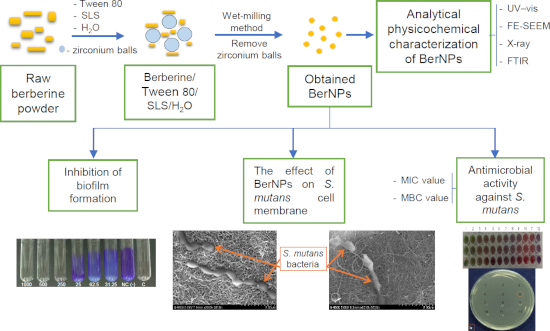
- substances, resulting in color fading and the emergence of graphene-based filaments. Du et al. showed that berberine affects Streptococcus pyogenes by regulating proteins in the KEGG pathway, leading to the accumulation of reactive oxygen species (ROS) hindering the biosynthesis of DNA, proteins, and lipids




Preferential enrichment and extraction of laser-synthesized nanoparticles in organic phases
Beilstein J. Nanotechnol. 2025, 16, 254–263, doi:10.3762/bjnano.16.20
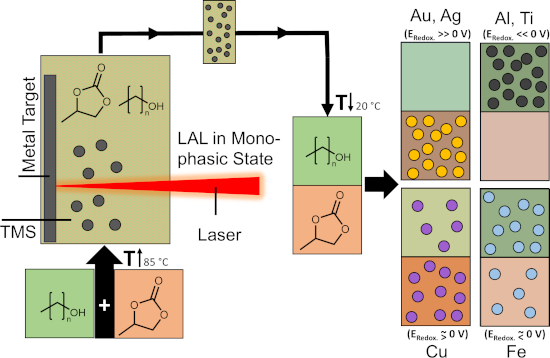
- ) pictures were taken at a JEOL 2200FS (JEOL Ltd.) and further processed by ImageJ. Study of the preferential accumulation of different metal nanoparticles synthesized by LAL at 85 °C in the single-phase TMS consisting of propylene carbonate and 1-nonanol after phase separation through cooling at room




Radiosensitizing properties of dual-functionalized carbon nanostructures loaded with temozolomide
Beilstein J. Nanotechnol. 2025, 16, 229–251, doi:10.3762/bjnano.16.18
- . Therefore, it is of paramount importance to prolong the half-life of TMZ at physiological pH and to increase its accumulation in the tumor cells prior to degradation in the central circulation. Several strategies have been exploited to stabilize TMZ and overcome the disadvantages. Among them is the
- chemical modifications and/or coupling with hydrophilic polymers. TMZ was successfully incorporated in magnetic NPs [36], mesoporous silica NPs [37], and NPs made of silver [38], zinc oxide [39], and gold [40], all of them showing high accumulation in tumor cells and cytotoxic activity in vitro and in vivo
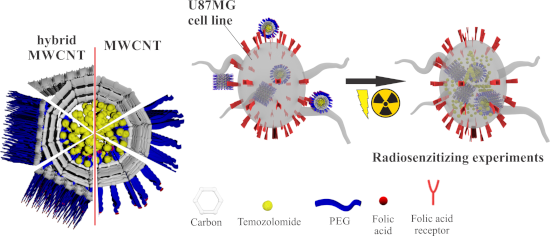
- accumulation in the brain tumor cells (through the active targeting of the formulations towards membrane folate receptors of GBM). Detailed physicochemical and biopharmaceutical characterizations of the prepared TMZ-loaded dual-functionalized CNs was performed, and the cytotoxicity/radiosensitizing properties




Recent advances in photothermal nanomaterials for ophthalmic applications
Beilstein J. Nanotechnol. 2025, 16, 195–215, doi:10.3762/bjnano.16.16
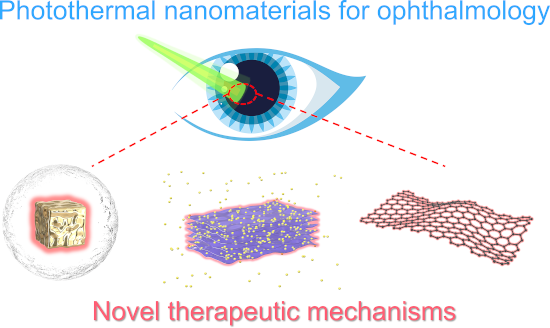
- [118]. Factors such as aging, myopia, or diabetes can lead to the liquefaction of this vitreous gel and the accumulation of collagen fibers, resulting in turbidity that casts shadows on the retina, manifesting as floaters in a patient’s field of vision (Figure 4a) [119][120]. Vitreous opacity can
- penetration and deposition [163]. Moreover, common ocular drug delivery methods have disadvantages such as short intraocular retention time, low drug accumulation, and low bioavailability [164]. Because of the transparency of the cornea and crystalline lens, the eye allows various wavelengths of light to


Nanocarriers and macrophage interaction: from a potential hurdle to an alternative therapeutic strategy
Beilstein J. Nanotechnol. 2025, 16, 97–118, doi:10.3762/bjnano.16.10
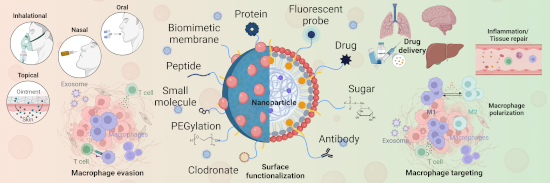
- transport across membranes, and extend circulation times. These advantages could reduce the negative effects of off-target drug accumulation and improve the release to the disease sites compared to current delivery systems [6]. Despite the expected applications in the biomedical field, the journey of NPs
- degenerative diseases [23][24]. 3 NC accumulation in macrophages: a challenge for drug delivery To exert their therapeutic effects, NCs must efficiently reach and accumulate in the target tissues. However, numerous biological barriers hinder this process, which vary depending on the administration route, as
- . Intranasal delivery has emerged as a promising strategy for targeting the central nervous system by bypassing the blood–brain barrier (BBB). This approach was demonstrated by the nose-to-brain administration of D6-cholestrol-loaded liposomes, which led to an accumulation of D6-cholesterol in the brain in


Characterization of ZnO nanoparticles synthesized using probiotic Lactiplantibacillus plantarum GP258
Beilstein J. Nanotechnol. 2025, 16, 78–89, doi:10.3762/bjnano.16.8
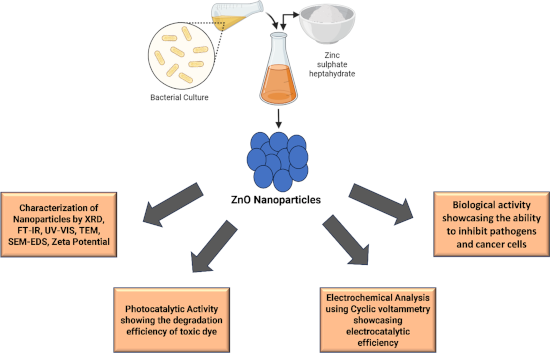
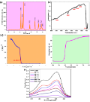
- peak current, though a steady addition led to decreased currents, possibly due to surface accumulation. The Nyquist plots display a larger impedance for ZnO electrodes. To fit the data into an analogous circuit, an uninterrupted phase element (Q1) was introduced with the adjustable parameters angular



Attempts to preserve and visualize protein corona on the surface of biological nanoparticles in blood serum using photomodification
Beilstein J. Nanotechnol. 2024, 15, 1654–1666, doi:10.3762/bjnano.15.130

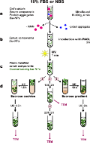
- . TEM, negative staining with 0.5% uranyl acetate. The length of the scale bars corresponds to 50 nm. Representative images of bio-NPs isolated on sucrose gradient (30 % fraction) after photomodification of FBS (a–g) and NBS (h–l). (a–c) LPs. (d) Free accumulation of electron-transparent particles. (e



Biomimetic nanocarriers: integrating natural functions for advanced therapeutic applications
Beilstein J. Nanotechnol. 2024, 15, 1619–1626, doi:10.3762/bjnano.15.127

- with cancer treatment offer numerous advantages, including immune evasion, targeting behavior, specific site accumulation, targeted delivery of drugs or genes, and reduced side effects. Studies involving inorganic nanocarriers with cell membrane coatings (CMC-NPs) have highlighted the importance of the
- enhance BBB penetration. Studies have shown that polymeric biomimetic nanoparticles carrying proteins can penetrate the brain parenchyma and release active agents, demonstrated by the increased accumulation of 3D6-Fab antibody fragments in the brains of mouse models, and reducing Aβ1-42 aggregation, which
- limiting factors [72][73]. Biomimetic nanocarriers coated with membranes from various cell types have also been applied in treating autoimmune diseases, such as rheumatoid arthritis, to optimize and enhance drug accumulation and delivery to specific sites. Studies with platelet membrane-coated


Natural nanofibers embedded in the seed mucilage envelope: composite hydrogels with specific adhesive and frictional properties
Beilstein J. Nanotechnol. 2024, 15, 1603–1618, doi:10.3762/bjnano.15.126
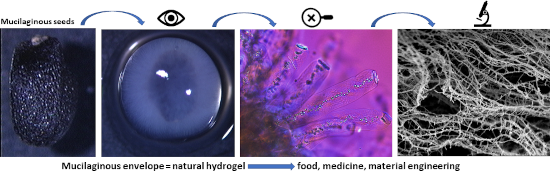
- conditions. The direct consequence of the temperature increase is the oxidation of phenolic molecules and the accumulation at the air–water interface of the mucilage envelope. This process also has an influence on the frictional properties of basil seed mucilage. As our experiments showed, the oxidised


Liver-targeting iron oxide nanoparticles and their complexes with plant extracts for biocompatibility
Beilstein J. Nanotechnol. 2024, 15, 1593–1602, doi:10.3762/bjnano.15.125
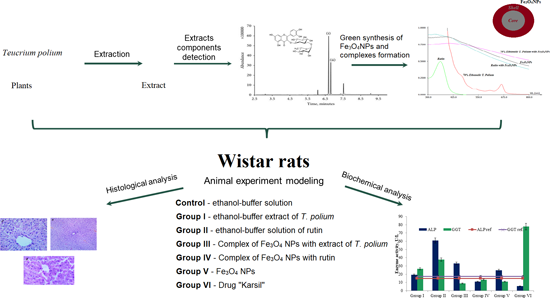
- (Fe3O4 NPs) are widely used in many biomedical applications (e.g., bioimaging, drug delivery, biosensors, diagnostics, and theranostics). However, the use of NPs does not preclude the possibility of selective toxicity and undesirable effects, including accumulation in tissues and direct interaction with
- –Elvehjem manual homogenizer. The tissue homogenate was then centrifuged for 15 min at 8000g and 4 °C. The resulting supernatant was used to determine liver GPx activity [63]. GPx activity was determined by detecting the accumulation of the pyrogallol oxidation product, purpurogallin, at 420 nm on a UV–vis


Electrochemical nanostructured CuBTC/FeBTC MOF composite sensor for enrofloxacin detection
Beilstein J. Nanotechnol. 2024, 15, 1522–1535, doi:10.3762/bjnano.15.120
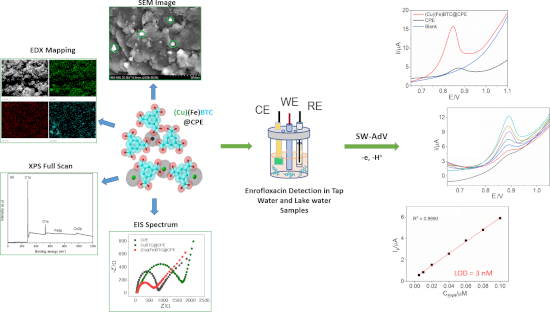
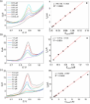
- coefficients of determination of 0.9990, 0.9954, and 0.9992, respectively, depending on the accumulation duration. The sensor achieved a low detection limit of 3 nM and demonstrated good reproducibility, with a relative standard deviation of 3.83%. Furthermore, the sensor demonstrated effective performance in
- . The slope of the curve of 0.052 (close to 0.059) indicates that the ratio of protons to electrons participating in the oxidation reaction is 1 to 1, which is in accordance with previous publications [44][45]. Adsorption time The accumulation time (tacc) of enrofloxacin on the electrode surface is a
- 600 s, the peak height increased linearly with the adsorption duration. This indicates that sufficient time is necessary for the ENR molecules to adsorb onto the electrode surface at this low concentration, and the signal improves with longer accumulation times within this range. For a concentration





Polymer lipid hybrid nanoparticles for phytochemical delivery: challenges, progress, and future prospects
Beilstein J. Nanotechnol. 2024, 15, 1473–1497, doi:10.3762/bjnano.15.118
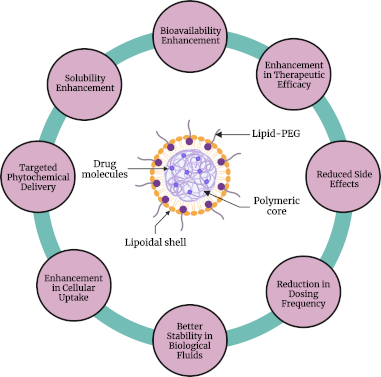
- developed redox-sensitive targeted PLHNPs represented a much higher accumulation of the drug in the tumor due to targetability and higher drug release at tumor pH. Consequently, the redox-sensitive targeted PLHNPs showed much better therapeutic efficacy compared to non-targeted and non-redox-sensitive
- endocytosis. IQN-iRGD-PLHNPs also exhibited much higher cytotoxicity than non-targeted IQN-PLHNPs and free IQN. Interestingly, after leveraging iRGD peptides for active tumor-tissue accumulation and employing a stealth nanostructure for prolonged in vivo circulation, ISL-iRGD NPs exhibited superior
- tumor accumulation in vivo in comparison with the free drug. Baicalin Baicalin is a flavone glycoside derived from the roots of Scutellaria baicalensis (Chinese skullcap), a plant widely used in traditional Chinese medicine [140]. Baicalin shows a range of therapeutic effects, including anti


Effect of radiation-induced vacancy saturation on the first-order phase transformation in nanoparticles: insights from a model
Beilstein J. Nanotechnol. 2024, 15, 1453–1472, doi:10.3762/bjnano.15.117

- data, under operating conditions, HDCMs are susceptible to risks such as radiation-induced vacancy saturation (the accumulation of vacancy-type defects), swelling (an increase in linear dimensions and volume upon irradiation), damage, amorphization (crystal-to-glass transition), and other phase
- thermodynamic stimulus for phase change, (ii) the contribution of surface energy due to a high percentage of surface atoms, (iii) interfaces acting as sinks for radiation-induced point defects, (iv) the accumulation of defects (saturation of vacancies) in the material as a driving force of phase changes, and (v
- about 2 [18]. Wei et al. investigated typical bcc metals and found that (i) vacancy accumulation is lower in metals with small vacancy migration energies, such as V, Cr, Fe, and Nb, and (ii) the relationship between vacancy concentration and grain size (ranging from 10−9 to 10−6 m) under an irradiation


Nanotechnological approaches for efficient N2B delivery: from small-molecule drugs to biopharmaceuticals
Beilstein J. Nanotechnol. 2024, 15, 1400–1414, doi:10.3762/bjnano.15.113
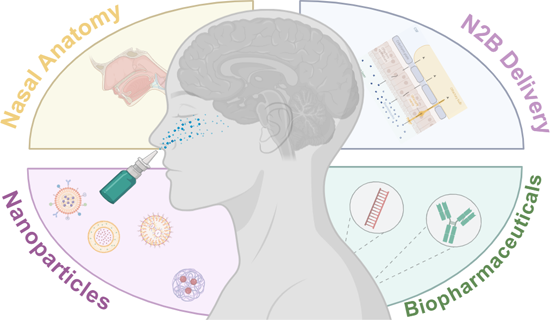
- the BBB through a direct connection [18][19]. When combined with nanotechnology, N2B delivery becomes even more attractive since nanotechnology-driven DDSs have enabled improved drug accumulation at the target site [20]. DDSs, such as polymeric or lipid-based nanoparticles (NPs), can provide an
- authors presented that PLGA NPs with larger particle sizes (520 nm) were accumulated in neural bundles. They showed that this accumulation could enable intracellular uptake in neuronal axons and further provide transcellular transport with the olfactory or trigeminal nerve pathways [81]. It should be
- visualization and to deliver anti-eGFP siRNA and double-stranded DNA. The formulation offered advantages over others as an effective tracker. It confirmed the accumulation of NPs in the olfactory bulbs and other regions of the brain via intranasal administration [159]. Additionally, Jeong et al. focused on


Hymenoptera and biomimetic surfaces: insights and innovations
Beilstein J. Nanotechnol. 2024, 15, 1333–1352, doi:10.3762/bjnano.15.107
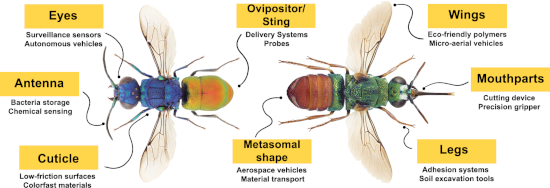
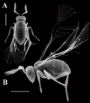
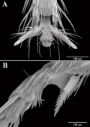
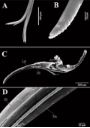
- during flight, as many hymenopterans (e.g., chrysidids, scelionids, and mutillids) have dimples on the cuticle that might have the same aerodynamic effect as those on golf balls [13]. Setose cuticle in hymenopterans also exhibits an interesting function, namely, reducing the accumulation and deposition




Dual-functionalized architecture enables stable and tumor cell-specific SiO2NPs in complex biological fluids
Beilstein J. Nanotechnol. 2024, 15, 1238–1252, doi:10.3762/bjnano.15.100
- , 5 μM particle size, New Objective). The source temperature was set to 275 °C and the nanoelectrospray voltage to 2.2 kV. The mass spectrometer operated in data-dependent acquisition mode, where full scan MS1 spectra (m/z 300–1,600) were acquired at resolution r = 60,000 after accumulation of 1 × 10⁶
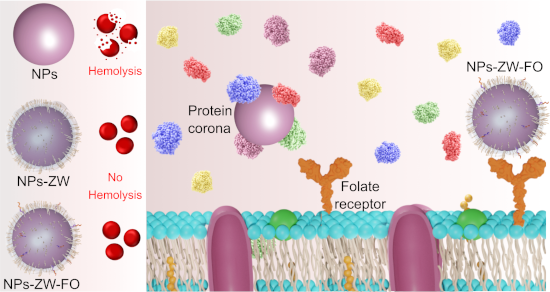
- proves to be a successful model that can be extended to other types of NPs, such as degradable mesoporous silica nanoparticles, which are highly porous and can degrade under specific biological conditions, thus preventing inconvenient accumulation in the body. a) Representation of the synthesis steps of


Realizing active targeting in cancer nanomedicine with ultrasmall nanoparticles
Beilstein J. Nanotechnol. 2024, 15, 1208–1226, doi:10.3762/bjnano.15.98
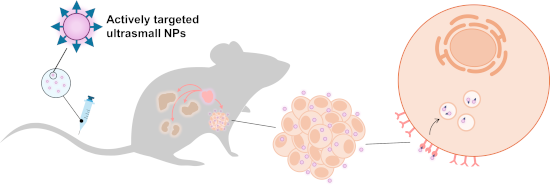
- actively targeted usNPs, revealing increased tumor accumulation and retention compared to non-targeted counterparts. In this review, we explore actively targeted inorganic usNPs, highlighting their biological properties and behavior, along with applications in both preclinical and clinical settings
- driving passive NP delivery to tumors [4][5]. In this model, leaky blood vessels and a compromised lymphatic drainage system contribute to the preferential NP extravasation and accumulation within solid tumors. However, recent evidence challenges this paradigm, suggesting that NP extravasation into tumors
- primarily occurs via transendothelial transport pathways [6][7]. Regardless of the mode of NP extravasation, active targeting strategies have been widely explored to further enhance NP accumulation in tumors and NP internalization by cancer cells [8][9]. Active targeting involves the modification of NPs





