Search results
Search for "adhesion" in Full Text gives 472 result(s) in Beilstein Journal of Nanotechnology. Showing first 200.
N2+-implantation-induced tailoring of structural, morphological, optical, and electrical characteristics of sputtered molybdenum thin films
Beilstein J. Nanotechnol. 2025, 16, 495–509, doi:10.3762/bjnano.16.38
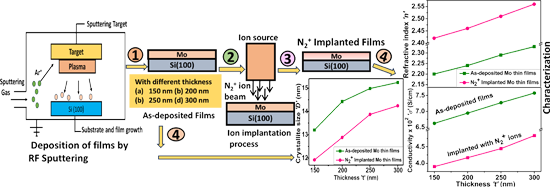
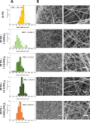
- electron beam evaporation [10] have been reported in the literature. RF sputtering is the predominant technique for thin film deposition because of its benefits regarding layer adhesion, uniformity, composition, and deposition rate compared to other methods [11]. In the deposition of molybdenum films, RF


Synthetic-polymer-assisted antisense oligonucleotide delivery: targeted approaches for precision disease treatment
Beilstein J. Nanotechnol. 2025, 16, 435–463, doi:10.3762/bjnano.16.34


Biomimetics and bioinspired surfaces: from nature to theory and applications
Beilstein J. Nanotechnol. 2025, 16, 418–421, doi:10.3762/bjnano.16.32

- understanding the biological systems and their potential as inspiration for innovation in producing biomimetic and bioinspired surfaces. Key topics included bioinspired micro- and nanostructured surfaces, and their tribological properties like friction, wear resistance, and adhesion. Discussions also addressed

Development of a mucoadhesive drug delivery system and its interaction with gastric cells
Beilstein J. Nanotechnol. 2025, 16, 371–384, doi:10.3762/bjnano.16.28

- surface area for adhesion. Also, mucus penetration would be hindered because of the mesh-like structure of mucin. For therapeutics that have gastric mucosa as target, this might limit the efficiency and decrease the drug absorption at the site. A smaller particle size, however, is advantageous because of


Pulsed laser in liquid grafting of gold nanoparticle–carbon support composites
Beilstein J. Nanotechnol. 2025, 16, 349–361, doi:10.3762/bjnano.16.26
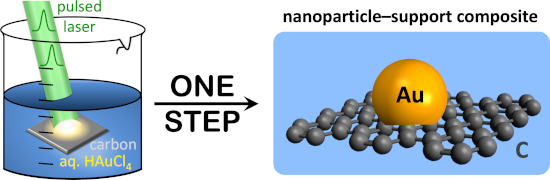
- nanoparticles with their surface attachment and solves longstanding nanoparticle adhesion and electrical contact issues. Irradiation of hydrophilic carbon fiber paper submerged in aqueous HAuCl4 solution by nanosecond laser pulses produced composites with uniform distribution of gold nanoparticles on carbon
- unattached catalyst material, which is especially problematic with precious catalysts. Overall, separate nanoparticle synthesis–attachment produces composites with adhesion, durability, electrical contact, and concomitant energy efficiency issues. Here, we report a new one-step pulsed laser grafting process
- that integrates the generation of nonequilibrium gold nanoparticles with their surface attachment on carbon fiber paper. This pulsed laser grafting approach solves longstanding adhesion and electrical contact issues. Instead of attaching ligand-capped nanoparticles to supports, nanoparticles are seeded


Fabrication and evaluation of BerNPs regarding the growth and development of Streptococcus mutans
Beilstein J. Nanotechnol. 2025, 16, 308–315, doi:10.3762/bjnano.16.23
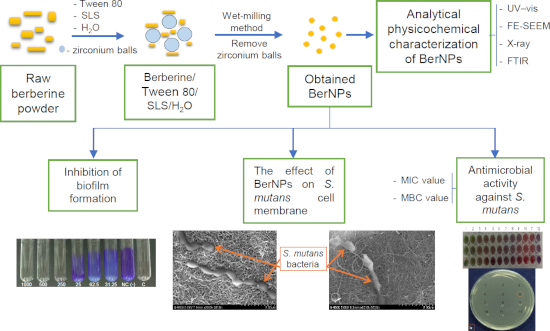
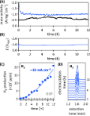
- , BerNPs demonstrated the ability to inhibit biofilm formation at various concentrations (Figure 5). The biofilm formation of S. mutans relies on the secretion of glycosyltransferase enzymes and several membrane-bound proteins [38]. SrtA, a surface protein involved in adhesion, biofilm formation, and




Enhancing mechanical properties of chitosan/PVA electrospun nanofibers: a comprehensive review
Beilstein J. Nanotechnol. 2025, 16, 286–307, doi:10.3762/bjnano.16.22

- nanofibers provide topographic guidance to cells, promoting cell adhesion, proliferation, and migration. Most importantly, aligned fibers are a prominent type of nanofiber that closely mimics the fibers in the ECM of native tissue [194]. Radially aligned nanofiber patches of chitosan/PVA with thyme essential
- is needed to address this limitation. This method should not only support cell spreading, cell adhesion, and ECM synthesis but also


Radiosensitizing properties of dual-functionalized carbon nanostructures loaded with temozolomide
Beilstein J. Nanotechnol. 2025, 16, 229–251, doi:10.3762/bjnano.16.18
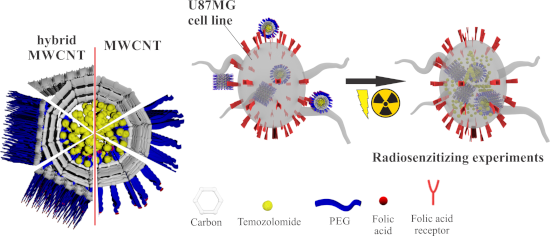
- [13]. It was also shown that the CNs impair extracellular adhesion and regulate adhesion-dependent pathways (such as EGFR/AKT/mTOR and β-catenin) [14], inhibit angiogenesis via the NF-κB pathway [15], inhibit several signal transduction pathways (WNT/β-catenin, Notch, and JAK-STAT) [16], promote




Recent advances in photothermal nanomaterials for ophthalmic applications
Beilstein J. Nanotechnol. 2025, 16, 195–215, doi:10.3762/bjnano.16.16
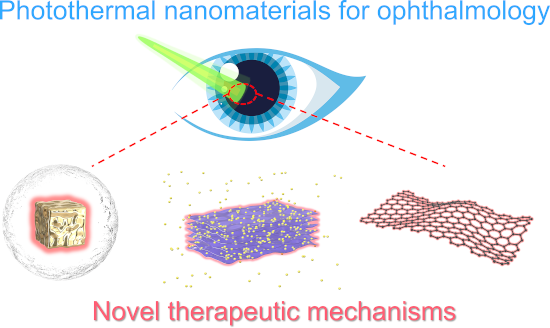
- , aiding in the precise identification of treated areas. Au nanorods, when combined with anti-epithelial cell adhesion molecule (EpCAM), accurately target EpCAM+Y79 retinoblastoma cancer cells [108]. The targeted cells are deemed to be destroyed by VNBs induced by optimally parameterized femtosecond


A review of metal-organic frameworks and polymers in mixed matrix membranes for CO2 capture
Beilstein J. Nanotechnol. 2025, 16, 155–186, doi:10.3762/bjnano.16.14
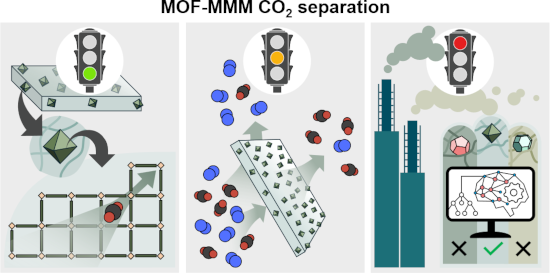
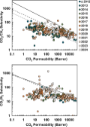
- considerably impaired compared to that of the pristine MOF [86]. The major issue arising from such incompatibility is the formation of void defects within the MMM due to insufficient adhesion between the MOF interface and the polymer matrix. Such voids act as non-specific permeation sites [80]. Consequently
- , the penetration of different molecules is no longer determined by the selectivity of the MOF, but rather by the size of the void. The voids arise from poor adhesion between the MOF and the polymer, emphasizing the importance of utilizing compatible components for MMMs [76][78][87][89][92][113
- functionalization, Figure 7c,d, reducing filler sizes, in situ MOF growth, or applying annealing treatments. Interfacial adhesion can also be improved using ionic liquids (Figure 7e). MOF functionalization is commonly employed in MMM research. For example, in the study by Katayama et al. [113] mentioned earlier




Bioinspired nanofilament coatings for scale reduction on steel
Beilstein J. Nanotechnol. 2025, 16, 25–34, doi:10.3762/bjnano.16.3

- applications of mimicking the liquid-repelling properties of their skin to address a common industrial challenge: The scaling of steel surfaces. Scaling, a pervasive issue in various industries, results from unwanted water adhesion and mineral deposition, leading to corrosion, reduced efficiency, and increased


Biomimetic nanocarriers: integrating natural functions for advanced therapeutic applications
Beilstein J. Nanotechnol. 2024, 15, 1619–1626, doi:10.3762/bjnano.15.127

- , leukocytes, stem cells, tumor components) or other biocomponents (e.g., platelets), can enhance the functionality of carriers and meet the requirements for human applications [19]. The cellular membranes of cancer cells exhibit adhesion molecules crucial to cancer development and metastasis. Heterotypic or


Natural nanofibers embedded in the seed mucilage envelope: composite hydrogels with specific adhesive and frictional properties
Beilstein J. Nanotechnol. 2024, 15, 1603–1618, doi:10.3762/bjnano.15.126
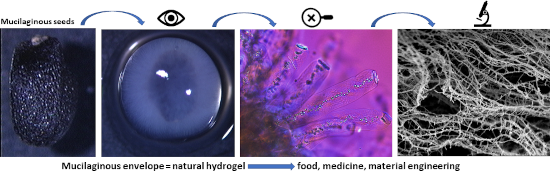
- the mucilage envelope, primarily in the context of its structure and physical properties, as well as biological functions associated with these properties. Keywords: adhesion; cellulose; friction; hydrogel; mucilage envelope; seeds; Introduction The definition of hydrogels describes them as
- ][28]. Hydrated mucilage can very strongly adhere to surfaces (e.g., stone or glass) when completely dried out after contact, with pull-off forces reaching values around 6.5 N [29]. Such strong adhesion can enable seed attachment to the soil, preventing removal and damage by other organisms [16][30
- absorb water is due to the presence of hydrophilic groups, such as carboxyl or hydroxyl groups. At the same time, hydrogels are insoluble in water because of their cross-linked network structure [38][92]. Two main physical properties of mucilage, friction and adhesion, are directly connected with the


Nanotechnological approaches for efficient N2B delivery: from small-molecule drugs to biopharmaceuticals
Beilstein J. Nanotechnol. 2024, 15, 1400–1414, doi:10.3762/bjnano.15.113
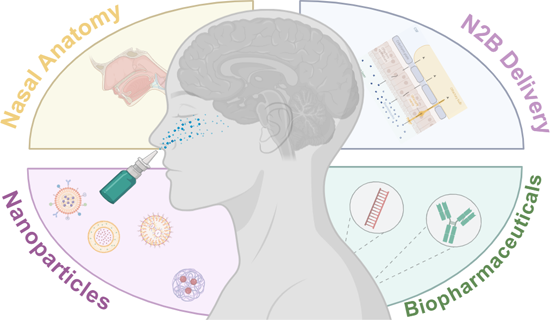
- approximately 30% compared to non-coated counterparts, where this derivative was chosen because of its solubility at physiological nasal pH [97]. Additionally, the powder form of the formulation showed stronger mucin adhesion and better enzymatic degradation protection [98]. Moreover, researchers developed in


A biomimetic approach towards a universal slippery liquid infused surface coating
Beilstein J. Nanotechnol. 2024, 15, 1376–1389, doi:10.3762/bjnano.15.111
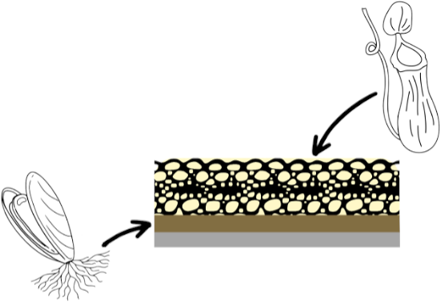
- surface coatings based on the slick surfaces of carnivorous pitcher plants (Nepenthes), termed slippery liquid-infused porous surfaces (SLIPS). This study introduces a simplified method to produce SLIPS using a polydopamine (PDA) anchor layer, inspired by mussel adhesion. SLIPS layers were formed on
- adhesion to the surface. This hemocompatibility work suggests that PDA SLIPS coatings slow or prevent clotting, but the observation of both FXII activation and the presence of adherent and activated platelets at the PDA SLIPS samples imply that this formulation of a SLIPS coating is not completely
- removal and or repulsion of these important molecules that control the clotting cascade. The most prominent of the methods are ones that aim to reduce non-specific protein adsorption, increase adhesion resistance, use biomolecules to remove targets of interest, and enhance endothelial cell attachment. One




Hymenoptera and biomimetic surfaces: insights and innovations
Beilstein J. Nanotechnol. 2024, 15, 1333–1352, doi:10.3762/bjnano.15.107
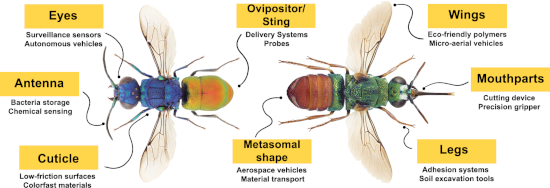
- [78][80]. Additionally, the interaction between bee mandibles and propolis highlights the potential for developing anti-adhesive surfaces [81]. Bioinspired surfaces based on honeybee mandibles have been shown to reduce propolis adhesion by over 40% compared to control surfaces, demonstrating
- their ability to cling to vertical surfaces and construct large leaf nests, utilize dense arrays of tarsal friction hairs on their tarsomeres to boost adhesion on heavily sculpted surfaces [132][133]. Similarly, females of Anastatus bifasciatus (Eupelmidae) employ these structures to achieve a firm grip



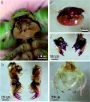
Functional morphology of cleaning devices in the damselfly Ischnura elegans (Odonata, Coenagrionidae)
Beilstein J. Nanotechnol. 2024, 15, 1260–1272, doi:10.3762/bjnano.15.102

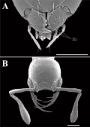
- tasks through the presence of micro- and nanostructures located on its cuticular surface, serving functions from sensory reception to surface adhesion, air retention, food grinding, thermoregulation, and color production (reviews in [4][5]). The insect cuticle is frequently exposed to a variety of
- the tarsi and maintaining the adhesion of attachment pads [14][15][16]. Cleaning behavior plays an exceptionally important role in social insects like ants, for example, to guarantee precise nestmate/non-nestmate discrimination [17] or in mutual grooming [18]. Additionally, grooming plays a pivotal
- hairs, while the soft tips ensure effective contact between the attachment system and the substrate. Similarly, the material gradient in grooming devices may enhance adhesion to foreign materials for grooming body surfaces. The soft tip and soft lateral cuticular lamina adapt to various surface


Realizing active targeting in cancer nanomedicine with ultrasmall nanoparticles
Beilstein J. Nanotechnol. 2024, 15, 1208–1226, doi:10.3762/bjnano.15.98
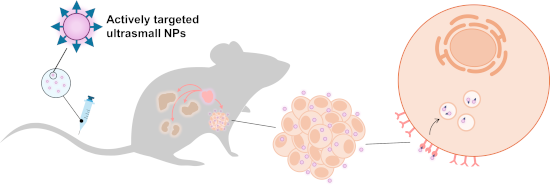
- experiences reduced interference from autofluorescence and photon scattering in tissues. The authors further conjugated the AuNCs with an antibody against the epithelial cell adhesion molecule (CD326), a well-known marker for various human carcinomas. Conjugation was achieved through host–guest complexation


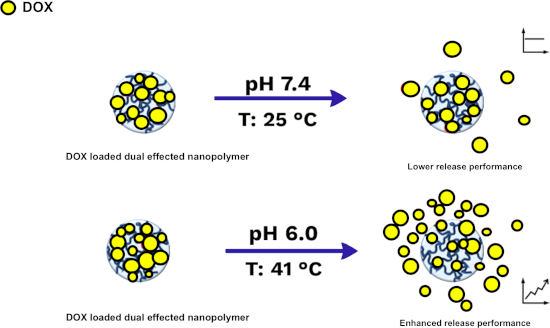
Synthesis, characterization and anticancer effect of doxorubicin-loaded dual stimuli-responsive smart nanopolymers
Beilstein J. Nanotechnol. 2024, 15, 1189–1196, doi:10.3762/bjnano.15.96
- onto clear 96-well plates at a concentration of 1 × 10⁵ cells/mL in a volume of 100 µL of cell suspension in fresh complete culture medium (DMEM with stable glutamine, 4.5 g/L glucose, 10% FBS, 100 U/mL penicillin, and 0.1 mg/mL streptomycin). The cells were preincubated for 24 h for cell adhesion and


Recent updates in applications of nanomedicine for the treatment of hepatic fibrosis
Beilstein J. Nanotechnol. 2024, 15, 1105–1116, doi:10.3762/bjnano.15.89
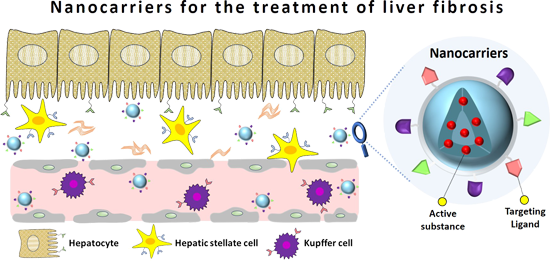
- effects of TiO2 NPs, with diameters around 20 and 200 nm, and SiO2 NPs on proliferation, fibrosis, adhesion, and migration of LX-2 cells as a model of HSC activation were studied. The results show that the internalization of both TiO2 NPs and SiO2 NPs suppressed classical outcomes of cellular fibrosis


Interface properties of nanostructured carbon-coated biological implants: an overview
Beilstein J. Nanotechnol. 2024, 15, 1041–1053, doi:10.3762/bjnano.15.85
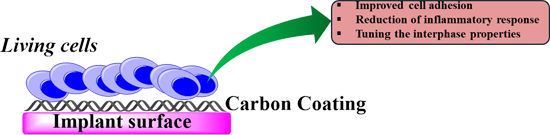
- high importance [19]. Particularly, cellular adhesion and a controlled immunological response are key features of any artificial device for being effectively implanted [20]. Additionally, responsive surfaces represent the last frontier in nanomedicine, and they require the exchange of signals and
- gastrectomy surgery. The GO coating enabled, at the same time, improved corrosion resistance, high cell proliferation, and very low inflammatory response. Similarly, Fernández-Hernán et al. [94] used graphene nanoplatelets to coat AZ31 magnesium, evaluating cytocompatibility, osteoblasts adhesion, and
- bacteria according to the mechanism shown in Figure 4. The biofilm formation consists of four stages, namely, (i) adhesion, (ii) aggregation, (iii) maturation, and (iv) dispersion. Adhesion is the first step and is ruled by the polarity of the surface as reported by Gittens and co-workers [105]. The



Beyond biomimicry – next generation applications of bioinspired adhesives from microfluidics to composites
Beilstein J. Nanotechnol. 2024, 15, 965–976, doi:10.3762/bjnano.15.79
- composites are highlighted in this article. It is time for a next generation of research to look beyond biomimicry and look towards re-engineering applications to make use of these materials’ unique properties in economically viable ways. Keywords: adhesion; biomimicry; composites; gecko; robotics, soft
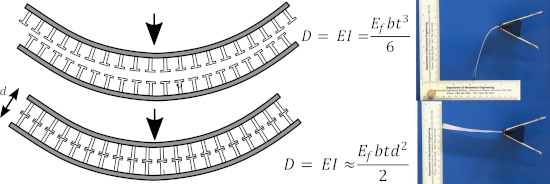
- lithography; Perspective As of the time of this writing, it has been 24 years since the seminal work by Kellar Autumn and his colleagues demonstrated how a single gecko foot hair could generate adhesion [1]. Autumn’s discovery that van der Waals forces were the primary mechanism behind the extraordinary
- ] and magnets are much better in terms of reliability and adhesion force than current biomimetic materials but need mating surfaces that are compatible. Traditional fasteners like screws, bolts, and nuts are available for assemblies that do not need to be disconnected frequently but are extremely strong


Electrospun nanofibers: building blocks for the repair of bone tissue
Beilstein J. Nanotechnol. 2024, 15, 941–953, doi:10.3762/bjnano.15.77
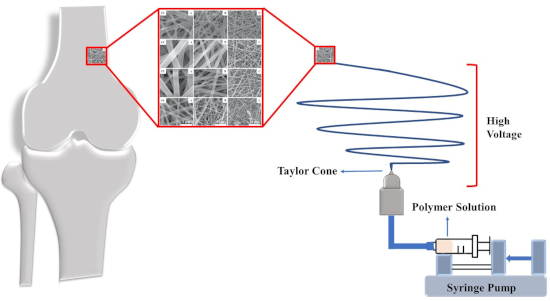
- superiorities. Their unique characteristics that distinguish them from other scaffolds and pharmaceutical forms also constitute their main advantages: (i) Their network nature mimics the natural extracellular matrix. In this way, nanofibrous scaffolds provide a higher level of cell adhesion, differentiation


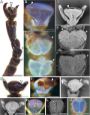
The effect of age on the attachment ability of stick insects (Phasmatodea)
Beilstein J. Nanotechnol. 2024, 15, 867–883, doi:10.3762/bjnano.15.72

- Hennemann, 2023 and elucidate the age effects on the material and microstructure of the attachment apparatus. Attachment performance (adhesion and friction forces) on substrates with different roughnesses was compared between two different age groups, and the change of attachment performance was monitored
- extending over a larger time frame. Ageing effects on the morphology of the attachment pads and the autofluorescence of the cuticle were documented using light, scanning electron, and confocal laser scanning microscopy. The results show that both adhesion and friction forces decline with age. Deflation of
- area with the substrate. Keywords: adhesion; attachment pads; friction; locomotion; morphology; material properties; wear; Introduction Ageing inexorably affects most living organisms, does not exclude insects, and makes different organs or tissues susceptible to wear or fatigue of material [1


Electrospun polysuccinimide scaffolds containing different salts as potential wound dressing material
Beilstein J. Nanotechnol. 2024, 15, 781–796, doi:10.3762/bjnano.15.65
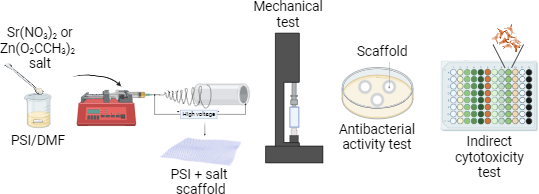
- adhesion, growth, proliferation, and differentiation. The electrospinning technique offers the possibility of using the formed scaffold as a wound dressing with fibers of proper size and morphology. The porous nature of the scaffold enables the drainage of wound fluids and facilitates the entry of oxygen