


Search results
Search for "antimicrobial activity" in Full Text gives 63 result(s) in Beilstein Journal of Nanotechnology.
Noble metal-modified titania with visible-light activity for the decomposition of microorganisms
Beilstein J. Nanotechnol. 2018, 9, 829–841, doi:10.3762/bjnano.9.77
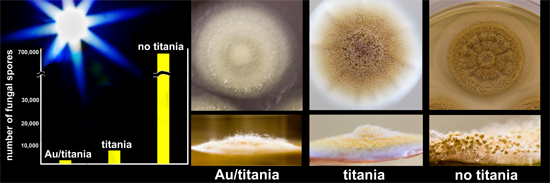
- photogenerated electrons on irradiated titania. To enable a efficient deposition of metals on titania, photodeposition was carried out in 50 vol % methanol as a hole scavenger and under anaerobic conditions to avoid electron scavenging by oxygen. To find the key factors of antimicrobial activity, various titania
- (IIT&EE ZUT collection). The antimicrobial activity of the photocatalysts was tested by using disc diffusion [80]. Culture plates were prepared with 20 mL of two solid media: Sabouraud Glucose Agar SGA (BIOCORP, Poland) for C. albicans and Malt Extract Agar (Merck, Germany) for mould fungi. Sterilized


Evaluating the toxicity of TiO2-based nanoparticles to Chinese hamster ovary cells and Escherichia coli: a complementary experimental and computational approach
Beilstein J. Nanotechnol. 2017, 8, 2171–2180, doi:10.3762/bjnano.8.216
- (Fe/N-co-doped) TiO2 nanocomposite particles were detectably cytotoxic [22]. More complex nanostructures of TiO2 bilayer nanosheets doped with bismuth tungstate (Bi2WO6) nanoclusters demonstrated enhanced antimicrobial activity towards E. coli: the bacteria population continuously decreased with the
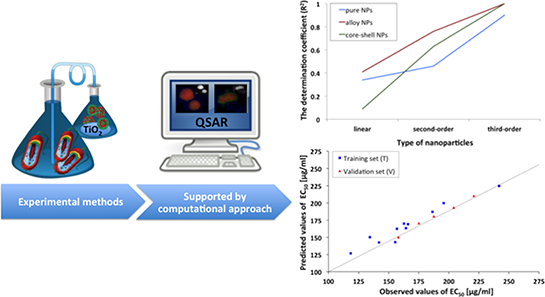
- Toxicity evaluation Three types of TiO2-based NPs were synthetized: (1) monometallic (Au, Pd) clusters, (2) core–shell particles and (3) alloy bimetallic clusters (Au/Pd). The cytotoxicity and antimicrobial activity of TiO2 modified with palladium and/or gold NPs is presented in Table 1. Inhibition of
- summarized in the Table 1, suggest that the antimicrobial activity of the studied nanomaterials varies only insignificantly. Thus, we have chosen the cytotoxicity (EC50) to Chinese hamster ovary (CHO-K1) cells as a target activity for further study. Empirical variables (i.e., average size, BET surface) that


Luminescent supramolecular hydrogels from a tripeptide and nitrogen-doped carbon nanodots
Beilstein J. Nanotechnol. 2017, 8, 1553–1562, doi:10.3762/bjnano.8.157
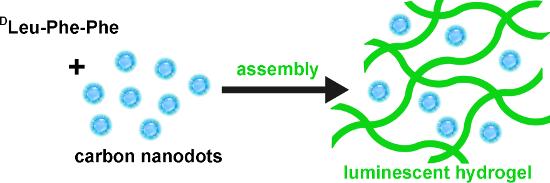
- by rheometry, fluorescence, circular dichroism (CD), FTIR spectroscopy, transmission electron microscopy (TEM), and differential scanning calorimetry (DSC). Given that this tripeptide is capable of forming a hydrogel with mild antimicrobial activity and a lack of cytotoxicity in vitro [26], this new


Preparation of alginate–chitosan–cyclodextrin micro- and nanoparticles loaded with anti-tuberculosis compounds
Beilstein J. Nanotechnol. 2016, 7, 1208–1218, doi:10.3762/bjnano.7.112
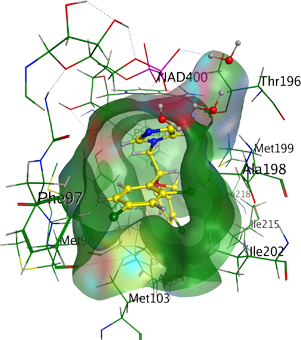
- -linked D-glucosamine and N-acetyl-D-glucosamine units. Chitosan is mainly used as carrier for different pharmaceutical compositions and also shows some antimicrobial activity [31][32]. These three saccharides are practically non-toxic, biocompatible and biodegradable. The aim of the paper is to obtain

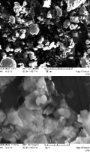
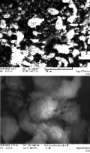
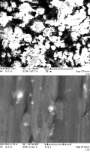


Antibacterial activity of silver nanoparticles obtained by pulsed laser ablation in pure water and in chloride solution
Beilstein J. Nanotechnol. 2016, 7, 465–473, doi:10.3762/bjnano.7.40
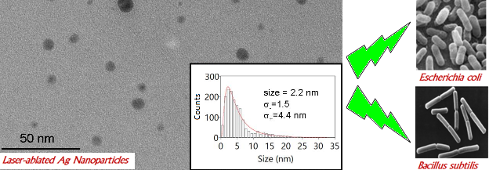
- previously observed a strong surface-enhanced Raman scattering (SERS) signal from such AgNPs by “activating” the NP surface by the addition of a small quantity of LiCl to the colloid. Such surface effects could also influence the antimicrobial activity of the NPs. Their activity, on the other hand, could
- microorganisms is not yet fully understood, it is generally believed that different mechanisms determine the antimicrobial activity of AgNPs based on both the release of silver ions and the nanoparticle characteristics [15][16]. Some of these proposed mechanisms include: (a) the direct contact between NPs and
- contrast, only a few investigations have been performed that analyze the bactericidal properties of AgNPs produced by PLAL. In spite of the superior surface cleanliness and the absence of capping agents, which could induce a potential shielding effect on the antimicrobial activity, the obtained MIC values


Ultrastructural changes in methicillin-resistant Staphylococcus aureus induced by positively charged silver nanoparticles
Beilstein J. Nanotechnol. 2015, 6, 2396–2405, doi:10.3762/bjnano.6.246
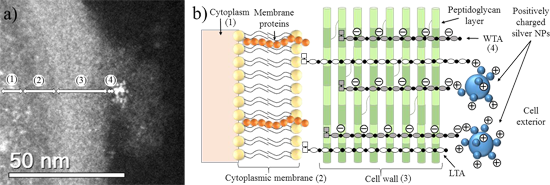
- aureus. Future research should focus on defining the related molecular mechanisms and their importance to the antimicrobial activity of silver nanoparticles. Keywords: electron microscopy; methicillin-resistant Staphylococcus aureus (MRSA); positively charged nanoparticles; silver nanoparticles
- on defining the molecular details of the key mechanisms and their importance to the antimicrobial activity of AgNPs. We also propose that Ag0/Ag+ makes AgNP solutions even more effective in inactivating bacteria. The positively charged AgNPs not only possess a greater affinity to bind to the


Green and energy-efficient methods for the production of metallic nanoparticles
Beilstein J. Nanotechnol. 2015, 6, 2354–2376, doi:10.3762/bjnano.6.243
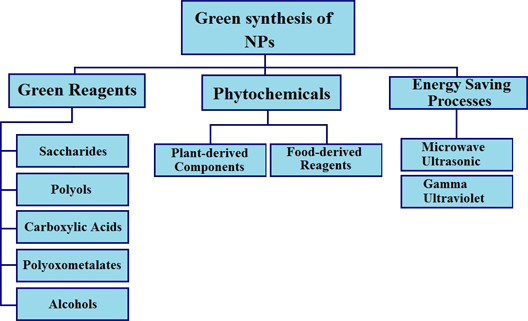
- concentrations than metallic NPs and they show remarkable antimicrobial activity [55]. In another study, they found that Ag– and Au–DAPHP have potential applications in treatment of angiogenesis accelerated disorders, such as cancer and inflammatory diseases [71]. Cai et al. used the nanoporous structure of


Novel ZnO:Ag nanocomposites induce significant oxidative stress in human fibroblast malignant melanoma (Ht144) cells
Beilstein J. Nanotechnol. 2015, 6, 570–582, doi:10.3762/bjnano.6.59
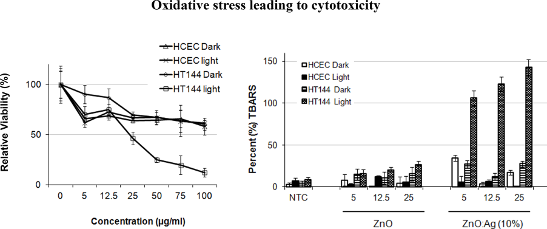
- with 3% Ag content (size: 12 nm) were toxic to different bacterial strains. Talari et al. [34] reported that increase in Ag content in the ZnO:Ag nanocomposites improved the antimicrobial activity of these particles. The addition of Ag content in ZnO NPs causes a positional shift in XRD pattern




Nanobioarchitectures based on chlorophyll photopigment, artificial lipid bilayers and carbon nanotubes
Beilstein J. Nanotechnol. 2014, 5, 2316–2325, doi:10.3762/bjnano.5.240
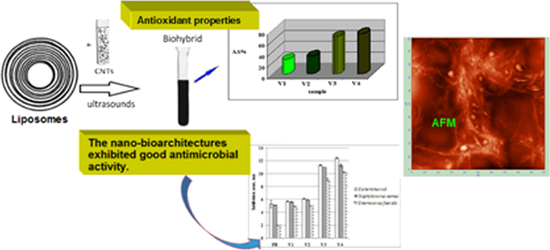
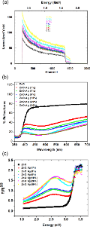
- Sigma-Aldrich (Germany). The antimicrobial activity was tested against human pathogenic bacteria such as Staphylococcus aureus ATTC 25923, Escherichia coli ATCC 8738, and Enterococcus faecalis ATCC 29212. The bacterial strains were grown in Luria Bertani Agar (LBA) plates at 37 °C with the following
- ). Antimicrobial activity of samples The antimicrobial investigations were performed on Gram-negative (Escherichia coli) and Gram-positive (Staphylococcus aureus, Enterococcus faecalis) bacteria. Phosphate buffer solution (pH 7.4) was the negative control for all the samples. The liposomes alone (samples V1 and V2


Antimicrobial nanospheres thin coatings prepared by advanced pulsed laser technique
Beilstein J. Nanotechnol. 2014, 5, 872–880, doi:10.3762/bjnano.5.99
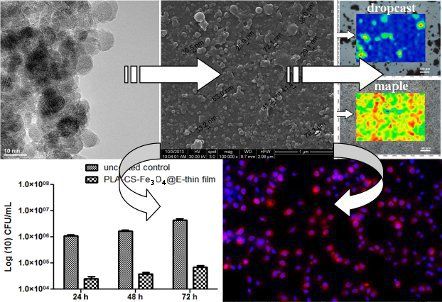
- biocompatibility with human cells, the newly synthesized nano-active thin coating exhibited a great antimicrobial activity. The surface inhibited both S. aureus and P. aeruginosa attachment and also the formation of non-specific biofilms. MAPLE deposited thin films interfere with biofilm formation both in the




Photocatalytic antibacterial performance of TiO2 and Ag-doped TiO2 against S. aureus. P. aeruginosa and E. coli
Beilstein J. Nanotechnol. 2013, 4, 345–351, doi:10.3762/bjnano.4.40
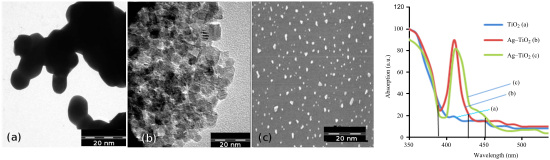
- and transfer behaviour of the photoexcited electron–hole pairs in the semiconductors was recorded by photoluminescence. The antimicrobial activity of TiO2 and Ag-doped TiO2 nanoparticles (3% and 7%) was investigated against both gram positive (Staphylococcus aureus) and gram negative (Pseudomonas
- zero viability at 40 mg/30 mL culture in the case of P. aeruginosa only. Keywords: Ag-doped TiO2; antimicrobial activity; sol–gel; Introduction The photocatalytic agent TiO2, known for its chemical stability and optical competency, has been used extensively for killing different groups of
- blocking of respiration and cell death of the bacteria [10]. Another remarkable mechanism of the antimicrobial activity of Ag nanoparticles is related to the formation of free radicals and consequent free-radical-induced oxidative damage of the cell membranes of bacteria [11][12]. But the same result was


Electrospinning preparation and electrical and biological properties of ferrocene/poly(vinylpyrrolidone) composite nanofibers
Beilstein J. Nanotechnol. 2013, 4, 189–197, doi:10.3762/bjnano.4.19

- PVP nanofibers. X-ray diffraction (XRD) results showed that the crystalline structure of Fc in the fibers was amorphous after the electrospinning process. A biological evaluation of the antimicrobial activity of Fc/PVP nanofibers was carried out by using Gram-negative Escherichia coli (E. coli) as
- agent. In the case of Fc/PVP nanofibers, water-soluble polymer PVP, as a carrier, not only provides good dispersion for Fc, but also can release Fc quickly upon encountering a small amount of water. The antimicrobial activity of composite Fc/PVP nanofibers is explored in this article. Common E.coli was
- counter electrode, and a saturated calomel electrode (SCE) as the reference electrode. Antimicrobial activity testing of Fc/PVP nanofibers The sample containing 45 wt % Fc was tested for antibacterial activity against the Gram-negative E. coli. Samples were prepared in the form of discs with a diameter of


Paper modified with ZnO nanorods – antimicrobial studies
Beilstein J. Nanotechnol. 2012, 3, 684–691, doi:10.3762/bjnano.3.78
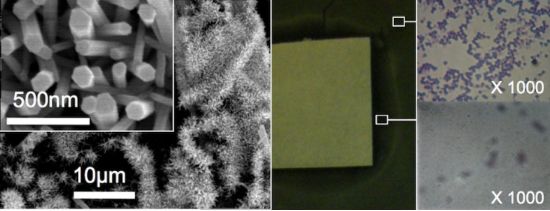
- measure of zones of inhibition (edge of the square inhibition zone in centimeters) around the paper squares of side 1.5 cm for different samples with ZnO nanorods. The antimicrobial activity in the dark is due to the slow release of Zn2+ ions arising from partial dissolution of ZnO in the moist
- environment leading to the rupture of the bacterial cell wall [23]. S. aureus, being a Gram-positive bacterium, has a thicker cell wall [24], and consequently its immobilization by using the ZnO-coated antimicrobial paper is comparatively lower than that of E. coli. The highest antimicrobial activity was
- batches, as described in [21]. The samples were dried in a laminar air flow for 10 min prior to conducting antimicrobial tests. The antimicrobial activity was observed considering the zone of inhibition (absence of viable microbial cells) around the paper samples. For the zone-of-inhibition test, 100 µL





