


Search results
Search for "characterization" in Full Text gives 1432 result(s) in Beilstein Journal of Nanotechnology. Showing first 200.
Beyond the shell: exploring polymer–lipid interfaces in core–shell nanofibers to carry hyaluronic acid and β-caryophyllene
Beilstein J. Nanotechnol. 2025, 16, 2015–2033, doi:10.3762/bjnano.16.139
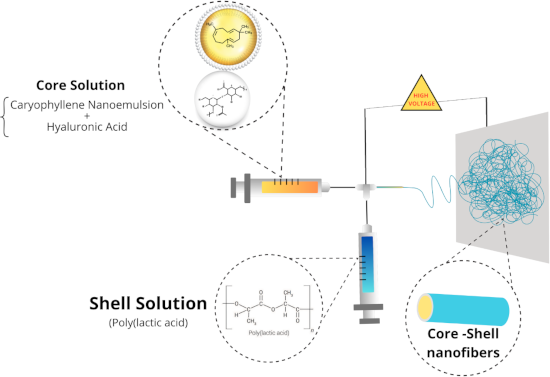
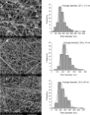
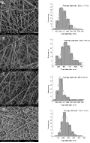
- fibers without the lipid core. Furthermore, maintaining ambient relative humidity below 45% proved essential for processing stability. Comprehensive morphological characterization via scanning electron microscopy confirmed the uniformity of the fibers. At the same time, confocal microscopy, cross
- observable beads, and a heterogeneous diameter distribution. Structural characterization of nanofibers Core–shell nanofibers create a protective environment for bioactive agents within the core, preserving their activity while enabling controlled release. By tailoring the shell architecture, the release
- of bulk HA (black), PLA nanofiber (red), nanofiber composed of HA 1%(w/w) and PLA 20%(w/w) (blue), and nanofiber composed of HA 1%(w/w), NE 2%(w/w), and PLA 20%(w/w) (green). Thermal characterization plots of neat HA, PLA, and nanofiber compositions. Thermogravimetric analysis (A), DTG curves (B




The cement of the tube-dwelling polychaete Sabellaria alveolata: a complex composite adhesive material
Beilstein J. Nanotechnol. 2025, 16, 1998–2014, doi:10.3762/bjnano.16.138
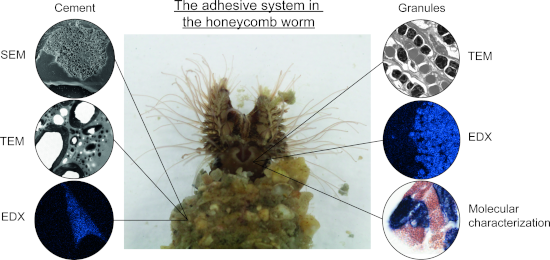
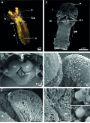
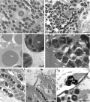
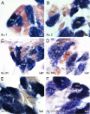
- characterization of the adhesive system of S. alveolata through the ultrastructural and chemical characterization of the two types of adhesive cells and the cement they produce, as well as the identification of new adhesive protein candidates. Another goal is to address the gap in knowledge about adhesive protein
- transmission electron microscope. Identification and characterization of new adhesive protein and kinase candidates Local basic local alignment search tool (BLAST) searches were performed in the transcriptome of the anterior part of S. alveolata [26] using the adhesive protein sequences of P. californica from



PEGylated lipids in lipid nanoparticle delivery dynamics and therapeutic innovation
Beilstein J. Nanotechnol. 2025, 16, 1914–1930, doi:10.3762/bjnano.16.133
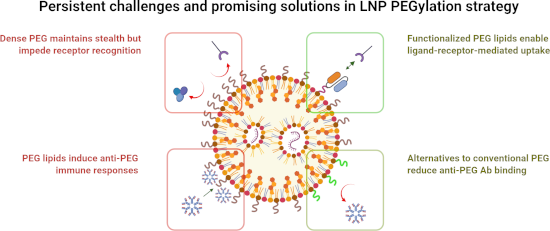
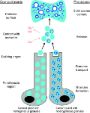
- lipid surface density and structure on LNP physicochemical properties Understanding the spatial organization of lipid components within LNPs is critical for optimizing their physicochemical characterization and stability. In particular, the localization of PEG lipids plays a significant role in
- incorporated [17][18][19][20]. These findings indicate that trends in LNP characterization change by varying PEG lipids cannot be universally applied across all PEGylated LNP formulations. Rational LNP design should consider the distinct structural attributes of PEG lipid, recognizing that optimization of LNP
- characterization and biological performance of LNPs were evaluated. These LNPs were able to maintain comparable sizes in the range of 46 to 58 nm. To further assess the impact of increased PEG density on protein adsorption, ApoE association to LNPs was quantified in vitro using fluorescence-labeled ApoE and size



Targeting the vector of arboviruses Aedes aegypti with nanoemulsions based on essential oils: a review with focus on larvicidal and repellent properties
Beilstein J. Nanotechnol. 2025, 16, 1894–1913, doi:10.3762/bjnano.16.132
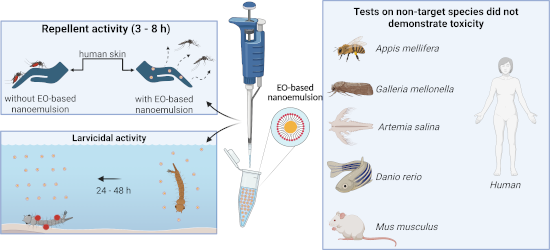
- ultrasonication (40 kHz). This formulation demonstrated physicochemical stability, with good optical transparency and absence of phase separation. Characterization by TEM revealed spherical droplets with sizes between 20 and 40 nm. In the larvicidal bioassay, fourth-instar larvae of Ae. aegypti were exposed to


Low-temperature AFM with a microwave cavity optomechanical transducer
Beilstein J. Nanotechnol. 2025, 16, 1873–1882, doi:10.3762/bjnano.16.130
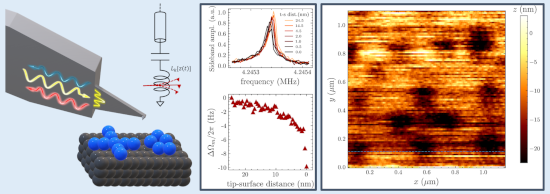
- characterization Table 1 summarizes the device parameters for three different probes employed in this work, measured at 10 mK in free space far from the surface. We characterize the sensor by measuring the total noise of the undriven mechanical resonance, up-converted to the microwave spectrum. Figure 2a shows the


On the road to sustainability – application of metallic nanoparticles obtained by green synthesis in dentistry: a scoping review
Beilstein J. Nanotechnol. 2025, 16, 1851–1862, doi:10.3762/bjnano.16.128
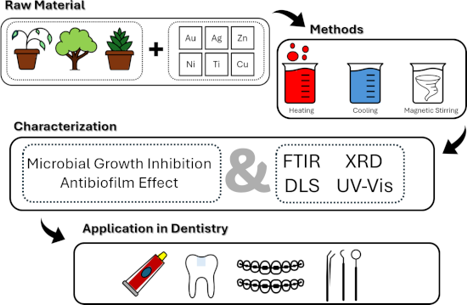
- yield and characteristics of the resulting nanoparticles, making it an essential parameter for optimizing reproducibility and ensuring eco-friendly synthesis processes [52][53]. Metallic nanoparticles characterization The studies characterize the nanoparticles obtained through green synthesis in terms
- = 36), ultraviolet–visible spectroscopy (UV–vis, 34.69%; n = 35), and X-ray diffraction (XRD, 25.48%; n = 27). They are among the most commonly used techniques for the characterization of metallic nanoparticles synthesized via green routes due to their complementary abilities to elucidate key
- of plant sources, extraction methods, synthesis parameters, and nanoparticle characterization techniques. Applications in the dental science field Preventive and restorative dentistry represents the field that most extensively utilizes green synthesis of nanoparticles (Table 1), particularly in the


Phytol-loaded soybean oil nanoemulsion as a promising alternative against Leishmania amazonensis
Beilstein J. Nanotechnol. 2025, 16, 1826–1836, doi:10.3762/bjnano.16.126

- analysis. All samples were prepared in triplicate and data were expressed as mean ± standard deviation. The NEs composition was described in Table 3. Physicochemical characterization Droplet size, polydispersity index and zeta potential evaluation The droplet size was determined by dynamic light scattering


Piezoelectricity of layered double hydroxides: perspectives regarding piezocatalysis and nanogenerators
Beilstein J. Nanotechnol. 2025, 16, 1812–1817, doi:10.3762/bjnano.16.124

- compensated for this deficiency. Second, the presented XRD data are limited to 2θ values below 40°, whereas LDHs characterization is conventionally extended to at least 80° in order to capture the full set of reflections characteristic of the LDHs. Consequently, the data provided do not offer sufficient

Electrical, photocatalytic, and sensory properties of graphene oxide and polyimide implanted with low- and medium-energy silver ions
Beilstein J. Nanotechnol. 2025, 16, 1794–1811, doi:10.3762/bjnano.16.123
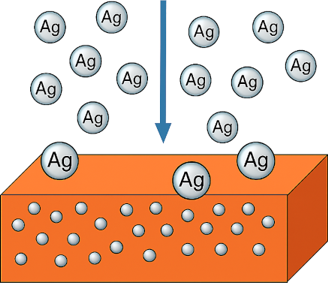
- implantation primarily affects subsurface layers, leading to bulk modifications with more gradual structural changes and less surface sputtering. The details of the energy stopping powers at the depth of ion implantation are given in Figure 1. Elemental characterization by RBS and ERDA The elemental


Exploring the potential of polymers: advancements in oral nanocarrier technology
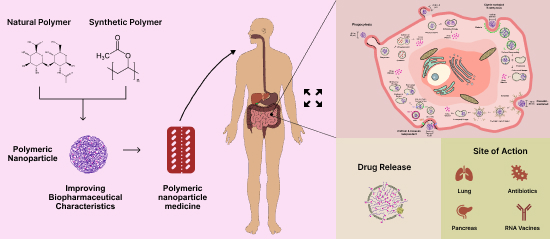
Beilstein J. Nanotechnol. 2025, 16, 1751–1793, doi:10.3762/bjnano.16.122


Multifunctional anionic nanoemulsion with linseed oil and lecithin: a preliminary approach for dry eye disease
Beilstein J. Nanotechnol. 2025, 16, 1711–1733, doi:10.3762/bjnano.16.120
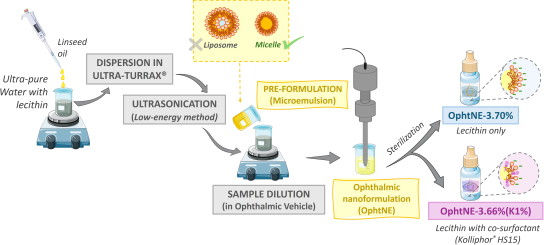
- concentration of 3.66% (w/w), containing 2.6% (w/v) LO (equivalent to 26 mg·mL−1 or 26,000 µg·mL−1) and added with 1% (w/v) Kolliphor® HS15 (indicated by the “K”). The detailed mass composition of OphtNE-3.66%(K1%) is provided in Table S2 (Supporting Information File 1). Characterization techniques for linseed



Beyond the bilayer: multilayered hygroscopic actuation in pine cone scales
Beilstein J. Nanotechnol. 2025, 16, 1695–1710, doi:10.3762/bjnano.16.119
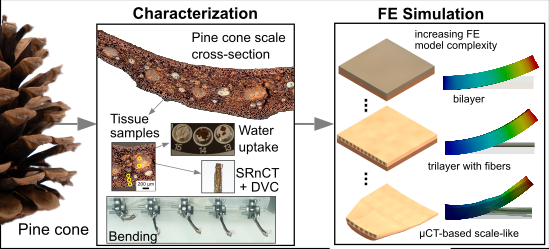
- characterization of plant motion. To better describe and analyze the pine cone scale in silico in the future, the material properties of the tissues should be re-measured, focusing on their structural rather than cellular properties. A detailed mesh of a pine cone scale based on a segmented CT scan could also be
- axis of the scale, where the tissue samples were prepared from. (B) The respective scale cross section at the sampling location. (C) Close-up of the exact sampling locations within the tissues. (D) Microscopic images of the upper end of the respective tissue sample pillars. Characterization of the
- ) Trilayer with varying fibers. (E) Remodeled scale (“scale-like”). Results of the sorption measurements and the bending angle characterization. (A) The average moisture content of the scale tissues as a function of relative humidity. The desorption is shown as a solid line, the absorption as a dashed line


Ambient pressure XPS at MAX IV
Beilstein J. Nanotechnol. 2025, 16, 1677–1694, doi:10.3762/bjnano.16.118
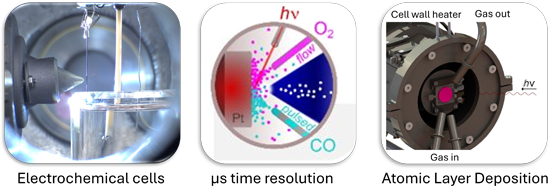
- fields of, among others, catalysis research, material characterization, and thin film deposition, utilizing dedicated cells. HIPPIE, on the 3 GeV ring, covers a wider photon energy range than SPECIES (250 to 2500 eV), also with variable polarization [10]. It has two branches, each with its own
- observation of catalytic surfaces under reaction conditions. This allows for full life cycle characterization of catalysts, offering insights into surface structure, composition, and dynamic behavior during catalysis. Thanks to its intrinsic surface sensitivity, APXPS is uniquely positioned to probe the
- significant challenges for both synthesis and in operando characterization. In particular, photon-hungry techniques like APXPS require the high brilliance provided by fourth-generation synchrotron sources to probe such dilute systems. From a synthetic perspective, stabilizing isolated metal atoms against





Prospects of nanotechnology and natural products for cancer and immunotherapy
Beilstein J. Nanotechnol. 2025, 16, 1644–1667, doi:10.3762/bjnano.16.116
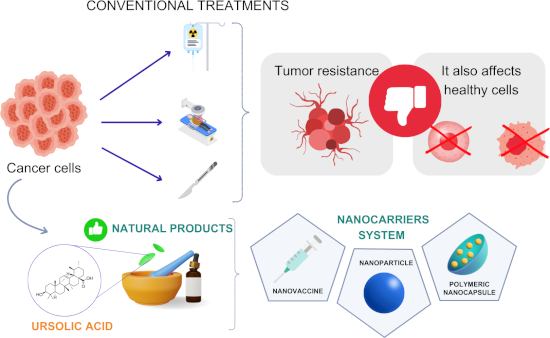
- certainly reflects the industry’s insecurity in investing in early-stage projects involving extraction, isolation, characterization, and reproducibility, as they are technically complex and costly, with little initial commercial appeal. Consequently, pharmaceutical companies tend to avoid these high-risk
- characterization, and therapeutic evaluation of nanotechnology [92]. The formulation of patent CN114470229 was discussed in an article by Guo et al., which showed that the nanoparticle, as in the patent, achieved better solubility, synergistic effect, and better targeting [93]. In addition, the article published
- ) complex that targets the PD-L1 gene, a cell-penetrating peptide, and a tumor cell membrane derived from HepG2 cells. Characterization of the nanoparticles showed that the nanocomplex was stabilized by hydrogen bonds, van der Waals forces, and hydrophobic forces. In addition, confocal microscopy, gene


Venom-loaded cationic-functionalized poly(lactic acid) nanoparticles for serum production against Tityus serrulatus scorpion
Beilstein J. Nanotechnol. 2025, 16, 1633–1643, doi:10.3762/bjnano.16.115
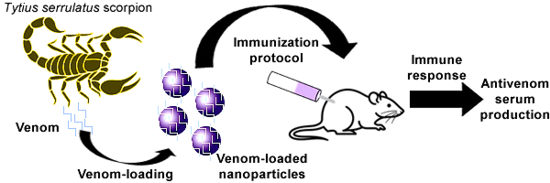
- physicochemical characterization of the nanoparticles revealed mean diameters below 230 nm, positive zeta potentials, and PDI below 0.3, corroborating other reports of PLA–PEI systems [14][38]. In addition, the high encapsulation efficiency can be attributed to the functionalizing agent (PEI), which demonstrates


Nanotechnology-based approaches for the removal of microplastics from wastewater: a comprehensive review
Beilstein J. Nanotechnol. 2025, 16, 1607–1632, doi:10.3762/bjnano.16.114
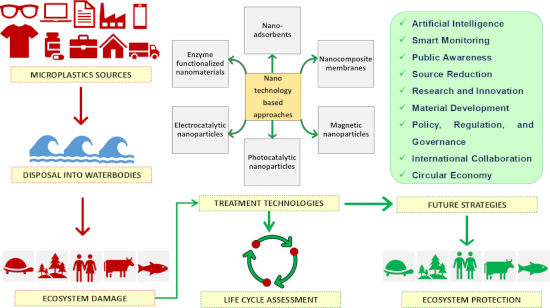
- techniques for the removal of MPs. Nanoparticle-based removal Advancements in characterization and synthesis techniques have enabled the manipulation of materials at the nanoscale, leading to innovations across various domains, including energy, electronics, and biomedical applications. Figure 5 depicts
- MPs from water. Its natural abundance, low toxicity, and biodegradability position it as sustainable option for water treatment applications [129][130]. Another challenge that arises is the precise detection and characterization of MPs. Commonly employed techniques for MPs identification include


Influence of laser beam profile on morphology and optical properties of silicon nanoparticles formed by laser ablation in liquid
Beilstein J. Nanotechnol. 2025, 16, 1533–1544, doi:10.3762/bjnano.16.108
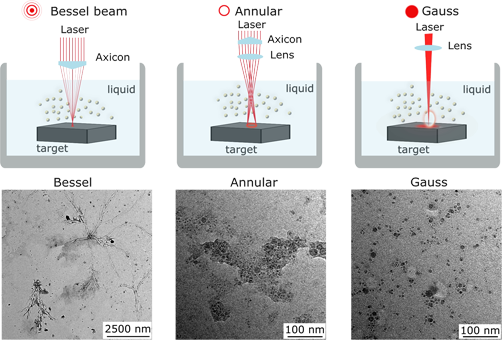
- , USA) equipped with Peltier-cooled CCD-detector and with a xenon arc lamp for excitation. The measured spectra were corrected for the spectral sensitivity of the spectrofluorometer. Results and Discussion Morphology and crystal structure The morphology characterization of as-formed Si NPs was performed
- further confirmed by their SEM characterization (Figure 3). As can be seen from Figure 3, long ramified filaments are dominant, and quasi-spherical NPs are seldomly observed. The formation of two different morphologies confirmed both by TEM (Figure 2) and SEM studies (Figure 3) for the ablation using a
- . Optical characterization The optical properties of Si NPs dispersed in ethanol were investigated using Raman and UV–vis spectroscopy. Initially, Si NPs obtained using Bessel, annular, and Gaussian laser beams were characterized by Raman spectroscopy, and their Raman spectra (vibrational modes) were


Dendrimer-modified carbon nanotubes for the removal and recovery of heavy metal ions from water
Beilstein J. Nanotechnol. 2025, 16, 1522–1532, doi:10.3762/bjnano.16.107

- spectroscopy was specifically used to confirm the Diels–Alder reaction on the surface of CNTs, and other characterization techniques (SEM, EDX, XRD, TGA, and FTIR) were applied to confirm the successive growth of the dendrimers. Highly dendrimerized CNTs were found to be more effective in removing heavy metal


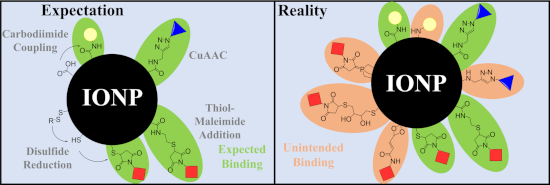
Cross-reactivities in conjugation reactions involving iron oxide nanoparticles
Beilstein J. Nanotechnol. 2025, 16, 1504–1521, doi:10.3762/bjnano.16.106







Laser processing in liquids: insights into nanocolloid generation and thin film integration for energy, photonic, and sensing applications
Beilstein J. Nanotechnol. 2025, 16, 1428–1498, doi:10.3762/bjnano.16.104
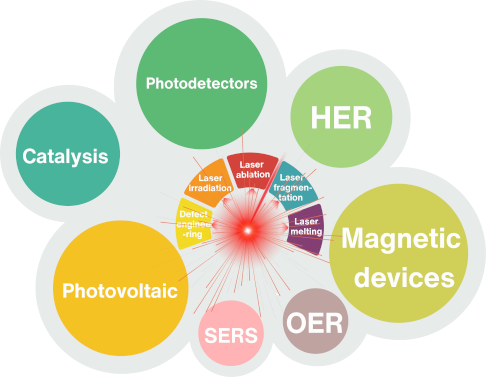
- Raman spectroscopy (SERS) substrates, and solar cells. In this review article, we describe different methods of nanocolloidal synthesis using laser-assisted processes and corresponding thin film fabrication methods, particularly those utilized for device fabrication and characterization. The four
- specific applications will be crucial for realizing the full potential of laser-based techniques and addressing challenges in LAL such as low productivity, high energy consumption, and wide size distribution. Additionally, advancing in situ characterization methods, such as time-resolved shadowgraphy [26
- . This method is widely utilized for forming thin films primarily for characterization purposes such as XRD, AFM, and photoluminescence (PL). However, apart from factors like strain of the substrate or temperature, if any applied to the substrate, no significant control over the film formation is






Photochemical synthesis of silver nanoprisms via green LED irradiation and evaluation of SERS activity
Beilstein J. Nanotechnol. 2025, 16, 1417–1427, doi:10.3762/bjnano.16.103
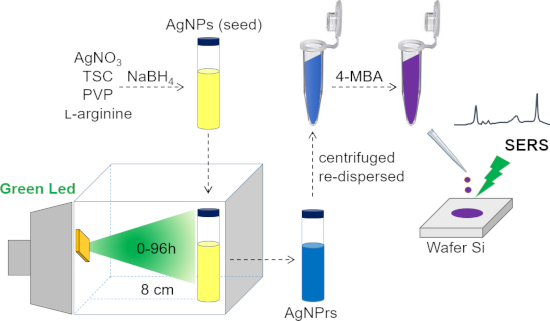
- , 12, 24, 48, and 72 h. During the irradiation process, the color of the solution gradually shifted from pale yellow to green and eventually to blue. Characterization The optical properties of the samples were characterized using UV–vis spectroscopy (Jasco V-670) with a scanning range from 900 to 200


Parylene-coated platinum nanowire electrodes for biomolecular sensing applications
Beilstein J. Nanotechnol. 2025, 16, 1392–1400, doi:10.3762/bjnano.16.101
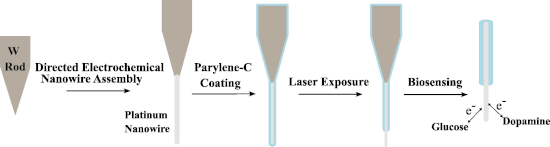
- electrode. (c) EDS elemental characterization of the copper deposition in panel b (from top to down: copper, platinum, and carbon). (a) Selected differential potential voltammetry (DPV) curves for dopamine detection. (b) Peak current analysis after baseline subtraction for logarithmic fitting. (c


Synthesis and antibacterial properties of nanosilver-modified cellulose triacetate membranes for seawater desalination
Beilstein J. Nanotechnol. 2025, 16, 1380–1391, doi:10.3762/bjnano.16.100
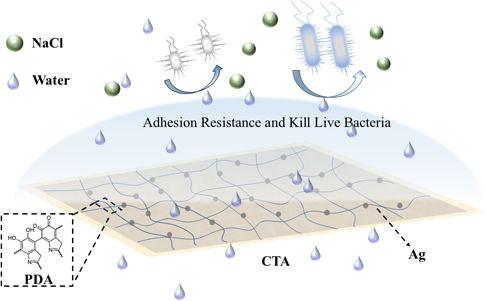
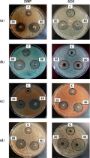
- the formation of the Ag@PCTA membrane. Finally, the membrane was cleaned three times with ultrapure water and then placed in a vacuum drying oven for further use. Characterization of antibacterial performance by disk diffusion method The modified CTA membrane and unmodified membrane were each cut into


Ferroptosis induction by engineered liposomes for enhanced tumor therapy
Beilstein J. Nanotechnol. 2025, 16, 1325–1349, doi:10.3762/bjnano.16.97
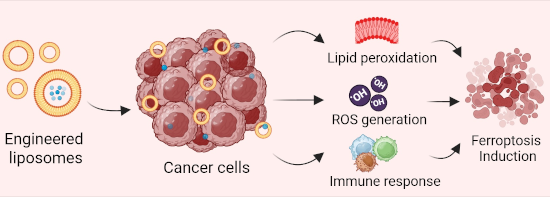
- [109]. The synthesis and characterization of liposomes are crucial steps to ensure their efficacy and safety as drug delivery systems [110]. 3.1 Design and engineering of liposomes Numerous liposome preparation methods affect their properties, including size, layer structure, and encapsulation
- ][120]. 3.2 Characterization of liposomes Characterization of liposomes is important to ensure their quality and performance as drug delivery systems. Several techniques are commonly used to analyze the properties of liposomes, including size, lamellarity, surface charge, and EE [110][121]. Dynamic
- . Other characterization techniques include nuclear magnetic resonance (NMR) spectroscopy to study membrane fluidity and phase transitions, fluorescence spectroscopy for investigating drug–liposome interactions, and capillary electrophoresis to analyze liposome–drug interactions and drug release [110][121


Deep-learning recognition and tracking of individual nanotubes in low-contrast microscopy videos
Beilstein J. Nanotechnol. 2025, 16, 1316–1324, doi:10.3762/bjnano.16.96
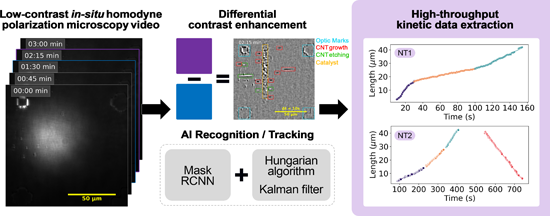
- performed SEM characterization. V.P. performed the in situ optical imaging, developed the protocols of data treatment and analyzed the experimental data. This work is partially based on Vladimir Pimonov’s doctoral thesis (“Growth kinetics of individual carbon nanotubes studied by in situ optical microscopy





